Fukuoka Cherry Blossom Itinerary
Fukuoka's cherry blossoms typically open in late March and peak at the very end of the month, which makes the city one of the earliest major sakura destinations in Japan. This itinerary spreads the best viewing spots across three days, with options to compress them into one.
Short answer
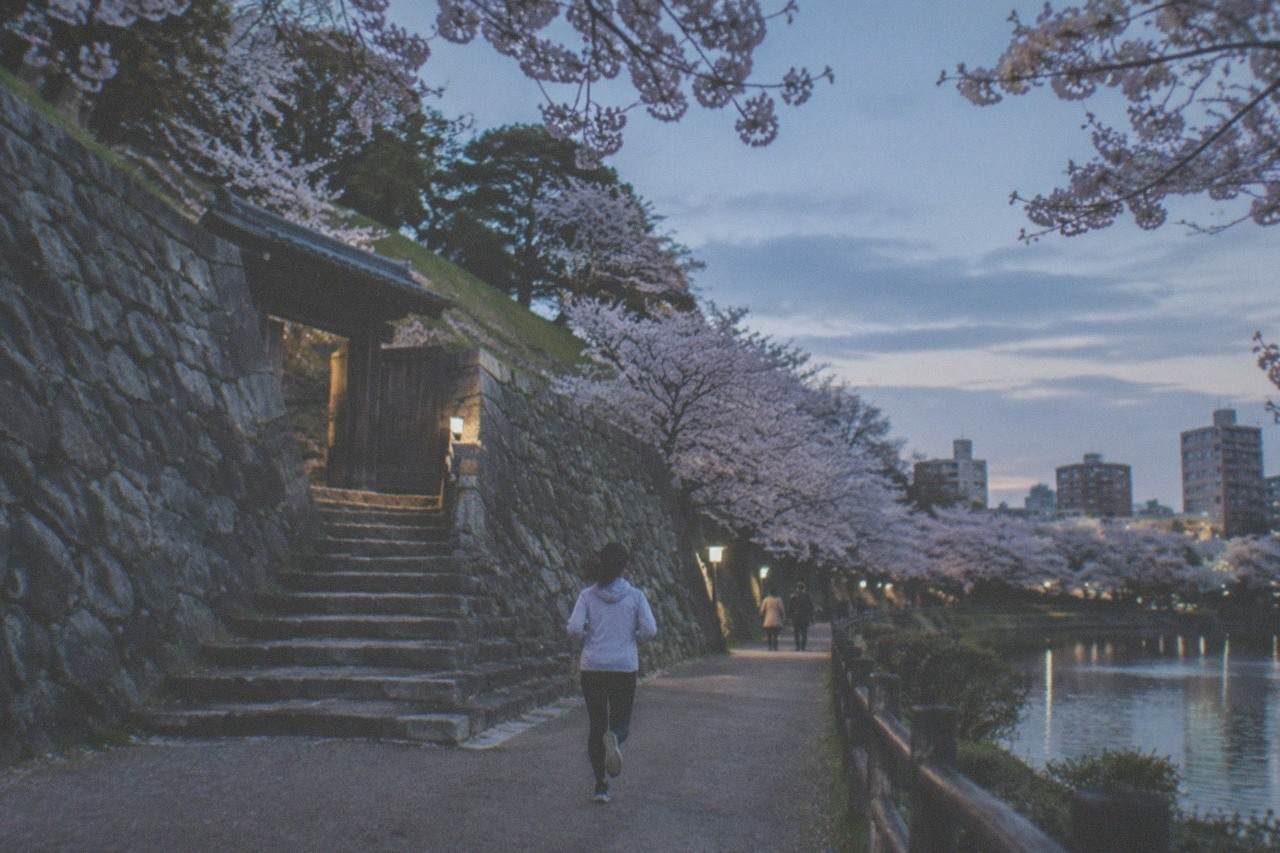
Fukuoka's cherry blossoms usually show first bloom around late March and reach full bloom between roughly March 28 and April 2, with peak viewing in late March to early April. Maizuru Park at the Fukuoka Castle ruins holds about 1,000 trees, and Nishi Park and Tenjin Central Park round out the best spots.
Fukuoka sits on Hakata Bay on the Genkai Sea side of northern Kyushu, and its position at the warm southern edge of Japan's main island chain gives it one of the earliest cherry blossom seasons of any big city in the country. The trees in the city centre typically open while Tokyo's are still bare branches, and the whole show, from first pink to the last petal on the ground, plays out over roughly two weeks. That is a short window, and it rewards planning. This itinerary covers the bloom timing, the best parks and riversides, a three-day route with a one-day compression option, and the spring weather and costs you should budget for.
When Does Cherry Blossom Usually Bloom in Fukuoka?
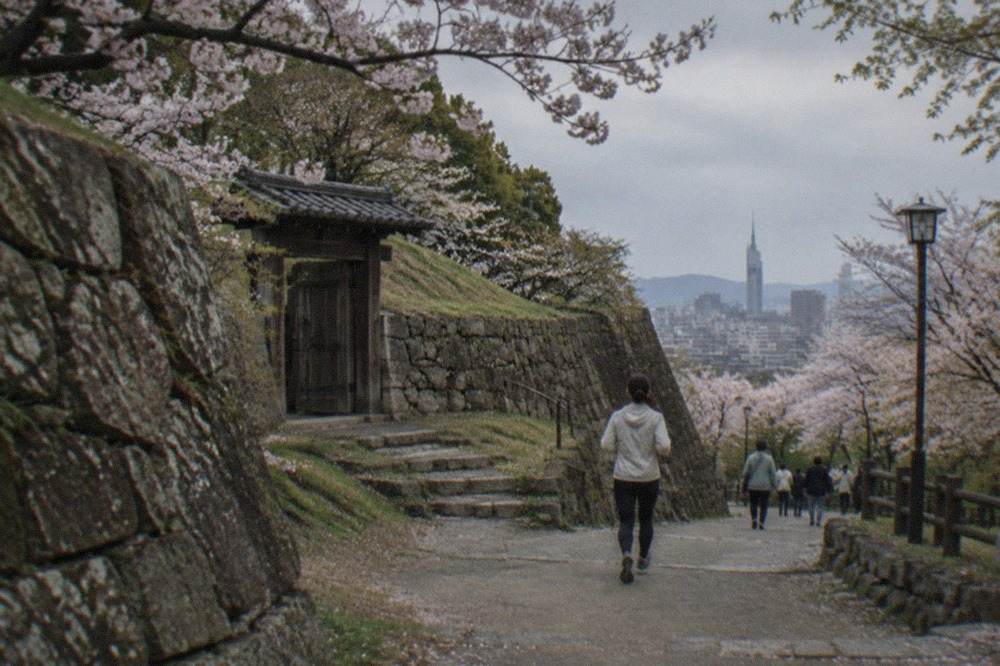
Fukuoka's cherry blossoms usually show first bloom in late March, often around March 20 to 24, and reach full bloom between roughly March 28 and April 2. Peak viewing runs from late March into the first days of April. The window shifts a week either way with the weather, so a trip anchored to the last few days of March gives you the best odds of catching full bloom somewhere in the city.
The timing comes from the Japan Meteorological Agency's phenological record for the Fukuoka station, which has tracked first bloom dates for decades. In 2026 the first bloom arrived around March 24, with full bloom following in the last days of the month, which is squarely typical rather than an outlier year. If you are flying in from abroad, the practical reading of that record is simple: book the final week of March, and accept that you are betting on weather rather than a guarantee.
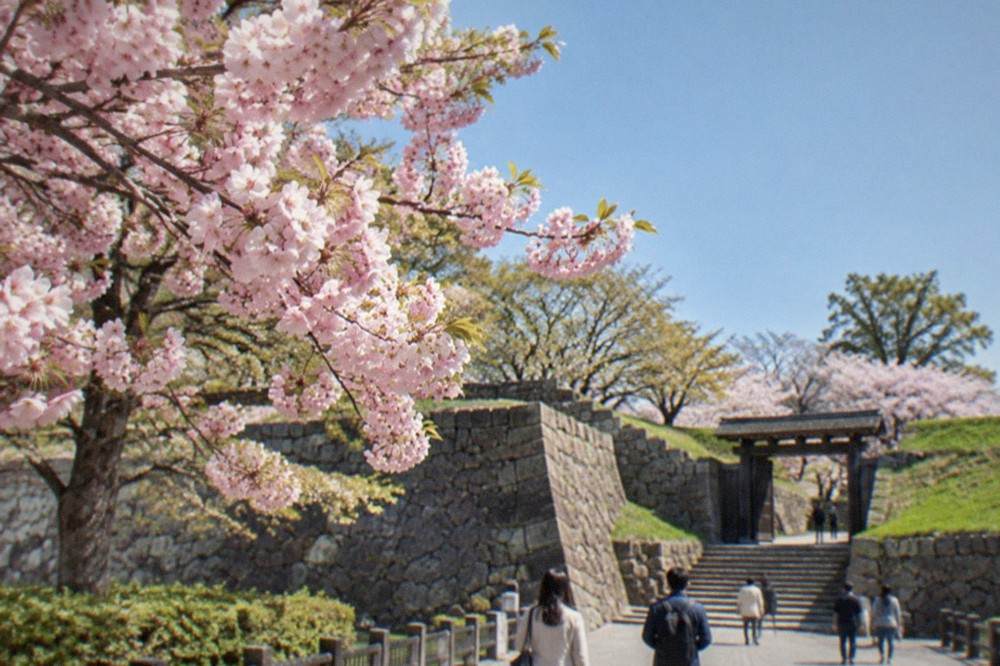
One point worth understanding is that "full bloom" is not the same as "best viewing." Cherry trees are at their most photogenic for roughly five to seven days after full bloom is declared, and the petals falling into a pond or onto a stone wall are often as beautiful as the ones still on the branch. Fukuoka's parks hold their color well into the first week of April in most years, so an early-April visit is not a wasted trip, it is a different one: fewer crowds, more petals on the ground, softer light.
| Stage | Typical timing | What you see |
|---|---|---|
| First bloom | Around March 20 to 24 | Buds cracking open, maybe 10 to 20 percent of flowers |
| Full bloom | Around March 28 to April 2 | Trees at maximum density, peak photo days |
| Best viewing | Late March to early April | Full canopy plus early petal fall |
| Petal fall | First week of April | Drifting petals, lighter crowds |
For a fuller treatment of the season itself, including the varieties planted in the city and how Fukuoka's bloom compares with Kyoto's and Tokyo's, see the site's Fukuoka cherry blossom guide, and for the wider season, spring in Fukuoka covers plum blossoms, azaleas and the shoulder-season weather in one place.
Where to See Cherry Blossom in Fukuoka?
The three best sakura spots in Fukuoka are Maizuru Park at the Fukuoka Castle ruins, which holds about 1,000 cherry trees, Nishi Park on its hillside terrace, and Tenjin Central Park in the business district. The Naka River banks at Nakasu and the moat edges at Ohori Park add riverside and waterside viewing. Between them you can fill three days without repeating a view.
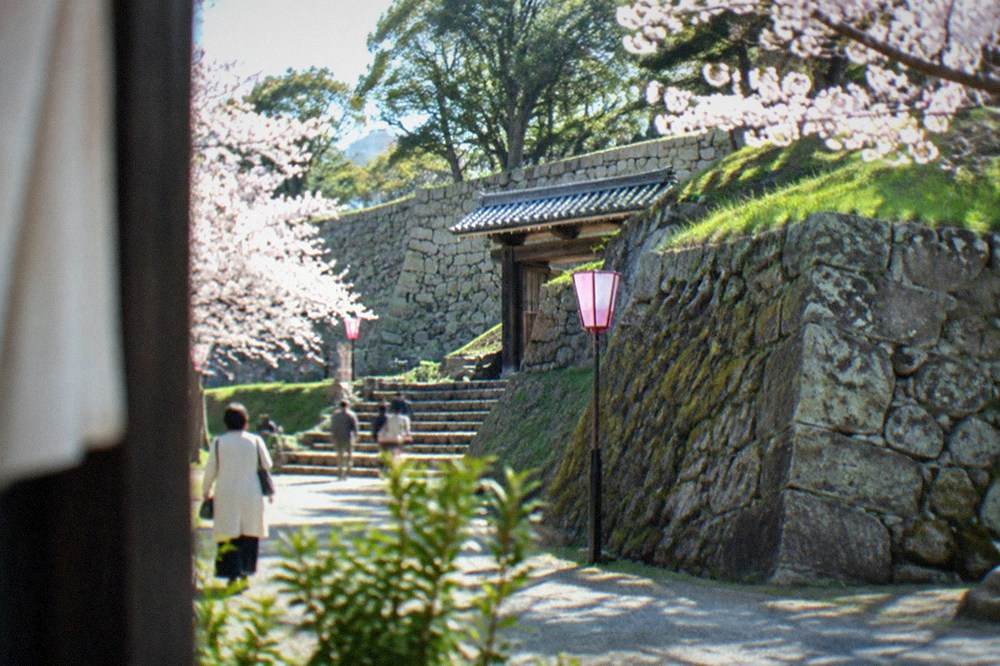
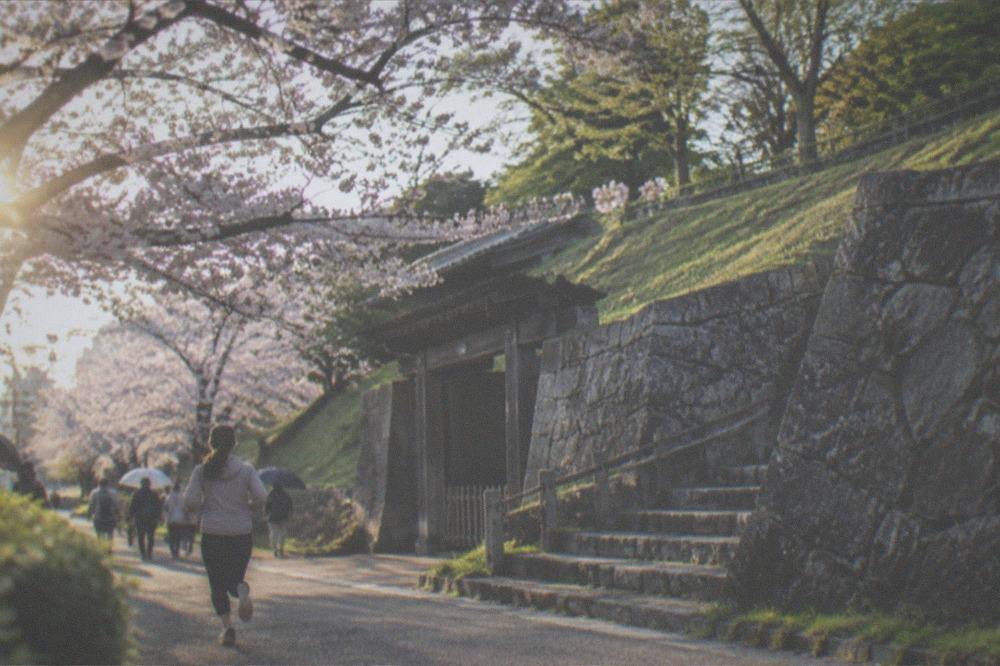
Maizuru Park is the headline venue, and not only for the tree count. The roughly 1,000 cherries climb the stone walls of the castle ruins, so the blossoms sit against centuries-old masonry rather than a flat lawn, and the park runs illuminations during the bloom period, which turns the evening into a second viewing session. One honest caveat for spring 2026 and the rest of that calendar year: the Tenshudai, the main keep base, is closed to entry from May 26 until the end of December 2026 for an archaeological excavation. The excavation follows a document found in December 2024 describing a keep that may never have been built, and the city has tripled the dig area. The cherry trees and the illuminated walls are unaffected, but you cannot stand on the keep base itself, per the official castle site.
Nishi Park, on a hill a short walk west of Ohori Park, is on lists of Japan's top 100 sakura spots, and its terraced slopes give you blossom with a view over the city and the bay. It is a neighborhood park rather than a destination one, which means more locals and fewer tour groups. Tenjin Central Park is smaller again, a lunch-spot park ringed by office towers, but it is a genuine concentration of trees two minutes from the Tenjin subway station, and it pairs naturally with the underground mall if the weather turns.
| Spot | Trees and setting | Best time of day | Nearest subway |
|---|---|---|---|
| Maizuru Park / castle ruins | About 1,000 trees on castle walls, evening illuminations | Late afternoon into night | Ohori or Akasaka |
| Nishi Park | Hillside terraces, bay views | Morning light | Ohori |
| Tenjin Central Park | Compact grove among office towers | Midday | Tenjin |
| Naka River banks at Nakasu | Riverside rows above the yatai stalls | Sunset | Nakasu-Kawabata |
| Ohori Park | Scattered cherries along the water | Anytime | Ohori Park or Tojinmachi |
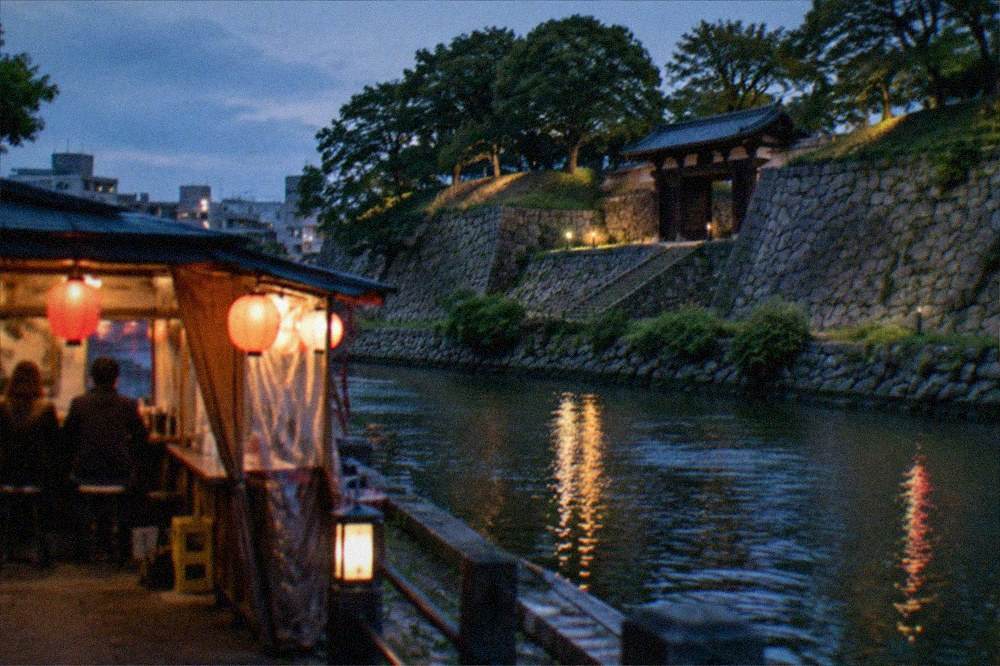
The riverside option deserves its own mention. In Nakasu, cherry trees line the Naka River, and during the bloom weeks you can stand on the bridges and see blossom above the water on one side and the illuminated yatai street on the other. A guided bike ride is one of the most efficient ways to string these spots together, since the city is flat, the parks are closer than they look on a map, and a local guide knows which bridge has the best angle at sunset. The Hakata bike ride runs about three and a half hours and is rated 4.7 from 22 reviews.
If you would rather structure the whole trip around a proven route, the site's three-day Fukuoka itinerary covers the non-sakura highlights, and this next section layers the blossom spots onto that same geography.
How Do You Structure Three Days of Sakura Viewing?
Split the three days by district: day one around Ohori Park, Maizuru Park and Nishi Park in the west of the centre, day two in Hakata and Nakasu with the riverside trees and Kushida Shrine, and day three as a flexible day, either Tenjin's parks and museums or a Dazaifu side trip if the bloom there is peaking. This keeps each day walkable and puts the biggest park on day one, when your energy is highest.
The logic behind the split is transport geography. Fukuoka's three subway lines cross at Nakasu-Kawabata and Tenjin, and the Ohori and Maizuru parks sit together on the western side of the loop, so bundling them saves backtracking. Hakata and its temples sit on the eastern side. Tenjin is the hinge in the middle. A visitor who tries to see Maizuru Park and Kushida Shrine in the same morning spends half of it underground.
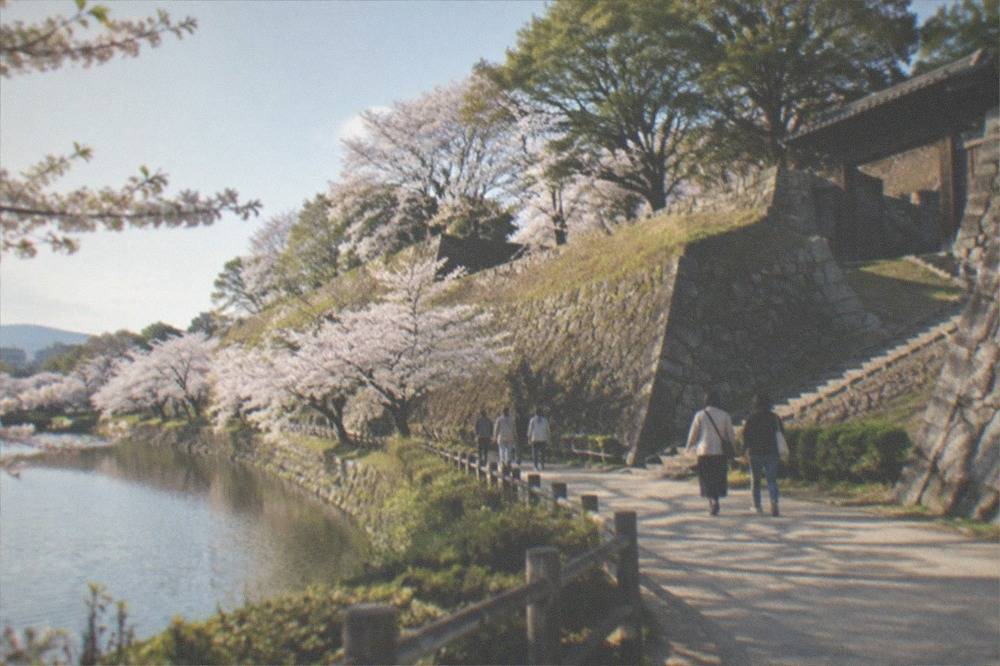
Day one starts at Ohori Park, which is free and open from dawn, so early risers get calm water and petals before the crowds build. The Japanese Garden inside the park charges ¥250 for adults and ¥120 for children, with under-6s free, and it closes Mondays, so check the day of the week. From there it is a short walk to the Maizuru Park castle walls and the cherry illuminations, with Nishi Park as the late-morning hill climb. Day two belongs to Hakata: the riverside trees at Nakasu in the morning light, Kushida Shrine's grounds, which are free, and the old town lanes around Shofukuji and Tochoji in the afternoon, finishing on a Naka River bridge at sunset. Day three is the flex day, and the honest advice is to leave it unplanned until you see how the bloom is actually tracking on arrival.
| Day | Morning | Afternoon | Evening |
|---|---|---|---|
| One | Ohori Park, Japanese Garden | Maizuru Park castle walls, Nishi Park | Illuminations at the castle ruins |
| Two | Naka River banks, Kushida Shrine | Hakata old town, Tochoji | Bridges at Nakasu, yatai dinner |
| Three | Tenjin Central Park or Dazaifu | Museums or shopping | Fukuoka Tower or a night cruise |
One planning note that most guides skip: the evening illuminations at Maizuru Park only run during the bloom festival period, so the exact dates shift with the trees. Ask at the Tenjin or Hakata tourist information office when you arrive, or check the city's event listings, because the illuminated walls are worth rearranging a day for. If you are traveling with children, the Fukuoka with kids itinerary adapts the same geography for shorter legs and playground stops.
A guided evening can also carry the day-two plan if you would rather not navigate the stall-lined lanes alone, and the options below cover the three most useful formats for a sakura week.
Can You Compress the Sakura Spots Into One Day?
Yes. A one-day route runs Ohori Park at opening, Maizuru Park's castle walls by mid-morning, Tenjin Central Park at lunch, the Naka River banks and Kushida Shrine in the afternoon, and the Maizuru illuminations after dark. It is a full day, roughly 8 km of walking, but it is flat and entirely on the subway's spine, so a layover or a cruise-port day can genuinely catch the city in bloom.
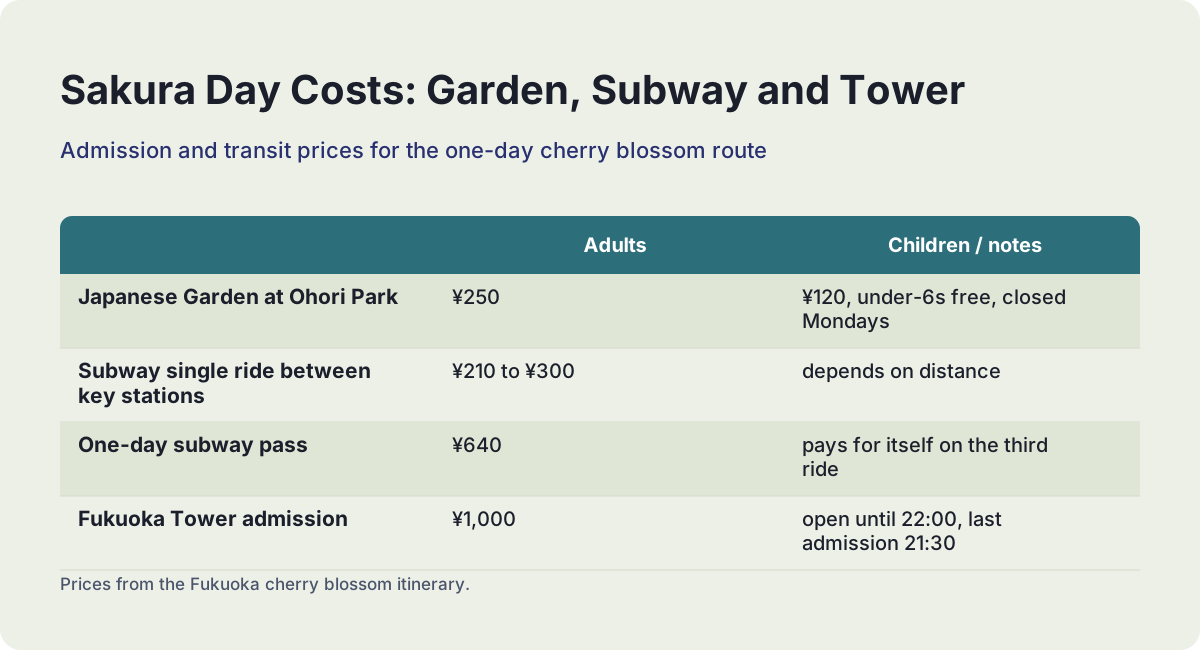
The compression works because Fukuoka is compact in a way Tokyo and Osaka are not. The subway fare between the key stations costs ¥210 to ¥300 per ride depending on distance, and a one-day subway pass costs ¥640 for adults, which pays for itself on the third ride. Start at Ohori Park at opening for the calm light, walk east through Maizuru Park while the morning crowd is still thin, then subway to Tenjin for lunch under the Central Park trees.
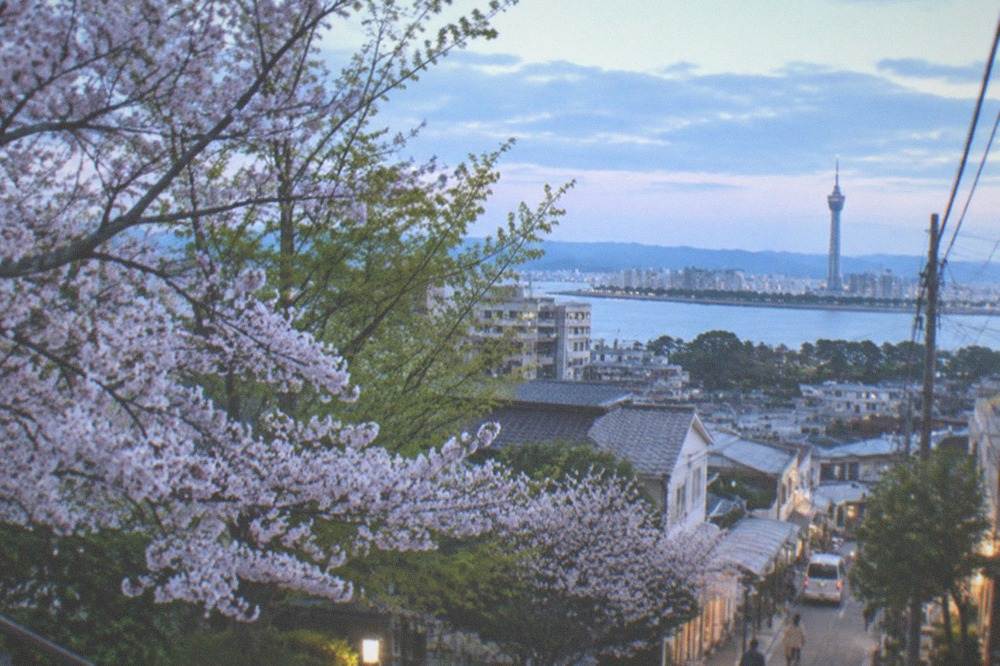
The afternoon swings east to Nakasu-Kawabata. The riverbank trees, the shrine and the Kawabata shopping arcade sit within a ten-minute walk of one another, and the arcade gives you a covered fallback if the sky turns. Finish the day back at Maizuru Park for the illuminations, or, if the walls close early, at Fukuoka Tower, which stays open until 22:00 with last admission at 21:30. Admission to the tower is ¥1,000 for adults, ¥500 for elementary and junior high students and ¥200 for ages 4 and up, and a prebooked admission ticket, from $7 per person, skips the ticket line on busy spring evenings. The tower closes on June 28 and 29 in 2027, well outside sakura season, but worth knowing if you return in summer.
For a fuller single-day plan that includes the non-blossom essentials, the one-day Fukuoka itinerary is the site's dedicated version, and the two-day itinerary splits this same route more comfortably if three days is too many.
What Is Spring Weather Actually Like in Fukuoka?
Spring in Fukuoka is mild and progressively wet: March averages 10.8 degrees Celsius with 103.7 mm of rain, April 15.4 degrees with 118.2 mm, and May 19.9 degrees with 133.7 mm. The tsuyu rainy season arrives around June, which averages 249.6 mm. For sakura weeks in late March and early April, expect daytime highs near 15 to 20 degrees, chilly evenings, and a real chance of showers, so layers and a compact umbrella are the right kit.
Those figures come from the Japan Meteorological Agency's 1991 to 2020 normals for the Fukuoka station, the official climate record. The table most visitors care about is the spring run: March is cool enough that a light jacket is needed all day, April is genuinely pleasant, and May is warm enough for short sleeves in the afternoons.
| Month | Mean temperature | Daily high | Daily low | Rain |
|---|---|---|---|---|
| March | 10.8 °C | 15.0 °C | 7.2 °C | 103.7 mm |
| April | 15.4 °C | 19.9 °C | 11.5 °C | 118.2 mm |
| May | 19.9 °C | 24.4 °C | 16.1 °C | 133.7 mm |
| June | 23.3 °C | 27.2 °C | 20.3 °C | 249.6 mm |
Two things the normals table does not say. First, rain does not cancel sakura viewing in Fukuoka; the petals hold on the branch through ordinary showers, and wet-blossom photography along the Ohori Park water is a genre of its own. Second, the rainiest stretch of Fukuoka's year is not the June rainy season at all: July is the wettest month at 299.1 mm against June's 249.6 mm, a fact that surprises most visitors and matters if you extend your trip. Typhoon season runs roughly July through October, well after the sakura weeks, so it is not a spring planning factor. For the full seasonal picture, the site's best time to visit Fukuoka guide weighs every month.
If a genuinely wet day lands mid-trip, the rainy day itinerary routes you through the museums, the underground mall and Canal City, all of which are indoors, and the art museums are a bargain fallback at ¥200 general admission with under-15s free.
How Much Should You Budget for a Cherry Blossom Trip?
Budget roughly ¥1,000 to ¥3,000 per person per day for food at the casual end, ¥640 for a subway day pass, ¥250 for the Ohori Park Japanese Garden and ¥1,000 for Fukuoka Tower, with the major parks and shrine grounds free. Flights and accommodation dominate the total, and late March is peak season for hotels, so book rooms months ahead rather than on arrival.
The good news is that Fukuoka's best sakura experiences cost almost nothing. Maizuru Park, Nishi Park, Tenjin Central Park, Ohori Park, the Naka River banks and Kushida Shrine's grounds are all free. The paid items are the add-ons: the Japanese Garden, the tower, the museums, and food. The yatai stalls are the classic dinner option, and a city ordinance requires every stall to post its prices visibly, with no "market price" wording permitted, so you can see what a dish costs before you sit down. Expect dishes from a few hundred yen upward, and bring cash, since acceptance of cards varies stall to stall.
| Item | Typical cost | Notes |
|---|---|---|
| Subway single ride | ¥210 to ¥380 | Distance-based, child fares half |
| Subway day pass | ¥640 | Pays off from the third ride |
| Ohori Park Japanese Garden | ¥250 adult, ¥120 child | Closed Mondays |
| Fukuoka Tower | ¥1,000 adult | Open to 22:00, last entry 21:30 |
| City art museums | ¥200 general | Under-15s free |
| Yatai dinner | Varies, prices posted | Cash is safest |
If you are a short-stay overseas visitor, the Fukuoka Tourist City Pass costs ¥2,500 for one day of unlimited subway, bus, train and ferry rides, or ¥2,800 with the Dazaifu extension, and a passport is checked at the counter. Most competing guides still quote the old, much cheaper prices, which no longer exist. For a full cost breakdown including accommodation areas, the site's trip cost guide and budget guide do the arithmetic.
A guided half-day walking tour is one of the few paid items that earns its price during the bloom weeks, since a guide who knows which park is peaking on that specific morning saves you the guesswork. The city essentials tour runs 3 to 6 hours from $74 per person and is rated 4.9 from 48 reviews.
What If the Blossoms Come Early or Late?
If the bloom runs early, shift your park days forward and spend the extra time on Dazaifu or the coast, where blossoms open a day or two behind the city. If it runs late, the city's parks hold plenty of bud-stage beauty, and the illuminated evenings work on half-open trees. Book refundable accommodation, arrive in the last week of March, and hold day three flexible, which is exactly why this itinerary leaves it open.
The JMA publishes bloom forecasts region by region in the weeks before the season, and Fukuoka's tourism offices post daily updates on which parks are at which stage. Checking these on arrival, rather than trusting a forecast made weeks out, is the single highest-value five minutes of a sakura trip. Dazaifu Tenmangu, a short Nishitetsu ride from Tenjin, has no entrance fee and its approach is lined with trees that tend to track the city's timing, so it makes a strong day-three substitute when the city's petals are already falling.
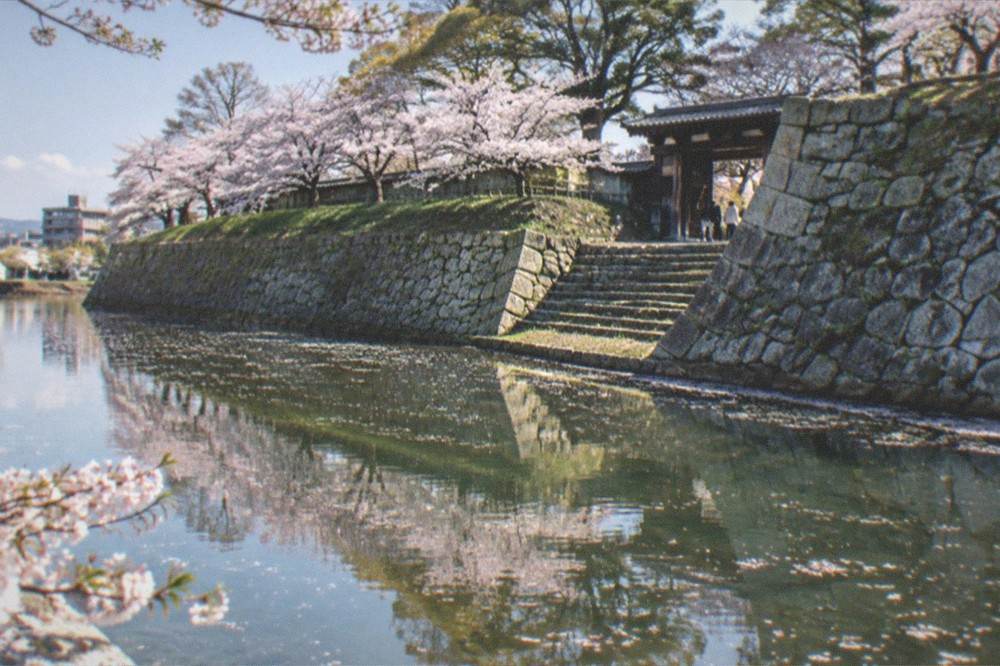
Petal fall is not the end of the season, either. The petal-covered water at Ohori Park and the drifts along the castle walls draw photographers for several days after full bloom passes, and the crowds thin noticeably. A late arrival in the first week of April often gets you the softer, quieter version of the same scenery, plus the first of the spring azaleas. If you are extending beyond the city, the four-day and five-day itineraries add day trips that are not bloom-dependent, which is the right insurance against a season that runs a week off schedule.
For travelers combining the sakura week with a first visit to the city, the first-timer itinerary covers the essentials this page skips, and this site, the Fukuoka Japan Travel Guide, holds the full set of routes, food guides and transport explainers for planning the rest of the trip.
Common Questions About Cherry Blossom in Fukuoka
When Does Cherry Blossom Usually Bloom In Fukuoka?
First bloom typically arrives in late March, often around March 20 to 24, with full bloom between roughly March 28 and April 2. Peak viewing runs late March into early April, and the whole season spans about two weeks.
Where are the best cherry blossom spots in Fukuoka?
Maizuru Park at the Fukuoka Castle ruins holds about 1,000 trees against the old stone walls and runs evening illuminations during the bloom. Nishi Park, Tenjin Central Park, the Naka River banks at Nakasu and the water edges of Ohori Park complete the set.
Is late March or early April better for visiting?
The last few days of March give the best odds of full bloom, while the first week of April brings petal fall, thinner crowds and softer light. Both are good; they are simply different experiences of the same trees.
Can you see cherry blossoms in Fukuoka on a one-day visit?
Yes. A compressed route covers Ohori Park, Maizuru Park, Tenjin Central Park and the Naka River banks in a single day on the subway, roughly 8 km of flat walking, with the castle-ruin illuminations as the evening finish.
Does rain ruin the cherry blossom viewing?
No. Ordinary spring showers leave the petals on the branch, and the city averages 103.7 mm of rain in March and 118.2 mm in April, so some rain is normal. Wet-blossom photography at Ohori Park is a highlight rather than a consolation.
How much does a cherry blossom day in Fukuoka cost?
The main parks and shrine grounds are free. Add ¥640 for a subway day pass, ¥250 for the Japanese Garden and ¥1,000 for Fukuoka Tower, plus food. A casual food day runs from about ¥1,000 to ¥3,000 per person, with yatai prices posted on every stall by law.