Tenjin
Tenjin is Fukuoka's downtown: the densest cluster of department stores, restaurants, bars and subway lines in the city, and the neighbourhood most first-time visitors end up basing themselves in. This guide covers what Tenjin actually is, where to sleep, what a day costs and how it stacks up against Hakata.
Short answer
Yes, Tenjin is one of the best areas to stay in Fukuoka. It sits on two subway lines, holds the city's main department stores and the Tenjin Underground Mall, and keeps roughly 100 yatai and thousands of restaurants within walking distance. A subway ride from Fukuoka Airport costs ¥260, and a one-day subway pass is ¥640.
Tenjin is Fukuoka's central business district, and for most visitors it functions as the city's downtown. The name refers loosely to the area around Tenjin subway station and the Tenjin Underground Mall, though the neighbourhood bleeds into Daimyo, Imaizumi, Yakuin and Kego, each with its own character. Department stores ring the station, boutiques and coffee roasters fill the side streets, and the whole district sits on the crossing of the city's Kuko and Hakozaki subway lines, which is why so many people end up sleeping here.
This page answers the practical questions: whether Tenjin is a good base, what it offers over Hakata, what a day costs, and which pocket of the district suits which traveller. Everything below comes from official sources, the city's own transport pages and the verified venue listings on this site.
Is Tenjin a Good Area to Stay in Fukuoka?
Yes, Tenjin is a strong base for most trips to Fukuoka, and for many visitors it is the best one. It is the only place where two subway lines cross outside Hakata Station, so you can reach the airport, Ohori Park, Nakasu and Hakata without changing trains. The district also holds the city's densest concentration of restaurants, bars and shops, which means evenings resolve themselves without planning. The trade-off is price and noise: hotels here cost more than in Hakata's back streets, and the busiest blocks stay lively late.
The honest answer depends on what your trip is for. If you are in Fukuoka to eat, shop and move around the city, Tenjin is hard to beat. If your priority is the Shinkansen or early trains into Kyushu, Hakata Station's immediate area saves you a subway leg every time. Plenty of visitors split the difference by staying anywhere on the Watanabe-dori corridor between the two, which is quiet at night and fast to both.
Families and long-stay travellers tend to do well slightly west of the core, towards Yakuin or the Ohori Akasaka edge, where the streets calm down and parks appear. Solo travellers and couples who want nightlife within a ten-minute walk usually prefer Daimyo or Imaizumi, which are covered in detail below.
For a fuller comparison of every district in the city, read the where to stay in Fukuoka guide, and for the most common head-to-head, see the Hakata or Tenjin question answered directly.
What Is Tenjin Known For?
Tenjin is known as Fukuoka's shopping and dining core. It holds the city's main department stores, the Tenjin Underground Mall, the boutique districts of Daimyo and Imaizumi, and the largest concentration of restaurants anywhere in the city. It is also the transport crossroads of downtown: two subway lines meet here, and Nishitetsu's Tenjin Station connects the district directly to Dazaifu. The name comes from Tenjin, the deified spirit of scholar Sugawara no Michizane, honoured at a small shrine on Tenjinmachi that predates the skyscrapers around it.
The shopping is the headline. Within a few blocks you can walk through Iwataya, Mitsukoshi, Daimaru and Parco, plus the Tenjin Underground Mall, a network of tiled European-styled passages that runs beneath Watanabe-dori and connects the main stores to the subway gates. The mall alone holds around 150 shops and restaurants, and on a rainy or sweltering day it is the single most useful place in the city, because you can cross half of Tenjin without surfacing. The Tenjin Underground Mall has its own page with a full walkthrough.
Beyond the big stores, the character of the district lives in its western side streets. Daimyo, once a residential quarter of small houses, is now the closest thing Fukuoka has to Harajuku: independent boutiques, vintage shops and coffee roasters packed into narrow lanes. Imaizumi, one block south, skews quieter and more grown-up, with select shops, natural-wine bars and some of the best cafes in the city. Yakuin, further south along the Nishitetsu line, mixes old shotengai shopping streets with new apartment towers and a strong local food scene.
The eating deserves its own mention. Tenjin sits between two of the city's great food zones: the Nakasu yatai rows and the Naka River to the east, and the izakaya depth of Daimyo and Imaizumi to the west. Fukuoka's roughly 100 licensed yatai are spread across Nakasu, Tenjin and Nagahama, and the Tenjin stalls along Watanabe-dori and Showa-dori tend to draw an after-work local crowd rather than tourists.
If you want someone to weave the history in with the shopping streets, the Fukuoka Essentials tour is the natural fit here: a half-day guided walk rated 4.9 from 48 reviews, from $74 per person, covering the city's history and character between the core sights.
Where Exactly Is Tenjin and How Do You Get There?
Tenjin occupies the centre of Fukuoka's Chuo ward, a short walk west of Hakata Station on the Naka River's west bank. Two subway lines cross at Tenjin station: the Kuko (Airport) line running east to Hakata and Fukuoka Airport, and the Hakozaki line running east to Nakasu-Kawabata. Nishitetsu Tenjin Station, on the private railway, sits one level up and runs south towards Yakuin, Futsukaichi and Dazaifu. From the airport, the subway fare to Tenjin is ¥260.
Getting in from Fukuoka Airport is straightforward. The airport sits on the Kuko line at the south-eastern edge of the city, unusually close to the centre, and the subway runs directly to Tenjin with no changes. The fare is ¥260 for the 3 to 7 km band, per the city subway's own fare table, which is published at subway.city.fukuoka.lg.jp. Avoid printing the "five minutes" figure you will see on other sites: no official page states a journey time, only the fare is verified.
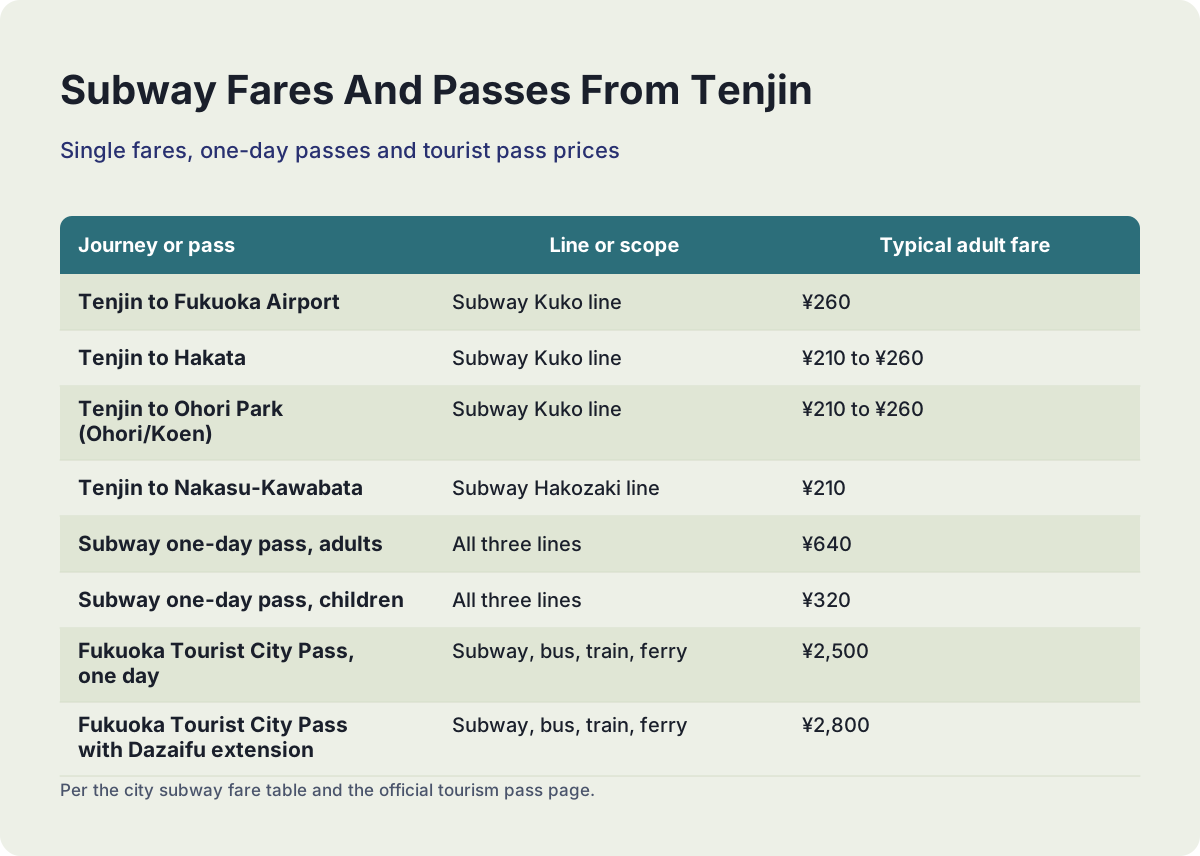
Single subway fares anywhere in the city run from ¥210 for up to 3 km to ¥380 beyond 19 km, with children at half fare. If you plan to move around a lot, the subway one-day pass costs ¥640 for adults and ¥320 for children, and covers all three lines from first to last train on the day of use. It also carries discounts at partner facilities.
| Journey from Tenjin | Line | Typical adult fare |
|---|---|---|
| Tenjin to Fukuoka Airport | Subway Kuko line | ¥260 |
| Tenjin to Hakata | Subway Kuko line | ¥210 to ¥260 |
| Tenjin to Ohori Park (Ohori/Koen) | Subway Kuko line | ¥210 to ¥260 |
| Tenjin to Nakasu-Kawabata | Subway Hakozaki line | ¥210 |
| Tenjin to Dazaifu | Nishitetsu train, one change at Futsukaichi | check current fare at the counter |
For overseas visitors, the Fukuoka Tourist City Pass is worth knowing about even if you do not buy it. It covers unlimited subway, bus, train and ferry rides for one day at ¥2,500, or ¥2,800 with the Dazaifu extension, but only for short-stay visa holders, and the counter checks your passport. The details are on the official tourism pass page at gofukuoka.jp. If you are arriving late with luggage and would rather not navigate the subway, a private arrival transfer from the airport to your Tenjin hotel starts from $149 per person and takes the guesswork out of the first hour.
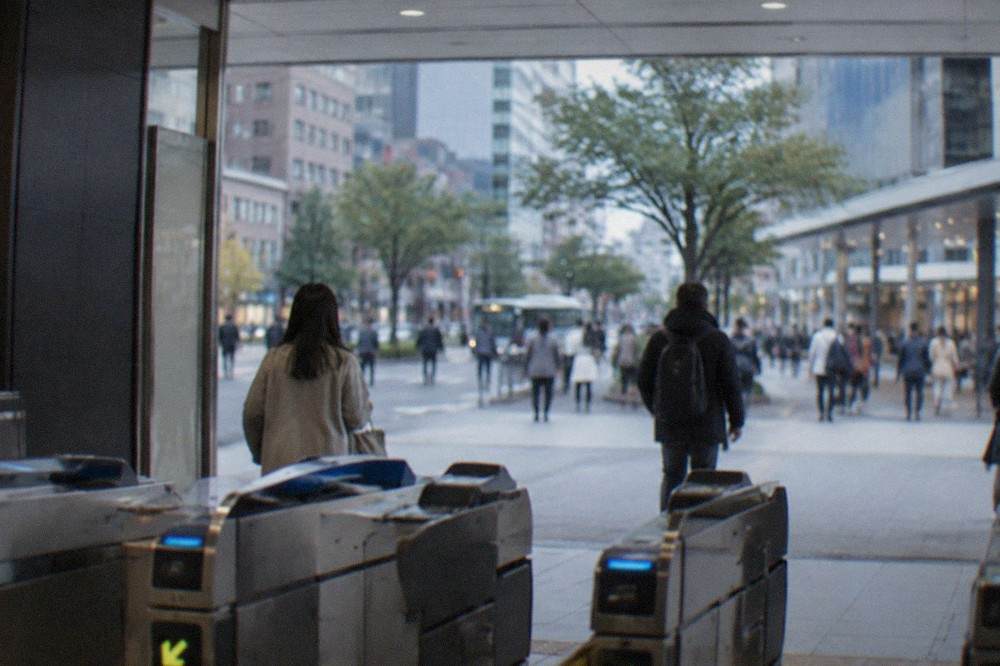
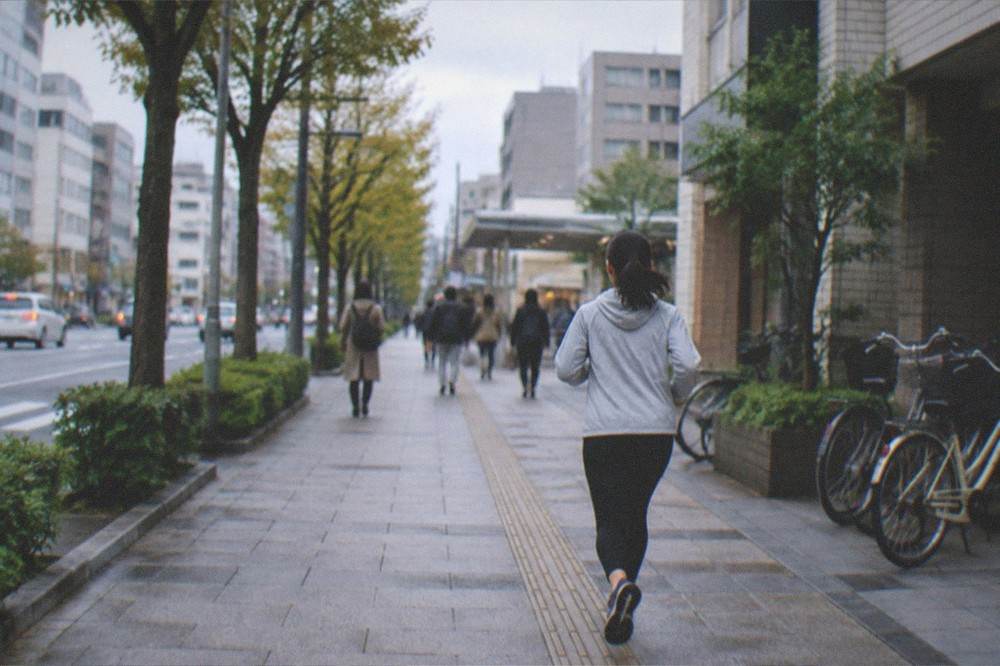
Walking is the other answer. Tenjin to Hakata Station is a flat, dull-but-simple 20-minute walk along Watanabe-dori. Tenjin to Nakasu is 10 minutes east. Tenjin to Ohori Park is a pleasant 25-minute walk past the Fukuoka City Hall. The district rewards being on foot more than any other part of the city, because the interesting parts are the side streets.
Which Part of Tenjin Should You Stay In?
Choose Daimyo or Imaizumi if you want bars, boutiques and cafes at your door. Choose the department-store core around Tenjin station if you want maximum convenience and do not mind a corporate feel. Choose Yakuin for a quieter, more local base with a food scene, or the Ohori Akasaka edge if you want parkland nearby. The core is the loudest and usually the priciest; the western and southern pockets trade a few minutes of walking for noticeably calmer nights.
The district is really a cluster of small neighbourhoods, and the difference between them is bigger than the walking distances suggest. Daimyo, immediately west of the core, is the loudest and most fun: vintage shops, cocktail bars and restaurants packed into lanes that stay busy until midnight. It suits couples and groups who plan to be out late. Imaizumi, just south of Daimyo, is Daimyo grown up: the same density of independent shops but quieter, more cafes than bars, and better for a slower trip. Both have their own pages: Daimyo and Imaizumi.
Yakuin, south along the Nishitetsu tracks, is the local's pick. It mixes a surviving shotengai shopping street with new development, and it has one of the best concentrations of small izakaya and bakeries in the city. Because Nishitetsu trains run from Yakuin direct towards Dazaifu, it also suits day-trippers heading south. The Yakuin guide covers it in full.
| Best for | Character | Night noise | |
|---|---|---|---|
| Tenjin core | First-timers, shoppers | Department stores, offices, hotels | Moderate to high |
| Daimyo | Nightlife, boutiques | Independent shops, bars, lanes | High on weekends |
| Imaizumi | Cafes, slower pace | Select shops, natural wine, quiet streets | Low to moderate |
| Yakuin | Local food, day trips south | Shotengai plus new towers | Low |
| Kego | Mid-price hotels | Practical, unremarkable, convenient | Low |
Kego, the small block south-east of the core, is where many of the mid-range business hotels cluster. It is not a destination in itself, but it puts you five minutes from the station and ten from Daimyo at rates below the core, which for many travellers is the right trade.
What Is There to Do in Tenjin?
The main things to do in Tenjin are shopping in the department stores and the Tenjin Underground Mall, eating your way through Daimyo and Imaizumi, visiting the small Tenmangu shrine the district is named for, and using Tenjin as the launch point for the rest of the city. There is no single headline attraction here: the district itself is the attraction, and its value is density, a dozen worthwhile stops within a fifteen-minute walk of each other.
Start with the shrine, because it explains the name. Tenmangu, a compact shrine on Tenjinmachi just south of the core, is dedicated to Sugawara no Michizane, the Heian-era scholar whose spirit is honoured at Tenmangu shrines across Japan, including the famous one at Dazaifu. It is small, free and usually empty, a two-minute stop that most visitors walk straight past. For the grand version, Dazaifu Tenmangu makes an easy half-day trip.
The shopping deserves a half-day at minimum. Iwataya and Mitsukoshi anchor the core, Daimaru sits by the station, and Parco skews younger and cheaper. Between them run the underground passages, which are worth walking even if you buy nothing, just to see how the city functions in rain. The full rundown of where to shop for what, from department store basements to tax-free counters, is in the Fukuoka shopping guide.
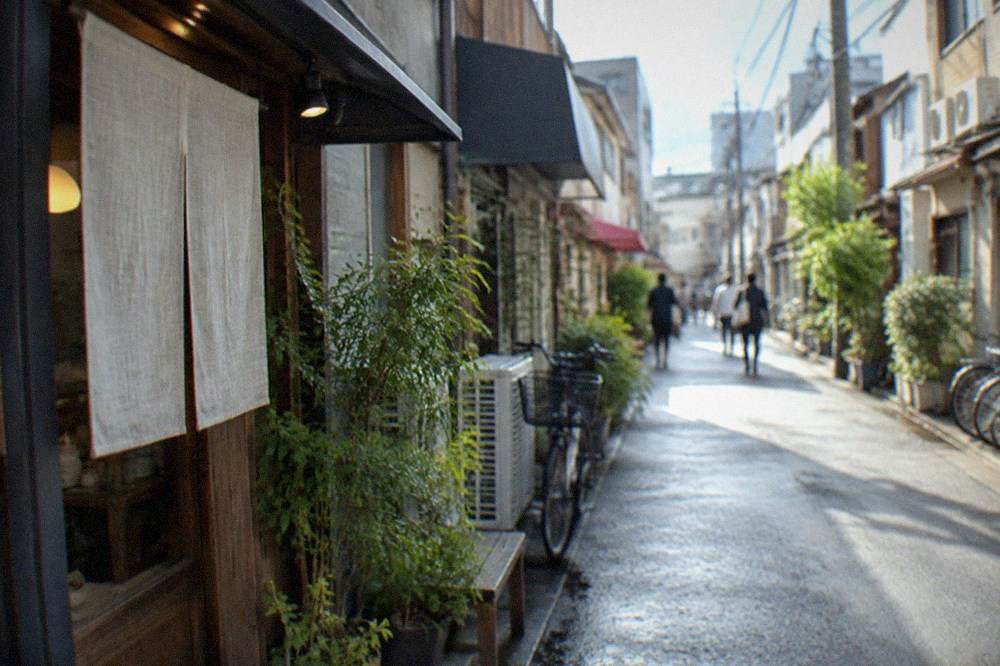
Culture within walking distance is thinner than in Hakata, but not absent. The Fukuoka Art Museum sits at the south-east corner of Ohori Park, about 25 minutes on foot or two subway stops away: collection admission is ¥200 for adults and ¥150 for high school and university students, free for junior high and under, and it closes Mondays. The Fukuoka Asian Art Museum, in the Riverain building on the Naka River's east bank, is free to enter, with only the Asia Gallery charging ¥200. Ohori Park itself, the city's best park, is two subway stops west: see the Ohori Park guide.
If you would rather have a local frame the city for you on your first day, a private walking tour is a good use of two hours. The Fukuoka Private and Personalized Walking Tour with a Local runs from $64 per person, rated 4.7 from 46 reviews, and since the route is shaped around what you want to see, Tenjin makes a natural starting point.
For something quieter and distinctly Japanese, the district also has hands-on culture options within a short subway ride. A tea ceremony with a maiko starts from $18 per person, rated 4.9 from 11 reviews, and a shisa amulet making workshop, also from $18, is a genuinely unusual hour that most visitors never hear about.
Where Should You Eat in and Around Tenjin?
Eat two ways in Tenjin: the department store basement food halls for a fast, cheap, high-quality lunch, and the Daimyo, Imaizumi and Yakuin side streets for dinner and drinks. The Tenjin stalls along Watanabe-dori and Showa-dori offer the yatai experience with a local after-work crowd, and the Nakasu rows are a ten-minute walk east. Fukuoka's signature dishes, tonkotsu ramen, motsunabe and mentaiko, are all represented within the district, and the ordinance requires every yatai to post its prices openly.
Lunch is the easy meal. Every major department store runs a depachika basement food hall, and around noon they sell bento, noodles and fried food at prices that undercut most sit-down restaurants. It is also the single best place to understand what Fukuoka eats: mentaiko on rice, goma-saba mackerel, hitokuchi gyoza. The city's food pages on this site break these dishes down one by one.
Dinner is where the district earns its reputation. Daimyo's lanes hold izakaya of every size, from eight-seat counters to loud second-floor rooms, and Imaizumi leans towards wine bars and modern Japanese. Yakuin's shotengai is the most local-feeling option. Whatever you order, the signature dishes to hunt down are tonkotsu ramen in its birthplace, motsunabe hot pot and mentaiko in every form.
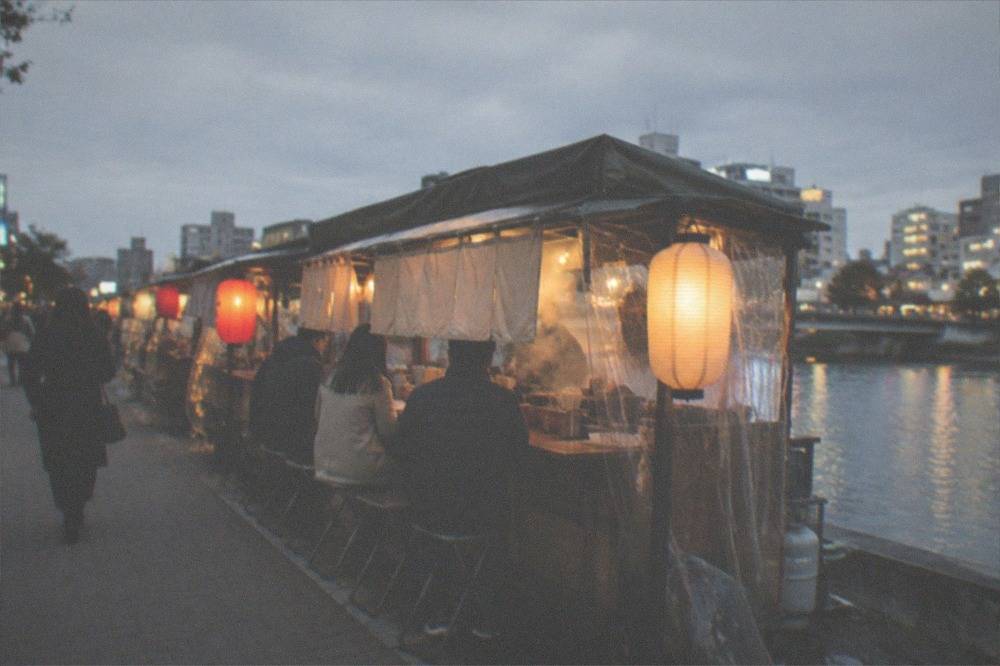
The yatai deserve a specific word, because Tenjin's version is different from Nakasu's. The Tenjin stalls are scattered along the office-district streets rather than lined up along the river, and the crowd skews local: office workers on their second stop of the evening. The city's ordinance requires prices to be displayed where customers can easily see them, and any dish priced on the day's market must show that day's actual price, so you can read the menu before you sit. Stalls are weather-dependent and open at the operator's discretion, so treat them as a bonus rather than a plan. The etiquette, including the unspoken rules about sharing seats, is covered in this site's dedicated yatai pages.
If you want the stalls decoded for you, a guided crawl solves the language barrier entirely. A private Nakasu food stall tour with tastings runs from $94 per person, rated 4.7 from 70 reviews, and a general evening tour covering yatai, izakaya and karaoke starts from $99, rated 5 from 29 reviews. Sake drinkers should also look at the Nishinakasu tasting session, from $51 per person with three appetizers, rated 4.6 from 7 reviews, which turns a loose evening into a structured one.
How Much Does a Day in Tenjin Cost?
Transport in Tenjin is cheap: a single subway ride within the central zones costs ¥210 to ¥260, and the ¥640 one-day pass pays for itself after three rides. Museum admissions are light, ¥200 at both city art museums, and the main sights are free. Food is the flexible line: basement food halls and noodle shops undercut sit-down restaurants, while izakaya dinners in Daimyo scale with how much you drink. Accommodation is the real variable, since Tenjin's hotels price above Hakata's.
The transport math is simple. If you make three or more subway trips in a day, the ¥640 one-day pass pays for itself. If you are staying in Tenjin and mostly walking, you may spend almost nothing on transport, because Hakata, Nakasu, Daimyo and Imaizumi are all on foot.
| Item | Typical cost | Notes |
|---|---|---|
| Subway single, central zones | ¥210 to ¥260 | ¥640 day pass after three rides |
| Fukuoka Tourist City Pass, city version | ¥2,500 | Overseas tourists only, passport checked |
| Fukuoka Art Museum collection | ¥200 | Free for junior high and under |
| Ohori Park Japanese Garden | ¥250 | Free for 65 and over |
| Fukuoka Tower observation deck | ¥1,000 | Two subway stops plus a short walk |
| Yatai dishes | posted on each stall | The ordinance requires visible prices |
The one-day itineraries on this site are built around exactly this budget. The 2-day Fukuoka itinerary bases itself in Tenjin and walks you through the costs day by day, and the budget guide covers the cheaper end of every category.
Weather is a cost factor people forget. July is Fukuoka's wettest month at 299.1 mm of rain, wetter than June despite June being the tsuyu rainy season, and typhoon season runs roughly July through October. Neither makes the city unvisitable, but a wet day in Tenjin is at least a comfortable one: the underground mall means shopping, eating and the subway never require going outside.
Tenjin or Hakata: Which Is the Better Base?
Choose Tenjin if your trip is about food, shopping and city life: it has the denser restaurant and bar scene, the boutiques of Daimyo and Imaizumi, and the subway crossroads of downtown. Choose Hakata if your trip leans on trains: the Shinkansen, JR lines into Kyushu and the airport bus hub all sit at Hakata Station. The two districts are 20 minutes apart on foot and one subway stop apart, so the choice is about atmosphere, not access.
The comparison deserves honesty rather than partisanship. Hakata has the station, the yatai heartland along Nakasu's edges, Kushida Shrine and the temple cluster, which makes it the better base for a one-night stop or a trip built on day trips by rail. Tenjin has the shopping, the depth of small restaurants, and the two-line subway crossing, which makes it the better base for a leisurely city stay of three days or more.
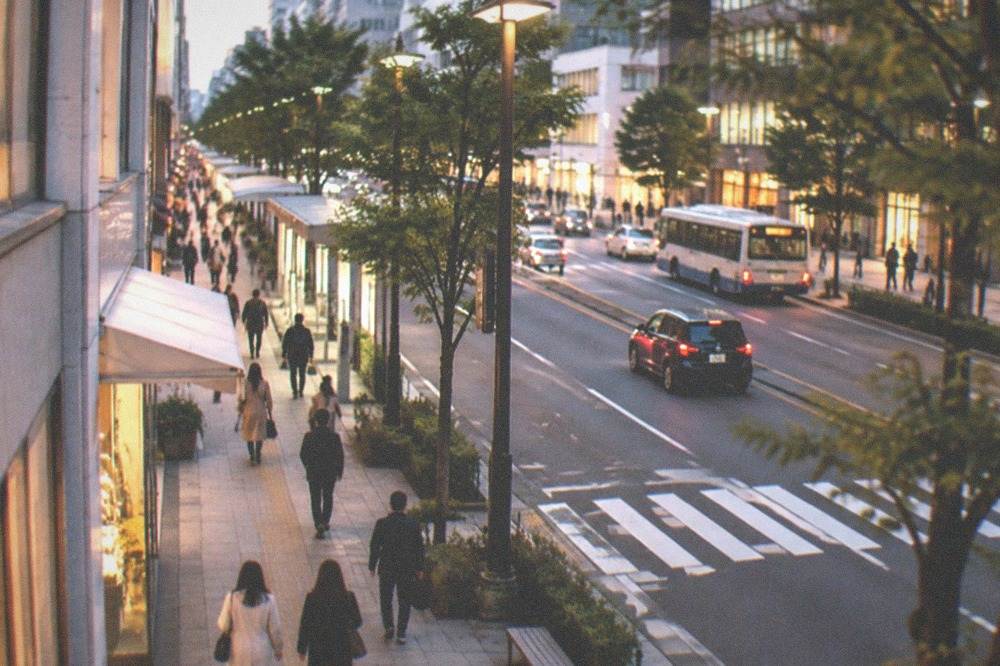
Price is the practical tiebreaker. Hotel rates in Tenjin run above comparable properties around Hakata Station, because the district trades on its food and shopping access. If your budget is tight, the blocks around Hakata Station offer better value, and the question is argued out properly in the Hakata vs Tenjin comparison.
One thing worth repeating, because every other guide gets it wrong: Hakata and Fukuoka are the same city. Hakata is the ward and the station name, Fukuoka is the city, and there is no "travelling from Hakata to Fukuoka". There is also no JR Fukuoka Station, the station you want is Hakata. Getting this straight at the planning stage saves real confusion when you read train timetables.
When Is the Best Time to Visit Tenjin?
The best months to base yourself in Tenjin are late March to early May and October to November. Spring brings the cherry blossom window, typically first bloom in late March and full bloom from the end of March into the first days of April, plus Hakata Dontaku on May 3 and 4. Autumn brings the colour season from mid-to-late November into early December and the most comfortable walking weather of the year. Summer is hot and wet, though it is also Yamakasa festival month.
Winter is the underrated option. December through February is the driest stretch of the year, with January rainfall of just 74.4 mm, and the city's illumination displays, including the Christmas Advent events that run from early November towards December 25, make the district's nights genuinely good-looking.
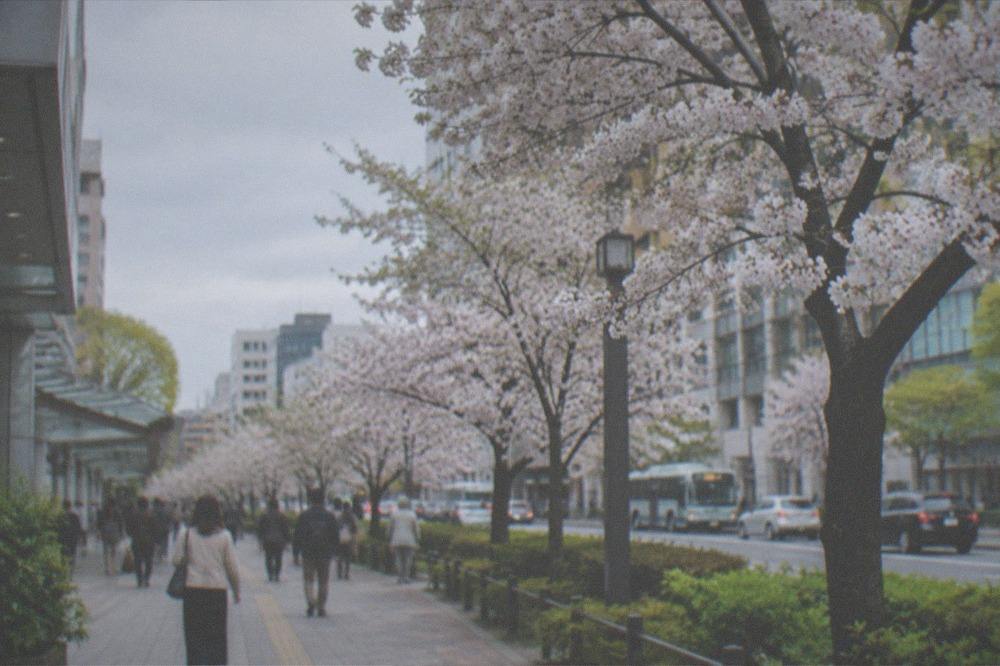
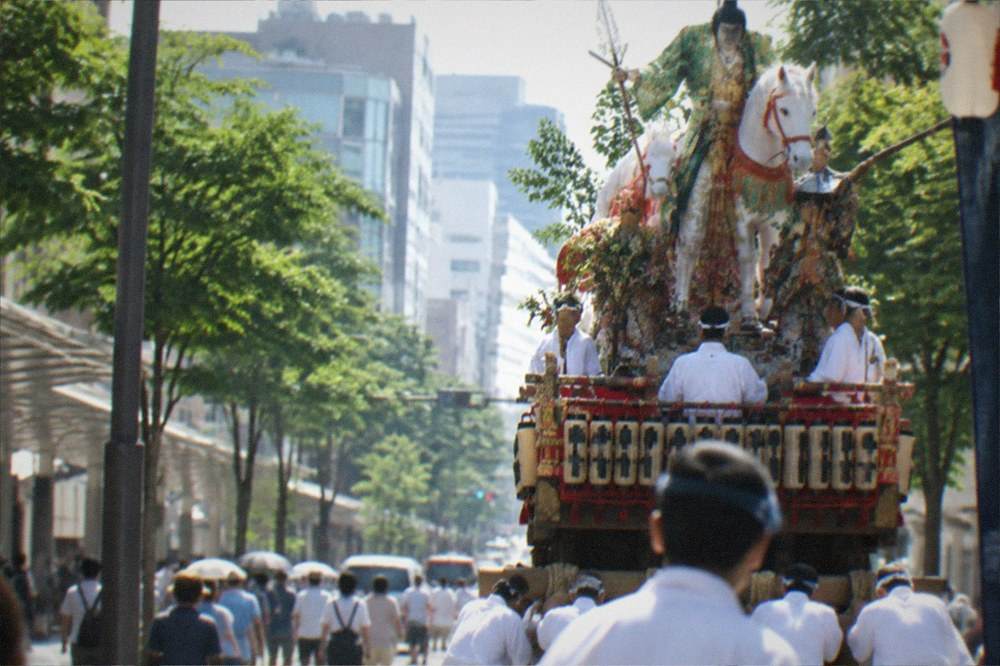
The festival calendar matters more here than the weather. Hakata Dontaku fills Meiji-dori, the avenue on Tenjin's western edge, on May 3 and 4 with parades and dancing. Hakata Gion Yamakasa runs July 1 to 15 with its climax race at 4:59 a.m. on the 15th, and while the festival is centred on Kushida Shrine in Hakata, the kazariyama display floats are scattered around the city and Tenjin's hotels are a reasonable base for the 5 a.m. finish.
Planning Checklist for a Tenjin Stay
Pick a hotel within ten minutes of Tenjin station for convenience, or in Daimyo, Imaizumi or Yakuin for atmosphere. Buy a ¥640 subway day pass only on days with three or more rides, and check whether the passport-restricted Tourist City Pass suits you before arriving if you want a flat ¥2,500 day of unlimited transport. Plan evenings around the side streets, and leave one evening loose for a yatai, since stalls open at the operator's discretion and depend on the weather.
A few final practical notes. The district's ATMs and tax-free counters are concentrated in the department stores, which makes them the easiest place to sort money out on arrival. Typhoon season runs roughly July through October, and while it rarely disrupts a whole trip, it is worth checking the forecast rather than the calendar if you travel then. And if your first day in the city feels disorienting, that is normal: Tenjin's grid is logical once you have walked it once, and the underground mall is the landmark to navigate by when the surface streets blur. For everything beyond the district, the wider Fukuoka Japan Travel Guide covers every attraction, day trip and dish in the city.
If a self-guided day leaves you wanting more structure, the half-day essentials walk is the tour this page keeps coming back to: history, hidden corners and a local's route through the core, rated 4.9 from 48 reviews.
Between the walking tour, the culture workshops and the airport transfer above, the three options below cover the three most common ways visitors spend their first day in Tenjin: a guided walk, a hands-on hour, and a smooth arrival.
Common Questions About Staying in Tenjin
Is Tenjin A Good Area To Stay In Fukuoka?
Yes. Tenjin is Fukuoka's downtown core, sitting on the crossing of two subway lines with the city's densest shopping and dining within walking distance. Hotels cost more than around Hakata Station, but for a city-centre stay of two nights or more, the convenience and the food access justify it for most travellers.
Is Tenjin or Hakata better for first-time visitors?
Hakata is better if your trip depends on trains, because the Shinkansen and JR lines all run from Hakata Station. Tenjin is better if your trip is about eating, shopping and walking, because the restaurant and boutique density is far higher. The two are one subway stop apart, so neither choice locks you out of the other.
How far is Tenjin from Fukuoka Airport?
Fukuoka Airport is unusually close to the city centre, and the subway runs directly from the airport to Tenjin on the Kuko line for ¥260, the official fare for the 3 to 7 km band. No official page publishes a journey time, so treat any minutes figure you read elsewhere with caution. A private arrival transfer from $149 per person is the alternative if you arrive with heavy luggage.
Is Tenjin expensive?
By Fukuoka standards, moderately. Hotel rates run above the Hakata Station area, but food in Tenjin can be as cheap as anywhere in the city: department store basement lunches undercut sit-down restaurants, and the yatai ordinance requires stalls to post prices openly. Transport is light too, with central subway rides at ¥210 to ¥260.
What is the best month to visit Tenjin?
Late March to early May for cherry blossom and the Dontaku festival on May 3 and 4, or October to November for comfortable walking weather and autumn colour from mid-to-late November. Winter is the driest season and pairs well with the city's illumination displays. July is the wettest month of the year at 299.1 mm of rain, despite June being the rainy-season month.
Can you walk from Tenjin to Hakata Station?
Yes. The walk along Watanabe-dori is flat and direct and takes about 20 minutes, or one subway stop on the Kuko line. Nakasu and the Naka River yatai rows sit roughly halfway between the two, which makes the walk more interesting at night than it looks on the map.