Fukuoka in One Day
One day is enough to see Fukuoka's core: Hakata's shrines and ramen, the Ohori Park museum quarter and a yatai stall by the river. Here is the realistic hour-by-hour version, built on verified fares and opening hours rather than wishful thinking.
Short answer
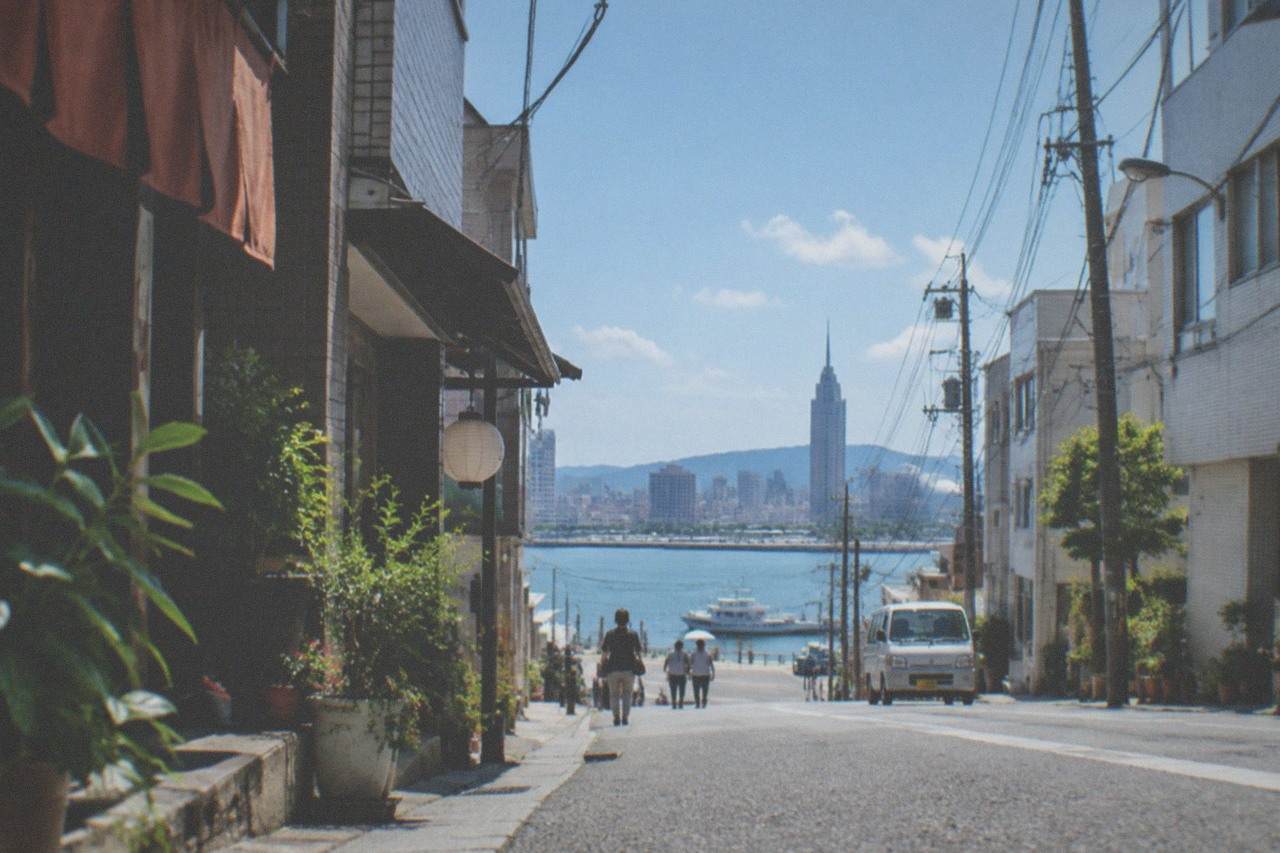
In one day you can cover Hakata old town, Kushida Shrine, Tochoji, Canal City Hakata, Ohori Park, one art museum, and the Nakasu yatai stalls at night. The city subway runs a ¥640 day pass, the core sights sit within 5 km of each other, and Dazaifu works as a half-day add-on if you start early.
Fukuoka rewards a tight plan. It is one of Japan's fastest-growing major cities, yet its sightseeing core is unusually compact: the shrines of Hakata old town, the canal-side shopping complex, the museum quarter around Ohori Park and the yatai stalls of Nakasu all sit within a few kilometres of each other, all on a subway network small enough to learn in an afternoon. This itinerary is built for a first visit, and every fare and opening hour in it comes from an official source rather than a forum thread. It is the anchor route of Fukuoka Japan Travel Guide, the site that tracks this city's verified prices and closures.
What Can You Realistically See in Fukuoka in One Day?
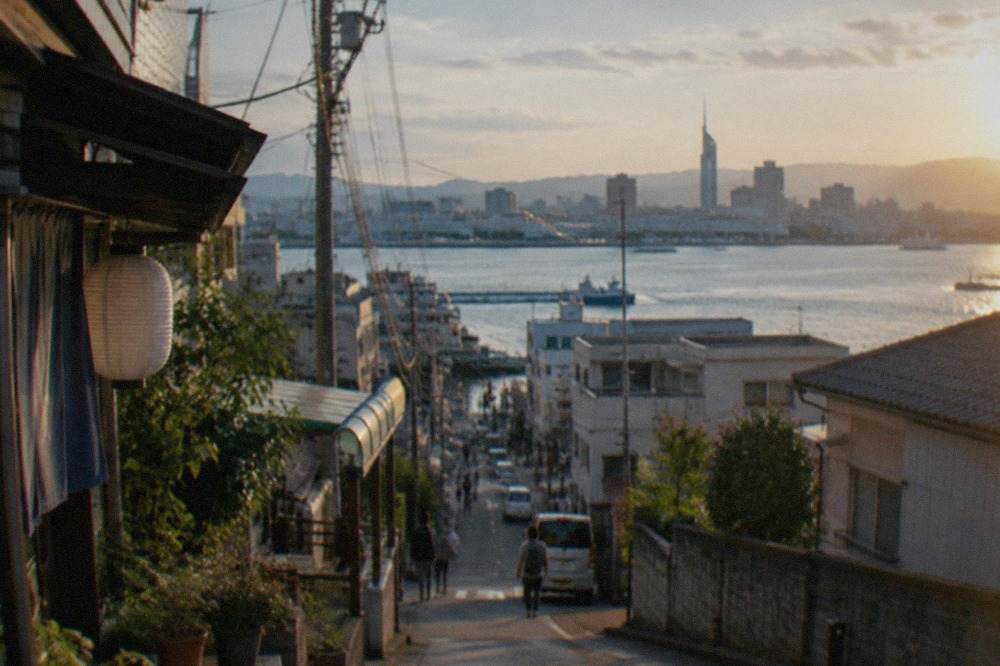
Realistically, one day covers Fukuoka's central core: Kushida Shrine, Tochoji, Shofukuji's gate, Canal City Hakata, Ohori Park, one art museum, the Fukuoka Castle ruins from the outside, and a yatai stall in Nakasu after dark. It does not cover Dazaifu properly, and it does not cover the Itoshima coast. Budget roughly 12 hours on your feet, a ¥640 subway day pass, and the willingness to skip one museum rather than rush three.
The honest framing matters here. Plenty of itineraries promise Dazaifu, the Itoshima coast, a baseball game and a yatai crawl in a single day, and the arithmetic quietly fails. Fukuoka's centre is compact, but the city sits on Hakata Bay on the Genkai Sea side of northern Kyushu, and its best day trips run an hour or more out. A one-day visit is a city day. A good one-day visit accepts that and does the city properly.
Two structural facts work in your favour. First, Hakata and Fukuoka are the same city: Hakata is the ward and the station name, Fukuoka is the city, so nothing on this route involves travelling "between" them. Second, there is no JR Fukuoka Station, the rail hub is Hakata Station, and nearly everything on this route hangs off the subway's Airport, Hakozaki and Nanakuma lines.
If you are weighing whether one day is enough at all, the honest answer depends on what you want from the city. This site's longer routes, starting with the two-day Fukuoka itinerary and the three-day Fukuoka itinerary, add Dazaifu, the coast and a slower food crawl. One day, done well, still delivers the city's signature: shrines, tonkotsu ramen, a genuinely good park, and food stalls by a river at night.
The One-Day Route at a Glance
The route runs Hakata in the morning, Canal City and ramen at midday, Ohori Park and a museum in the afternoon, and Nakasu and a night view in the evening. Start at 8:30 a.m. and you finish near the river at 9 p.m. without sprinting. The full walking distance is modest, roughly 6 km on foot across the whole day, because the subway carries the long legs.
Here is the shape of the day, hour by hour. Treat the times as anchors rather than a timetable: Fukuoka is a city where a bowl of ramen can legitimately take forty-five minutes of your attention.
| Time | Area | What you do |
|---|---|---|
| 8:30 | Hakata old town | Kushida Shrine grounds, then Hakata Machiya Folk Museum street |
| 10:00 | Gion | Tochoji's Great Buddha, then Shofukuji's gate |
| 11:30 | Nakasu | Canal City Hakata, shopping and the fountain show |
| 12:30 | Hakata or Nakasu | Lunch: tonkotsu ramen or motsunabe |
| 14:00 | Ohori | Ohori Park walk, Japanese Garden, one art museum |
| 16:30 | Maizuru | Fukuoka Castle ruins and Maizuru Park |
| 18:00 | Nagahama or Nakasu | Yatai stall dinner, first seating |
| 20:00 | Momochi or Nakasu | Night view over Hakata Bay, or a second stall |
Two warnings that most one-day plans omit. The Fukuoka Castle main keep base, the Tenshudai, is closed to entry from 26 May 2026 until the end of December 2026 for an archaeological excavation, prompted by a document found in December 2024 that describes a keep historians are no longer sure ever existed. You can still walk the park and the stone walls; you just cannot climb the keep base this year. And the yatai stalls are weather-sensitive: rain and strong wind close a lot of them, so keep an indoor dinner backup in mind.
If you would rather hand the day to somebody who runs it for a living, three products fit a one-day visit well. The first is a fully customized private day with a licensed guide, which is the strongest fit for exactly this route because you set the stops. The second swaps the city entirely for Mount Aso's volcano, grasslands and an onsen, a ten-hour day for visitors who have already seen a Japanese city centre. The third pairs the famous Yufuin no Mori sightseeing train with Dazaifu, which suits a visitor whose one day must include the shrine.
Morning: Hakata Old Town, Kushida Shrine and Tochoji
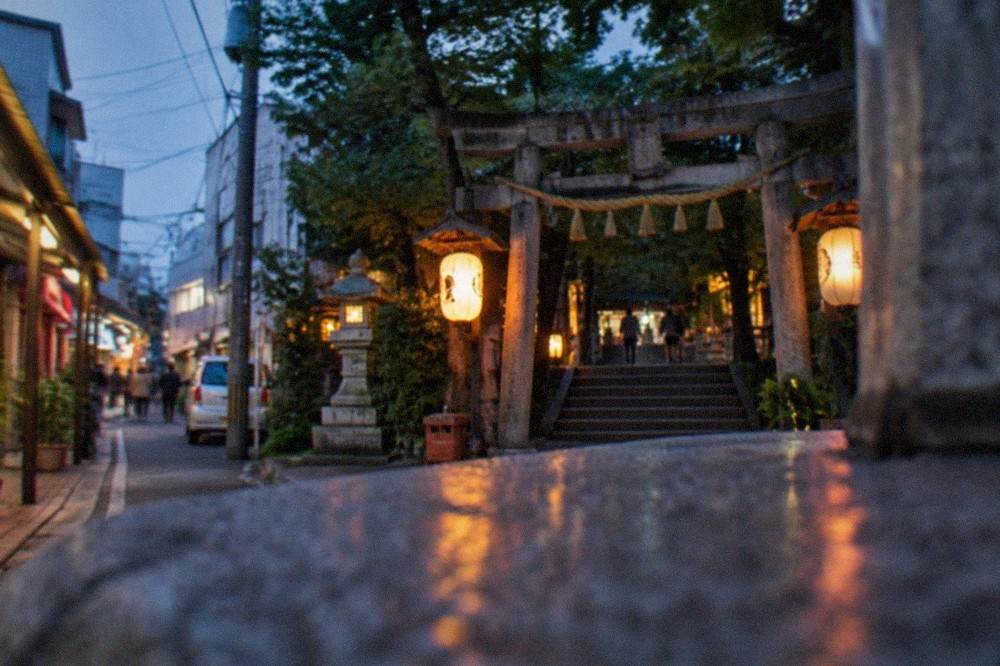
Start at Kushida Shrine, Fukuoka's most important shrine and the spiritual home of the Hakata Gion Yamakasa festival, then walk to Tochoji's seated Great Buddha and the gate of Shofukuji, Japan's first Zen temple. All three are free to enter, they sit within a ten-minute walk of each other, and together they take about two unhurried hours.
Kushida Shrine is the anchor. It is the shrine the Yamakasa floats leave from every July, it faces the Hakata Machiya Folk Museum, and its grounds are free. The shrine's own details on hours are not published in a form this site can verify, so arrive in daylight and you will not go wrong. The Kushida Shrine guide covers the festival connection in full, and the Hakata old town walk strings the whole morning together street by street.
From Kushida, walk south to Tochoji, where a wooden seated Buddha fills the Great Buddha Hall, and the grounds are free. Shofukuji sits a few minutes further on: it was the first Zen temple in Japan, and while its interiors are generally not open to the public, the approach and the gate alone are worth the detour. The Shofukuji temple page explains what you can and cannot see.
A licensed guide changes the character of this morning entirely. The customized one-day private tour is built around exactly this kind of ground: the guide holds a national licence, the route is yours to set, and the fee is per person for a six-hour day, which covers the morning shrines and the afternoon park in one booking. Guests consistently rate it near the top of the city's private options, and the format means the commentary goes as deep as you want it to.
| Morning stop | Entry | What to allow |
|---|---|---|
| Kushida Shrine | Free | 30 to 45 minutes |
| Hakata Machiya Folk Museum | Fee applies | 45 minutes |
| Tochoji | Free | 30 minutes |
| Shofukuji | Free, grounds | 20 minutes |
| Kawabata Shopping Arcade | Free | 30 minutes, or skip |
Midday: Canal City, Kawabata and the Ramen Decision
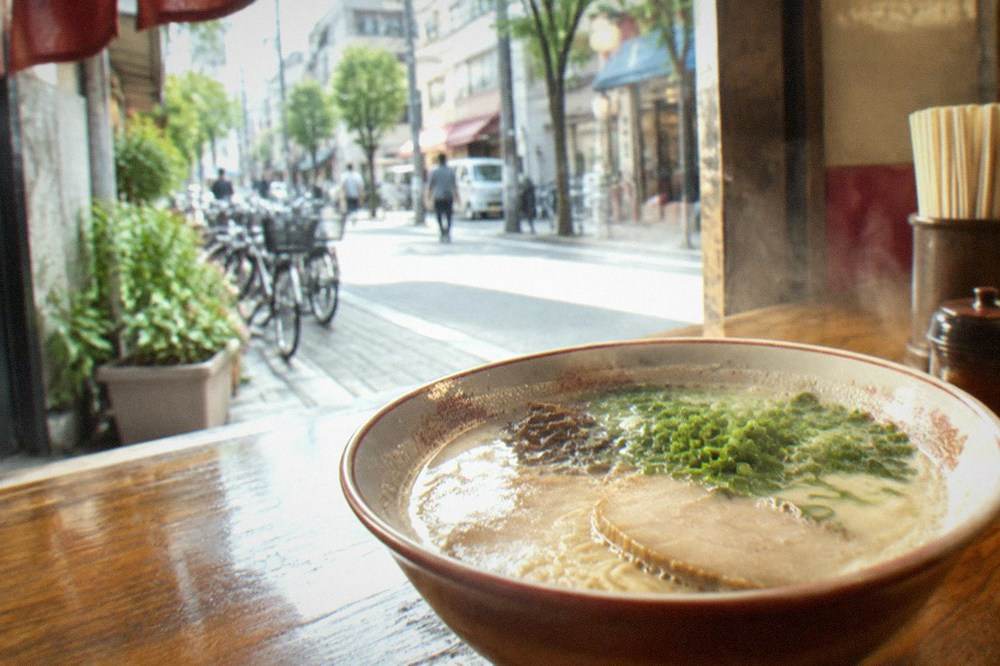
Midday is Canal City Hakata for the canal, fountains and shops, then the ramen decision: a tonkotsu shop near the station, a stall in the Kawabata arcade, or a motsunabe pot if you want the city's other signature dish. Canal City is free to enter and open year-round, shops run 10:00 to 21:00, and the whole midday block fits inside two hours.
Canal City Hakata is a shopping complex built around a running canal, and it is the most painless place in the city to spend an hour indoors: free entry, open every day of the year, shops from 10:00 to 21:00 and restaurants from 11:00 to 23:00, with individual tenants varying, per the complex's own service information page. The Canal City guide covers the fountain schedule and the food floors. Directly across the river, the Kawabata Shopping Arcade is the older, scruffier, better version: a covered Meiji-era shopping street with unagi shops, tea sellers and a shrine tucked into it.
Then the ramen decision. Fukuoka is the birthplace of tonkotsu ramen, the pork-bone broth that Hakata made famous, and the honest advice is that the best bowl for a one-day visitor is the one nearest your next stop, because the floor is high city-wide. If you want the full food treatment rather than one bowl, the Hakata ramen guide ranks the styles, and a dedicated food crawl can stretch this whole topic into a day of its own.
The motsunabe alternative deserves a sentence. It is a bubbling pot of beef offal, cabbage and garlic chives, a Hakata dish born for winter, and it is a sit-down, ninety-minute lunch rather than a counter slurp. If your one day falls between November and March, motsunabe at noon and ramen at midnight is the correct local sequencing.
Afternoon: Ohori Park, the Japanese Garden and One Museum
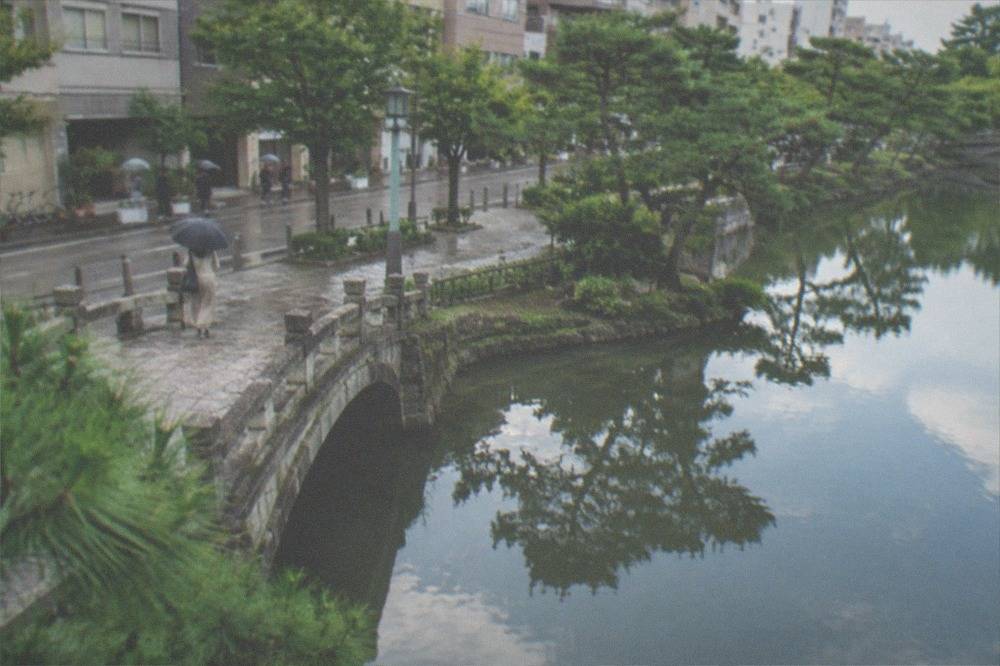
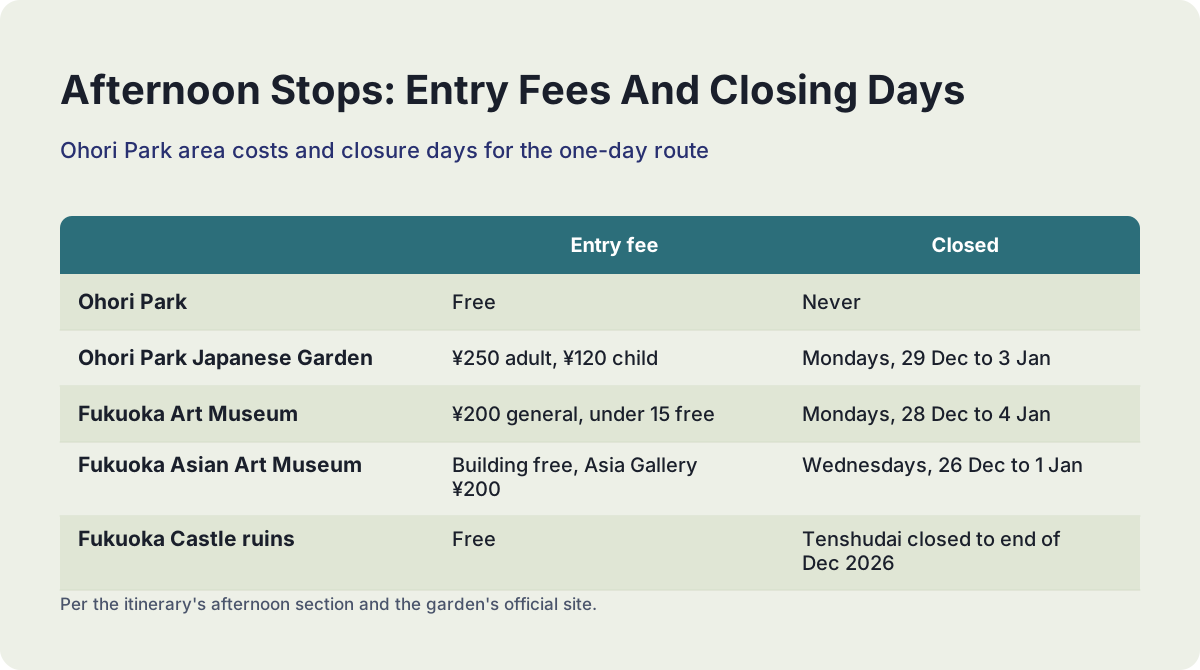
The afternoon belongs to Ohori Park: a 2 km waterside loop around a pond that was once the castle's outer moat, with the Ohori Park Japanese Garden at adult ¥250 and child ¥120, and two serious art museums on its edge. Pick one museum, not both. The Fukuoka Art Museum charges ¥200 for its collection, and the Fukuoka Asian Art Museum's building is free, with only the Asia Gallery charging.
Ohori Park is the city's best public space, and the loop takes forty minutes at a stroll. The Japanese Garden inside it is a separate, modestly priced garden with last entry at 17:45 in the May to September season and 16:45 from October to April, free for children under 6 and for visitors 65 and over, all stated on the garden's official site. The Ohori Park guide covers the entrances and the seasonal hours in detail.
The museum choice is real, so make it deliberately. The Fukuoka Art Museum holds a collection spanning Japanese and Western work, is closed Mondays, and charges ¥200 general admission with junior high and under free. The Fukuoka Asian Art Museum, a short subway hop away in the Riverain Center Building, holds about 5,000 works from 23 Asian countries and regions, is closed Wednesdays, and charges ¥200 only for the Asia Gallery: the building itself is free to enter. Both are ¥200, so the tiebreaker is which collection you actually want.
| Afternoon stop | Entry fee | Closed |
|---|---|---|
| Ohori Park | Free | Never |
| Ohori Park Japanese Garden | ¥250 adult, ¥120 child | Mondays, 29 Dec to 3 Jan |
| Fukuoka Art Museum | ¥200 general, under 15 free | Mondays, 28 Dec to 4 Jan |
| Fukuoka Asian Art Museum | Building free, Asia Gallery ¥200 | Wednesdays, 26 Dec to 1 Jan |
| Fukuoka Castle ruins | Free | Tenshudai closed to end of Dec 2026 |
From Ohori, walk across to the Fukuoka Castle ruins in Maizuru Park, free and open, with stone walls that give one of the best free views over the city. The keep base excavation closure is covered above; the castle ruins guide tracks what is open. If the afternoon is running long, this is the block to cut, and the honest reason is that the walls read better with a guide's context than without.
Evening: Yatai Stalls, Nakasu and Night Views
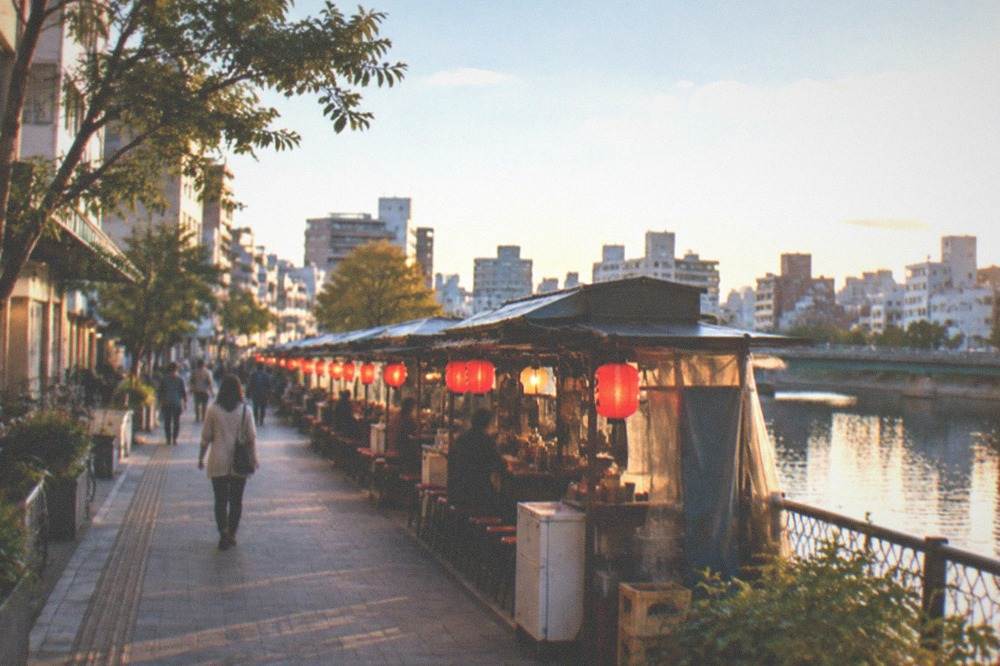
The evening is Fukuoka's signature: dinner at a yatai, one of the roughly 100 licensed food stalls the city runs, followed by a night view either from Fukuoka Tower or across the water at Momochi. Go to the stalls by 6:30 p.m., before the queues form, and know that a city ordinance requires every stall to post its prices where you can see them.
The yatai are the thing people remember. Fukuoka has about 100 of them, more than any other Japanese city, concentrated in Nakasu along the Naka River, in Tenjin along Watanabe-dori and Showa-dori, and in Nagahama near the old fish market. They are walk-in only: you cannot book a stall, and you do not need to. The city's own yatai Q&A page confirms the count and the rule that prices must be displayed where customers can easily see them, and a dish priced on the day's market cost must show that day's actual price rather than a vague "market price", so the menu in front of you is the price you pay.
The mechanics matter more than the mythology. Stalls open in the early evening, typically around 6 p.m., and pack up in the small hours; rain and strong wind close a lot of them, and there is no city-mandated closing day, so a stall that was there last night may not be there tonight. Seating is tight, ten seats at most, and the etiquette is to order a drink and a dish rather than just sitting. The yatai guide and the yatai etiquette page cover the rules of the stool.
If you want a guided version of the stall scene rather than going alone, a private Nakasu food-stall tour with tastings runs about two hours in the evening and removes the language barrier entirely: the guide orders, the stalls are pre-chosen, and the tastings are built into the price. For a solo traveller it is also the fastest way into a shared counter conversation. The Nakasu food stall tour page has the full details.
After dinner, the night view. Fukuoka Tower stays open until 22:00 with last admission at 21:30, charges ¥1,000 for adults, ¥500 for elementary and junior high students and ¥200 for children aged 4 and up, and closes on 28 and 29 June 2027 for its annual maintenance, per the tower's own admission page. The free alternative is the Momochi Seaside Park shoreline, where the tower and the bay skyline photograph well from the beach.
Getting Around: Fares, Passes and the Airport Question
The subway is the spine of this itinerary. Single fares run ¥210 to ¥380 by distance zone, the all-line day pass is ¥640 adult and ¥320 child, and the airport-to-Hakata fare is ¥260. A day pass pays for itself at roughly three rides, and the Fukuoka Tourist City Pass at ¥2,500, or ¥2,800 with Dazaifu, adds buses and ferries for overseas visitors with a passport.
The fare table is distance-based, and the core of this itinerary barely leaves the cheap zones.
| Ticket | Adult | Child | When it pays off |
|---|---|---|---|
| Subway single, zone 1 (up to 3 km) | ¥210 | ¥110 | Any single short hop |
| Subway single, zones 2 to 6 | ¥260 to ¥380 | ¥130 to ¥190 | Airport, Ohori, longer legs |
| Subway 1-day pass | ¥640 | ¥320 | Three or more rides |
| Fukuoka Tourist City Pass | ¥2,500 | ¥1,250 | Overseas visitors, bus and ferry use |
| City Pass with Dazaifu | ¥2,800 | ¥1,400 | Overseas visitors adding the shrine |
The Tourist City Pass deserves its own sentence because most competing guides still quote its old prices. The current figures are ¥2,500 for the city version and ¥2,800 with Dazaifu included, and the pass is restricted to overseas tourists on a short-stay visa: your passport is checked at the counter. It covers subway, Nishitetsu buses and trains in the designated area, some JR lines and ferries, though the Dazaifu Liner Bus "Tabito" is excluded even from the Dazaifu version.
On the airport: Fukuoka Airport is unusually close to the city centre, which is true and well sourced, and the subway fare from the airport to Hakata Station is ¥260, derivable from the official 3 to 7 km fare band. The "five minutes" figure that appears in nearly every guide is not verified on any official page, so this site does not print a journey time. What is certain is that the airport sits on the subway's Kuko line, two stops from Hakata, and that no transfer is needed. A short layover can turn this proximity into a miniature version of the route above.
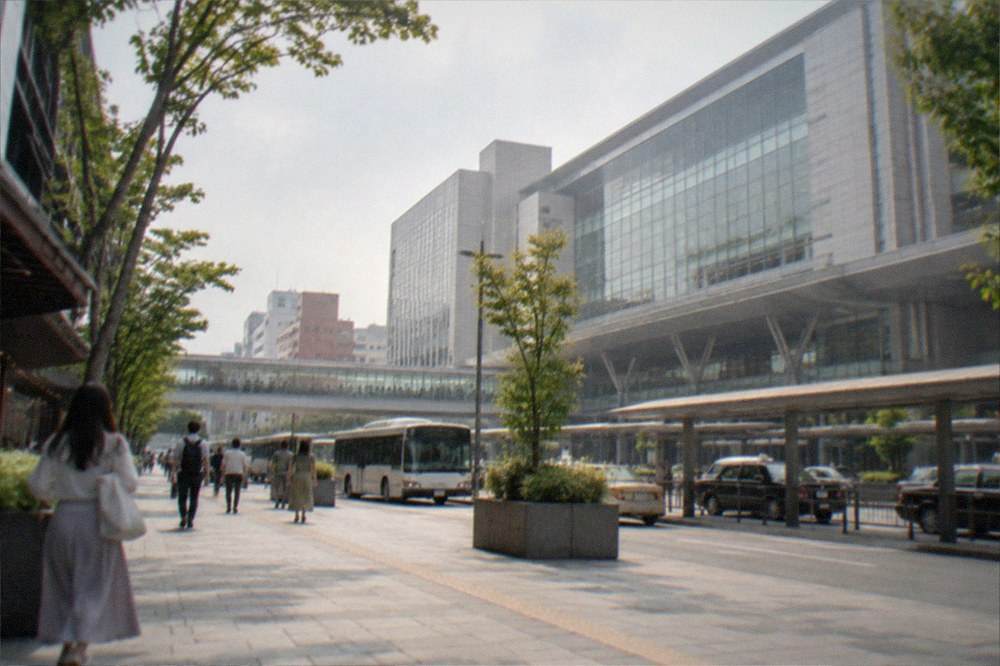
What One Day in Fukuoka Costs
A one-day Fukuoka visit is cheap by Japanese city standards, because the headline sights are free or near-free: ¥640 for the subway day pass, free entry at every shrine and park on this route, ¥200 to ¥250 for each garden or museum you add, and ¥1,000 for the tower if you go up. Meals are the main variable, and the yatai in particular vary stall to stall, which is exactly why the price-display ordinance matters.
The budget table below uses only verified figures: entry prices read from official venue pages, and subway fares from the city's own fare table. Meal entries are planning ranges, not promises, and the honest position on yatai totals is that the city publishes no average, so check the posted prices at the stall you sit down at.
| Item | Cost | Notes |
|---|---|---|
| Subway day pass | ¥640 | All three lines, one day |
| Shrines and temples | ¥0 | Kushida, Tochoji, Shofukuji |
| Ohori Park Japanese Garden | ¥250 | Child ¥120, under 6 free |
| One art museum | ¥200 | Under 15 free at both |
| Fukuoka Tower | ¥200 to ¥1,000 | By age band |
| Lunch | Varies | Ramen counter to sit-down motsunabe |
| Yatai dinner with drinks | Varies | Posted prices, stall by stall |
Cutting costs is easy here without cutting the day. The free tier of this itinerary is genuinely strong: three shrine and temple grounds, Ohori Park, the castle ruins, Maizuru Park, Canal City and the Kawabata arcade all cost nothing, and the Asian Art Museum's building is free to walk into. If money is the constraint, spend on the garden, one museum and the yatai, and skip the tower in favour of the Momochi shoreline. A budget-focused version of this city is a genuinely good trip, and the free sights alone fill a full day.
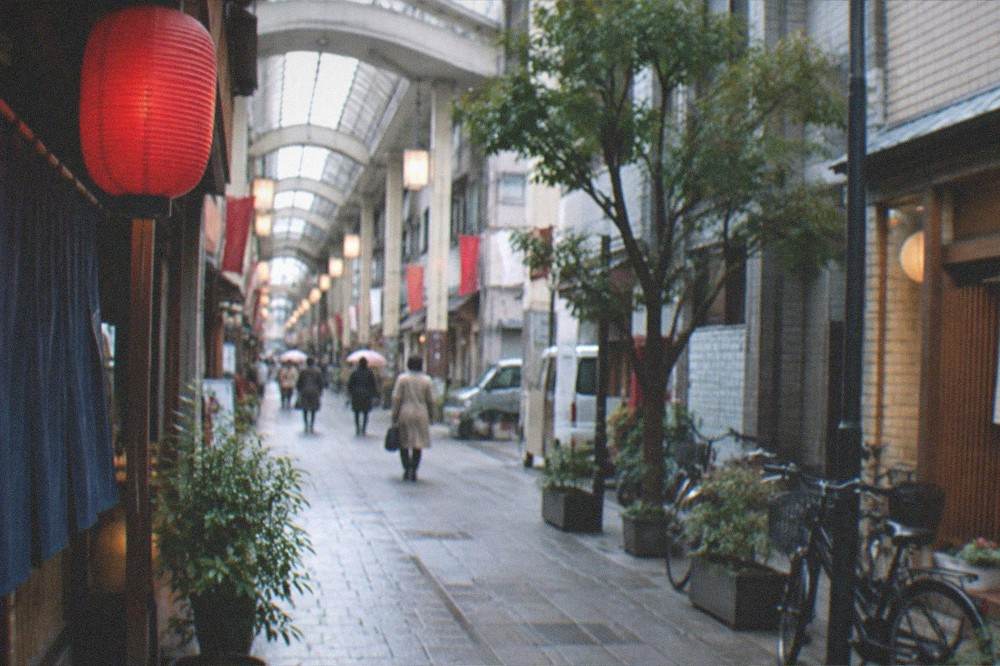
When One Day Is Not Enough: The Honest Trade-Offs
One day is not enough for Dazaifu done properly, for the Itoshima coast, or for both a yatai evening and a night view, because each of those is a half-day commitment in a different direction. The fix is to choose: keep the city day and add Dazaifu only with an early start, or accept that the coast, Yufuin and the deeper Kyushu day trips need a second and third day.
Dazaifu Tenmangu has no entrance fee, opens from 6:00 to 6:30 depending on the season, and closes between 18:30 and 19:30 by month, per the shrine's own visitor FAQ, so it works as a morning add-on if you leave the city by 8 a.m. and return by early afternoon. The Nishitetsu train from Tenjin reaches it with one transfer at Futsukaichi. What a one-day visitor cannot do is Dazaifu and the full city route above: something has to give, and the honest advice is that it should be Dazaifu, not the yatai. The Dazaifu day trip guide and the wider day trips from Fukuoka roundup lay out the alternatives.
The trade-off table is the clearest way to see it.
| Add-on | Time needed | Fits one day? |
|---|---|---|
| Dazaifu Tenmangu | Half day | Only with an 8 a.m. start, cutting the museums |
| Itoshima coast | Full day | No, needs its own day |
| Yufuin or Beppu | 10 hours | No, a dedicated day trip |
| Nokonoshima | Half day | Possible, but drops the afternoon park |
| Second yatai crawl | Late evening | Yes, this one is free time |
If your visit is a stopover rather than a destination, a trimmed airport-adjacent version of this route works in a few hours. If you are travelling with children, swap the museums for the zoo and Uminonakamichi, whose gate is cash only, a detail worth knowing before you arrive. And if the weather breaks, keep the museums, Canal City and the underground mall, and drop the park: the rainy-day core of Fukuoka is strong enough that a washout does not ruin the day.
For everything beyond the city, three tours cover the three most common second-day wishes: the licensed-guide private day again, for a repeat of the city with a different route; the Aso volcano and onsen day, for Kyushu's biggest landscape; and the Yufuin no Mori train with Dazaifu, for the shrine-and-countryside combination that a one-day visitor most often regrets missing.
Common Questions About One Day in Fukuoka
What Can You Realistically See In Fukuoka In One Day?
Kushida Shrine, Tochoji, Shofukuji's gate, Canal City Hakata, Ohori Park, one art museum, the Fukuoka Castle ruins from the outside, and a yatai stall in Nakasu after dark. That is the realistic ceiling. Dazaifu only fits with an early start, and the Itoshima coast does not fit at all.
Is Fukuoka walkable enough to skip the subway?
Partly. Hakata old town, Canal City and Kawabata are walkable as one cluster, and Ohori Park links to the castle ruins on foot. But the subway saves the day at the long legs: Ohori to Nakasu, and anything involving the airport. A ¥640 day pass covers all three lines and pays for itself at about three rides.
Can you do Dazaifu and Fukuoka city in the same day?
Yes, but not comfortably. Dazaifu Tenmangu is free to enter and opens from 6:00 to 6:30 depending on season, and the Nishitetsu train from Tenjin takes about 30 minutes with one transfer. Doing both means an 8 a.m. start, dropping the museums, and accepting a rushed afternoon. One full day for the city is the better trade.
Do you need to book a yatai stall in advance?
No. The yatai take walk-ins only, and there is no booking mechanism for an individual stall. Arrive by 6:30 p.m. for a seat at the popular Nakasu rows. Guided yatai and food-stall tours are the one exception, and those are bookable products rather than stall reservations.
What is the best month for a one-day visit?
March to May and October to November give the most reliable weather. July is the city's wettest month at 299.1 mm in the JMA 1991 to 2020 normals, wetter than June despite June being the rainy season, and typhoon season runs roughly July through October, so pack a plan B for those months.
Is one day in Fukuoka worth it, or should you wait for a longer trip?
One day is worth it. The core is compact, the headline sights are free or ¥200, and the evening yatai scene is something no other Japanese city offers at this scale. If you can stretch to two or three days, do, but a well-planned single day delivers the city's signature without feeling like a teaser.