Best Time to Visit Fukuoka
July, not June, is Fukuoka's wettest month. That single fact from the Japan Meteorological Agency's own normals upends most planning advice, and it is only the start of what the calendar does to this city.
Short answer
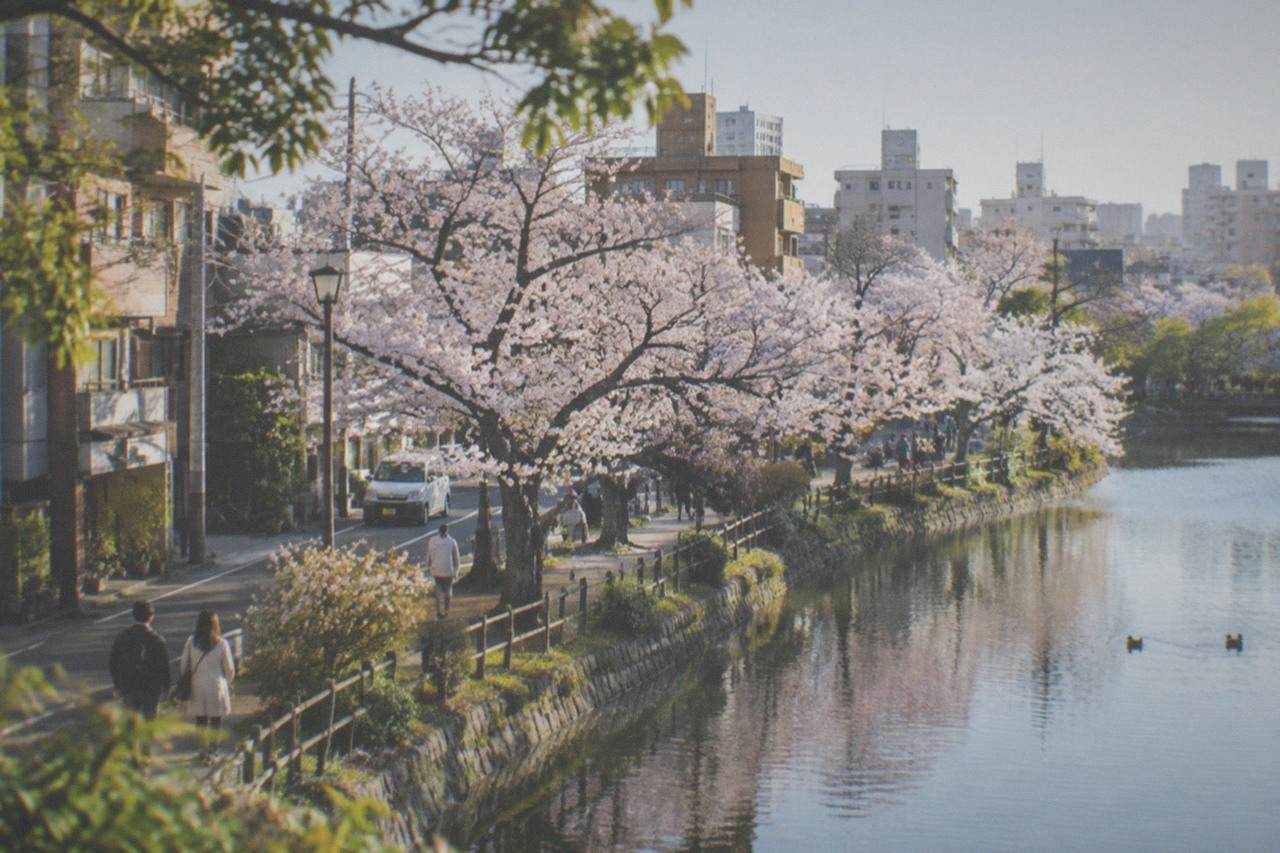
The best months to visit Fukuoka are late March into April for cherry blossoms, and October into November for mild, dry weather and autumn leaves. July is the wettest month of the year at 299.1 mm, not June, and typhoon season runs roughly July to October. Neither makes the city unvisitable, but both belong in your planning.
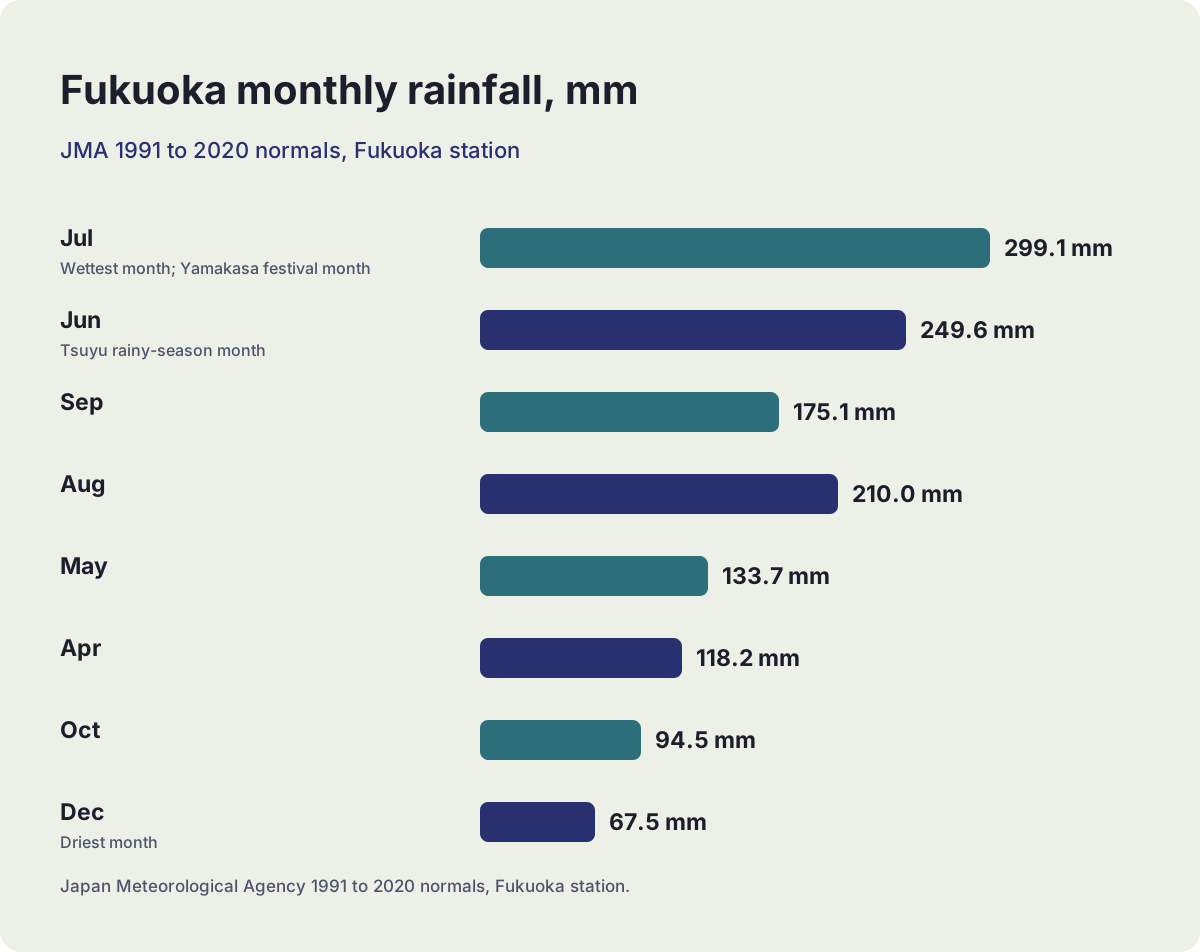
Fukuoka's wettest month is not the tsuyu rainy-season month of June. It is July, at 299.1 mm against June's 249.6 mm, according to the Japan Meteorological Agency's 1991 to 2020 normals for the Fukuoka station. July also happens to be the month the city throws its biggest festival, when teams race roughly one-ton floats through Hakata's streets before dawn. Weather and calendar in this city are tangled together in a way most planning guides never mention, and untangling them is the point of this page.
What Is the Best Month to Visit Fukuoka?
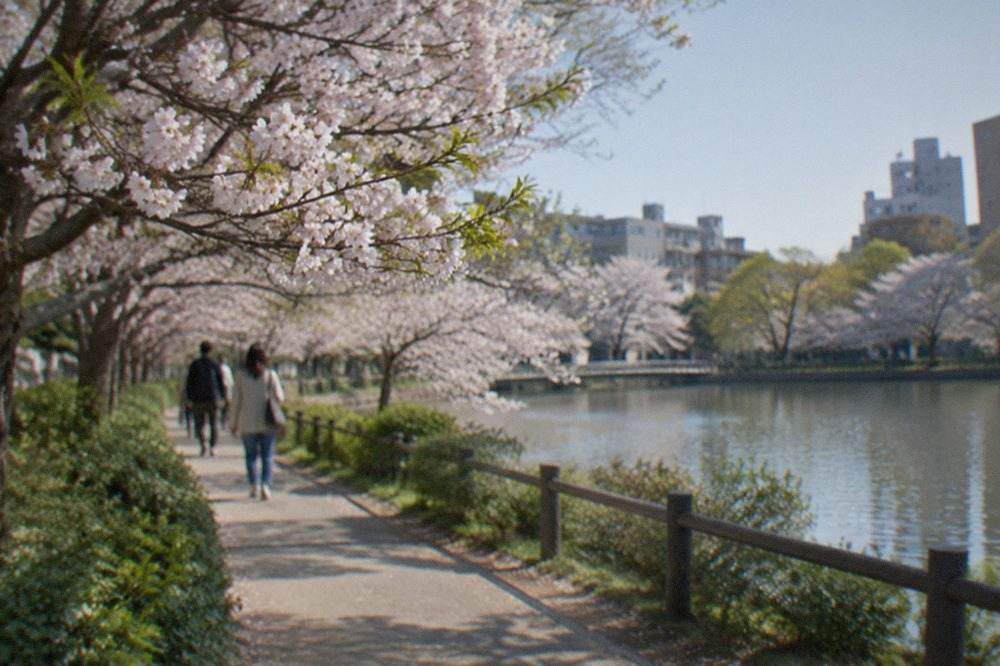
For most travellers the best months are late March into April, and October into November. Spring brings first bloom around late March and full bloom from the end of March into early April, on a mean temperature of 10.8 to 15.4 degrees Celsius. Autumn delivers 14 to 20 degrees, the year's lowest rainfall outside winter, and leaf colour from mid-November. May is the sunniest month of all, with 204.1 sunshine hours.
Those four windows answer the short version of the question, and the best month question in detail gets its own page. Here the aim is broader: what each stretch of the year actually feels like, what it costs you in comfort, and what it gives back in festivals, food and scenery. Fukuoka sits on Hakata Bay, on the Genkai Sea side of northern Kyushu, and it has a genuine four-season climate including a real winter, with a January mean of 6.9 degrees. It is not tropical and it is not on the Pacific, which matters more than you might think when you are choosing dates.
A note before the calendar work starts, because it trips up almost every first-time visitor. Hakata and Fukuoka are the same city. Hakata is the ward and the station name; Fukuoka is the city around it. There is no such place as a trip "from Hakata to Fukuoka", and there is no JR Fukuoka Station, the station is Hakata. If a guide you read elsewhere treats them as two destinations, be sceptical about its weather advice too.
If this is your first visit, the first-time visitor itinerary is built around the spring and autumn windows and shows how much you can fit into each.
How Does Fukuoka's Weather Change Through the Year?
Fukuoka's mean temperature runs from 6.9 degrees Celsius in January to 28.4 in August, with annual rainfall of 1,686.9 mm spread unevenly across the year. The driest months are December through February at 67.5 to 74.4 mm each. The wettest is July at 299.1 mm. Sunshine peaks in May at 204.1 hours and bottoms out in January at 104.1 hours, so winter days are short but often clear.
These figures come straight from the JMA 1991-2020 normals for the Fukuoka station, the official 30-year baseline rather than a travel blog's memory of one holiday. The full monthly picture looks like this.
| Month | Mean °C | Daily max °C | Daily min °C | Rain mm | Sunshine h |
|---|---|---|---|---|---|
| Jan | 6.9 | 10.2 | 3.9 | 74.4 | 104.1 |
| Feb | 7.8 | 11.6 | 4.4 | 69.8 | 123.5 |
| Mar | 10.8 | 15.0 | 7.2 | 103.7 | 161.2 |
| Apr | 15.4 | 19.9 | 11.5 | 118.2 | 188.1 |
| May | 19.9 | 24.4 | 16.1 | 133.7 | 204.1 |
| Jun | 23.3 | 27.2 | 20.3 | 249.6 | 145.2 |
| Jul | 27.4 | 31.2 | 24.6 | 299.1 | 172.2 |
| Aug | 28.4 | 32.5 | 25.4 | 210.0 | 200.9 |
| Sep | 24.7 | 28.6 | 21.6 | 175.1 | 164.7 |
| Oct | 19.6 | 23.7 | 16.0 | 94.5 | 175.9 |
| Nov | 14.2 | 18.2 | 10.6 | 91.4 | 137.3 |
| Dec | 9.1 | 12.6 | 5.8 | 67.5 | 112.2 |
Two patterns in that table are worth naming out loud. First, spring and autumn are not just pleasant, they are structurally different from summer: April and October combine 17 to 24 degree daytime highs with rainfall under 120 mm, which for a coastal Kyushu city is about as good as it gets. Second, August is hot, 28.4 mean and 32.5 daytime highs, yet it is drier than both June and July and banks 200.9 sunshine hours, the second sunniest month of the year. People who avoid Kyushu in August on heat grounds are not wrong about the temperature, but they do miss a month that behaves more like a Mediterranean summer than a monsoon one. The Fukuoka weather guide unpacks the day-to-day patterns, including how sea breezes off Hakata Bay take the edge off the afternoons.
Is June Really the Wettest Month in Fukuoka?
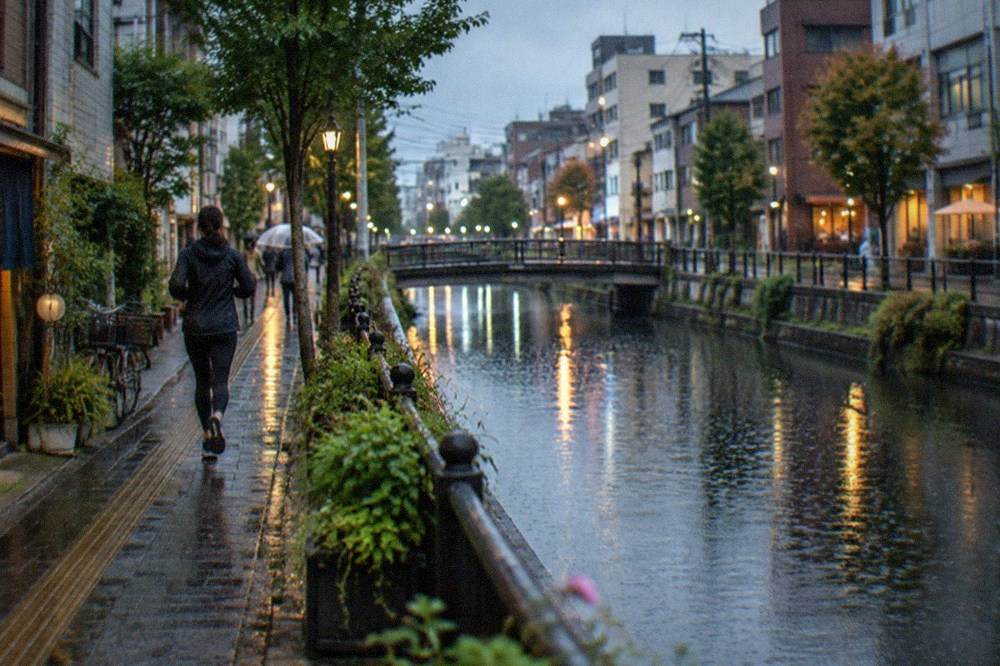
No. June is the tsuyu rainy-season month, but the normals show July wetter, at 299.1 mm against June's 249.6 mm. July is also Yamakasa festival month, when the city is at its most animated. The practical read: June feels grey and drippy for weeks on end, while July delivers short, heavy, dramatic downpours between bright spells. Neither month is a washout, and both are visitable with the right expectations.
This is the single most useful thing in the whole climate record, and almost no competing guide prints it. The tsuyu front sits over northern Kyushu in June and produces long drizzly spells, 145.2 sunshine hours, the second lowest of the year, and a general grey feeling. Then the front lifts, the summer heat arrives, and July's rain falls as intense convective bursts: an afternoon thunderstorm rather than a day of drizzle. Between those bursts the city is gearing up for Hakata Gion Yamakasa, which runs July 1 to 15 every year with the Oiyama race finishing at dawn on the 15th.
Booking a June or July trip is therefore less about avoiding rain than about choosing which kind of rain you tolerate better, and about whether you want a festival. June has the yatai food stalls at their most atmospheric, glowing under umbrellas along the Naka River, and June's 23.3 degree mean is genuinely comfortable for walking. July trades that comfort for the most electric fortnight in Fukuoka's calendar.
Flights and arrival deserve a word here too, because summer is peak inbound season and the airport is part of the experience. Fukuoka Airport is unusually close to the city centre, one of the real advantages of this destination, and the subway fare from the airport to Hakata Station is a verified ¥260. What no official page verifies is the famous "five minutes" journey time that every competitor prints, so this guide does not print it either. For travellers landing late with luggage after a long-haul flight, a private arrival transfer, from $149 per person for 30 minutes to an hour door to door, and rated 5 from 2 reviews on its listing, removes the platform-finding part of the journey entirely.
Should Typhoon Season Change Your Plans?
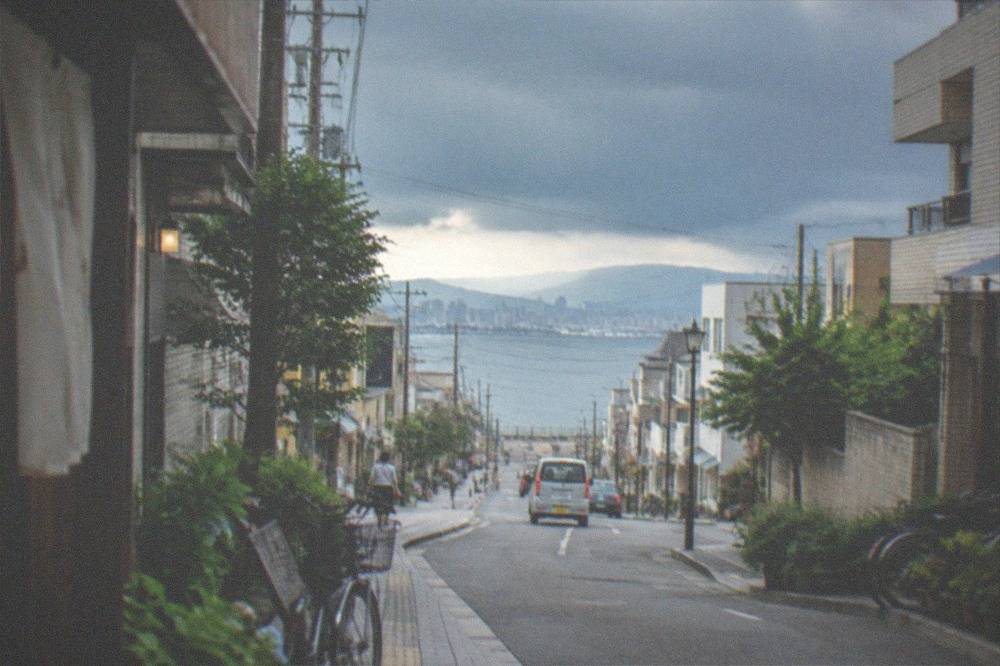
Typhoon season in the western Pacific runs roughly July through October, and it is a real planning factor for Fukuoka, not a footnote. Most storms track past without hitting the city, but the ones that do approach bring transport shutdowns and a day indoors. Build one flexible day into any summer or early-autumn itinerary, download the JMA's live typhoon feed, and do not book a non-refundable coastal activity for the final day of your trip.
The framing matters. Typhoon season should inform your plans, not frighten you out of them. Fukuoka's August numbers above show why: 210.0 mm of rain but 200.9 sunshine hours, a month that works perfectly well for visitors. The practical precautions are modest. Ferry services to Nokonoshima and Shikanoshima, and trips along the Itoshima coast, are the first things to suspend when a system approaches, so keep those for mid-itinerary rather than departure day. The Japan Meteorological Agency publishes a live typhoon feed, and the getting around Fukuoka guide explains which lines and ferries stop first.
If a typhoon day does land on your dates, the city has good indoor answers. Canal City Hakata is open every day of the year with shops from 10:00 to 21:00, both city art museums hold rain off easily for a couple of hundred yen, and the Fukuoka Asian Art Museum charges just ¥200 for its Asia Gallery while the building itself is free to enter. The tower is another wet-weather default, covered in the next section.
When Do Cherry Blossoms and Autumn Leaves Peak?
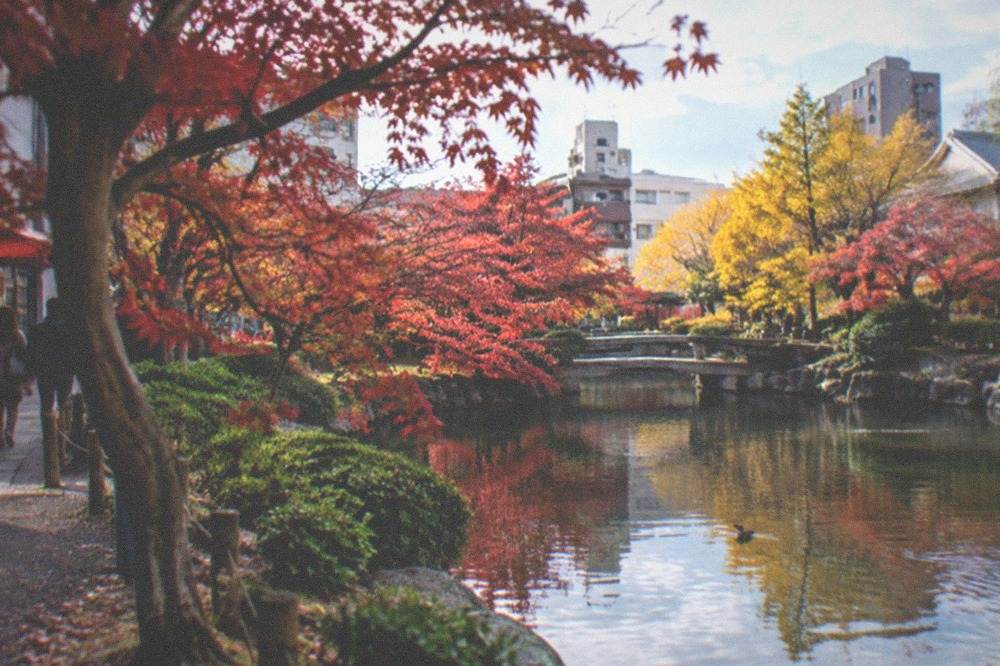
Cherry blossoms in Fukuoka city typically open in late March and reach full bloom between the end of March and early April, with Maizuru Park's roughly 1,000 trees the centrepiece. Autumn colour peaks mid to late November in the city parks, holding into early December, and mid to late November around Dazaifu and Komyozenji. Spring is earlier here than in Tokyo or Kyoto by several days to a week.
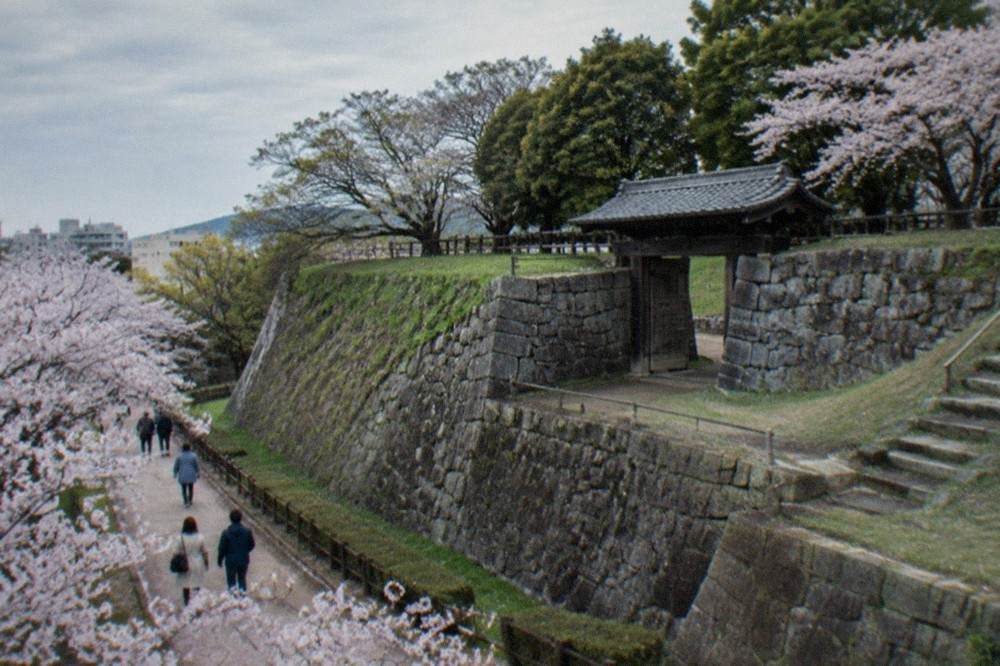
Sakura season is the strongest single crowd-puller on this calendar. Maizuru Park, around the Fukuoka Castle ruins, carries about 1,000 cherry trees and lights them in the evenings during the bloom period; Nishi Park, on its hillside, ranks among Japan's top 100 sakura spots; Tenjin Central Park is the low-effort city-centre option. The city viewpoints guide covers where the frames are best at each. One planning note for spring 2026 and into 2027: the castle's Tenshudai, the main keep base, is closed to entry from 2026-05-26 until the end of December 2026 for an archaeological excavation, prompted by a document found in December 2024 that describes a keep which may never have existed. The park and its blossom are unaffected, and the dig is temporary, so check status before you go rather than treating the closure as permanent.
Autumn is the quieter twin. Ohori Park and Maizuru hold their colour late, into early December, and the maple-and-moss garden at Komyozenji near Dazaifu peaks mid to late November, with Kamado Shrine nearby reliable for maples and ginkgo. Fukuoka Tower runs seasonal illuminations on its exterior, an autumn moon-viewing motif in late September and a Christmas tree theme from early November into December, and admission is ¥1,000 for adults, ¥500 for elementary and junior high students, ¥200 for children four and over. A pre-booked tower admission ticket, from $7 per person, currently rated 5 from a single review, skips the ticket line on illumination evenings, which are the busy ones.
What Is Each Month Actually Like?
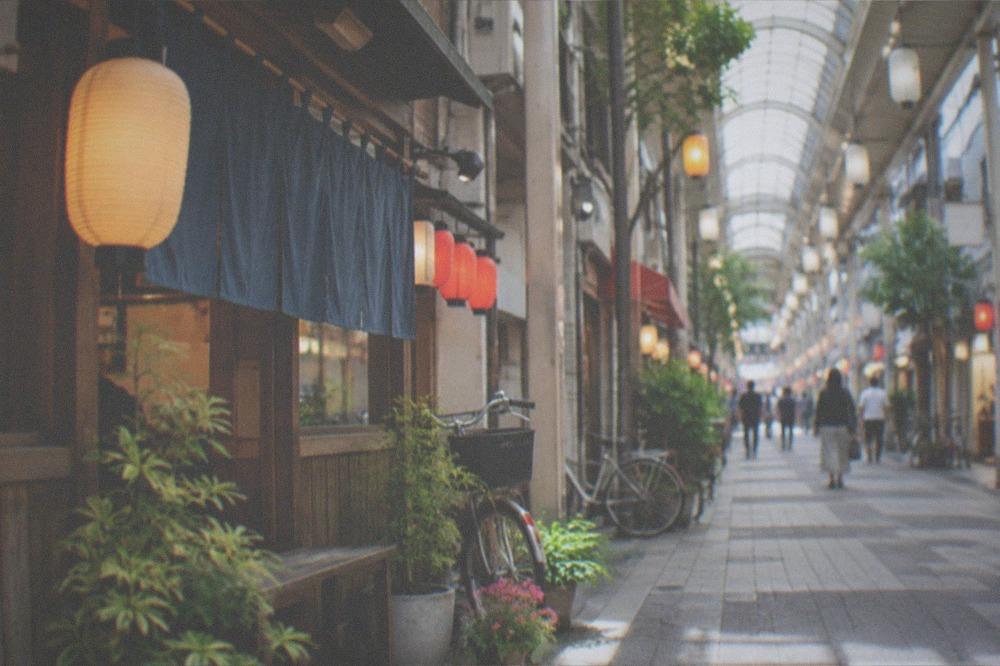
January is cold and clear, February the driest, March the start of blossom season. April and May are the best all-round months. June is tsuyu grey, July wet but festival-mad, August hot and bright. September stays warm with typhoon risk, October is the sweet spot for weather, November pairs mild days with autumn leaves, and December is quiet, cheap and decorated for Christmas.
The month-by-month table below turns that into decisions. Use it alongside the where to stay in Fukuoka guide, because some months reward being beside the yatai and others reward being near the parks.
| Month | Feel | Mean °C | Best for |
|---|---|---|---|
| Jan | Cold, bright, quiet | 6.9 | Tamaseseri on Jan 3, New Year shrines, low crowds |
| Feb | Driest month, still winter | 7.8 | Plum blossoms, bargain hotel rates |
| Mar | Warming fast, blossom starts late month | 10.8 | Sakura opening, sumo practice visits |
| Apr | Mild, blossom at peak | 15.4 | Hanami, Ohori Park, first terrace weather |
| May | Sunniest month, Dontaku | 19.9 | Hakata Dontaku, outdoor everything |
| Jun | Tsuyu grey, humid | 23.3 | Indoor culture, food halls, moody yatai |
| Jul | Wettest month, Yamakasa | 27.4 | Hakata Gion Yamakasa, evening festivals |
| Aug | Hottest, bright between storms | 28.4 | Fireworks, beaches, Mentaiman energy |
| Sep | Warm, typhoon watch | 24.7 | Hojoya festival, Nakasu Jazz |
| Oct | Dry, mild, excellent | 19.6 | The best walking weather of the year |
| Nov | Leaves peak, crisp | 14.2 | Koyo, illuminations, city marathon of food |
| Dec | Cold, quiet, Christmas markets | 9.1 | Advent illuminations, year-end noodles |
Note what the table does not say: that any month is unvisitable. Even the January figure, 6.9 mean with 104.1 sunshine hours, describes a winter closer to Rome than to Sapporo, and the December travel question gets its own honest answer elsewhere on this site. Winter visitors get illuminations across multiple venues, typically from early November into late December, and the lowest hotel rates of the year outside the New Year spike.
Which Festivals Should Shape Your Dates?
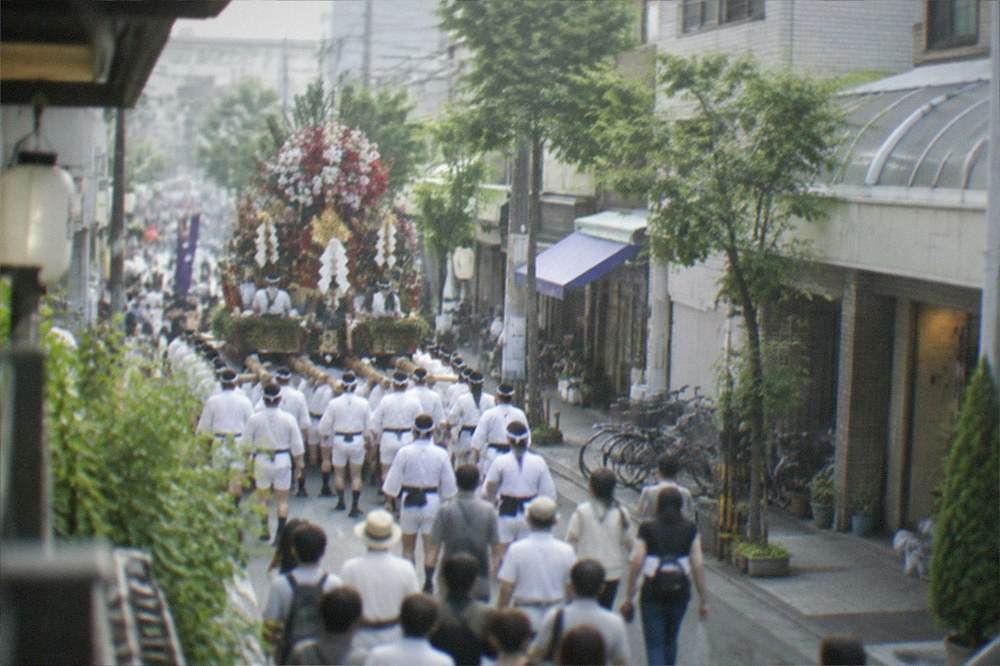
Four festivals move the needle: Hakata Dontaku on May 3 and 4, Hakata Gion Yamakasa from July 1 to 15, Hojoya at Hakozakigu from September 12 to 18, and Tamaseseri on January 3. Yamakasa is the one worth flying for: its Oiyama finale sees teams race roughly one-ton floats over a course of about 5 km, starting at 4:59 in the morning on July 15.
Dontaku fills Meiji-dori with parades, flower-adorned floats and a mass-participation finale dance over Golden Week, with eve events on May 2. It is the biggest crowd event of spring, and it falls inside the sunniest month of the year, which is a hard combination to beat. Yamakasa, centered on Kushida Shrine, is the deeper cultural spectacle: decorative kazariyama floats go on display from July 1, the carrying teams intensify training from around July 10, and the whole thing ends with that pre-dawn race. The official Yamakasa site publishes each year's schedule, and the 2026 running has already passed; the July 1 to 15 pattern is fixed by tradition, but treat future years as pattern rather than confirmed dates until announced. Hojoya brings hundreds of food and game stalls along Hakozakigu's approach for a week in September, one of Hakata's three great festivals. Tamaseseri, on January 3, is the strangest and most physical: loincloth-clad teams fight for a sacred wooden ball in the afternoon cold.
Two practical notes. Dontaku and Yamakasa have no ticketing at all, they are street events, so anyone selling you "tickets" to them is selling air. And festival weeks fill hotels across the whole city, not just Hakata, so book early for early May and mid-July.
| Festival | Dates | Where | What it is |
|---|---|---|---|
| Tamaseseri | Jan 3, early afternoon | Hakozakigu | Ball-scramble ritual, one of Kyushu's three great festivals |
| Hakata Dontaku | May 2 eve, May 3 to 4 | Meiji-dori, Hakata and Tenjin | Parades, floats, open dancing, Golden Week peak |
| Hakata Gion Yamakasa | Jul 1 to 15 | Kushida Shrine and Hakata streets | Float displays, then the Oiyama race, 4:59 a.m. on the 15th |
| Hojoya | Sep 12 to 18 | Hakozakigu | Rituals, performances, hundreds of street stalls |
The full Fukuoka festivals guide covers the smaller events, and the evening side of the calendar runs hottest exactly when the festivals do.
What Is the Cheapest or Quietest Time to Visit?
The quietest, cheapest months are late January, February and early December, outside the New Year holiday, when hotel rates sit at their floor and the main sights are uncrowded. February is the year's driest month at 69.8 mm, with 123.5 sunshine hours, so the trade is cold mornings rather than rain. Avoid Golden Week in early May and the Yamakasa fortnight in July for low prices, though both are worth seeing.
Budget travellers get a genuinely decent deal in winter here. The city does not shut down the way northern Japan does, the yatai stalls run year-round with stall-by-stall discretion, and the free sights carry a winter day easily: Ohori Park's grounds, Kushida Shrine, Tochoji and Shofukuji all cost nothing to enter, and Dazaifu Tenmangu states plainly on its own FAQ that there is no entrance fee. One seasonal caveat applies to spring: Uminonakamichi Seaside Park, a favourite with families, closes on selected Tuesdays that shift by season, so never plan around it without checking its calendar, and its gate is cash only.
Families have their own calendar logic, and the Fukuoka with kids guide maps it: the zoo and parks are at their best in the April-May and October windows, Marine World's hours vary by calendar date rather than running to one year-round schedule, and summer's heat is harder on small children than on adults. Food-led travellers face less seasonal pressure, since the food guide covers dishes that exist in every month, though hot-pot season, motsunabe above all, genuinely belongs to the cold half of the year and tastes better for it.
One last pairing for the shoulder seasons. The interior of Kyushu, Mount Aso's grasslands and the onsen town of Kurokawa, is at its best in late spring and autumn, and a day tour from Fukuoka covering Mount Aso, Kurokawa Onsen and a shrine runs from $58 per person, rated 4.6 from 101 reviews, over about 10 hours. The Kyushu overview frames what else the island holds if one day inland is not enough.
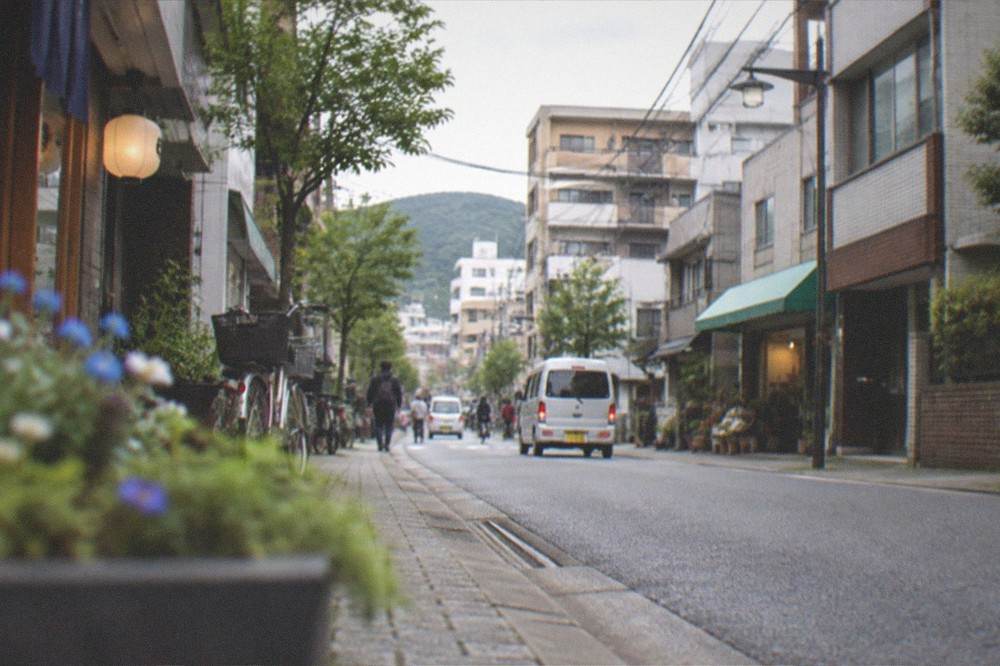
Whichever window you settle on, the practical bits of arrival stay the same year-round. Fukuoka Airport sits unusually close to the city centre, the station is Hakata rather than any JR Fukuoka Station, and everything else about getting oriented is covered in this Fukuoka Japan Travel Guide, from the subway to where to sleep on your first night. Pick the month for the weather and the festivals, then let the logistics take care of themselves.
Common Questions About the Best Time to Visit Fukuoka
What Is The Best Month To Visit Fukuoka?
Late March into April for cherry blossoms, or October into November for mild, dry weather and autumn leaves. May, the sunniest month at 204.1 sunshine hours, is the best all-rounder if you can take a warmer trip. Each window trades something: blossom crowds in spring, earlier sunsets in November, festival chaos if you hit Yamakasa in July.
Is July A Bad Month To Visit Fukuoka?
No, but it is the wettest, 299.1 mm against June's 249.6 mm, and the hottest month along with August, with a mean of 27.4 degrees. It is also Yamakasa month, the city's biggest festival, from July 1 to 15. If the festival matters to you, July is arguably the best month of the year to come.
When Is Rainy Season In Fukuoka?
Tsuyu, the East Asian rainy season, sits over northern Kyushu roughly through June, producing long grey spells and 249.6 mm of rain that month on the 1991-2020 normals. The JMA declares its start and end regionally each year rather than on fixed dates, so watch its announcements rather than a calendar.
When Is Typhoon Season In Fukuoka?
Roughly July through October. Most systems pass the city by, but approaches bring ferry and coastal-trip suspensions and a day indoors. Keep coastal activities mid-itinerary, not on departure day, and check the JMA's live typhoon feed during those months.
What Is The Cheapest Time To Visit Fukuoka?
Late January, February and early December, outside the New Year holidays. February is the driest month of the year at 69.8 mm, so you are trading cold mornings for low prices and thin crowds. Avoid Golden Week and the Yamakasa fortnight for rates.
Is Fukuoka Good In Winter?
Yes, with realistic expectations. The January mean is 6.9 degrees with 104.1 sunshine hours, and the city runs illuminations from early November into late December. Motsunabe hot pot is a winter dish at its winter best, and the main shrines and temples cost nothing to enter.