Kushida Shrine
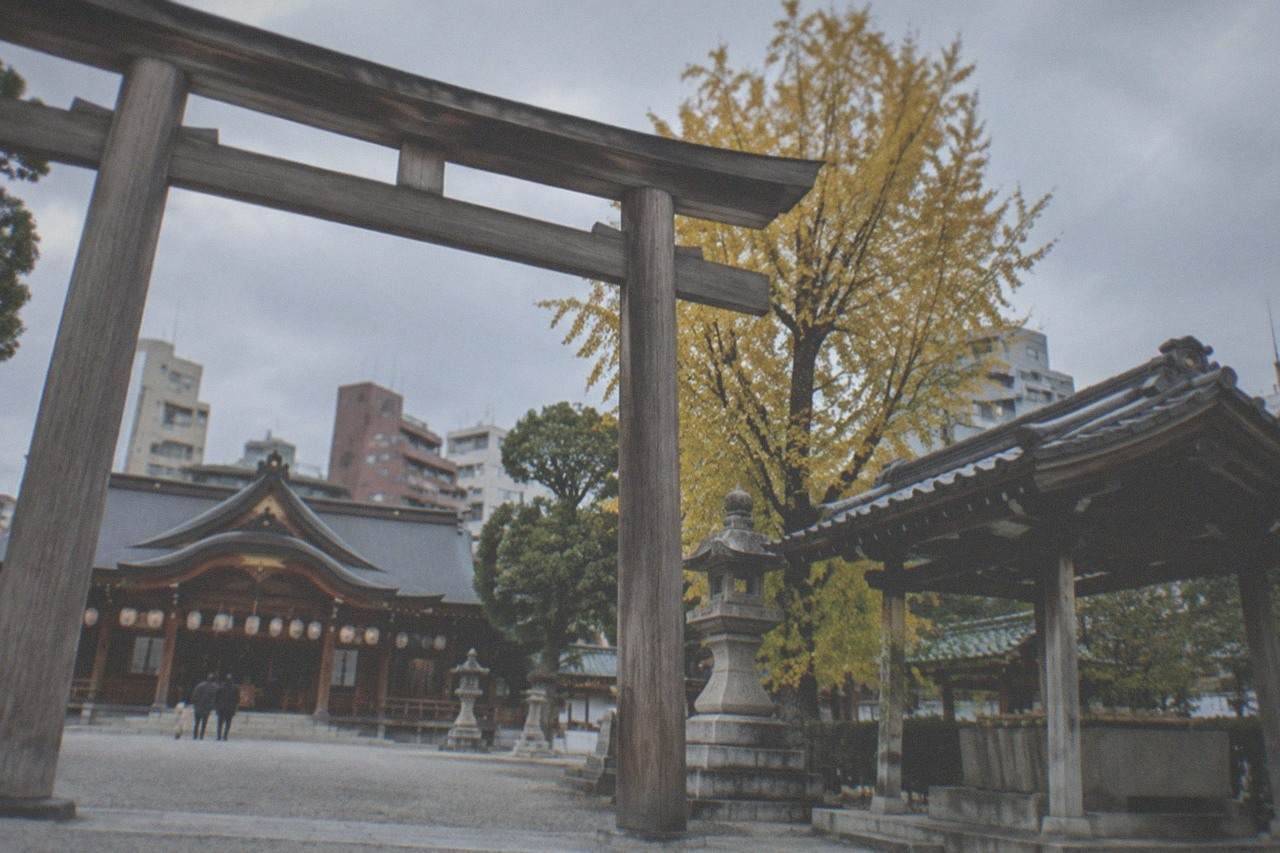
Kushida Shrine is the guardian shrine of Hakata, founded in the eighth century, and the spiritual start point of the July Hakata Gion Yamakasa festival. Entry to the grounds is free and it sits a few minutes from Nakasu and the Nakagawa yatai rows.
Short answer
Yes. Kushida Shrine is free to enter, sits in the middle of Hakata's old merchant quarter, and packs a 1,000-year-old camphor tree, festival floats and carved ceilings into a compact ground you can see in under an hour. It is the festival shrine behind Hakata Gion Yamakasa every July.
Kushida Shrine is Hakata's guardian shrine, and it is one of the few major sights in central Fukuoka that costs nothing to enter. The grounds sit in the middle of the old merchant quarter of Hakata, a short walk from the Nakasu entertainment district and the Nakagawa yatai rows, which makes it an easy stop on almost any city itinerary.
Is Kushida Shrine Worth Visiting?
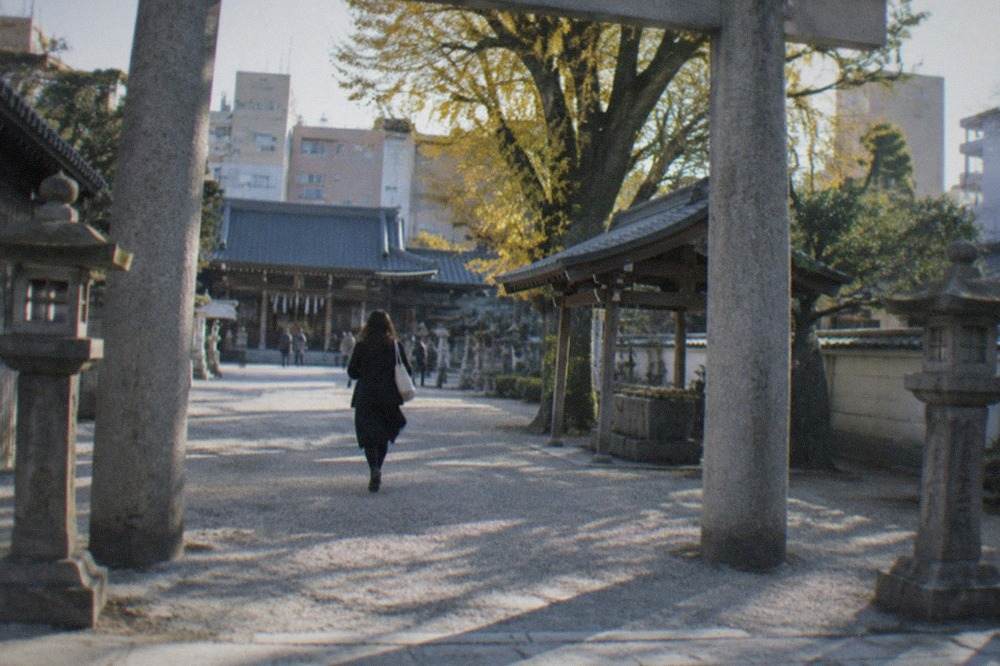
Yes, for most travellers it earns a solid hour and it costs nothing. Kushida Shrine is the oldest shrine in Hakata, and it serves as the spiritual centre of the Hakata Gion Yamakasa festival every July. The grounds hold a huge camphor tree, ornate festival floats and a carved ceiling, all within walking distance of Nakasu and the yatai stalls. A visit combines naturally with Tochoji Temple and the old Hakata streets around it.
The honest framing is this: Kushida is not a grand imperial complex on the scale of Kyoto's great shrines, and it does not need to be. What it offers is density. Within one compact ground you get a shrine that locals treat as the working heart of the district, a museum-quality festival float standing in the open, a tree said to be more than a thousand years old, and a direct line to the single biggest event on Fukuoka's calendar.
For a first-time visitor deciding between sights, the calculation is simple. The major shrines and temples of the city, including Sumiyoshi Shrine and Shofukuji Temple, are all free to enter and all sit within the same flat, walkable band of the city. Kushida is the one most tied to living city culture, because the Yamakasa teams start and end their July races here.
What Can You See Inside the Grounds?
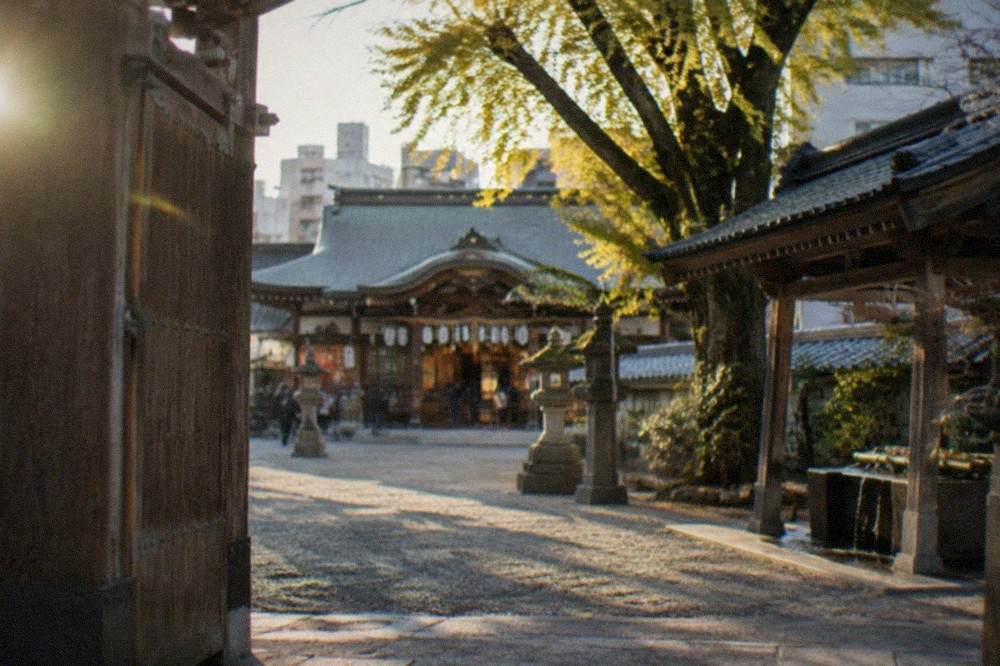
The grounds hold five things most visitors come for: the main hall with its elaborate carved decoration, the giant camphor tree, a permanent kazariyama festival float, thecho nagashi stone carvings along the wall, and the omikuji fortunes and charms sold at the counter. All of it is free to view and everything sits within a two-minute walk of the entrance.
The camphor tree is the quiet star. A sign at the shrine identifies it as more than a thousand years old, and its canopy covers most of the courtyard. It is one of the oldest living things in the centre of Fukuoka, which is a city better known for new buildings and fast growth than for old trees. Stand under it for a minute and the surrounding streets disappear.
The kazariyama is the easier hit to photograph. These are the decorated display floats used during Hakata Gion Yamakasa, standing several metres tall with figures, lanterns and elaborate roofwork on top. One stands inside the grounds year-round, so even if you never visit in July you see the object the entire festival revolves around. The float that runs the race itself is a stripped-down version, because teams of men carry it at speed over roughly 5 km.
Along the rear wall, the cho nagashi carvings are a set of stone reliefs repurposed from older structures in the district. They reward a slow look. Most visitors walk past them in seconds, which is a shame, because the detail work is some of the best traditional carving you will see outdoors in the city without paying a museum fee.
| Sight in the grounds | What it is | Why it matters |
|---|---|---|
| Main hall | The shrine's principal structure, decorated with carvings and lanterns | Dedicated to the guardian deities of Hakata merchants |
| Great camphor tree | A tree of over 1,000 years, shading the courtyard | One of the oldest living landmarks in central Fukuoka |
| Kazariyama float | A tall decorative display float, on show year-round | The visual icon of Hakata Gion Yamakasa |
| Cho nagashi | Stone relief carvings set into the wall | Rescued carvings from the old Hakata streets |
| Fortune counter | Omikuji paper fortunes and protective charms | Standard shrine practice, affordable souvenirs |
What Is the Hakata Gion Yamakasa Connection?
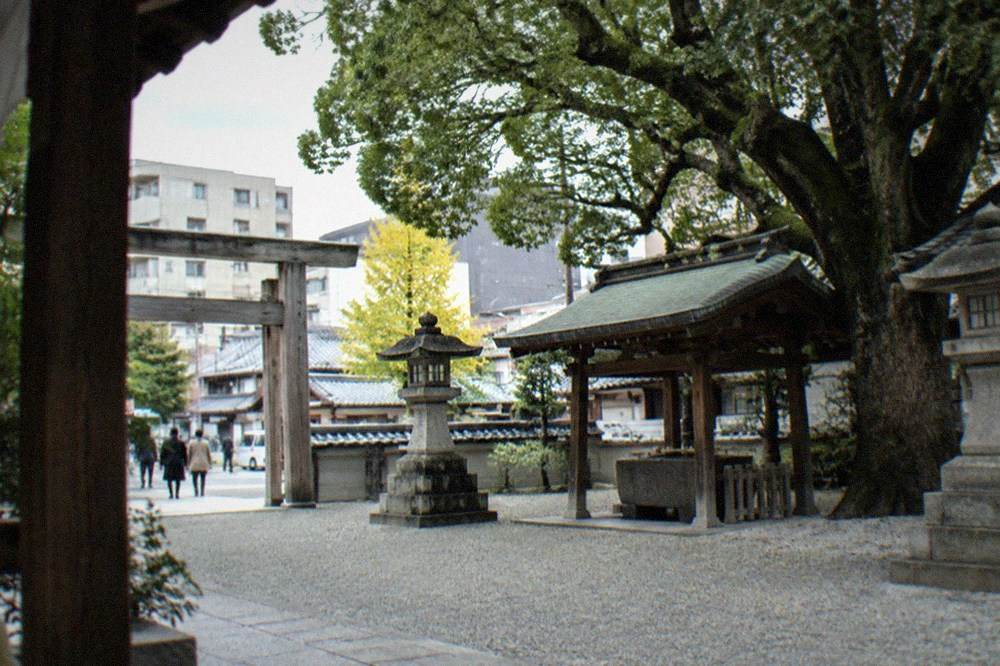
Kushida Shrine is the start and finish point of Hakata Gion Yamakasa, Fukuoka's biggest festival, which runs every year from July 1 to 15. The climax race, Oiyama, begins at 4:59 a.m. on July 15 when taiko drums signal the teams off. Teams carry floats weighing around one ton along a course of roughly 5 km through the streets.
The festival belongs to Kushida in a way that defines the shrine's place in the city. From July 1 the tall kazariyama display floats go up at points around Hakata, and from around July 10 the carrying events intensify, with practice runs and public showings of the kakiyama racing floats. The whole two weeks of activity is anchored at the shrine, where the teams gather and the drums sound.
The 4:59 a.m. start time of the Oiyama finale is not a rounded tourist figure. It is the traditional signal, marked by taiko drums, and it means that the most committed spectators are standing in the dark in Hakata before dawn on July 15. If you are in Fukuoka in mid-July, the festival is genuinely worth restructuring a trip around, and the schedule follows the July 1 to 15 pattern every year. The 2027 dates follow that traditional pattern, though the shrine and the festival committee publish the confirmations.
This July festival window also carries a planning note most guides miss. July is Fukuoka's wettest month by a clear margin, 299.1 mm on the Japan Meteorological Agency's 1991 to 2020 normals, ahead of June's 249.6 mm even though June is the tsuyu rainy season. The festival runs through it anyway, and has for centuries.
| Festival element | Timing | Where Kushida fits |
|---|---|---|
| Kazariyama display floats | From July 1 | Displayed around Hakata, with the festival centred on the shrine |
| Practice and showing events | From around July 10 | Teams gather and prepare near the shrine |
| Oiyama finale race | July 15, 4:59 a.m. start | Drums signal the start at Kushida Shrine |
| Race course | Roughly 5 km | Runs through the streets of Hakata |
| Float weight | Around one ton | Carried by teams of runners |
If a July trip is not on the table, the shrine still tells the story. The display float in the grounds, the drum association activity and the shrine's own materials keep the festival visible all year.
How Do You Get to Kushida Shrine?
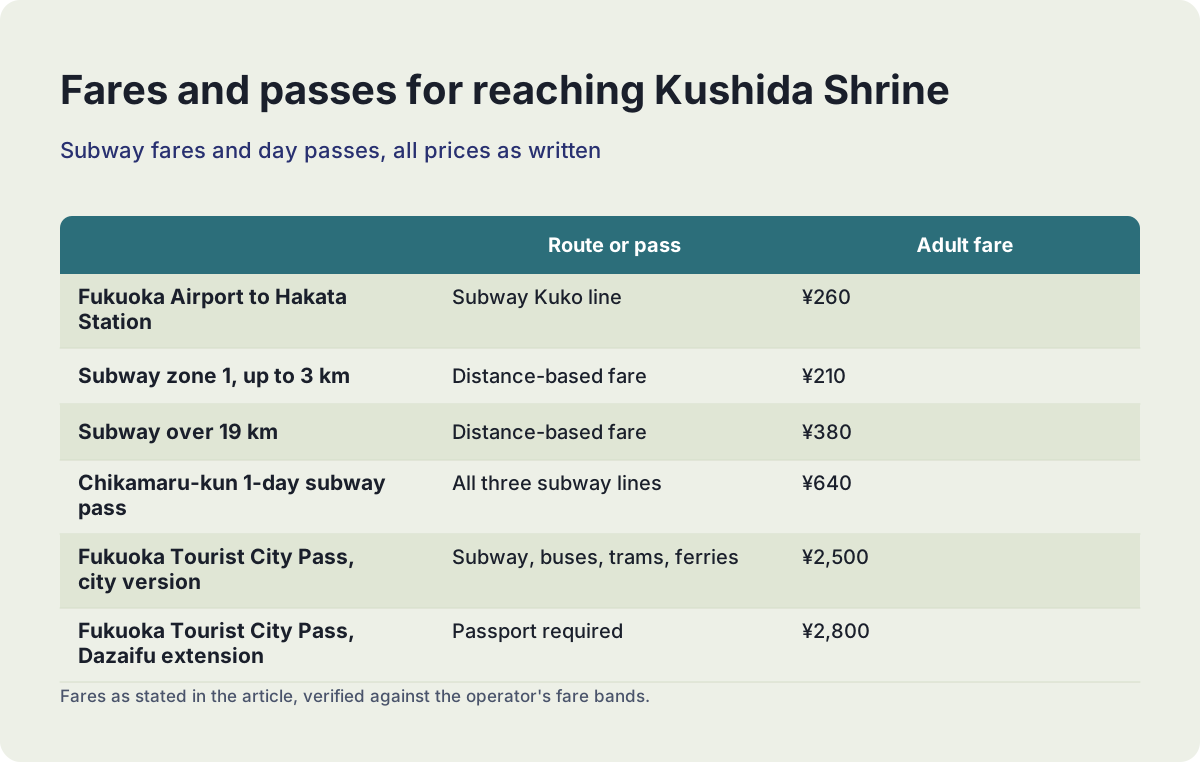
Kushida Shrine sits in Hakata's old quarter, about 10 minutes on foot from Nakasu-Kawabata Station on the subway's Hakozaki Line and roughly 15 minutes from Hakata Station. The subway single fare from the airport area falls in the ¥260 band, and a 1-day subway pass costs ¥640 if you plan to ride several times. The ground is flat and walkable from most of the city centre.
The most useful fact for orientation is one that competing guides get wrong constantly: Hakata and Fukuoka are the same city. Hakata is the ward and the name of the main station, and Fukuoka is the city. You never travel "from Hakata to Fukuoka", and there is no JR Fukuoka Station. Kushida Shrine sits in the Hakata ward of Fukuoka, which is why it is so easy to reach from the station that shares the ward's name.
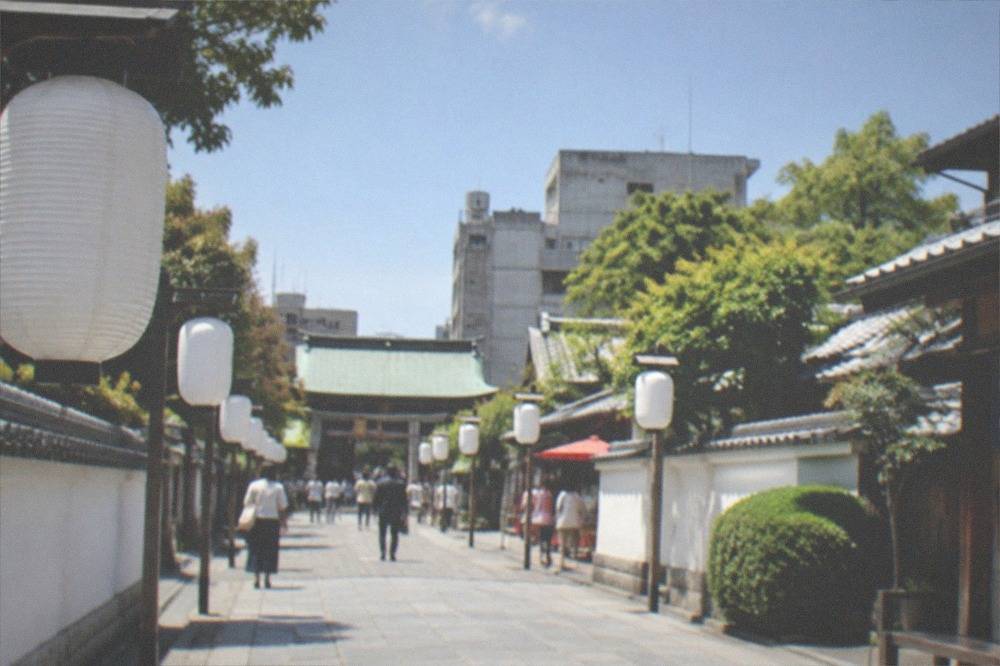
The subway fare table is distance based and simple: ¥210 for zone 1 up to 3 km, rising to ¥380 for anything over 19 km, with child fares roughly half. From Fukuoka Airport to Hakata Station the fare is ¥260, verified against the operator's own fare bands. The airport is unusually close to the city centre, which is one of the reasons Fukuoka is such a comfortable arrival city, and the subway's Kuko line runs directly from the airport terminal into the network.
For a day of shrine and sightseeing hopping, two passes matter. The subway 1-day pass, the Chikamaru-kun, is ¥640 for an adult and covers all three subway lines from first train to last. The Fukuoka Tourist City Pass, at ¥2,500 for the city version and ¥2,800 with the Dazaifu extension, covers subway, buses, trams and ferries for a day, but it is restricted to overseas tourists on short-stay visas and a passport is checked at the counter. Most travellers doing one shrine plus a park will spend less than either pass, so do the arithmetic before buying.
| Route | Best option | Adult fare |
|---|---|---|
| Fukuoka Airport to Hakata Station | Subway Kuko line | ¥260 |
| Hakata Station to Kushida Shrine | Walk, roughly 15 minutes | Free |
| Nakasu-Kawabata to shrine | Walk, roughly 10 minutes | Free |
| All-day subway use | Chikamaru-kun 1-day pass | ¥640 |
| Buses, subway, trams, ferries for a day | Fukuoka Tourist City Pass (passport required) | ¥2,500 |
What Else Is Within Walking Distance?
A full day of sightseeing surrounds the shrine. Tochoji Temple with its Great Buddha, the shopping streets of the Hakata old quarter, Ohori Park and its Japanese garden, Fukuoka Tower and the waterfront at Momochi all sit within a short subway ride, and several of them within a walk. Nakasu and its yatai stalls begin along the Naka River a few blocks away.
The nearest cluster is the tightest. Tochoji, a Jodo sect temple with one of the largest seated Buddha statues in Japan, is minutes away on foot, and the streets between hold the atmospheric Hakata old quarter. That old-town grid is one of the most pleasant walks in central Fukuoka, all low wooden fronts, small shrines and lantern strung alleys, and the Hakata Machiya Folk Museum sits right in the middle of it if you want the historic context.
Further out, the city spreads along a flat grid that rewards walking. Ohori Park, with its lake, running path and the walled Japanese Garden, sits on the former castle moat system, and the Fukuoka Castle ruins sit right beside it. Note one closure if you are planning that walk: the castle's Tenshudai, the main keep base, is closed to entry from May 26, 2026 until the end of December 2026 for an archaeological excavation, prompted by a document found in December 2024 describing a keep that may never have been built.
The yatai are the evening leg of the same walk. Fukuoka runs about 100 licensed food stalls, more than any other Japanese city, concentrated in Nakasu along the Naka River, in Tenjin and in Nagahama. The Nakasu rows are the photogenic ones and they are minutes from Kushida Shrine. A city ordinance requires every stall to display its prices where customers can easily see them, and any dish priced on the day's market must show that day's actual price rather than a vague "market price" label, so a menu is always visible.
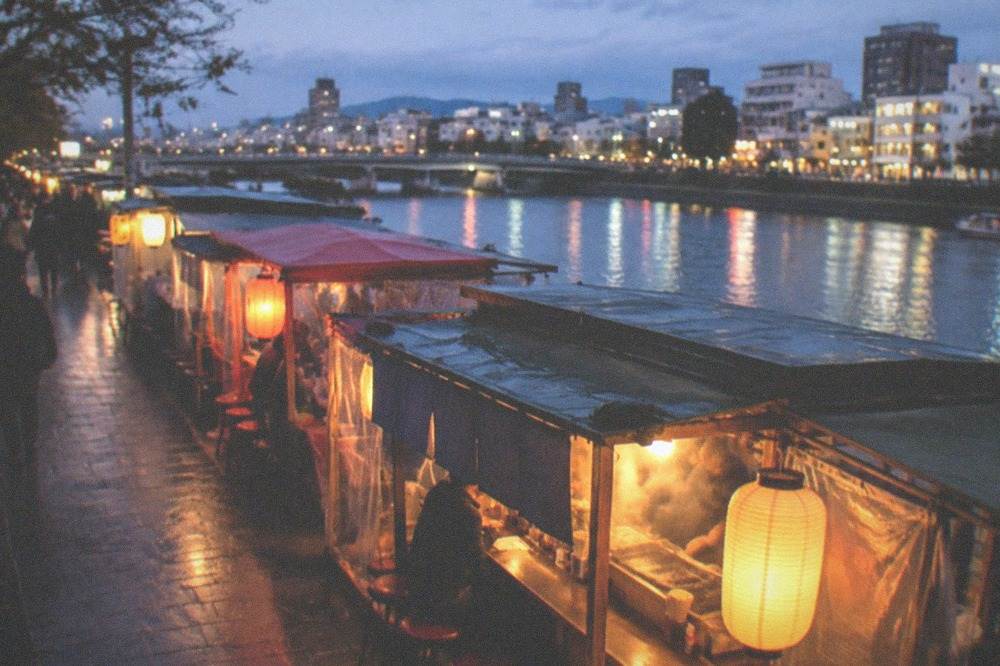
You cannot book a seat at a yatai stall, they take walk-ins only, so the honest way to experience them with a guide is an evening tour. A guided crawl such as the Fukuoka Nakasu food stall private guided tour pairs the stalls with tastings and a local's ordering knowledge, which is useful on a first night. The city's own yatai policy pages, including the question and answer page on stall rules, document the price-display requirement and the roughly 100-stall total.
For readers weighing the whole city against other stops in Japan, the answer on whether Fukuoka is worth visiting covers the case in full, and the tower's observation decks round out a first-timer's picture of the skyline.
When Is the Best Time to Visit?
July 1 to 15 is the peak, because Hakata Gion Yamakasa runs through the shrine, but it is also the wettest, most crowded and most humid window of the Fukuoka year. For quiet grounds and comfortable walking, late autumn from mid-November and spring from late March offer the best balance of weather and scenery. The shrine itself is free year-round and rarely feels busy outside festival dates.
The climate data makes the trade-off explicit. Fukuoka's July mean is 27.4 °C with 299.1 mm of rain; August is hotter at 28.4 °C mean but drier at 210.0 mm and second only to May in sunshine hours. June, the tsuyu rainy season, sits between them. If you want the festival you accept July as it comes, and the festival's dawn start reflects that: 4:59 a.m. is the coolest workable hour for carrying a one-ton float at speed.
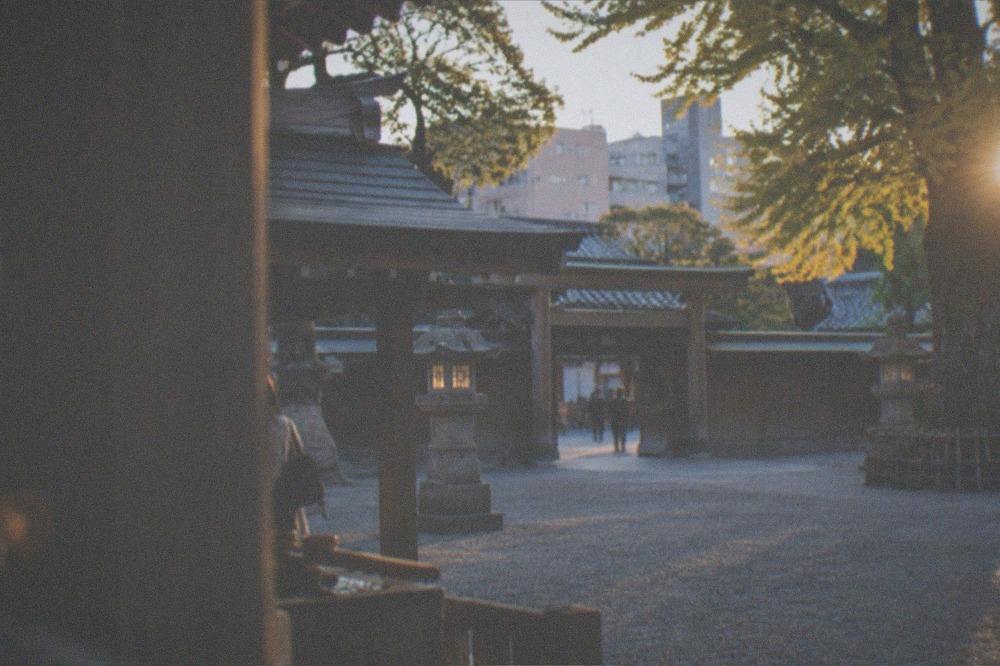
Spring brings the sakura crowd to the parks rather than to the shrines, with first bloom typically in late March and full bloom at the end of March into early April. Autumn colour peaks mid to late November into early December in the city parks, and the shrine's camphor tree and maple plantings hold colour into the start of December. Both seasons give you comfortable walking temperatures, and this part of Hakata rewards walking.
Winter is the quiet, underrated option. The winter guide for Fukuoka covers the season in detail, and the shrine sees its New Year hatsumode crowds in the first days of January, including the Tamaseseri ball-scramble ritual at nearby Hakozakigu on January 3. Outside those days, winter grounds are calm, and the city's average December and January temperatures, 9.1 °C and 6.9 °C means on the normals, are mild for visitors from northern climates.
| Season | Weather picture | What the shrine offers |
|---|---|---|
| Spring, late March to April | Mild, first bloom late March, full bloom end of March | Calm grounds, blossom in surrounding parks |
| Summer, July | 27.4 °C mean, 299.1 mm rain, the wettest month | Hakata Gion Yamakasa in full flow, the shrine's biggest moment |
| Autumn, mid-November | Cooling, colour mid to late November | Maple colour, comfortable walking |
| Winter, December to January | 9.1 °C and 6.9 °C means | Quiet grounds, New Year hatsumode crowds early January |
One point worth planning around: the shrine's opening hours are not published in a form this site could verify against an official source, so do not rely on a specific opening time printed in a guidebook. The grounds are open through the day and into the evening in practice, and the festival periods see activity around the clock.
What Should You Know Before You Go?
Entry to the grounds is free, there is no ticket booth, and the shrine is a working religious site rather than a museum. Bow at the torii, keep your voice low near the main hall, and do not photograph ceremonies or people praying without permission. Allow 30 to 60 minutes for the grounds themselves, more if the float and carvings catch you.
Practical etiquette is standard for Japanese shrines. Bow once at the torii when entering and leaving, walk to the side of the approach path rather than down its centre, which is traditionally the deity's path, and purify your hands at the water basin before approaching the main hall. At the offering hall, the customary pattern is two bows, two claps, one bow. Nobody will police a visitor, but the gestures are easy and they are noticed.
Photography is welcome in the grounds in general, with the usual exceptions: during rituals, at the offering hall while people are praying, and anywhere a sign or an attendant says otherwise. The float, the camphor tree and the cho nagashi carvings are all photographed constantly and without issue.
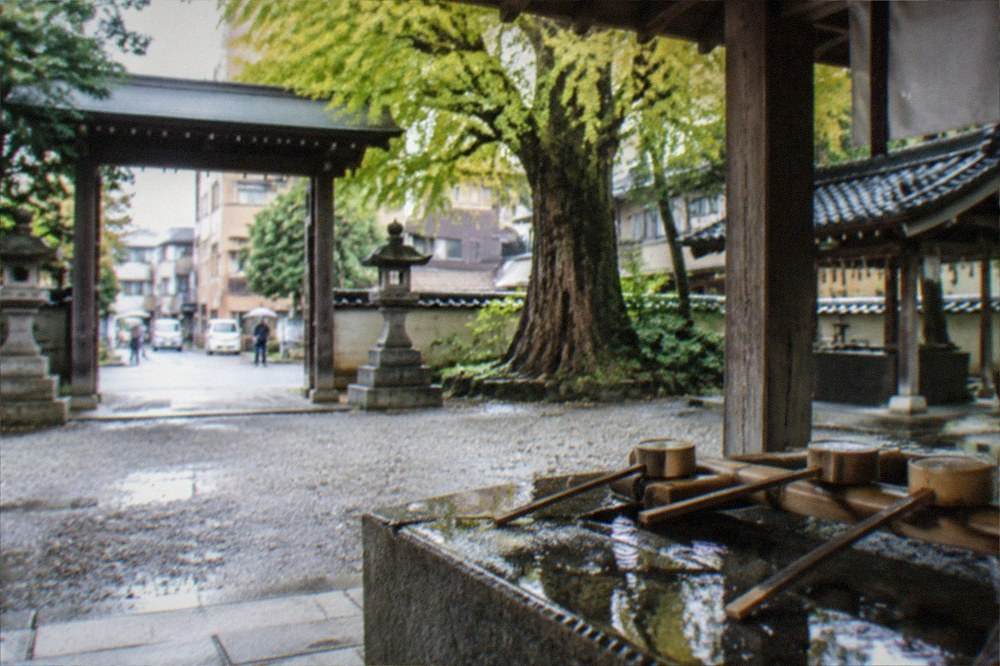
Accessibility is decent. The grounds are flat, the approach paths are paved, and there are no stairs required to reach the main hall or the float display. The surrounding streets of the Hakata old quarter are likewise flat, and the walk from Nakasu-Kawabata Station is step-free throughout. Visitors with mobility equipment will find the shrine one of the easier major sights in the city, easier than the hillside approach at Atago Shrine or the slopes around the castle ruins.
Time your visit around the neighbourhood rather than the shrine itself. Morning light in the old quarter streets is the photographers' window, the yatai rows do not open until evening, and the stalls typically set up from around 17:00 under the city's occupancy rules, opening nearer 18:00 to 18:30. A late-afternoon shrine visit followed by a walk to the Naka River as the lanterns come on is the natural sequencing, and the whole chain is on foot.
For travellers combining the city with deeper Kyushu, the pairing works well: shrines in the morning, then a full-day route into the mountains. A Mount Aso and Kurokawa onsen route such as the Mount Aso, Kurokawa Onsen and shrine day tour covers the volcano, the grasslands and a famous onsen town in one long day from Fukuoka, and it is the kind of trip that makes the city's compact centre work as a base.
How Does Kushida Compare to Fukuoka's Other Shrines?
Kushida is the culture and festival pick, Sumiyoshi Shrine is the quiet historic one closer to Hakata Bay, and the bigger temple experiences sit at Tochoji Temple and Shofukuji Temple, the latter being Japan's first Zen temple. None of them charges admission. Choosing between them is a question of which story you want, not which ticket to buy.
Shofukuji, founded by the monk Eisai as the first Zen temple in Japan, is the deepest historical claim in the neighbourhood, though its interiors are generally closed and the grounds are the visit. Tochoji is the crowd-pleaser with its Great Buddha hall. Sumiyoshi, older in worship tradition and long tied to the sea and safe travel, sits nearer the water at Hakozaki and is usually the emptiest of the three.
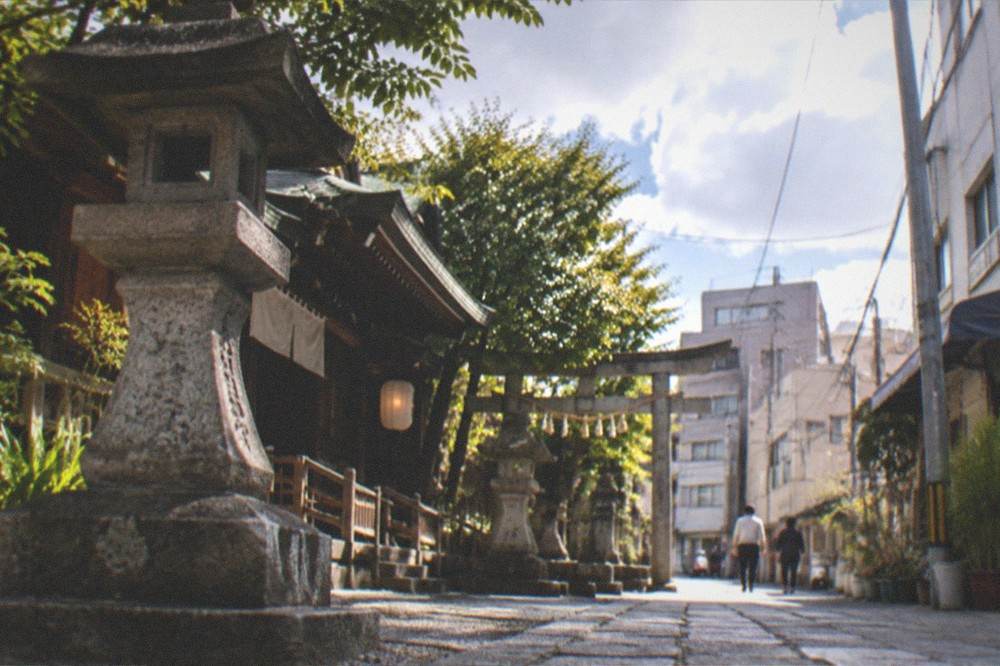
Kushida's advantage is the living connection. Between the float, the drum associations, the Yamakasa start point and the 1,000-year camphor tree, it is the shrine where the city's merchant history and its biggest festival are visible at the same time, in the middle of a district you would walk through anyway. The Fukuoka Convention and Visitors Bureau's own listing for the shrine, the Crossroad Fukuoka page for Kushida Shrine, positions it the same way: the first shrine of Hakata and the origin point of the Yamakasa.
If you have one afternoon in the city centre, walk Kushida with Tochoji and the old quarter streets. If you have a full day, add the Ohori Park lake and the castle ruins. If you have a week, the city's real strength appears: it is the natural launch point for a Yufuin day trip and the wider Kyushu circuit, with the shrine quarter as the calm bookend at either end of the day. The rest of the Fukuoka Japan Travel Guide covers each of those districts and day trips in detail.
Common Questions About Kushida Shrine
Is Kushida Shrine worth visiting?
Yes. It is free to enter, central to the Hakata old quarter, and it combines a 1,000-year-old camphor tree, a festival float and the Yamakasa shrine role into a compact ground. Most visitors spend between 30 minutes and an hour.
How much does Kushida Shrine cost to enter?
Nothing. Entry to the grounds is free, as it is at the city's other major shrines and temples. Only the optional fortunes and charms at the counter cost anything.
When is Hakata Gion Yamakasa held?
Every year from July 1 to 15, centred on Kushida Shrine. The decorated kazariyama floats display from July 1, carrying events intensify from around July 10, and the Oiyama finale race starts at 4:59 a.m. on July 15.
How do I get to Kushida Shrine?
Walk roughly 15 minutes from Hakata Station or about 10 minutes from Nakasu-Kawabata Station on the subway's Hakozaki Line. The airport-to-Hakata subway fare is ¥260, and the ground is flat and step-free throughout.
What is the tree at Kushida Shrine?
A great camphor tree identified at the shrine as more than 1,000 years old, shading most of the courtyard. It is one of the oldest living landmarks in central Fukuoka.
Can you see a Yamakasa float outside the festival?
Yes. A decorated kazariyama display float stands in the grounds year-round, so the festival's most photogenic object is visible whenever you visit.