Fukuoka with Kids Itinerary
Fukuoka is one of Japan's easiest big cities for families: compact, flat, cheap to get around, and packed with parks, animals and waterfront space within a short subway ride of the hotels.
Short answer
Yes, and often cheaper than you expect. Junior high age and under enter Fukuoka City Zoo free (adults pay ¥600), under-15s are free at Uminonakamichi Seaside Park and both city art museums, and the subway's child fare is half the adult fare. A two-day family plan covering the zoo, Ohori Park, the aquarium and a yatai street dinner costs very little in entry fees.
Fukuoka works for families in a way that bigger Japanese cities often do not. The centre is compact and mostly flat, the subway is clean and simple, and the city's biggest family attractions, the zoo, the aquarium, the seaside park and the castle grounds, sit within a short ride of Hakata and Tenjin rather than an hour apart. About 100 licensed yatai food stalls line the riverside at night, and the whole city runs on a scale children can actually walk. This itinerary lays out a relaxed two-day plan with a third-day option, plus the honest entry prices and the transport maths, so you can budget before you fly.
Is Fukuoka a Good City for Families?
Fukuoka is unusually well suited to families for a Japanese city of its size, because its main child-friendly sights cluster inside a 6 km radius of the city centre, the subway reaches almost all of them, and a long list of the best things are free: Ohori Park, Maizuru Park and the Fukuoka Castle grounds, Momochi Seaside Park, Kushida Shrine, Tochoji and Canal City all cost nothing to enter.
The city's own numbers back up the ease. Fukuoka's population passed 1.66 million in the 2025 census, growing faster than any other designated city in Japan, and much of that growth is young families, which is why the parks and playgrounds feel lived-in rather than staged for tourists. The layout helps too. Hakata, Tenjin and Nakasu form one walkable core, and the waterfront attractions sit at the ends of short subway lines rather than scattered across a sprawl.
Two practical notes shape any family plan. First, Hakata is a ward of Fukuoka and the name of its main station, not a separate city, so nothing on this itinerary involves a long transfer. Second, the airport sits unusually close to the centre, and the subway fare from Fukuoka Airport to Hakata is ¥260, so arrival day never eats half a day. Our Fukuoka airport to city guide covers that leg in detail.
Day One: The Zoo, Ohori Park and the Castle Grounds
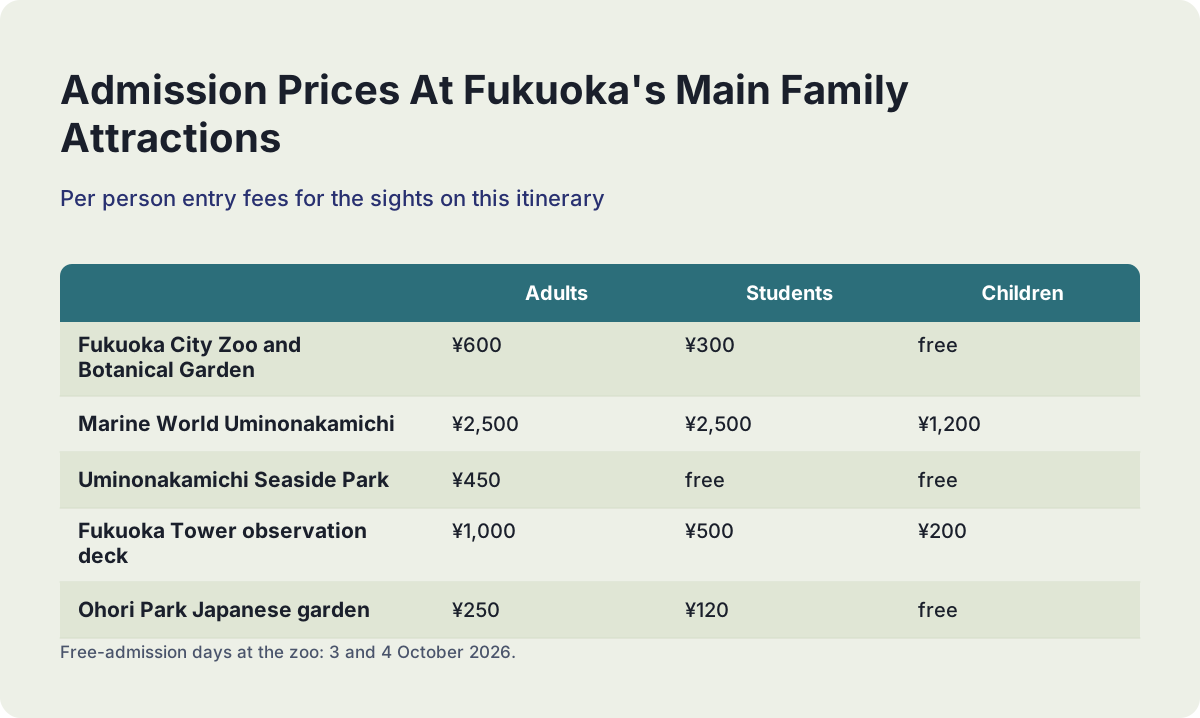
Start at Fukuoka City Zoo and Botanical Garden in the morning, walk down through Ohori Park after lunch, and finish at the Fukuoka Castle ruins in Maizuru Park before dinner at a yatai stall. Adult zoo admission is ¥600, high school students pay ¥300, and junior high age and under enter free, so a family of four with young children pays ¥1,200 in total at the gate.
The zoo and botanical garden share one hillside site in Minami-ku, a ten-minute walk from Yakuin station, and the mix of animals and gardens means you can move between them when the children flag. Last entry is 16:30, so go early. The full zoo and botanical garden page has the complete lowdown. Note two free-admission days announced for 3 and 4 October 2026, if your dates line up.
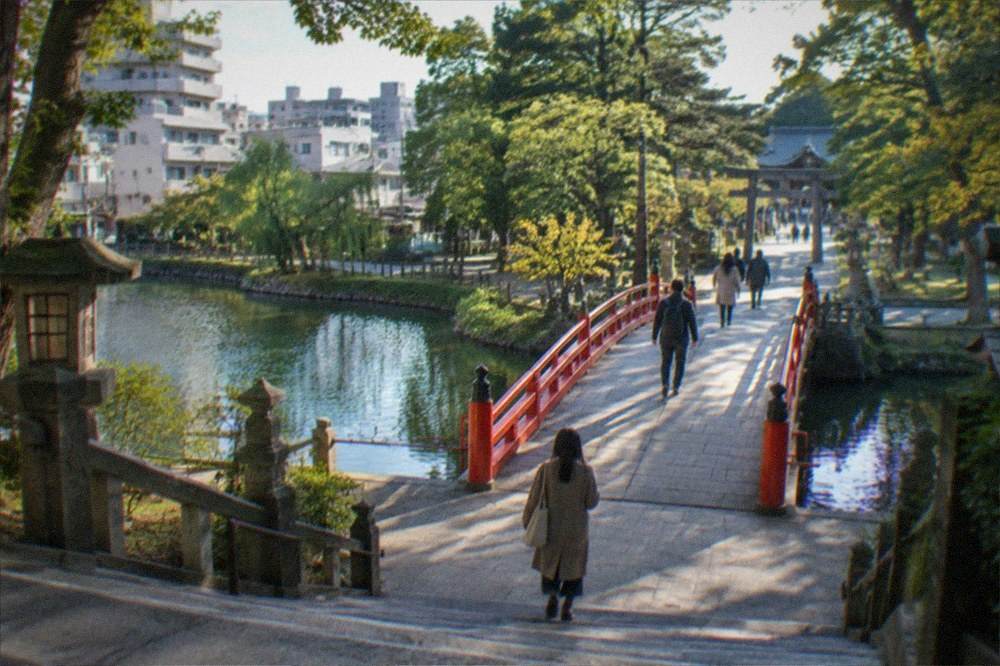
Ohori Park is the lunch and run-around stop. The park itself is free and open all day, the 2 km loop around the pond is stroller-friendly, and rowing boats on the water are the classic family activity here. If you want a quieter half hour, the Japanese garden on the museum side charges ¥250 for adults and ¥120 for children, with under-6s free.
Maizuru Park adjoins Ohori and holds the Fukuoka Castle ruins, free to wander. One honest caveat: the main keep base, the Tenshudai, is closed to entry from 26 May until the end of December 2026 for an archaeological excavation, after a document found in December 2024 suggested a keep may have stood there that no one knew about. The rest of the grounds stay open, and the story of the dig is genuinely fun to tell children.
Even the most easygoing sightseeing day with kids benefits from someone else holding the plan. The Fukuoka Essentials history and culture tour runs three to six hours with a local guide, from $74 per person, rated 4.9 from 48 reviews, and a private format means the pace bends around nap times and snack stops.
For dinner, walk to Nakasu or Nagahama after dark. The yatai stalls are walk-in only, you cannot book a seat, and Fukuoka's yatai ordinance requires every stall to post its prices visibly where customers can see them, so there is no guessing game at the counter. Our Fukuoka yatai guide explains how the stalls work with children in tow.
Day Two: Uminonakamichi, Marine World and the Seaside
Take the subway out to Uminonakamichi Seaside Park for the morning, pair it with the Marine World aquarium next door, and come back through Momochi Seaside Park in the late afternoon. Junior high age and under enter the seaside park free, adults pay ¥450, and the park gate takes cash only, which is the single most useful thing to know before you go.
Uminonakamichi is a long sandbar in Hakata Bay with lawns, playgrounds, a small animal forest and a dog run, and it is the kind of place Fukuoka families actually use at weekends rather than a tourist attraction. It sits at the end of a pleasant ride on a ferry or the JR Kagoshima line, and the Uminonakamichi Seaside Park guide covers the seasonal closing days, because the park shuts on selected Tuesdays that shift through the year and no flat "open daily" claim is safe.
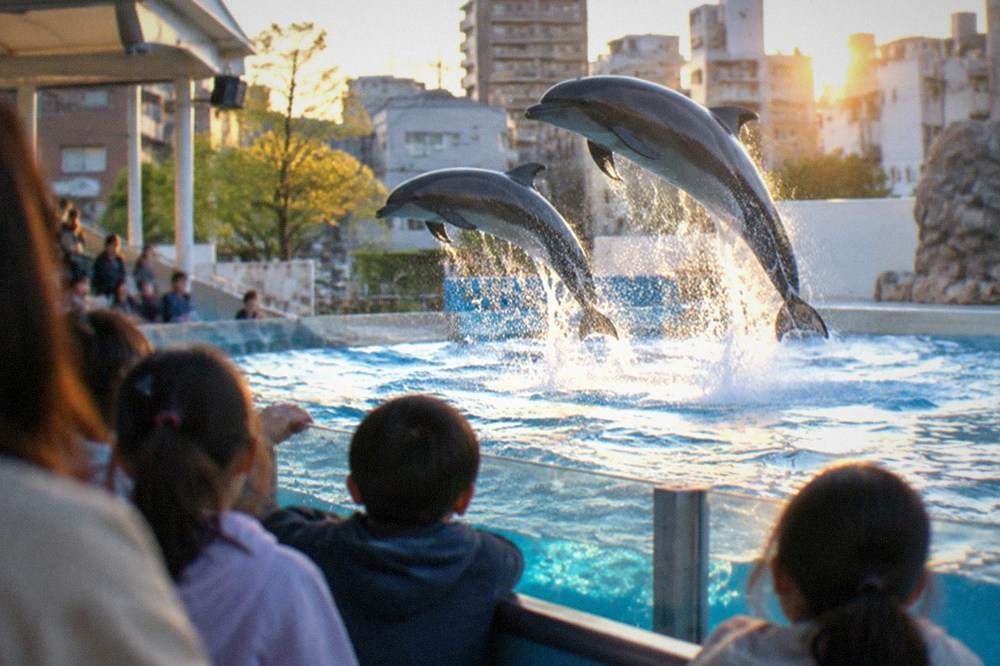
Marine World Uminonakamichi stands inside the park. Admission is ¥2,500 for adults and high school students, ¥1,200 for junior high and elementary, and ¥700 for age 3 and over, with seniors at ¥2,200. Hours change by calendar date, so check the day's schedule rather than assuming a year-round figure. The dolphin shows are the headline, and the Marine World e-ticket from $16 per person, rated 4.8 from 9 reviews, lets you skip the ticket window, which matters with impatient children.
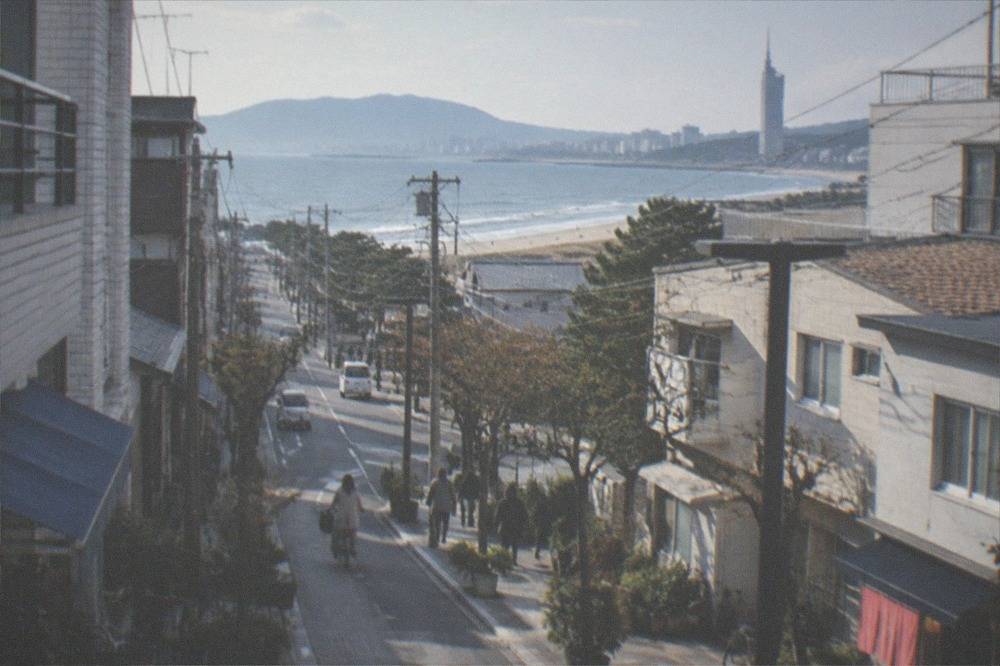
On the way back, stop at Momochi Seaside Park, free to enter, for the beach and the view of Fukuoka Tower. If the children still have energy, the tower's observation deck at 123 m charges ¥1,000 for adults, ¥500 for elementary and junior high, and ¥200 from age 4, and stays open until 22:00 with last entry at 21:30, so it works as a sunset finish. The tower closes on 28 and 29 June 2027 for its annual maintenance.
Is Fukuoka City Zoo Free for Children?
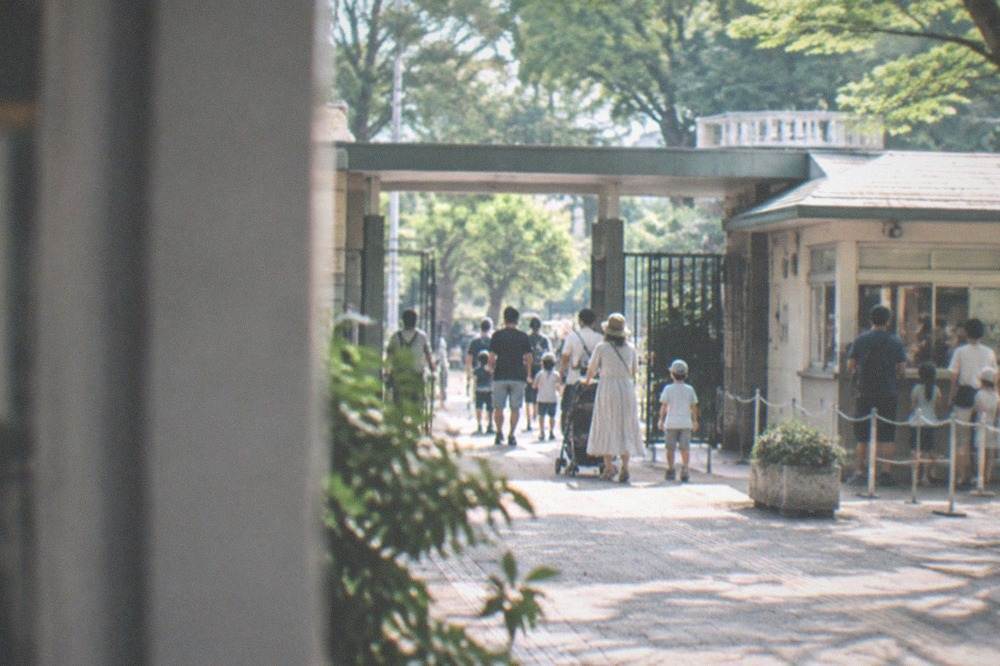
Partly, and the part that matters is free. Junior high school age and under enter Fukuoka City Zoo and Botanical Garden free, with no ticket needed at the gate; adults pay ¥600 and high school students ¥300. Children under 15 are also free at both city art museums and at Uminonakamichi Seaside Park, so the "kids go free" pattern runs through most of the city's public attractions.
The zoo's own site publishes the full price table, and it is worth checking before you go because the zoo also runs periodic free-admission days, with 3 and 4 October 2026 already announced. What the zoo does not publish is a fixed weekly closing day in the sources this site verified, so do not plan around an assumed Monday closure; check the official calendar at zoo.city.fukuoka.lg.jp for the date you will actually be there.
One more free-entry nuance families miss: the Fukuoka Asian Art Museum's building is free to enter, and only the Asia Gallery inside charges, ¥200 for adults and ¥150 for high school and university students, with junior high and under free. On a hot or rainy afternoon that makes it one of the cheapest indoor stops in the city with small children.
Rainy Day Backups That Still Feel Like a Holiday
Fukuoka's best wet-weather options are Canal City Hakata with its fountain shows and shops, the teamLab Forest immersive art space, the two city art museums, and the Tenjin underground mall, and between them they cover a full day without stepping outside more than once. July is the city's wettest month at 299.1 mm, wetter even than the June rainy season, so a backup plan is not pessimism, it is scheduling.
That July figure comes from the Japan Meteorological Agency's 1991 to 2020 normals for the Fukuoka station, and it surprises people who assume June's tsuyu is the peak. July also happens to be Hakata Gion Yamakasa month, when decorated floats stand in the streets from July 1, so a wet July day can still include a free float viewing on the way between indoor stops.
Canal City is free to enter, open every day of the year, with shops from 10:00 to 21:00 and restaurants from 11:00 to 23:00. teamLab Forest, inside the BOSS E・ZO Fukuoka building by the baseball stadium, charges from $27 per person through its ticket listing, rated 3.8 from 14 reviews, and children tend to either love it or find it overwhelming, so treat it as a half-hour-to-two-hour visit rather than a whole afternoon.
For a full rainy-day game plan, our Fukuoka rainy day itinerary sequences these stops properly, and the free things to do guide lists what costs nothing, including the honest answer that Fukuoka has no free walking tours at all: the platforms that list them elsewhere returned no inventory here, so do not build a day around one.
Getting Around Fukuoka with Children
The subway is the family transport backbone: single fares run ¥210 to ¥380 for adults by distance zone, children pay half, and a 1-day pass costs ¥640 for adults and ¥320 for children, which pays off on a two-attraction day. Overseas visitors on a short-stay visa can buy the Fukuoka Tourist City Pass at ¥2,500 for the city or ¥2,800 with Dazaifu included, with a passport check at the counter.
The subway's three lines reach the airport, Hakata, Tenjin, Nakasu, Ohori Park's doorstep at Ohori and Yakuin for the zoo, so almost everything in this itinerary is one seat away. IC cards like Suica and PASMO work on the gates, and local cards Hayakaken, nimoca and SUGOCA are sold in the city. The official fare table is published by the city at subway.city.fukuoka.lg.jp.
The Tourist City Pass detail most guides get wrong is the price: many still quote a stale ¥820 or ¥1,340, but the verified pass figures are ¥2,500 and ¥2,800, and the pass is restricted to overseas tourists on short-stay visas, with your passport checked when you buy. It covers subway, Nishitetsu trains and buses, some JR lines and ferries for one day, and the Dazaifu version excludes the Tabito liner bus. Other pages covering the same trip are gathered on Fukuoka Japan Travel Guide.
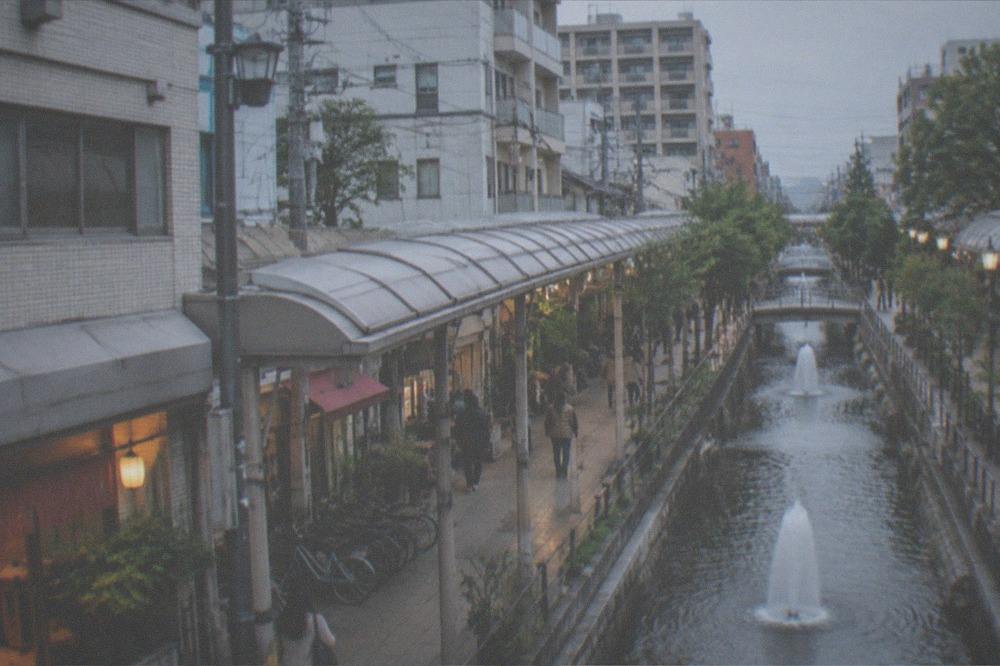
Strollers and small children are normal on Japanese trains, and off-peak cars are roomy. If your children are old enough to walk, the compact centre means you can often skip transit entirely: Hakata to Nakasu is a 20-minute riverside walk, and Tenjin to Ohori Park is similar.
| Transport option | Adult price | Child price | Best for |
|---|---|---|---|
| Subway single fare | ¥210 to ¥380 by zone | ¥110 to ¥190 | One or two rides a day |
| Subway 1-day pass | ¥640 | ¥320 | Zoo plus Ohori Park days |
| Nishitetsu bus 1-day pass | ¥1,200 | ¥600 | Bus-heavy days in the centre |
| Tourist City Pass (passport required) | ¥2,500 city / ¥2,800 with Dazaifu | ¥1,250 / ¥1,400 | Overseas visitors, multi-mode days |
A Third Day: Dazaifu or the Coast
With a third day, take the Nishitetsu train to Dazaifu Tenmangu, which charges no entrance fee at all and pairs a shrine visit with the Kyushu National Museum and a walkable approach lined with shops selling umegae mochi cakes, or head the other way to the Itoshima coast for beaches and the Shiraito waterfall area.
Dazaifu is the classic family half-to-full day. The shrine's own FAQ states plainly that there is no entrance fee, the approach is flat and stroller-friendly, and the 30-minute train ride from Tenjin is short enough that even tired children manage it. Our Dazaifu day trip itinerary sequences the shrine, the museum and lunch. One caution this site holds on purpose: the shrine's main hall renovation status is not something we assert either way, so go expecting the grounds and approach, which are the parts children enjoy regardless.
Itoshima, west along the coast, is the outdoor alternative: beaches that are free, the famous couple-rocks viewpoint at Sakurai Futamigaura, and countryside drives. The Itoshima hidden gems day tour from $69 per person, rated 4.6 from 31 reviews, handles the driving over 8 hours 30 minutes, which matters because public transport to the scattered spots is slow with children.
If your family has a longer trip planned, our Fukuoka 3-day itinerary and first-time visitor itinerary build out from this plan, and the Kyushu itinerary from Fukuoka extends the trip across the island for families with a week.
Where to Stay with Kids in Fukuoka
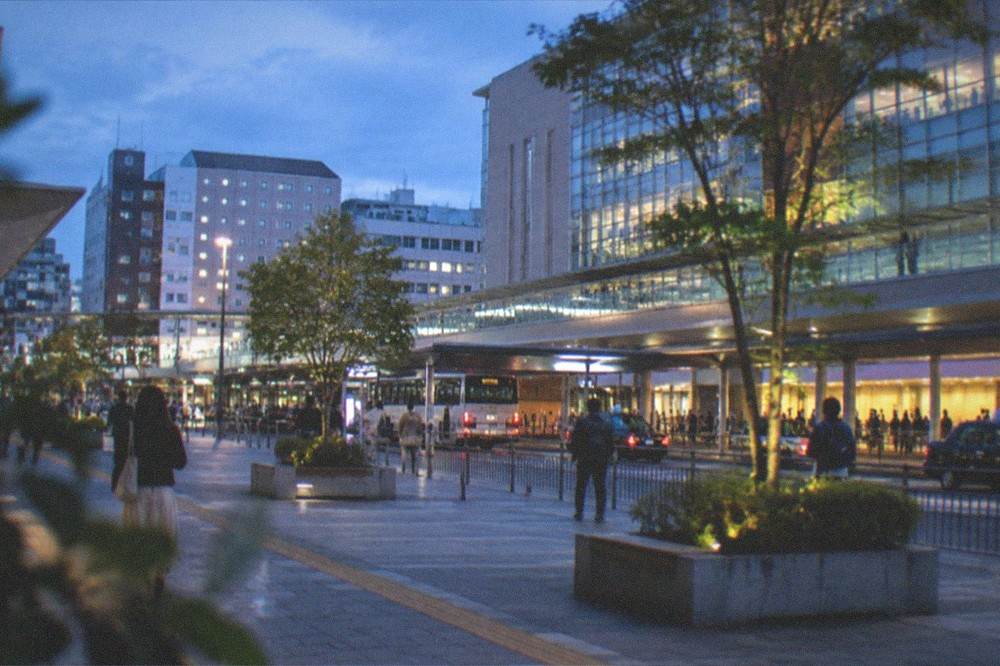
Hakata around the station is the most practical base for families because every subway line, the airport link and the Dazaifu trains converge there, while Tenjin suits families who want shopping and Ohori Park on foot; both areas are inside the same city, and the choice is about convenience, not scenery.
Hakata station-area hotels put you one ride from the zoo, the airport and Uminonakamichi, with the station's own shopping and restaurant decks as a rainy-evening fallback. Tenjin puts you walking distance from Ohori Park, the underground mall and Central Park, at the cost of a short subway hop to Hakata. Nakasu is the nightlife district and less suited to young children at night, though its riverside yatai are a family-friendly early dinner.
For help deciding, the dedicated where to stay in Fukuoka guide compares the districts, and the Hakata or Tenjin comparison settles the two most common candidates head to head.
What a Family Trip Actually Costs
Entry fees for this two-day plan are modest because children go free at most of the public stops: the zoo is ¥1,200 for two adults with free children, Ohori Park and the castle grounds cost nothing, Uminonakamichi is ¥900 for two adults with free children, and Marine World is the big ticket at ¥5,000 for two adults plus child fares. The aquarium is the one stop that moves the needle on a family budget.
The table below totals the verified entry prices for the core plan. Food at the yatai is priced per dish and posted at the stall, as the city ordinance requires, so there is no fixed per-head figure to print. Transport adds ¥640 per adult for a subway day pass on the heavy days.
| Stop | Adult entry | Child entry | Notes |
|---|---|---|---|
| Fukuoka City Zoo | ¥600 | Free through junior high | Free days 3 and 4 October 2026 |
| Ohori Park | Free | Free | Japanese garden ¥250 / ¥120 optional |
| Fukuoka Castle grounds | Free | Free | Tenshudai closed until end of December 2026 |
| Uminonakamichi Seaside Park | ¥450 | Free through junior high | Gate is cash only |
| Marine World | ¥2,500 | ¥1,200 / ¥700 by age | Hours vary by date |
| Momochi Seaside Park | Free | Free | Beach and tower view |
| Fukuoka Tower | ¥1,000 | ¥500 / ¥200 by age | Open to 22:00 |
The Two-Day Plan at a Glance
The two-day plan splits your visit into one focused day in the historic city center and one day exploring the surrounding highlights, each with a clear morning, afternoon, and evening rhythm so you can move through the stops without backtracking or feeling rushed. Follow it in order and you will cover the main sights, leave room for meals and rest breaks, and finish both days with a relaxed evening that ties the itinerary together.
| Day | Morning | Afternoon | Evening |
|---|---|---|---|
| Day 1 | Fukuoka City Zoo and Botanical Garden | Ohori Park, then Maizuru Park castle grounds | Yatai dinner in Nakasu or Nagahama |
| Day 2 | Uminonakamichi Seaside Park and Marine World | Momochi Seaside Park beach | Fukuoka Tower sunset deck |
| Day 3 (optional) | Dazaifu Tenmangu and the approach shops | Kyushu National Museum, or Itoshima coast | Early night, or a Canal City wander |
Family-Friendly Tours Worth Booking
A guided tour with children is a trade: you give up some spontaneity and gain someone who knows the shortcuts, the toilets and the rest stops. The three options below fit a family plan best, from a flexible private half-day in the city, to a door-to-door airport transfer that earns its cost on arrival day, to a full-day Kyushu excursion for families with school-age children.
The city half-day is the workhorse. The Fukuoka Essentials tour runs three to six hours, from $74 per person, rated 4.9 from 48 reviews, and a private format means the guide adapts the route when a child needs a break. The airport transfer is the opposite case, a 30-to-60-minute private ride from $149 per person, rated 5 from 2 reviews, which pays for itself with jet-lagged children and luggage in tow.
The Takachiho option deserves a note: it is an 11-hour day from Fukuoka, rated 4.8 from 713 reviews and from $48 per person, so it suits families with school-age children rather than toddlers. Whichever you choose, every button on this page reads "Check availability" and links to the operator's live listing, where free cancellation applies to the city tours.
Common Questions About Fukuoka with Kids
Is Fukuoka City Zoo free for children?
Junior high school age and under enter free. Adults pay ¥600 and high school students ¥300. The zoo also runs free-admission days, with 3 and 4 October 2026 announced, so check the official calendar before you go.
How many days do we need in Fukuoka with kids?
Two days cover the zoo, Ohori Park, Uminonakamichi and Marine World comfortably. A third day adds Dazaifu or the Itoshima coast. Families who want a slower pace or a Kyushu excursion should plan four or five days.
Is Fukuoka expensive for a family trip?
Entry fees are low because children go free at most public attractions, the subway child fare is half the adult fare, and the biggest single cost is usually the aquarium at ¥2,500 per adult. The aquarium is the one stop that noticeably moves a family budget.
Can children eat at the yatai stalls?
Yes, and early evening is the natural family window, with stalls typically opening around 18:00 to 18:30. Every stall must post its prices visibly under the city's yatai ordinance, so you can see the cost of each dish before you sit down.
What if it rains all day?
Canal City Hakata, teamLab Forest, the two city art museums and the Tenjin underground mall cover a full day mostly indoors. July is statistically the wettest month, at 299.1 mm against June's 249.6 mm, so a wet day in summer is normal rather than bad luck.
Which area should a family stay in?
Hakata around the station, for the transport links and the airport connection, or Tenjin for walking access to Ohori Park and shopping. Both are in the same city and a few minutes apart by subway.