Kyushu Ramen Styles
Kyushu is the cradle of tonkotsu ramen, and Fukuoka, its largest city, eats it differently from anywhere else in Japan. This guide breaks down the island's regional styles, the vocabulary you need at the counter, and how to turn a bowl of noodles into a full itinerary.
Short answer
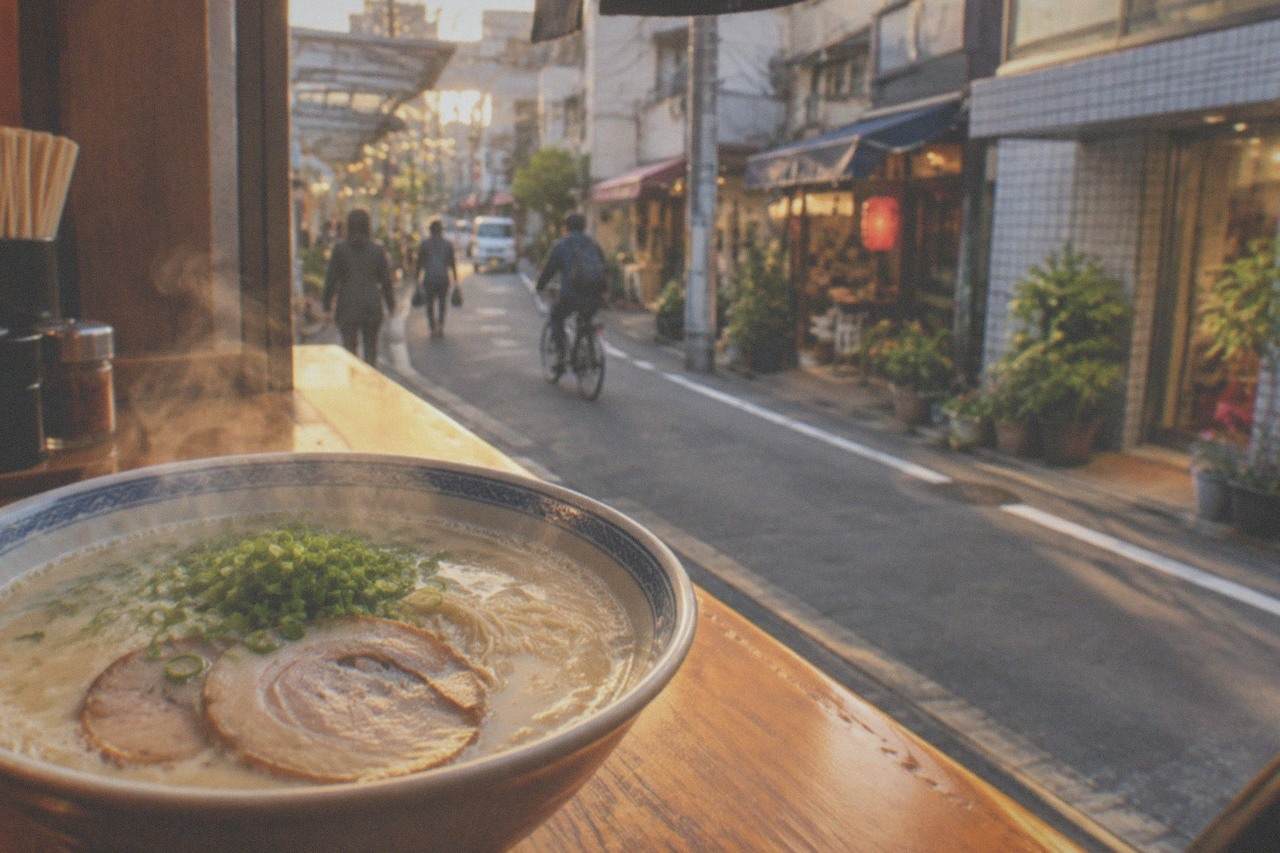
Hakata style ramen is a rich tonkotsu broth made from pork bones boiled for hours, paired with thin, straight noodles that cook in under a minute. The bowl is small and cheap by design, so diners order kaedama, a noodle refill, and eat fast. Kyushu then splits that base into distinct city styles: Kumamoto adds garlic, Kagoshima lightens it.
Kyushu is where Japan's most intense bowl of soup was born. The island's signature style starts with pork bones boiled until the broth turns opaque white, then pairs it with noodles so thin they cook in seconds, and a serving culture built around speed, small bowls and second helpings. Fukuoka, on the northern coast, is the capital of this tradition, but the style radiated outward and every prefecture it reached bent it into something new. This guide covers the family of Kyushu ramen styles, how to order like a local, and how to eat your way across the island without wasting a single meal.
If you are starting from the city itself, the companion piece to this page is the dedicated Hakata ramen deep dive, and the broader Fukuoka street food guide covers gyoza, mentaiko and everything else that is not soup.
What Is Hakata Style Ramen?
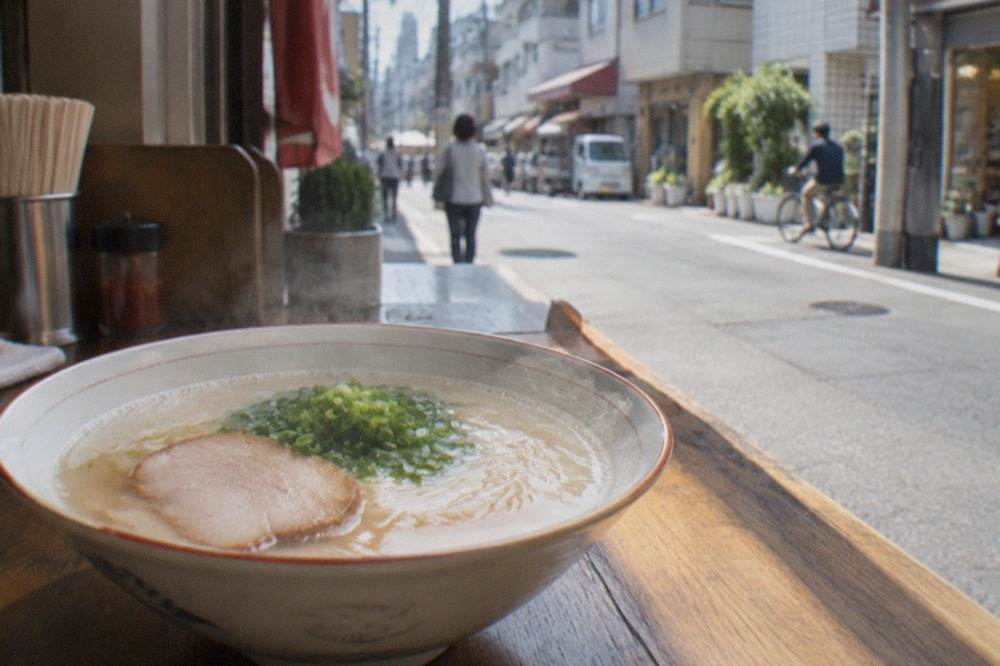
Hakata style ramen is the Fukuoka take on tonkotsu: a broth simmered from pork bones until it is creamy and opaque, served with very thin, straight noodles in a small bowl, topped with chashu, green onion and often a swirl of spicy mento paste or red pickled ginger. Because the noodles go soft quickly, the bowl is deliberately modest in size, and the standard way to keep eating is kaedama, a cheap noodle-only refill dropped into the broth you already have.
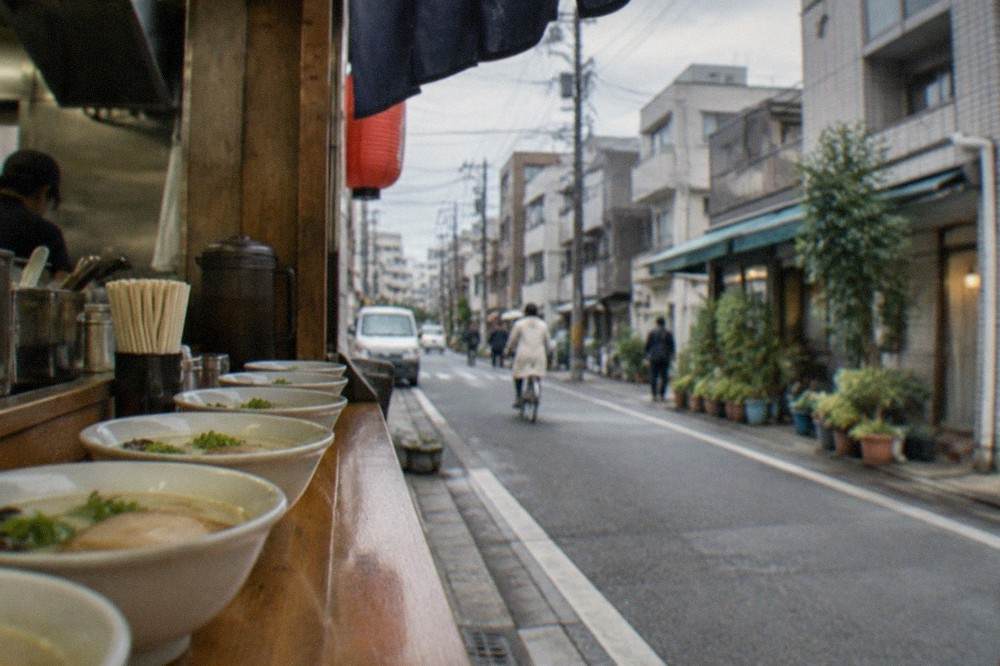
The whole logic of the style follows from the noodle. A thin noodle absorbs hot broth fast, so Hakata shops serve a portion that finishes in a few minutes and let you extend the meal one refill at a time. That is why locals sit down, eat quickly and leave, and why a queue at a famous shop in Nakasu moves faster than you would expect. The system was built for port workers and market traders, not for lingering.
The word Hakata itself confuses first-time visitors constantly. Hakata is a ward of Fukuoka and the name of the city's main station; it is not a separate place, and nobody travels "from Hakata to Fukuoka". The ramen name simply reflects where the style took commercial root, around the station and the old port districts. When a menu says Hakata tonkotsu, it is describing a Fukuoka bowl.
Why Is Tonkotsu Broth So Different from Other Ramen?
Most Japanese ramen broths are clear or lightly cloudy, built on chicken, dashi or a soy or miso seasoning paste. Tonkotsu, which developed in Kyushu, is the outlier: pork bones are boiled hard for many hours until the collagen, fat and marrow emulsify into the water and the liquid turns milky white. The result is thicker on the tongue, heavier in pork aroma, and dense enough that thin noodles and sharp toppings are used to cut through it rather than compete with it.
The transformation is physical, not magical. A rolling boil agitates the bones and forces the fat and gelatin into suspension, which is why a proper tonkotsu looks like milk while a barely simmered pork stock looks like tea. Colour tells you almost everything: a white bowl signals long, aggressive boiling, and the style's home region is the only part of Japan where that mouthfeel is the default rather than the exception.
Toppings follow the same logic. Rich broth invites raw garlic, sesame, spicy paste and pickled ginger, all of which punch through the fat. Delicate items that shine in a Tokyo shoyu bowl would be lost here. Even the chashu is usually sliced thin, because the soup is the headliner.
Kurume, a city in the south of Fukuoka Prefecture, is widely credited as the birthplace of tonkotsu ramen, and the style then travelled up the rail lines to Hakata and out across the island. Wherever it landed, local kitchens adjusted the richness, the noodle and the seasoning, which is exactly why Kyushu is worth eating through city by city rather than treating as one region.
Which Kyushu Cities Have Their Own Ramen Style?
Kyushu's ramen map splits one island into several distinct bowls: Hakata and Kurume in Fukuoka lean hardest into pure white tonkotsu, Kumamoto keeps the pork base but adds fried garlic and black garlic oil, Kagoshima mixes pork with chicken and dashi for a lighter, softer bowl, and Nagasaki answers with champon, a noodle stir-fry-soup hybrid packed with seafood and vegetables. Kitakyushu's Kokura area and other northern cities run variations of the Hakata base with local twists.
| City | Broth base | Signature character | What to look for |
|---|---|---|---|
| Fukuoka (Hakata) | Pork bone tonkotsu | Milky, intense, thin fast noodles | Kaedama refills and mento spice paste |
| Kurume | Pork bone tonkotsu | The original, often richer and old-fashioned | Old-school shops serving pure, heavy bowls |
| Kumamoto | Tonkotsu plus garlic | Burnt garlic and black mayu oil on top | Ma-yu aroma, slightly thicker noodles |
| Kagoshima | Pork, chicken and dashi blend | Lighter, cloudy-amber, softer | Smaller volume, kurobuta pork toppings |
| Nagasaki | Champon soup | Stir-fried seafood and vegetables in broth | A meal in one bowl, Chinatown roots |
| Kitakyushu (Kokura) | Tonkotsu variation | Local seasoning tweaks north of the strait | Darkest, heaviest tonkotsu leaning styles |
Kumamoto is the easiest contrast to feel. The bowl is recognisably tonkotsu, but the shop table will have a press for raw garlic and the kitchen ladles on mayu, a black oil made from burnt garlic and sesame, which turns the whole bowl darker and sweeter. Kumamoto shops also tend to serve slightly firmer, thicker noodles than Hakata, because the broth is not quite as aggressive.
Kagoshima goes the other way. The soup mixes pork bone stock with chicken and dashi, which makes it lighter in colour and gentler in flavour than anything in Fukuoka. Bowls are traditionally smaller, and the local kurobuta Berkshire pork often appears as the topping in place of standard chashu. A diner who finds full-strength Hakata tonkotsu overwhelming will usually love Kagoshima.
Nagasaki's champon is technically not ramen at all. The noodles go into a wok with seafood, pork and vegetables, then a boiling soup poured over the top turns it into a one-bowl feast with Chinese trading-port roots. It is the island's biggest meal and the furthest stylistic departure, so plan it for the hungriest day of the trip.
How Do You Order Ramen Like a Local in Fukuoka?
You order by noodle firmness and broth fat level, using a short spoken vocabulary the shop expects: kata for firm noodles, yawa for soft, and bari-kata for very firm, plus your preferred richness of soup. At many Hakata shops you buy a meal ticket from a vending machine first, sit at the counter, and call out kaedama before your noodles soften. There is no tipping in Japan, so the interaction is fast, cheap and entirely about the bowl.
| Term | What it means | When to use it |
|---|---|---|
| Kata | Firm noodles | The most popular everyday order |
| Bari-kata | Very firm noodles | When the bowl is large or you eat slowly |
| Yawa | Soft noodles | If you dislike bite, or for kids |
| Kaedama | Noodle refill into existing broth | Before your first noodles go soft |
| Mabuta no soto | The thin fat layer on the broth | Talk of it marks a regular |
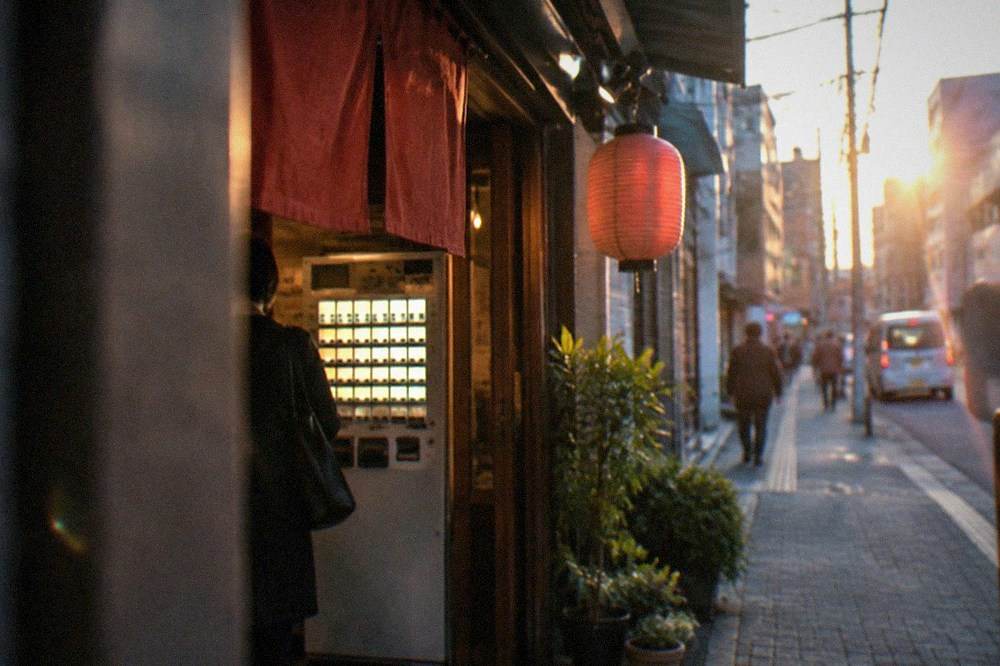
The kaedama ritual deserves one warning: you can only refill noodles, not broth. Shops sell the extra noodles cheaply precisely because the soup stays the same. Regulars stretch a single bowl into two courses, first the firm noodles with a light dip, then a second serving that drinks in the seasoning. Drink the broth at the end and you have eaten the whole bowl the way it was designed.
Ticket machines intimidate first-timers more than the vocabulary does. The buttons carry pictures, prices are printed plainly, and staff will help if you hesitate. The Hakata vs Tenjin comparison is worth a read if you are choosing which side of the city to base on, since famous shops cluster on both.
Guided food walks exist for travellers who want the counter-confidence handed to them. The Nakasu food stall private guided tour with tastings pairs the yatai scene with a guide who handles the ordering, which suits a first night in the city, and there is a fuller Fukuoka cooking class guide if you would rather learn to make the bowl than eat six of them.
Where Should You Eat Ramen in Fukuoka?
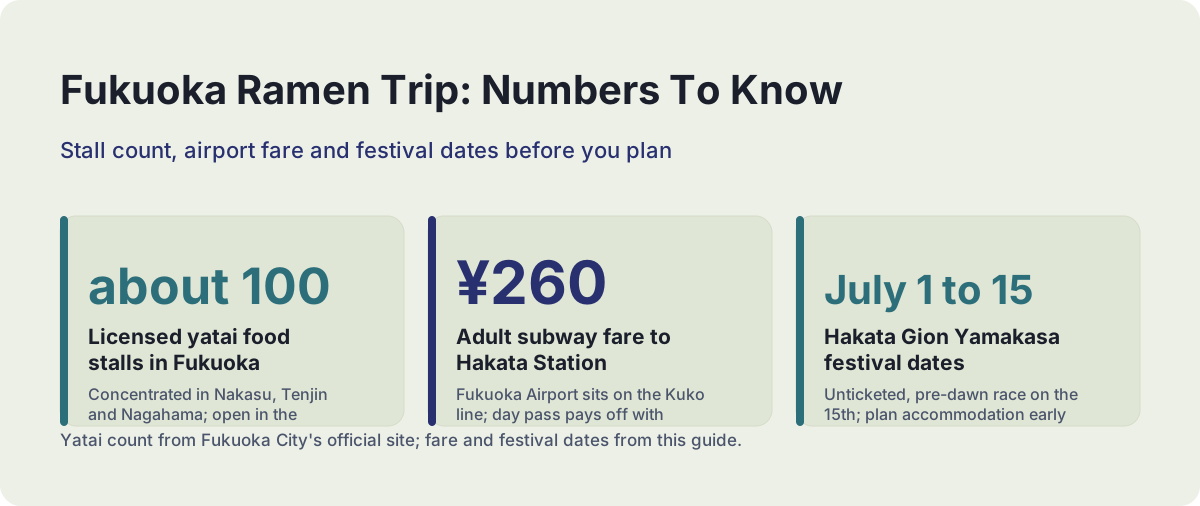
Fukuoka splits its ramen life between brick-and-mortar shops and about 100 licensed yatai food stalls, concentrated in Nakasu along the Naka River, in Tenjin's business streets and in Nagahama near the old fish market, where the style historically leans hardest on ramen. Yatai seat a handful of people at a time, open in the evening and close late, and are weather dependent, while shops run standard daytime and late-night hours and take no reservations. You do not need to book anything to eat at either.
The yatai count comes from the city's own materials, published by Fukuoka City's official site, which states about 100 stalls and notes that a public recruitment system introduced around 2016 has held the total steady as operators retire. The city also runs the stalls under an ordinance that requires prices to be displayed where customers can easily see them, and bans dishes from being listed vaguely as market price: any item priced on the day's market cost must show that day's actual figure. Inspectors check periodically, so a posted menu at a stall is a regulated thing, not a courtesy.
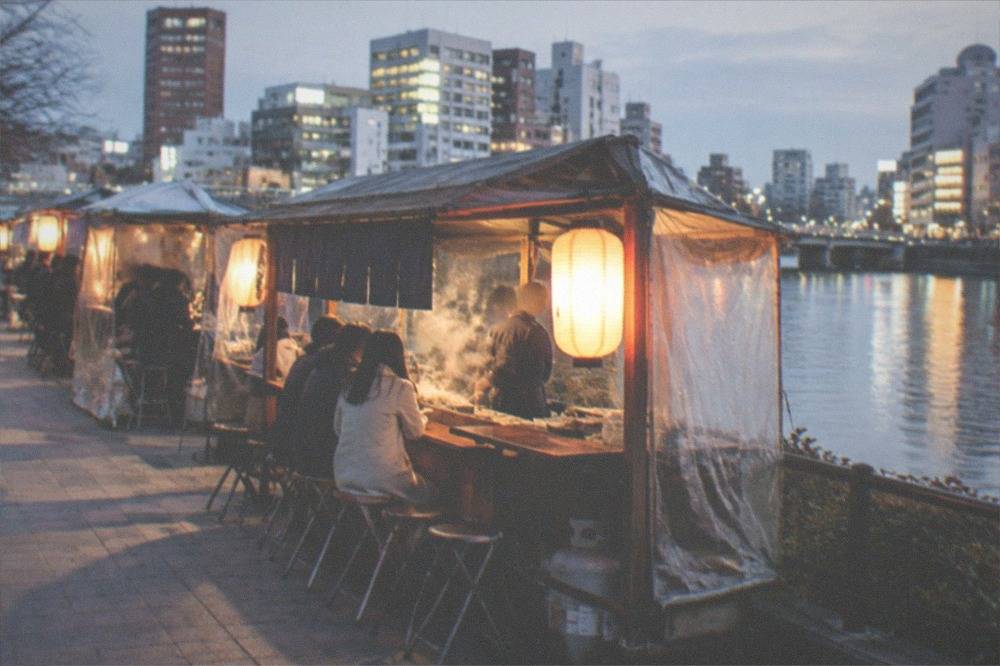
Which area you pick shapes the night. Nakasu is the photogenic riverside row and the most visitor-facing. Tenjin's stalls are scattered along the office streets and feel more after-work local. Nagahama is the historic ramen row, and while older sources describe it shrinking and fresher reporting describes a revival, the honest summary is simply that it remains the most ramen-focused of the three. The city's own framing is the reliable one: about 100 stalls across the whole centre.
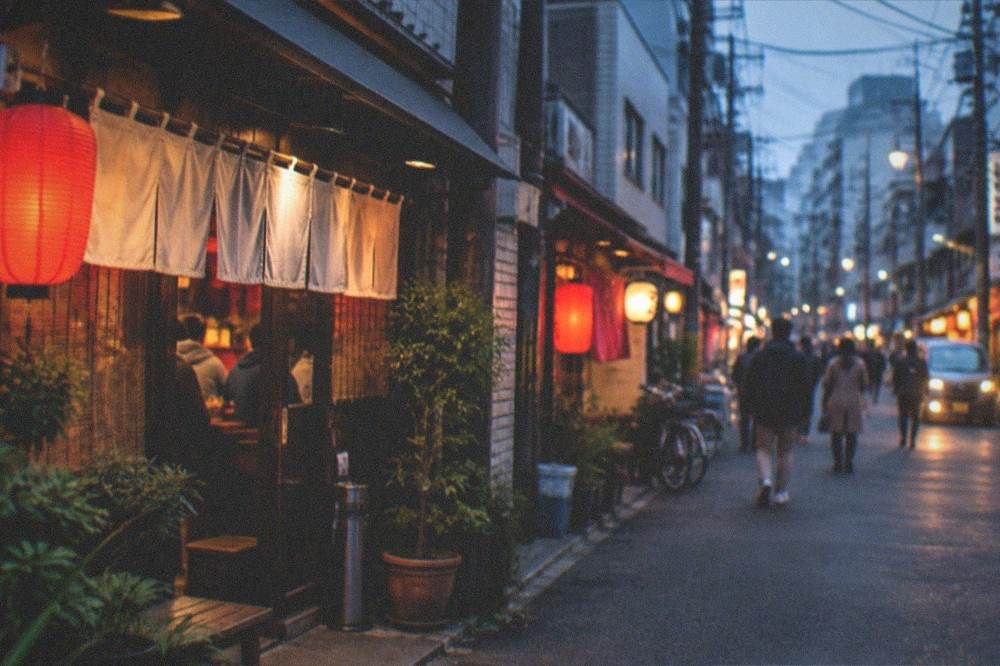
Yatai etiquette has its own rules, and the stall crews will expect you to sit down before you order, to expect conversation with your neighbours because the seats force it, and not to linger long after finishing, because the seats belong to a waiting line. For the full standing-counter shop experience, the wider local table beyond ramen is covered in the Fukuoka street food guide, which lists the dishes you should not leave town without.
How Do You Build a Kyushu Ramen Road Trip?
The honest template is Fukuoka as base, with half-day or full-day spokes to the neighbouring styles: Kurume and Kumamoto sit directly on the southbound rail corridor, Kitakyushu and Kokura are a short hop north, Nagasaki takes a full day, and Kagoshima at the far south end of the island is an overnight commitment. Trains rather than a rental car make the most sense on the northern corridor, where the famous shops cluster near stations.
| Destination | Style payoff | Trip length from Fukuoka | Best combined with |
|---|---|---|---|
| Kurume | Original old-school tonkotsu | Easy half or full day | Yame tea country inland |
| Kumamoto | Garlic and mayu tonkotsu | Full day | Suizenji Garden and castle grounds |
| Kitakyushu (Kokura) | Northern tonkotsu variations | Half day | Mojiko retro port quarter |
| Nagasaki | Champon and the city's bowl | Full day | The harbour and peace sites |
| Kagoshima | Lighter blended broth | Overnight trip | Sakurajima and the southern coast |
The Kyushu island overview and the Kyushu map guide are the two pages to open before planning the spokes, because the island is bigger than it looks on a rail map. The southbound corridor itself is documented on JR Kyushu's official site, which shows the rail routes the ramen towns sit on. A sensible first itinerary pairs Kurume's ramen with the Yame tea region just beyond it: Yame is one of Kyushu's celebrated tea-growing areas, and tea, sake and tonkotsu make a surprisingly coherent day of local production, from leaf to pour to broth. The YokaBus tea and sake tasting expedition runs that route as a guided day from Fukuoka, which handles the rural transfers that are slow by public transport.
Travellers heading further out can combine ramen towns with the island's bigger sights. The Yufuin no Mori train to Dazaifu day tour stitches a famous scenic rail journey onto one of Kyushu's most visited shrines, which suits a day when the food plan is breakfast-led rather than noodle-led. For the far west, the Motonosumi Shrine and Kanmon Bridge tour covers the dramatic coastal torii gates and the strait crossing into Honshu in a single loop, a good fit for the later days of a Kyushu trip.
When Is the Best Time to Eat Ramen in Fukuoka?
Any time, honestly, and that is part of the design: Hakata shops serve tonkotsu at lunch, after work and into the late night, because the small-bowl system suits a quick meal at any hour. The yatai, by contrast, are an evening institution, opening from the early evening and running into the small hours. For a ramen-focused trip, the practical rhythm is a shop bowl at midday, street food in between, and a yatai finale, with the summer festival season adding the island's biggest spectacles around the eating.
Weather matters more than season for the stalls. Rain and strong wind close a lot of yatai on any given night, and there is no mandated weekly closing day; stalls shut at the operator's discretion. If a night looks wet, flip the plan and eat indoors at a station-side shop. The [typhoon season guide](/guides/typhoon-season-fukuoka/) explains the July to October window in planning terms.
July is the one month that changes the city's rhythm entirely. Hakata Gion Yamakasa runs July 1 to 15, culminating in a pre-dawn race on the 15th, and the event is staged with no ticketing at all: you simply show up. May's Hakata Dontaku is similarly unticketed. Neither festival is something you book, so plan accommodation early and let the eating fit around them. The Hakata Gion Yamakasa guide covers the viewing logistics.
For the evening layer, Fukuoka's after-dark food scene runs well past the stalls. The evening tours covering yatai, izakaya and karaoke string a guided night together, which suits a first night in the city before you have the confidence to crawl the stalls alone.
What Should You Eat Alongside the Ramen?
The classic Hakata pairing is gyoza, and Fukuoka's version, hitokuchi gyoza, is a small one-bite dumpling built to sit beside a small bowl rather than replace it. The wider local table adds mentaiko, spicy pollack roe, at breakfast; motsunabe, an offal hot pot, in winter; and thin udon, which Fukuoka also claims as a hometown food. In practice a ramen-first day in the city runs: mentaiko and rice in the morning, tonkotsu at noon, gyoza and beer at the yatai at night.
| Pairing | Character | When it fits |
|---|---|---|
| Hitokuchi gyoza | Small, garlicky, one bite | Beside a midday or evening bowl |
| Mentaiko | Spiced pollack roe | Breakfast, or as a bar snack |
| Motsunabe | Offal and cabbage hot pot | Cold evenings, shared |
| Hakata udon | Soft thin noodles in dashi | A lighter counterpoint meal |
| Yame tea | Local green tea | After any rich meal |
The udon point surprises people: Fukuoka has a deep udon tradition of its own, older and softer than its ramen fame, and the Fukuoka udon guide explains how both noodle cultures coexist in one city. The hitokuchi gyoza guide does the same for the dumpling, and the Fukuoka breakfast guide covers the morning table where mentaiko actually belongs.
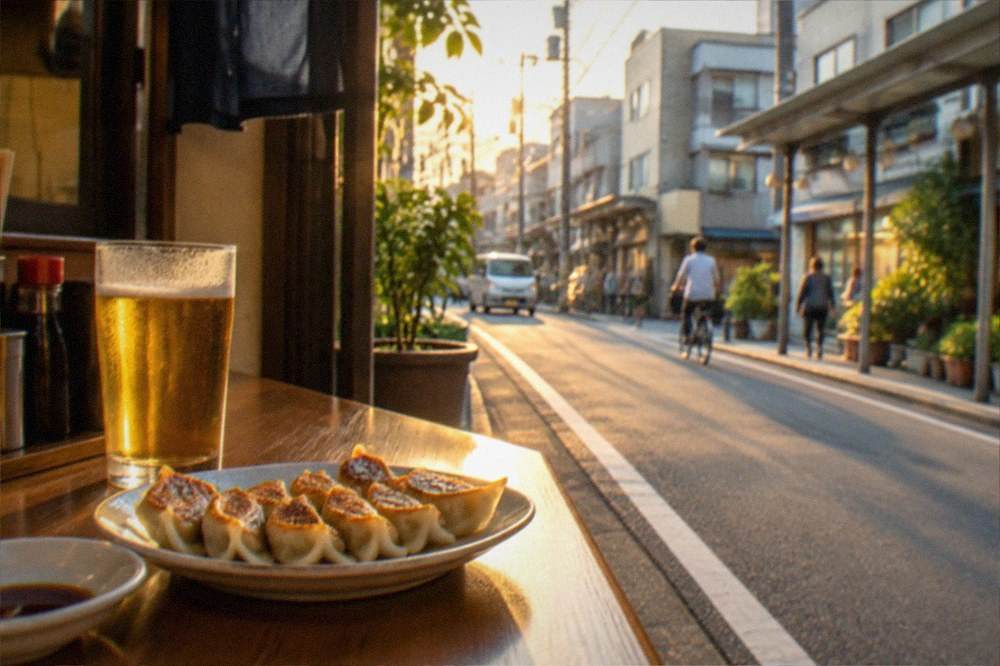
This is where a ramen-focused trip and a general food trip converge. The regional styles give you a reason to move around the island, but the pairing foods, the tea, the gyoza, the hot pots, are what fill the hours between bowls. A full day in Yame tea country, for instance, is not a ramen day, but it is the day your palate recovers for the next tonkotsu.
What Do You Need to Know Before a Ramen Trip to Fukuoka?
Fukuoka Airport (FUK) sits on the subway's Kuko line and is unusually close to the city centre, with the adult fare to Hakata Station at ¥260. Buy the subway day pass if you plan more than a couple of rides. Carry some cash for the yatai even as card acceptance grows stall by stall. Book nothing for the stalls themselves, since walk-ins are the only system. Finally, do not over-plan: the island's best bowls are found by walking, queueing and pointing.
The airport deserves its early research, and the [Fukuoka airport guide](/guides/fukuoka-airport/) covers the arrival mechanics, terminals and connections. Once in town, the Hakata station area guide is the natural next read, since the station's ramen street is where many travellers have their first legitimate bowl within minutes of checking in.
For longer island trips, the JR Kyushu rail pass guide covers the pass options for the ramen road trip, and a phrase sheet for the ordering vocabulary above is worth two minutes of preparation, since kata, yawa and kaedama will appear on ticket machines as well as in speech. This Fukuoka Japan Travel Guide is the site's own hub for those supporting pages, so use it to pull the arrival, transport and etiquette pieces together before you fly.
Planning a multi-day trip around food is easier than around sights, because food gives you a natural daily rhythm: a market breakfast, a station lunch, an evening at the stalls. Build from the day-trip spokes, keep the yatai nights loose, and leave one unplanned evening for whatever queue you happen to pass.
Common Questions About Kyushu Ramen
What Is Hakata Style Ramen?
Hakata style ramen is a rich, milky tonkotsu pork bone broth with very thin, straight noodles, served in a small bowl and extended with kaedama noodle refills. It is the Fukuoka expression of a style that spread across Kyushu from its Fukuoka Prefecture origins.
What makes tonkotsu broth white?
Hard boiling for many hours forces the fat, collagen and marrow out of the pork bones and holds them in suspension in the liquid, turning it opaque. A gently simmered stock stays clear; a properly boiled tonkotsu looks like milk.
What does kaedama mean?
Kaedama is a noodle-only refill. You keep the broth you already have and drop a fresh serving of thin noodles into it, ordered before the first noodles go soft. It is cheap by design and is the standard way to extend a Hakata bowl.
How is Kumamoto ramen different from Hakata ramen?
Kumamoto keeps the tonkotsu base but adds fried garlic at the table and black garlic oil, called mayu, on top, with slightly firmer and thicker noodles. The result is darker, sweeter and less sharp than a Hakata bowl.
Can you book a seat at a Fukuoka yatai?
No. The yatai take walk-ins only and seat a handful of people at a time. Nothing about eating at a stall requires a booking; guided yatai crawls exist, but they are a guided experience, not a reservation system.
Which Kyushu city should ramen lovers visit besides Fukuoka?
Kurume for the original old-school tonkotsu, Kumamoto for the garlic variation, Kagoshima for a lighter blended broth, and Nagasaki for champon, a completely different noodle meal. Kurume and Kumamoto are the easiest to combine with Fukuoka on one rail corridor.