Hakata or Tenjin: Where to Stay
Hakata and Tenjin are two halves of the same small city centre, separated by a subway fare of ¥260 and a walkable stretch of the Naka River. Choosing between them is less about distance and more about what kind of trip you want.
Short answer
Hakata and Tenjin sit about a ¥260 subway ride apart, in the 3 to 7 km fare band, with trains running every few minutes on all three lines. Hakata is the station and festival ward; Tenjin is the shopping, dining and business core. Most visitors can stay in either and reach the other in minutes, so the choice comes down to transport habits and night-time plans.
Fukuoka's city centre is really two centres stitched together. Hakata, the ward that gives the main station its name, anchors the east side around the rail hub and the festival streets of the old merchant town. Tenjin, a couple of kilometres west, is the shopping, office and entertainment core that grew up around the Nishitetsu line and the Tenjin Underground Mall. Visitors constantly ask which one to sleep in, and the honest answer starts with a fact that surprises most of them: the distance between the two barely matters. The Fukuoka Japan Travel Guide breaks the decision down below, because the real differences are about atmosphere, food and how you plan to move around Kyushu, not about geography.
How Far Apart Are Hakata and Tenjin?
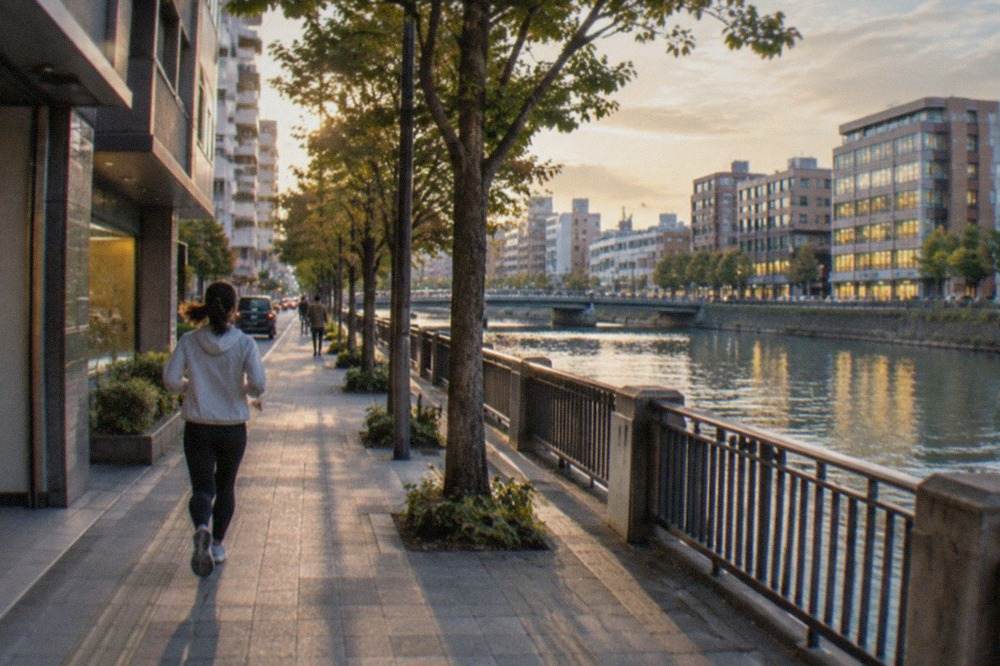
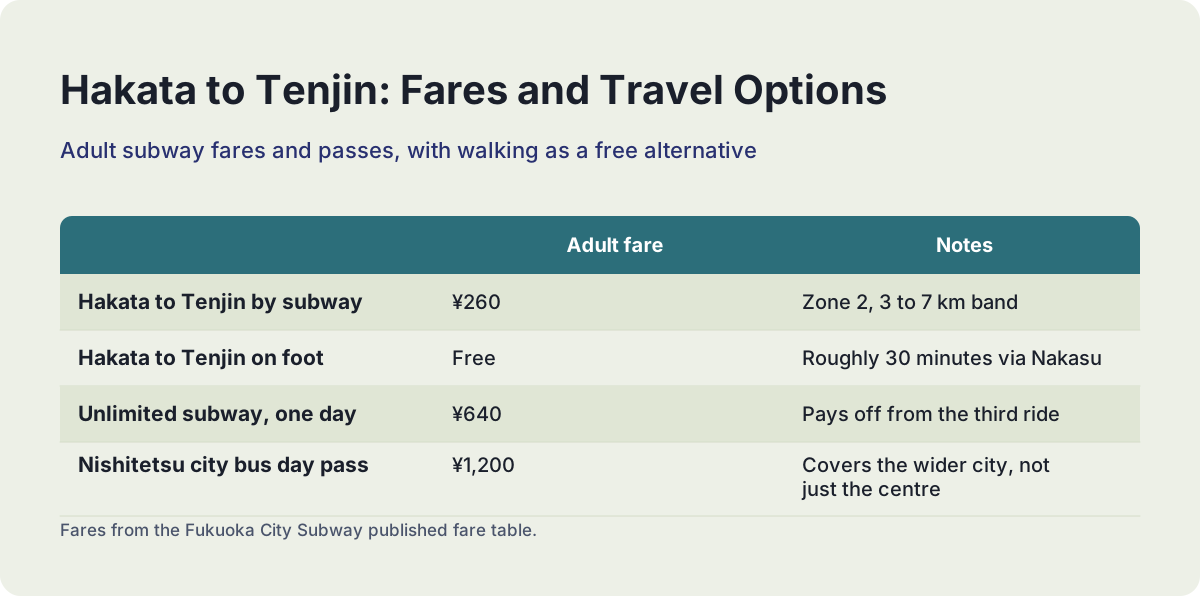
Hakata and Tenjin are close enough that the subway fare between them lands in the 3 to 7 km band, which costs ¥260 for an adult and ¥130 for a child, according to the city's official fare table. Trains run on all three subway lines and connect the two in a couple of stops, with services every few minutes through the day. Walking between them takes roughly half an hour along Watanabe-dori, and the Naka River and the Nakasu entertainment district sit roughly in the middle.
That ¥260 figure comes straight from the Fukuoka City Subway's published fare structure, which prices every journey by distance in six zones. The Hakata to Tenjin leg falls in zone 2, so a single ride costs the same as the airport-to-Hakata trip and is one of the cheapest journeys on the network. If you plan to bounce between the two areas several times in a day, the subway's one-day pass at ¥640 for adults pays for itself after the third ride, and it is sold from ticket machines at every station as well as the tourist information counters at Tenjin, Hakata Station and Fukuoka Airport. The official fare detail is published on the city subway fare page.
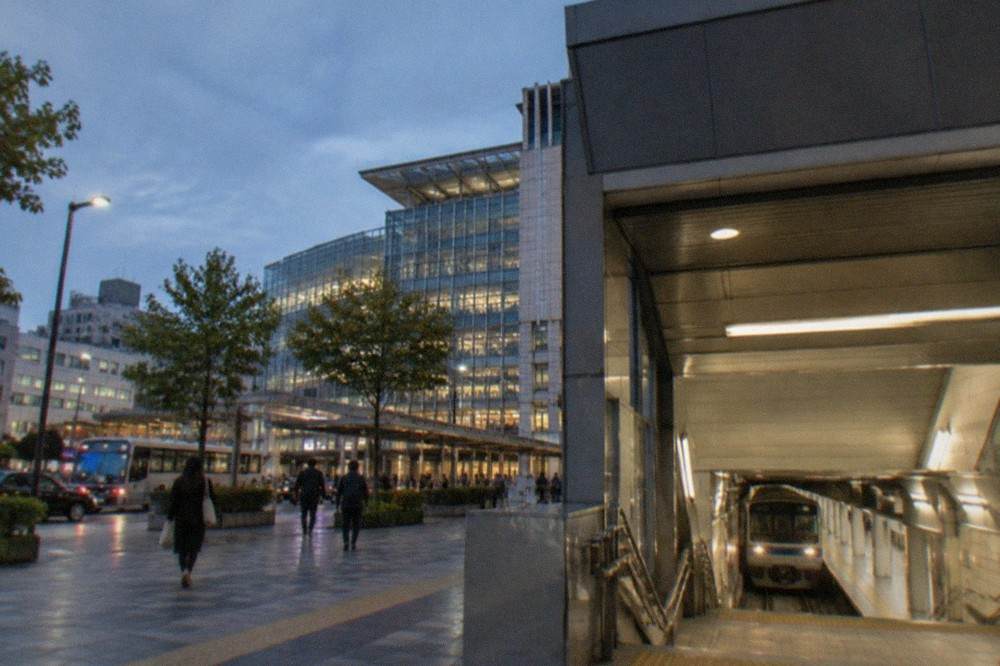
The walk is worth knowing about too, because it is not a dull one. Leaving Hakata Station's west side, you pass through the Hakata Old Town temple quarter, cross the Naka River at Nakasu, and continue along Watanabe-dori past department stores and the northern edge of Tenjin. At a steady pace it is around thirty minutes, and it threads together several of the sights covered in the two-day Fukuoka itinerary, so many visitors end up walking it once without ever intending to.
| Journey | Line | Adult fare | Notes |
|---|---|---|---|
| Hakata to Tenjin | Subway Kuko or Hakozaki line | ¥260 | Zone 2, 3 to 7 km band |
| Hakata to Tenjin | On foot | Free | Roughly 30 minutes via Nakasu |
| Unlimited subway, one day | All three lines | ¥640 | Pays off from the third ride |
| Nishitetsu city bus day pass | Local buses | ¥1,200 | Covers the wider city, not just the centre |
One thing this comparison should settle immediately: Hakata and Tenjin are not two cities, and they are not even two separate destinations you "travel between" in any meaningful sense. Hakata is a ward of Fukuoka and the name of its principal station. Treating them as rivals is a framing imported from older guides; in practice, staying in one does not lock you out of the other.
What Kind of Neighbourhood Is Hakata?
Hakata is the transport and tradition side of the centre. It holds the city's main rail station, the Shinkansen terminus, the biggest bus terminal and the airport-adjacent subway stop, plus the old merchant quarter's temples, the yatai food stalls along the river and the Kushida Shrine festival culture. Staying here means short transfers, early-morning access to day trips and a nightlife scene that starts at the station doors and rolls down to the Nakasu riverside.
The practical case for Hakata is movement. Every major rail service in northern Kyushu converges here: the Shinkansen, JR limited expresses toward Nagasaki, Kumamoto, Beppu and beyond, and the Nishitetsu network from the Tenjin side for Dazaifu. The Hakata Station guide covers the building itself, which is closer to a small city than a station, with department stores, a ramen street on one of its upper floors and a tourist office that sells the Fukuoka Tourist City Pass. That pass, at ¥2,500 for the city version and ¥2,800 with Dazaifu included, is restricted to overseas visitors on short-stay visas and a passport is checked at the counter, a detail most competing guides still miss. The city's official pass page lists the full coverage: Fukuoka Tourist City Pass details.
The character case is just as strong. This is the part of Fukuoka where the old Hakata merchant town was, and its traces survive in a tight cluster of temples and shrines: Kushida Shrine, the spiritual home of the Hakata Gion Yamakasa festival every July; Tochoji with its Great Buddha; and Shofukuji, the first Zen temple in Japan. The temples and shrines guide maps them out, and they are all within a fifteen-minute walk of the station. In July the whole quarter turns over to Yamakasa, with decorated floats on street corners from the 1st and the famous race in the small hours of the 15th.
Hakata is also where the airport transfer is shortest. Fukuoka Airport sits unusually close to the centre, on the subway's Kuko line, and the fare from the airport to Hakata is ¥260, the same zone-2 price as the hop to Tenjin. The airport to city guide walks through the options, including the private arrival transfer services in our tours roster if you would rather not navigate a subway platform with luggage.
For travellers who like a base where everything closes late, Hakata's station buildings keep restaurants running to eleven at night and beyond, and the Nakasu yatai rows are a short walk across the river. If you are weighing this area specifically as a place to sleep, the is Hakata a good place to stay answer page goes deeper on the hotel districts.
Between the station and the shrines, Hakata also carries the city's craft identity. Hakata dolls and Hakata-ori silk textiles both originate in this ward, and a short cultural activity slots neatly into a station-side stay without eating a whole day. A Hakata doll painting session runs about an hour and a half, costs from $28 per person and is rated 4.9 from 45 reviews, and it leaves you with a painted figure that packs flat into a suitcase, which is more than can be said for most souvenirs.
What Kind of Neighbourhood Is Tenjin?
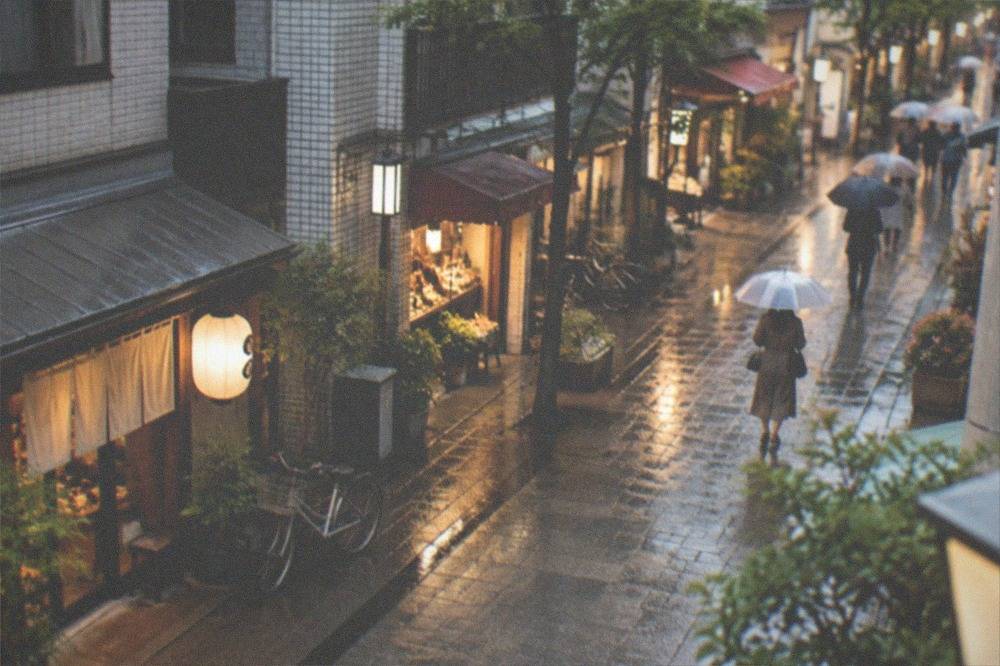
Tenjin is the shopping, dining and business core, built around the Tenjin Underground Mall, three department stores and the Nishitetsu rail hub that carries trains direct to Dazaifu. It is denser with restaurants per block, livelier on ordinary weekday evenings, and slightly further from the Shinkansen. Visitors who want to eat well within five minutes of their hotel door, and who plan to spend their days shopping or on Nishitetsu day trips, tend to land here.
The Underground Mall is the spine of the district: a long arcade of shops and cafés running beneath Watanabe-dori, connected to the subway station and to the department stores above it. Around it, Tenjin holds some of the best concentration of eating in the city, from mentaiko specialists to the izakaya lanes of Daimyo and Imaizumi just to the west. The Tenjin area page gives the full neighbourhood breakdown, including Daimyo's indie boutiques and the Yakuin restaurant streets to the south.
Tenjin's transport story is different from Hakata's but not weaker. The subway's Nanakuma line terminates at Hakata after passing through Tenjin, so the two hubs are on the same line; the Kuko line from the airport stops at Tenjin too, at the same ¥260 fare. The distinctive Tenjin advantage is Nishitetsu: the private railway runs from Nishitetsu Fukuoka (Tenjin) station down to Dazaifu and Yanagawa, which is why the Nishitetsu guide matters more to a Tenjin-based traveller. The day-trip towns along that line are covered in the day trips from Fukuoka guide.
The district also holds the city's green edge. Ohori Park, with its lake and the Japanese Garden inside it, is one subway stop or a fifteen-minute walk away, and the Fukuoka Art Museum sits on its shore. On a clear evening the walk from Tenjin toward Fukuoka Tower and the Momochi waterfront is a straight run west along Meiji-dori.
The tower itself is worth the detour: 234 metres tall with observation decks at 116, 120 and 123 metres, open 9:30 to 22:00 with last admission at 21:30, and admission of ¥1,000 for adults, ¥500 for school-age children and ¥200 for ages four and over. It closes for two days a year at the end of June, and the views stretch across Hakata Bay to the islands and, on the clearest evenings, down the Itoshima peninsula.
Where Should First-Time Visitors Stay?
First-timers who arrive by Shinkansen, fly out early, or plan JR day trips to Beppu, Nagasaki or Kumamoto should stay near Hakata Station for the transfer times alone. First-timers whose priorities are food, shopping and a Dazaifu trip should stay in Tenjin. Both areas are safe, walkable and a ¥260 subway ride from each other, so the wrong choice costs a few minutes a day, not a day of the trip.
The honest framing is that this is a low-stakes decision, and plenty of pages overstate it. The is it better to stay in Hakata or Tenjin answer page runs the same comparison in short form, and the wider where to stay in Fukuoka guide adds the third options, Nakasu and Ohori, for travellers whose priorities sit outside these two hubs.
| Traveller type | Better base | Why |
|---|---|---|
| Shinkansen arrival, JR day trips | Hakata | Zero-transfer access to all JR services |
| Early flight out | Hakata | One subway fare, ¥260, to the airport |
| Food and izakaya evenings | Tenjin or Hakata edge | Daimyo, Imaizumi and Yakuin cluster west of Tenjin |
| Dazaifu and Yanagawa trips | Tenjin | Nishitetsu trains depart from Tenjin |
| Shopping-heavy trip | Tenjin | Underground Mall and department stores at the door |
| First festival visit in July | Hakata | Yamakasa events centre on Kushida Shrine |
A pattern worth naming: the difference is mostly about which station you want to be sleeping on top of. Hakata answers the JR question, Tenjin answers the Nishitetsu question, and the subway erases the gap between them. Visitors staying a week or longer often split a stay between the two without regret.
Which Area Is Better for Food?
Both areas eat extremely well, but they specialise differently. Hakata is the home turf of tonkotsu ramen, the yatai stalls along the river and the station's ramen floors; Tenjin's strength is density, with the Daimyo and Imaizumi izakaya lanes, mentaiko specialists and a deeper bench of mid-range restaurants within a five-minute walk. A serious eater should plan to eat in both, since the subway fare between them is ¥260.
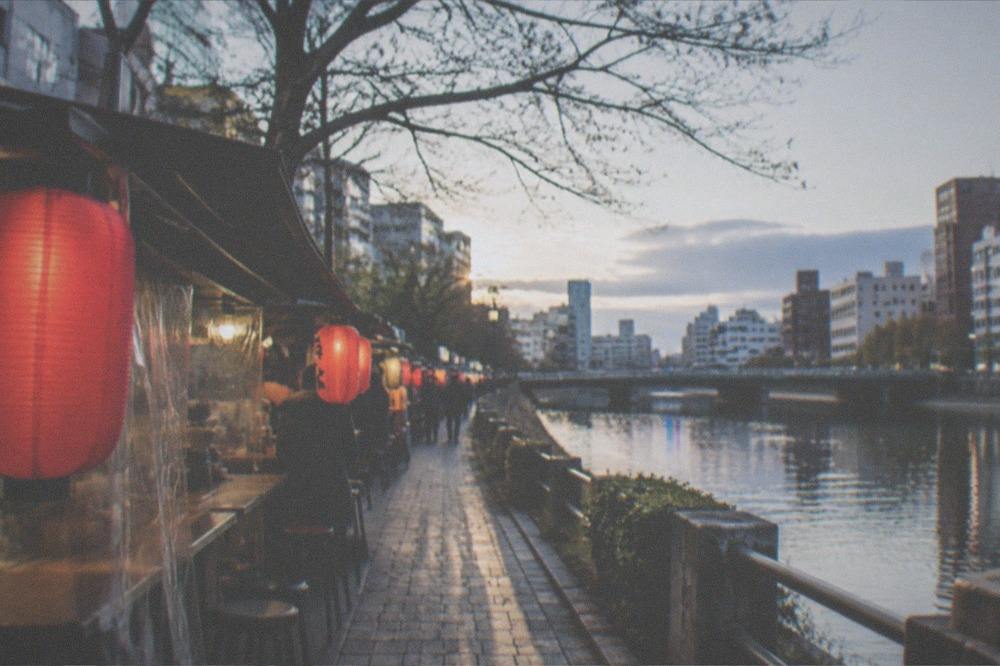
Hakata's food identity starts with the ramen that carries its name. The rich pork-bone broth served here, with the kaedama noodle-refill custom, was born in this ward, and the Hakata ramen guide explains why the style spread across Japan from these streets. Around the station, ramen floors inside the station buildings run late, which matters on arrival night. Tenjin's counter-argument is the yatai: about 100 licensed stalls operate across the city, and the riverside rows at Nakasu, between the two districts, are the most photographed. The Fukuoka yatai guide and the yatai etiquette guide cover how the stalls work, including the city ordinance that requires every stall to display its prices openly, with no "market price" wording permitted, so a visitor can see the cost of every dish before sitting down.
Tenjin's lanes reward wandering. Daimyo, immediately west of the department stores, packs independent restaurants into former houses; Imaizumi and Yakuin, a little further out, are where the city's newer café and natural-wine scene sits. The Fukuoka street food guide points at dishes that started in this half of the city, and the morning café culture here, openings early for the office crowd, is stronger than around Hakata's station hotels.
| Food category | Stronger area | Notes |
|---|---|---|
| Tonkotsu ramen | Hakata | Birthplace of the style; station ramen floors run late |
| Yatai stalls | Nakasu, between both | About 100 stalls city-wide; prices must be displayed by ordinance |
| Izakaya lanes | Tenjin | Daimyo, Imaizumi and Yakuin clusters |
| Motsunabe and mentaiko dishes | Both | Specialty restaurants in each district |
| Late-night options after midnight | Hakata | Station buildings and riverside stalls |
| Café and brunch scene | Tenjin | Stronger weekday morning culture |
A guided evening can bridge the two. A yatai, izakaya and karaoke evening tour runs three to four hours from the city centre and is rated 5 from 29 reviews, and a private Nakasu food stall tour with tastings, rated 4.7 from 70 reviews, keeps the walking short.
How Do the Prices Compare?
Accommodation in the two districts is broadly similar, with Hakata's station-side hotels skewing toward business chains and Tenjin carrying a slightly wider spread from budget to boutique. The costs that genuinely differ are transfer costs: a Hakata base saves nothing on the subway but removes the daily airport and JR transfer legs, while a Tenjin base saves on Nishitetsu day trips. Day-to-day spending, food and attraction entry, is the same in both.
No honest page can quote you a nightly hotel rate, because Fukuoka hotel prices move with the convention calendar and the festival seasons, and any figure printed here would be stale within weeks. What can be said firmly is structural. Hakata's hotel stock clusters around the station and along Taihaku-dori, much of it built for the business traveller, which keeps weekday prices competitive. Tenjin's stock includes the department-store-adjacent flagship hotels and a deeper bench of small independents in Daimyo. The Fukuoka on a budget guide covers the cheap end of both districts, and the Fukuoka trip cost guide breaks down what a day of eating, transport and entry fees actually adds up to.
The fixed costs a visitor actually controls are small and knowable in advance. Subway single fares run ¥210 to ¥380 by distance; the one-day pass is ¥640. The Ohori Park Japanese Garden charges ¥250 for adults and ¥120 for children. Both city art museums charge ¥200 for their collections, with free entry for under-15s. Canal City Hakata, the canal-side shopping complex on the Hakata side, is free to enter and open every day of the year, with shops from 10:00 to 21:00 and restaurants from 11:00 to 23:00. None of these figures differs by district.
| Cost item | Price | Applies to |
|---|---|---|
| Subway single, Hakata to Tenjin | ¥260 | Both districts equally |
| Subway one-day pass | ¥640 | Whole network |
| Nishitetsu city bus day pass | ¥1,200 | Wider city bus coverage |
| Ohori Park Japanese Garden | ¥250 adult / ¥120 child | Near Tenjin |
| City art museum collections | ¥200 general | Both museums |
| Tourist City Pass (passport required) | ¥2,500 / ¥2,800 with Dazaifu | One day, most city transport |
One structural saving worth flagging: the Tourist City Pass only makes sense if your day is transport-heavy. If you are staying in Hakata and walking to the station-side sights, three or four subway rides at ¥260 each will not clear the ¥2,500 price, and ordinary tickets are the better buy. The pass earns its cost on a day that strings together Ohori Park, Momochi, a ferry and a Dazaifu run.
Which Area Wins for Transport and Day Trips?
Hakata wins for JR day trips, the Shinkansen and the airport; Tenjin wins for Nishitetsu day trips to Dazaifu and Yanagawa and for the subway's Nanakuma line toward the southwest. For trips into wider Kyushu, Beppu, Yufuin, Kumamoto, Nagasaki, Takachiho, the tours and trains all depart from the Hakata side, which is why JR-heavy itineraries usually sleep there.
The split is clean once you see the map. JR Kyushu's limited expresses and the Shinkansen leave from Hakata Station only. Nishitetsu trains to Dazaifu leave from Nishitetsu Fukuoka at Tenjin only; there is no JR service to Dazaifu, a point the Dazaifu day trip guide explains in full. The subway serves both hubs equally. So the transport question is really a question about your day-trip list.
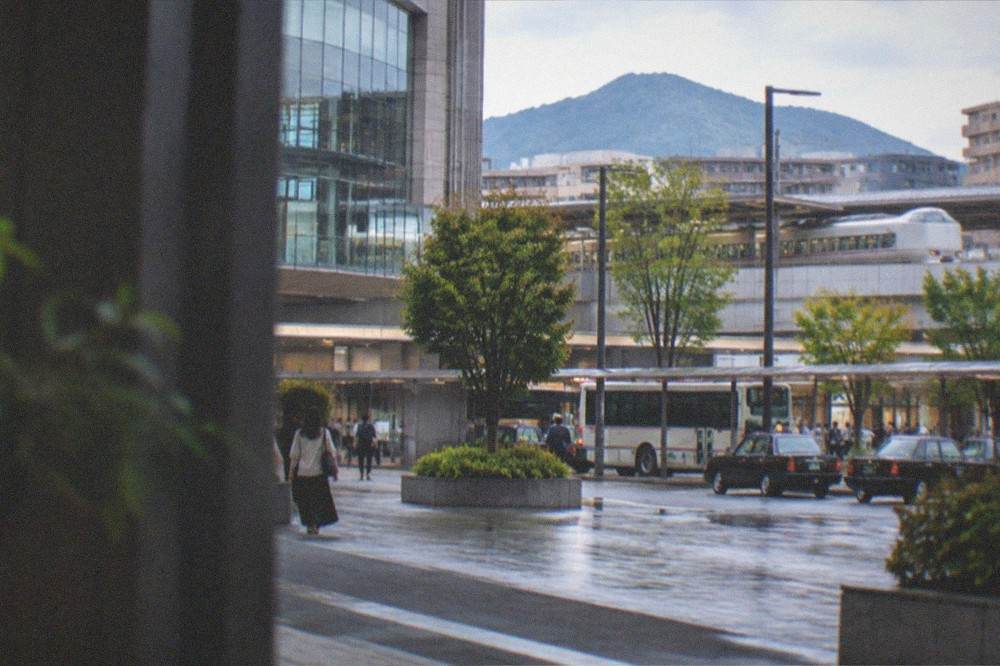
For organised day tours into Kyushu, departure points cluster on the Hakata side, near the station and the bus terminals, and a Hakata hotel puts you a short walk from the meeting points. The roster on this site covers the main routes: Yufuin and Beppu, Mount Aso and Takachiho, Nagasaki, and the Itoshima coast. A Hakata base also makes the long-distance JR legs painless, since the trains leave from the station your hotel sits on.
The one genuine Hakata-side caution is the morning rush through the station concourse, which is thick from about 7:45 to 9:00. Tenjin gets the same office-worker crush underground, so neither district escapes it; the difference is that Hakata's crowd mixes commuters with Shinkansen passengers hauling suitcases, which makes the station gates feel busier than they are.
Common Questions About Hakata or Tenjin
How Far Apart Are Hakata And Tenjin?
The subway fare between them is ¥260 for an adult, which places the journey in the official 3 to 7 km fare band. Trains connect the two hubs in a couple of stops on all three subway lines, and the walk through Nakasu takes roughly thirty minutes.
Is Hakata a separate city from Fukuoka?
No. Hakata is a ward of Fukuoka and the name of the city's main station. Older guides sometimes describe them as two places, but they are two districts of one city centre, minutes apart by subway.
Which is better for a first visit, Hakata or Tenjin?
Arrive by Shinkansen or plan JR day trips and Hakata is the easier base. Prioritise food, shopping and a Dazaifu trip and Tenjin fits better. The subway fare between them is ¥260, so the cost of choosing "wrong" is a few minutes a day.
Can you walk from Hakata to Tenjin?
Yes. The route runs from the station through the Hakata Old Town temple quarter, across the Naka River at Nakasu and along Watanabe-dori, roughly thirty minutes at a steady pace, passing several major sights on the way.
Which area has better food?
Hakata is the home of tonkotsu ramen and the station's late ramen floors; Tenjin has denser izakaya lanes in Daimyo, Imaizumi and Yakuin. The yatai stall rows sit between the two at Nakasu, so food is not a deciding factor between the districts.
Is Tenjin or Hakata cheaper to stay in?
Hotel prices are broadly similar and move with the convention and festival calendar rather than the district. The fixed transport costs are identical: ¥260 per subway single between the two, or ¥640 for a one-day pass.