Fukuoka Cooking Classes
Fukuoka is the birthplace of tonkotsu ramen, and a cooking class here is one of the few places you can learn to build that broth from scratch. This guide covers what a Hakata ramen class actually involves, how to pick a good one, and what else is worth doing with your hands in this city.
Short answer
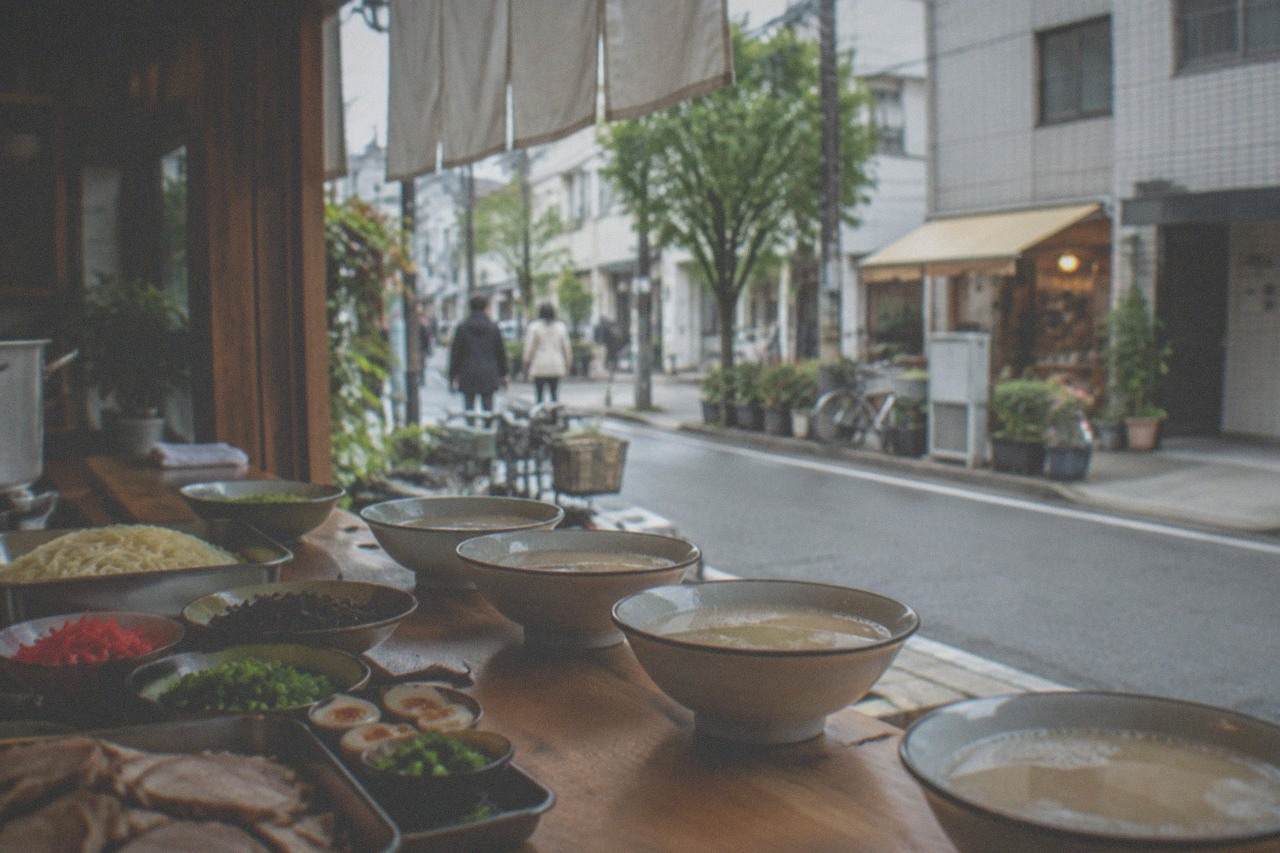
A Hakata ramen cooking class typically walks you through the four pillars of the bowl: a milky tonkotsu pork-bone broth, thin straight noodles, a seasoned tare, and toppings. Most classes in Fukuoka run a few hours, happen in small kitchens near Hakata or Tenjin, and end with you eating what you made. Costs vary by class, so compare live listings before you book.
Fukuoka feeds Japan. This is the city that gave the country tonkotsu ramen, the rich pork-bone broth that starts simmering hours before anyone eats, and the yatai street stalls where it is served nightly to queues of locals and visitors. It is also the home of motsunabe, the beef offal hotpot that Fukuoka families cook through winter, and of mentaiko, the spiced pollock roe that turns up in onigiri, pasta and everything between. A cooking class here is not a generic sushi-rolling session transplanted onto Kyushu. It is a chance to learn dishes that genuinely belong to this city, taught by people who cook them at home.
That matters because Hakata ramen in particular is widely eaten and badly understood. The bowl looks simple: broth, noodles, a little tare, a few slices of chashu pork. The work behind it is anything but, and a good class unpacks that work in a way no restaurant meal can. This guide, part of the Fukuoka Japan Travel Guide series, explains what you actually do in one of these classes, how to choose between the formats on offer, where classes take place, and how to slot one into a wider Fukuoka trip.
What Is a Fukuoka Cooking Class Actually Like?
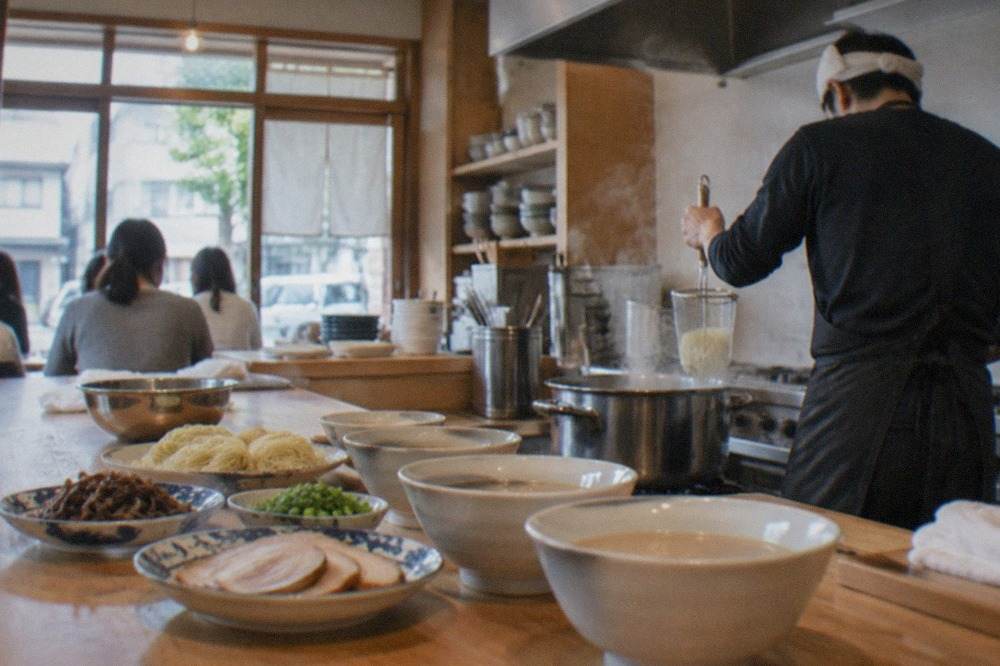
A Fukuoka cooking class is a small-group, hands-on session, usually two to three hours long, in which you cook a local dish from raw ingredients and then sit down and eat the result. Class sizes are typically a handful of people, the teaching is demonstration-plus-participation rather than lecture, and the menu is rooted in Kyushu home cooking: ramen, gyoza, motsunabe, dashi-based dishes and seasonal vegetable preparations rather than the sushi-and-tempura staples of Kyoto and Tokyo classes.
The format is closer to a home kitchen than a culinary school. Instructors in Fukuoka tend to teach in domestic-scale spaces, sometimes a private kitchen, sometimes a small studio near a station, and the pace assumes no prior skill. You will handle knives, work a stove, and learn technique by repetition rather than by watching. The best classes build the meal in stages so there is a natural pause while a broth or a stock does its work, and that pause is when the actual learning happens: why the pork bones are blanched first, why the water is kept at a rolling boil, why the tare is seasoned separately from the broth.
Language is rarely a barrier. Fukuoka is one of Japan's most visitor-facing cities, with about 4.332 million foreign entrants passing through Fukuoka Airport and Hakata Port in 2025, and cooking instructors here are used to teaching in English or in simple, demonstration-led Japanese. Classes are also one of the few travel activities that works in bad weather, which is worth noting for a city where July averages 299.1 mm of rain, more even than the June rainy season, according to the Japan Meteorological Agency normals. If a typhoon-influenced day washes out your plans, a kitchen is a fine place to be.
What Do You Actually Cook in a Hakata Ramen Cooking Class?
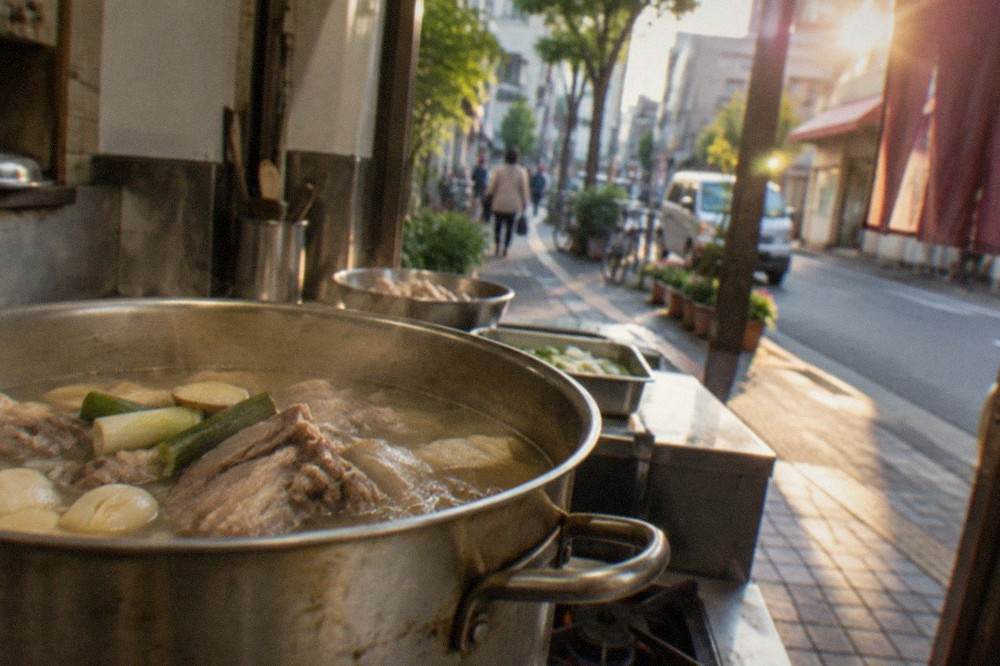
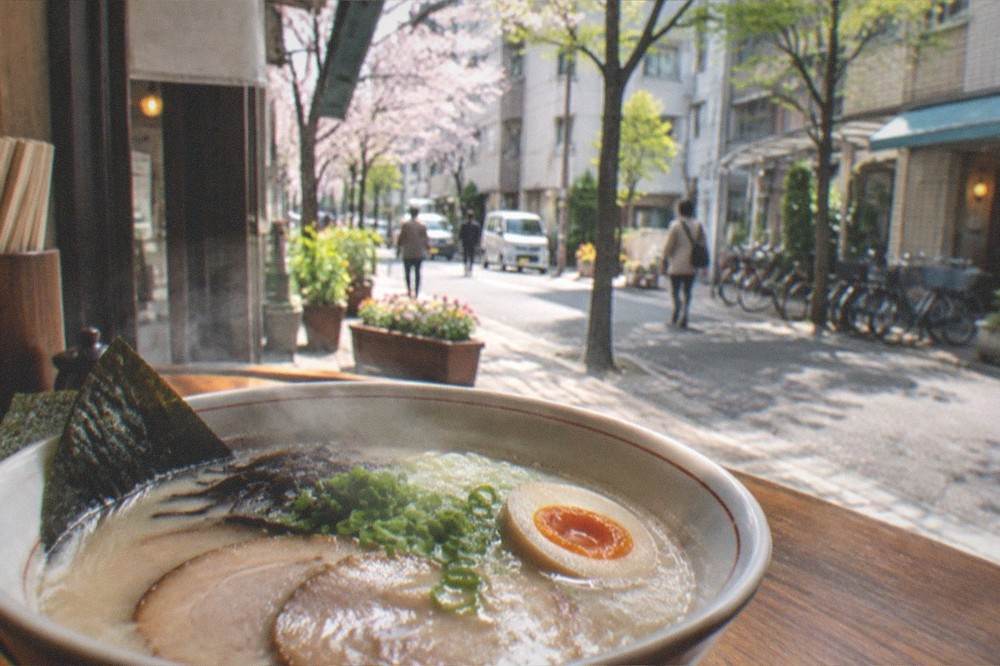
In a Hakata ramen class you cook the four components of the bowl: a tonkotsu pork-bone broth, thin straight noodles, a seasoned tare, and the toppings. The broth is the centrepiece, and you learn why Hakata broth is boiled hard rather than simmered, which is what makes it opaque and milky instead of clear. Many classes also fold in gyoza or a side dish, and every class ends with you eating the finished ramen at the counter.
The broth is where a Hakata class earns its keep. Tonkotsu means "pig bone", and the classic Hakata method is a violent, rolling boil that emulsifies fat, collagen and water into the signature white soup. In class you will typically start the pot yourself, learn the blanching step that clears the bones of scum, and see how boiling intensity changes the liquid's colour and body over even a short lesson window. No two-hour class reproduces the ten or more hours a ramen shop puts in, and honest instructors say so; what you take home is the method and the judgement, not a full shop shift.
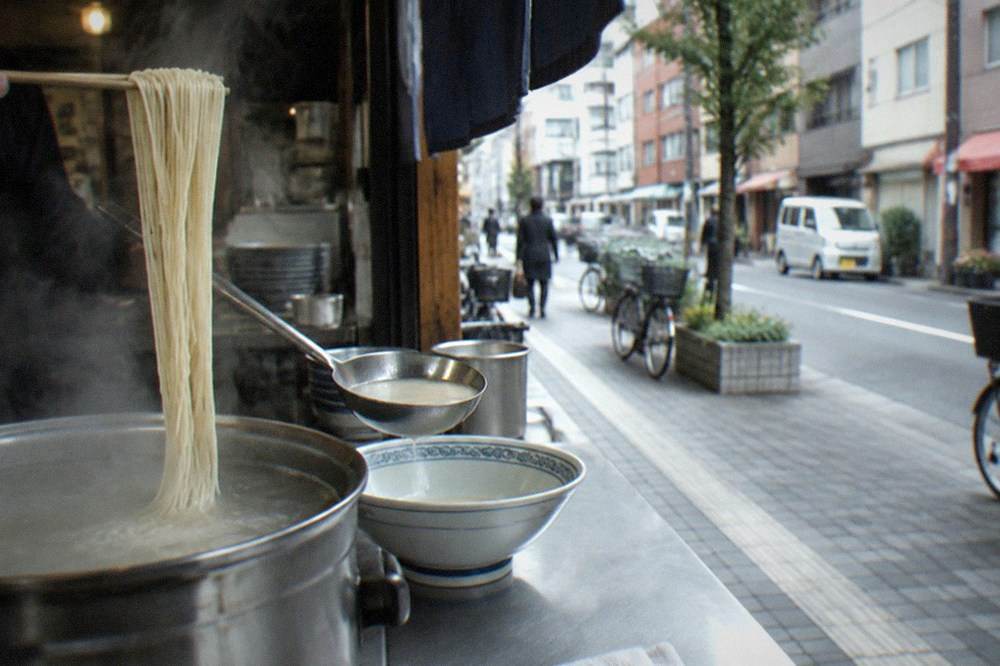
The tare and the noodles get equal attention. Tare is the concentrated seasoning, often shoyu-based in Fukuoka, that sits in the bottom of the bowl and defines the shop's flavour profile more than anything else. You will build one from soy sauce, mirin and aromatics and learn how little of it a bowl actually needs. For noodles, classes usually work with fresh or semi-fresh Hakata-style strands, thin and straight with a low hydration, and you learn the kaedama custom: ordering an extra serving of noodles into your remaining broth, which is a Hakata-specific practice tied to how quickly these thin noodles soften.
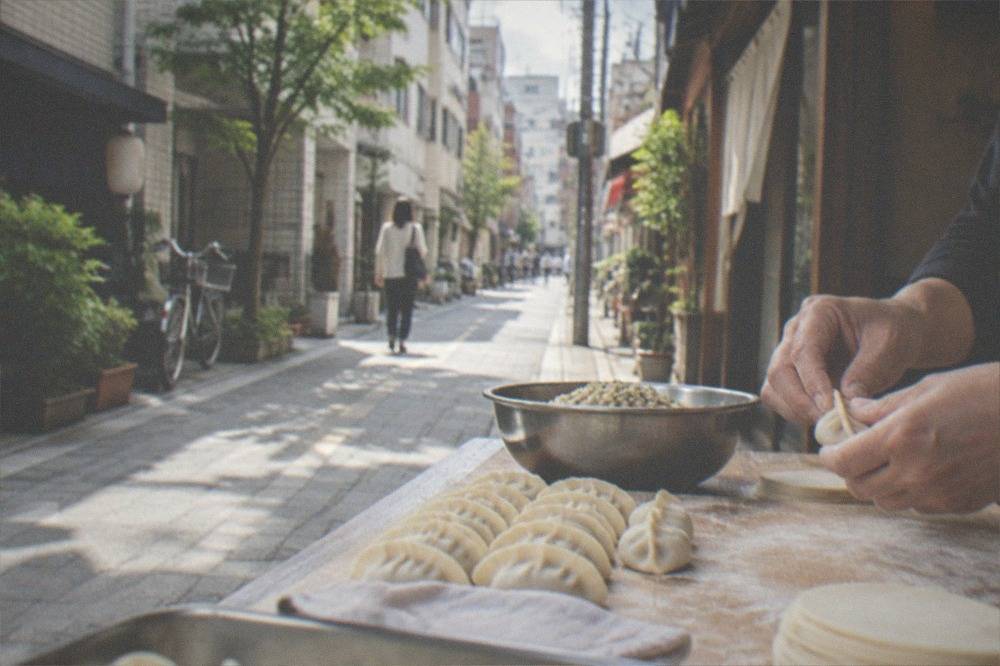
A class menu usually runs wider than one bowl. Gyoza, particularly the small hitokuchi gyoza Fukuoka is known for, is a common companion dish because the folding technique is teachable in minutes. Some classes add chashu preparation, marinated soft-boiled eggs, or a simple rice dish to round out the meal. The table below shows the standard anatomy of a class and what each stage teaches you.
| Class stage | What you do | What it teaches |
|---|---|---|
| Broth | Blanch bones, start the boil, skim and observe the emulsion | Why Hakata tonkotsu is boiled hard, and how the milky colour forms |
| Tare | Combine soy sauce, mirin, sake and aromatics, then season to taste | How the bowl's salt and umami are controlled separately from the broth |
| Noodles | Handle fresh Hakata-style strands, time the cook, practise kaedama | Why thin noodles are served firm and re-ordered rather than over-cooked |
| Toppings | Slice chashu, prepare ajitama eggs, cut spring onion and nori | Assembly and balance: how little topping a tonkotsu bowl needs |
| Eating | Sit at the counter and finish the bowl you built | How the components interact at serving temperature |
If you want the background on the dish before you cook it, the Hakata ramen deep dive explains the style's history, and the what makes Hakata ramen special answer covers the kaedama custom in more detail. For the wider picture of noodles in this city, including the udon tradition that predates ramen here, see the Fukuoka udon guide.
Cooking the bowl yourself is one route into Fukuoka's food culture. If you would rather be shown the city's food by a local, or want a different kind of hands-on session, these three experiences are the strongest alternatives on the roster:
How Do You Choose the Right Cooking Class in Fukuoka?
Choose by menu, format and group size, in that order. A class that teaches tonkotsu broth from raw bones is a different experience from a gyoza-and-ramen taster, and a private two-person session teaches differently from a ten-person counter class. Check three things before booking: whether the menu matches the dishes you actually want to cook, whether the class is hands-on or demonstration-heavy, and what the cancellation window is, since Fukuoka itineraries change fast when weather does.
Menu first. If your goal is Hakata ramen specifically, confirm the class builds the broth rather than starting from a pre-made base, because a surprising number of "ramen classes" everywhere in Japan use shortcuts that teach assembly instead of cooking. If you are more interested in the broader Fukuoka table, look for classes covering motsunabe, mentaiko preparations or goma-saba, the sesame mackerel dish that is another local signature. The Fukuoka street food guide is a good checklist of the dishes worth learning.
Format second. Private classes cost more and adapt to your pace and diet, which matters for vegetarians, since tonkotsu broth is pork to its core and a pork-free ramen class is a different menu entirely. Group counter classes are cheaper, more social, and often include the eating-and-drinking social hour that makes them feel like an izakaya visit. Ask directly about dietary accommodation before booking rather than assuming; a class built around pork bone broth cannot simply omit the pork.
Size and setting third. A class of four in a home kitchen gives you the stove time to actually learn the boil; a class of twelve gives you one ladle turn each. Neither is wrong, but they are different products at different prices, and the listing should make the maximum group size clear. Book classes for early in your trip rather than the last day: if you enjoy it, you will eat the rest of your Fukuoka meals with sharper eyes.
| Class format | What you get | Best suited to |
|---|---|---|
| Private home-kitchen class | Full menu flexibility, personal pacing, dietary adaptation possible | Vegetarians, families, anyone with a specific dish in mind |
| Small-group counter class | Social atmosphere, shared stations, lower per-person cost | Solo travellers and couples who want company |
| Market-plus-class session | A guided market walk before cooking, ingredients chosen that morning | Food-first travellers who want sourcing context |
| Demonstration-led session | Watching a professional cook, tasting the results | Visitors who want to learn without the labour |
Where Do Fukuoka Cooking Classes Take Place?
Most cooking classes in Fukuoka happen in small private kitchens and studio spaces within a short subway or bus ride of Hakata Station or Tenjin, the two centres of the city. Some are held in instructor's homes in residential wards like Hakata or the areas around Ohori, and a few begin at a market, most famously the Yanagibashi food market near Hakata, where the class buys its ingredients first. Nothing requires you to travel out of the city to attend one.
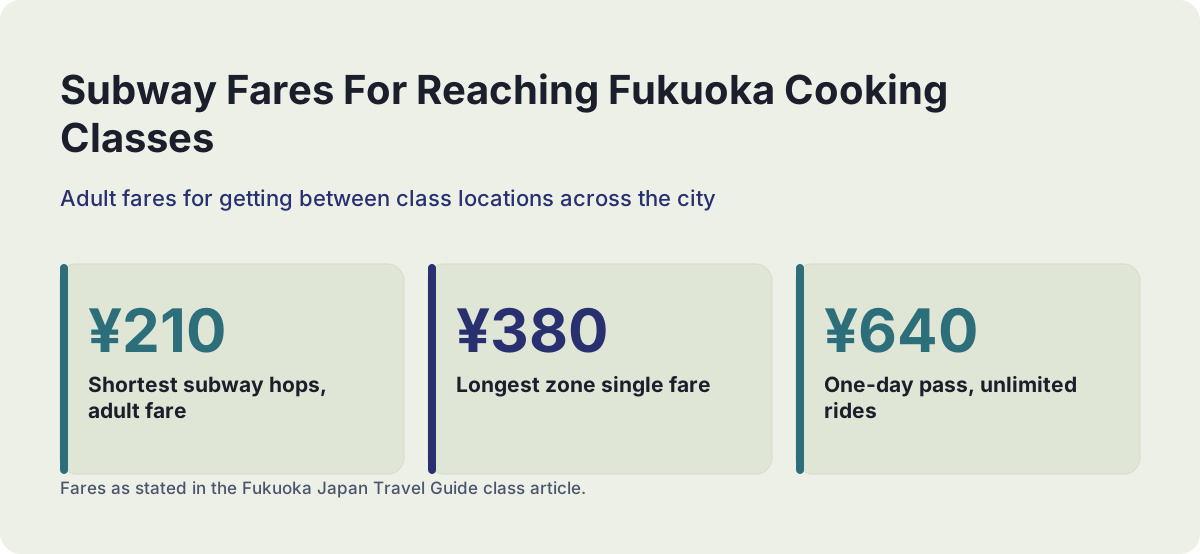
The geography works in your favour. Fukuoka is a compact city with a subway that crosses it end to end, and a single adult fare runs from ¥210 for the shortest hops up to ¥380 for the longest zone, with a ¥640 one-day pass covering unlimited rides if you are planning several stops in one day. A class in Tenjin, a class in Hakata and a museum visit are all comfortably same-day territory. The Hakata Station guide covers the station most classes cluster around, and its concourses are where most class meeting points are set.
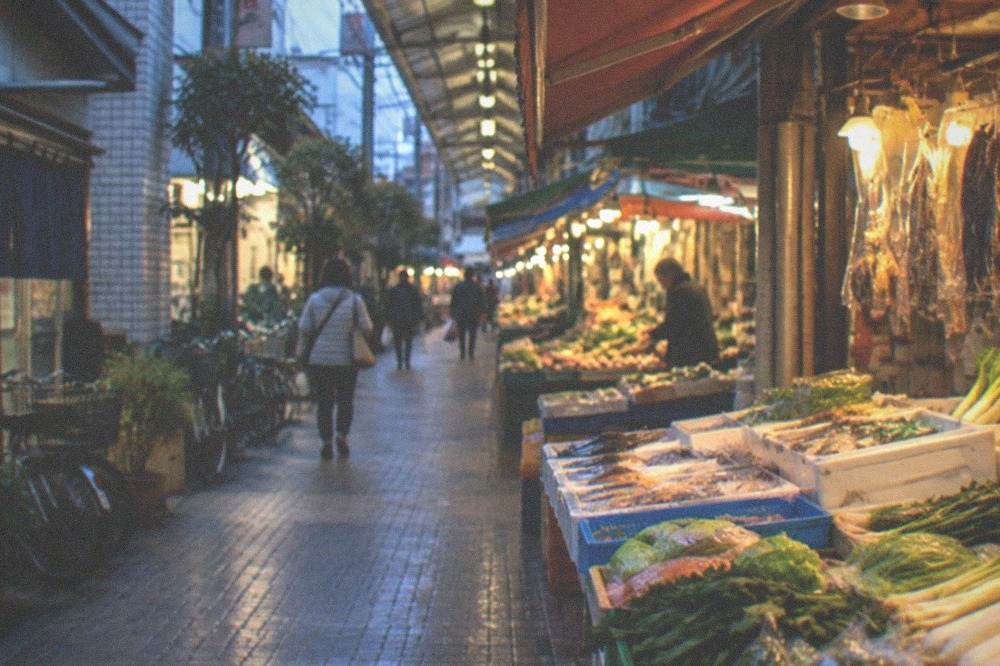
Market-based classes deserve a special mention. Yanagibashi, the long-standing food market that locals call Fukuoka's kitchen, supplies restaurants across the city, and a class that starts with a guided walk through its fish and vegetable stalls teaches you two things at once: what to buy in Kyushu, and what to do with it. The Fukuoka markets guide has the background. Note that the market itself, like the stalls, is a place to browse and buy, not something you need a ticket for.
One naming point that trips up visitors: Hakata and Fukuoka are the same city. Hakata is the ward and the station name, Fukuoka is the city, and a class listed "in Hakata" is a class in central Fukuoka, not a trip to a separate destination. There is also no JR Fukuoka Station; the city's main rail hub is Hakata Station, and if you see an address referencing "Fukuoka Station" it means either the subway's Nishitetsu Fukuoka (Tenjin) terminus or a listing written overseas.
| Class location | Typical setting | Getting there |
|---|---|---|
| Hakata Station area | Studio kitchens a few minutes from the station | Subway Airport Line or JR to Hakata Station |
| Tenjin | Private kitchens in the business and shopping core | Subway to Tenjin; Nishitetsu Fukuoka (Tenjin) terminus |
| Yanagibashi market area | Market walk plus a kitchen nearby | Short walk from Hakata Station |
| Ohori and residential wards | Instructor's home kitchen | Subway Nanakuma or Airport Line, then a short walk |
How Do You Book and Prepare for a Fukuoka Cooking Class?
Book through the operator's live listing, read the cancellation policy before paying, and state any dietary needs in the booking message rather than on the day. Preparation is minimal: wear closed shoes, tie back long hair, skip a heavy lunch beforehand since you will eat what you cook, and arrive at the meeting point ten minutes early because many classes start with a market walk that cannot wait for latecomers. Most classes supply aprons and all equipment.
The booking mechanics are simple, but the details matter. Confirm the meeting point precisely, since some instructors meet at a station exit rather than at the kitchen address, and in a city where station concourses sprawl, the wrong exit can cost you fifteen minutes. Check whether children are welcome and at what age, since classes involving deep pots and open burners set their own limits. If your class includes a market walk, bring a small bag; you will want to buy things.
Dietary questions deserve honesty in both directions. Tell the operator exactly what you cannot eat, and accept the answer if the core of the class cannot be adapted. A tonkotsu class without pork is not tonkotsu, and a good operator will say so and offer a different menu rather than pretend. Religious and allergy requirements are taken seriously in Japan when stated clearly in advance, and the city's restaurants handle those needs well when they are told early.
Timing your class is the last decision. Evening classes let you cook your dinner, which is efficient and festive. Morning classes pair naturally with the rest of a food day: cook at ten, then spend the afternoon walking it off. A wet afternoon is when a kitchen session earns its keep, and the rainy day itinerary treats a class as a first-choice wet-weather activity rather than a fallback.
What Else Can You Cook or Make in Fukuoka?
Beyond ramen, Fukuoka classes cover motsunabe, gyoza, dashi and home-style Kyushu cooking, and the city's broader hands-on scene extends well past the kitchen: Hakata doll painting, calligraphy, tea ceremony and shisa amulet workshops all run in the city centre, most for an hour or two and at modest prices. If a cooking slot is full or your dates do not line up, these craft sessions deliver the same small-group, learn-from-a-local experience without a stove.
The non-ramen cooking options are genuinely local. Motsunabe, the beef offal hotpot with cabbage and garlic, is a Fukuoka winter dish that classes teach in season, and it is a better group activity than ramen because the cooking is communal by design. Goma-saba, cured mackerel in sesame, is a preparation class rather than a cooking class, and it teaches curing technique you can repeat at home with any fresh fish. Dashi classes, meanwhile, are the quiet foundation of everything: learn kombu and katsuobushi stock properly and every Japanese dish you cook afterwards improves.
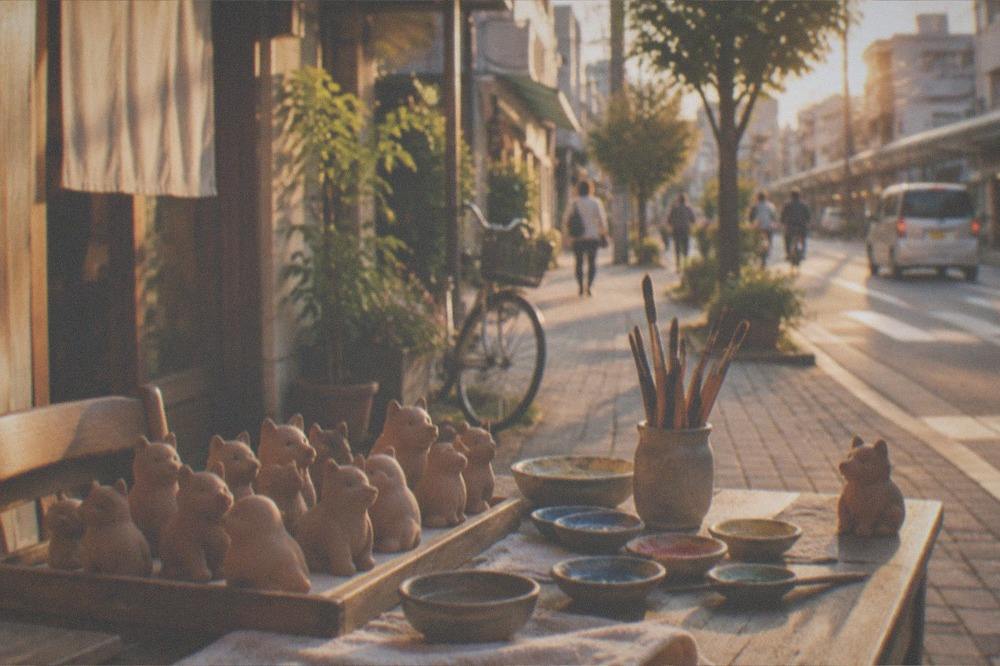
The craft scene is where Fukuoka's hands-on options widen. Hakata dolls, the unglazed painted figures that are one of the city's designated traditional crafts, can be painted yourself in a short session, and the experience is a natural pairing with a cooking class: one teaches you to make the food, the other to make the souvenir. The temples and shrines of the old Hakata core, a short walk from most class venues, show the traditional culture those crafts grew out of, if the session sparks a wider interest.
The roster's strongest craft option is the Hakata doll painting experience, a roughly 90-minute session rated 4.9 from 45 reviews, where you paint your own doll under an instructor's guidance and take it home. It suits families and solo travellers equally, needs no skill, and slots neatly into an afternoon between a morning class and an evening meal.
Can You Pair a Cooking Class with Other Fukuoka Experiences?
Yes, easily: a two or three hour class leaves most of a day free, and Fukuoka's compactness means a morning class, an afternoon sightseeing block and an evening yatai visit fit into one day without rushing. The natural pairings are a class plus a walking or cycling tour of the old Hakata streets, a class plus a shrine or museum visit, or a class plus an evening food crawl, since cooking in the morning sharpens your appetite for the stalls at night.
The strongest full-day shape is cook, walk, eat. Fukuoka's historic core sits between Hakata Station and the Naka River, where Kushida Shrine, Tochoji with its Great Buddha, and the Hakata Machiya Folk Museum cluster within a short walk of each other, and the Hakata area guide maps it. The Fukuoka walking tours overview covers the guided options, including private walks with a local, from $64 per person and rated 4.7 from 46 reviews, which can be timed to the same day as a class.
For a more energetic afternoon, the Hakata guided bike ride, a 3.5-hour cycling tour rated 4.7 from 22 reviews, covers the city between the station and the waterfront with a local guide and pairs well with a morning or evening class on the same or following day. It is one of the few ways to see Maizuru Park, Ohori Park and the Momochi seaside in a single outing without transit time eating the day.
If your trip falls outside festival season but you want a dose of living tradition, the morning sumo practice session in Hakata's old town, rated 4.2 from 22 reviews, shows wrestlers training up close and finishes in time for a late-morning class. Fukuoka's competitive sumo, the November Kyushu Basho, fills the city for two weeks a year; morning practice visits run at other times. Morning sumo practice and Hakata old town is the tour page with full details, and Check availability if the timing fits.
| Pairing | Shape of the day | Why it works |
|---|---|---|
| Class plus old-town walk | Morning class, afternoon around Kushida Shrine and Tochoji | Both sit in Hakata, no transit needed between them |
| Class plus bike ride | Morning class or evening class, ride in the other half-day | The ride covers ground you would otherwise spend transit time on |
| Class plus sumo practice | Practice from early morning, class late morning | Practice ends before most classes begin |
| Class plus yatai evening | Afternoon class, yatai stalls from around 18:00 | Stalls open in the evening; the city's ordinance requires posted prices |
How Does a Cooking Class Fit Into a Fukuoka Trip?
Fit a class on day two or three of your trip, once you have eaten the city a little and know which dish you want to learn, and book it early in your stay so a cancellation can be rebooked before you leave. A morning class leaves the afternoon for Ohori Park or a museum, and an evening class replaces dinner entirely. Travellers connecting through the city should note that the airport is unusually close to the centre, with the subway fare to Hakata at ¥260.
The airport point is worth dwelling on because it shapes every Fukuoka itinerary. Fukuoka Airport sits on the subway's Kuko line, and the adult fare into Hakata is ¥260, placing it in the official 3 to 7 km fare band; the airport is genuinely one of the closest major airports to a city centre anywhere in Japan. The Fukuoka Airport guide covers the terminals and connections in full. What no page here will tell you is a journey time in minutes, because the widely repeated figure is not confirmed on any official page, and this site does not print it.
For a first visit, the standard two- and three-day sequences of the city's essentials each leave an afternoon a class can fill, and a session slots into any of them. For longer stays, the class becomes a launching point for day trips into Kyushu: cook in Fukuoka, then spend a day among the Kyushu ramen styles in Kumamoto or the onsen towns, and taste the broth variations that regional pride produces.
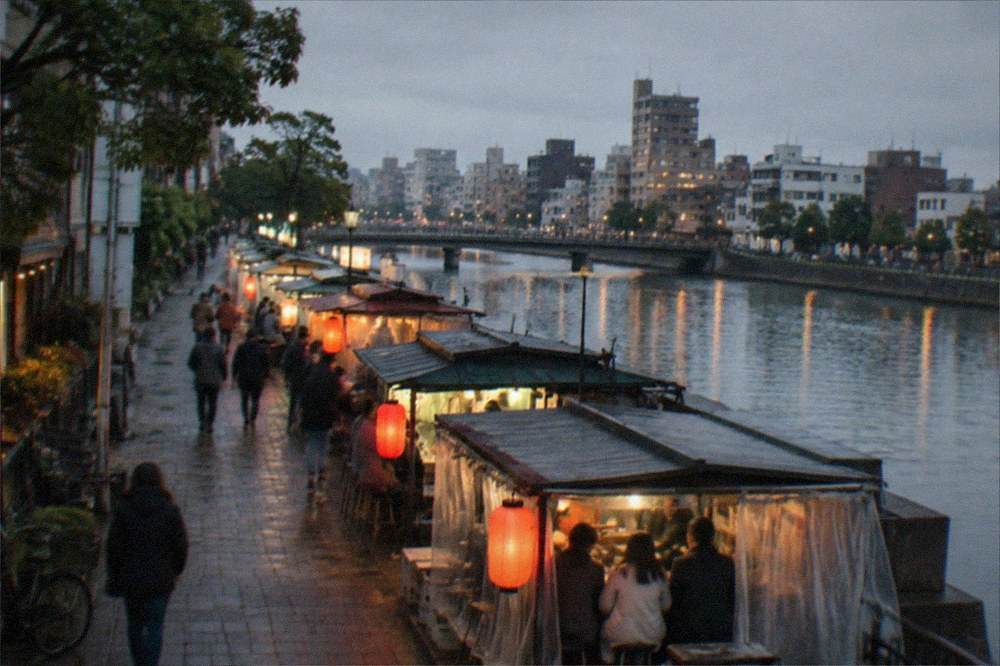
Luggage is the practical detail. Classes have no space for suitcases, so if you are fitting one between a hotel checkout and an evening flight, use the luggage storage guide first, then cook unencumbered. The city ordinance that governs the yatai, Fukuoka's street stalls, is worth reading about too: the city requires every stall to display its prices where customers can easily see them, with no vague "market price" wording allowed, which is why an evening yatai crawl after your class is a low-anxiety way to keep eating. The official city yatai Q&A states the rule in full, and the yatai guide translates the practical side.
Before the questions, here again are the three experiences that pair best with a cooking class in Fukuoka, from the craft session that makes your souvenir to the rides and practice visits that fill the rest of your day:
Common Questions About Fukuoka Cooking Classes
What Do You Actually Cook In A Hakata Ramen Cooking Class?
You cook the four components of the bowl: a tonkotsu pork-bone broth, thin Hakata-style noodles, a soy-based tare, and the toppings such as chashu and seasoned egg. Many classes add gyoza as a companion dish. The broth is the core lesson, and you learn why Hakata tonkotsu is boiled hard to emulsify into its signature milky colour rather than simmered clear.
Do I need any cooking experience to join a class?
No. Classes in Fukuoka assume no prior skill, teach by demonstration and repetition, and use domestic-scale equipment rather than professional kitchens. Instructors are used to complete beginners, and the small group sizes mean someone can correct your knife grip or noodle timing before it becomes a habit.
Can vegetarians take a Fukuoka cooking class?
Yes, with the right class. Tonkotsu broth is pork to its core, so a vegetarian needs either a different menu, such as a dashi, gyoza or vegetable class, or a private session that can be adapted. State the requirement when booking, not on the day, and accept that a class built around pork bones cannot simply omit the pork.
How long does a cooking class in Fukuoka take?
Most classes run two to three hours, including the eating at the end. Market-based classes run longer because the ingredient walk comes first. Plan a half-day block around the session and keep the rest of the day free; a morning class plus an afternoon of sightseeing is the most common pattern.
Is a cooking class a good rainy-day activity in Fukuoka?
It is one of the best. Fukuoka's wettest month is July, at 299.1 mm of rain against June's 249.6 mm, and typhoon-influenced weather runs roughly July through October. A kitchen session is indoors, social, and ends with a hot meal, which makes it a first-choice wet-weather plan rather than a fallback.
Should I book a class before I arrive in Fukuoka?
Yes. Small-group classes fill first, and booking before day two of your trip gives you a rebooking window if your schedule shifts. Book for early in your stay rather than your final day, so a cancellation or a change of plans leaves you time to take another slot.