Hakata Station Guide
Hakata Station is the busiest rail hub on Kyushu, and the first thing many visitors notice is that its name does not match the city around it. Here is why, and how to use the station well.
Short answer
Hakata Station is Fukuoka's main station because the city is a merger of two older towns: the merchant port of Hakata and the castle town of Fukuoka. When the railway arrived in the late 19th century, the station took the name Hakata. There is no JR Fukuoka Station, and the subway from the airport costs ¥260.
Hakata Station moves more people than any other rail hub on Kyushu, and it does it under the wrong name. Or rather, under a name that confuses every first-time visitor who has just landed at an airport called Fukuoka, in a city called Fukuoka, on a subway line that terminates at a station called Hakata. The confusion is not an accident of translation. It is the residue of a genuine historical argument, and understanding it tells you a great deal about how this city is laid out.
This guide covers the name question first, because it is the one thing every guide should answer properly and most do not. Then it gets practical: the platforms, the fares, the airport connection, the food inside and around the building, luggage storage, and what is worth walking to within ten minutes of the ticket gates.
Why Is Fukuoka's Main Station Called Hakata and Not Fukuoka?
The city of Fukuoka is a merger of two older towns that sat side by side: Hakata, the merchant port on the bay, and Fukuoka, the samurai castle town immediately to its west. When the two merged in the late nineteenth century, the new city government took the name Fukuoka, but the railway station that opened around the same time took the name Hakata, and the station has kept it ever since.
The split goes back centuries. Hakata was the older of the two settlements, a trading port with deep ties to the Asian mainland, the place where merchants, monks and diplomats arrived on Kyushu. Fukuoka, to the west of the small river that divided them, grew up around a castle. One town was built on commerce and the other on administration, and they kept separate identities, separate dialects and separate festivals long after they were formally joined.
When the merger came, the naming was contested. Both names had standing, and the compromise that emerged was an unusual one: the city would be Fukuoka, but the port district, the shrine, the dolls, the festival and the new railway station would all carry the Hakata name. That compromise is still visible everywhere. The ward is Hakata, the summer festival is Hakata Gion Yamakasa, the painted figurines are Hakata dolls, and the station, the single busiest place in the whole city, is Hakata Station.
The practical consequence for a traveller is that Hakata and Fukuoka are the same city. Hakata is a ward of Fukuoka and the name of its main station, not a separate destination you travel between. Guides that describe "getting from Hakata to Fukuoka" are describing a journey of zero kilometres. There is also no JR Fukuoka Station anywhere in Japan: the station is Hakata, full stop, and the site answers the is there a Fukuoka Station question in more detail if you want the full story.
One footnote that locals enjoy: the name Hakata is the one that travelled. The ramen style the city is famous for is called Hakata ramen, not Fukuoka ramen, and the mesh fabric called hakata weave is named for the district too. The castle town won the name of the city, but the port won the name of almost everything the city is actually known for.
Where Is Hakata Station and What Sits Around It?
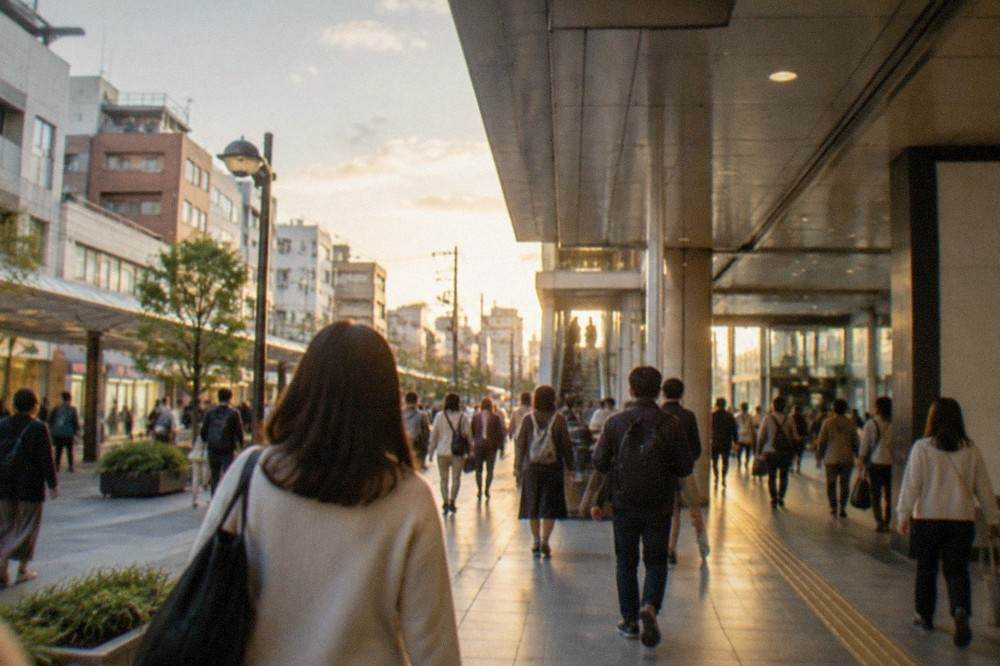
Hakata Station sits in the Hakata ward of Fukuoka, roughly midway between the airport and the downtown district of Tenjin, about one subway stop from the riverside entertainment area of Nakasu. The building itself is a large complex of department stores, restaurants and offices, and the streets immediately around it hold hotels, a long shopping arcade and several major shrines and temples within walking distance.
The station's position is the reason it works so well as a base. It is on the subway's Airport Line, which means the airport is a handful of stops away at the end of the same line you are standing on. Tenjin, the main shopping and business district, is one stop west. Nakasu and its riverside yatai stalls are between the two. The station area guide covers the district in depth, but the short version is that you can reach most of the city centre without ever changing trains.
Inside the building, the layout is standard for a major Japanese terminus. The JR platforms, including the Shinkansen, sit in the middle. The subway station is underneath, shared with the JR lines but on separate gates. Department stores occupy the upper floors on both the east and west sides, and the basement levels are given over to food halls that are worth a visit in their own right, a point covered in detail further down this page.
What surprises many visitors is how much sits within a short walk of the exit. Shofukuji, the first Zen temple in Japan, is perhaps fifteen minutes on foot. Tochoji, with its large seated Buddha, is closer. Kushida Shrine, the spiritual centre of Hakata, is about twenty minutes away, at the far end of the Kawabata shopping arcade that starts basically at the station's doorstep. If you would rather have someone walk you through the old town and explain what you are looking at, a Hakata old town morning walk with sumo practice viewing covers both the temples and a sumo stable in a single two-hour loop, and it starts from the station side of the city.
If you are planning your days around the station rather than around a hotel, the two-day Fukuoka itinerary is built on exactly this logic: sleep near Hakata, and everything in the city centre is a few minutes away by subway or on foot.
How Do You Get from Fukuoka Airport to Hakata Station?
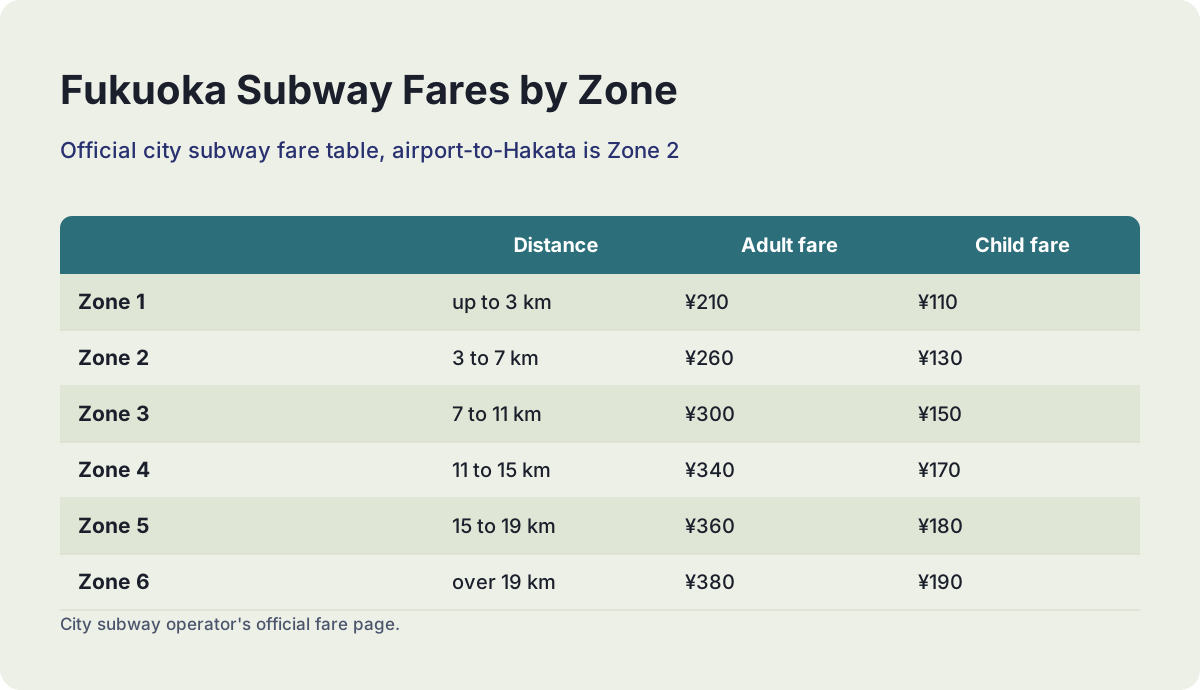
The subway runs from Fukuoka Airport direct to Hakata Station for a fare of ¥260, two stops along the Airport Line, and the airport is unusually close to the city centre by the standards of almost any city in the world. There is no verified official journey time in minutes, despite the figure many guides print, so treat the distance as what it is: two stations and one fare band.
The ¥260 fare is not a guess. The city subway's own fare table places the airport-to-Hakata leg in its 3 to 7 km band, and the published adult fare for that band is ¥260, with a child fare of ¥130. The full table, published by the city subway operator at its official fare page, runs from ¥210 for the shortest zone up to ¥380 for the longest, so even the far end of the network costs less than a coffee in most Western capitals.
| Zone | Distance | Adult fare | Child fare |
|---|---|---|---|
| 1 | up to 3 km | ¥210 | ¥110 |
| 2 | 3 to 7 km | ¥260 | ¥130 |
| 3 | 7 to 11 km | ¥300 | ¥150 |
| 4 | 11 to 15 km | ¥340 | ¥170 |
| 5 | 15 to 19 km | ¥360 | ¥180 |
| 6 | over 19 km | ¥380 | ¥190 |
The airport itself sits inside the city, which is the genuinely unusual part. Fukuoka Airport is one of the very few major Japanese airports that functions as an urban airport: the runway is a short subway ride from the main business district, and the domestic and international terminals are linked by a free shuttle bus that the airport's own access page says takes about ten minutes. The airport to city guide covers the whole arrival process, including the international terminal's location one stop beyond the domestic one.
What you should not do is repeat the number most guides print. "Fukuoka Airport to Hakata in five minutes" appears on almost every English-language page about this city, and no official source verifies it. The subway's English pages do not state a journey time, and the airport's own access pages do not either. The honest statement is that the airport is remarkably close to the centre, the fare is ¥260, and the ride is two stops. If you want the wider picture of the three subway lines and how they interlock, the Fukuoka subway guide has it.
For a sense of how much the airport connection shapes the whole trip: because the fare is flat and low, and because the station you arrive at is the same station your Shinkansen and your day-trip trains leave from, you can realistically land, clear immigration, and be standing at a Hakata platform with a ticket to Beppu or Nagasaki in hand within an hour or so of touchdown. The day trips from Fukuoka guide shows how that works in practice for the most popular hot-spring route.
What Can You Eat in and Around Hakata Station?
Hakata Station is one of the best eating addresses in a city famous for food, because the basement levels hold full depachika food halls and the upper floors hold ramen floors and restaurant terraces, including branches of the city's most famous tonkotsu ramen shops. Outside the ticket gates, the surrounding streets add yatai-adjacent izakaya, breakfast spots and the Kawabata arcade's old-school snack shops.
Start in the basement. The food halls under the department store wings sell everything from mentaiko and Hakata dolls' worth of souvenirs to prepared tonkotsu ramen kits, sashimi and the small rice-topped dishes the region does well. This is where locals buy dinner on the way home, which is the strongest endorsement a food hall can get. Prices are posted, quality is high, and the selection changes through the day: bento at lunch, prepared foods discounted toward closing.
The ramen situation deserves its own note. The station building dedicates an entire floor to ramen shops, gathered specifically so that travellers can try the city's signature dish without leaving the complex, and the complex's own site, run by the station building's operator, lists the shops floor by floor. The signature dish is tonkotsu: a pork-bone broth boiled until it is opaque and rich, served with thin noodles that are cooked firm, and ordered by noodle hardness, with kaedama, the extra-noodle refill, ordered by a show of fingers. The Hakata ramen guide explains the ordering ritual in full, and the broader Fukuoka food guide places the station's food floors in the context of the whole city.
| Where | What you get | Best for |
|---|---|---|
| Basement food halls | Bento, sashimi, mentaiko, ramen kits, sweets | Grab-and-go, picnic supplies, souvenirs |
| Ramen floor | Multiple tonkotsu specialists under one roof | First night in the city, late arrival |
| Restaurant floors, upper levels | Izakaya, motsunabe, sushi, yakiniku | Sit-down dinners without leaving the building |
| Streets around the station | Breakfast cafes, chain and independent izakaya | Mornings and early evenings |
| Kawabata arcade, 10 min walk | Old-school snack shops, tea, taiyaki | A walk that ends in a snack |
Motsunabe, the beef-offal hot pot that is the city's other signature dish, is heavier going and the station's restaurant floors do it justice, especially in winter. Mentaiko, the seasoned pollock roe the city eats on rice for breakfast, is the thing to buy in the basement to take home. If you are eating around the station rather than inside it, the Fukuoka breakfast guide names the morning options near the gates, which are better than most people expect for a rail complex.
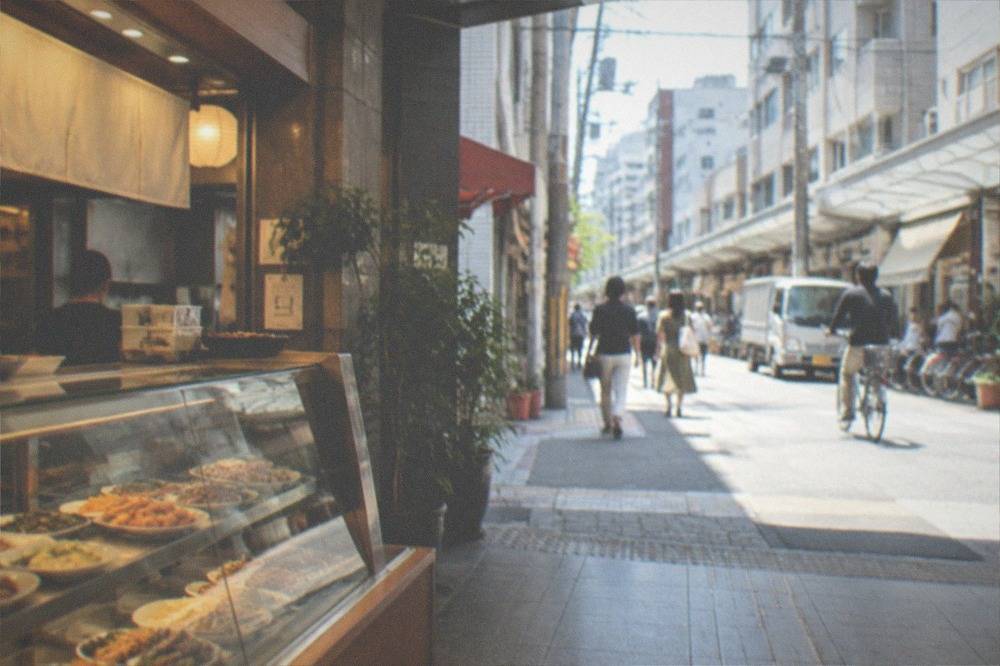
The station is also a legitimate launching point for a food crawl, because the subway puts you one stop from Nakasu and its riverside stalls. The city has about 100 licensed yatai in total, a figure the city itself maintains through a public recruitment system, and the stalls must post their prices visibly under a city ordinance, so a menu is never a mystery. The yatai guide covers the three main areas and how the stalls operate, and the wider street food picture extends well beyond the stalls themselves.
Which Lines Run from Hakata: Subway, JR and Nishitetsu?
Hakata Station is served by the Fukuoka City Subway's Airport Line, by JR Kyushu including the Kyushu and Sanyo Shinkansen, and by highway buses from the adjacent Hakata Bus Terminal. The Nishitetsu railway, which serves Dazaifu, runs from its own separate Tenjin station, not from Hakata, a distinction that catches out a remarkable number of visitors.
The subway side is simple. Three lines cross the city, and Hakata sits on the Airport Line, which runs from Meinohama in the west through Tenjin, Nakasu-Kawabata and Hakata to Fukuoka Airport in the east. The Hakozaki Line branches east from Nakasu-Kawabata, and the Nanakuma Line serves the south-western districts and terminates at its own Hakata station one street from the JR complex. A one-day subway pass costs ¥640 for adults and covers all three lines for the first to the last train of the day.
The JR side is where the long distances happen. The Shinkansen runs from Hakata west to Kumamoto, Kagoshima and the rest of Kyushu, and north-east to Kokura, Hiroshima, Osaka and Tokyo. Note the pass subtlety: the Sanyo Shinkansen between Hakata and Kokura is JR West territory and is not covered by JR Kyushu's passes, which matters if you are pass-planning a Kyushu circuit. The JR Kyushu rail pass guide untangles that in full.
| Service | Goes where from Hakata | Notes for visitors |
|---|---|---|
| Subway Airport Line | Tenjin, Nakasu, Fukuoka Airport, Meinohama | ¥210 to ¥380 by distance; day pass ¥640 |
| JR Kyushu limited express | Beppu, Yufuin, Nagasaki, Kumamoto, Kagoshima | Reserved seats recommended on weekends |
| Shinkansen | Kokura, Hiroshima, Osaka, Tokyo, and south to Kagoshima | Hakata-Kokura segment is JR West, not JR Kyushu |
| Hakata Bus Terminal | Cities across Kyushu and beyond, airport buses | Attached to the station complex |
| Nishitetsu | Dazaifu, Yanagawa, Omuta | Departs from Nishitetsu Tenjin station, not Hakata |
The Nishitetsu point is the one that genuinely trips people up. Dazaifu Tenmangu, the shrine city that is the region's most popular half-day trip, is reached by a Nishitetsu train from Nishitetsu Fukuoka Station in Tenjin, with a change at Futsukaichi. There is no direct JR service to Dazaifu, and walking out of Hakata's JR gates will not get you there. If Dazaifu is on your list, either take the subway one stop to Tenjin first, or take one of the day tours that collect you from the station side, several of which pair Dazaifu with the Yufuin no Mori sightseeing train.
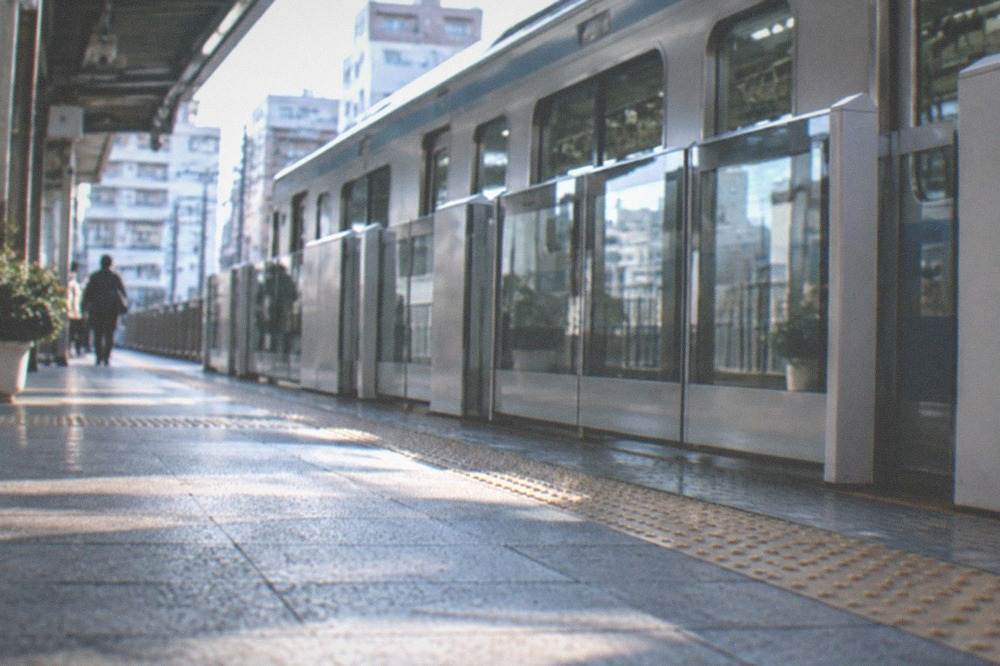
For a station you will pass through repeatedly, a guide who knows the platforms and the neighbourhood around them pays for itself quickly. The Fukuoka private tours guide lists the operators who work from the station area, and the coach and minibus departures from the bus terminal attached to the complex open up the whole of Kyushu.
Where to Store Luggage and Find Help at Hakata Station?
Hakata Station has coin lockers across multiple floors in both the JR and subway areas, staffed luggage storage counters for oversize bags, and a tourist information centre near the central exit that handles maps, pass sales and English-language queries. Lockers fill up on weekends and festival days, so the counters are the reliable fallback, and the luggage storage guide lists every option.
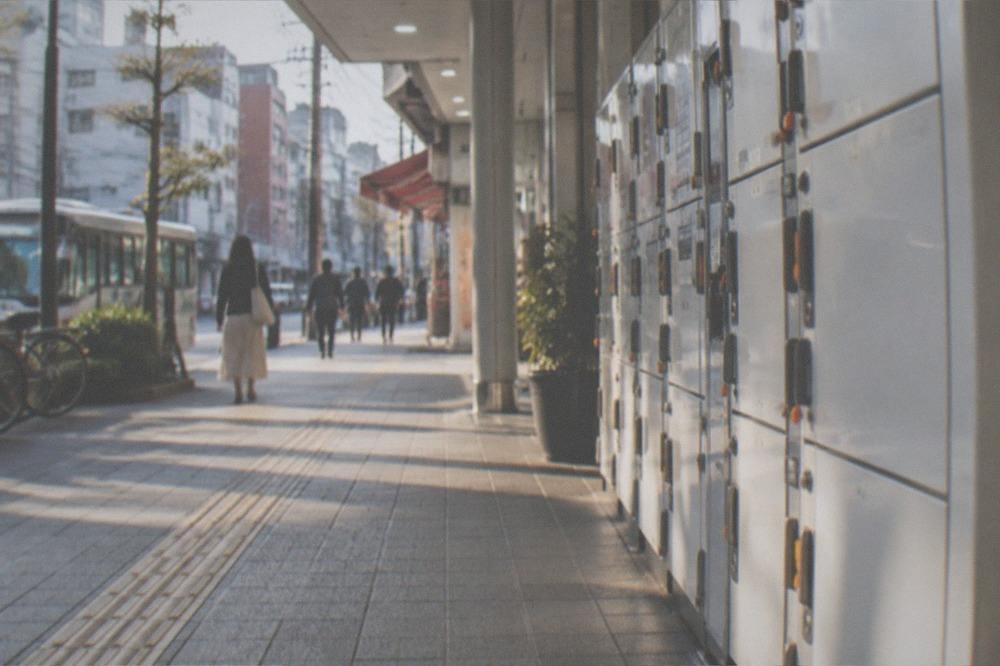
The locker banks are everywhere once you know to look: along the platform ends, in the basement passages, and clustered near the Shinkansen gates. Most take IC cards as well as coins, which saves the scramble for ¥100 pieces. The catch is capacity. On peak days, including the run of public holidays in May and the summer festival period in July, the standard lockers can be gone by mid-morning, and the oversize lockers for full-size suitcases go first.
That is what the staffed counters are for. They take bags of any size, hold them through the day, and are the right answer if you are doing a day trip from the station with your luggage in tow: check the bag, take the 8:30 limited express to Beppu, come back at 8 at night, collect, board the Shinkansen. The same logic applies to the airport: with the fare at ¥260 and the airport at the end of the line, a morning flight does not require dragging a suitcase through the food hall.
The tourist information centre is worth a stop on arrival even in the age of the phone. It stocks the city's official maps, sells the transport passes that are hard to buy elsewhere, and has English-speaking staff, which is not guaranteed everywhere in the city. One pass worth asking about specifically is the Fukuoka Tourist City Pass, because most guides quote it wrong: the current prices are ¥2,500 for the city version and ¥2,800 for the city-plus-Dazaifu version, and the pass is restricted to overseas tourists on short-stay visas, with a passport checked at the counter. Older guides still quote prices from before the revision, and the difference is not small.
Help in a broader sense is good across the station. Signage is in Japanese, English, Korean and Chinese, the station app maps the locker banks and exits, and the station's scale, which can feel hostile at first, is actually uniform: the building is long rather than deep, so any two points inside it are a walk along a corridor rather than a navigation puzzle.
What to Do Within Walking Distance of Hakata Station?
Within a fifteen to twenty minute walk of Hakata Station you can reach Tochoji temple and its great seated Buddha, Shofukuji, the oldest Zen temple in Japan, the riverside Kawabata shopping arcade, and Kushida Shrine, the spiritual home of the Hakata Gion Yamakasa festival. The station side of the city is the historic side, and it rewards walking far more than the guidebook emphasis on Tenjin suggests.
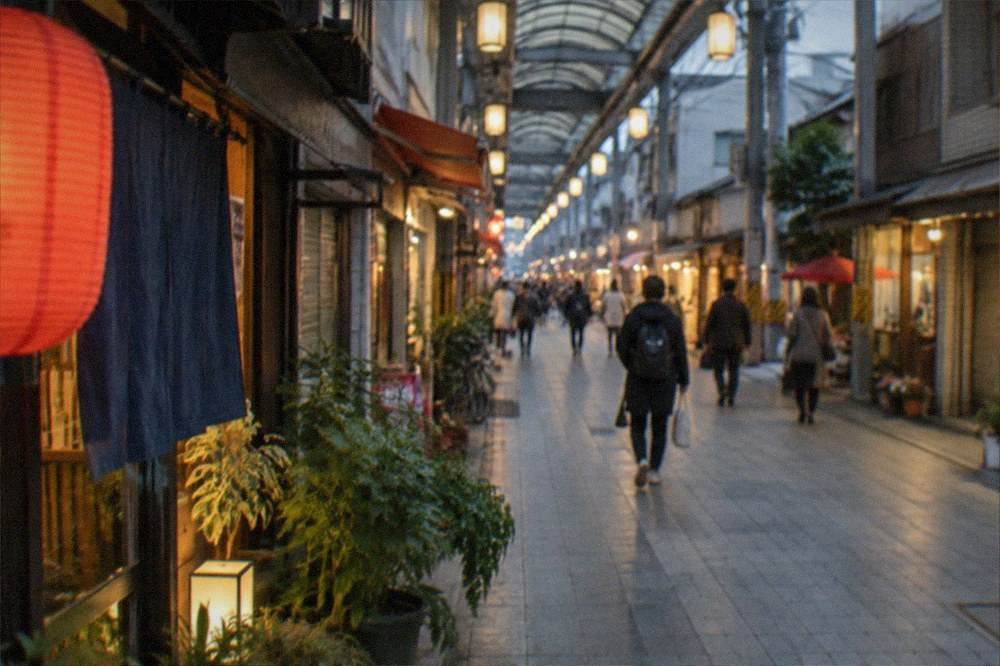
The walk east from the station is the classic first-evening route. Head down the arcade that runs from the station toward the river, snack as you go, and you arrive at the Hakata river with the Nakasu entertainment district glowing across the water. Kushida Shrine sits a few streets beyond, and it is the shrine that gives the July festival its course: the Oiyama race on July 15 starts at 4:59 in the morning, when teams carry roughly one-ton floats along a course of about five kilometres through streets you will have just walked through at a normal pace.
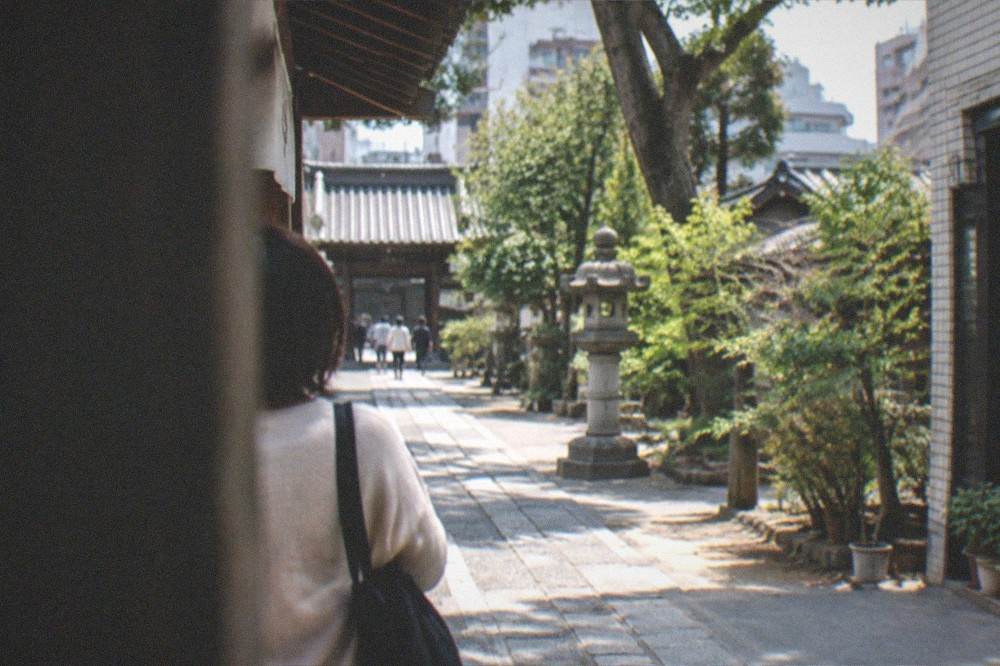
The temples are the quieter half of the district. Tochoji, close to the station, houses one of the largest seated Buddha statues in Japan, and the grounds are free to enter. Shofukuji, further in the same direction, was the first Zen temple established in Japan, founded by a monk returning from Song-dynasty China, and its grounds are open while its interiors mostly are not. Neither charges admission, and the full set of the city's temples and shrines, with directions, is covered in its own page elsewhere on this site.
If temples are not the priority, the same walk can be pointed at food and drink instead. The izakaya streets around the station's east side are a short stroll from the gates, and the night extends easily across the river into Nakasu. The station area is also where several evening tours begin, including a yatai and izakaya crawl that walks you into stalls you might hesitate to enter alone, which is precisely the point of booking one.
For something quieter and more unusual, the station's own neighbourhood holds a craft worth trying: Hakata doll painting, the tradition named for this very district, taught in a short workshop where you paint a blank figurine yourself. It is a one-and-a-half hour session, rated 4.9 from 45 reviews, and it costs from $28 per person, which makes it one of the least expensive hands-on cultural activities in the city and a natural fit for a station-area afternoon.
What Should You Know Before Arriving at Hakata Station?
Bring your passport if you plan to buy the tourist city pass, expect the locker banks to be tight on weekends and festival days, and remember that the station's two names cause real confusion: the JR and subway stations are adjacent but separate, and the Nishitetsu network does not serve Hakata at all. Weather matters too, because typhoon season runs roughly July to October and can slow the Shinkansen.
The passport point is the one people miss. The city pass is the best value in the transport system for a short stay, covering subway, buses, trains and ferries for a day, but it is sold only to overseas visitors on short-stay visas, and the counter checks. Buy it at the station's tourist office or the bus terminal, not at a machine, because the machine will not sell it to you at all.
The two-stations-in-one point matters for connections. The JR Hakata and the subway Hakata are different stations with different gates, linked by passages, and if you are transferring from a Shinkansen to the airport you need to exit the JR gates, walk a few minutes, and enter the subway gates. Allow a comfortable margin, because the complex is long and the airport-line platform is at the far end from the Shinkansen exit.
Weather is the last factor. Typhoon season on the Genkai Sea side of Kyushu runs roughly July through October, and while the city is fully functional through it, high winds occasionally slow or suspend the Shinkansen. The month-by-month picture is worth reading before you pack, including the fact that July, not June, is the city's wettest month in the official climate record, which surprises most visitors and is worth knowing before you pack for the festival period.
For a station you will use as your base, the most flexible way to build your first day around it is with a local. A customisable private tour, from $59 per person and rated 4.9 from 106 reviews, can start at Hakata and take in whatever the guide thinks you are missing, from the old town temples to the best basement food hall counters.
However you use it, the station rewards a little planning. It is the one place in the city where every transport mode, most of the food the region is famous for, and the historic merchant district that gave it its name all sit within a ten-minute radius. Most visitors pass through it three or four times and never actually look at it, which is a shame, because as this Fukuoka Japan Travel Guide tries to show, the name on the front of the building is the story of the city itself.
Common Questions About Hakata Station
Why Is Fukuoka's Main Station Called Hakata And Not Fukuoka?
The city is a merger of the merchant port of Hakata and the castle town of Fukuoka. The merged city took the name Fukuoka, but the railway station that opened in the late nineteenth century took the name Hakata, and it has kept it ever since.
Is there a JR Fukuoka Station?
No. The city's main JR station is Hakata Station, in the Hakata ward of Fukuoka. There is no JR Fukuoka Station, and guides that refer to one are confusing the city with its station.
Are Hakata and Fukuoka two different cities?
No. Hakata is a ward of Fukuoka and the name of its main station. The two were separate towns centuries ago, but today they are one city, and you never travel "from Hakata to Fukuoka".
How much is the subway from Fukuoka Airport to Hakata Station?
The adult fare is ¥260, with a child fare of ¥130, based on the official 3 to 7 km fare band. The airport is unusually close to the city centre, two subway stops from Hakata.
Can you reach Dazaifu from Hakata Station?
Not directly by train. Dazaifu is served by the Nishitetsu railway from Nishitetsu Fukuoka Station in Tenjin, with a change at Futsukaichi. From Hakata, take the subway one stop to Tenjin first, or join a day tour that departs from the station area.
Is Hakata Station a good place to stay?
Yes. It sits on the airport subway line, one stop from Tenjin and close to Nakasu, with the city's food halls, the bus terminal and the Shinkansen all inside the same complex, and the historic Hakata district on foot beyond the east exit.