Fukuoka Udon
Hakata udon is Fukuoka's own take on Japan's noodle classic: soft, chewy noodles in a dashi-forward broth, topped most famously with gobo ten, a crisp burdock tempura. This guide explains what makes it different, where to eat it, and how to fold a udon crawl into a day in the city.
Short answer
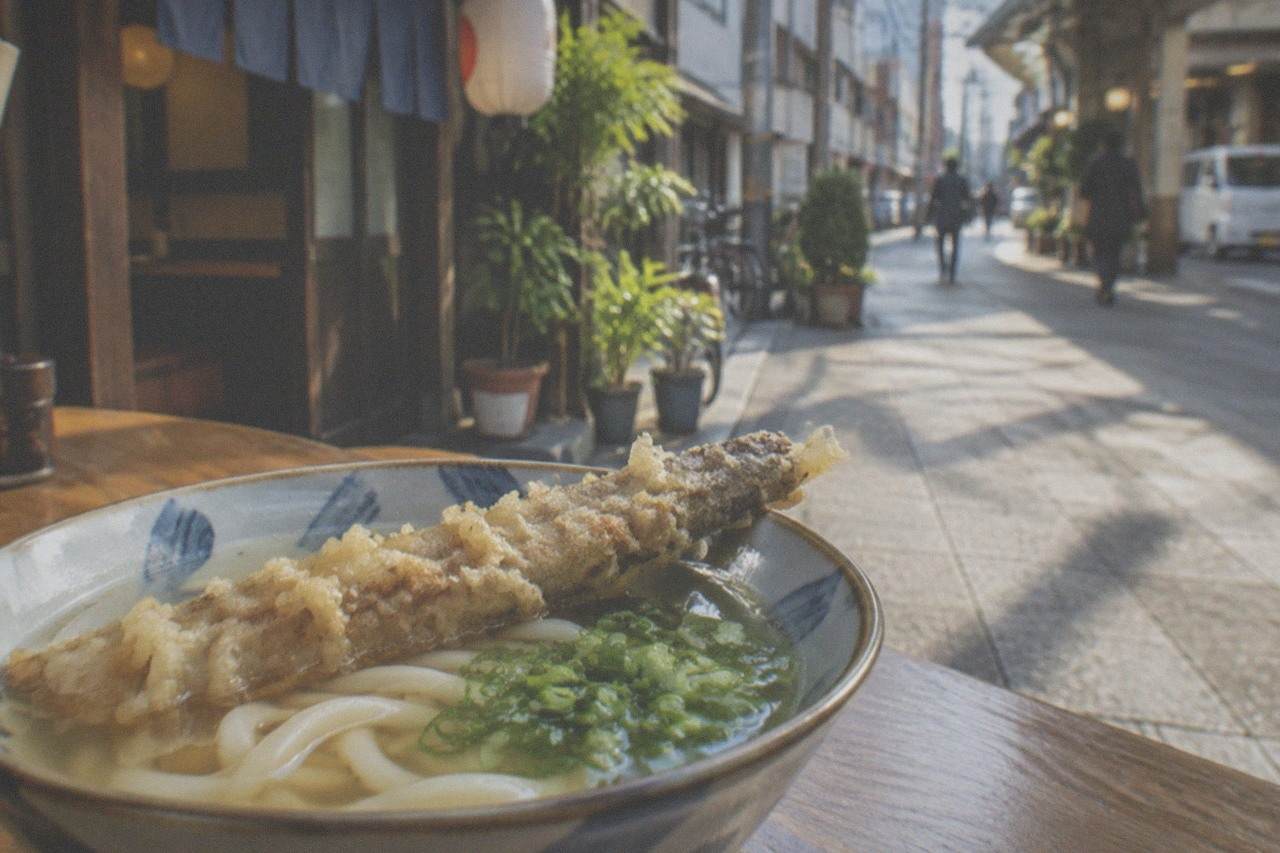
Hakata udon is Fukuoka's regional udon style: soft, plump noodles served in a clear, dashi-rich tsuyu, classically topped with gobo ten, a burdock tempura. Unlike the firm Sanuki noodles of Kagawa, Hakata noodles are deliberately tender, and the broth is the star. You will find it at specialist shops across Hakata and Tenjin.
Fukuoka eats more udon than almost anywhere in Japan, and it eats it in a way that surprises visitors who arrive expecting the firm, springy Sanuki noodles of Kagawa. Hakata udon is the opposite: soft, yielding noodles in a broth built on dashi, topped with a burdock tempura called gobo ten that has become the dish's signature. This guide covers what Hakata udon actually is, how it differs from the udon most guidebooks describe, the dishes to order, and how to build a day around it in the city that invented it.
What Is Hakata Udon?
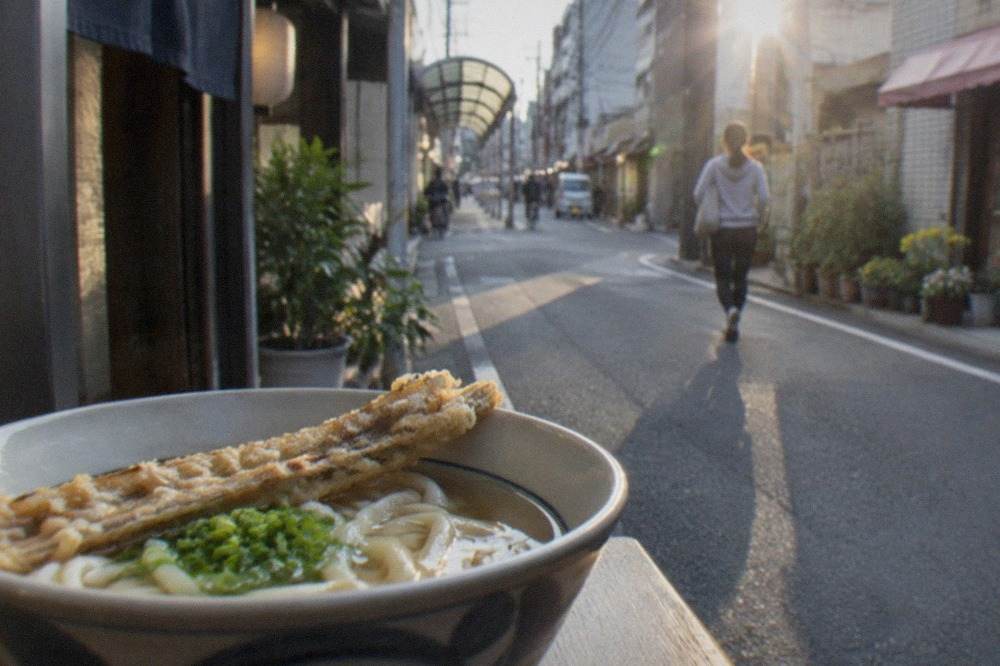
Hakata udon is Fukuoka's regional udon style, defined by soft, tender noodles served in a clear, dashi-forward tsuyu rather than the firm, bouncy noodles of Kagawa's Sanuki tradition. Its signature topping is gobo ten, a tempura-fried strip of burdock root, and the dish is eaten year-round, from breakfast to late-night udon shops near Hakata Station. The style grew out of Hakata's merchant culture, where a quick, warming bowl mattered more than noodle theatre.
The name comes from Hakata, the old merchant quarter and modern ward that gives Fukuoka its main station and its most famous food traditions. Hakata and Fukuoka are the same city: Hakata is the ward and the station name, Fukuoka is the city around it, and locals move between them without ever thinking of them as two places. That is worth stating plainly, because plenty of competing guides still treat them as separate destinations, which they are not.
The noodle itself is the story. Where Sanuki udon from Kagawa is prized for a firm bite, koshi, Hakata udon is deliberately soft. The noodles are cut a touch thicker, boiled longer, and served in a broth where kombu and katsuobushi, sometimes with iriko, dried sardines, do the heavy lifting. The tsuyu is lighter in colour and more delicate on the palate than the dark soy-heavy sauces of some other regions, which is why the topping matters so much: gobo ten's earthy crunch is the counterpoint the soft bowl needs.
Hakata udon also occupies a different slot in the day than udon does elsewhere. In Kagawa, udon is a pilgrimage, with enthusiasts driving shop to shop. In Fukuoka, it is everyday food, eaten standing, eaten before a train, eaten at midnight. That casualness is the point, and it shapes where the best shops are: near stations, in shopping arcades, and tucked into the lanes of Hakata's old town, steps from the temples and shrines covered in the Fukuoka temples and shrines guide.
How Is Hakata Udon Different from Sanuki Udon?
The difference is texture and broth. Sanuki udon from Kagawa serves firm, springy noodles that are the point of the dish, with a strong soy-based tsuyu on the side. Hakata udon serves soft, tender noodles fully softened in a delicate, dashi-rich broth, with the topping, usually gobo ten, providing the contrast. Sanuki is about the noodle; Hakata is about the bowl as a whole, broth included.
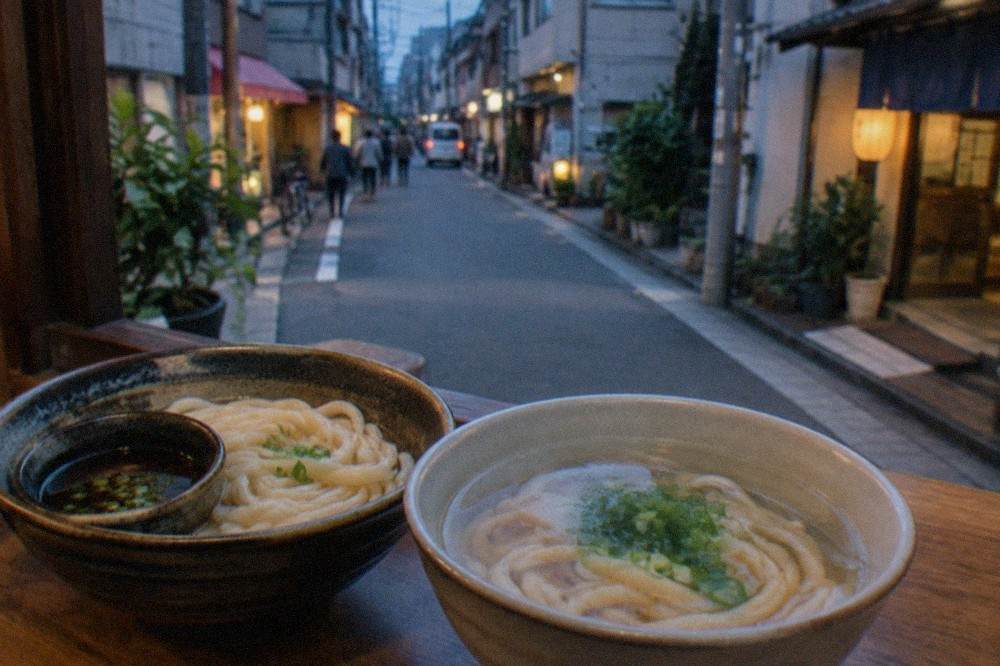
Visitors from Kansai or visitors who have done the Kagawa udon circuit often find Hakata udon disorienting on first taste, because everything they have learned to value in udon is inverted here. The noodle is not meant to fight back. It is meant to soak. A Hakata shop boils its noodles well past the point a Sanuki master would consider overcooked, and the broth is poured hot over them at the counter, so the noodles continue to soften as you eat. Regulars will tell you the last third of the bowl, thoroughly steeped, is the best part.
The broth deserves its own sentence. Hakata tsuyu is typically a clear amber, built on kombu and shaved katsuobushi, seasoned lightly with usukuchi soy and mirin, and served hot enough to wilt the tempura topping slightly at the edges. The result is a bowl you drink to the bottom, which is not something every regional udon can claim.
| Feature | Hakata udon (Fukuoka) | Sanuki udon (Kagawa) |
|---|---|---|
| Noodle texture | Soft, tender, cut slightly thick | Firm, springy, prized koshi |
| Boiling | Longer, fully softened | Brief, often firm to the centre |
| Broth | Clear, dashi-forward tsuyu served over noodles | Stronger soy tsuyu, often for dipping |
| Signature topping | Gobo ten (burdock tempura) | Raw egg, green onion, tempura on the side |
| Eating style | Hot bowl, everyday meal, quick shops | Noodle-focused tasting, shop-hopping |
| Typical setting | Station arcades, old-town lanes, late-night counters | Dedicated udon shops, destination dining |
Neither style is better; they are answering different questions. If you want to understand Fukuoka's food culture in one bowl, Hakata udon is the fastest route, because it sits at the intersection of the city's three great food instincts: dashi, frying, and speed. For a wider picture of what the city eats, the Fukuoka street food guide covers the yatai stalls and snacks that share the same lanes.
If you would rather walk the old town with someone who can point out the shops that do not have English menus, a guided tour pairs well with a food-focused day:
The Signature Dishes: Gobo Ten Udon and Its Companions
The dish to order first is gobo ten udon: soft Hakata noodles in clear tsuyu topped with a long, crisp strip of burdock tempura, whose earthy flavour and crunch define the style. After that, the classic variations are nikomi udon, noodles simmered in broth, wakame udon with seaweed, and tama udon with a raw egg stirred in. Each topping changes the bowl, but the soft noodle and light dashi stay constant.
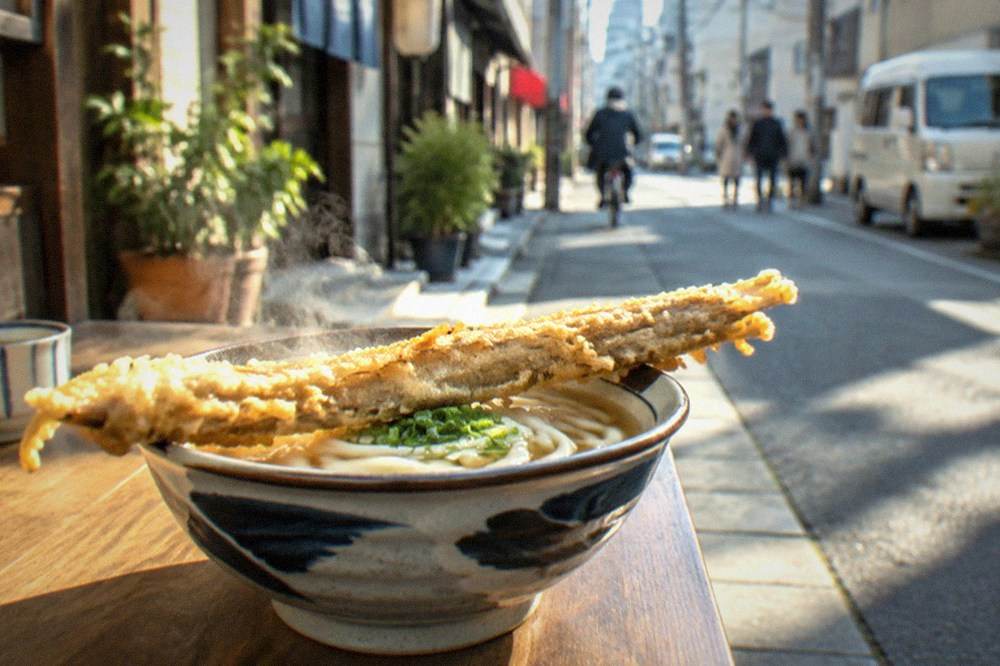
Gobo ten is the one topping that exists because of Hakata udon rather than alongside it. Burdock root, gobo, is a common Japanese vegetable, but tempura-frying a whole length of it, so it shatters like a savoury cracker and sheds fibres into the broth, is a local move. The tempura goes on the noodles at the counter, not on the side, so it softens at the ends while the middle stays crisp. Ordering it as a set with a small bowl of rice topped with the same tempura flakes, ten-don style, is a common local lunch.
Beyond gobo ten, the menu at a Hakata shop is short and each item is worth knowing:
| Dish | What it is | When to order it |
|---|---|---|
| Gobo ten udon | Soft noodles, clear tsuyu, crisp burdock tempura | The first bowl; the signature |
| Nikomi udon | Noodles and toppings simmered together in broth | Cold or rainy days, late evenings |
| Wakame udon | Noodles with a generous tangle of seaweed | A lighter, cleaner-tasting bowl |
| Tama udon | Raw egg cracked over hot noodles and stirred | When you want the broth richer |
| Kashiwa udon | Shredded chicken topping | A softer, homestyle classic |
| Curry udon | Curry-flavoured soup over noodles | When you want something heavier |
Two habits mark a local order. First, kaedama, the extra-noodle refill famous from Hakata ramen, exists in some udon shops too, though it is far less universal; ask rather than assume. Second, many Hakata udon shops serve a small plate of takana, pickled mustard greens, or kelp on the counter to eat between mouthfuls, which resets the palate for the dashi. Neither costs much, and neither appears on every menu, so treat them as a pleasant surprise rather than a guarantee.
The morning bowl deserves special mention. A subset of Hakata udon shops open early, and a hot udon breakfast is a genuine Fukuoka tradition, cheaper and faster than a hotel buffet. The Fukuoka breakfast guide covers the wider morning scene, including where to go before the crowds.
Where to Eat Hakata Udon in Fukuoka
The best hunting grounds are the lanes around Hakata Station and the Gion and Rekisen-dori districts of old Hakata, where specialist udon shops cluster near temples and the shopping arcades, plus a handful of long-standing shops in Tenjin. Late-night udon counters near the station serve the after-drink crowd, and morning shops open before most cafés. Choose by neighbourhood and time of day rather than by chasing one famous name.
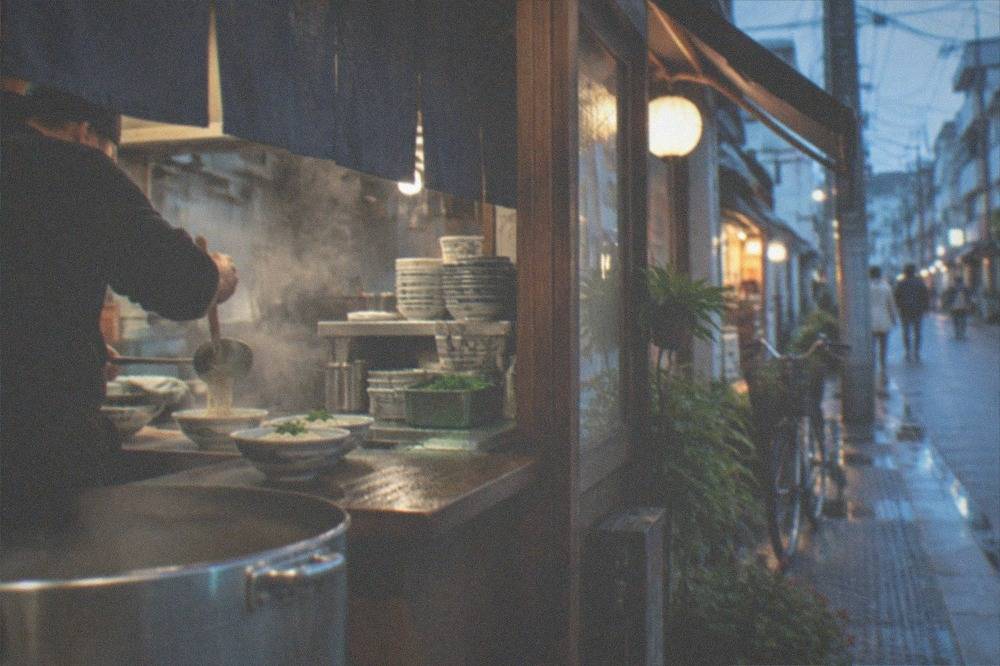
Fukuoka's udon geography follows its history. The old merchant quarter around Kushida Shrine and the temples of Hakata, Jotenji and Shofukuji among them, is where the style developed, and several shops there have been serving the same menu for generations. The shopping arcades, Kawabata and the streets feeding into it, keep the tradition cheap and quick. Around Hakata Station, udon shops serve commuters and travellers, and the late-night counters near the station are a Fukuoka institution for a reason: a soft, hot bowl is the city's preferred way to end an evening. Everything else covered here is indexed on Fukuoka Japan Travel Guide.
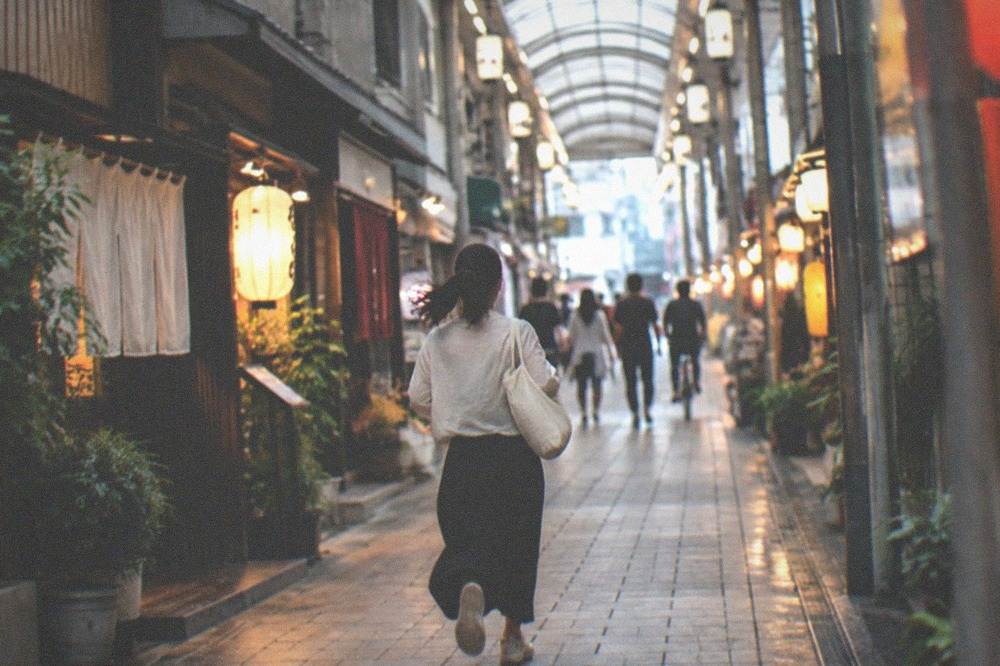
| Area | Character | Best time |
|---|---|---|
| Old Hakata, Gion and Rekisen-dori | Traditional shops near temples and shrines | Morning and lunch |
| Around Hakata Station | Fast counters, late-night bowls | Late evening, before a train |
| Kawabata arcade lanes | Cheap, quick, local | Lunch |
| Tenjin | A few long-standing specialists | Lunch, early dinner |
| Nakasu fringes | Post-drink udon counters | After 22:00 |
A practical note on ordering: many traditional shops use ticket machines or handwritten wall menus in Japanese only. The words you need are short. "Gobo ten udon" gets you the signature bowl. Pointing works everywhere. Cash is still king at older counters, so keep coins handy, though card acceptance has spread in recent years.
One way to anchor a morning in the old town before lunching on udon is a guided walk that ends near the arcade lanes, and the sumo practice tour is a good fit because it covers Hakata's old quarter in the morning hours when the udon shops are at their best:
The doll-painting workshop below makes an easy afternoon pairing with a morning of noodles and temples, and the operator's live listing shows the current start times and availability.
Hakata Udon and the Yatai Connection
Hakata udon and the yatai food-stall culture share a city and a philosophy: fast, honest, broth-based food served at a counter. About 100 licensed yatai operate in Fukuoka, more than any other Japanese city, concentrated in Nakasu, Tenjin and Nagahama, and a city ordinance requires every stall to post its prices visibly, banning vague "market price" labels. Udon shops and stalls complement rather than compete: the stalls are an evening institution, the udon counters a morning and midnight one.
The yatai are Fukuoka's most photographed food tradition, riverside counters glowing along the Naka River in Nakasu, and the city regulates them closely. Fukuoka City's own yatai Q&A page states the count plainly, about 100 stalls, and explains the rule that matters to a visitor: prices must be displayed where customers can easily see them, and anything priced on the day's market must show that day's actual figure, not a vague "market price" tag. City inspectors check periodically. That is the honest answer to the question every visitor quietly has about stall pricing, and it is a better answer than most guides give.
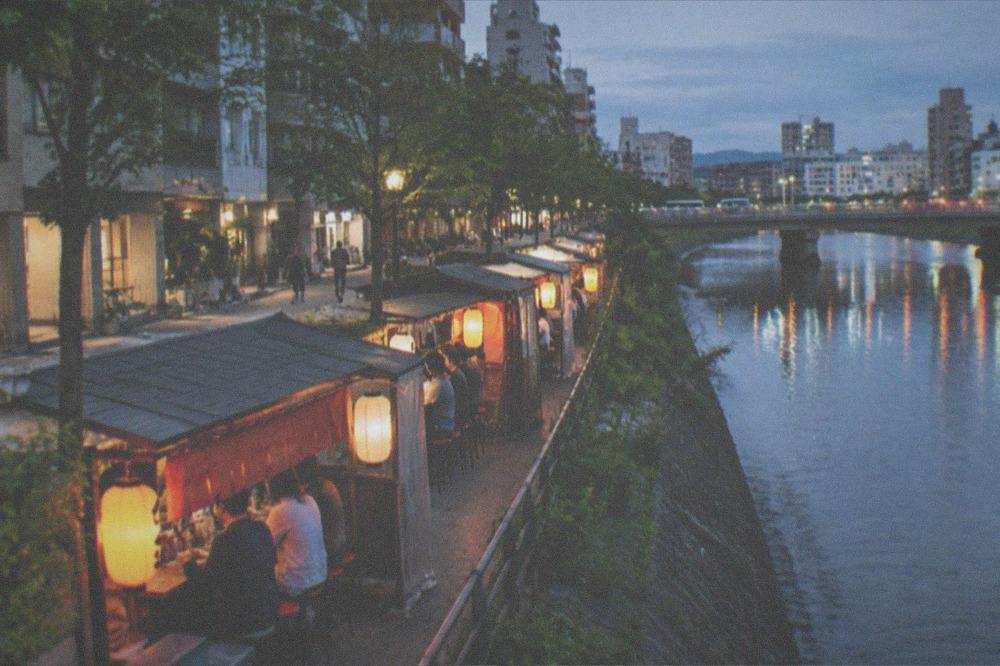
What connects the stalls to the udon shops is not the food, most yatai serve ramen, yakitori and oden rather than udon, but the format. Counter seating, one cook, one broth, no ceremony. Fukuoka's food culture runs on the idea that a single person can eat well alone at a counter, and Hakata udon's soft, quick bowl fits that idea as neatly as a stall's tonkotsu ramen does. If you want the stall experience, the Fukuoka yatai guide covers etiquette and areas in detail, and the yatai etiquette page covers the rules of the counter.
For a sense of how the two worlds sit in one small district, a guided evening tour of the stalls and izakaya around Nakasu shows you the counter culture from the inside:
Building a Udon Crawl Into a Day in Fukuoka
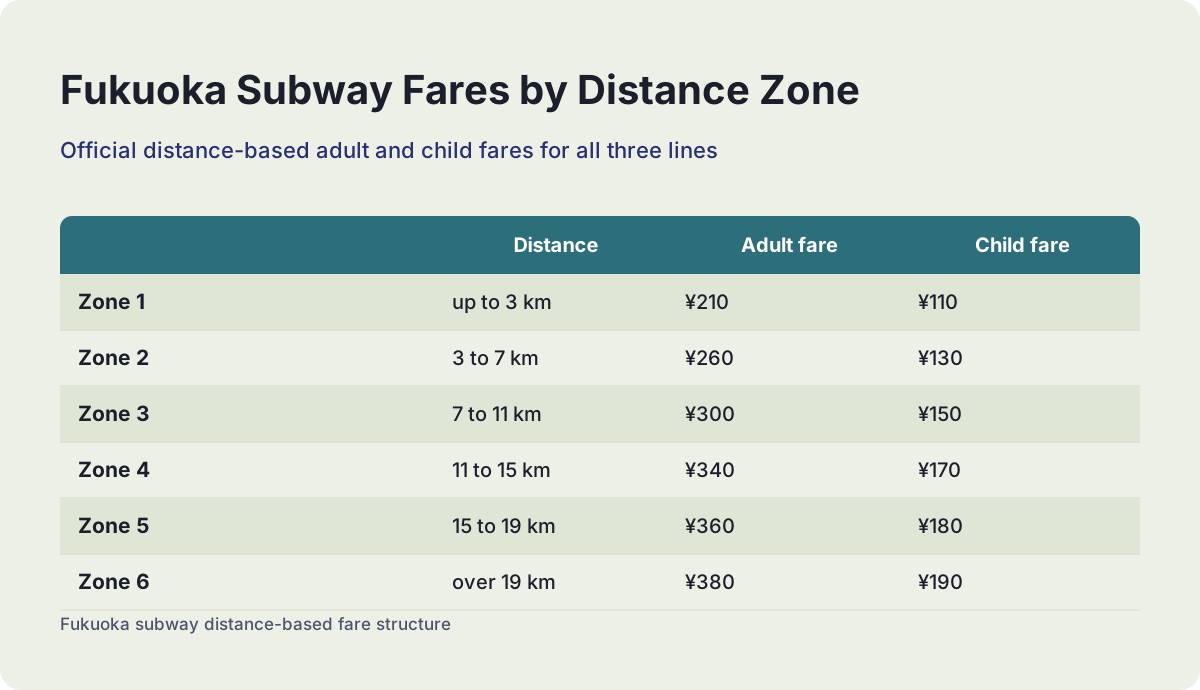
A realistic udon day starts with a morning bowl in old Hakata before the temples open, continues through the arcades at lunch, and ends with a late-night counter near Hakata Station. The subway makes it cheap: single fares run from ¥210 for up to 3 km to ¥380 for over 19 km, and the airport-to-Hakata leg costs ¥260. A one-day subway pass costs ¥640 for adults and covers all three lines, which pays off after roughly three rides.
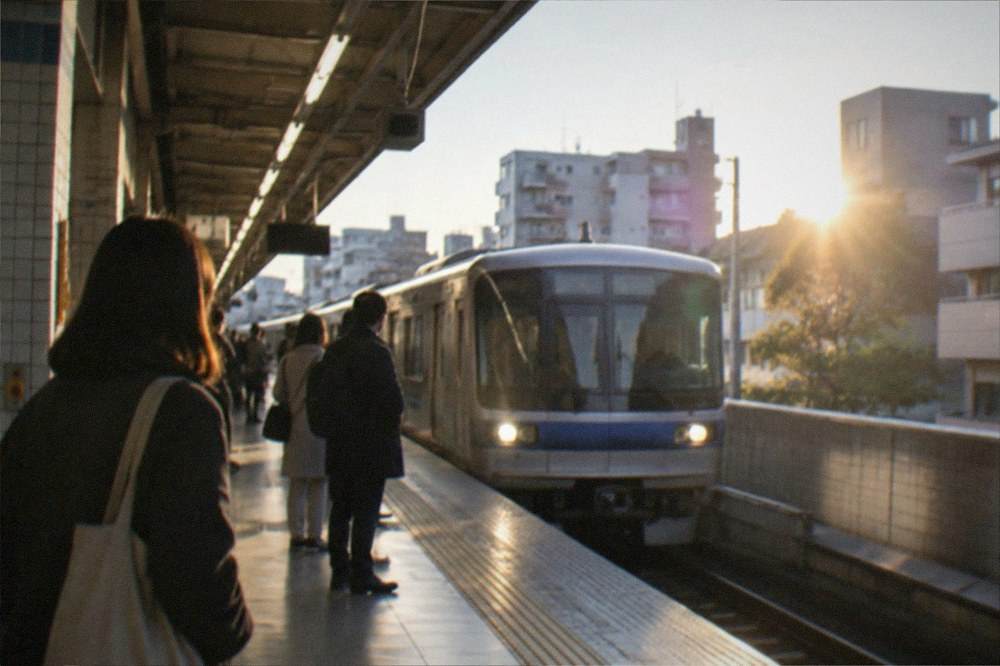
The geography makes this easy. Fukuoka is unusually compact for a city of 1.66 million, and the airport sits remarkably close to the centre, on the subway's Kuko line, so a food day barely needs planning around transport. The station is Hakata, not Fukuoka: there is no JR Fukuoka Station, a point worth remembering because plenty of visitors search for one. The fare table below is the official distance-based structure.
| Subway zone | Distance | Adult fare | Child fare |
|---|---|---|---|
| 1 | up to 3 km | ¥210 | ¥110 |
| 2 | 3 to 7 km | ¥260 | ¥130 |
| 3 | 7 to 11 km | ¥300 | ¥150 |
| 4 | 11 to 15 km | ¥340 | ¥170 |
| 5 | 15 to 19 km | ¥360 | ¥180 |
| 6 | over 19 km | ¥380 | ¥190 |
A sample day, using the city's own layout. Morning: a bowl in the Gion district, then a walk past Kushida Shrine and the temples of old Hakata. Midday: the arcades, where a second, different bowl, nikomi if the weather has turned, makes sense. Afternoon: a hands-on break, a cooking class from the Fukuoka cooking class guide is the natural companion to a noodle trip, since you go home able to make the tsuyu. Evening: yatai stalls in Nakasu, then a final soft bowl at a station counter before the last train. For a fuller framework, the 2-day Fukuoka itinerary slots food stops into a workable route, and the rainy day itinerary is built for exactly the weather that makes nikomi udon the correct order.
When to Eat Hakata Udon: Seasons and Timing
Hakata udon is eaten year-round, but the seasons change the correct order. Cold, wet months call for nikomi udon and the hot morning bowls; summer shifts toward lighter toppings like wakame. July is Fukuoka's wettest month, 299.1 mm against June's 249.6 mm, despite June being the tsuyu rainy season, so rain plans matter more than most visitors expect. Typhoon season runs roughly July through October and is a real planning factor.
The climate data is the part most guides skip, and Fukuoka's is genuinely counterintuitive. The Japan Meteorological Agency's 1991 to 2020 normals for the Fukuoka station show July, not June, as the wettest month, even though June carries the tsuyu reputation. July is also Yamakasa month, when the city stages its great float festival from July 1 to 15, and the streets around Kushida Shrine fill with spectators and participants long before dawn. A hot udon bowl at 5 a.m. during festival week is not a novelty in Fukuoka; it is routine.
| Season | Weather character | Best udon order |
|---|---|---|
| Spring, March to May | Mild, cherry blossoms late March into early April | Classic gobo ten udon outdoors-adjacent shops |
| June | Tsuyu rains, humid | Nikomi udon, indoor arcade shops |
| July to August | Hot, July the wettest month, Yamakasa in July | Wakame udon, morning bowls before the heat |
| September to November | Cooler, typhoon season tapers | Tama udon, kashiwa udon |
| December to February | Cold, mean lows near 4 °C in January | Nikomi udon, late-night counters |
Timing within the day matters as much as the season. Morning shops serve the breakfast crowd and often close by early afternoon. Lunch shops in the arcades queue between noon and 13:00. The late-night counters near Hakata Station come alive after the last izakaya empties, and they are the most local experience of the three. If your day is anchored around a morning activity, the bike tour below covers the riverside and station districts in about three and a half hours, which leaves the afternoon free for a second bowl:
Bringing the Taste Home
To recreate Hakata udon outside Fukuoka, focus on the broth and the topping rather than hunting for special noodles: a light tsuyu built on kombu and katsuobushi, softened wheat noodles boiled a little longer than the packet suggests, and a strip of burdock root tempura-fried whole. A cooking class in Fukuoka shortens the learning curve, and dried udon and tsuyu concentrates from local shops travel well in luggage. The dish's simplicity is why it survives translation.
The honest secret of Hakata udon is that it is a home-cook's dish. The ingredients are ordinary: wheat noodles, kombu, katsuobushi, usukuchi soy, burdock root, and a thin tempura batter. The technique is patience: a clear broth needs a gentle steep, and burdock needs a low, slow fry to crisp without burning. Shops guard their dashi ratios, but the shape of the dish is public knowledge, which is why a class or a good demonstration beats a recipe card.
For travellers who want to eat the real thing first and cook it later, the pairing is straightforward: spend a morning on the food, an afternoon on the craft, and leave with both. Fukuoka's craft workshops, from calligraphy to doll painting, sit in the same walkable old-town blocks as the udon shops, so nothing in the plan needs a long transit hop. If you are staying near the station, the Hakata station area guide maps the immediate options, and the question of Hakata or Tenjin as a base is worth settling before you book, since the udon geography leans Hakata.
Common Questions About Hakata Udon
What Is Hakata Udon?
Hakata udon is Fukuoka's regional udon style: soft, tender noodles served in a clear, dashi-rich tsuyu, classically topped with gobo ten, a crisp tempura-fried strip of burdock root. It differs from Kagawa's firm Sanuki udon in every element, from the boil to the broth to the topping.
Why are Hakata udon noodles soft instead of firm?
Softness is the style, not a flaw. Hakata shops cut the noodles slightly thick and boil them well past the point a Sanuki master would stop, then pour hot broth over them so they continue to soften as you eat. The final third of the bowl, fully steeped, is considered the best part.
What is gobo ten?
Gobo ten is a tempura topping made from a whole length of burdock root, a common Japanese vegetable, fried in a thin batter until crisp. It is placed across the noodles at the counter so the ends soften in the broth while the middle stays crunchy. It is the signature topping of Hakata udon.
Where can I eat Hakata udon late at night?
Counters around Hakata Station serve the after-drink crowd late into the night, and the Nakasu fringes have udon-serving spots within walking distance of the stall rows. The late-night counters are the most local udon experience in the city.
Is Hakata udon the same as Hakata ramen?
No. Both are Fukuoka specialties, but Hakata ramen is the thin, firm noodle in a rich pork-bone tonkotsu broth, while Hakata udon is the soft wheat noodle in a light fish-and-kombu dashi. The two dishes share the city's counter culture, not the bowl.
Can I take a cooking class to learn Hakata udon?
Yes. Cooking classes in Fukuoka cover dashi-making and noodle dishes, and they sit in the same walkable districts as the udon shops, so a morning of eating and an afternoon of cooking fit in one day. The [Fukuoka cooking class guide](/guides/fukuoka-cooking-class/) lists the options.