Goma Saba
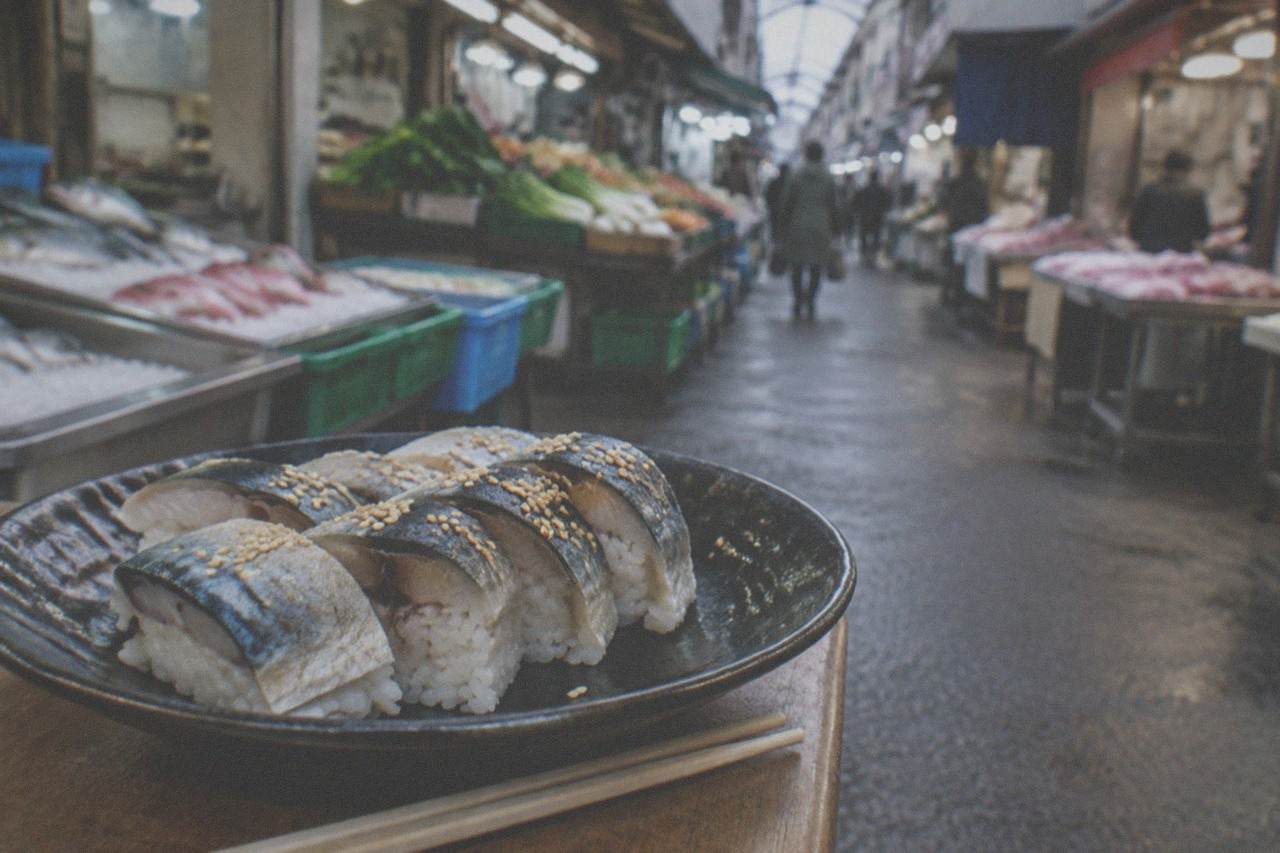
Goma saba is one of the quiet signatures of a Hakata fish counter: mackerel cured in vinegar, pressed with rice, and crusted with toasted sesame seeds so the nutty roast of the seed meets the oil of the fish. This guide covers what it is, where to eat it, and how to fold it into a day of eating in Fukuoka.
Short answer
Goma saba is sesame mackerel sushi, a Hakata specialty in which vinegar cured mackerel is pressed onto rice and its cut face is coated with toasted sesame seeds. You find it at sushi counters, Yanagibashi market and department store food floors. Eat it fresh the day it is made, by the piece or in a packed box.
Fukuoka eats more from the sea than most visitors expect, and a lot of it never touches a hot pan. Goma saba is the clearest example: a piece of mackerel, cured in vinegar until it turns silky, pressed onto rice, and finished with a crust of toasted sesame seeds that gives the dish its name. Goma is sesame in Japanese; saba is mackerel. The two words do most of the explaining.
What the words do not explain is why this particular combination belongs to Hakata. The city sits on Hakata Bay on the Genkai Sea, has one of Japan's great fish markets within walking distance of the station, and built much of its food culture around preservation, from mentaiko to pressed sushi. Goma saba belongs to that tradition: food designed to taste of the sea hours after the boat came in.
What Is Goma Saba?
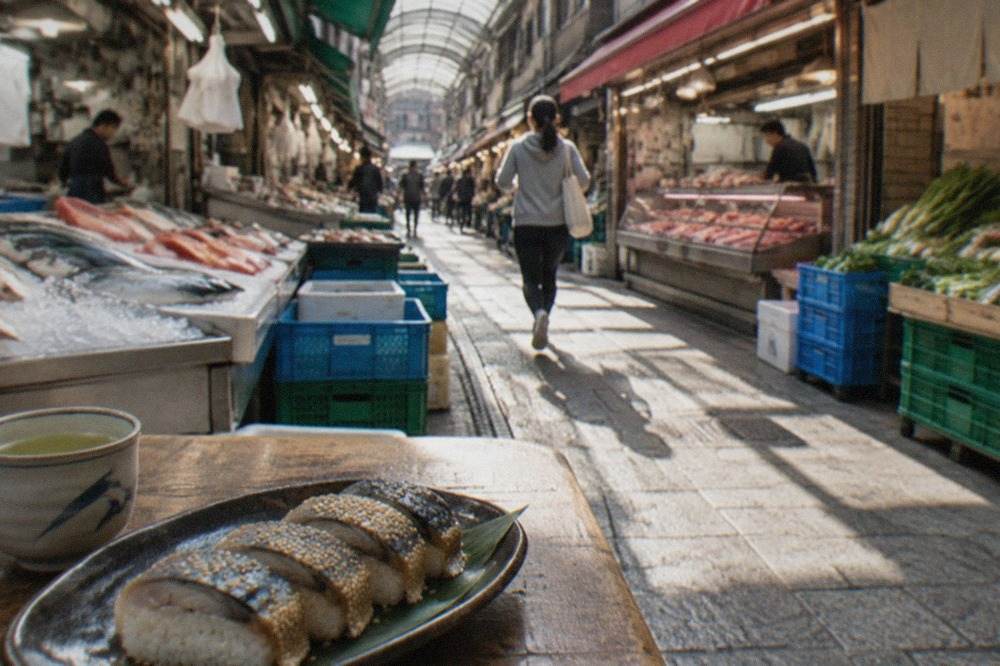
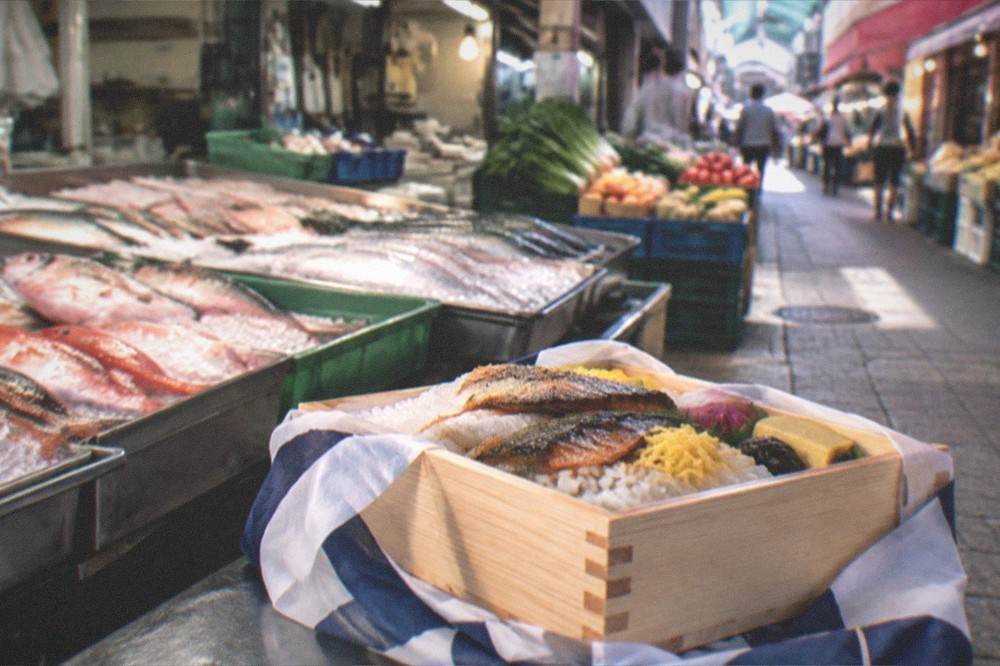
Goma saba is mackerel sushi dressed with toasted sesame seeds: vinegar cured mackerel pressed onto rice, the cut side crusted with sesame so the nutty roast of the seed meets the rich oil of the fish. It is a Hakata counter and takeaway specialty, sold by the piece or packed into boxes, and it belongs to the preserved fish branch of the city's cooking.
The build is simple, which is exactly why the details matter. The mackerel is salted and then vinegared, a cure that firms the flesh and softens the oiliness that makes raw mackerel divisive. Toasted sesame seeds are pressed onto the cut face, sometimes across the whole fillet, sometimes only along the block. The seeds do two jobs at once: they add a warm, almost caramel note of roast, and they stop the vinegar cure from reading as sharp. A well made piece tastes balanced rather than pickled.
It belongs to a family of dishes rather than standing alone. Pressed mackerel sushi of various kinds is eaten across western Japan and along the Japan Sea coast, and Kyushu has its own long habit of curing fish in vinegar and salt. What marks the Hakata style is the sesame crust and the setting: goma saba turns up at proper sushi counters, at market stalls selling takeaway, and on depachika floors, the basement food halls of department stores, where it is sold as shōkadō boxes and bento pieces alongside mentaiko and grilled fish. It is everyday food, priced like everyday food, eaten on the spot or within the day.
Because it is cured rather than seared or simmered, it is also one of the more travel tolerant fish dishes in the city, though "tolerant" is relative and a same day rule is the honest one. It pairs naturally with rice, with a clear soup, and with sake or barley shochu, both of which are made seriously in this prefecture.
To place goma saba among the dishes most visitors come looking for:
| Dish | What it is | Where you typically find it | Good to know |
|---|---|---|---|
| Goma saba | Vinegar cured mackerel pressed on rice with toasted sesame | Sushi counters, market stalls, depachika floors | Best eaten the day it is made |
| Mentaiko | Pollock roe seasoned with chilli and dashi | Depachika, souvenir floors, breakfast tables | Travels well and is a standard gift |
| Motsunabe | Offal hotpot with cabbage and garlic | Nakasu and dedicated restaurants | A shared cold weather table dish |
| Hakata ramen | Tonkotsu pork broth noodles | Ramen shops and yatai stalls | Thin noodles, with kaedama refills |
| Saba zushi styles | Pressed vinegared mackerel on rice in various regional forms | Markets and station shops across Kyushu | Goma saba is the sesame crusted Hakata take |
That table is the fastest way to stop confusing goma saba with its cousins. If the fish is mackerel and the crust is sesame, you are holding the Hakata version. If the roe is what you are eating, that is mentaiko, a different animal entirely, and one with its own gift culture attached.
Where to Eat Goma Saba in Fukuoka
The dependable places are Yanagibashi market's stalls, the depachika food floors of the department stores around Hakata Station and Tenjin, the counters of Kawabata's arcade, and sushi restaurants that cure their own mackerel. Airport souvenir shops carry sealed packs. Availability varies daily with the market, so treat any single address as a starting point rather than a guarantee.
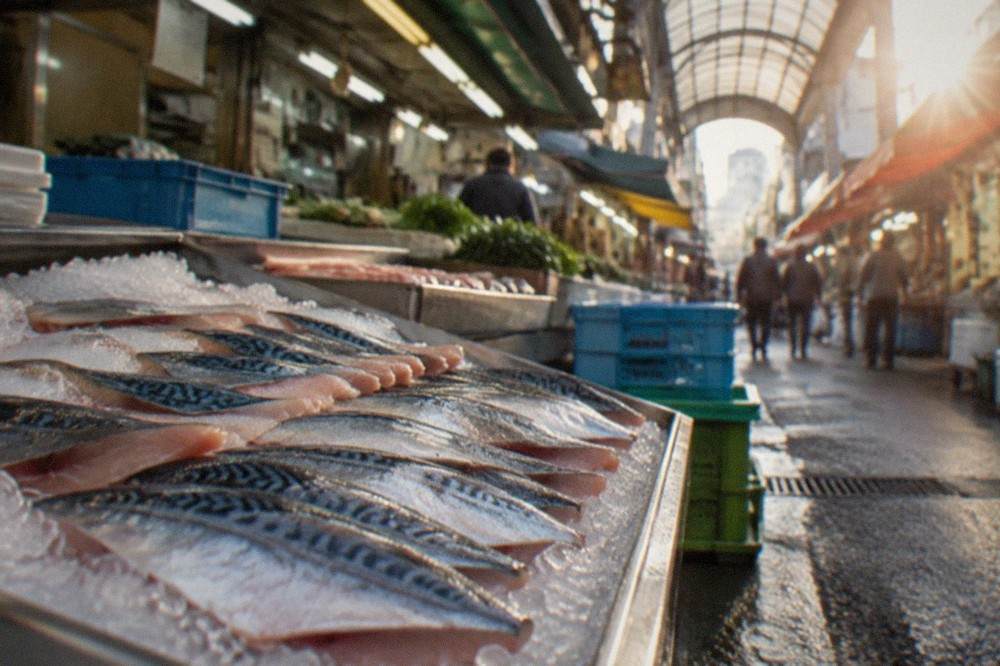
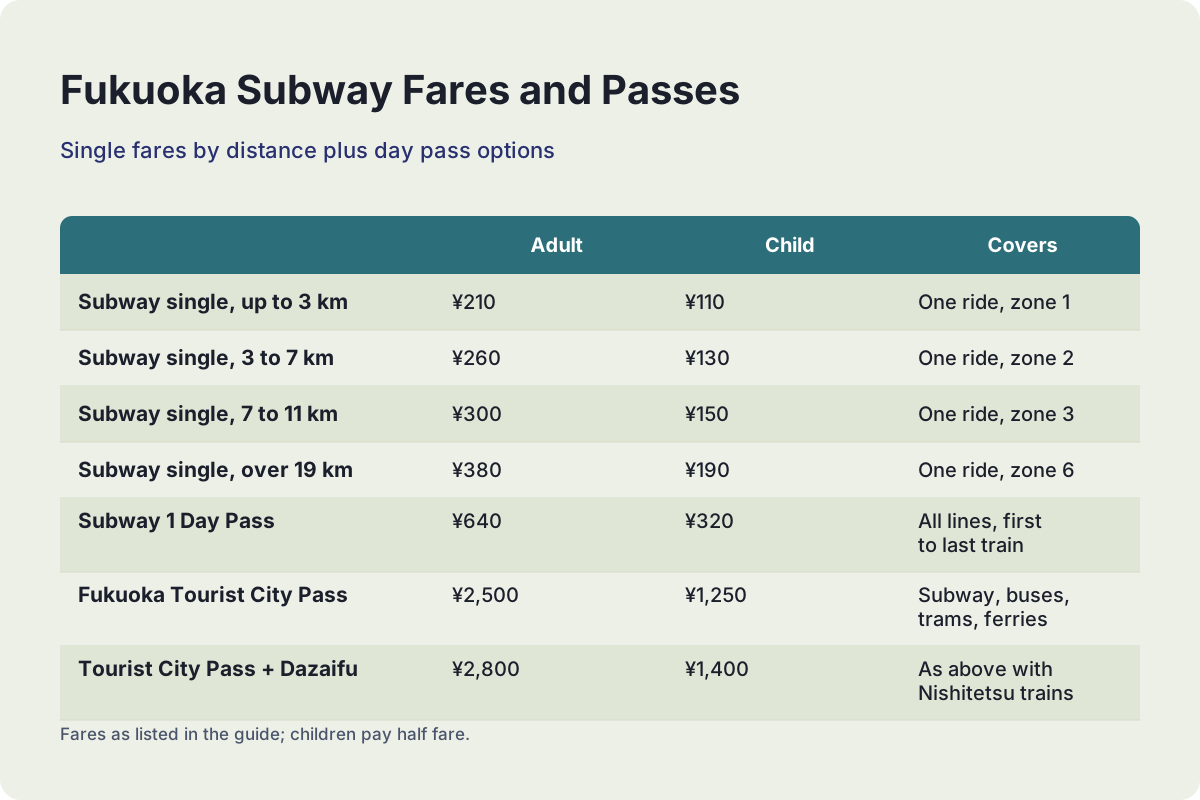
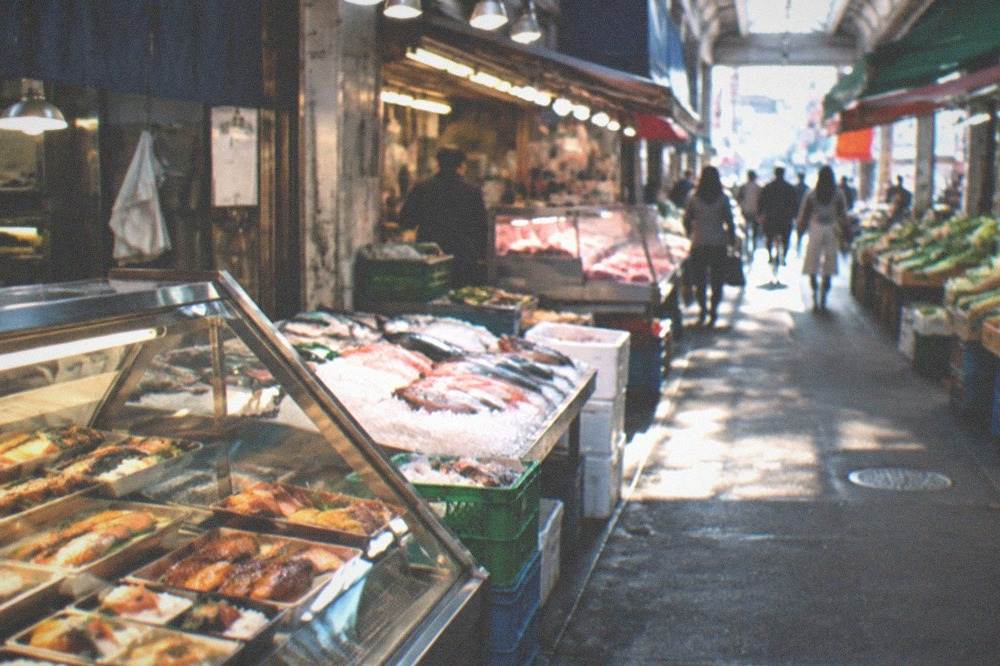
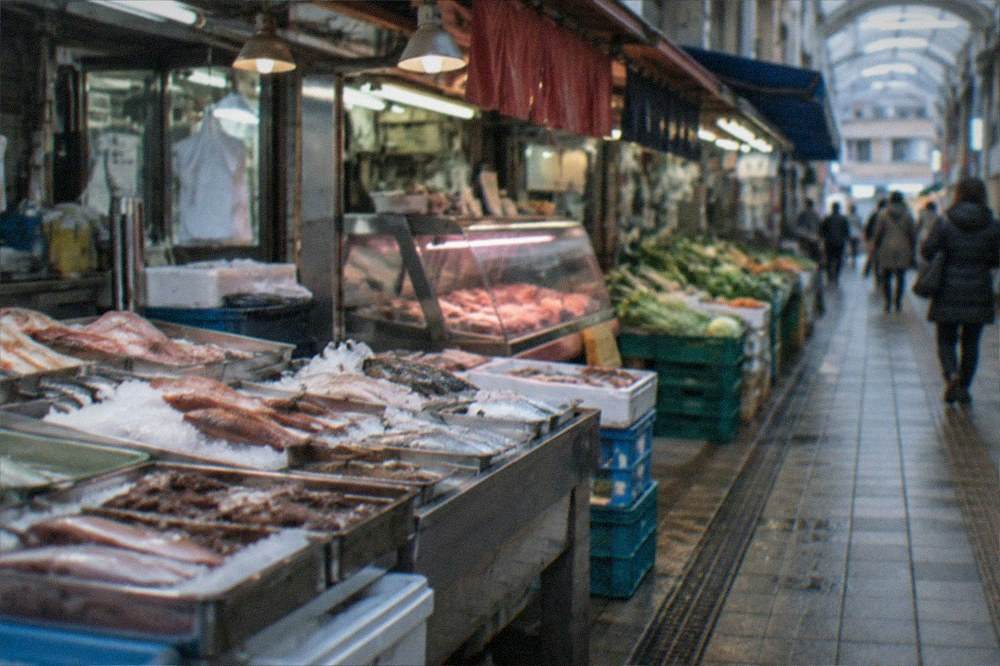
Yanagibashi market, close to Hakata Station, is the closest thing the city has to a working fish market you can eat your way through. Stall keepers sell prepared fish ready to eat, and cured mackerel in the Hakata style is a regular presence among the sashimi trays and side dishes. Come in the morning for the fullest choice, because the best of a market is sold by lunchtime and the stalls are working businesses, not attractions. The market is a short walk from Hakata Station, so it slots neatly into an arrival day; Hakata Station has its own guide worth reading before you plan one.
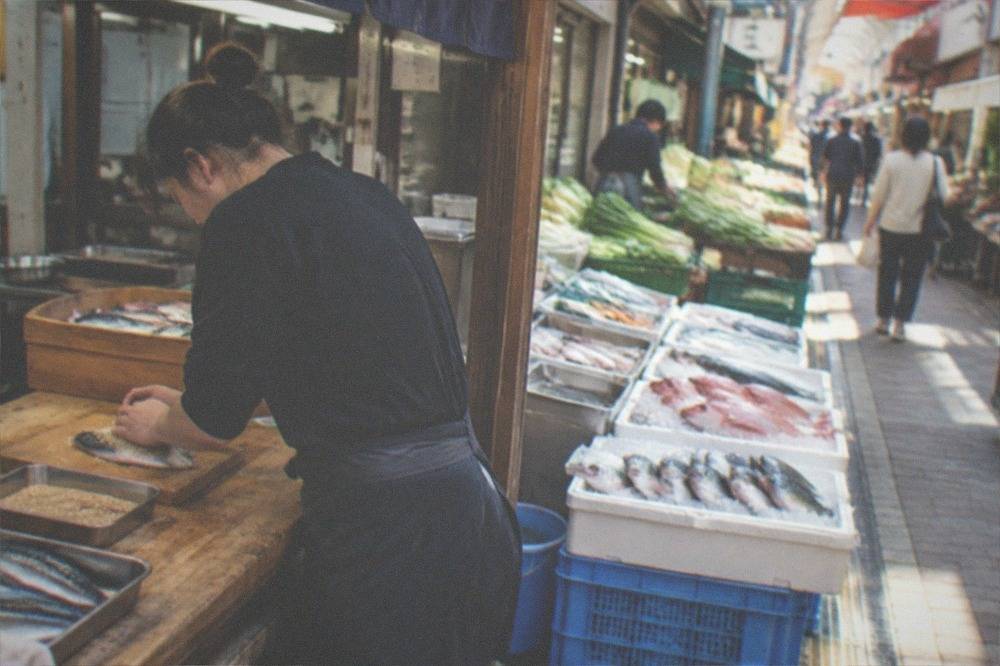
The depachika route suits a wet afternoon or a tight schedule. The basement food halls of the big department stores in Hakata and Tenjin assemble prepared fish from well regarded suppliers, and sesame mackerel appears among the boxed lunches and takeaway trays. The advantage is reliability: opening hours are long, posted prices are the norm, and you can assemble a full meal from several counters in one place. The disadvantage is that you are eating from a box rather than across a wooden counter, and the sesame crust softens as the hours pass.
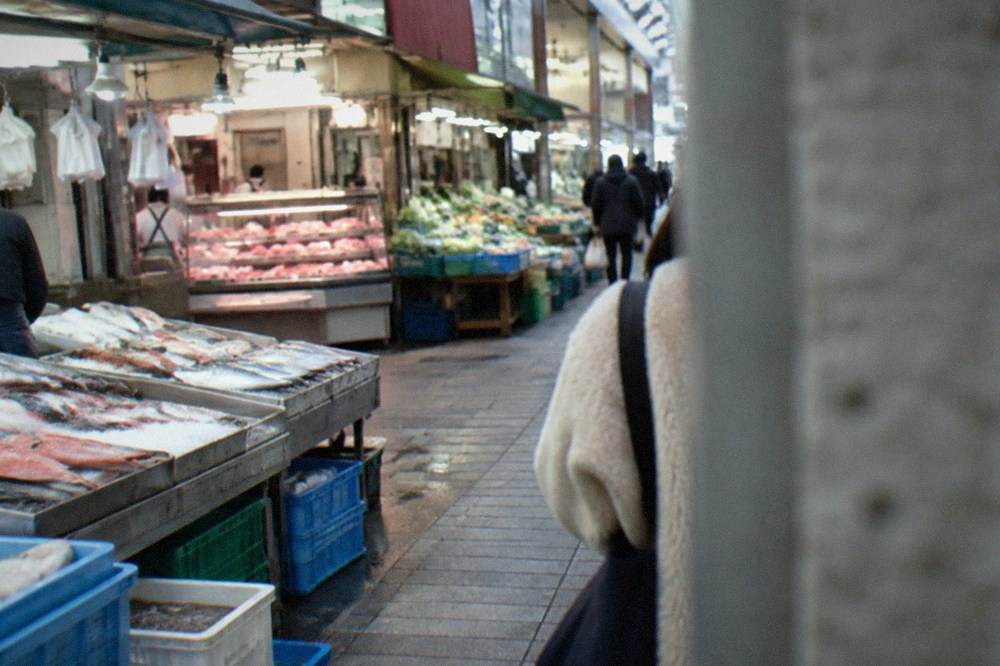
Sushi restaurants are the third route and the most rewarding one, because a shop that cures its own mackerel will cut it to order and press it while you watch. Kawabata shopping arcade, running from the river toward Kushida Shrine, mixes old konbini style shops with small counters and makes a natural corridor between the market and the shrine. A deeper walk through the same streets, with a local guide who knows which counters are worth the stop, is the kind of thing a private tour does well; the two hour private walking option covers exactly this kind of eating ground, and a guide's main value on a food day is knowing what is genuinely good that week rather than what a guidebook liked years ago.
That is the honest hierarchy of venues: a market stall for freshness, a depachika floor for certainty, a sushi counter for craft. Airport shops sell sealed, longer lasting packs of cured mackerel products if you want the flavour to survive the flight home, but the fresh article is a same day affair and always has been.
For depth on the wider table, our Fukuoka food guide covers the full specialty list, and the Hakata ramen guide handles the city's other claim to fame if noodles are what brought you here.
How to Order Goma Saba Without Guesswork
At a market stall or depachika counter you point, buy by the piece or the pack, and eat soon after; at a sushi restaurant you order it by the piece like any other nigiri. Posted prices are the norm in Fukuoka: the city's own yatai rules require visible pricing, and the same expectation of transparency runs through its food counters generally.
The mechanics differ by setting. At a takeaway counter, prices are usually on small cards in front of each tray, and staff will pack one piece or a box without fuss. Pointing works; so does the phrase "hitotsu kudasai", one please. If you want it made into a set with rice and soup, most counters will do it or point you to the nearest bench. At a proper sushi counter, order goma saba as you would any item, in ones and twos as you go, and let the chef decide the order of the meal if you hand the choice over. That last habit, omakase in miniature, is the fastest route to the best fish in the shop.
Two practical notes make the difference between a good buy and a disappointing one. First, cured mackerel keeps its shape but not its crust: sesame pressed on hours ago loses the toast. A piece cut and coated in front of you is a different dish from one sitting under plastic. Second, Fukuoka's food culture is unusually firm about visible pricing, and this is worth knowing for the whole trip. The city's yatai ordinance, published on the city's own yatai Q&A page, requires stall keepers to display prices where customers can easily see them, and bans the vague "market price" tag entirely: a variable dish must show that day's actual figure. About 100 stalls operate across the city under those rules. The same expectation of a visible price card runs through the market stalls and depachika counters where you will meet goma saba, so a stall with no prices posted is a stall worth walking past.
If you would rather have the ordering handled for an evening, guided food walks exist for exactly this. The private Nakasu food stall tour runs tastings across the stall culture with a guide who does the talking, and it suits a first night in the city when jet lag makes improvisation unappealing.
Between a market lunch and an evening of stalls sits the rest of Hakata's old town, and it is worth doing on foot rather than by subway hop. The old town's temples and arcades sit within a short walk of the river, and the same walk passes Kawabata's counters, so one route can carry both sightseeing and the day's best piece of fish.
Goma Saba Versus the Rest of the Fish Counter
Goma saba sits in the preserved fish branch of Fukuoka cooking, beside mentaiko and the pressed saba sushi styles found across Kyushu. Where mentaiko is pollock roe seasoned for eating with rice, goma saba is the fish itself, cured and coated. Knowing which branch of the counter you are looking at makes market shopping far easier and stops the common mix ups.
The confusion usually starts with the word saba, because it names the fish rather than the preparation, and several preparations use it. Pressed mackerel sushi in other regions may come wrapped in bamboo leaf, layered in a wooden box, or rolled with shiso; the Hakata take is recognisable by the sesame. Mentaiko is a different animal in every sense: roe rather than flesh, seasoned rather than cured, sold in pouches rather than over counters, and famous enough to be the city's standard souvenir. A traveller who buys mentaiko expecting mackerel, or vice versa, has usually been let down by a menu translation rather than by the shop.
The distinction matters for gift shopping as much as for lunch. Cured mackerel products in sealed packs travel; fresh goma saba does not, beyond the day. If the mission is a gift for someone back home, the souvenir floors of Hakata Station and the department stores are the right destination, and the airport shops carry the same sealed ranges. If the mission is the best possible piece eaten at the best possible moment, the counter route from the previous section is the only one that delivers it.
It also matters for ordering alongside the city's other food, because a day of eating in Fukuoka is rarely one cuisine at a time. A lunch of cured mackerel and rice leaves room for a bowl of tonkotsu later, and the two sit comfortably in the same day in a way that two heavy hotpot meals would not. The rest of the table, from mentaiko breakfasts to late night ramen, is covered in the dedicated yatai eating guide for the stall side of the city, and a slower crawl across several kitchens in one evening is its own pleasure worth planning.
When Mackerel Tastes Best and What the Weather Does to Your Plans
Mackerel is a rich fish that runs fattest through the cool months, and Fukuoka's weather shapes the eating calendar more than most visitors expect. July is the city's wettest month at 299.1 mm against June's 249.6 mm, despite June being the rainy season, so a food day built around indoor counters and depachika floors is the smarter summer plan.
That rainfall figure surprises people, and it is the genuine article: the Japan Meteorological Agency's published normals for Fukuoka put July at 299.1 mm and June at 249.6 mm, which reverses the assumption most visitors bring from Honshu that the rainy season is the wettest stretch of the year. July is also Yamakasa month, when the city's biggest festival fills the streets, so the rain and the crowds arrive together. For a food focused trip, the shoulder seasons work beautifully: spring for the full market range, autumn for the return of the fattier fish and comfortable walking weather. Typhoon season runs roughly July through October, and a typhoon day closes stalls and thins market counters alike, so the indoor depachika route is worth knowing as a backup, not just a convenience.
| Month | Mean °C | Daily max °C | Rain, mm | Sunshine, hours |
|---|---|---|---|---|
| March | 10.8 | 15.0 | 103.7 | 161.2 |
| June | 23.3 | 27.2 | 249.6 | 145.2 |
| July | 27.4 | 31.2 | 299.1 | 172.2 |
| August | 28.4 | 32.5 | 210.0 | 200.9 |
| October | 19.6 | 23.7 | 94.5 | 175.9 |
| November | 14.2 | 18.2 | 91.4 | 137.3 |
The figures are the JMA's 1991 to 2020 normals for the Fukuoka station, and they carry a useful second message: August is hotter than July, drier than either June or July, and second only to May in sunshine. A late summer visit is not the damp prospect people imagine, provided the stalls you want are open and no typhoon is in the feed. The stall side of the evening culture, from yatai to izakaya lanes, is covered in the Fukuoka nightlife guide, and the broader best time to visit planning notes handle the seasons in full.
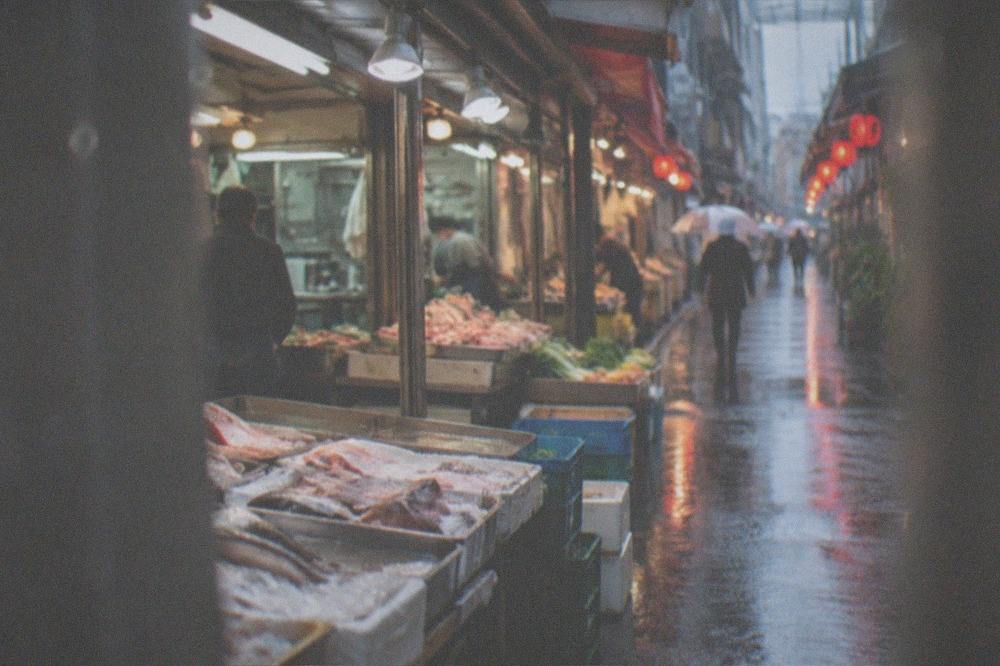
Evening, rain or not, is when Fukuoka's eating culture is at its most social, and there is a guided version if you would rather not navigate the choices alone. The evening tours that combine yatai stalls, izakaya food and karaoke run around three to four hours and are built for exactly the hours after the market counters have closed.
Planning a Goma Saba Day Around Hakata and Tenjin
Hakata and Tenjin sit two subway stops apart at ¥260 each way, so a goma saba day is best built as a walk: start at Yanagibashi or a station food floor, move through Kawabata toward the river, and finish in Tenjin. The ¥640 subway day pass pays off from the third ride of the day and saves queuing at fare machines.
The geometry of the city helps. Hakata Station, the Kushida Shrine area, the river and Kawabata arcade, and Tenjin's department stores form a chain that is walkable end to end with market stops, and the subway fills the gaps. Single fares on the Fukuoka City Subway run by distance, from ¥210 for up to 3 km to ¥380 past 19 km, with children at half fare. The day pass is ¥640 for adults and covers all three lines from first to last train. Overseas visitors on a short stay can also buy the Fukuoka Tourist City Pass, at ¥2,500 for the city version or ¥2,800 with Dazaifu included, which adds Nishitetsu trains and buses; it is checked against your passport at the counter, which is a detail most competing guides still get wrong.
| Ticket | Adult | Child | What it covers |
|---|---|---|---|
| Subway single, up to 3 km | ¥210 | ¥110 | One ride, zone 1 |
| Subway single, 3 to 7 km | ¥260 | ¥130 | One ride, zone 2, the airport to Hakata leg |
| Subway single, 7 to 11 km | ¥300 | ¥150 | One ride, zone 3 |
| Subway single, over 19 km | ¥380 | ¥190 | One ride, zone 6 |
| Subway 1 Day Pass | ¥640 | ¥320 | All lines, first to last train, on the day of purchase |
| Fukuoka Tourist City Pass | ¥2,500 | ¥1,250 | Subway, buses, trams and ferries, one day, passport required |
| Tourist City Pass + Dazaifu | ¥2,800 | ¥1,400 | As above with Nishitetsu trains toward Dazaifu |
From the airport, the subway reaches Hakata for ¥260, one of the cheapest centre of city transfers in Japan, and the station is the natural first stop of a food day that begins on a depachika floor. If you are flying in, the airport to city guide covers the options in full, and getting around Fukuoka handles the wider network once you are settled.
A food day can carry a sight or two without strain, and the paid sights cluster within the same walking chain. The prices below are the officially posted ones, useful for splitting the day's budget between eating and seeing:
| Sight | Adult | Concession | Note |
|---|---|---|---|
| Fukuoka Tower | ¥1,000 | ¥500 school age, ¥200 from age 4 | Observation decks at 123 m, 120 m and 116 m |
| Ohori Park Japanese Garden | ¥250 | ¥120 child, free 65 and over | Closed Mondays and around New Year |
| Fukuoka Art Museum, collection | ¥200 | ¥150 high school and university | Free for junior high and under |
| Fukuoka Asian Art Museum, Asia Gallery | ¥200 | ¥150 high school and university | Building entry itself is free |
| Uminonakamichi Seaside Park | ¥450 | ¥210 for 65 and over | Gate payment is cash only |
That cash only note at Uminonakamichi's gate is the kind of detail that saves a wasted trip, and it applies even as the rest of the city takes cards comfortably. The castle ruins and Maizuru Park, Kushida Shrine and the temples of Hakata old town are all free to wander, so the walking chain between meals costs nothing but shoe leather. The tower ticket is also sold as a simple e-ticket if the observation deck is part of your plan.
The last practical piece is packing. A sealed pack of cured mackerel products from the souvenir floor survives a same day flight in a cool bag; fresh goma saba does not, and no honest guide should tell you otherwise. Eat the fresh article where you bought it, and bring home the versions made to travel. If a fuller Kyushu eating trip is the plan, the guide to Kyushu and the island's regional ramen map cover the rest of the island from here.
However you build the day, the order of operations that works is market first, counter second, souvenir floor last. The freshest fish is a morning thing, the craft versions are cut to order through the afternoon, and the sealed packs keep until the flight. This site, Fukuoka Japan Travel Guide, exists to make those sequences obvious before you land.
Common Questions About Goma Saba
What Is Goma Saba? [AI]
Goma saba is sesame mackerel sushi: vinegar cured mackerel pressed onto rice with toasted sesame seeds on the cut face. It is a Hakata specialty found at sushi counters, Yanagibashi market and department store food floors, sold by the piece or in packed boxes, and best eaten on the day it is made.
Is goma saba the same as saba-zushi?
They are cousins, not the same dish. Saba-zushi covers a family of pressed vinegared mackerel preparations made across western Japan; goma saba is the Hakata take on that family, marked by its toasted sesame crust and its presence at counters and takeaway stalls.
Is the mackerel in goma saba raw?
The fish is cured in salt and vinegar rather than cooked with heat, so it is neither raw sashimi nor cooked fillet. The cure is what makes mackerel, a rich and divisive fish raw, into something firm and balanced, which is the whole point of the preparation.
Can I carry goma saba home on the plane?
Fresh goma saba is a same day food and does not travel well beyond that. Souvenir floors and airport shops sell sealed, longer lasting cured mackerel products designed for the journey home, and those are the versions to pack rather than a counter fresh piece.
What does goma mean?
Goma is the Japanese word for sesame. In this dish it names the toasted sesame seeds pressed onto the cured mackerel, which give the nutty, roasted note that separates the Hakata style from other pressed mackerel sushi.
Where is the best place to try goma saba for the first time?
A sushi counter that cures its own mackerel gives you the freshest, best made version, cut and coated to order. A market stall is the freshest takeaway option, and a depachika food floor is the most reliable, with long hours and posted prices if the weather turns.