Fukuoka Nightlife
Fukuoka after dark splits three ways: the lantern-lit yatai of Nakasu, the cheap standing bars of Oyafuko-dori and the izakaya lanes of Daimyo. Here is how each one works, what it costs and how to get home.
Short answer
Fukuoka's nightlife centres on three areas. Nakasu is the riverside yatai and neon district, Oyafuko-dori is the cheap student bar strip west of Tenjin, and Daimyo is the izakaya and cocktail lane quarter. About 100 licensed yatai operate across the city, subway rides cost from ¥210, and most bars stay open past the last train.
Fukuoka at 9 p.m. is a city that has already eaten once and is deciding whether to eat again. The action splits into three distinct districts: Nakasu, the riverside entertainment island where the famous yatai food stalls glow along the Naka River; Oyafuko-dori, the loud, cheap student strip west of Tenjin; and Daimyo, the former samurai quarter turned izakaya and cocktail lane network. Each has its own crowd, price level and closing rhythm, and picking the wrong one for your mood is the difference between a great night and a mediocre one.
This guide, part of the Fukuoka Japan Travel Guide coverage of the city after dark, walks through all three, plus Tenjin's scattered late spots, the yatai rules nobody else explains properly, the guided evening tours worth considering, and the honest mechanics of getting home once the trains stop. One thing to settle first: Hakata and Fukuoka are the same city. Hakata is a ward and the name of the main station, so "Hakata nightlife" and "Fukuoka nightlife" are the same subject. If you are still shaping the trip itself, start with how to plan your Fukuoka days before the evening plan.
Where Does Fukuoka's Nightlife Happen: Nakasu, Oyafuko-dori or Daimyo?
Nakasu handles the postcard night out, with riverside yatai, neon and the biggest clubs; Oyafuko-dori is the low-budget student bar strip in west Tenjin; and Daimyo is where the izakaya, cocktail bars and late kitchen culture concentrate. Most first-time visitors want Nakasu for spectacle and Daimyo for food and drinking quality, while Oyafuko-dori rewards anyone under about 30 or on a tight budget. All three sit within a 15 minute walk of each other.
The honest short version: if your night in Fukuoka is a one-off, spend it in Nakasu, where the riverside stall rows give you the scene every photo of this city shows. If you have two or three nights, Daimyo is where locals actually eat and drink well, and Oyafuko-dori is the youth-budget option that costs less than almost anywhere else in Japan. Tenjin sits between them as the commercial spine, home to the underground shopping streets by day and a scattering of late bars around its edges by night.
Districts matter here more than in most Japanese cities because Fukuoka is compact and walkable. The whole nightlife footprint, from the east end of Nakasu to the far lanes of Daimyo, fits inside a rectangle barely two kilometres across. You can, and many people do, walk from one district to another in the course of a single evening, eating at a stall in Nakasu, drinking in Daimyo and finishing at a bar near Oyafuko-dori.
Nakasu: The Riverside Yatai and the Bright End of Town
Nakasu is Fukuoka's spectacle district, an island between the Naka River and the Hakata canal where about a dozen yatai line the water, high-rise clubs and bars fill the blocks behind them, and the whole area runs loud and late. It is the most tourist-facing of the three nightlife districts and the one most first-time visitors should start with, especially on a first night.
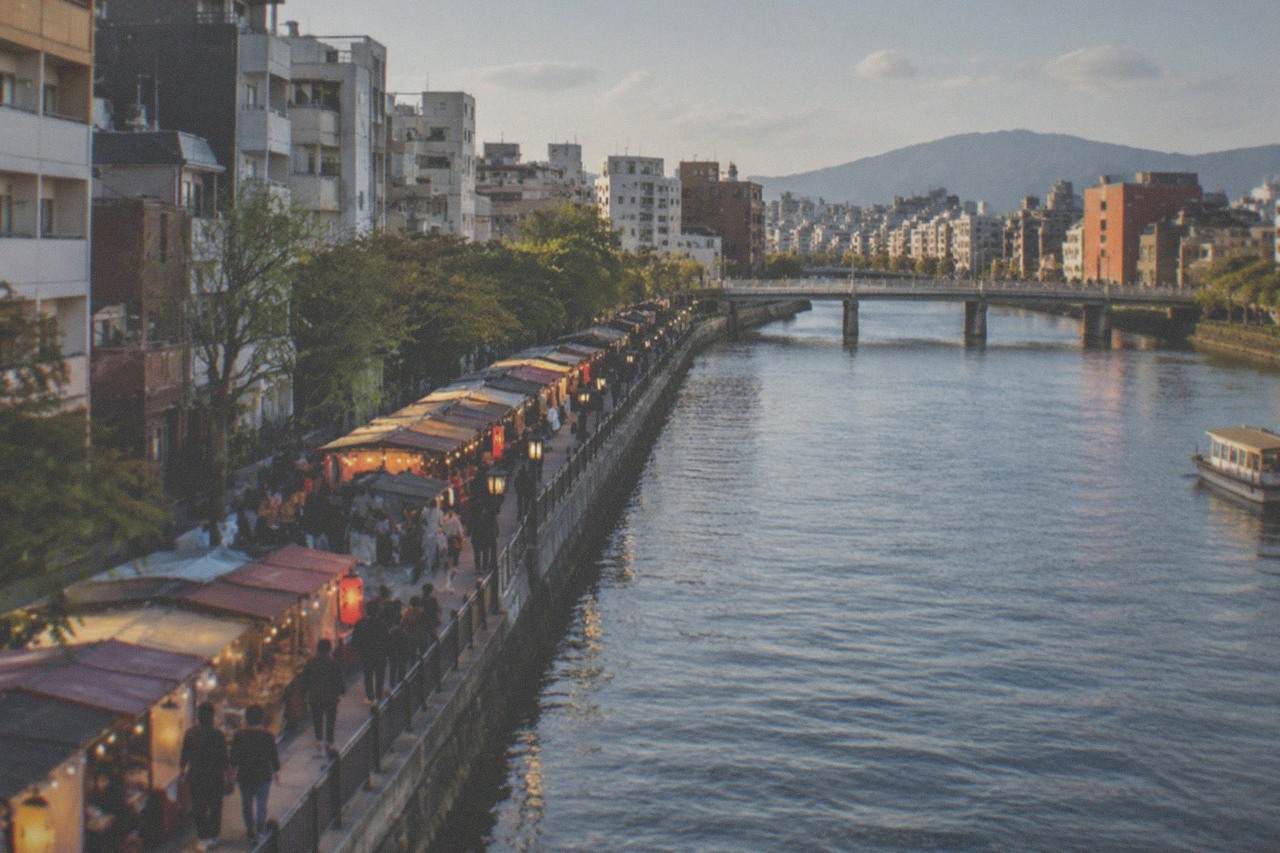
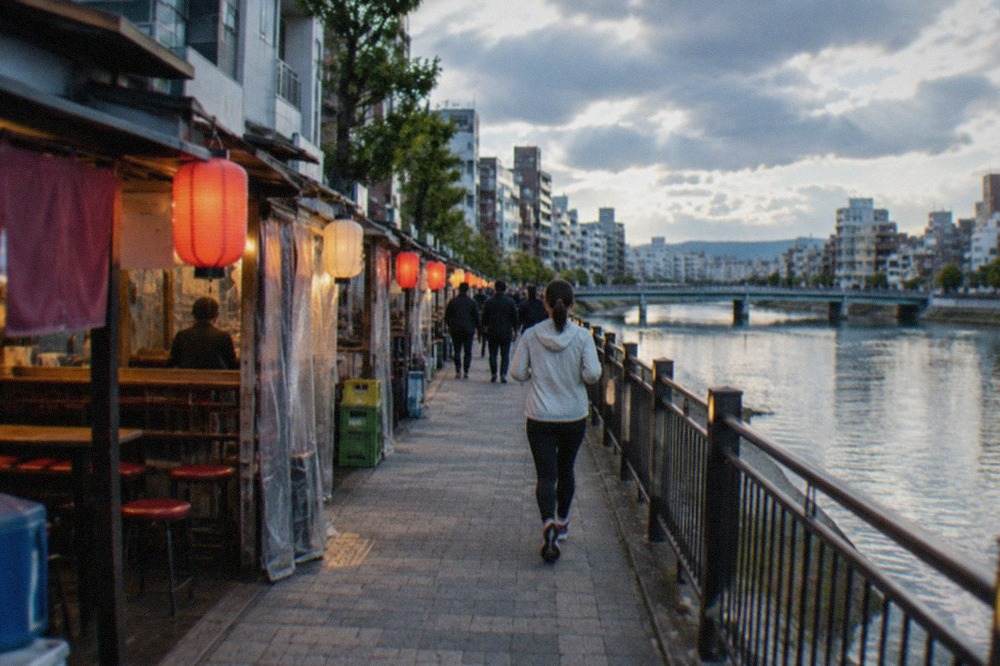
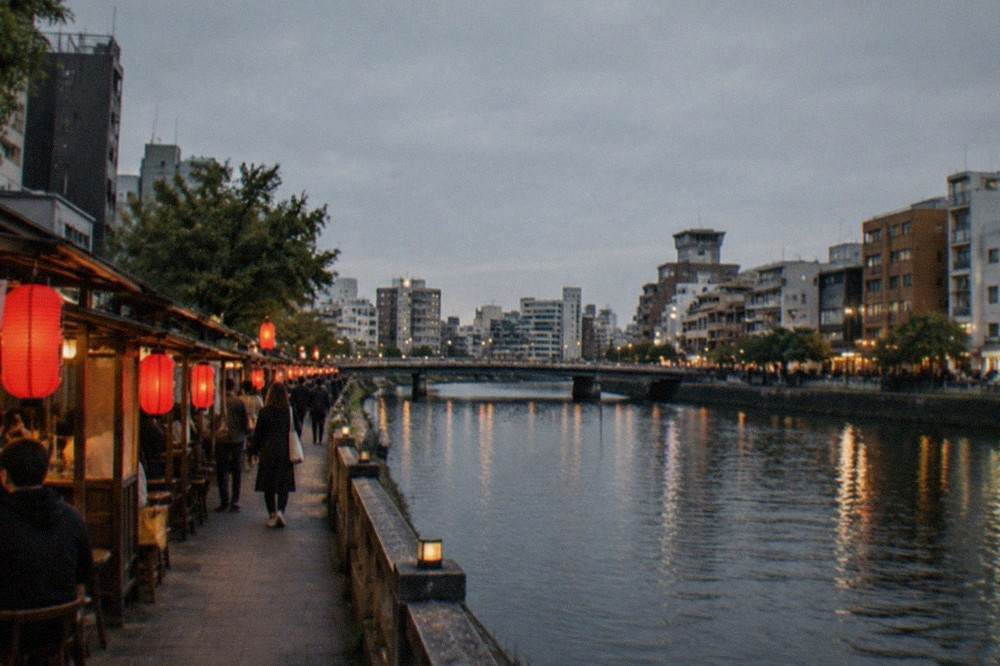
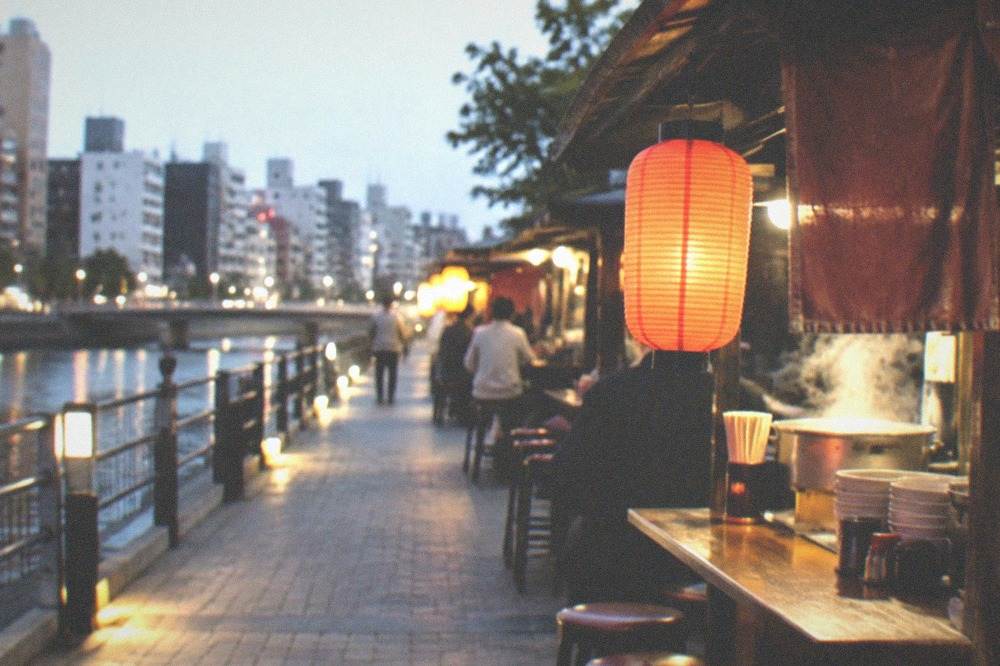
The yatai row along the Naka River, beside Seiryu Park, is the image Fukuoka exports to the world: wooden stall fronts, red lanterns, steam rising off a tonkotsu broth pot, seven or eight seats to a counter and a chef who cooks two metres away. The stalls here are the most photographed and the most used to visitors, which cuts both ways. English is more widely spoken than in Tenjin or Nagahama, and the atmosphere is festive rather than local. Reading the city's own yatai guidance before you go explains the rules better than any blog: there are about 100 licensed stalls citywide, more than any other city in Japan, and the stalls occupy their roadside plots from 17:00 until 4:00 the next morning under city ordinance, with most opening for customers around 18:00 to 18:30 and running into the small hours.
What surprises people is the price transparency. A city ordinance bans the vague 時arga pricing that scares visitors off food stalls elsewhere: it bans "market price" listings outright, so every stall must post its menu prices where customers can see them, and any dish priced on the day's market must show that day's actual figure. The fear that a yatai will quietly charge a tourist triple is not just overblown, it is the opposite of what the rules allow. There is no citywide average cost published, so ignore any guide that quotes one, but posted menus mean you always know before you sit down.
Eating at a yatai takes walk-ins only. You cannot book a stall, and any guide implying you need a reservation to eat at one is wrong. The only bookable version of the experience is a guided crawl with a local, which solves a different problem: a seat at a busy stall, translation, and a route through the food culture that would take three nights to find alone.
One private option that does exactly this is the Nakasu food stall private guided tour, a two-hour private walk through the Nakasu stalls with tastings included, from $94 per person and rated 4.7 from 70 reviews. It is a good fit on a first night when you want the stall experience without the trial and error of finding which counters welcome newcomers. Check availability
Behind the stalls, Nakasu is also the clubbing district. The blocks inland from the river hold the largest venues in the city, and weekends run until sunrise. It is also, frankly, the district where the red-light trade is most visible, particularly along some lanes west of the main drag; the general rule that applies anywhere in Japan holds here, which is that venues with touts on the street are best walked past. For the crowd-free version of the area, the Nakasu area guide covers the daytime geography, and a look at the skyline from across the river is a calm end to a loud evening.
How Do the Three Yatai Areas of Nakasu, Tenjin and Nagahama Differ?
Nakasu is the photogenic, tourist-facing riverside row; Tenjin's stalls are scattered along office-district streets like Watanabe-dori and draw after-work locals, including newer so-called neo-yatai; and Nagahama, near the old fish market, is the traditional ramen-focused row with the most local atmosphere. They are three different nights, not three interchangeable versions of the same one.
The city maintains about 100 stalls total across its commercial districts, and a public recruitment system introduced around 2016 keeps the count steady as operators retire; a sixth recruitment round in 2026 covered 23 plots across the three areas, with new stalls starting from around April 2027. What this means for a visitor is that the scene is deliberately kept alive rather than left to fade, and each area has a distinct character worth matching to your night.
| Area | Setting | Crowd | Best for |
|---|---|---|---|
| Nakasu | Riverside row beside Seiryu Park, Naka River | Visitors, groups, after-party diners | First night, photos, festive atmosphere |
| Tenjin | Scattered along Watanabe-dori and Showa-dori | Office workers, after-work locals | Variety, neo-yatai, a stall between bars |
| Nagahama | Near the former fish market | Regulars, late-shift eaters | Ramen-focused, most local feel |
Two practical notes apply to every area. Stalls are weather-sensitive: rain or strong wind closes a lot of them, and there is no city-mandated weekly closing day, so whether a given stall is open on a given Tuesday is down to the operator. And seating is scarce, seven or eight seats per counter, so a full stall means moving on to the next one rather than queueing. The yatai etiquette guide covers the customs, but the two that matter most: order a drink when you sit, and expect to share a counter with strangers, which is the entire point of the format.
Oyafuko-dori: The Cheap, Loud Student Strip
Oyafuko-dori is the bar strip running through west Tenjin where drinks are cheap, the crowd skews young, and the street's own name, which translates roughly as "the street for those who won't go home", is an accurate description of the clientele. Expect standing bars, izakaya with all-you-can-drink plans and karaoke boxes stacked in mid-rise buildings, at prices well below Nakasu.
The street's history is student-political, and its present is student-economical. Bars here compete on price, and the competition is fierce enough that a budget night out in Fukuoka costs less than in almost any comparably sized city in Japan. The format suits groups and anyone who wants volume over polish: draft beer, highballs, cheap yakitori and a karaoke room to finish. It does not suit a quiet dinner, and it is not where the city's best food is. If your night needs to stay under a set figure, this is the street that makes that possible.
The practical strength of Oyafuko-dori is density. Multiple floors of a single building can hold a dozen separate small bars, so a bad venue is solved by climbing one staircase. The weakness is noise and crowding on Friday and Saturday, and a generally young, very drunk crowd after midnight. It is also worth knowing that the street sits inside Tenjin's wider night geography, which the Daimyo area guide and the general Tenjin coverage on this site map out, because the boundary between west Tenjin, Oyafuko-dori and Daimyo blurs after dark.
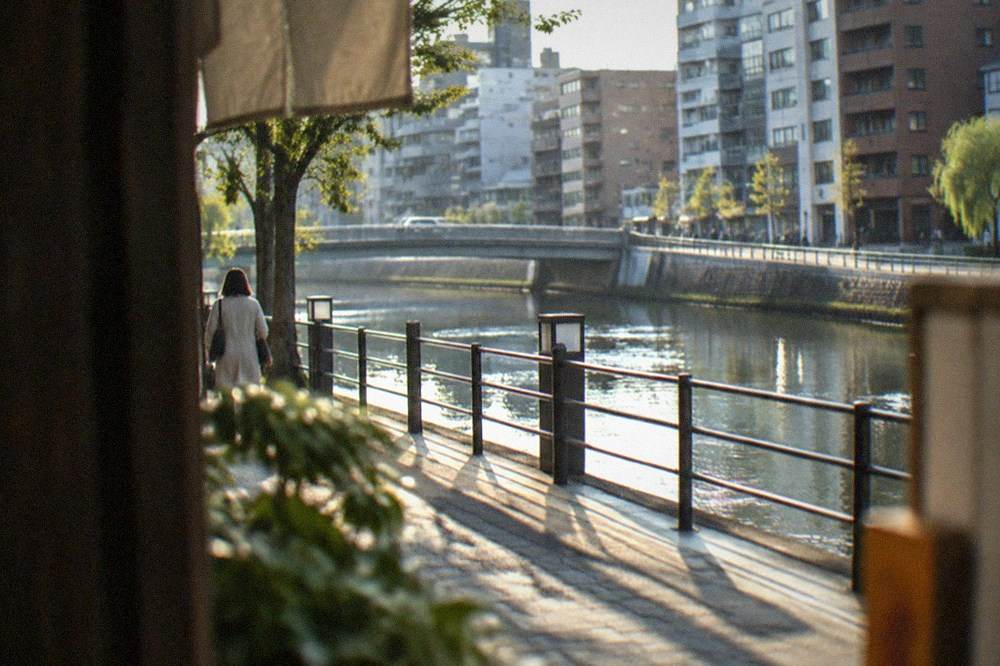
If you would rather have the evening organised for you, a guided evening tour is the structured version of this district. The Evening Tours option, covering yatai, izakaya and karaoke in one three to four hour outing, runs from $99 per person and is rated 5.0 from 29 reviews. That is a small review pool, so treat the perfect score with proportionate caution, but the format, food stalls followed by an izakaya and then singing, matches exactly what a first night in this city wants.
Daimyo: Izakaya Lanes and Where the Best Late Food Sits
Daimyo is the refined-but-casual option, a grid of narrow lanes west of Tenjin where Fukuoka's best izakaya, cocktail bars and late kitchens hide behind unmarked doors, in what was once the samurai residential quarter of the old castle town. It is the district for people who care what they are eating and drinking, and the default recommendation for a second or third night in the city.
The pleasure of Daimyo is the format: dozens of small places, most seating fewer than twenty, many specialising in a single thing, grilled skewers, motsunabe hot pots, natural wine, craft shochu. The motsunabe story is a genuinely Fukuoka one, the dish was invented in this city for post-drinking diners and it still does that job, and the motsunabe guide explains how to order it. Pair it with the sake and shochu primer and Daimyo becomes a two-stop night: a hot pot, then a pouring bar.
Finding the good doors is the actual skill, because signage is minimal by design. Two honest approaches work. One is to walk the lanes between Nishi-dori and the park edge and look for the queues, locals queue well. The other is to let a local guide lead, and the fully customisable private tours on this site's private tours overview exist for precisely this: a licensed or long-time local guide who plans the evening around what you want to eat, from $59 per person for a two to six hour custom tour. The bar hopping guide lists what that format looks like in practice.
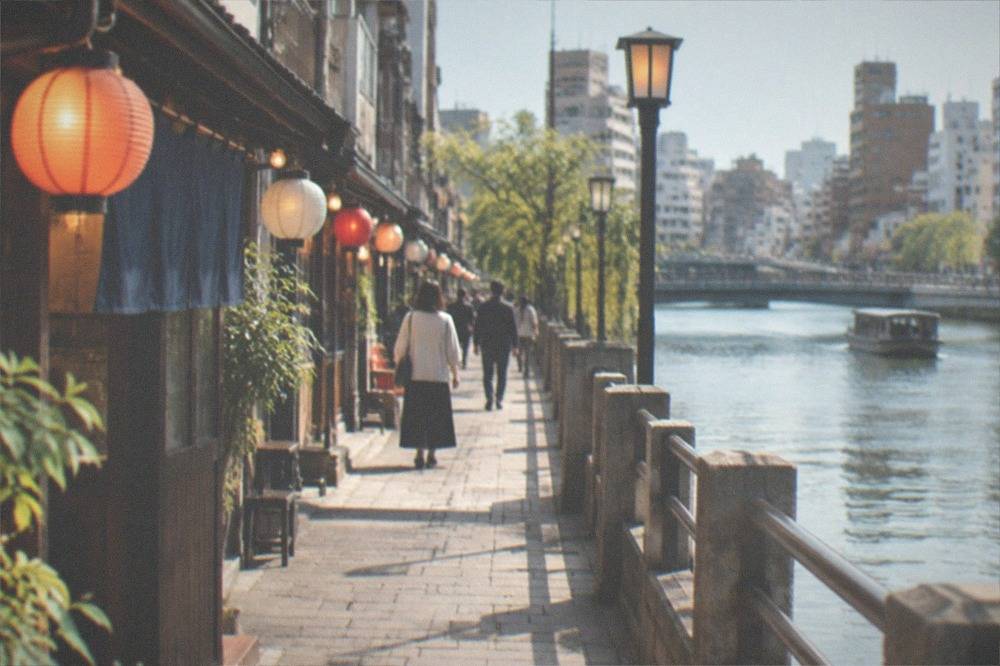
Daimyo is also the district where the evening can genuinely end at midnight with a good meal rather than at 4 a.m. with a bad one. Late kitchens here serve hakata ramen in its home city, the thin noodles and rich tonkotsu broth that the signature dish guide covers in full, and the kaedama noodle refill custom is standard: order a refill and the stall drops fresh noodles into your remaining broth. It is the correct end to almost any night in this city, wherever the night started.
What Does a Night Out in Fukuoka Actually Cost?
A subway ride across the nightlife districts costs ¥210 to ¥260, a yatai meal with drinks commonly lands in the low thousands of yen once drinks are added, guided evening tours run from roughly $94 to $100 per person, and a budget night on Oyafuko-dori can be done for less than almost anywhere in Japan. No city-published average exists for yatai spending, and any guide quoting one is estimating.
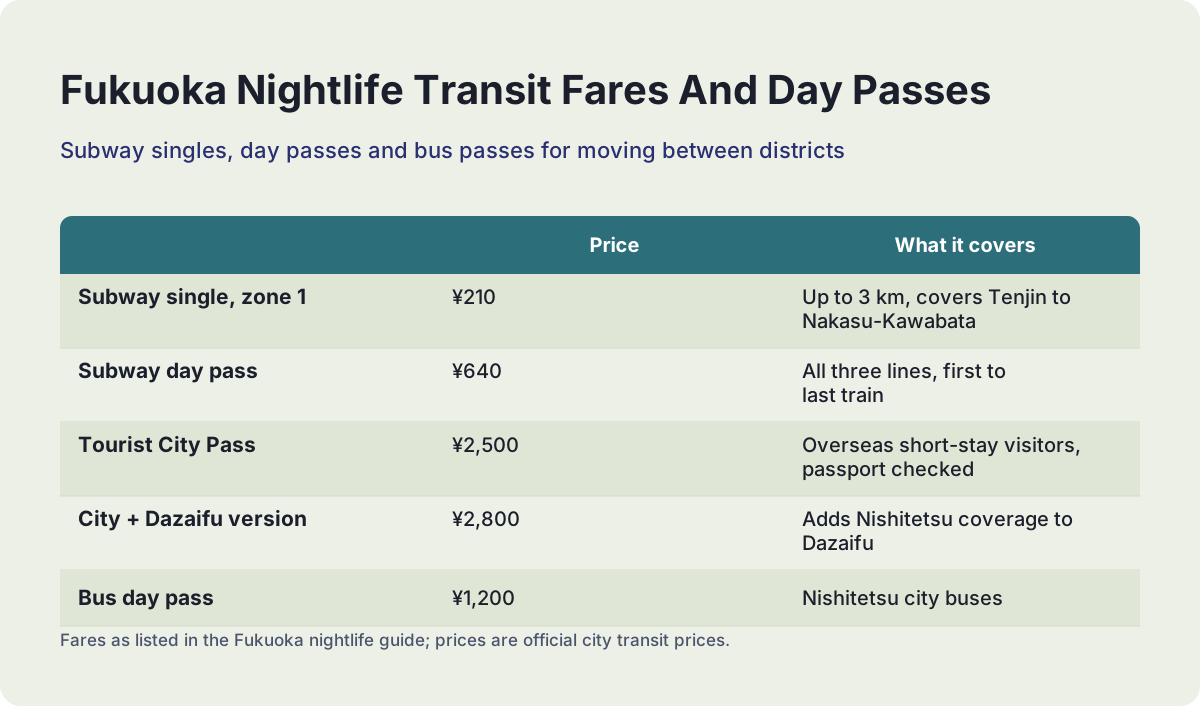
The transport side is firmly priced and official. Subway single fares run from ¥210 for up to 3 km to ¥380 for over 19 km, with the Tenjin to Nakasu hops falling in the ¥210 band. The subway day pass costs ¥640 for unlimited travel on all three lines, sold at station machines and the tourist information counters at Tenjin, Hakata Station and the airport. Visitors on short-stay visas can buy the Fukuoka Tourist City Pass for ¥2,500, or ¥2,800 with Dazaifu rail added, with a passport check at the counter; most competing guides still quote prices from years ago, so treat the ¥2,500 / ¥2,800 pair as the current ones.
| Item | Figure | Notes |
|---|---|---|
| Subway single, zone 1 | ¥210 | Up to 3 km, covers Tenjin to Nakasu-Kawabata |
| Subway day pass | ¥640 | All three lines, first to last train |
| Tourist City Pass | ¥2,500 | Overseas short-stay visitors, passport checked |
| City + Dazaifu version | ¥2,800 | Adds Nishitetsu coverage to Dazaifu |
| Bus day pass | ¥1,200 | Nishitetsu city buses |
On the spending side, the honest framing is ranges rather than averages. A yatai counter meal with a couple of drinks is a casual-spend night, not a splurge, and posted menus mean no surprises. An izakaya in Daimyo with a shared motsunabe and drinks runs higher, and the all-you-can-drink plans of Oyafuko-dori undercut both. If the whole trip budget is tight, the Fukuoka on a budget guide covers how the evenings fit a smaller envelope, and the wider trip cost breakdown puts a night out in the context of the full day spend.
What Are the Best Guided Ways to Spend an Evening in Fukuoka?
The strongest guided evenings on the roster are the private Nakasu stall crawl with tastings from $94 and rated 4.7 from 70 reviews, the yatai-izakaya-karaoke evening tour from $99 and rated 5.0 from 29 reviews, and a night cruise of Hakata Bay from $96 and rated 5.0 from 4 reviews, a very small pool. A night views and local life tour from $100 has no rating published yet, which simply means it is new.
Guides earn their fee at night in this city for two reasons: language at the stalls, and doors in Daimyo. The stall crawl solves the first, a private guide who gets you seated, translates the posted menu and walks you between counters. The general evening tour covers the full arc from stall to izakaya to karaoke, which is the classic Fukuoka night in one booking. The cruise is a different animal, three hours on the water seeing the city's lit skyline from Hakata Bay, and pairs well with a city viewpoints guide if photos are the goal.
| Tour | From | Rating | Length |
|---|---|---|---|
| Private Nakasu stall crawl with tastings | $94 | 4.7 from 70 reviews | 2 hours |
| Evening yatai, izakaya, karaoke | $99 | 5.0 from 29 reviews | 3 to 4 hours |
| Night cruise of the bay | $96 | 5.0 from 4 reviews | 3 hours |
| Night views and local life | $100 | No rating published | 4 hours |
The night cruise in particular is the calm option for anyone whose night should not be a pub crawl: three hours on the water, the city's towers lit along the shore. The review pool of four is small and the perfect score should be read in that light, but the format is a straightforward one.
How Do You Get Home When the Last Train Has Gone?
Fukuoka's subway stops running before the bars empty, taxis fill the gap and are plentiful around Nakasu and Tenjin, and many late districts are close enough to walk: the whole nightlife footprint sits within about two kilometres. A taxi across the central districts is a short, cheap hop, and staying in or near the centre makes the last-train problem largely disappear.
The subway's operating hours are the constraint to plan around. Trains wind down before midnight on most lines, while the yatai plots run until 4 a.m. by ordinance and clubs run later. The city's answer is a very large taxi population in the nightlife core, with stands around Nakasu and along Watanabe-dori in Tenjin, and fares across the central districts are short hops because everything is close. If your hotel is in Hakata near the station, the walk or ride from Nakasu is trivial; the where to stay guide frames the Hakata versus Tenjin choice, and for a nightlife-first trip the answer is either, since they are minutes apart by subway.
The airport factor matters more than most visitors realise. Fukuoka Airport sits unusually close to the city centre, a genuine, sourced advantage few major cities share, and the subway fare from the airport to Hakata Station is ¥260. What no official page verifies is the "five minutes" figure every competing guide prints, so do not plan around it; the distance is short and the connection is direct, that much is certain. The airport to city guide has the full picture, and late arrivals should note the subway is the cheap option, not the all-night one.
Does Fukuoka Have Late Festivals and Seasonal Nights?
Yes: Hakata's festival calendar pushes nightlife earlier rather than later. Hojoya at Hakozakigu Shrine runs September 12 to 18 with hundreds of food stalls along the approach, the Hakata Gion Yamakasa climax starts before dawn on July 15 at 4:59 a.m., and Dontaku fills May 3 and 4 with parades. Each reshapes the usual bar districts for its duration, mostly by adding street food.
The festivals matter to a nightlife plan because they are the nights when the city's street energy peaks. Hojoya's approach stalls are the yatai idea at festival scale, hundreds of temporary food stands rather than the hundred licensed permanent stalls. Yamakasa is the strangest night of the Fukuoka year, an entire district awake and drinking at 3 a.m. before the drum signal sends the float teams off at 4:59 a.m. If your dates coincide with either, reshape the plan: the festivals guide has the full calendar, and the summer in Fukuoka guide covers the heat and rain that frame those July nights.
Season reshapes the ordinary nights too. Winter evenings start earlier and the stall counters get cosier; the December guide covers the illuminations that keep the city lit from November. Summer pushes everything later and adds the typhoon factor, which runs roughly July through October and occasionally closes outdoor stalls for a night; the typhoon season guide explains how to read that risk without over-worrying it.
Common Questions About Fukuoka Nightlife
Where Does Fukuoka's Nightlife Happen: Nakasu, Oyafuko-dori Or Daimyo?
Nakasu for the riverside yatai, clubs and spectacle; Oyafuko-dori for cheap student bars and karaoke; Daimyo for izakaya, cocktail bars and the best late food. All three sit within about two kilometres of each other, so a single night can combine them on foot.
Can you book a yatai stall in advance?
No. Yatai take walk-ins only and cannot be reserved. The only bookable version of the experience is a guided crawl, such as a private Nakasu stall tour with tastings, which reserves the guide rather than the counter.
Will I be overcharged at a yatai?
A Fukuoka City ordinance bans "market price" listings, so every stall must post its menu prices visibly, and any dish priced on the day's market must show that day's actual figure. The scam scenario most guides warn about is specifically what the ordinance forbids.
How late do Fukuoka's yatai open?
Stalls occupy their roadside plots from 17:00 until 4:00 the next morning under city ordinance, with most opening for customers around 18:00 to 18:30. Individual stalls close at the operator's discretion and for weather, and there is no city-mandated weekly closing day.
What time does the subway stop running in Fukuoka?
Trains wind down before midnight on most lines, earlier than the stalls and clubs close. Taxis are plentiful around Nakasu and Tenjin, and the central districts are close enough that walking or a short taxi hop usually solves getting back to your hotel.
Which area is best to stay in for nightlife?
Hakata Station and Tenjin are both minutes from all three nightlife districts by subway, with rides from ¥210. Nakasu itself is walkable from either. Choose on hotel price and daytime plans rather than nightlife access, since access is equal from both.