Getting Around Fukuoka
Fukuoka is one of the most compact major cities in Japan, and that changes the transport maths: a single ¥210 subway ride, a ¥640 day pass and a lot of walking cover most of what visitors come to see.
Short answer
Walking is the cheapest way around central Fukuoka, and the city is compact enough that it works. Where you need wheels, the subway starts at ¥210 a ride and a one-day pass is ¥640. The ¥2,500 Fukuoka Tourist City Pass only pays off if you ride constantly and hold a foreign passport.
Fukuoka rewards travellers who do less planning than they think they need to. The city centre folds into a triangle of Hakata, Tenjin and Nakasu, the subway threads through all three, and the airport sits closer to the middle of town than almost any other airport in Asia. Hakata is a ward of Fukuoka and the name of its main station, not a separate city, which matters the moment you start reading a rail map. There is no JR Fukuoka Station; the Shinkansen and most trains arrive at Hakata Station, inside the city of Fukuoka.
This page on Fukuoka Japan Travel Guide answers the money question first, then works through the subway, the passes, the airport transfer, the buses and the day trips, with every figure checked against the operators' own fare tables. Where a number could not be verified, it does not appear.
What Is the Cheapest Way to Get Around Fukuoka: Subway, Bus or Walking?
Walking is the cheapest option and, in central Fukuoka, usually the fastest one too, because the sights cluster tightly between Hakata, Tenjin and Nakasu. When a ride is unavoidable, the subway wins on price and reliability: fares start at ¥210 for trips up to 3 km, and a one-day pass costs ¥640. Buses fill the gaps the subway does not reach, and taxis are best treated as a late-night convenience rather than a planning tool.
The honest answer depends on where you sleep. Stay near Hakata Station and you can walk to most of the old town, the yatai and Canal City, then hop one or two subway stops for everything else. Base yourself in Tenjin and the same logic applies in the other direction. Only visitors heading to Ohori Park, Momochi or the eastern suburbs need the subway more than once or twice a day.
The comparison below is the whole decision in one view. Costs are the operators' published figures, not estimates.
| Mode | Typical cost | Best for | Weakness |
|---|---|---|---|
| Walking | Free | Hakata, Tenjin, Nakasu, canal-side spots | Slow beyond the centre |
| Subway | From ¥210 a ride | Ohori Park, Momochi, the airport, Hakozaki | Few stops in the old town core |
| City bus | Flat central-zone fare | Areas the subway misses | Traffic at rush hour |
| Taxi | Metered | Late nights, luggage, groups | The expensive default |
| Rental bicycle | Hourly or daily rates | The flat waterfront and riverside paths | Weather dependent |
One thing this city does better than almost anywhere: it lets you mix modes without penalty. Because the centre is flat and the subway stations sit at the edges of the walkable zone, a typical day costs one or two single fares plus shoe leather. Budget travellers will find more ways to keep the transport line near zero in Fukuoka on a budget, and the free sights are spread evenly across the walkable core.
How Much Does the Fukuoka Subway Cost?
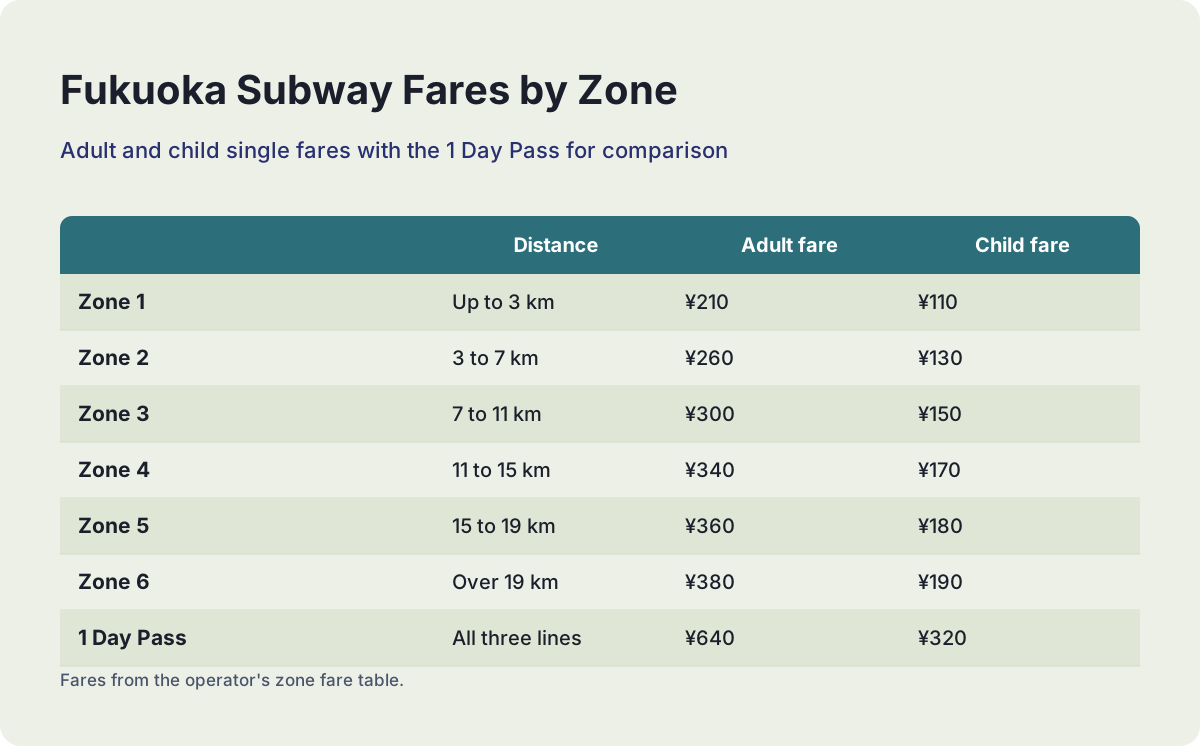
A single adult subway ride costs between ¥210 and ¥380 depending on distance, with children paying roughly half, and the fare table is fixed by zone rather than by station. The one-day pass, called the 1 Day Pass, costs ¥640 for adults and ¥320 for children, and it covers all three lines from first to last train on the day you first pass through a gate.
The subway runs three lines: the Airport Line from Meinohama to Fukuoka Airport, the Hakozaki Line from Nakasu-Kawabata to Kaizuka, and the Nanakuma Line from Hashimoto to Hakata. For visitors, the Airport Line is the workhorse, since it links the airport, Hakata, Nakasu-Kawabata and Ohori Park in a straight line. The city's official fare table, published at subway.city.fukuoka.lg.jp, prices every trip by distance band, which is why the same journey always costs the same regardless of when you ride.
| Zone | Distance | Adult fare | Child fare |
|---|---|---|---|
| 1 | Up to 3 km | ¥210 | ¥110 |
| 2 | 3 to 7 km | ¥260 | ¥130 |
| 3 | 7 to 11 km | ¥300 | ¥150 |
| 4 | 11 to 15 km | ¥340 | ¥170 |
| 5 | 15 to 19 km | ¥360 | ¥180 |
| 6 | Over 19 km | ¥380 | ¥190 |
The pass breaks even on your fourth ride of the day, so the maths is simple: three rides or fewer, buy singles; four or more, buy the pass. It is sold at station ticket machines and customer service centres, and also at the international tourist information counters in Tenjin, Hakata Station and the airport, which is handy if you land with no cash cards sorted. Unused paper passes can be refunded for ¥220, a small but unusual courtesy among Japanese transit operators.
The Fukuoka subway guide covers the lines station by station, including which exits drop you closest to the main sights. Two habits save money here. First, check whether your destination is inside the ¥210 band before assuming you need a pass, because most visitor trips are short. Second, note that the pass also unlocks small discounts at partner facilities on the day of use, which quietly improves its value if you were visiting those places anyway.
If you would rather have somebody else plan the day, a private guide changes the transport question entirely, because the route is built around you rather than around the rail map.
Is the Fukuoka Tourist City Pass Worth It?
The Fukuoka Tourist City Pass costs ¥2,500 for the city version and ¥2,800 for the city-plus-Dazaifu version, with children at ¥1,250 and ¥1,400, and it is sold only to overseas tourists on a short-stay visa, with a passport checked at the counter. It covers unlimited subway, bus, train and ferry rides for one day, so it beats the ¥640 subway day pass only on genuinely ride-heavy days.
That passport requirement is the detail most guides omit, and it is the difference between a smooth purchase and a refused one. The pass is a Fukuoka City product aimed squarely at international visitors, sold at the Nishitetsu Tenjin Expressway Bus Terminal, Hakata Bus Terminal, the airport, and the Tenjin and Hakata subway customer centres. The digital app version is restricted to visitors from South Korea, Taiwan and Thailand; everyone else buys the paper ticket. Many competing guides still quote the old ¥820 and ¥1,340 prices, which no longer apply.
| Pass | Adult price | Child price | Covers | Watch out for |
|---|---|---|---|---|
| Subway 1 Day Pass | ¥640 | ¥320 | All three subway lines | Subway only |
| Nishitetsu bus 1-Day Free Pass | ¥1,200 | ¥600 | City buses | Buses only |
| Tourist City Pass (city) | ¥2,500 | ¥1,250 | Subway, buses, trains, ferries | Passport check, one day |
| Tourist City Pass (+ Dazaifu) | ¥2,800 | ¥1,400 | The above plus Dazaifu rail | Tabito liner bus excluded |
The Dazaifu version deserves a specific warning: it adds the Nishitetsu rail coverage you need for a Dazaifu day trip, but the Tabito liner bus is excluded, so check which connection you actually plan to use before paying the extra ¥300. The full terms are on the city's own page at gofukuoka.jp.
For most two- and three-day visitors the honest recommendation is simpler than the marketing suggests: buy the ¥640 subway pass on your busy day and singles otherwise, and reserve the Tourist City Pass for a day that genuinely strings together bus, ferry and subway rides. A day that pairs Ohori Park with a ferry across the bay, for example, is exactly what it was designed for.
A private tour is the other way to solve a complicated day, especially one that mixes city sights with somewhere the trains reach awkwardly.
Can You Explore Fukuoka on Foot?
Yes, and more of Fukuoka is walkable than most visitors expect: Hakata's temple quarter, the Nakasu riverbank, Tenjin's shopping blocks and Ohori Park's shoreline all sit inside a compact, flat rectangle that a reasonably fit walker can cross end to end in well under an hour. Walking is also the only way to experience the yatai street stalls, which cluster along the rivers and streets rather than near stations.
The city's shape does the work. Hakata's old town, including Kushida Shrine, Tochoji and Shofukuji, sits within a short walk of Hakata Station. Cross the Naka River and you are in Nakasu, then Tenjin's retail core, with Canal City bridging the two halves. Nothing in that rectangle demands a train, and the streets are flat, signed and busy well into the evening.
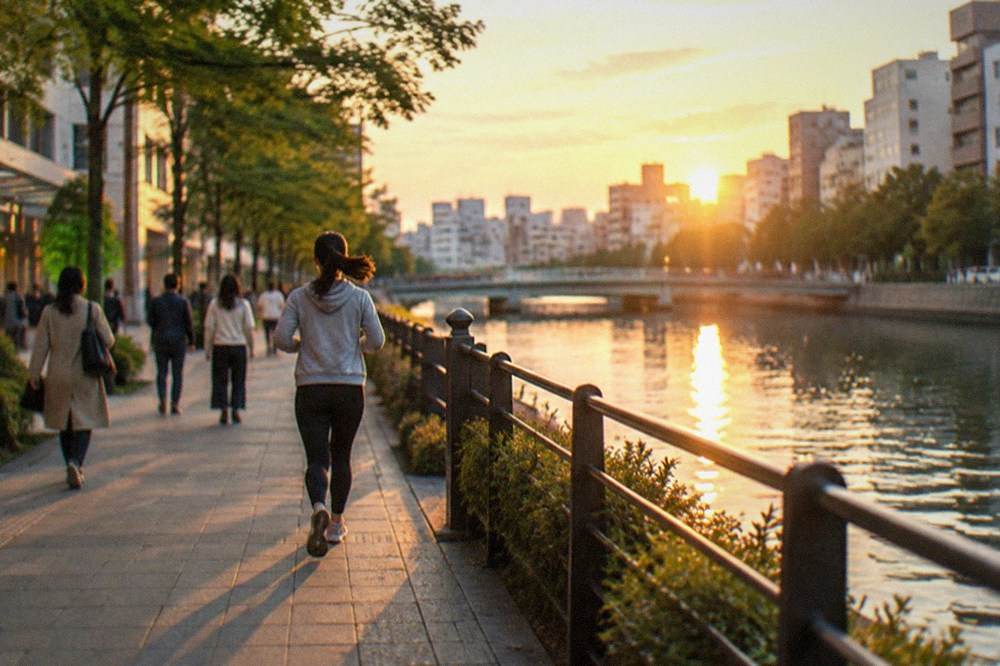
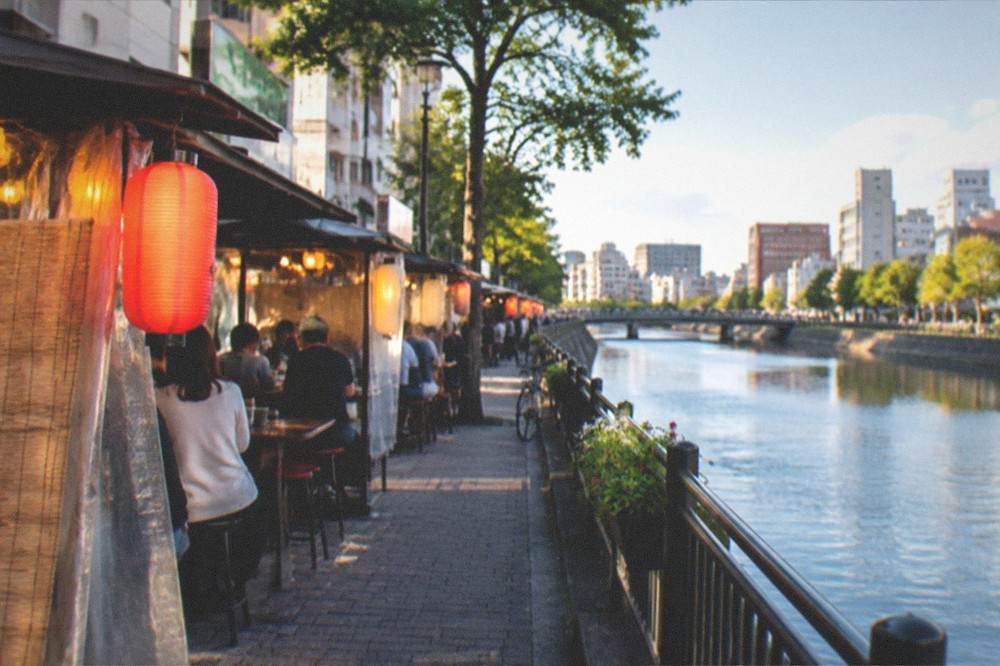
The yatai are the strongest argument for walking. The city licenses about 100 of these food stalls, concentrated in Nakasu along the river, scattered through Tenjin's business streets and gathered in Nagahama near the old fish market quarter. They open in the evening, they sit on the pavement, and a stroll between the clusters is the standard way to experience them. Fukuoka's own yatai ordinance requires every stall to display its prices where customers can easily see them, and bans vague "market price" wording, so the menu on the stall is the price you pay. There is no city-mandated closing night: stalls close for rain, wind and at the owner's discretion, which is the honest framing.
There are no free walking tours in Fukuoka. The platforms that list tip-based walks elsewhere return no inventory here at all, so anyone promising one is guessing. What exists instead are small paid walking tours led by locals, which the Fukuoka walking tours page compares, and the free sights themselves, which cost nothing to reach on foot.
Cycling splits the difference nicely, and a guided ride is one of the better ways to cover the riverside and waterfront paths.
How Do You Get from Fukuoka Airport to the City Centre?
The subway from Fukuoka Airport to Hakata costs ¥260, a fare fixed by the official 3 to 7 km distance band, and the airport's position inside the city makes the transfer unusually short for a major Asian hub. The airport sits on the subway's Kuko Line, two stops from Hakata, and a free inter-terminal shuttle bus runs between the international and domestic terminals.
The famous claim that the airport-to-Hakata leg takes five minutes appears in nearly every guide, and no official page verifies it, so this site does not print a minute figure. What is verified is better anyway: Fukuoka Airport is genuinely close to the centre, close enough that the transfer barely registers in a day's plans, and the ¥260 fare comes straight from the operator's own zone table. Tenjin, one stop further on, costs the same ¥260.
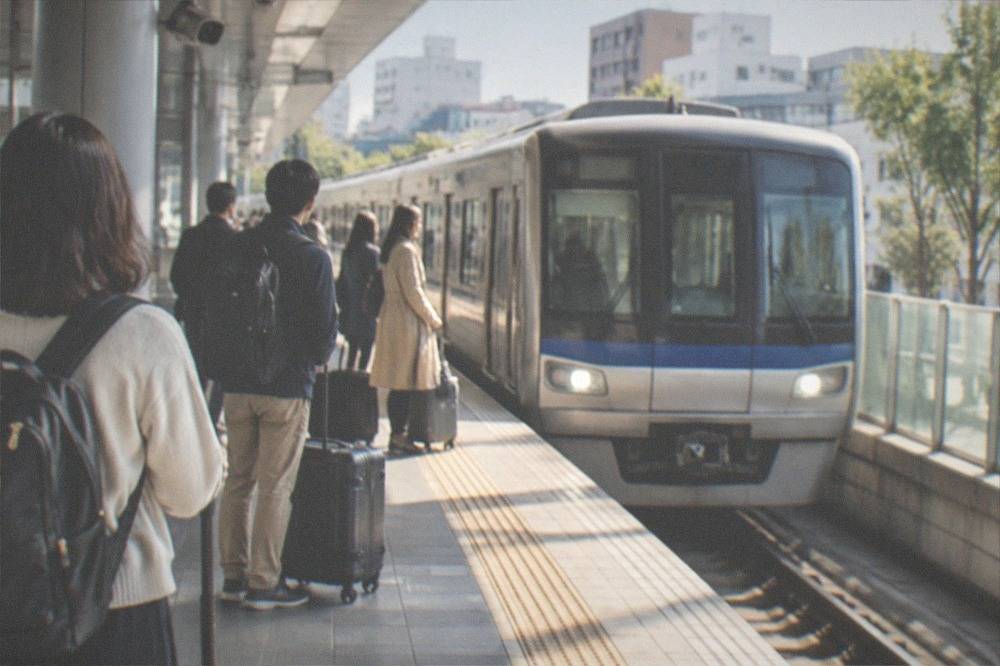
Arriving visitors have three realistic options, and the airport to city page walks through each in detail. The subway suits almost everyone: frequent, cheap and terminating in the heart of town. A private transfer suits travellers with heavy luggage, late arrivals or small children, and takes the guesswork out of the last kilometre. Taxis queue at both terminals and are metered.
| Option | Cost basis | Best for |
|---|---|---|
| Subway (Kuko Line) | ¥260 to Hakata or Tenjin | Almost everyone |
| Free terminal shuttle + subway | Included shuttle, then subway fare | Arrivals at the international terminal |
| Private arrival transfer | Fixed per-vehicle rate | Luggage, groups, night arrivals |
| Taxi | Metered | Speed with a cost trade-off |
The airport itself rewards a slower pass. The Fukuoka airport guide covers the terminals, the tourist information counters where the subway day pass is sold, and the connections onward to Hakozaki and the east of the city. If you are flying in from elsewhere in Japan, the practical point is that there is no JR Fukuoka Station: trains arrive at Hakata, and the subway station of the same name sits directly beneath the rail concourse.
What About Buses, IC Cards and Taxis?
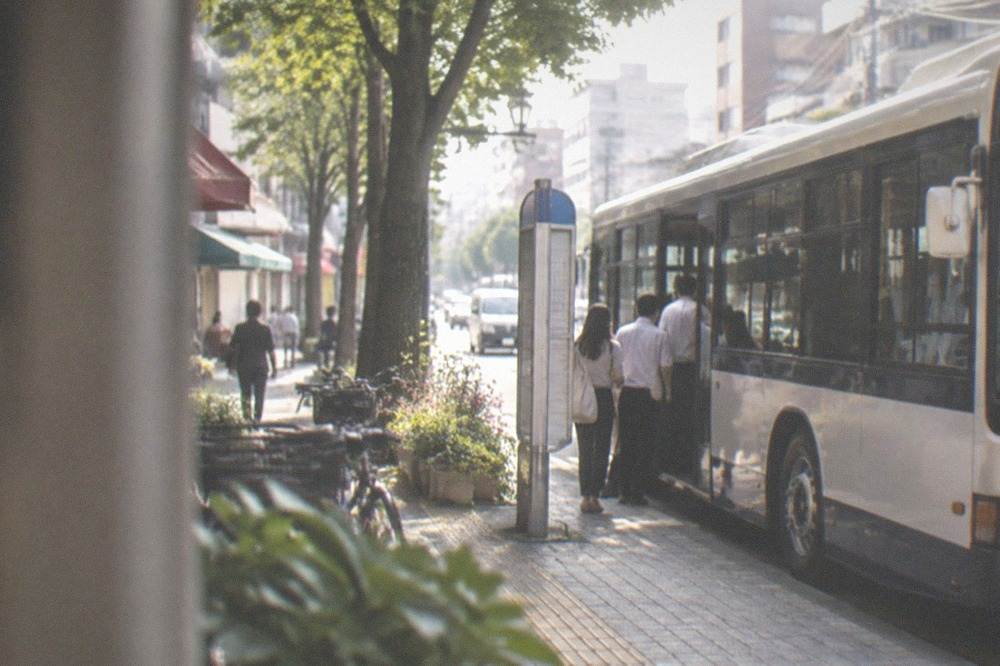
Buses matter in Fukuoka mainly for the areas the subway misses, and the Nishitetsu 1-Day Free Pass costs ¥1,200 for adults and ¥600 for children across the city network, with cheaper digital versions available. For contactless payment, the local cards are Hayakaken for the subway, nimoca for Nishitetsu and SUGOCA for JR, and taxis are metered, plentiful and best saved for late nights.
The bus network is dense but less legible than the subway for a first-time visitor, since routes fan out across the city with Japanese-first signage at many stops. The flat central-zone fare keeps short hops simple, and the day pass carries a quiet bonus: officially listed discounts at partner attractions, including reduced entry to the Fukuoka Art Museum's collection display. If your day is bus-heavy, that pass can pay for itself partly in museum savings rather than purely in fares.
IC cards remove the fare-table anxiety. The three local cards are issued by the three operators, and visitors staying longer than a few days often pick one up rather than calculating zone fares each ride. Card acceptance at individual shops and stalls varies, and the yatai are a good example: many remain cash-first, some now take cards and QR payments, and there is no city-wide rule, so carry notes for the stalls even in an otherwise cashless day.
| Card | Issued for | Works on | Notes for visitors |
|---|---|---|---|
| Hayakaken | Fukuoka City Subway | Subway network | The subway-local choice |
| nimoca | Nishitetsu | Nishitetsu trains and buses | Best if you ride Nishitetsu often |
| SUGOCA | JR Kyushu | JR lines in the region | Useful for regional rail days |
Taxis complete the set. They are safe, metered and easy to find at Hakata Station, Tenjin and the airport, and the compact city keeps even long cross-town rides modest by Tokyo standards. The realistic budgeting advice is to treat them as a tool for the last train home or a rainy dash, not as the default, because the subway and your own feet will handle 90 percent of a normal visitor day.
Language anxiety is the last barrier, and it is smaller than it looks; the Fukuoka English page covers what is signed in English and what is not. Station names display in roman letters, ticket machines offer English menus, and the fare table is numeric, which is the universal language of transit.
How Do You Get Out of Town Without a Car?
Fukuoka's day-trip network is the strongest of any city its size in Japan: Dazaifu, Yanagawa, Itoshima, Nokonoshima and Shikanoshima all sit within easy reach by train, bus or ferry, while Yufuin, Beppu, Nagasaki, Kumamoto and Takachiho work as full-day trips by rail or guided coach. You do not need a rental car for any of them, and a guided day tour often beats self-driving on the long ones.
The short trips are the ones the passes discussed earlier were built for. The Dazaifu version of the Tourist City Pass exists precisely because the Nishitetsu rail line is the sensible way there, and the ferries across Hakata Bay to Nokonoshima and Shikanoshima are covered by the city pass too. The day trips from Fukuoka page indexes all of them with the transport spelled out for each.
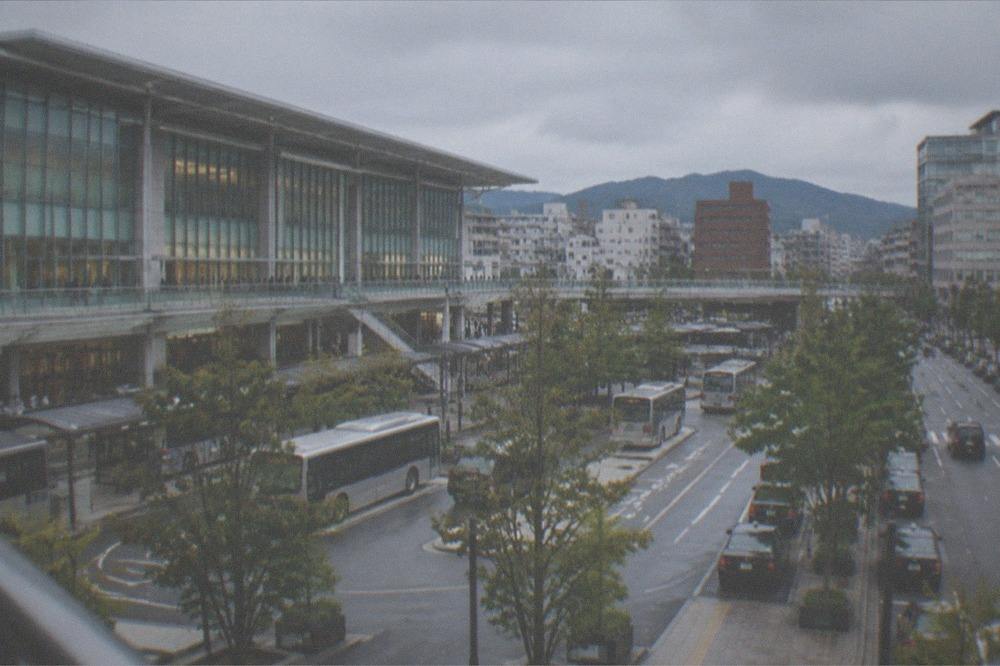
The long trips divide into two groups. Rail-friendly destinations such as Nagasaki and Kitakyushu run on frequent limited-express trains from Hakata, and the timetable does the planning for you. Scattered, rural destinations such as the Itoshima coast, the Yame tea hills or the onsen towns reward either careful bus research or a guided tour that bundles the transport, which is exactly what the coach day tours in the roster do.
| Destination | Typical day out | Getting there |
|---|---|---|
| Dazaifu | Shrines, museums, Umegae mochi | Nishitetsu rail, or the city pass Dazaifu version |
| Nokonoshima | Island park, seasonal flowers | City ferry from Meinohama area |
| Yanagawa | River boats, canal town | Nishitetsu rail or a guided coach day |
| Itoshima | Coast, beaches, cafés | Bus, rail or a coastal day tour |
| Nagasaki | Full day by rail | Limited express from Hakata |
| Yufuin and Beppu | Onsen towns, full day | Rail or a guided coach tour |
One caution that applies across the region: typhoon season runs roughly July through October, and it is a real planning factor for coastal and island day trips, not a reason to avoid the city. Ferry services suspend early in bad weather, so check the operator's status on the morning of an island trip. The summer in Fukuoka page covers how the season shapes travel more broadly.
For a day that strings together places the trains reach awkwardly, a customisable private tour is the efficient answer, and the guide handles the navigation entirely.
Where Does Walking Win, and Where Does It Fail?
Walking wins everywhere inside the Hakata-Tenjin-Nakasu rectangle, along the Ohori Park shoreline and through the Momochi waterfront, and it fails only at the edges: the airport, the eastern suburbs, the islands and anything beyond the city line. The pattern to remember is that Fukuoka's paid attractions cluster walkably while its natural sights mostly need a ride.
Put simply, the temples, shrines, shopping arcades, yatai rows and museums of central Fukuoka form one continuous walkable district, and the parks, beaches, islands and mountains form a ring around it that the subway, buses and ferries serve. Plan each day as a walkable core plus one ride out, and the transport budget stays tiny. Travellers who try to walk to Ohori Park from Hakata in summer heat learn this the hard way; the subway exists for exactly that trip.
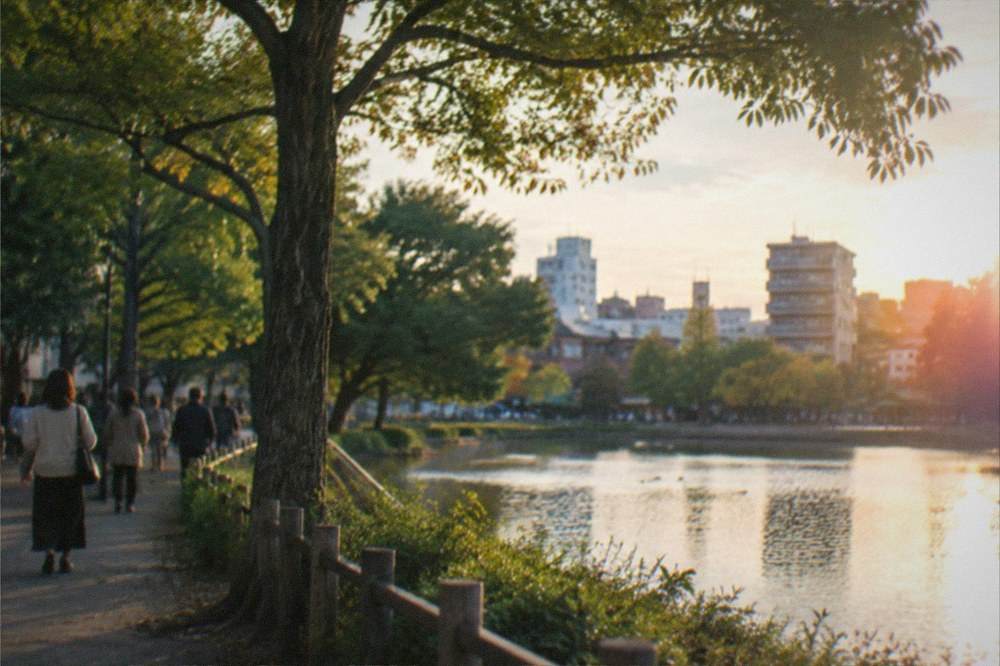
Rain changes the equation less than you would think, because much of the walking network is covered: the Tenjin underground mall links blocks of the shopping district without stepping outside, and the arcades around the Kawabata shopping district do the same in Hakata. The rainy day itinerary is built on that sheltered spine, and it is a genuinely useful plan even in the wettest weeks of July.
The last word goes to the evening. Nakasu after dark, with the yatai lit along the Naka River, is a walking experience first and a transport question second, and no pass or card improves on it. Walk there, eat standing or sitting at a stall, and let the subway carry you home: that combination is the cheapest, and the best, way around Fukuoka.
For a trip built around a few well-chosen guided days, these three options cover the range from a fully customised private route to a classic city highlights walk and a coach day into the Kyushu countryside.
Common Questions About Getting Around Fukuoka
What Is The Cheapest Way To Get Around Fukuoka: Subway, Bus Or Walking?
Walking, everywhere the centre allows, which is most of it. When you need a ride, the subway starts at ¥210 and the ¥640 day pass covers four or more rides. Buses are for the gaps and the flat central-zone fare keeps short hops simple.
How much is the subway from Fukuoka Airport to Hakata?
¥260 for an adult, a fare fixed by the official 3 to 7 km distance band. The airport sits on the Kuko Line two stops from Hakata, and the same fare reaches Tenjin one stop further on. No verified official journey time is published, so this site does not print one.
Is the Fukuoka Tourist City Pass worth the money?
Only on a ride-heavy day, and only if you hold a foreign passport, which is checked at the counter. The city version is ¥2,500 and the Dazaifu version ¥2,800, both covering one day of unlimited subway, bus, train and ferry travel. On an ordinary sightseeing day the ¥640 subway pass is the better buy.
Are there free walking tours in Fukuoka?
No. The platforms that list tip-based walking tours elsewhere return no inventory for Fukuoka at all. Paid small-group walking tours led by locals do exist, and the free things to do in the city, from shrine grounds to parks and the yatai rows, cost nothing to reach on foot.
Do I need an IC card in Fukuoka?
Not for a short visit, since single tickets and day passes are simple to buy. For a longer stay, the local cards are Hayakaken for the subway, nimoca for Nishitetsu and SUGOCA for JR Kyushu. Carry cash for the yatai, where card acceptance varies stall to stall.
Can I visit Dazaifu without a car?
Yes, the Nishitetsu rail line is the standard route, and the ¥2,800 Dazaifu version of the Tourist City Pass bundles the rail coverage for overseas visitors. The Tabito liner bus is excluded from that pass, so check which connection you plan to use before buying.