Fukuoka in January
January is Fukuoka's coldest month, and also one of its most eventful: New Year shrine visits, the Tamaseseri ball festival at Hakozakigu, hot motsunabe and yatai ramen, and clear views from Fukuoka Tower.
Short answer
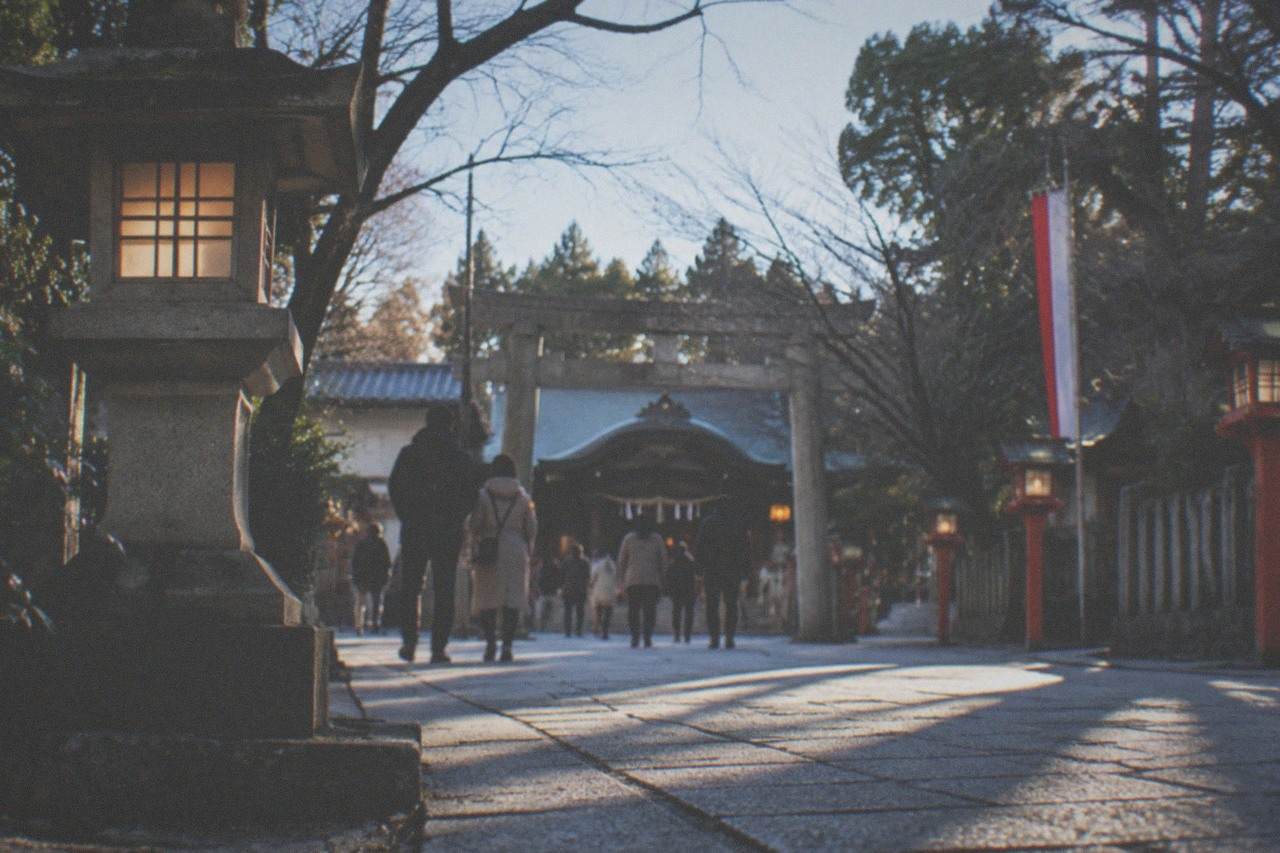
January in Fukuoka averages 6.9°C with only 74.4 mm of rain, making it one of the driest months of the year. Key events are New Year shrine visits and the Tamaseseri festival on January 3 at Hakozakigu Shrine. Expect hotel prices below the spring and summer peaks, short queues at major sights, and cold evenings best spent at yatai stalls or over motsunabe.
January strips Fukuoka back to its essentials. The crowds of the December illuminations have gone home, the sakura is four months away, and what remains is the city locals live in year round: steaming yatai stalls along the Naka River, shrine grounds full of New Year visitors in the first week, and some of the clearest skyline views of the entire year. The Japan Meteorological Agency's 1991 to 2020 normals put January's mean temperature at 6.9°C with just 74.4 mm of rain, which makes it the driest month in the table alongside February. This guide covers what to do, what to eat, where to go and what to pack for a January visit.
What to Do in Fukuoka in January?
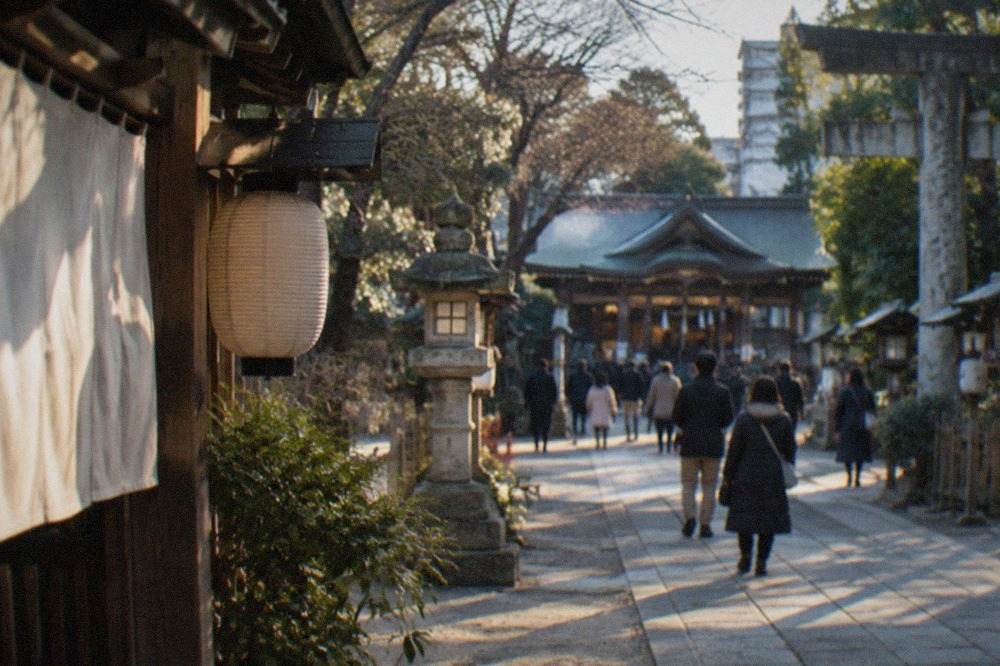
Fukuoka in January centres on three things: New Year rituals in the first week, cold-weather food such as motsunabe, tonkotsu ramen and yatai stalls, and indoor attractions like teamLab Forest and the city's two art museums. The month also hosts Tamaseseri, a ball-scramble festival at Hakozakigu Shrine on January 3, and offers the year's cheapest hotel rates alongside short queues at Dazaifu and other major sights.
The first three days of the year are a national holiday period, and Fukuoka moves to a different rhythm during them. Shrines fill with hatsumode, the year's first shrine visit, and many shops and restaurants close or run reduced hours on January 1. From around January 4 the city returns to normal, and by mid-month you have Fukuoka largely to yourself: museum queues are short, the best time to visit Fukuoka debate strongly favours bargain hunters this month, and the winter light along Hakata Bay is at its sharpest.
Two things define the month. One is Tamaseseri at Hakozakigu Shrine on January 3, one of Kyushu's three great festivals, where two teams of loincloth-clad men fight for an 8 kg wooden ball said to predict the year's harvest. The other is the food: Fukuoka's signature winter dishes are heavy, hot and built for 6°C evenings. Plan around both.
Is January a Good Time to Visit Fukuoka?
Yes, if you want low prices, thin crowds and clear views, and you do not mind cold evenings. January averages 6.9°C, drops to about 3.9°C at night and receives only 74.4 mm of rain across the month, making it drier than every month from March through October. It is the cheapest month for hotels and the quietest for major attractions, but the sea is far too cold for swimming and the days are short.
The JMA normals for Fukuoka station tell the story plainly. Winter here is mild by Japanese standards, milder than Tokyo or the Japan Sea coast, and notably dry. The rain that soaks June and July is absent, and typhoon season is a distant memory. What you get instead is crisp, clear air, which is exactly what you want for the observation decks at Fukuoka Tower and the viewpoints around the city.
| Month | Mean °C | Daily max °C | Daily min °C | Rain mm |
|---|---|---|---|---|
| January | 6.9 | 10.2 | 3.9 | 74.4 |
| February | 7.8 | 11.6 | 4.4 | 69.8 |
| March | 10.8 | 15.0 | 7.2 | 103.7 |
| December | 9.1 | 12.6 | 5.8 | 67.5 |
Source: Japan Meteorological Agency 1991 to 2020 normals for Fukuoka, block 47807, published at data.jma.go.jp.
Daylight runs from roughly 7:20 a.m. to 5:20 p.m., so plan sightseeing for the middle of the day and keep evenings for food and indoor attractions. Layers are the answer to the temperature swing: a warm afternoon of 10°C can follow a night near 4°C. The sea breeze along Momochi and Uminonakamichi adds a wind-chill factor, so a proper windproof outer layer earns its place in the suitcase. For a fuller month-by-month breakdown, see the Fukuoka weather guide.
If your dates are flexible, the second half of January is the sweet spot: the New Year holidays are over, the sales are on, and the city is at its quietest. If you specifically want the festival atmosphere, arrive before January 3.
What Should You Do on New Year's Day in Fukuoka?
New Year in Fukuoka means hatsumode, the first shrine visit of the year, at Kushida Shrine, Hakozakigu, Dazaifu Tenmangu or Sumiyoshi Shrine, followed on January 3 by Tamaseseri at Hakozakigu, where land and sea teams scramble for a sacred 8 kg wooden ball starting around 1:00 p.m. Shrine grounds are free, open through the holiday, and lined with food stalls in the first week. Expect crowds at every major shrine from midnight on January 1.
Hatsumode is the single biggest movement of the Japanese year, and Fukuoka's shrines handle it at scale. Kushida Shrine, the spiritual home of Hakata and the anchor of the Kushida Shrine guide, draws a steady stream from midnight onward, as does Hakozakigu on the city's eastern edge. Dazaifu Tenmangu, a 30 minute train ride away in Dazaifu, is one of the most visited shrines in the country for this occasion; the shrine states plainly that there is no entrance fee, and its grounds open from 6:00 or 6:30 depending on the season.
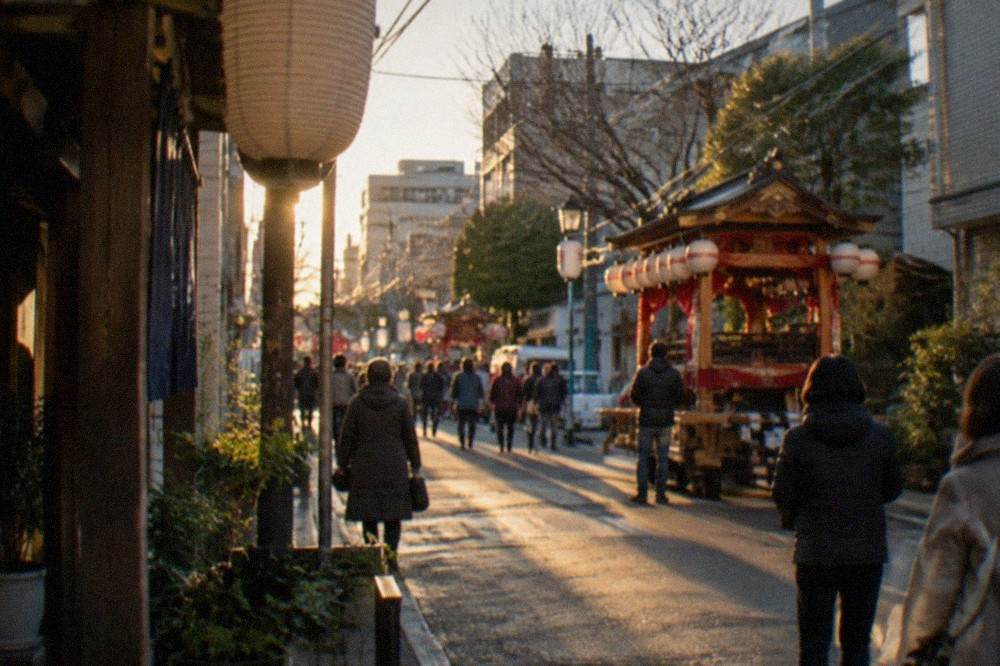
Tamaseseri on January 3 is the month's spectacle. Two teams, one from the land and one from the sea, wrestle over a wooden ball in a packed, shouting scrum at Hakozakigu; tradition holds that the winning side forecasts the year's harvest and fishing fortunes. The shrine's official site, hakozakigu.or.jp, publishes the schedule. Arrive early: the grounds fill well before the 1:00 p.m. start, and the event is standing room only.
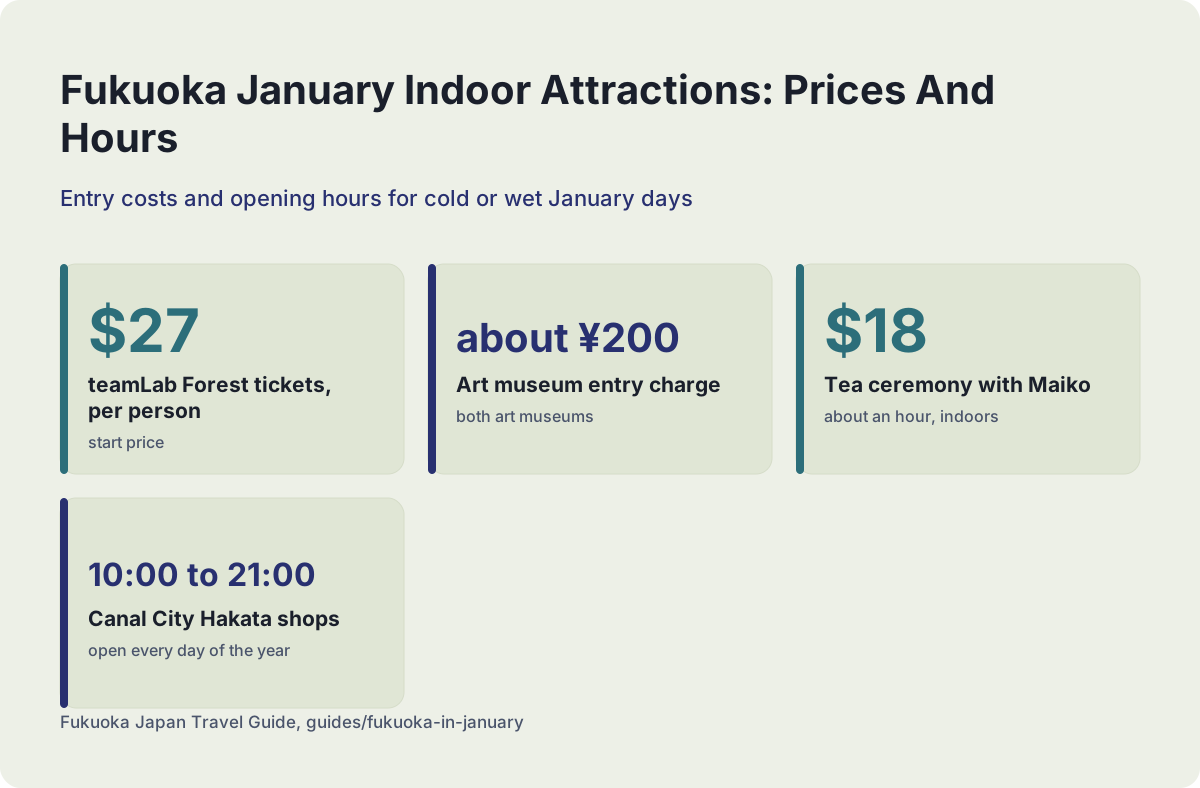
Between shrine visits, the first week also offers the New Year sales. Tenjin's department stores and the Tenjin Underground Mall run fukubukuro lucky bags, and Canal City Hakata, open every day of the year with shops from 10:00 to 21:00, is the easiest place to combine shopping with a warm indoor wander. For the full retail rundown, the where to stay in Fukuoka guide covers which neighbourhood puts you closest to what.
A calmer New Year ritual also deserves a slot: a traditional tea ceremony. The Fukuoka Special Japanese Tea Ceremony with Maiko runs about an hour, from $18 per person, rated 4.9 from 11 reviews, and it is held indoors, which matters in a week when the weather can turn. It pairs naturally with a morning at a shrine and an afternoon of sales shopping. Check availability
Which Indoor Attractions Save a Cold or Wet January Day?
Fukuoka's best January indoor options are teamLab Forest, the Fukuoka Art Museum, the Fukuoka Asian Art Museum, Canal City Hakata and the Hakata Machiya Folk Museum. Entry to the Asian Art Museum building is free with only the Asia Gallery charging, both art museums charge about ¥200, and teamLab Forest tickets start from $27 per person. All are reachable by subway, so you can move between them without standing in the cold.
Even in a dry month, January serves up grey days, and Fukuoka is unusually well equipped for them. teamLab Forest, the permanent digital art space in the BOSS E・ZO FUKUOKA complex beside the baseball stadium, is the headline: an immersive, interactive exhibition that occupies an hour or two and is entirely indoors. It is covered in full in the teamLab Forest guide, and tickets from $27 per person, rated 3.8 from 14 reviews, can be bought in advance through the teamLab Forest ticket page.
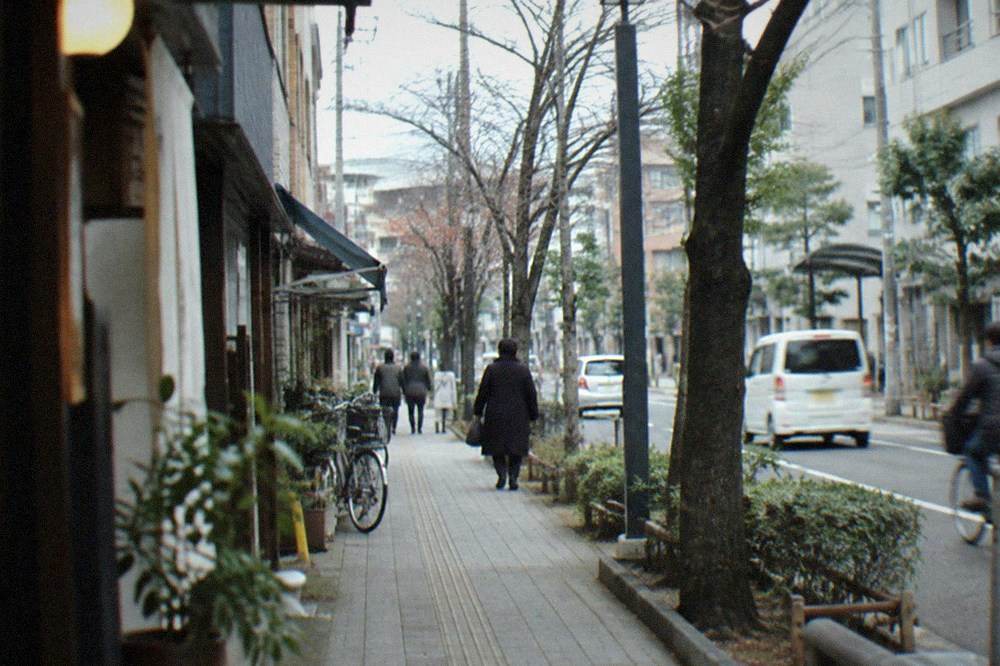
The two city art museums are the quiet bargains of a January trip. The Fukuoka Art Museum sits on the edge of Ohori Park, charges ¥200 for the collection exhibition, free for junior high age and under, and closes Mondays. The Fukuoka Asian Art Museum, on the seventh and eighth floors of the Riverain Center Building in Hakata, is free to enter, with the Asia Gallery at ¥200; its collection runs to about 5,000 works from 23 Asian countries and regions. Pair the art museum with a walk around Ohori Park while the light lasts, then warm up in the Ohori Park Japanese Garden, which charges ¥250 for adults and is free for visitors 65 and over. More of these guides are collected on Fukuoka Japan Travel Guide.
| Indoor attraction | Entry cost | Closed days | Nearest subway |
|---|---|---|---|
| teamLab Forest | from $27 per person | varies by calendar | Tojinmachi |
| Fukuoka Art Museum | ¥200 collection | Mondays | Ohori Park or Tojinmachi |
| Fukuoka Asian Art Museum | building free, gallery ¥200 | Wednesdays | Nakasu-Kawabata |
| Canal City Hakata | free | open every day | Gion or Nakasu-Kawabata |
| Hakata Machiya Folk Museum | fee applies | year-end only | Gion |
Canal City Hakata deserves a second mention as a weather refuge rather than a shopping destination: its indoor canal atrium, fountain shows and cinema add up to several hours of warm entertainment, with restaurants open until 23:00. If you are travelling with children, the Fukuoka with kids guide lists further covered options, including the aquarium at Marine World out on Uminonakamichi, where hours vary by calendar date so check the official site before you travel.
Where Should You Eat in Fukuoka in January?
January food in Fukuoka means hot pots and hot broth: motsunabe, a beef offal stew born in the city; tonkotsu ramen, the pork-bone noodle soup Hakata is famous for; and the roughly 100 licensed yatai food stalls that line the Naka River and the streets of Tenjin and Nagahama. A city ordinance requires every stall to display its prices openly, and most open from around 18:00, so plan dinner late.
Winter is the season Fukuoka's food was built for. Motsunabe, a bubbling pot of beef or pork offal, cabbage and garlic in a miso or soy broth, is the definitive January dinner, and the motsunabe and Fukuoka food guide pages list the best-known restaurants. Tonkotsu ramen needs no introduction, but it does need context: the broth is at its most welcome at 4°C, and the kaedama system, where you order extra noodles for a bowl that is still full of soup, was invented for exactly this weather.
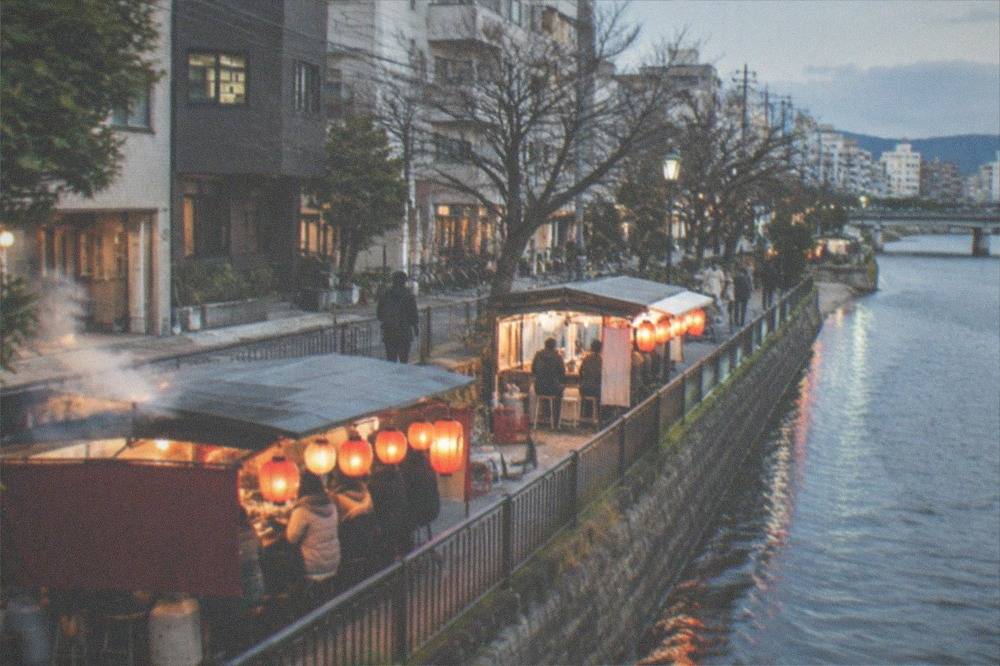
The yatai are the January experience. Fukuoka has about 100 licensed stalls, more than any other Japanese city, concentrated in Nakasu along the Naka River, in Tenjin along Watanabe-dori and Showa-dori, and in Nagahama near the old fish market. The city's Yatai Basic Ordinance requires prices to be displayed where customers can easily see them, and bans vague "market price" labelling on variable dishes, so the menu on the stall is the price you pay. Stalls typically open around 18:00 to 18:30 and pack up in the small hours, and they close at the operator's discretion, with rain and strong wind keeping many shut. There is no city-mandated closing day. The Fukuoka yatai guide maps the three areas in detail.
The stalls take walk-ins and cannot be booked, so do not plan your evening around a reservation. What you can book is a guided crawl: the Fukuoka Evening Tours option covers yatai, izakaya and karaoke from $99 per person, rated 5 from 29 reviews, and the private Nakasu food stall tour with tastings runs from $94 per person, rated 4.7 from 70 reviews. Both are listed on the Fukuoka food tours page. For after dinner, the Fukuoka nightlife guide covers the Nakasu bars and the izakaya of Daimyo.
What Day Trips Work from Fukuoka in January?
The best January day trips from Fukuoka are Dazaifu and its shrines and museums, Yanagawa's canal boats, the Yame tea country to the south, and Itoshima's coastal scenery. Dazaifu Tenmangu charges no entrance fee and closes its grounds at 18:30 in winter; the Nishitetsu train from Tenjin reaches the area in about 30 minutes with one transfer; and the Fukuoka Tourist City Pass with Dazaifu coverage costs ¥2,800 for adults, passport required.
Dazaifu is the classic winter excursion. The approach street, lined with umegae mochi shops, leads to Dazaifu Tenmangu, a shrine dedicated to the god of learning, and the Kyushu National Museum sits a short walk beyond. In mid to late November the maple trees around nearby Komyozenji put on the area's best autumn show, but in January the crowds are gone and the mochi comes hot off the griddle. The full plan is in the Dazaifu day trip guide.
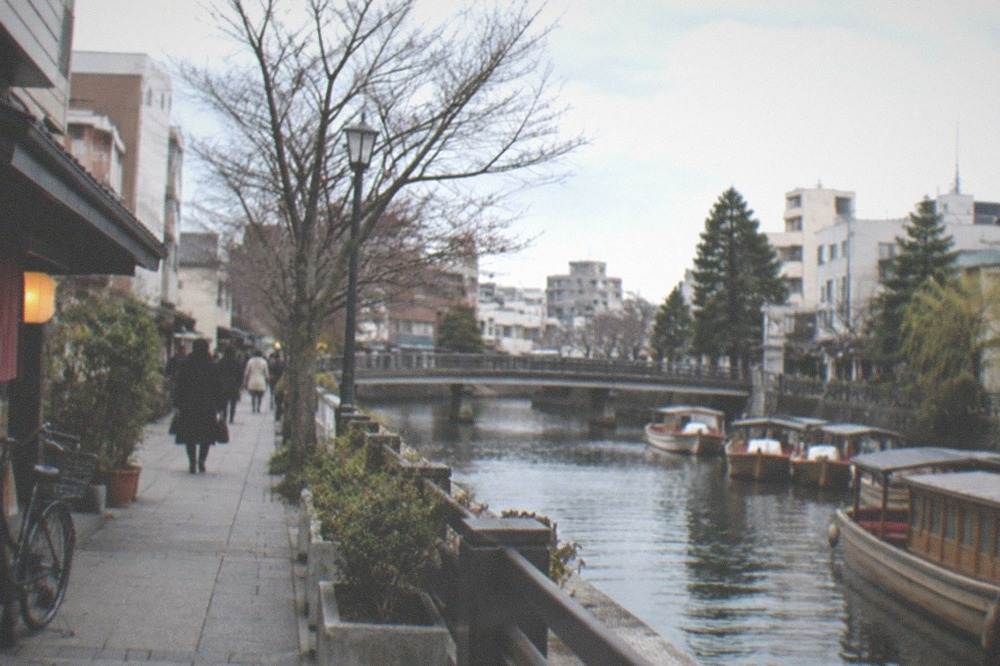
Yanagawa, 50 minutes south by Nishitetsu train, is a canal town where punts glide under stone bridges; in winter the boats are often fitted with kotatsu heaters, making it one of the few boat rides that improves with cold weather. The Yanagawa day trip guide covers the ride and the region's famous steamed eel lunches.
Tea country is the quieter option. The YokaBus Heritage in a Cup of a Yame Tea and Sake Tasting Expedition runs a full nine hours from $82 per person, rated 4.9 from 43 reviews, visiting the Yame tea fields and a sake brewery, with the details on the Yame tea and sake tasting tour page. A companion itinerary combines the tea fields with the Yanagawa river boats in one 9 hour 30 minute outing from $92 per person, rated 4.9 from 29 reviews.
| Day trip | Travel time from Tenjin | Winter highlight | Best for |
|---|---|---|---|
| Dazaifu | about 30 minutes by Nishitetsu | shrine visits, hot umegae mochi | first-time visitors |
| Yanagawa | about 50 minutes by Nishitetsu | heated canal boat rides | a slow, warm day out |
| Yame tea country | guided tour, about 9 hours | tea and sake tasting indoors | food and drink lovers |
| Itoshima coast | about 1 hour by train or bus | empty beaches, oyster shacks | scenery and seafood |
| Nokonoshima | ferry from Meinohama | island park, bay views | a short, scenic hop |
Itoshima, the peninsula west of the city, is at its most atmospheric in January: the beaches are empty, the oyster huts are at their busiest, and the sunsets over the Genkai Sea come early. The Itoshima day trip guide has the transport detail. For anything further afield, the Kyushu overview maps the full-day options, including Yufuin, Beppu and Nagasaki.
How Do You Get Around Fukuoka in January?
Fukuoka's subway is the winter workhorse: single fares run from ¥210 for up to 3 km to ¥380 for over 19 km, a one-day pass costs ¥640, and the airport-to-Hakata leg costs ¥260 within the official 3 to 7 km band. The Fukuoka Tourist City Pass, restricted to overseas tourists on a short-stay visa with a passport check, costs ¥2,500 for the city or ¥2,800 with Dazaifu included. IC cards work on subway, Nishitetsu trains and buses.
The subway's three lines connect the airport, Hakata, Tenjin, Nakasu, Ohori Park and Meinohama, which covers almost everything a January visitor needs. The Fukuoka subway guide has the full fare table; the short version is that most central journeys fall in the ¥210 to ¥300 range, and the ¥640 day pass pays for itself on the fourth ride. Contactless credit card tap-to-ride is capped at ¥640 per day on the subway, matching the paper pass.
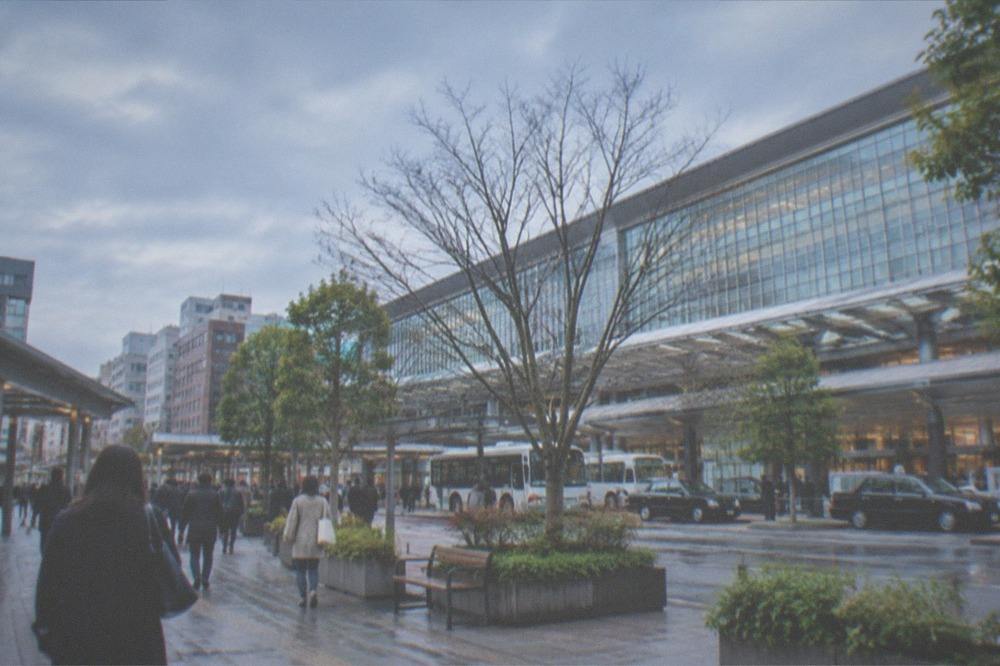
Two details matter in January specifically. First, the Fukuoka Tourist City Pass is the best value in the city for eligible visitors, and most competing guides still quote the old ¥820 and ¥1,340 prices, which are years out of date: the real figures are ¥2,500 and ¥2,800, sold with a passport check at the airport, the Tenjin and Hakata bus terminals and the subway customer centres, as published on the official gofukuoka.jp city pass page. Second, the airport connection: Fukuoka Airport is unusually close to the city centre, and the subway fare from the airport to Hakata is ¥260, verified against the official fare bands on the Fukuoka airport to city page. Note that there is no JR Fukuoka Station; the city's main rail hub is Hakata Station, and Hakata and Fukuoka are the same city, not two places you travel between.
| Ticket | Adult price | Coverage | Notes |
|---|---|---|---|
| Subway single, zone 1 | ¥210 | up to 3 km | child half price |
| Subway single, zone 6 | ¥380 | over 19 km | child half price |
| Subway 1-day pass | ¥640 | all three lines | valid first to last train |
| Tourist City Pass, city | ¥2,500 | subway, bus, train, ferry | passport check required |
| Tourist City Pass, + Dazaifu | ¥2,800 | adds Dazaifu rail | Tabito liner bus excluded |
Buses fill the gaps, and the Nishitetsu day pass for city buses costs ¥1,200 for adults. For everything else, the getting around Fukuoka guide covers IC cards, the Hakata Station layout and the ferry to Nokonoshima. The Hakata station guide is worth reading before you arrive, since almost every day trip starts there.
What Should You Pack for Fukuoka in January?
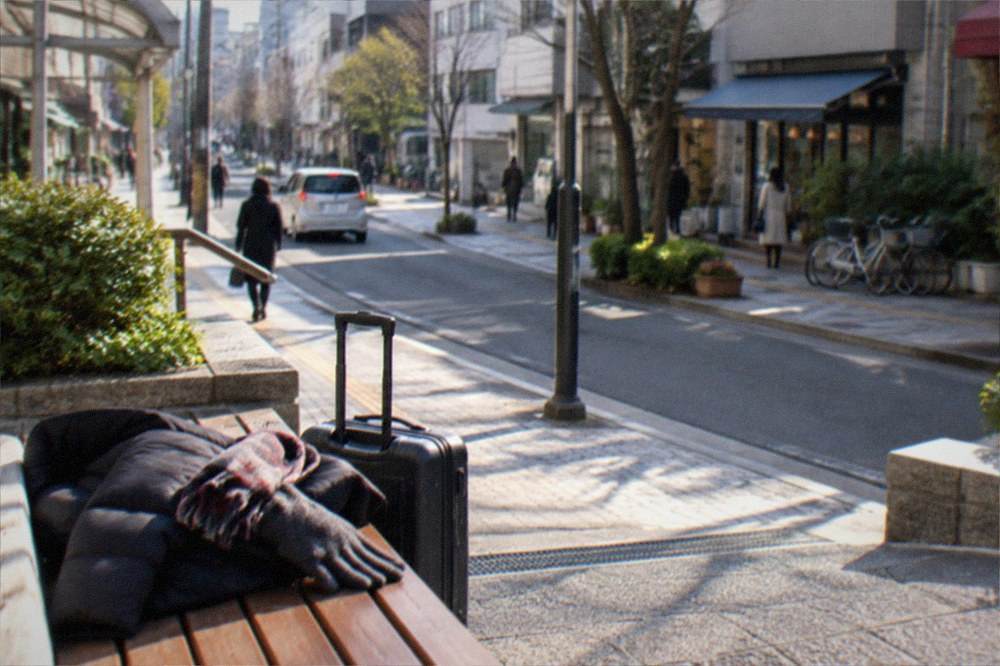
Pack for 4°C nights and 10°C days: a warm mid-layer, a windproof coat, a hat and gloves for evening yatai dining, and comfortable waterproof walking shoes. You do not need heavy snow gear, as Fukuoka sees little to no snow most winters, but you do need layers that handle a 6°C swing, and an umbrella is cheap insurance against 74 mm of monthly rain. Bring coins and small notes for yatai stalls, and note that Uminonakamichi Seaside Park's gate takes cash only.
The packing question is really a layering question. A thermal base layer under a fleece or wool mid-layer, with a windproof shell on top, covers everything from a shrine visit at noon to a stall dinner at 9 p.m. Japanese buildings and trains are well heated, so the shell that keeps you warm outside comes off inside; a backpack beats a coat check. Full detail is in the Fukuoka packing list resources and the seasonal pages linked from the weather guide.
Cash matters more in January than the guidebooks suggest. Yatai acceptance of cards and QR payments varies stall to stall, so assume cash for stall dinners. Uminonakamichi Seaside Park, if you head out that way, states on its own site that entry payment at the park gate is cash only, which is a detail almost no other guide mentions. The Fukuoka money and cash basics are covered alongside the transport pages.
| Item | Why January needs it |
|---|---|
| Windproof coat | sea breeze along the bay and at yatai stalls |
| Warm mid-layer | 3.9°C average nightly minimum |
| Hat and gloves | standing outdoor events like Tamaseseri |
| Waterproof walking shoes | occasional rain, stone shrine approaches |
| Cash in small notes | yatai stalls and park gates |
| Compact umbrella | 74.4 mm average monthly rain |
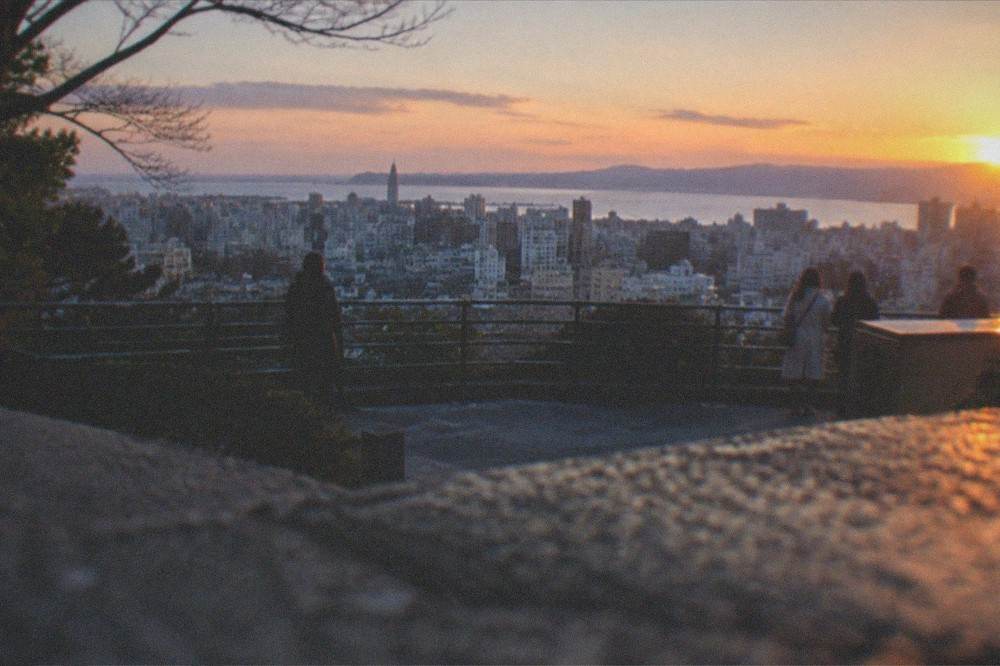
One more January note for photographers: the clear, dry air makes this one of the best months for the Fukuoka viewpoints around the city. Fukuoka Tower, ¥1,000 for adults and open 9:30 to 22:00 with last admission at 21:30, looks west over Hakata Bay, and the winter sunset arrives early enough to fit before dinner.
With your evenings sorted, the rest of the month falls into place: shrines in the first week, museums and shopping in the middle, a day trip when the sky is clear, and hot broth every night. January asks less of your budget than any other month in Fukuoka and gives back the city at its most local.
Common Questions About Fukuoka in January
What To Do In Fukuoka In January?
New Year shrine visits at Kushida Shrine, Hakozakigu and Dazaifu Tenmangu, the Tamaseseri ball festival on January 3, hot motsunabe and tonkotsu ramen, dinner at the yatai stalls, and indoor attractions like teamLab Forest and the two city art museums. Day trips to Dazaifu, Yanagawa and Itoshima work well in the dry, cold weather.
Is January cold in Fukuoka?
January is Fukuoka's coldest month, averaging 6.9°C with daytime highs near 10.2°C and overnight lows near 3.9°C. Snow is rare and the month is one of the driest of the year, with 74.4 mm of rain on the 1991 to 2020 JMA normals.
What is Tamaseseri?
Tamaseseri is a New Year festival held on January 3 at Hakozakigu Shrine, one of Kyushu's three great festivals. Two teams compete for a sacred wooden ball of about 8 kg in a standing-room-only scramble that traditionally forecasts the year's harvest and fishing fortunes, starting around 1:00 p.m.
Are the yatai food stalls open in January?
Yes. The stalls are a year-round fixture, with about 100 licensed across Nakasu, Tenjin, Nagahama and other districts, typically opening around 18:00 to 18:30. They close at the operator's discretion and in rain or strong wind, and there is no city-mandated closing day. Stalls take walk-ins and cannot be booked.
Is Fukuoka cheap in January?
January is generally the cheapest month for hotels in Fukuoka, coming after the New Year holiday peak and well before the spring cherry blossom season. Attractions are quiet, and the subway's ¥640 day pass plus the ¥2,500 Tourist City Pass for eligible overseas visitors keep transport costs low.
Can you do day trips from Fukuoka in winter?
Yes, and January suits several of them well. Dazaifu is about 30 minutes from Tenjin by Nishitetsu train, Yanagawa's canal boats often run with heaters in winter, and the Yame tea and sake region is reachable on a guided full-day tour. Itoshima's coast is at its quietest and the oyster huts are in season.