Hakata Station Area
Hakata Station is the busiest rail hub on the island of Kyushu and the practical centre of gravity for almost any trip to Fukuoka, yet the station carries a different name from the city around it. This guide explains why, and what to actually do with your time in the blocks around it.
Short answer
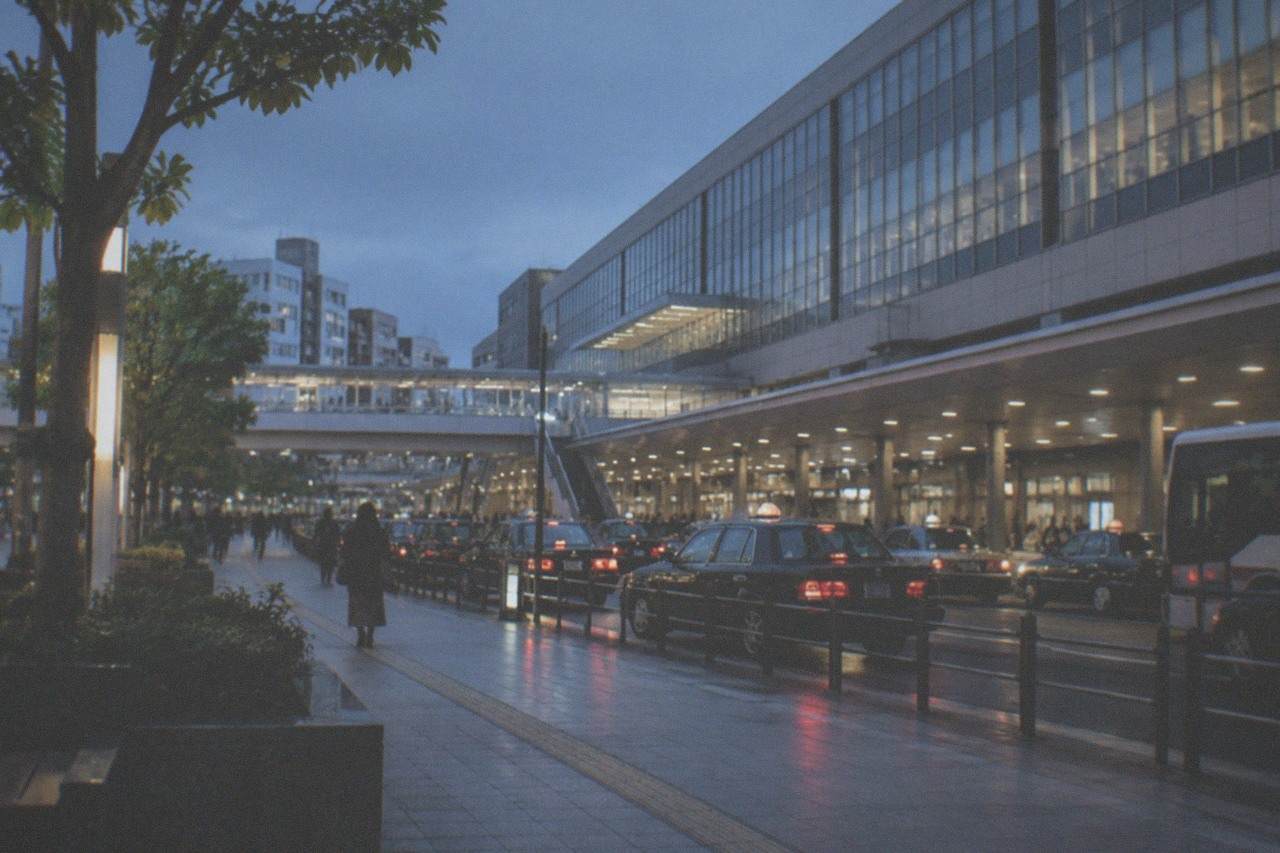
Hakata Station is the main station of Fukuoka city, and there is no JR Fukuoka Station anywhere in Japan. A subway ride from Fukuoka Airport costs 260 yen and the airport is unusually close to the centre. Around the station you find about 100 licensed yatai stalls, temples, shopping and day trips across Kyushu.
Hakata Station moves more people than any other station on the island of Kyushu. It sits in the middle of Fukuoka, a city of about 1.66 million residents and the fastest growing of Japan's ordinance-designated cities, and it is the point where the Sanyo Shinkansen from Honshu hands you over to Kyushu. The station is also the place where the naming of the whole city confuses first-time visitors, because the station says Hakata while the city hall says Fukuoka, and no other Japanese city splits its own name quite like this. This guide, published by Fukuoka Japan Travel Guide, covers the blocks around the station: how to arrive, where to eat after dark, what to do within walking distance, and which day trips you can reach from the same ticket gates.
Why Is Hakata Station Not Called Fukuoka?
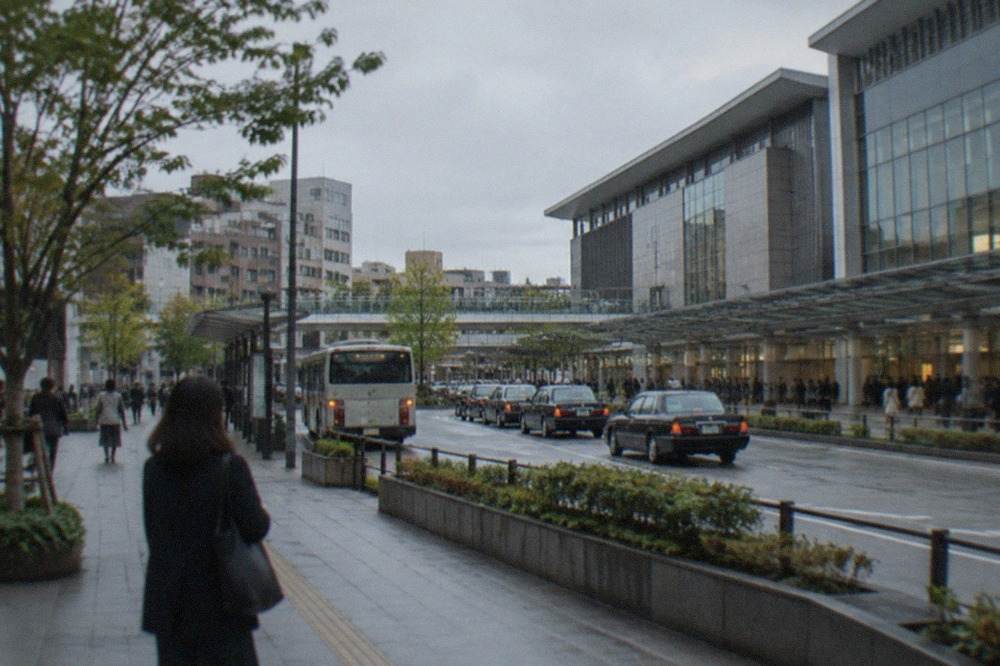
Hakata Station carries the name of the ward it stands in, Hakata, which was a separate merchant town before the merger that created the modern city of Fukuoka. When Japan's national railway needed one name for the station, local interests could not agree between Hakata and Fukuoka, and Hakata won the station while Fukuoka won the city. There is no JR Fukuoka Station in Japan at all.
The short version of the story is that two towns became one city and both names survived. Hakata was the port and merchant town facing Hakata Bay, the older settlement, the one whose traders ran commerce across the Genkai Sea to the Asian mainland for centuries. Fukuoka was the castle town that grew up around the fortress on the other side of the Naka River, the samurai side. When the two merged into a single city, the merged city needed both a name for itself and a name for its main railway station.
The story that local historians tell is that the station name was decided by a close vote among Hakata merchants and Fukuoka interests, and the merchant side won the station while the castle side won the city. Every street, ward, dialect and festival name in the city still carries the double heritage. The ward is Hakata. The station is Hakata. The airport is Fukuoka Airport. The city, the prefecture and the castle ruins are all Fukuoka. A reader who treats Hakata and Fukuoka as two different destinations, or writes about travelling "from Hakata to Fukuoka", has been misled by the naming, because you can stand with one foot in each without moving. The site's own answer page on is there a Fukuoka Station unpacks the station side of this in detail, and the broader Hakata area guide covers the ward as a whole.
If you are arriving from elsewhere in Japan, one practical consequence follows from all this. Your Shinkansen ticket, your JR pass exchange order and your hotel booking may all use different words for the same place. Nothing is wrong. Hakata is the station, Fukuoka is the city, and both refer to the same destination. Even the language keeps the memory alive: the local dialect is called Hakata-ben, not Fukuoka-ben, and the ramen style born here is Hakata tonkotsu, not Fukuoka ramen.
How Do You Get from Fukuoka Airport to Hakata Station?
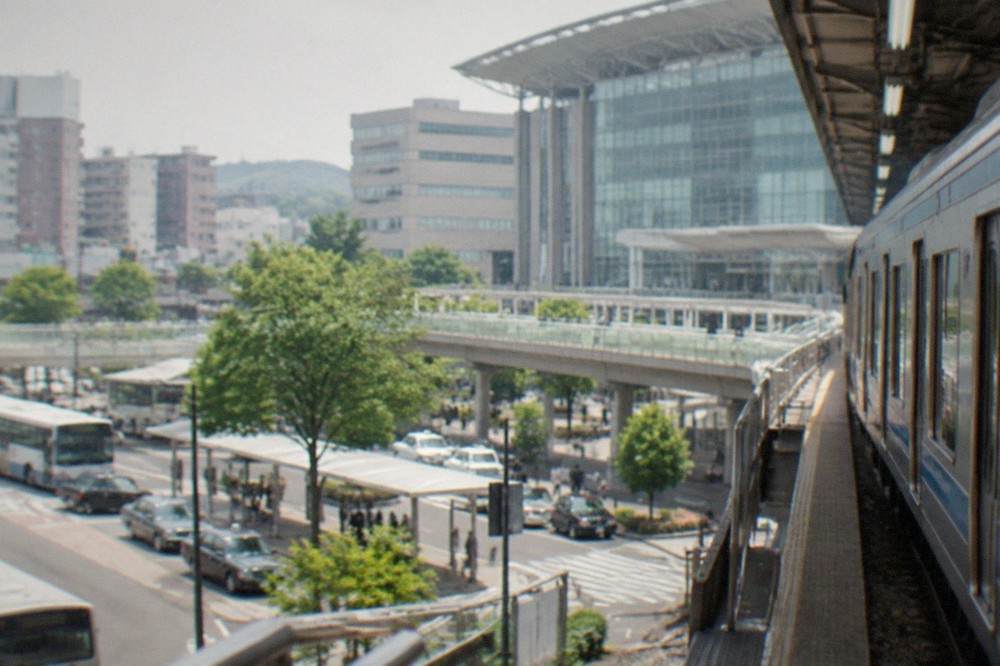
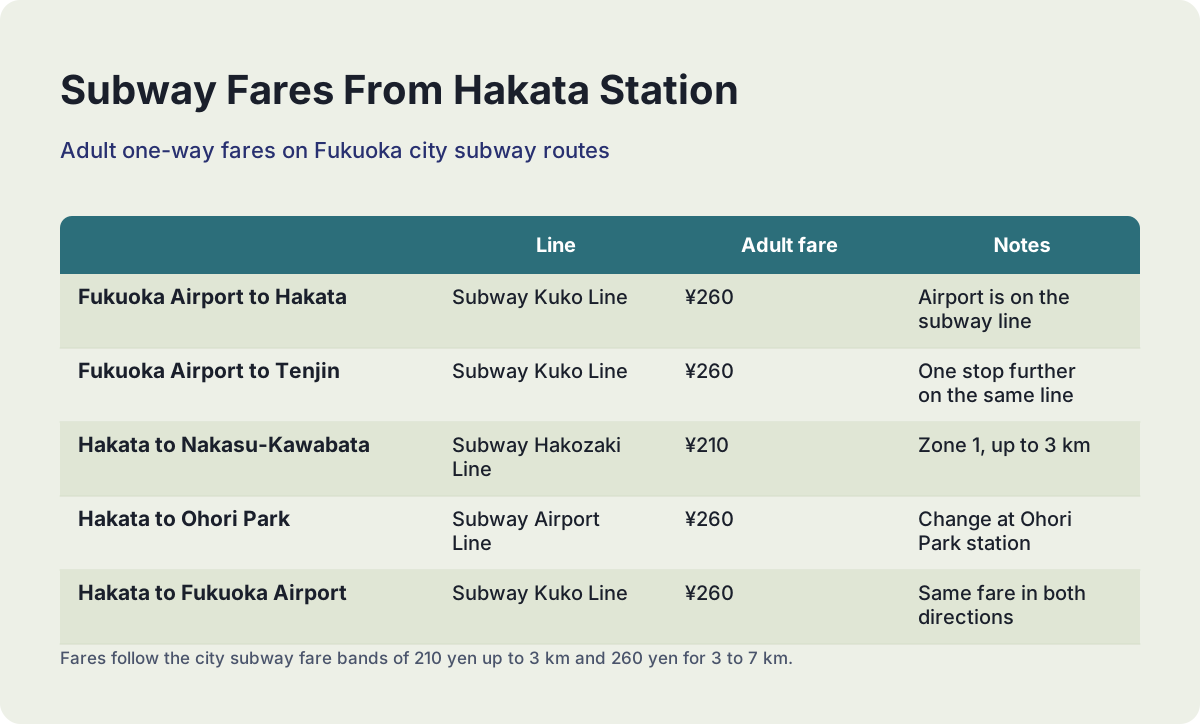
Fukuoka Airport sits on the city subway's Kuko Line and is unusually close to the city centre, closer than almost any other airport serving a Japanese city of this size. The subway fare from the airport to Hakata Station is 260 yen, derived from the official 3 to 7 km fare band. No official page publishes a journey time in minutes, so this guide does not print one.
The distance is the real story. Most major Japanese airports sit an hour or more from the cities they serve, and Fukuoka's does not. The airport's own access pages confirm that the airport is a short subway hop from both Hakata and Tenjin, and the fare structure shows how tight the band is: the city subway charges 210 yen for trips up to 3 km and 260 yen for the 3 to 7 km band, and the airport-to-Hakata leg falls inside that second band. The full fare table is published by the city subway operator at its official fare page. A taxi is a genuine option here in a way it rarely is at other Japanese airports, because the ride is short, and a free inter-terminal shuttle bus runs between the international and domestic terminals, a leg the airport states as 10 minutes.
| Route | Line | Adult fare | Notes |
|---|---|---|---|
| Fukuoka Airport to Hakata | Subway Kuko Line | ¥260 | Airport is on the subway, not a distant rail link |
| Fukuoka Airport to Tenjin | Subway Kuko Line | ¥260 | One stop further along the same line |
| Hakata to Nakasu-Kawabata | Subway Hakozaki Line | ¥210 | Zone 1, up to 3 km |
| Hakata to Ohori Park | Subway Airport Line | ¥260 | Change at Ohori Park station |
| Hakata to Fukuoka Airport | Subway Kuko Line | ¥260 | Same fare in both directions |
Two planning notes make the arrival easier. The airport handled roughly 28.38 million passengers in 2025, a record high, and a second runway entered service in March 2025, so international arrivals have grown noticeably busier than they were a few years ago. The other note concerns luggage. Hakata Station has proper coin lockers and a delivery counter, but they fill up on festival weekends and around national holidays, so if you are arriving mid-morning with suitcases and planning a same-day side trip, read the site's guide to luggage storage in Fukuoka before you commit. The arrival guide from the airport into the city covers the whole journey including buses and the tourist information offices.
If you want a structured introduction to the city rather than finding your own way on day one, the guided options around the station are strong. A private guide who builds the route around you solves the naming confusion at a stroke, because a local simply knows which exit leads where.
What Is Actually Around Hakata Station?
The blocks around Hakata Station hold Kushida Shrine, Tochoji temple with its giant Buddha, the Hakata Machiya Folk Museum, the Yanagibashi seafood market and the entrance to the Nakasu entertainment district, most of it within a 15 minute walk. The station building itself is a shopping destination, with department stores, restaurants and a rooftop garden.
Start with the station itself, because it is not a dead transit zone. Hakata Station stacks two department stores, a rooftop garden, an underground food hall and dozens of restaurants into the same complex, and the rooftop deck is free and open late, one of the better free views in the city. The full rundown of exits, ticket offices and the department stores sits in the Hakata Station guide.
Out on the street, the nearest spiritual landmark is Kushida Shrine, the tutelary shrine of Hakata and the fixed centre of the Hakata Gion Yamakasa festival each July. The shrine grounds are free to enter, and it sits maybe ten minutes on foot from the station's Chikushi exit. Tochoji, the Shingon temple founded according to tradition by Kobo Daishi, is a similar walk away and houses one of the largest seated wooden Buddhas in Japan, plus a ring of Zen statues. Both temples and shrines in the area are free to enter, and the site's guide to temples and shrines in Fukuoka puts them in order. Note that this site does not publish opening hours for Kushida or Tochoji, because no official source for them has been verified, so plan a daylight visit rather than relying on a timetable copied from an aggregator.
| Place | Distance from Hakata Station | Entry | Best for |
|---|---|---|---|
| Kushida Shrine | About 10 minutes on foot | Free | Festival heart of old Hakata |
| Tochoji temple | About 10 minutes on foot | Free | Giant seated Buddha, Zen statuary |
| Yanagibashi Market | About 10 minutes on foot | Free to browse | Working seafood stalls, morning energy |
| Kawabata Shopping Arcade | About 12 minutes on foot | Free | Traditional covered arcade beside the river |
| Nakasu district | About 12 minutes on foot | Free | Nightlife and riverside yatai stalls |
| Ohori Park | Subway, a few stops | Park free | Ponds, castle ruins, art museums |
North of the station, the Hakata old town around Jotenji temple and the Hakata Machiya Folk Museum preserves machiya townhouses and the crafts that made Hakata famous, including the doll painting workshop covered below. The Hakata district page walks the whole quarter if you have half a day.
Where Should You Eat Around Hakata Station?
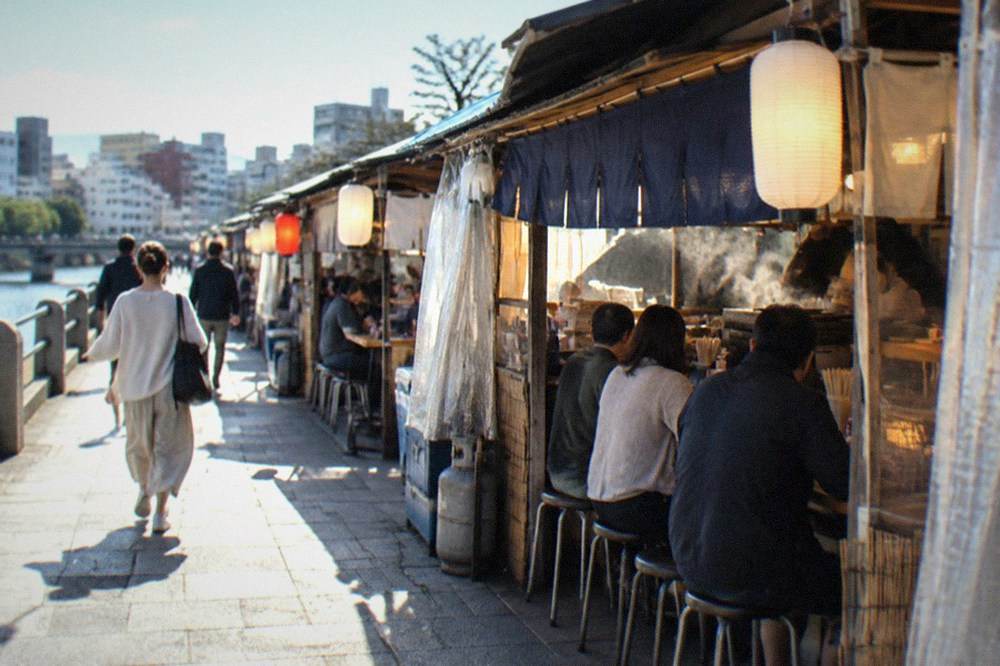
Hakata Station is the best-fed station area in Kyushu, with about 100 licensed yatai street stalls operating across the city, concentrated in Nakasu, Tenjin and Nagahama, plus an underground ramen street, depachika food halls and the Hakata ramen shops that invented the style. Tonkotsu ramen, motsunabe hot pot and mentaiko are the three dishes the area is known for.
The yatai are the signature, and they are the reason many travellers book a hotel near the station in the first place. A yatai is a licensed mobile food stall, a counter and a canopy with maybe seven seats, serving ramen, yakitori or oden to commuters long after the department stores have shut. Fukuoka has about 100 of them, more than any other Japanese city, and the city publishes its own Q&A on the system at its official yatai page. The ordinance that governs them requires prices to be displayed where the customer can easily see them, and any dish that varies with the market must show the day's actual price rather than a vague "market price" tag. That detail is the honest answer to the question every visitor quietly asks: the stalls are regulated, inspected, and transparent about what things cost.
Inside the station, the eating splits three ways. The underground ramen street on the first floor serves Hakata tonkotsu in its home setting, thin noodles in a rich pork-bone broth, with the kaedama extra-noodle ordering system that locals use. The depachika food halls sell mentaiko, mentaiko-stuffed onigiri and boxed meals for the Shinkansen. And the restaurant floors run from motsunabe specialists, the Hakata hot pot of beef offal and cabbage, to sushi counters. The site's street food guide and the Hakata ramen deep dive sort the rest of it, and if you want a morning start, the breakfast options around the station are better than most Japanese station areas.
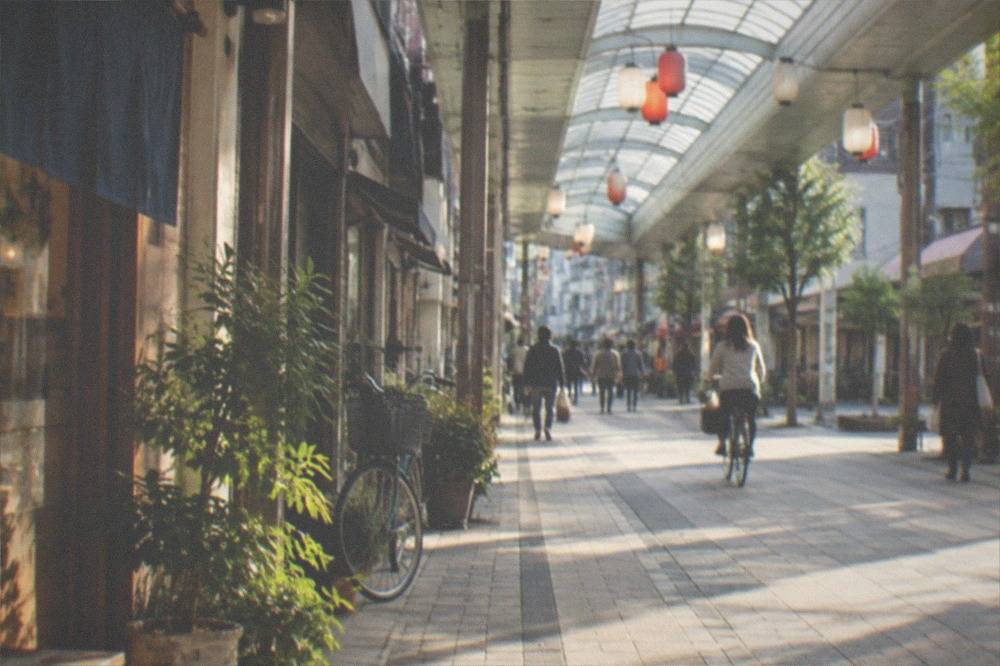
One honest warning about the stalls: they are weather-dependent. Rain or strong wind closes a large share of them on any given night, there is no city-mandated closing day, and the city's own guidance treats each stall as an individual operator deciding for itself. Planning a yatai dinner as the single non-negotiable event of a night is a common way to be disappointed. Planning it as the default and taking a ramen shop as the backup is how locals treat it.
What Can You Do Near the Station on a Rainy Day?
The station area is one of the best rainy-day zones in the city, with teamLab Forest inside a shopping complex at the station's doorstep, two art museums a subway ride away, the Kawabata arcade under cover and the station building itself holding restaurants and retail for hours. Fukuoka's rain peaks in July, when the JMA's 1991 to 2020 normals show 299.1 mm, more than any other month.
The single most useful indoor attraction within minutes of the station is teamLab Forest, the permanent digital art installation inside BOSS E.ZO FUKUOKA next to the PayPay Dome side of the city. Tickets start from around $27 per person and the experience runs one to two hours, and it can absorb an entire wet afternoon with children or without them. The site carries a full page on teamLab Forest in Fukuoka.
The museums are the other shelter. The Fukuoka Art Museum in Ohori Park charges 200 yen for adults and 150 yen for students, with under-15s free, and the Fukuoka Asian Art Museum holds around 5,000 works from 23 Asian countries and regions, with the building free to enter and only the Asia Gallery charging 200 yen. Both are a short subway ride from the station. One scheduling fact worth carrying: the two museum buildings close on different days, with the art museum closing Mondays and the Asian art museum closing Wednesdays, so a Monday-to-Wednesday trip can still get one of them on any day.
| Indoor option | Rough cost | Time needed | Notes |
|---|---|---|---|
| teamLab Forest | From about $27 | 1 to 2 hours | Digital art, bookable ticket |
| Fukuoka Art Museum | ¥200 adult | 2 to 3 hours | Under-15s free |
| Fukuoka Asian Art Museum | ¥200 Asia Gallery | 2 hours | Building entry free |
| Hakata Machiya Folk Museum | Fee applies | 1 hour | Machiya townhouse and crafts |
| Kawabata Shopping Arcade | Free to browse | 1 to 2 hours | Covered arcade, snack stalls |
| Station building shops | Free to browse | Variable | Open into the evening |
Rain in Fukuoka is not a reason to write off a day, but July specifically is the month to build indoor backup plans for, since it is wetter even than the June tsuyu season. The rooftop garden of the station building works in drizzle, and the arcade and the museums absorb the rest.
Where Should You Stay Near Hakata Station?
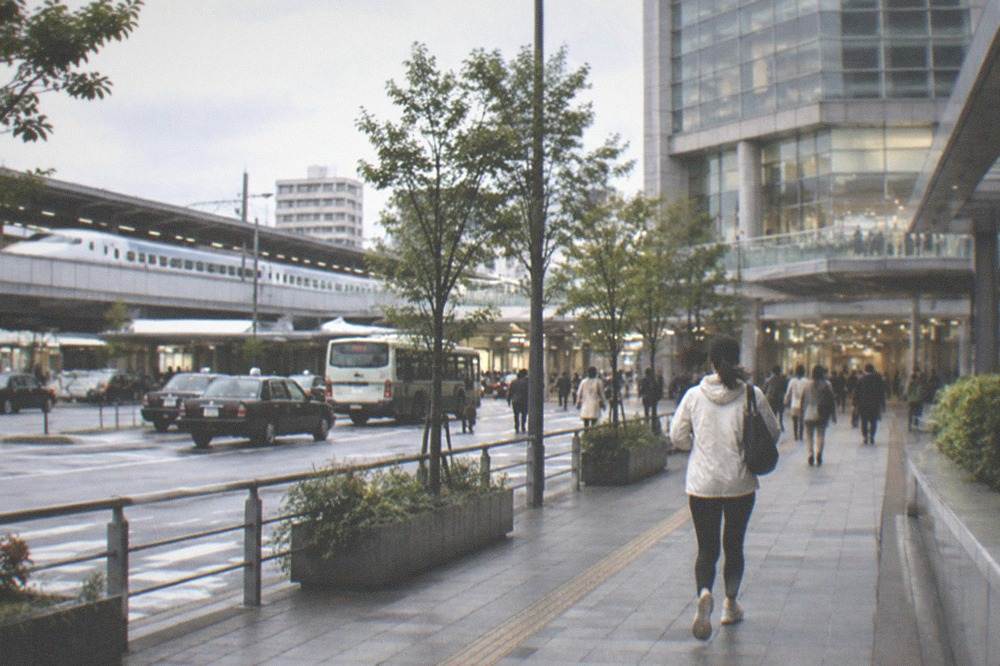
Hakata Station is the most practical base for most visitors to Fukuoka, because every subway line, both Nishitetsu train directions and every day-trip bus and train passes through it. It suits anyone using Fukuoka as a Kyushu hub, while Tenjin suits travellers who want shopping and nightlife on foot. Hotels cluster south and west of the station in every price band.
The honest trade-off is between Hakata and Tenjin, and the answer depends on what you are doing with the trip. Stay near the station if you plan day trips, if your flight lands late, or if you are taking an early Shinkansen onward, because you will be at the gates in minutes. Stay in Tenjin if your days are shopping, cafes and restaurants in the city's commercial heart. The site's full comparison of Hakata versus Tenjin covers the argument in depth.
The station-side districts worth naming are practical rather than scenic. The blocks immediately south hold business hotels and mid-range chains within a five minute walk of the ticket gates. The Gion and Hakata old town side, east of the station toward Kushida Shrine, holds smaller properties in quieter streets, walking distance from the yatai rows along the river. Nothing in the station area is far from anything, because the whole city centre fits within a circle you can cross on foot in under an hour.
| Base | Best if you want | Trade-off |
|---|---|---|
| South of Hakata Station | Early trains, day trips, late arrivals | Station-district bustle |
| Gion side, east | Temples, yatai, old-town atmosphere | Fewer late-night shops |
| Nakasu | Nightlife and river stalls | Noisier weekends |
| Tenjin | Shopping, cafes, underground mall | Commute for day trips |
| Ohori Park side | Greenery, museums, quieter nights | Furthest from the station |
A word about booking pressure: the station area sells out around the two big festivals. Hakata Dontaku fills the city over May 3 and 4, and Hakata Gion Yamakasa runs July 1 to 15, with the Oiyama race starting at 4:59 in the morning on July 15. Neither festival has ticketing at all, but both bring huge crowds into the centre, and hotels near the station are the first thing that disappears.
Is Hakata Station a Good Base for Day Trips Across Kyushu?
Hakata Station is the single best day-trip base in Kyushu. Nishitetsu trains reach Dazaifu in about thirty minutes, highway buses and trains reach Yanagawa, Itoshima and the Kitakyushu coast, and the Shinkansen and limited expresses reach Kumamoto, Beppu, Yufuin, Nagasaki and Takachiho as full-day trips. Dazaifu and Yanagawa are the easy half-day options, Aso and Takachiho the full-day ones.
The spectrum of trips from this station is unusually wide for a mid-sized Japanese city, and travellers routinely underestimate it. The Dazaifu run is the classic: a Nishitetsu train from a station in Tenjin, a transfer at Futsukaichi, and you are at the approach to Dazaifu Tenmangu, whose own English FAQ states plainly that there is no entrance fee. The site's Dazaifu day trip guide covers the route. Beppu and its famous hells are a comfortable full-day outing, covered in the Beppu day trip page.
| Destination | Line or mode | Trip type |
|---|---|---|
| Dazaifu | Nishitetsu via Futsukaichi | Half day to full day |
| Yanagawa | Nishitetsu train or bus | Half day, canal boats |
| Itoshima coast | Nishitetsu bus or rental car | Full day |
| Kitakyushu and Mojiko | JR, Shinkansen to Kokura | Full day |
| Beppu and Yufuin | Limited express or guided tour | Full day |
| Takachiho Gorge | Highway bus or tour | Full day, long day |
| Kumamoto | Shinkansen | Full day |
| Nagasaki | Limited express or bus | Full day, longest |
One pass deserves a mention here because most competing guides still quote the wrong price for it. The Fukuoka Tourist City Pass, operated by the city's own tourism office, costs 2,500 yen for the city version and 2,800 yen for the city plus Dazaifu version, and it is restricted to overseas tourists on a short-stay visa, with a passport checked at the counter. It covers subway, buses, trams and ferries for one day. Older guides print an 820 yen or 1,340 yen figure that no longer reflects the product, which is exactly the kind of stale detail this site refuses to carry.
If structuring day trips yourself feels like work, the guided day tours from this station are where the roster is strongest. The Takachiho gorge tour with the Amaterasu railway is the most heavily reviewed trip in the region, and the Mount Aso tours cover volcano, grassland and onsen country in one loop. Both are card-only day trips, no private guide needed.
How Much Time Do You Need Around Hakata Station?
Most travellers need one full day for the station area itself, covering the old town, the temples, the shrines and an evening at the yatai stalls, plus a second evening for Nakasu if nightlife matters. Add the station to any itinerary as a hub rather than a destination and it rewards three-day trips best, which is what the site's standard itineraries are built around.
The station area is compact enough that a determined walker can see the core in a single day. Morning for Tochoji and the old town streets, midday for the Hakata Machiya Folk Museum or the station building itself, afternoon for Kushida Shrine and the Kawabata arcade, and evening for the stalls. That is a full day and it is a good one, but it does not include Ohori Park, the castle ruins, the art museums or any day trip, all of which are separate subway rides away. The two day itinerary splits the city exactly along that line: station-side Hakata on the first day, Tenjin and Ohori on the second.
The timing question that changes with the season is daylight. In midsummer the stalls are in full swing while it is still bright, and the city's July evenings are warm, with mean daily maxima above 31 Celsius. In December the same stalls open in the dark, and the station's rooftop garden becomes an illumination viewpoint rather than a daytime deck. Neither is a better time; they are different products.
| Trip length | What fits comfortably | What gets cut |
|---|---|---|
| One day | Temples, shrine, old town, yatai evening | Museums, Ohori Park |
| Two days | Add Tenjin, Ohori, art museums | Any day trip |
| Three days | Add Dazaifu or Yanagawa | A second day trip |
| Five days | Add Itoshima plus a Kyushu day trip | Little or nothing |
For travellers with specific interests the math shifts. A visitor who arrives for the November Kyushu Basho, the only time sumo is competitively staged in the city, should treat the station area as the base and book tournament days early. A visitor with a November or early December itinerary should check the autumn colour timing, since the city's parks hold their colour into early December.
What Should You Not Miss in the Hakata Old Town?
The Hakata old town east of the station holds Jotenji temple, the streets where Hakata's traditional crafts survive, the Hakata Machiya Folk Museum and the workshops that still paint Hakata dolls and weave Hakata-ori textile. It is the quietest, most historically dense quarter within walking distance of the station, and it is where the city's merchant past is still visible rather than reconstructed.
Jotenji is the anchor, a Zen temple founded by the merchant Shoichi Kokushi, credited in local tradition with introducing manju sweets and the udon and soba-making craft that spread through Japan. Whether every attribution stands up to modern scholarship varies, but the temple's place in the merchant story of old Hakata is real, and the streets around it are where that story still lives. The Shofukuji temple nearby claims the oldest Zen temple in Japan founded by Eisai, and the whole cluster sits in the same few blocks.
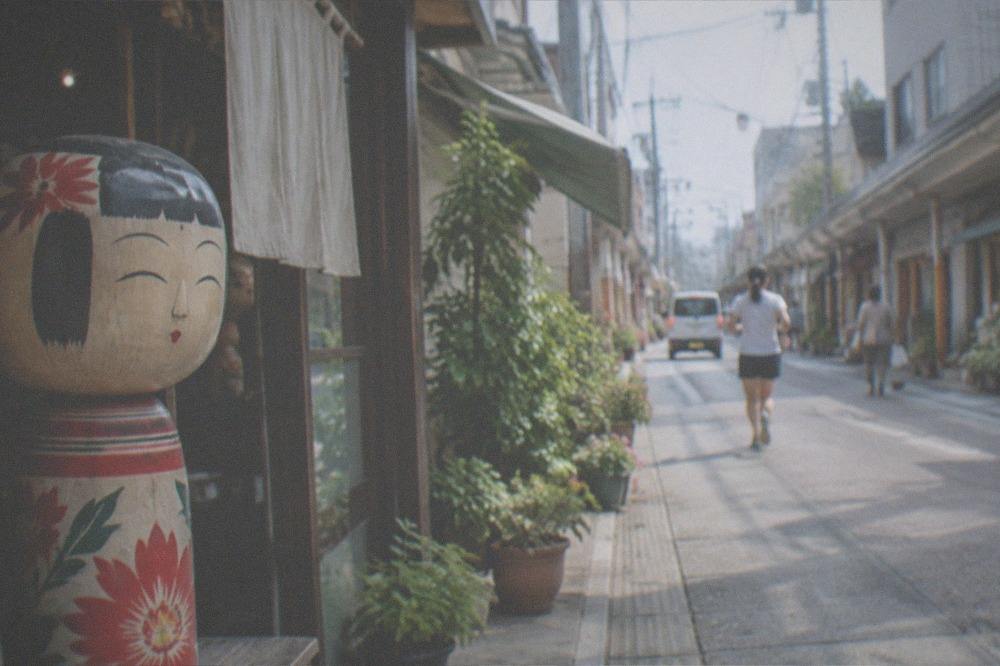
The crafts are the part most visitors miss. Hakata-ori, the tightly woven silk textile with the distinctive pattern, is still produced in workshops in the district. And the Hakata dolls, the unglazed painted figures that became one of the city's signature souvenirs, are still painted by hand, including at sessions open to visitors. The doll painting experience in this quarter is the one hands-on cultural stop closest to the station that does not require planning a whole day around it, and the related tour on this page covers it.
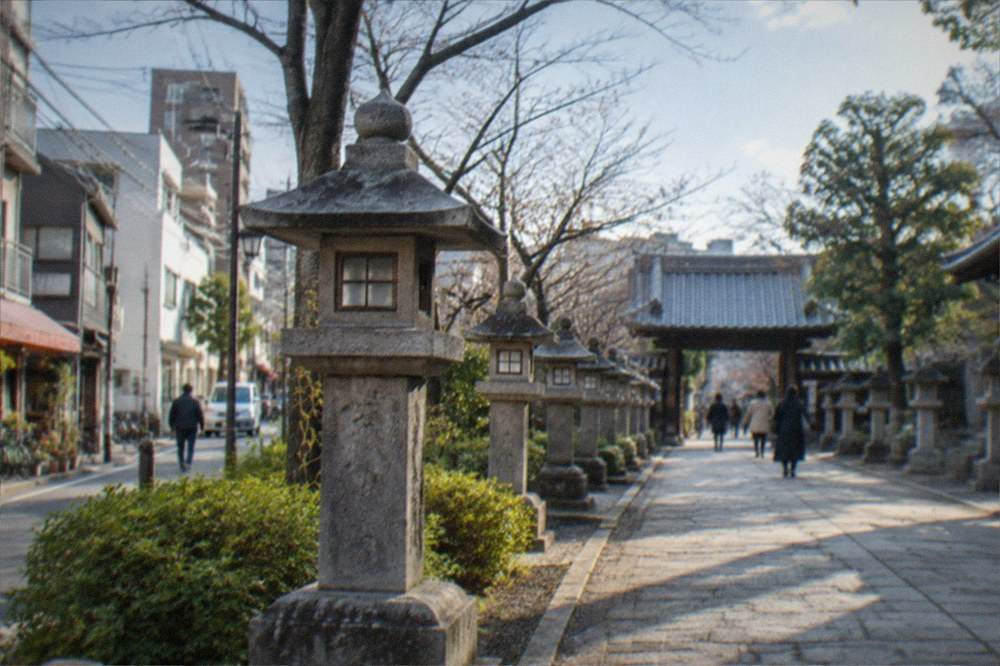
The quarter rewards slow walking more than any itinerary trick. A morning with the temples, a workshop visit, and a late lunch of goma saba, the sesame mackerel dish that belongs to this coast, is a complete Hakata day in miniature. The food pages elsewhere on this site cover the eating side; the old town is the part of the station area that keeps giving after the shops and the stalls are done.
Do You Need a Guide for the Station Area?
A guide is not necessary for the station area, which is compact, signposted and easy to walk, but guided experiences add real value for the yatai stalls, the sumo stable mornings and the old town crafts, where access and context are the product. Private guides start from around $59 per person, and the half-day essentials tour is the most reviewed structured walk.
The honest case against a guide: the station area is walkable, the subway is simple, the temples are free and the signs are adequate. You can see Kushida, Tochoji and the arcade alone without losing much. The honest case for one: the stalls and the crafts quarter are better with someone who knows which stall is open and which shop will let you in, and the sumo mornings are inaccessible without an arrangement. A guided bike ride through Hakata is another way to cover the flat streets between the station and the old town quickly, and the morning sumo practice walk pairs the stable with the old town in a single two hour block.
The private options matter most for travellers with a specific interest. A licensed guide for a full day costs more, from around $160 per person, and is worth it only if you want depth on a particular theme, the temples, the war history, the food. For everyone else the small-group and card experiences are the better spend, and the walking tour options rank alongside the food crawls and the bike rides as the best-value structured days out of this station.
Ready to Plan the Rest of Fukuoka?
Yes, and the station area is the right place to start. It is the arrival point for nearly every visitor to this city, and it is a destination in its own right once you look past the ticket gates. Treat it as the hub it is, spend a full day on the old town and the stalls, and let the trains and buses handle the rest of Kyushu from here.
Start with the naming question that opened this guide, because it answers itself once you have walked the streets. Hakata is the ward and the station, Fukuoka is the city that contains it, and the blocks in between hold the food stalls, the temples and the crafts that made both names worth keeping. From the rooftop garden of the station building you can see the whole arrangement at once: the bay the merchants came for, the castle side across the river, and the trains leaving for everywhere else on the island.
Common Questions About the Hakata Station Area
Why Is Hakata Station Not Called Fukuoka?
Hakata was the merchant town and port, Fukuoka was the castle town. When the two merged into one city, the station took the merchant name while the city took the castle name, and there is no JR Fukuoka Station anywhere in Japan. Hakata and Fukuoka are the same city, not two destinations.
How do you get from Fukuoka Airport to Hakata Station?
The airport is on the subway's Kuko Line, and the fare to Hakata Station is 260 yen. The airport is unusually close to the city centre, and no official page publishes a journey time in minutes, so plan a short ride rather than trusting a figure copied from other guides.
Is it better to stay in Hakata or Tenjin?
Hakata Station suits day-trippers and anyone using the city as a Kyushu hub, since every train and bus passes through it. Tenjin suits shopping-focused stays. The site carries a full comparison in the Hakata versus Tenjin answer page.
Can you book a yatai food stall in Fukuoka?
No, the stalls take walk-ins only and cannot be reserved. Guided yatai crawls are the bookable alternative, and the city's ordinance requires every stall to display its prices openly, so the risk of surprises at the counter is low.
What day trips start from Hakata Station?
Dazaifu, Yanagawa, Itoshima, Mojiko and Kitakyushu as short trips, and Beppu, Yufuin, Mount Aso, Takachiho, Kumamoto and Nagasaki as full days. The station is the single best day-trip base in Kyushu.
How many days does the station area need?
One full day covers the temples, the shrine, the old town and an evening at the stalls. Two days adds Tenjin and Ohori Park, and three days or more opens the day trips.