Luggage Storage in Fukuoka
Hakata Station is the storage hub for the whole city, and the honest answer for most travellers is its coin lockers. Here is where they are, what the alternatives are in Tenjin and at the airport, and how to plan a day trip without dragging a suitcase.
Short answer
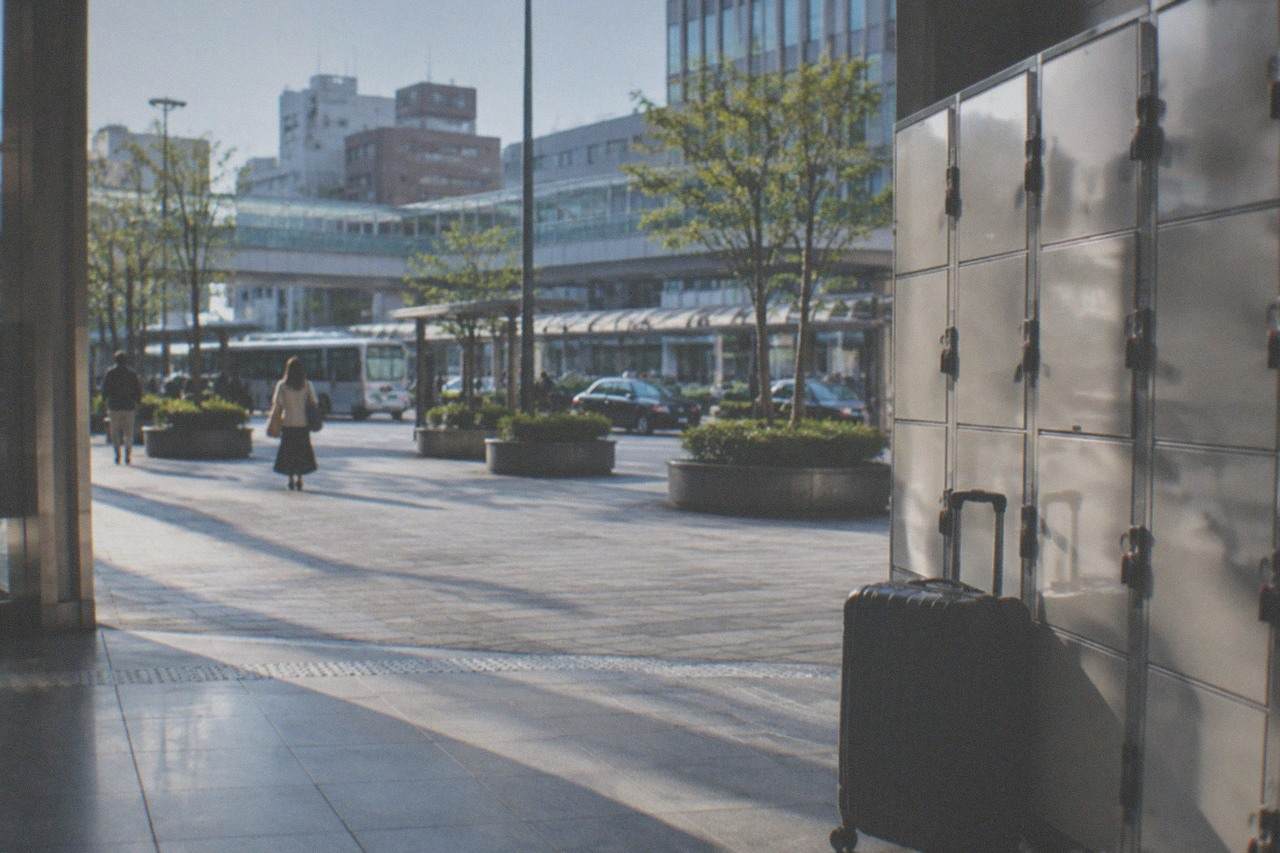
Hakata Station has coin lockers in several sizes spread through the Hakata and Chikuzen exits and the concourse, and they are the practical answer for most travellers. The city's only affiliate-network storage point is in Tenjin, not Hakata. Fukuoka Airport also has lockers, and hotels will usually hold bags before check-in and after check-out.
Hakata Station moves more people than almost anywhere else in Kyushu, and most of them are carrying something they would rather not carry. The station sits inside the city of Fukuoka, which is worth saying plainly because a remarkable number of guides treat Hakata and Fukuoka as two destinations you travel between. They are the same city; Hakata is the ward and the station name, and there is no such thing as a JR Fukuoka Station, a point worth checking before you type a destination into a route planner. This page answers the storage question for the whole city, starting at the station where most travellers arrive.
Where Can You Store Luggage at Hakata Station?
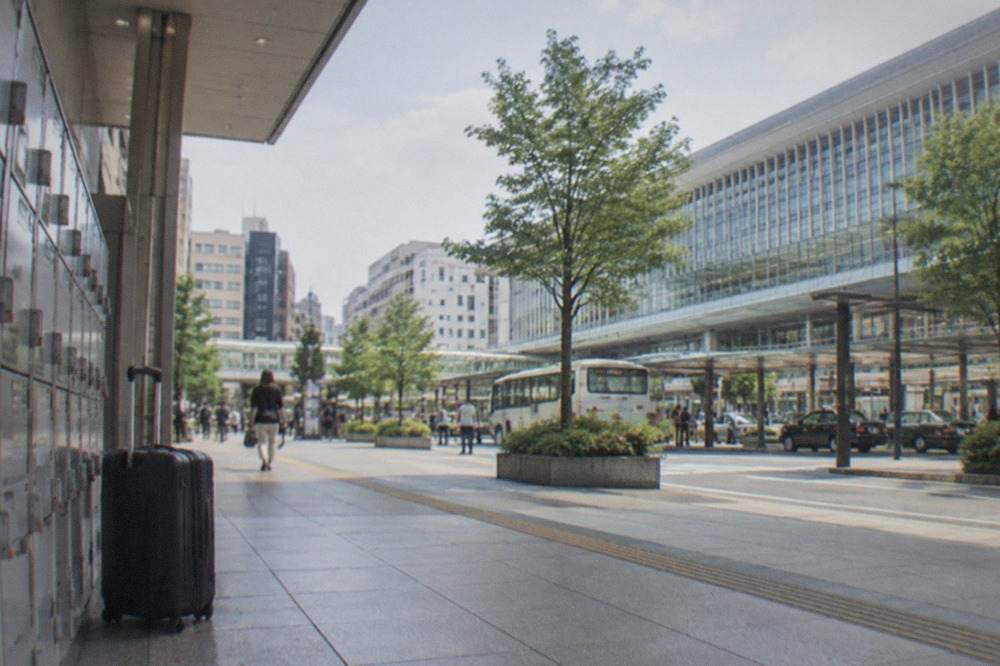
Hakata Station's own coin lockers are the main storage option, and they line the concourses and exit areas in small, medium and large sizes. They operate on coins or IC card payment, they are available whenever the station is open, and they are the honest answer for a day bag or a full suitcase. There is no staffed affiliate storage counter inside the station itself, so the lockers are what you use.
The lockers cluster around the Hakata exit, the Chikuzen exit and the long concourse that runs between them, with more banks on the basement levels near the subway gates. Small lockers take a backpack or a day pack, medium lockers take a cabin bag, and the large sizes take a full check-in suitcase. Payment is by coins, and most modern banks also accept IC cards such as Hayakaken, nimoca, SUGOCA, Suica and PASMO, all of which work on Fukuoka's transit. If one bank is full, walk to the next exit rather than giving up; the station is large and occupancy varies sharply by time of day.
| Locker size | What fits | Typical use | Payment |
|---|---|---|---|
| Small | Day pack, backpack, handbag | A few hours while shopping or eating | Coins or IC card |
| Medium | Cabin bag, small roller | A full day in the city | Coins or IC card |
| Large | Full check-in suitcase | Day trips and hotel check-out gaps | Coins or IC card |
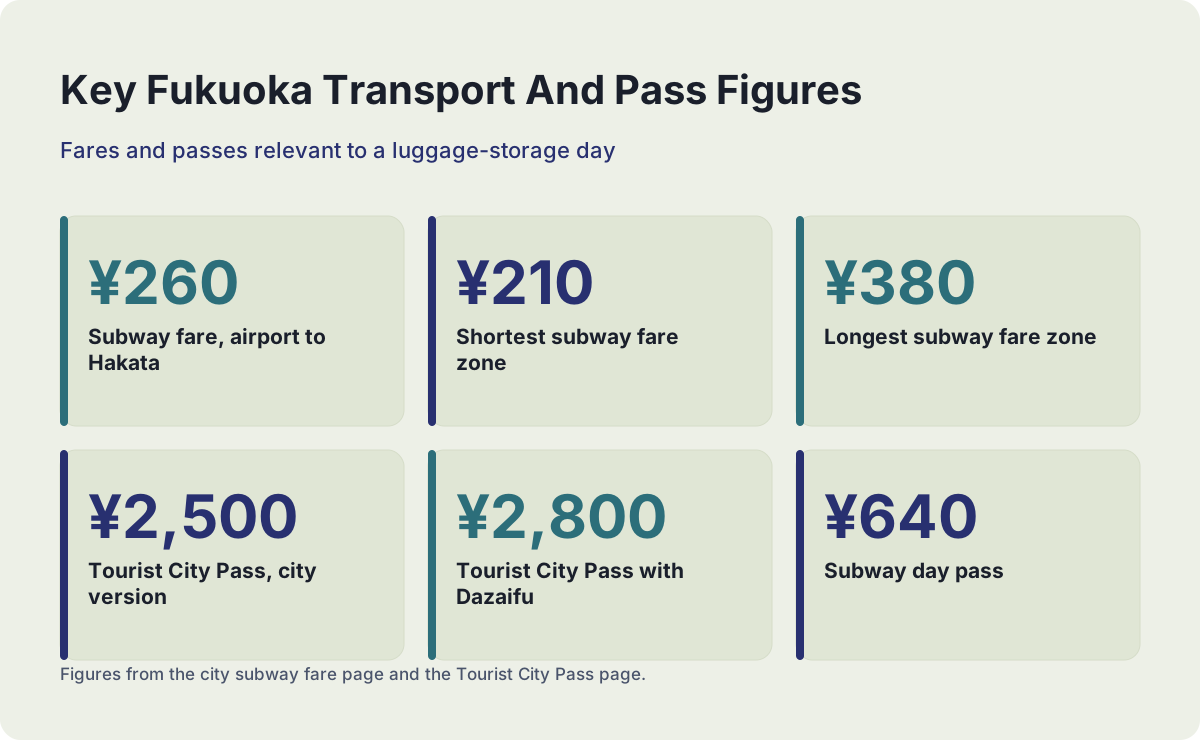
The busiest windows are weekday mornings and the hours after the first airport and Shinkansen arrivals. If you are arriving on an early flight and want to drop a bag before the city wakes up, the airport-to-city run is unusually short here, and the subway fare from Fukuoka Airport to Hakata is ¥260, a figure that comes straight from the official fare table's 3 to 7 km band. What you should not count on is a published journey time in minutes, because no official page states one, whatever every other guide says.
A practical note on the station itself: the building is a destination as much as a transit hub, with a rooftop garden, a ramen street and department stores stacked through its upper floors. The Hakata Station area guide covers what is inside, and the wider Hakata ward overview covers the streets around it. If your question is actually about the station's name rather than its lockers, the page on whether there is a Fukuoka Station settles it.
Is There Luggage Storage in Tenjin?
Yes. The affiliate storage network has exactly one Fukuoka point, and it is in Tenjin, the city's main shopping and business district, not at Hakata Station. It suits travellers staying in or exploring central Tenjin who want a staffed drop-off rather than a coin locker, and it is the only network point you can book ahead in this city. Everywhere else, you are using lockers.
Tenjin is about two subway stops from Hakata on the Kuko line, so the point works best if your day is anchored in the shopping district anyway: Tenjin's underground mall, the department stores and the Imaizumi and Daimyo cafe streets are all within walking range. A staffed point differs from a locker in one useful way: there is usually someone to hand the bag to and a printed receipt, which matters if your suitcase is oversized or awkwardly shaped and will not fit a standard locker. For a normal check-in bag, a Hakata locker is usually the more convenient choice because the station is where the trains are.
| Storage option | Location | Type | Best for |
|---|---|---|---|
| Hakata Station lockers | Hakata and Chikuzen exits, concourse, basement | Self-service coin lockers | Day trips, transfers, hotel check-out gaps |
| Tenjin network point | Tenjin shopping district | Staffed drop-off | Oversized bags, days based in Tenjin |
| Fukuoka Airport lockers | Both terminals | Self-service coin lockers | Layovers, early arrivals |
| Hotel front desk | Wherever you are staying | Staffed courtesy hold | Before check-in and after check-out |
The trade-off between the two comes down to where your day happens. If you are doing a two-day itinerary that starts at Hakata and ends in Tenjin, or the reverse, moving the bag once to wherever you finish is smarter than backtracking. If rain has washed out your plans, the rainy day itinerary keeps you mostly indoors around Tenjin and the museum quarter, which is exactly the day when a central storage point earns its fee.
Once your bag is down, Tenjin and the blocks east of it fill an afternoon fast. The Fukuoka Japan Travel Guide covers the whole city if you are still shaping the trip.
All three of those activities sit in or near the old Hakata streets between the station and the river, which means none of them forces you back across the city to collect a bag first. The doll painting workshop is the most stationary of the three and the easiest to do with a spare hour; the bike ride covers Hakata's lanes and river paths in about three and a half hours; the morning sumo practice walk pairs a stable visit with a tour of Hakata's old town.
What About Fukuoka Airport and the City's Other Hubs?
Fukuoka Airport has its own lockers in both terminals, which helps on a layover or an early arrival, and the free inter-terminal shuttle bus connects the international and domestic buildings in about ten minutes per the airport's own access page. Beyond the airport, museums and major attractions generally do not offer public storage, so plan around station lockers rather than expecting cloakrooms at each stop.
The airport's closeness to the centre is the real story here. The subway's Kuko line runs from the airport into the city, and the ¥260 fare to Hakata comes from the official distance-banded fare table, which the city subway publishes at its fare page. Because the airport is so close, the cheapest and often the fastest move for an arriving traveller with a suitcase is to ride into Hakata, store the bag at the station, and start the day unencumbered. The airport-to-city guide and the answer to how you get from Fukuoka Airport to Hakata cover the route in detail, and the airport overview covers the terminals.
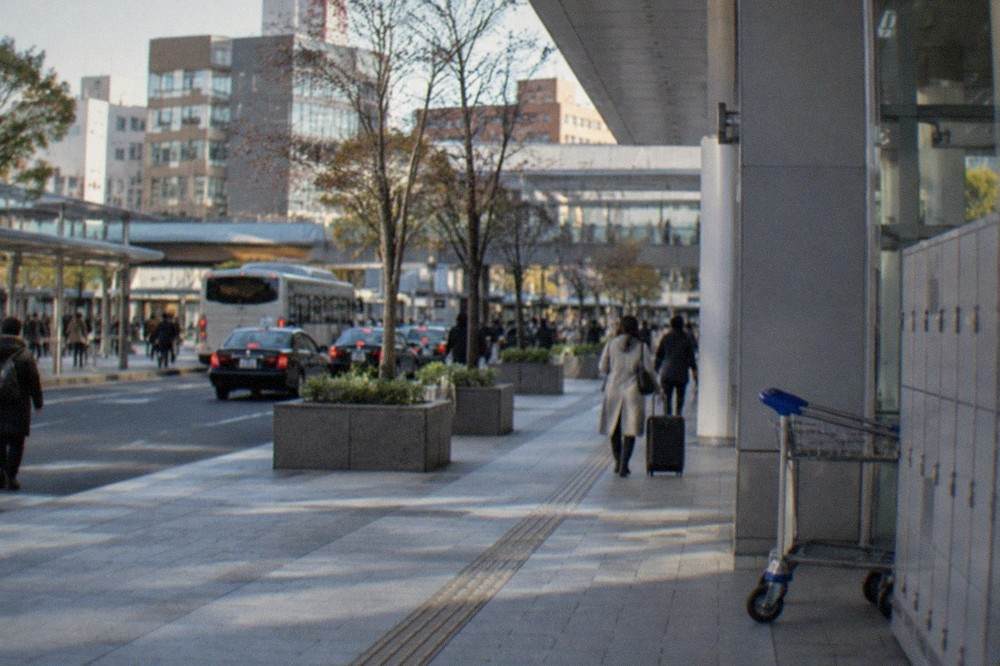
For attractions, set expectations early. The city's museums, shrines and temples are free or cheap to enter, but they are not luggage hotels, and a large suitcase makes both the Fukuoka Art Museum's galleries and the narrow lanes of Hakata's temple quarter genuinely unpleasant. The pattern that works: one storage decision per day, made at a station, and then a day spent walking light. The temples and shrines of the old town sit close together, which is what makes the bag-free approach practical.
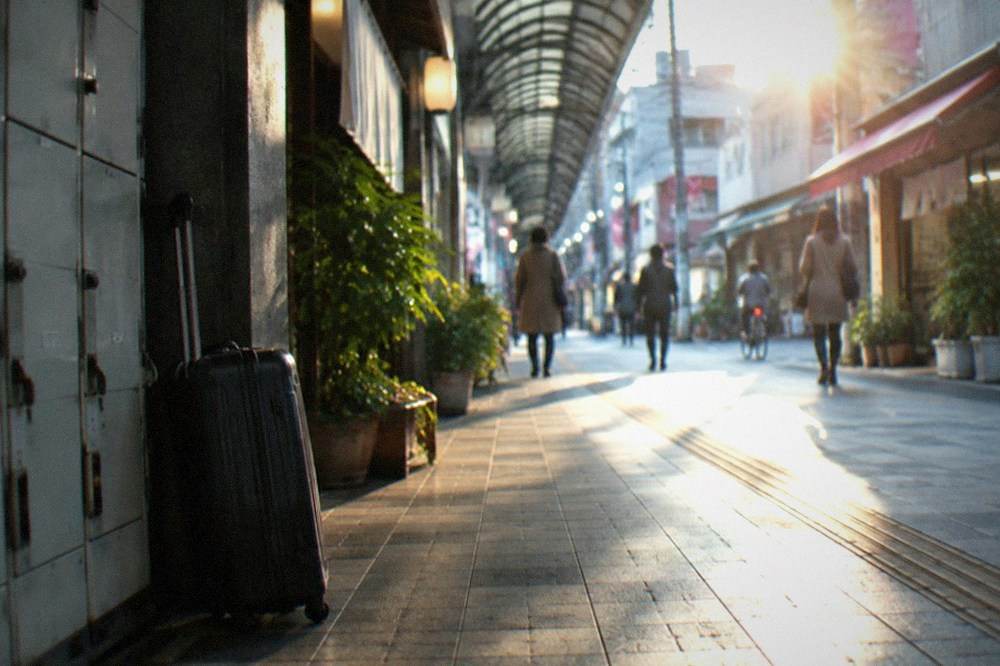
If your storage need is really a timing need, the hotel is the forgotten answer. Most Fukuoka hotels will hold bags before check-in and after check-out as a courtesy, and for a late-evening departure that beats a locker, because you can collect the bag and walk to the station in one move. The pages on where to stay in Fukuoka and on Hakata versus Tenjin as a base are the companion reads, since a hotel near Hakata Station effectively gives you a second storage point for free.
How Do Locker Sizes and Payment Actually Work?
Japanese coin lockers come in three standard widths, and the same sizing logic applies at Hakata, Tenjin and the airport: small takes a day pack, medium takes a cabin bag or a small roller, and large takes a full suitcase. Payment is coins or IC card at most banks, and the fee is paid for the period of use, not per hour, so a single payment covers a day. Check the machine's screen before you close the door.
The size decision is the one people get wrong. Measure nothing; just remember that a medium locker takes a bag that fits an overhead bin, and a large locker takes anything you would check onto a plane. Oversized items, ski bags and bicycles do not fit any standard locker, and that is the moment the staffed Tenjin point or your hotel becomes the answer. When a bank is full, the large lockers go first, so if you are travelling with a big suitcase in peak season, arriving early matters.
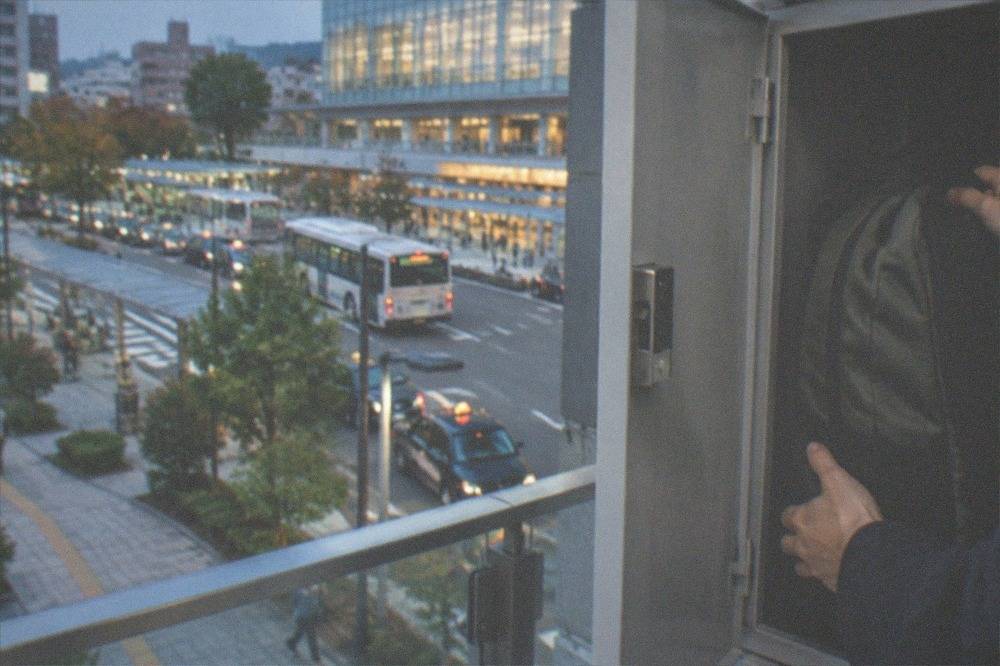
One honest gap in what any guide can tell you: locker prices are set per station and per size, they are posted on the machine itself, and no official source publishes a single city-wide figure. The machine's screen is the authority, and it is also where you will find the exact re-entry rules, which matter if you plan to open the locker mid-day to grab something. Most banks allow re-opening with the same payment method, but the details sit on the machine, not in a guide.
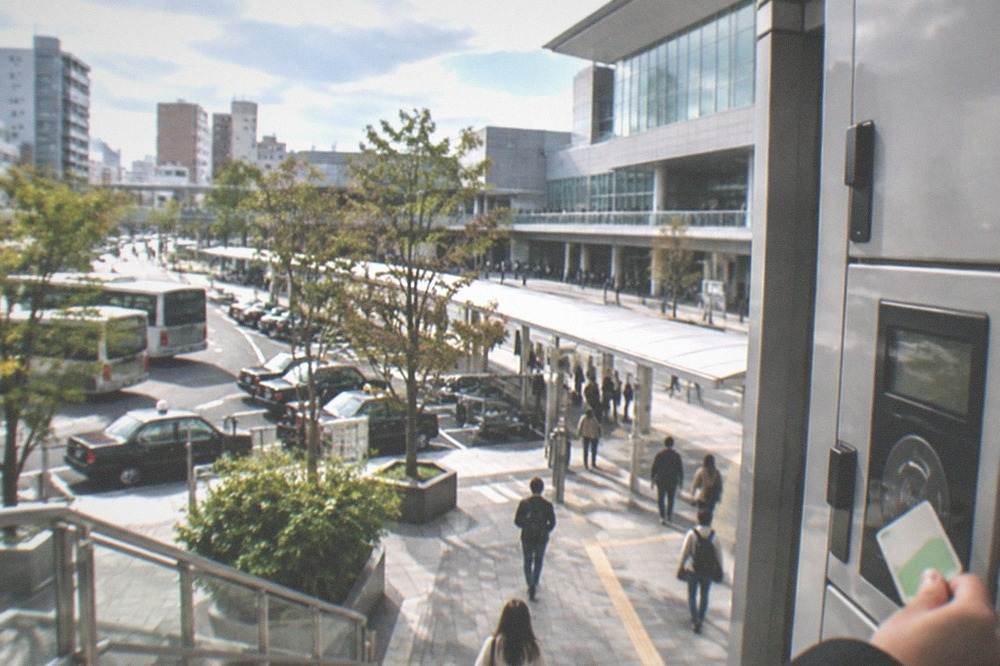
Can You Store Bags While Day Tripping from Fukuoka?
Yes, and that is the single best use of Hakata's lockers, because nearly every major day trip leaves from Hakata Station. Lock the suitcase in a station locker, take a day pack, and collect the bag on return. For trips on the Nishitetsu line such as Dazaifu, the trains leave from a different station in Tenjin, so match your storage point to your departure station.
The rule is simple: store where you board. Trips into Kyushu on JR and highway buses leave from Hakata, so a Hakata locker is the natural choice. The Beppu day trip and the Kumamoto day trip both work this way, with the bag waiting in the station when you get back in the evening. Nishitetsu trains to Dazaifu and Yanagawa leave from Nishitetsu Fukuoka station in Tenjin, which is the one case where the Tenjin storage point or a Tenjin locker saves you a cross-city drag with luggage.
| Day trip | Line or service | Departure point | Where to store your bag |
|---|---|---|---|
| Beppu and Yufuin | JR from Hakata | Hakata Station | Hakata Station lockers |
| Kumamoto | JR or highway bus from Hakata | Hakata Station | Hakata Station lockers |
| Dazaifu | Nishitetsu from Tenjin | Nishitetsu Fukuoka station | Tenjin point or Tenjin lockers |
| Yanagawa | Nishitetsu from Tenjin | Nishitetsu Fukuoka station | Tenjin point or Tenjin lockers |
| Itoshima coast | Bus or train from Hakata or Tenjin | Depends on route | Match the departure station |
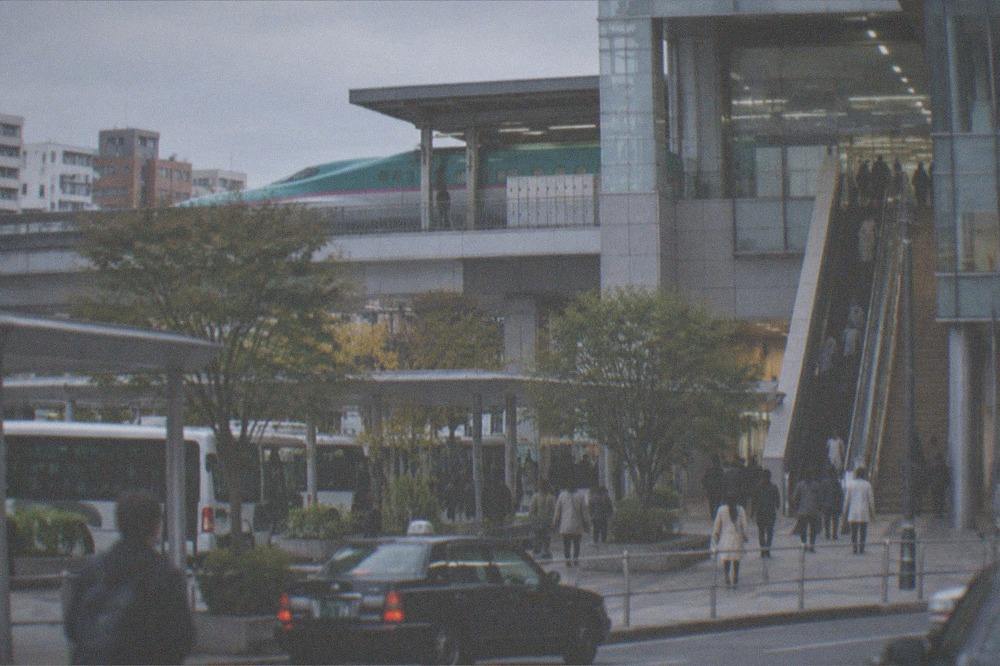
If you are leaving Fukuoka entirely, the same-day move matters. A suitcase stored at Hakata is a two-minute walk from the Shinkansen gates, the Kuko line to the airport and the highway bus terminal, which is why the Hakata Station guide is the practical companion to this page. Travellers heading on from here by rail will find the same lockers at the end of the long-distance routes north and east.
What If Every Locker Is Full?
The fallbacks, in order, are: another exit at the same station, the Tenjin staffed point, your hotel's front desk, and a second nearby station on the subway. Full banks are common in peak season and around festival dates, but a city with Fukuoka's transit density rarely leaves you with nothing. The one thing not to do is plan a tight transfer around finding a locker at the last minute.
Peak pressure comes in three waves: the spring cherry blossom weeks, the July Yamakasa festival, and the year-end holidays. The castle park and the riverside yatai rows pull huge crowds then, and the large lockers at Hakata feel it first. Give yourself a fallback: know which subway station is one stop away, and remember that the subway's flat, distance-banded fares, from ¥210 for the shortest zone up to ¥380 for the longest, make a one-stop hop with a suitcase a small cost. The full fare table sits on the official subway fare page.
The Tourist City Pass is worth knowing about on exactly this kind of day. It costs ¥2,500 for the city version and ¥2,800 for the version that adds Dazaifu, covers subway, buses, trains and ferries for a day, and is sold only to overseas visitors on short-stay visas with a passport check at the counter, per the city's own pass page. A pass like that turns a bag-storage scramble into a plan: store once, ride all day, collect once.
What Should You Actually Do with a Stored-Free Day?
The best use of a bag-free day in Fukuoka is the stuff that is miserable with a suitcase: the yatai stalls at night, the old Hakata temple lanes, the riverside walks and the small workshops. Hakata's old town sits between the station and the Naka River, which means the highest-value hours are within a short walk of where your bag is probably locked. Plan the heavy walking for the bag-free window and save the station-adjacent errands for collection time.
The old town cluster is the classic first stop. Tochoji's great Buddha hall, Shofukuji's grounds and the Kushida Shrine precinct all sit within a compact walk of the station, and all three are free to enter, though none publishes hours this site can verify, so treat morning to late afternoon as the window. From there the street stalls and the udon shops of Hakata cover the eating, and the yatai of Nakasu line the river by early evening.
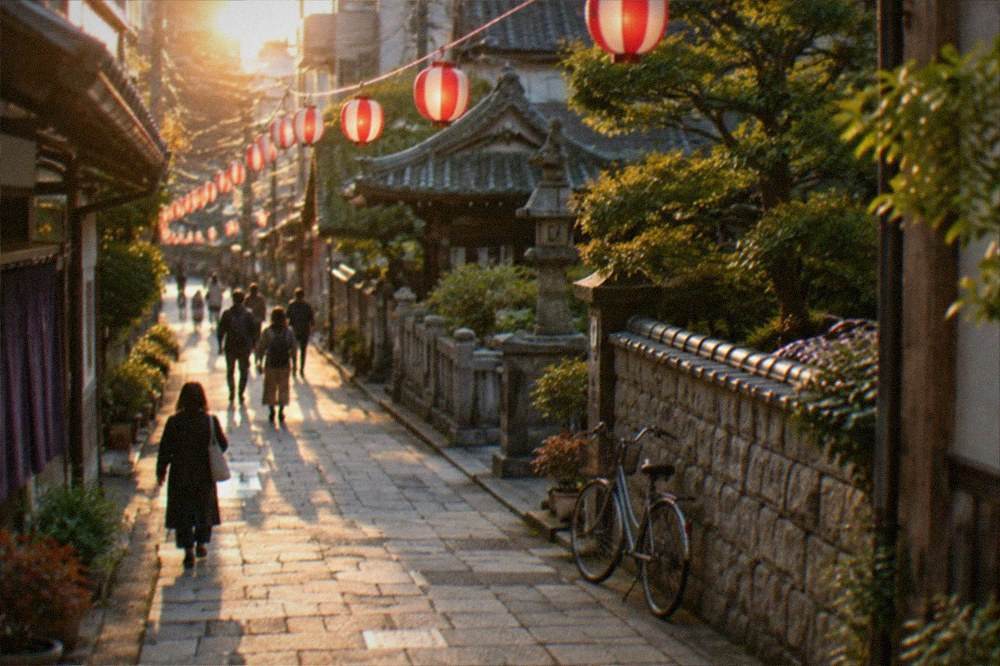
The morning sumo practice tour is built for exactly this window: it starts early, it walks Hakata's old streets, and it finishes near the station, which makes it one of the few tours where a stored bag is a genuine advantage rather than a compromise. It runs about two hours and is rated 4.2 from 22 reviews.
The bike tour is the same logic at street level. Hakata's lanes, riverside paths and station district are flat and compact, and a bike is the fastest honest way to see them, but nobody wants to do it with a roller bag in tow. The ride runs about three and a half hours and is rated 4.7 from 22 reviews.
And the doll painting workshop is the calm option, an hour and a half of Hakata's most famous craft, rated 4.9 from 45 reviews, close enough to the station that collecting a bag afterwards is a walk rather than a journey.
How Does Fukuoka Compare for Luggage Overall?
Fukuoka is an easy luggage city, and the reason is geography: one dominant station, one short airport link and a subway that banded its fares so a cross-town hop is cheap. The pattern that works is one storage decision per day, made at Hakata or Tenjin, with the hotel as the overnight anchor. Travellers who treat storage as a plan rather than a problem rarely lose an hour to it here.
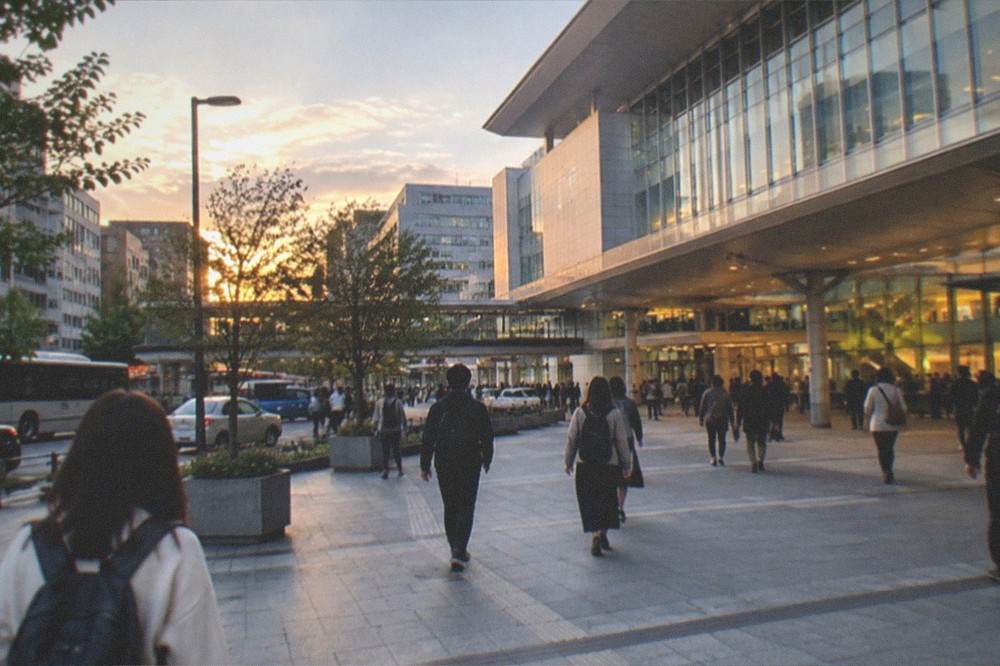
The comparison with other Japanese cities is mostly about scale. Fukuoka's core is compact enough that a bag stored at Hakata is rarely more than a few subway minutes from anywhere you actually want to be, and the subway's day pass at ¥640 pays for itself in four rides. The city grew 3.2 percent between censuses, the fastest of any of Japan's designated cities, and the station district absorbed much of that new energy, which is why the area around the lockers is now a destination in its own right.
If your trip is still taking shape, the honest sequencing advice is this: book the lodging first, decide whether Hakata or Tenjin is your base, and let that single decision determine where your bag lives. A bag with a plan is invisible; a bag without one is the thing you will remember about the day.
Common Questions About Luggage Storage in Fukuoka
Where Can You Store Luggage At Hakata Station?
Hakata Station's own coin lockers, spread across the Hakata exit, the Chikuzen exit, the concourse and the basement levels near the subway gates. They come in small, medium and large sizes and take coins or IC cards. There is no staffed affiliate storage counter inside the station, so the lockers are the answer.
Is there staffed luggage storage anywhere in Fukuoka?
Yes, one point on the affiliate storage network, located in Tenjin. It suits oversized bags that will not fit a standard locker and travellers whose day is anchored in the shopping district. Everywhere else in the city, station coin lockers are the option.
Can I store luggage at Fukuoka Airport?
Yes, both terminals have coin lockers, and the free inter-terminal shuttle bus connects the international and domestic buildings in about ten minutes. Because the airport sits so close to the centre and the subway fare to Hakata is only ¥260, most travellers find it easier to ride into the city and store the bag at Hakata instead.
What if all the lockers are full?
Try another exit at the same station first, since occupancy varies across the building. After that, the fallbacks are the Tenjin staffed point, your hotel's front desk, or a locker at the next subway station. Peak season and festival dates fill the large lockers first, so arriving early helps.
Should I store my bag before a day trip from Fukuoka?
Yes, and store it where you board. JR and highway bus trips leave from Hakata, so use a Hakata locker. Nishitetsu trips to Dazaifu and Yanagawa leave from Tenjin, so use the Tenjin point or a Tenjin locker for those.
Will my hotel hold my luggage in Fukuoka?
Almost always, yes. Most hotels hold bags before check-in and after check-out as a courtesy, which is often the best option on a late departure day because you collect the bag and go straight to the station in one move.