Is It Better to Stay in Hakata or Tenjin in Fukuoka?
Hakata or Tenjin for your Fukuoka hotel? An honest comparison of transport, food, nightlife, prices and day-trip access to help you pick the right base.
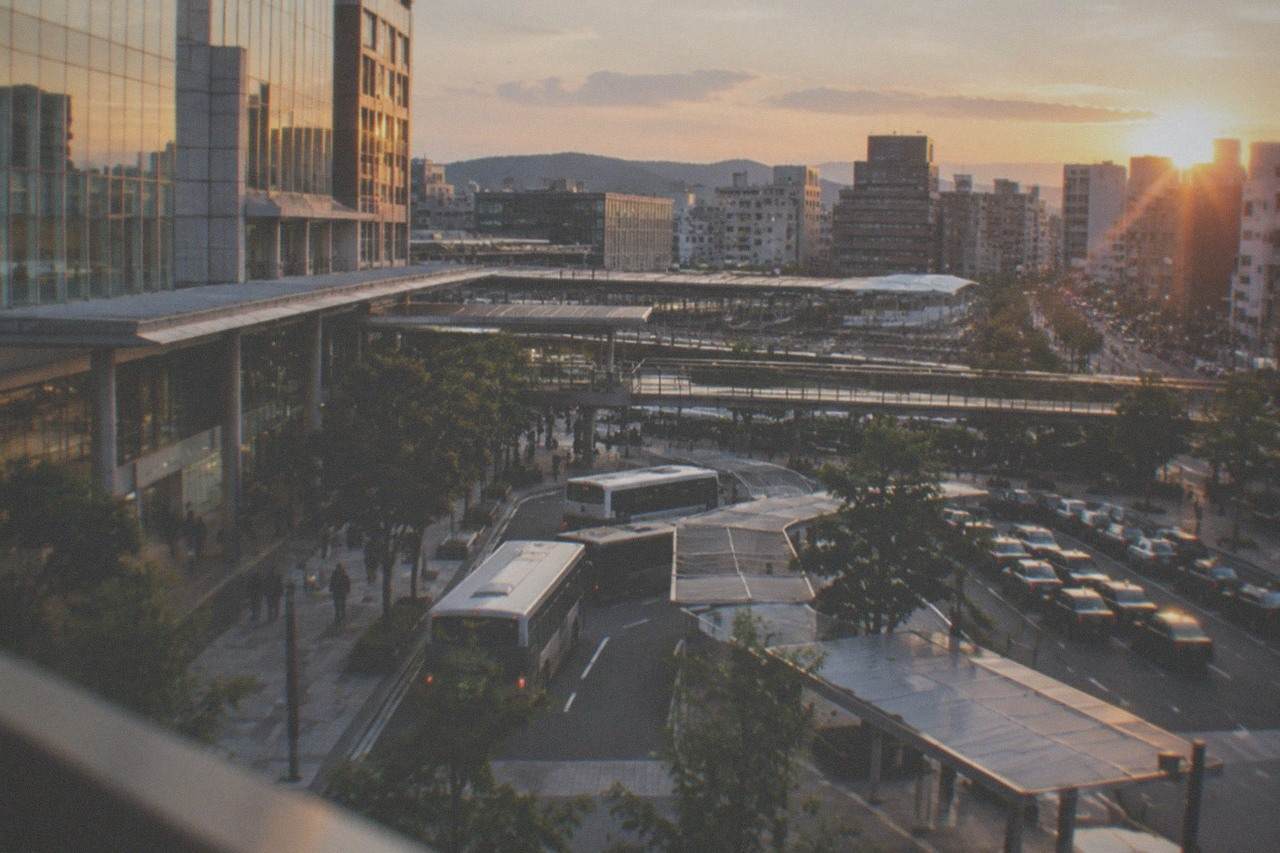
Hakata and Tenjin sit about two subway stops apart in the same city, and the question of where to sleep is really a question about what kind of trip you are taking. One answer clears it up quickly, then the detail below helps you check it against your own plans.
Is It Better to Stay in Hakata or Tenjin in Fukuoka?
Stay in Hakata if trains are the backbone of your trip: the Shinkansen, the subway to Fukuoka Airport and every day trip into Kyushu leave from here, and the yatai street stalls of Nakasu and Nagahama are close by. Stay in Tenjin if your days revolve around shopping, cafes, underground malls and the biggest concentration of izakaya and bars, and you are happy to ride two stops for a long-distance train. Neither choice is wrong, and the two areas are connected by a subway ride that costs ¥210, the cheapest fare band on the network. Plenty of visitors split their stay and spend a night or two in each.
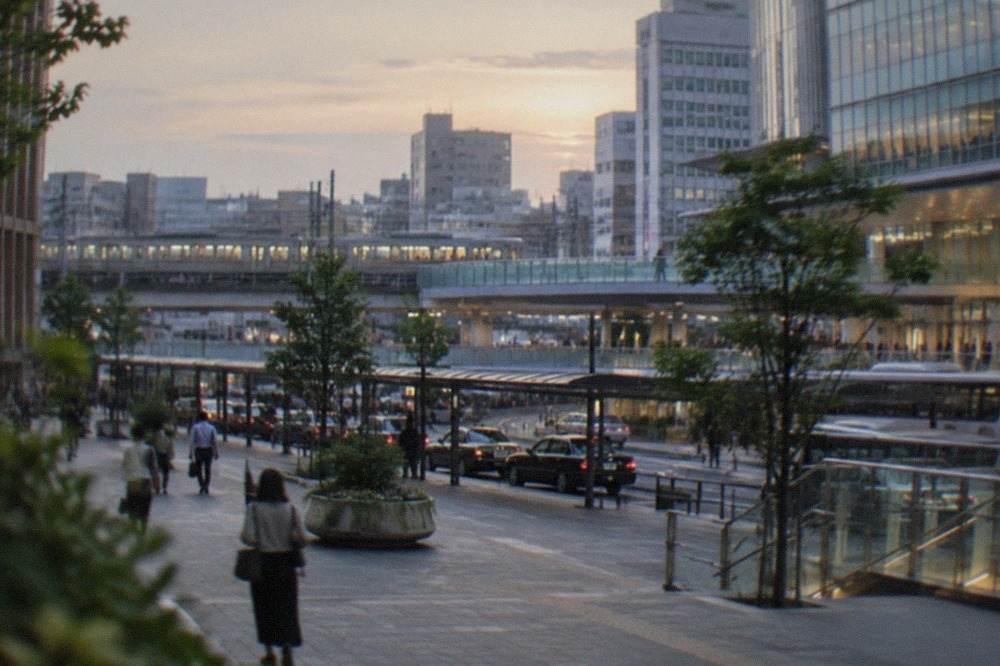
First, a correction that trips up a surprising number of first-time visitors: Hakata and Fukuoka are not two cities. Hakata is a ward of Fukuoka and the name of its main station, a point covered in detail in the Hakata Or Fukuoka explainer. There is no JR Fukuoka Station; every long-distance train in the city arrives at and departs from Hakata. Treating the two names as separate destinations is the single most common error in competing guides, and it matters here because it means "staying in Hakata" and "staying in Fukuoka" can describe the same hotel.
The two neighbourhoods you are actually choosing between are described in full on the Hakata area page and the Tenjin area page. The honest summary is that Hakata wins on transport and festival heritage, Tenjin wins on retail and evening energy, and both put you within a short subway ride of everything else. The rest of this page breaks the decision into the factors that usually settle it.
Where Is Hakata and What Kind of Stay Does It Suit?
Hakata is the station-side district on the eastern half of the city centre, anchored by JR Hakata Station and the adjacent subway station of the same name. It suits travellers who arrive by Shinkansen, fly in or out of Fukuoka Airport, plan multiple day trips into Kyushu, or want the yatai food stalls, Kushida Shrine and the older merchant streets of Hakata Old Town within walking distance. Hotel stock here skews towards large business chains clustered around the station, which keeps prices competitive and check-in practical.
The airport is the hidden ace of a Hakata base. Fukuoka Airport is unusually close to the city centre, and the subway fare from the airport to Hakata is ¥260, sitting in the official 3 to 7 km fare band. No official timetable page publishes a journey time in minutes, despite the confident figures printed across the internet, but the airport's own access materials make clear that the connection is short and that a free shuttle bus runs between the international and domestic terminals in about ten minutes. For an early departure or a late arrival, that proximity is worth more than any shopping street.
Hakata is also where the Shinkansen stops, which matters if Fukuoka is one stop on a longer Japan route. Trains run from here towards Kokura, Hiroshima and Osaka in one direction and towards Kumamoto and Kagoshima in the other, so a Hakata hotel means rolling your suitcase from platform to lobby. Day trips by rail, including the Beppu and Kumamoto runs, all start at this station, and the highway bus terminal sits alongside it. If your itinerary looks like a spokes-and-hub design with Fukuoka at the centre, Hakata is the hub.
The district is not only a transport node. Kushida Shrine, the spiritual home of the Hakata Gion Yamakasa festival each July, stands a fifteen-minute walk from the station, and the lanes of Hakata Old Town around it preserve the merchant-city atmosphere that predates the modern rail hub. The station area is practical in the ways that matter for a short stay: convenience stores, drugstores, luggage forwarding counters and the department store food halls that make station-side visits easy. Visitors who want a deeper read on the trade-offs can also compare the two districts directly in the Hakata vs Tenjin guide.
Where Is Tenjin and What Kind of Stay Does It Suit?
Tenjin is Fukuoka's shopping, dining and business core on the western half of the city centre, centred on the Tenjin subway interchange and the Tenjin Underground Mall. It suits travellers whose days are built around retail, cafes and restaurants rather than long-distance trains, plus anyone who wants the liveliest evening scene, since the bars of Daimyo and the food stalls along the Naka River sit on its doorstep. Hotel stock is a broader mix, from business chains to boutiques and design hotels.
The underground mall is the thing that defines a Tenjin stay in practice. It links the department stores, the subway stations and dozens of street exits, which means a rainy afternoon barely dents a shopping plan, a point worth remembering given that July is statistically Fukuoka's wettest month at 299.1 mm of rain against June's 249.6 mm. Above ground, the Daimyo and Imaizumi quarters a few minutes west hold the independent boutiques, coffee roasters and small-plate restaurants that give Tenjin its reputation as the city's most pleasant place to simply wander.
Food is the other argument. The yatai stalls of Nakasu, the photogenic riverside row, sit between the two districts but feel closer from Tenjin's western edge, and the izakaya density around Daimyo is the highest in the city. A traveller who joins a guided food crawl will usually find the meeting point inside Tenjin or a short walk from it. For evenings, the nightlife case is plain: Tenjin and the districts immediately around it carry more of the city's after-dark weight than Hakata does.
One quiet advantage of a Tenjin base is the Nishitetsu railway. Tenjin is the Nishitetsu Fukuoka terminus, and the private line runs south towards Dazaifu, the shrine town that is the region's most visited day trip. A Tenjin hotel puts that line at the door, while a Hakata guest rides two subway stops first. It is a small thing, but on a two-day itinerary built around Dazaifu and shopping, it tips the balance, and the Fukuoka 2-day itinerary shows exactly how that routing works.
Which Area Is Better for Transport and Day Trips?
Hakata is decisively better for transport. It has the Shinkansen station, the main highway bus terminal, direct subway access from Fukuoka Airport at a ¥260 fare and the JR hub for every Kyushu day trip. Tenjin holds its own for city travel, with two subway lines crossing at Tenjin station and the Nishitetsu line to Dazaifu, but every long-distance departure still requires the short hop to Hakata first.
The subway fare table makes the city-centre geography easy to budget. Fares run by distance band, from ¥210 for journeys up to 3 km up to ¥380 for the longest rides, and a one-day pass covering all three lines costs ¥640 for an adult, valid from first to last train on the day of purchase, per the official city subway fare table. Children pay half. The pass also carries discounts at partner facilities on the day of use.
| Journey | Cost | Notes |
|---|---|---|
| Subway, city centre (up to 3 km) | ¥210 adult | Cheapest fare band, covers Hakata to Tenjin |
| Subway, airport to Hakata | ¥260 adult | 3 to 7 km band, official fare |
| Subway 1-day pass | ¥640 adult / ¥320 child | All three lines, day of purchase |
| Nishitetsu bus 1-day pass | ¥1,200 adult / ¥600 child | City buses, paper version |
| Fukuoka Tourist City Pass | ¥2,500 adult / ¥1,250 child | Overseas visitors, passport checked at sale |
The Tourist City Pass deserves its own sentence because most competing guides still quote a stale price for it. The verified figures are ¥2,500 for the city version and ¥2,800 for the version that adds Dazaifu coverage, and the pass is restricted to overseas tourists on a short-stay visa, with a passport checked at the counter, per the city's official pass page. It covers subway, Nishitetsu trains and buses in designated areas, some JR lines and ferries. The Dazaifu Tabito liner bus is excluded even from the Dazaifu version, which surprises people who assumed "Dazaifu" meant everything to Dazaifu.
For airport logistics specifically, the getting from Fukuoka Airport to Hakata explainer walks the arrival sequence in detail. The short version: a Hakata hotel means one subway ride from the airport, while a Tenjin hotel means the same ride plus one more stop. Neither is a burden, but after a long-haul flight the difference between one leg and two is felt.
Which Area Is Better for Food and Nightlife?
Tenjin edges Hakata on nightlife and restaurant variety, because the Daimyo and Imaizumi quarters stack small bars and independent kitchens within a few walkable blocks, while Nakasu's riverside yatai row sits on its eastern edge. Hakata answers with the Nagahama ramen tradition, the old-town food lanes and easy walking access to Nakasu from the other side, so a food-focused traveller eats well from either base.
The yatai are the city's signature evening ritual and they belong to both areas by geography. About 100 licensed stalls operate across Fukuoka, the largest count of any Japanese city, concentrated in Nakasu along the Naka River, in Tenjin along Watanabe-dori and Showa-dori, and in Nagahama near the old fish market district. A city ordinance requires every stall to display its prices where customers can see them, and any dish priced off the day's market must show that day's actual figure rather than a vague "market price" tag, which is a genuinely reassuring rule for a first-time visitor. Stalls open in the early evening and are weather-dependent: rain and strong wind close many of them, and there is no city-mandated closing day.
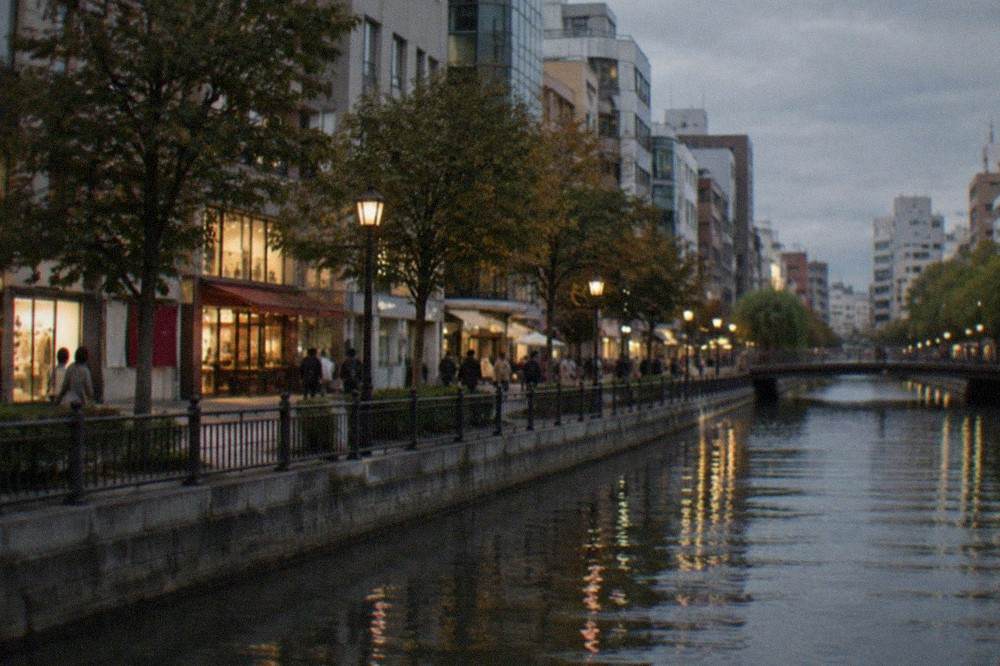
For structured evenings, a guided option removes the language barrier entirely. The guided yatai and izakaya crawls available in the roster are the only bookable way to experience the stalls with a local host, since the stalls themselves take walk-ins and cannot be reserved. A traveller based in Tenjin will find most food tour meeting points closer to hand, but the rides are short enough that it is not a deciding factor.
The one food experience that sits firmly on Hakata's side of the ledger is the sumo morning practice visit, which pairs with a walk through Hakata Old Town. The Fukuoka: Morning Sumo Practice and Hakata Old Town tour runs from $77 per person, rated 4.2 from 22 reviews, and starts on the Hakata side of the centre. The competitive November Kyushu Basho is the only time tournaments are staged in the city, and practice visits fill the rest of the year.
What About Prices and Hotel Choice?
Neither area is expensive by Japanese big-city standards, and the price gap between them is small. Hakata's station-side business hotels are marginally cheaper and more numerous, which keeps rates competitive, while Tenjin adds boutique and design properties at the upper end. The practical advice is to book on the hotel, not the district: a well-located Hakata chain and a well-located Tenjin boutique deliver the same city.
The wider cost picture helps set expectations. The where to stay in Fukuoka guide breaks the neighbourhoods down district by district, including options beyond these two, and the best-area-to-stay question covers the same ground for readers who want a shorter answer. For a sense of what the whole trip costs, the honest headline is that intra-city travel is cheap enough that base choice should be about convenience, not savings. The Fukuoka Japan Travel Guide covers both districts in depth if you want to go further before committing.
| Factor | Hakata | Tenjin |
|---|---|---|
| Shinkansen and JR access | Direct, at the station | Two subway stops away |
| Airport subway | ¥260, direct | ¥260 plus one more stop |
| Day trips into Kyushu | Best, rail and bus hub | Nishitetsu line to Dazaifu at the door |
| Shopping | Department stores around the station | Underground mall, Daimyo, Imaizumi |
| Nightlife | Nagahama and old-town lanes | Daimyo bars, Nakasu at the edge |
| Yatai access | Nagahama, walk to Nakasu | Tenjin stalls, walk to Nakasu |
| Hotel character | Large business chains | Chains plus boutiques |
A word on splitting the stay. On trips of four nights or more, some travellers book two or three nights in Hakata for arrival, a day trip or two and the departure, then move to Tenjin for the shopping and eating stretch. With luggage forwarding widely available and the subway ride between the two costing ¥210, the split adds little friction and lets each part of the trip sit next to the things it needs. Station storage counters cover the same-day switch without a hotel move.
Common Questions About Staying in Hakata or Tenjin
Is It Better To Stay In Hakata Or Tenjin In Fukuoka?
Stay in Hakata if trains and day trips anchor your itinerary, since the Shinkansen, the airport subway and the Kyushu day-trip hub are all there. Stay in Tenjin if shopping, cafes, nightlife and the Nishitetsu line to Dazaifu matter more. The two areas are two subway stops and ¥210 apart, so neither choice locks you out of anything.
Is Hakata a good place to stay in Fukuoka?
Yes. Hakata offers the city's best transport connections, competitive business-hotel prices, walking access to Kushida Shrine, Hakata Old Town and the Nagahama ramen stalls, and a direct ¥260 subway ride from Fukuoka Airport. It suits first-time visitors and anyone building day trips around the city.
Is Tenjin better for shopping and nightlife?
Tenjin holds the city's densest retail cluster, including the Tenjin Underground Mall and the boutiques of Daimyo and Imaizumi, plus the largest concentration of bars and small restaurants. Nakasu's riverside yatai row sits within walking distance of its eastern edge.
How far apart are Hakata and Tenjin?
They are adjacent districts connected by a subway ride of two stops in the cheapest fare band, ¥210 for an adult. The city centre is compact enough that many trips between the two are walkable in twenty to thirty minutes.
Which area is closer to Fukuoka Airport?
Hakata. The airport subway fare to Hakata is ¥260, and the airport is unusually close to the city centre. Tenjin is one additional subway stop further out on the same line. No official page publishes a journey time in minutes, so treat the airport's proximity as the selling point rather than a number.
Should I split my stay between the two areas?
On trips of four nights or more it works well: start in Hakata for arrival and day trips, finish in Tenjin for shopping and evenings. Luggage forwarding and station storage make the switch easy, and the subway fare between the two is ¥210.