Hakata Machiya Folk Museum
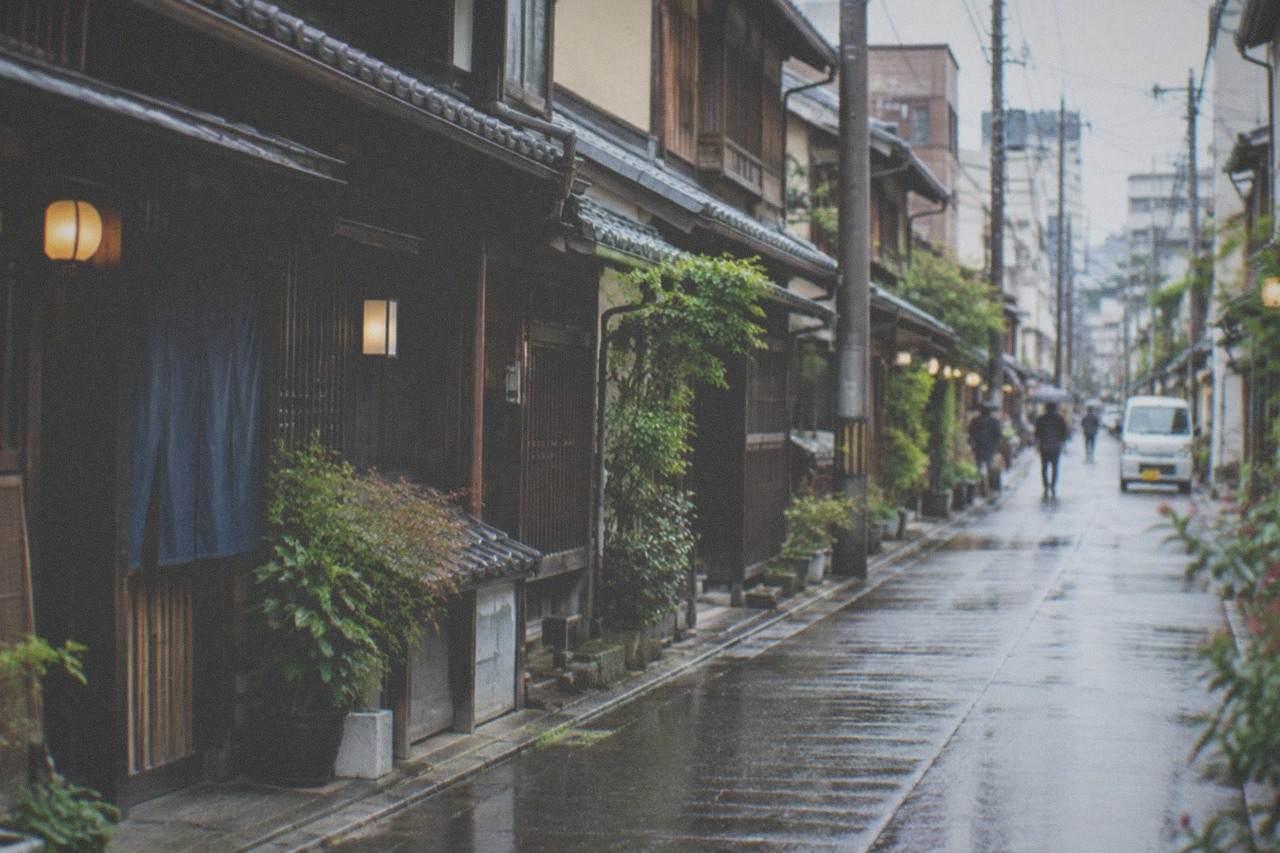
The Hakata Machiya Folk Museum preserves the merchant-town Hakata that once filled the streets around Kushida Shrine, a short walk from Nakasu and the subway. This guide covers what the museum holds, how to reach it, and how to build a half day around it.
Short answer
The Hakata Machiya Folk Museum sits a few minutes on foot from Kushida Shrine in Hakata old town, inside restored traditional machiya townhouses. It presents Hakata's merchant history, festivals and crafts, and pairs naturally with the shrine, Kawabata Shopping Arcade and the Nakasu yatai stalls. Admission fees apply; check the museum's own site for current hours before you go.
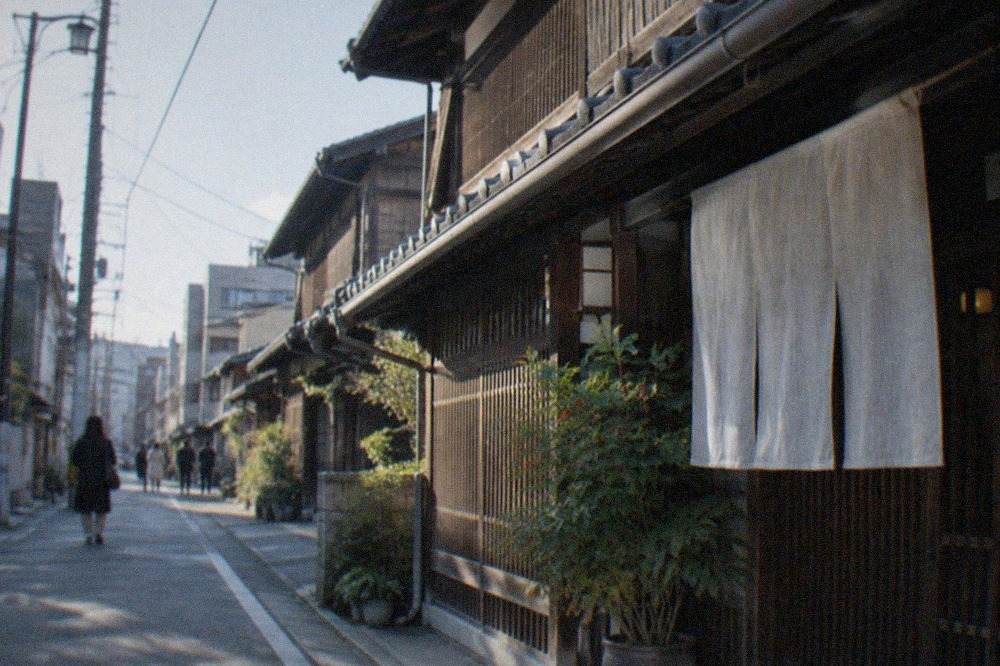
Hakata grew rich as a merchant port long before it merged with the castle town of Fukuoka to form the modern city, and the Hakata Machiya Folk Museum is where that older town survives. The museum occupies restored machiya, the narrow wooden townhouses that lined Hakata's streets for centuries, a few minutes' walk from Kushida Shrine in the heart of Hakata old town. Inside, the exhibits turn to the things that made Hakata distinct: its festivals, its crafts, and the daily life of the merchants and artisans who lived in houses exactly like these.
One point of honesty before anything else: the museum's admission fee and opening hours are not published in a form this site can verify against an official source, so this guide will not quote them. The museum's own site at www.hakatamachiya.com carries the current figures, and because the museum sits inside a walkable cluster of sights, a visit costs you almost nothing in transit even if the entry fee turns out to be more than you expected. What follows is everything a planner actually needs: what is inside, how to get there on the subway, what surrounds it, and which bookable experiences slot cleanly into the same half day.
Is Hakata Machiya Folk Museum Worth Visiting?
Yes, for most travellers it earns its place on a Hakata itinerary, provided you pair it with the surrounding old town rather than treating it as a standalone destination. The museum is compact, fees apply at the door, and the reward is context: after an hour inside, the shrine next door, the arcade down the street and the yatai stalls by the river stop being separate sights and start reading as one continuous merchant town with a story running back centuries.
The honest framing is this. If your Fukuoka time is a single afternoon and you want spectacle, you are better served by Fukuoka Tower's 234 m observation deck or the immersive rooms of teamLab Forest. The Machiya Folk Museum is a quieter, slower pleasure, and it suits a particular kind of visitor very well: anyone curious about how Hakata's famous festivals actually work, anyone interested in traditional crafts, and anyone who has already walked the old town and wondered what these narrow streets looked like before the concrete arrived.
It also earns its keep as a rain plan. Fukuoka's climate is wetter than most Japan guides admit, and the museum is one of the few old-town stops where the experience is entirely indoors. That matters more here than in most Japanese cities, and the weather section later in this guide explains why.
Families should note the museum is genuinely child-friendly in a way many heritage sites are not. The buildings themselves are the exhibit: tatami rooms, sliding doors, kitchen hearths and festival floats at a scale children can stand next to. You are not shepherding kids past ropes in a hushed gallery, you are letting them walk through houses.
What Can You See Inside the Museum?
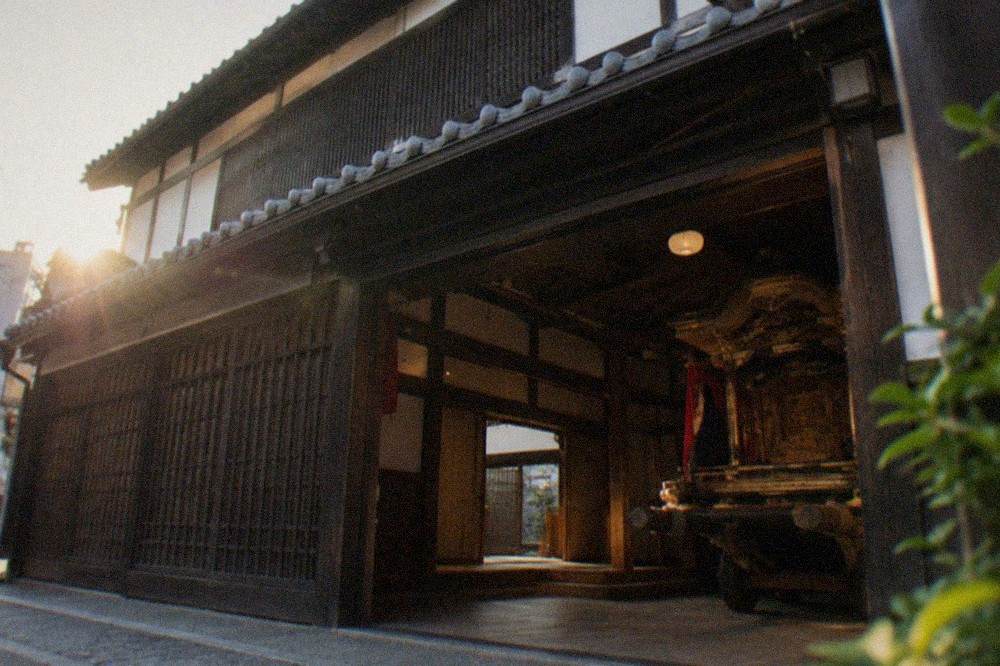
The museum holds restored machiya townhouses furnished as they would have been in Hakata's merchant era, with displays devoted to the district's festivals, textiles and daily crafts. The strongest exhibits are the ones tied to Hakata Gion Yamakasa, the July festival that runs through these very streets, and to the traditional crafts that still carry the Hakata name. Visitors typically spend between 45 minutes and 90 minutes on the site, longer if a craft demonstration is running.
Hakata Gion Yamakasa deserves the first mention because it is the museum's emotional centre. The festival runs each July 1 to 15, centred on Kushida Shrine, and its climax, the Oiyama race, sends teams carrying floats of roughly a ton along a course of about 5 km through Hakata's streets at 4:59 in the morning. Inside the museum you can examine the elements of that festival at rest: the float structure, the decorations, and the neighbourhood context that explains why each district of Hakata fields its own team. If you cannot be in the city in July, the museum is the next best way to understand what two million spectators come to watch.
The craft displays matter just as much. Hakata textiles and Hakata dolls are the two crafts most associated with the district, and the museum connects them to the houses they were made in. This is also where a practical thread begins: the city offers a Hakata doll painting experience through the tour roster, from $28 per person and rated 4.9 from 45 reviews, which turns a museum-case subject into something you take home yourself.
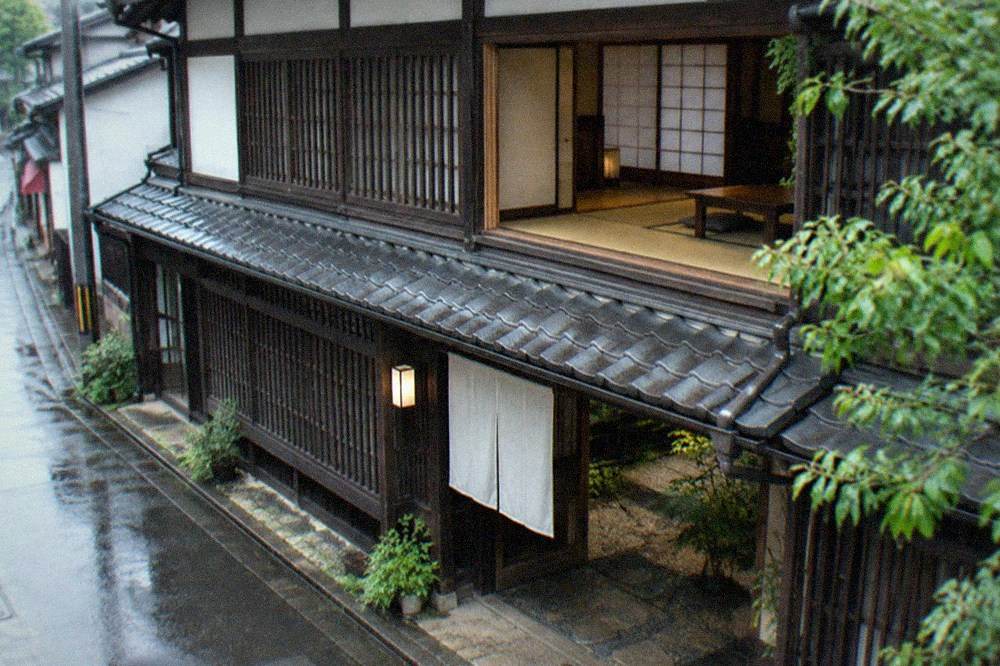
The buildings round out the picture. A machiya is a narrow, deep plot with a shop front facing the street and living quarters behind, a form shaped by merchant taxes on street frontage. Walking through the restored rooms, you see how the arrangement worked: commerce at the front, family life in the middle, storage and workshop space at the rear. It is a small lesson in urban history, delivered by architecture rather than placards.
For planning purposes, treat the museum as the anchor of a walking loop rather than a destination. The cluster around it, covered in detail further down this page, is dense enough that the museum visit becomes one movement in a longer old-town walk, and that is exactly how it is best used.
If you would rather have a guide shape that walk, three bookable options fit this part of the city well:
How Do You Get to the Hakata Machiya Folk Museum?
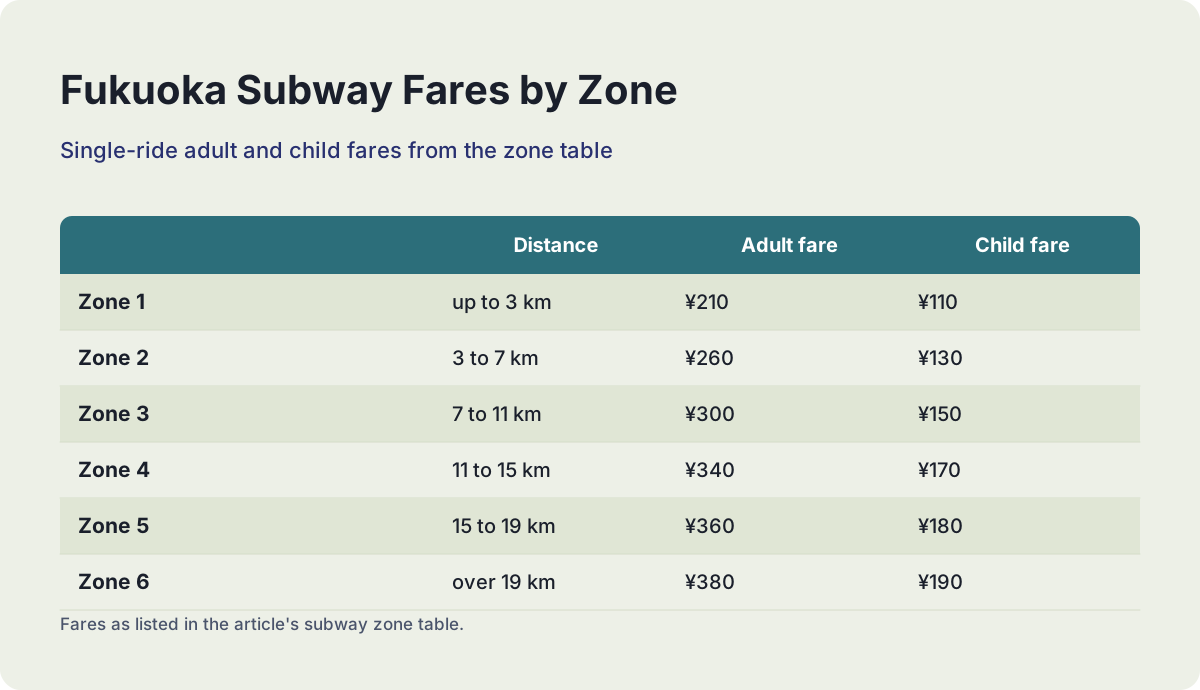
The museum sits in Hakata old town, within a five to ten minute walk of Nakasu-Kawabata subway station on the Hakozaki Line, and roughly ten minutes on foot from Hakata Station. A single subway fare from Hakata costs ¥210, the zone 1 adult rate, and the whole neighbourhood the museum belongs to is compact enough to cover entirely on foot once you arrive. There is no JR station named Fukuoka; the city's main rail hub is Hakata Station, a point that confuses a remarkable number of first-time visitors.
The subway is the sensible way in. Fukuoka City Subway runs three lines, and the Hakozaki Line is the one that serves the old town, with Nakasu-Kawabata as the useful stop: it sits between the Naka River and the shrine quarter, so you surface already inside the walking cluster. The official fare table, published by the subway operator, is distance-based:
| Zone | Distance | Adult fare | Child fare |
|---|---|---|---|
| 1 | up to 3 km | ¥210 | ¥110 |
| 2 | 3 to 7 km | ¥260 | ¥130 |
| 3 | 7 to 11 km | ¥300 | ¥150 |
| 4 | 11 to 15 km | ¥340 | ¥170 |
| 5 | 15 to 19 km | ¥360 | ¥180 |
| 6 | over 19 km | ¥380 | ¥190 |
Two pass options are worth knowing alongside the single fares. The subway's own 1-day pass, the Chikamaru-kun, costs ¥640 for adults and covers all three lines from first train to last. Better value for many overseas visitors is the Fukuoka Tourist City Pass: ¥2,500 for the city version and ¥2,800 for the version that adds Dazaifu, covering subway, Nishitetsu trains and buses, some JR lines and ferries for one day. It is restricted to overseas tourists on a short-stay visa, and a passport is checked at the counter, a detail most competing guides still miss because they quote the old, lower prices.
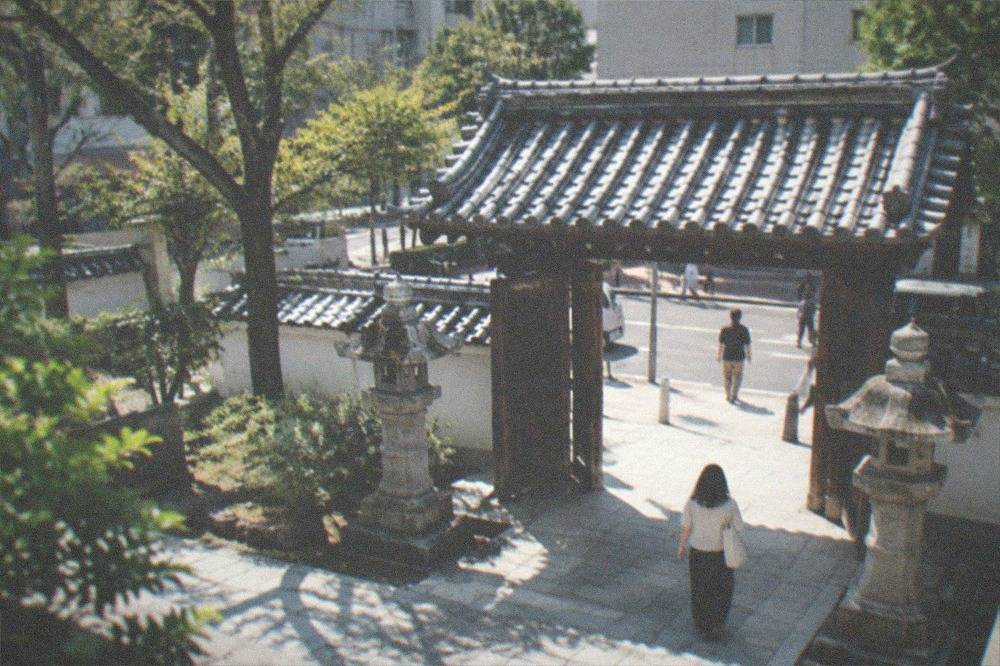
If you are already staying in Hakata or Tenjin, walking is often faster than the subway for this particular destination. From Hakata Station the route runs down through the old town past Jotenji Temple, whose grounds are free to enter, and on toward Kushida Shrine, with the museum a few steps beyond. From Tenjin you can cross the Naka River at Naraya bridge and arrive in the shrine quarter from the Nakasu side, passing the riverside row of yatai stalls on the way. Either approach turns the journey itself into sightseeing.
One orientation note that saves confusion: Hakata and Fukuoka are not two places. Hakata is the ward and the station name within the single city of Fukuoka, and the old town you are walking through is Hakata's historic core, the merchant district that existed long before the merger that created the modern city. Guides that describe "travelling from Hakata to Fukuoka" are describing a journey of zero kilometres.
Which Tours and Experiences Pair Well with a Visit?
The best pairings are the culture-category experiences that share the museum's material: a tea ceremony with a maiko, a half-day city walking tour that covers the old town, and, for the evening, a guided yatai crawl in Nakasu. The tea ceremony is the tightest fit, an hour-long indoor experience from $18 per person, rated 4.9 from 11 reviews, and it slots neatly before or after the museum in the same part of the day.
The tea ceremony deserves the first recommendation because it extends the museum's logic one step further. The museum shows you how Hakata's merchants lived; the ceremony lets you sit inside a traditional room and take part in a practice those same merchants would have known. The Fukuoka Special Japanese Tea Ceremony with Maiko runs about an hour, which means you can do the museum in the morning, take lunch in the arcade, and still fit the ceremony before the yatai stalls open in the evening. Other pages covering the same trip are gathered on Fukuoka Japan Travel Guide.
For travellers who want the old town explained rather than just seen, the Fukuoka Essentials: History, Culture, & Charms walk is the roster's strongest match. It runs three to six hours, from $74 per person, rated 4.9 from 48 reviews, and it covers the city's historical core with a guide who can answer the questions a museum label cannot. Doing this walk first and the museum second is a genuinely good sequence: the walk gives you the map, the museum gives you the detail. See the Hakata Essentials tour page for what the walk includes, and Check availability if the sequence appeals.
The evening belongs to the yatai. Fukuoka has about 100 licensed food stalls, more than any other Japanese city, and a city ordinance requires every stall to display its prices where customers can easily see them, banning vague market-price pricing on variable dishes. That posted-price rule is the honest answer to the most common worry first-time visitors have, and it makes a stall-hopping dinner far less intimidating than it sounds. The stalls take walk-ins; you cannot reserve a seat, and you do not need to. What you can book is a guide who knows which stalls to pick, and the roster carries several, including the Nakasu food stall private guided tour, from $94 per person with tastings included.
What Else Sits Within a Short Walk?
The museum sits inside the densest cluster of free sights in Fukuoka: Kushida Shrine's grounds, Tochoji with its Great Buddha, Shofukuji's zen grounds, Jotenji Temple, and the Kawabata Shopping Arcade are all within a ten to fifteen minute walk, and none of the shrine or temple grounds charges admission. A visitor who plans the loop well can spend a full morning here without paying a single transit fare, using the museum as the one indoor anchor in an otherwise open-air circuit.
Kushida Shrine is the natural first stop, a few minutes from the museum's door. It is Hakata's parish shrine, the spiritual home of the Yamakasa festival, and its grounds are free to enter. The shrine's details are documented by the local tourism board at Crossroad Fukuoka's Kushida Shrine page. This site carries a full Kushida Shrine guide covering what to look for, and the short version is this: the ornate carvings on the main hall and the festival relics kept on the grounds make it the single most rewarding free sight in the ward.
From there, the loop writes itself. Tochoji, a few blocks west, houses one of Japan's largest seated wooden Buddhas; entry is free. Shofukuji, Japan's first zen temple, founded in the twelfth century, sits a short walk further, its grounds free and quiet. Jotenji, near the station end of the old town, is credited as the birthplace of Hakata's famous noodles and its moss garden is a small, calm surprise. The Hakata old town area guide maps all of these in relation to one another.
The table below summarises the cluster using the admission figures this site has verified from official sources:
| Sight | Admission | What it offers |
|---|---|---|
| Kushida Shrine | Grounds free | Hakata's parish shrine, Yamakasa festival home |
| Tochoji | Free | Large seated wooden Buddha, pagoda |
| Shofukuji | Grounds free | Japan's first zen temple, quiet wooded grounds |
| Jotenji | Grounds free | Zen garden, Hakata noodle heritage |
| Kawabata Shopping Arcade | Free to enter | Oldest shopping arcade in Kyushu |
| Canal City Hakata | Free to enter | Shops 10:00 to 21:00, canal-side complex |
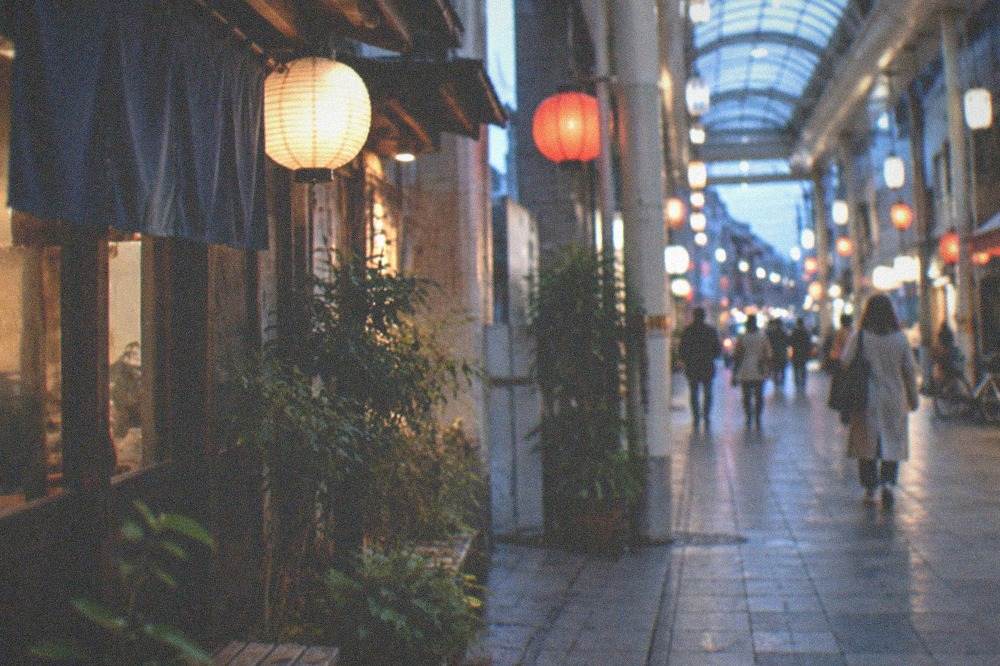
The Kawabata Shopping Arcade runs parallel to the Naka River one block east of the shrine quarter and is the practical lunch stop on this loop: it is the oldest shopping arcade in Kyushu, and its mix of old tea shops, kimono dealers and modern cafes is exactly the merchant-street texture the museum's exhibits describe. At the river end of the arcade you reach the Nakasu yatai row, where the stalls set up from early evening.
For the afternoon, two directions work. South along the river takes you toward Canal City Hakata, the canal-cut shopping complex that is free to enter and open every day of the year, with shops from 10:00 to 21:00. West takes you back toward Hakata Station. If the afternoon is clear and you want a view, the tower is the obvious call: Fukuoka Tower charges ¥1,000 for adults, ¥500 for elementary and junior high students and ¥200 for ages four and over, and stays open until 22:00 with last admission at 21:30, so it can close a day that began at a folk museum.
How Much Time and Money Should You Budget?
Budget a half day for the museum plus the old-town loop, and expect to spend very little beyond the museum's own entry fee: every shrine and temple ground in the cluster is free, the subway fare in is ¥210 from Hakata Station, and the main optional costs are lunch, the evening yatai and any tour you bolt on. The museum's own fee cannot be verified here, so treat it as a pay-at-door item and check the museum's site before you set out.
What can be verified is everything around it. The table below pulls together the verified costs of a full day built around the museum, using figures this site has checked against official sources:
| Item | Verified cost | Notes |
|---|---|---|
| Subway, Hakata to Nakasu-Kawabata | ¥210 adult | Zone 1 single fare |
| Subway 1-day pass | ¥640 adult | All lines, valid on day of purchase |
| Tourist City Pass | ¥2,500 adult | Passport checked; ¥2,800 with Dazaifu |
| Ohori Park Japanese Garden | ¥250 adult | A detour if time allows |
| Fukuoka Tower | ¥1,000 adult | Open until 22:00, last entry 21:30 |
| Fukuoka Art Museum collection | ¥200 adult | Free for under-15s |
| Fukuoka Asian Art Museum, Asia Gallery | ¥200 adult | Building entry itself is free |
Notice what that table implies. The single biggest line item on a Hakata old-town day is likely to be dinner, and even dinner at a yatai is governed by the posted-price ordinance, so what you see on the stall's board is what you pay. The museums and gardens of this city are strikingly cheap by the standards of any major destination: both city art museums charge just ¥200 for their core exhibitions, and both are free for visitors under 15 and for residents of Fukuoka and neighbouring cities aged 65 and over.
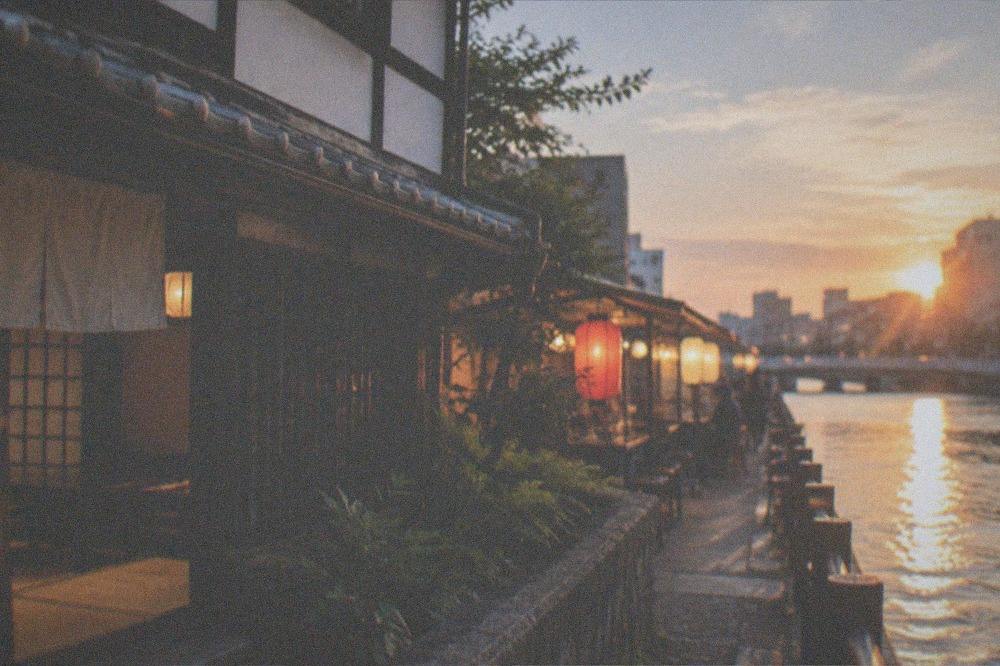
Time-wise, a realistic shape for the day looks like this. Start at Kushida Shrine when the grounds are quiet in the morning, spend an hour to ninety minutes at the museum, take lunch in the Kawabata arcade, then choose your afternoon: the temple loop, Canal City, or a walk across the river to Tenjin. Reserve the evening for the Nakasu stalls, which begin setting up around 17:00 and typically open from around 18:00 onward, closing in the small hours. Stalls close for rain and strong wind, and there is no city-mandated closing day, so an evening visit is a matter of weather rather than a weekly calendar.
When Is the Best Time to Visit?
Any month works for the museum itself, since the core experience is indoors, but the surrounding old town is at its best from late March to early April for cherry blossoms, mid to late November into early December for autumn colour, and mid-September if you want the Hojoya festival's hundreds of stalls along the approach to Hakozakigu Shrine. Avoid assuming June is the wettest month: it is not, July is, and the difference matters when you are planning an outdoor walking loop.
The climate numbers explain the planning. Fukuoka's mean temperatures run from 6.9 °C in January to 28.4 °C in August, with annual rainfall of 1,686.9 mm spread unevenly across the year. The table below, from the Japan Meteorological Agency's 1991 to 2020 normals for the Fukuoka station, shows the pattern:
| Month | Mean °C | Rain mm |
|---|---|---|
| Jan | 6.9 | 74.4 |
| Mar | 10.8 | 103.7 |
| May | 19.9 | 133.7 |
| Jun | 23.3 | 249.6 |
| Jul | 27.4 | 299.1 |
| Sep | 24.7 | 175.1 |
| Nov | 14.2 | 91.4 |
July's position as the wettest month is the counterintuitive fact here, and it is doubly relevant to this page because July is also Yamakasa month. If you are in the city from July 1 to 15, the museum's festival displays stop being a substitute for the festival and become a companion to it: the decorative floats stand on the streets from July 1, the carrying events intensify from around July 10, and the Oiyama finale runs on July 15 from 4:59 a.m. Typhoon season runs roughly July through October, and it is a real planning factor, but it rarely makes the city unvisitable; it makes flexible indoor options valuable, which is one more argument for the museum.
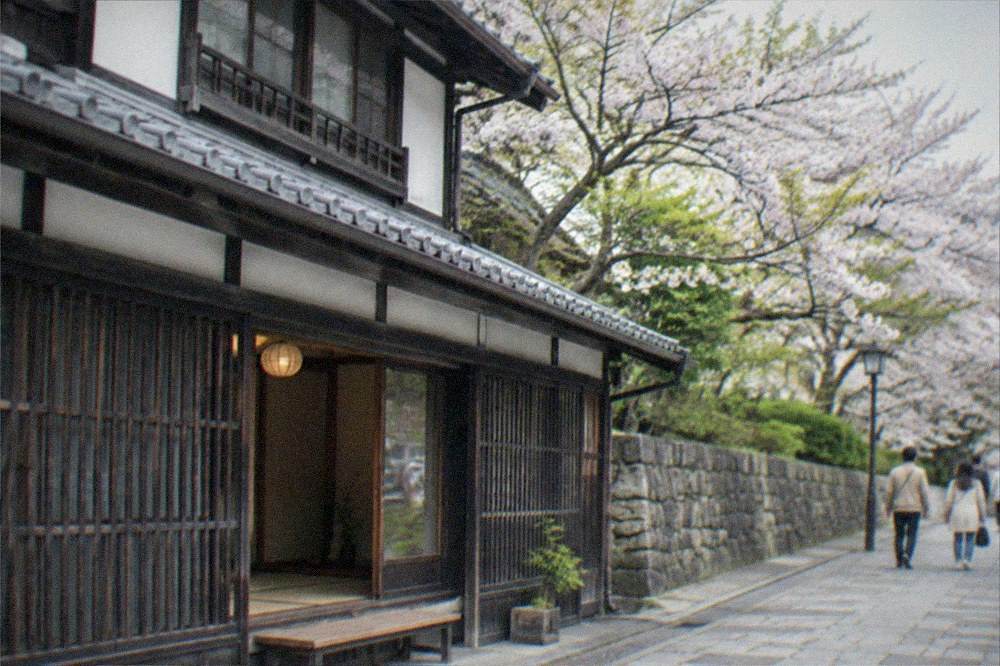
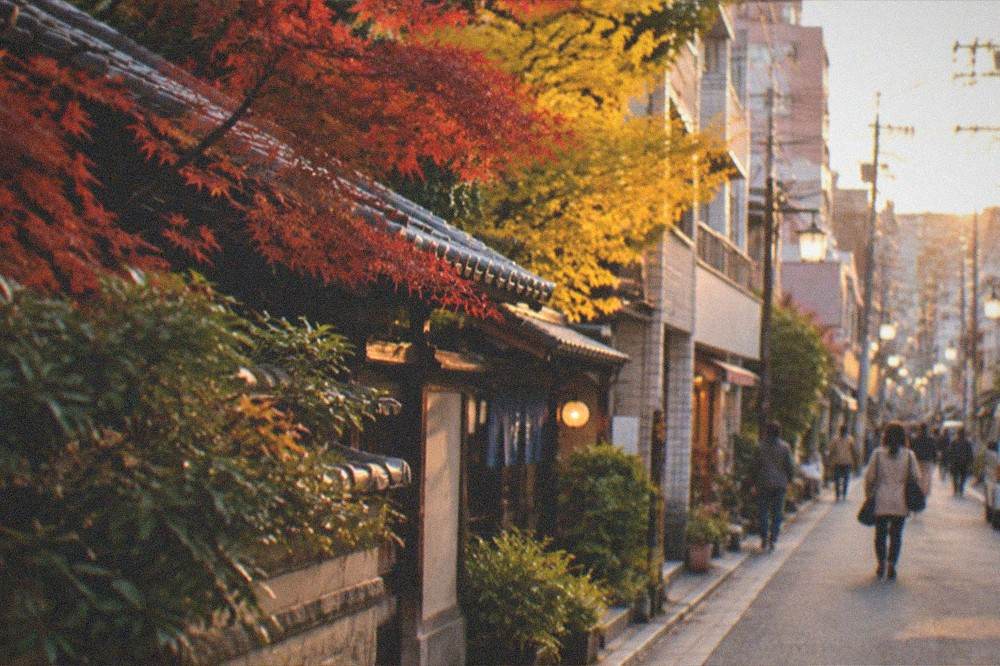
Spring and autumn are the sweet spots for the walking loop. Cherry blossoms typically reach full bloom around the end of March into the first days of April, and Maizuru Park at the Fukuoka Castle ruins holds roughly a thousand trees, with illuminations during the blossom festival. Autumn colour peaks in the city parks from mid to late November into early December, and the parks hold their colour longer than the countryside around them. Both windows pair a comfortable walking temperature with the old town at its most photogenic.
Winter, for the record, is underrated rather than written off. January mean temperatures sit near 7 °C, cold enough for coats but mild for sightseeing, and the museum's indoor core makes a January day entirely workable. The Fukuoka in winter guide covers the season in detail, including the illuminations that run from November into the new year.
Whatever the season, this much holds: the museum rewards visitors who arrive with the loop already in mind. Plan the shrine, the arcade and the stalls around it, and even a wet July afternoon turns into a good half day in Hakata.
If you are still shaping the itinerary, these three options are the ones that fit this part of the city most cleanly:
Common Questions About the Hakata Machiya Folk Museum
Is Hakata Machiya Folk Museum Worth Visiting?
For most travellers, yes, provided it is paired with the surrounding old town rather than treated as a standalone stop. The museum is compact and fees apply at the door, but it gives the shrine quarter, the arcade and the yatai stalls a shared context, and it doubles as a reliable rain plan in one of Japan's wetter major cities.
How do I get to the Hakata Machiya Folk Museum?
Take the subway's Hakozaki Line to Nakasu-Kawabata, a few minutes' walk away, or walk roughly ten minutes from Hakata Station through the old town. A single zone 1 subway fare is ¥210 for adults. There is no JR station called Fukuoka; the city's main station is Hakata.
What can you see inside the museum?
Restored machiya townhouses furnished as they were in Hakata's merchant era, with displays devoted to the Hakata Gion Yamakasa festival, Hakata textiles and other traditional crafts, and the daily life of the district's merchant families. Most visitors spend between 45 and 90 minutes on the site.
Is the museum free?
No, admission fees apply. This site has not verified a current figure against an official source, so check the museum's own website for the present price and hours rather than relying on third-party numbers that may be out of date.
What else is near the Hakata Machiya Folk Museum?
Kushida Shrine, Tochoji, Shofukuji, Jotenji and the Kawabata Shopping Arcade are all within a short walk, and all of the shrine and temple grounds are free to enter. Canal City Hakata and the Nakasu yatai row sit at the edges of the same cluster.
Can you book a yatai stall in advance?
No. The yatai take walk-ins only; there is no reservation system for individual stalls. What you can book is a guided yatai crawl, and the city ordinance requiring stalls to display prices visibly makes an independent visit straightforward too.