Fukuoka Asian Art Museum
The Fukuoka Asian Art Museum is the only museum in the world devoted entirely to modern and contemporary Asian art, and it sits on the seventh and eighth floors of the Riverain Center Building in Nakasu, a short walk from Kawabata Shopping Arcade.
Short answer
Yes. Entry to the Fukuoka Asian Art Museum building is free, and the Asia Gallery charges ¥200 for adults, ¥150 for high school and university students, with junior high and younger free. The gallery holds about 5,000 works from 23 Asian countries and regions, open 9:30 to 18:00, closed Wednesdays.
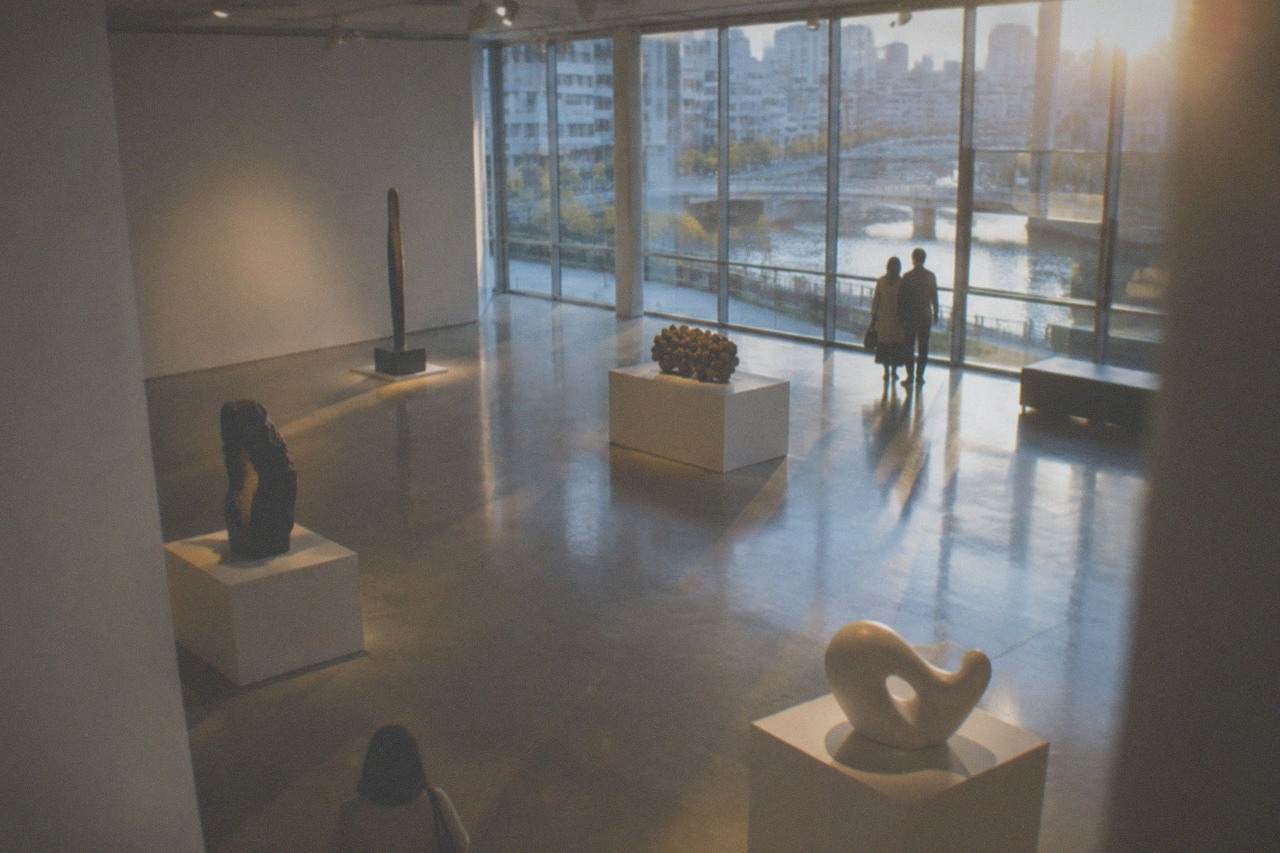
The Fukuoka Asian Art Museum occupies the seventh and eighth floors of the Riverain Center Building at 3-1 Shimokawabata-machi in Hakata ward, right on the Naka River in the Nakasu entertainment district. It is the only museum in the world whose collection policy is devoted exclusively to modern and contemporary Asian art, and its holdings run to about 5,000 works from 23 Asian countries and regions. That single fact separates it from every other art stop in the city, including the larger Fukuoka Art Museum across Ohori Park.
The museum grew out of the Fukuoka Asian Art Show, an exhibition series the city began staging in the late 1970s as a way of building cultural ties across Asia. Over successive editions the city accumulated works, and the collection was eventually given a permanent home above the river in Nakasu. Today the museum describes itself as a bridge between Asian artists and audiences, and it backs that up with artist residencies, triennial exhibitions and a research library alongside the display floors. For a city that positions itself as the gateway to Asia, the museum is the cultural argument made concrete.
Is Fukuoka Asian Art Museum Worth Visiting?
For most travellers, yes, and the reason is arithmetic: the building costs nothing to enter, the Asia Gallery is ¥200, and the whole visit fits comfortably inside two hours in a district you are likely walking through anyway. The collection is genuinely unique in Japan, no other museum in the country concentrates on modern Asian art, and the location inside Nakasu means you can pair it with riverside food stalls, the Kawabata arcade or an evening out without rearranging your day.
The honest caveat is size. This is not a full-day institution, and visitors who arrive expecting the scale of a national museum will finish the floors quickly. The reward is density rather than volume: because the collecting remit is narrow, the works on display are unusual, and the temporary exhibitions, which change regularly, are often the strongest reason to go up.
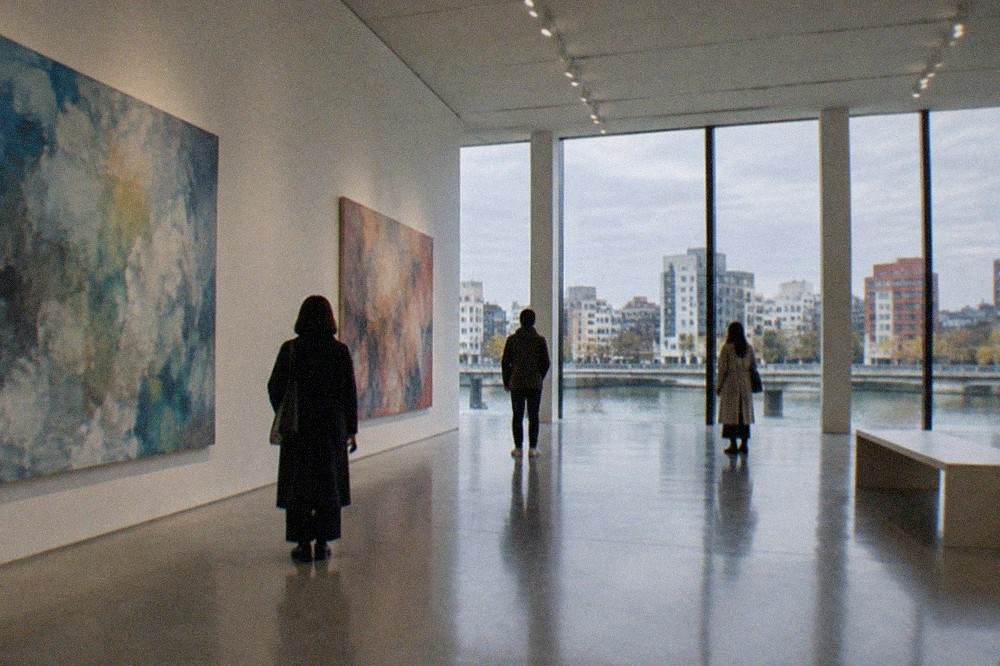
It also suits a specific kind of traveller very well. If your interest in Japan extends to what is happening across the rest of Asia, in painting from India, installation art from Southeast Asia, calligraphy from Korea or video work from China, this museum will show you things you will not see elsewhere in the country. If your interest stops at traditional Japanese art, the Kyushu National Museum near Dazaifu is the better match for your time.
What Will You See Inside the Asia Gallery?
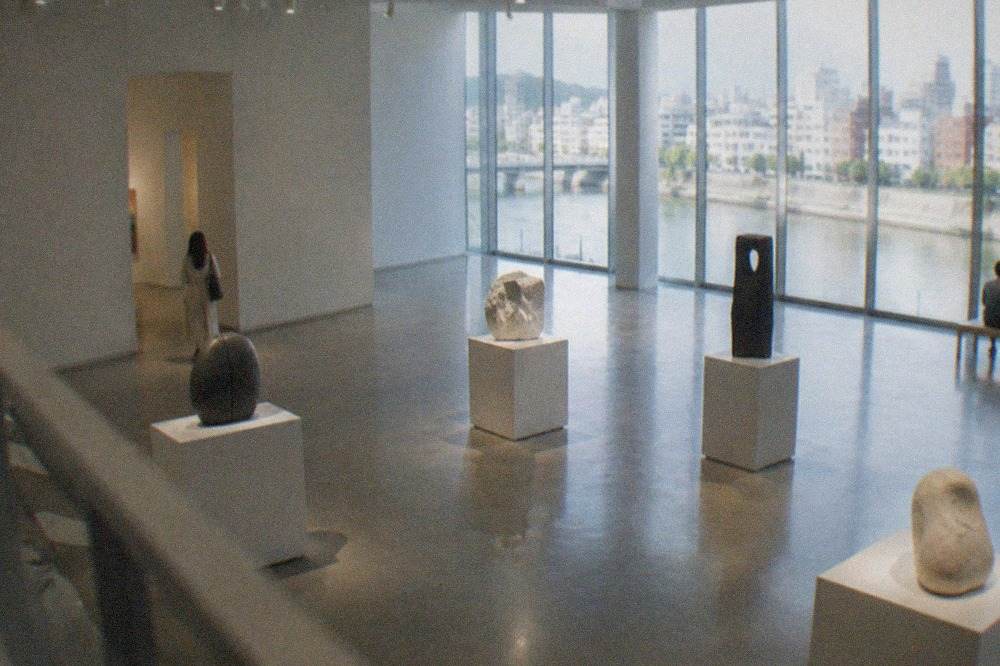
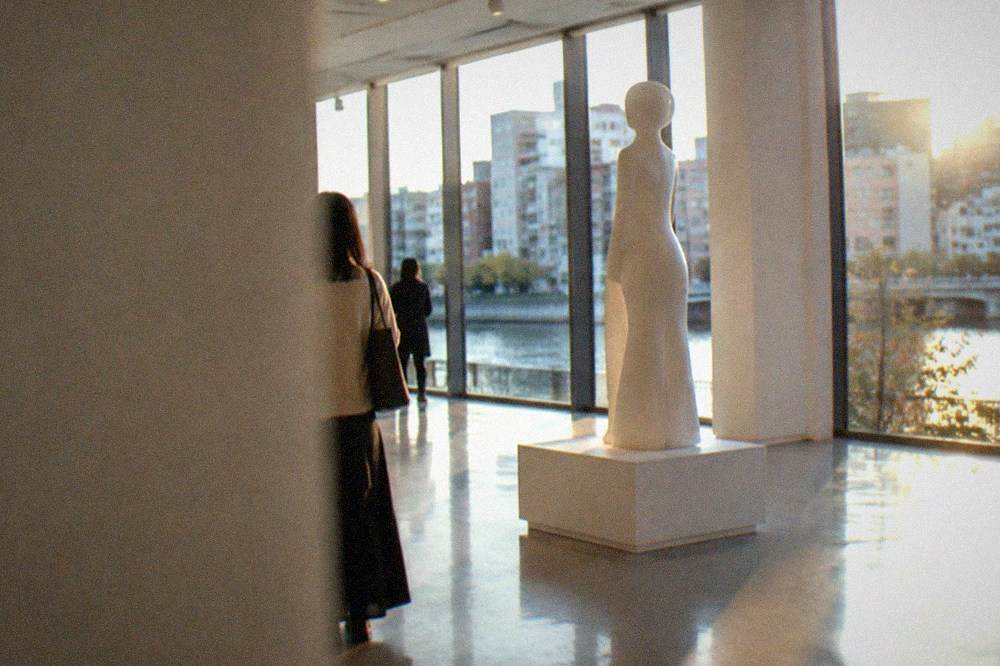
The Asia Gallery is the museum's permanent collection floor, holding about 5,000 works from 23 Asian countries and regions, with a rotating selection on view at any time alongside temporary exhibitions. Expect contemporary painting, sculpture, photography, installation and video art from across South, Southeast, East and Central Asia, presented with bilingual labels. The gallery is compact enough to see properly in 60 to 90 minutes.
The collecting era matters. The museum focuses on art from roughly the 20th century onward, which is why the rooms feel closer to a contemporary biennale than to a treasure house. Pieces acquired through the Fukuoka Asian Art Show triennial series sit beside newer purchases and works donated by artists who have passed through the museum's residency programs. The result is a collection with a point of view rather than a neutral survey.
Temporary exhibitions are the second draw, and they rotate several times a year. The museum's own guidance notes that special exhibits carry separate admission on top of the Asia Gallery fee, so a headline exhibition can change both the price and the length of your visit. If a major show is running, it is worth checking the museum's schedule before you plan the rest of your day, because a special exhibit plus the permanent floor can turn a quick stop into a full afternoon.
The gallery floors themselves are calm and uncrowded by the standards of Fukuoka's busier attractions. Unlike the queues that build at [Fukuoka Tower](/attractions/fukuoka-tower/) on clear evenings, the museum rarely feels pressed, and weekday mornings are close to silent. Photography policies vary by exhibit, so check the signage at each room entrance rather than assuming a single rule for the whole floor.
How Much Does Admission Cost?
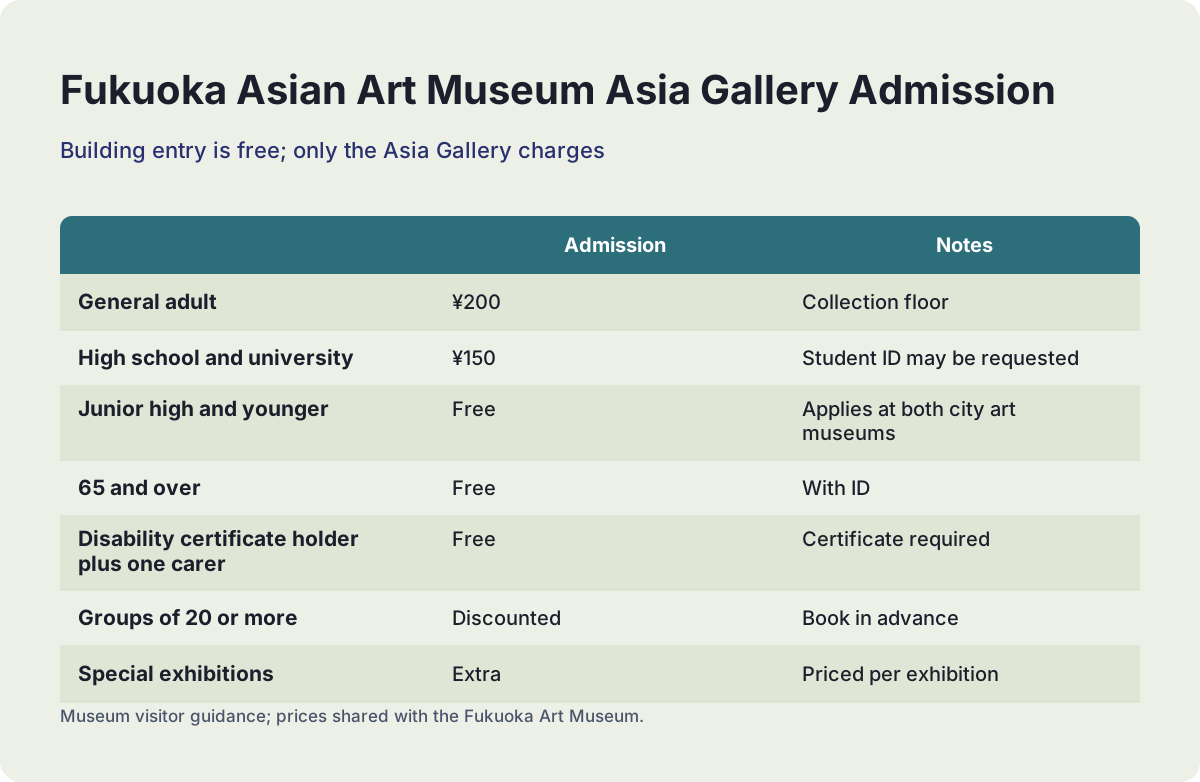
Entry to the museum building is free, and only the Asia Gallery charges: ¥200 for general admission, ¥150 for high school and university students, and free for junior high school students and younger. Visitors 65 and over enter free with ID, as do holders of a disability, mental health or developmental certificate plus one carer. Group discounts apply, and special exhibitions cost extra.
The free building entry is the fact most competing guides miss. You can ride up to the seventh floor, browse the museum shop and the library spaces, and enjoy the river views from the building without paying anything at all. The ¥200 gate only applies when you walk into the Asia Gallery itself. That makes the museum one of the cheapest substantial attractions in the city centre, a point worth remembering if you are travelling on a tight budget. The museum's own visitor guidance page, published at faam.city.fukuoka.lg.jp, lists the full fee schedule and the free categories.
| Category | Asia Gallery admission | Notes |
|---|---|---|
| General adult | ¥200 | Collection floor |
| High school and university | ¥150 | Student ID may be requested |
| Junior high and younger | Free | Applies at both city art museums |
| 65 and over | Free | With ID |
| Disability certificate holder plus one carer | Free | Certificate required |
| Groups of 20 or more | Discounted | Book in advance |
| Special exhibitions | Extra | Priced per exhibition |
Both of the city's art museums use the same ¥200 / ¥150 structure, and both waive fees for under-15s and for residents over 65, so a family with children pays nothing for the kids at either. If you are planning a broader art day, the comparison matters: Ohori Park and its Japanese garden sit beside the Fukuoka Art Museum, while the Asian Art Museum sits in Nakasu near the nightlife, so the two museums anchor opposite ends of a day.
When Is the Museum Open?
The Asia Gallery is open 9:30 to 18:00, with last entry 30 minutes before closing, and stays open until 20:00 on Fridays and Saturdays. The museum closes on Wednesdays, or the next weekday when a Wednesday falls on a public holiday, and shuts annually from December 26 to January 1. Hours are stable through the year, so there is no seasonal schedule to track.
The Wednesday closure is the planning detail that catches people out. Fukuoka's major shrines and temple grounds, Kushida Shrine among them, keep long hours and no weekly closing day, so visitors often assume the same of everything. The museum is the exception, and a Wednesday arrival means planning the art stop for another day or heading to Tochoji and its Great Buddha instead.
| Day | Asia Gallery hours | Last entry |
|---|---|---|
| Monday to Thursday | 9:30 to 18:00 | 17:30 |
| Friday | 9:30 to 20:00 | 19:30 |
| Saturday | 9:30 to 20:00 | 19:30 |
| Sunday | 9:30 to 18:00 | 17:30 |
| Wednesday | Closed | Next weekday if a holiday |
| December 26 to January 1 | Closed | Annual closure |
The Friday and Saturday late opening is quietly useful. Nakasu after dark is one of the city's signature scenes, with the riverside yatai food stalls lighting up along the Naka River, and an 8 p.m. closing time means you can do the gallery first and walk straight out into the evening. The museum's own visitor guidance confirms these hours and the midweek closure, so treat that page as the source of truth if your trip falls near a public holiday. The rest of the planning pages sit on Fukuoka Japan Travel Guide.
How Does It Compare with the Fukuoka Art Museum?
The two museums split the city's art offering cleanly: the Asian Art Museum in Nakasu shows only modern and contemporary Asian art, while the Fukuoka Art Museum in Ohori Park, rebuilt in a full recent renovation, mixes Japanese and Western art from old masters to contemporary work. Same ¥200 admission structure at both, different collections, different neighbourhoods. Most visitors with a serious interest in art make time for both on different days.
Choosing between them is really choosing between districts. Ohori Park is the calm, green west of the city centre, with the castle ruins and the Japanese garden within walking distance of its museum. Nakasu is the bright, crowded east, with the yatai, the arcade and the nightlife stacked around the Asian Art Museum. If your day is shaped around sights in the Ohori and Maizuru area, the Fukuoka Art Museum slots in; if your day is a Hakata and Nakasu walking loop, the Asian Art Museum is the natural stop.
| Fukuoka Asian Art Museum | Fukuoka Art Museum | |
|---|---|---|
| District | Nakasu, Hakata ward | Ohori Park, Chuo ward |
| Collection focus | Modern and contemporary Asian art | Japanese and Western art, broad range |
| Collection size | About 5,000 works, 23 countries | Larger mixed collection |
| Closed | Wednesdays | Mondays |
| Admission | ¥200 / ¥150, building free | ¥200 / ¥150 |
| Late nights | Fri and Sat to 20:00 | Fri and Sat evenings July to October |
| Best paired with | Yatai, Kawabata arcade, Nakasu nightlife | Ohori Park, castle ruins, Japanese garden |
One more difference deserves a line: the Asian Art Museum's building entry is free, so a budget traveller can sample the shop, the views and the building without a ticket, then decide. The Fukuoka Art Museum has no equivalent free tier inside the building. Neither museum is expensive, but the difference in structure shapes how casually you can drop in. The Fukuoka Art Museum publishes its own hours, closures and admission details at www.fukuoka-art-museum.jp, which is the page to check before an Ohori Park art stop.
Where Is the Museum and How Do You Get There?
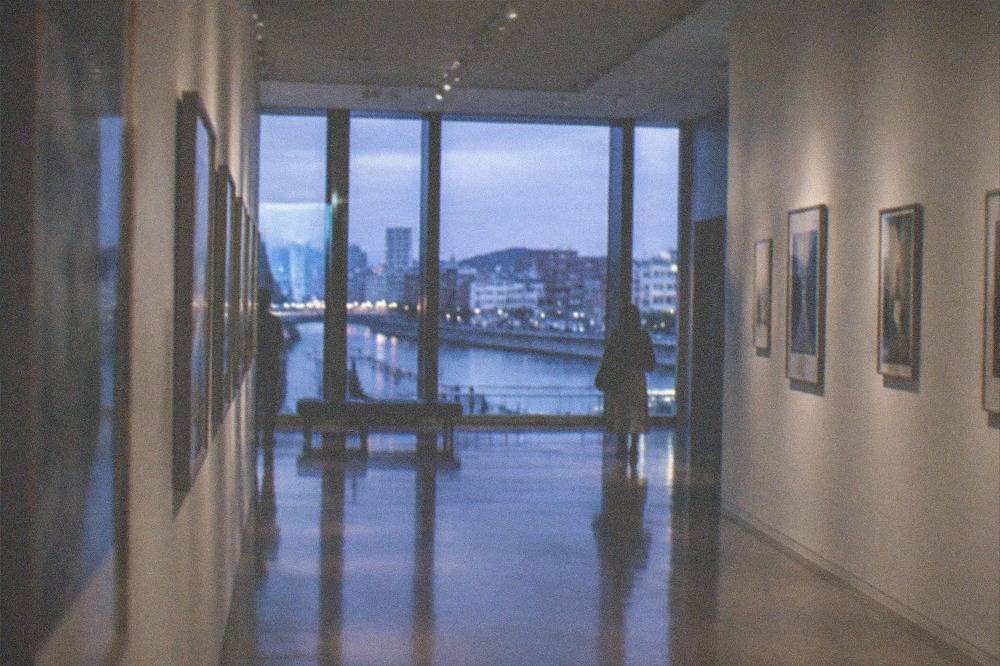
The museum sits on floors 7 and 8 of the Riverain Center Building, 3-1 Shimokawabata-machi, Hakata ward, on the east bank of the Naka River in Nakasu. The nearest subway stations are Nakasu-Kawabata on the Hakozaki and Airport lines, a few minutes on foot, and the building is roughly midway between Hakata Station and Tenjin, about 15 minutes on foot from either.
Nakasu is one of the city's three central districts, and the museum's address makes it about the most convenient art location in Fukuoka. From Hakata Station you can walk the whole way along the river, or ride two stops on the subway to Nakasu-Kawabata. From Tenjin the walk is shorter still, crossing the Naka River at the northern end of the shopping district. The subway single fare anywhere in the central zone is ¥210 to ¥260, and a one-day subway pass at ¥640 covers all three lines if the museum is one stop among several.
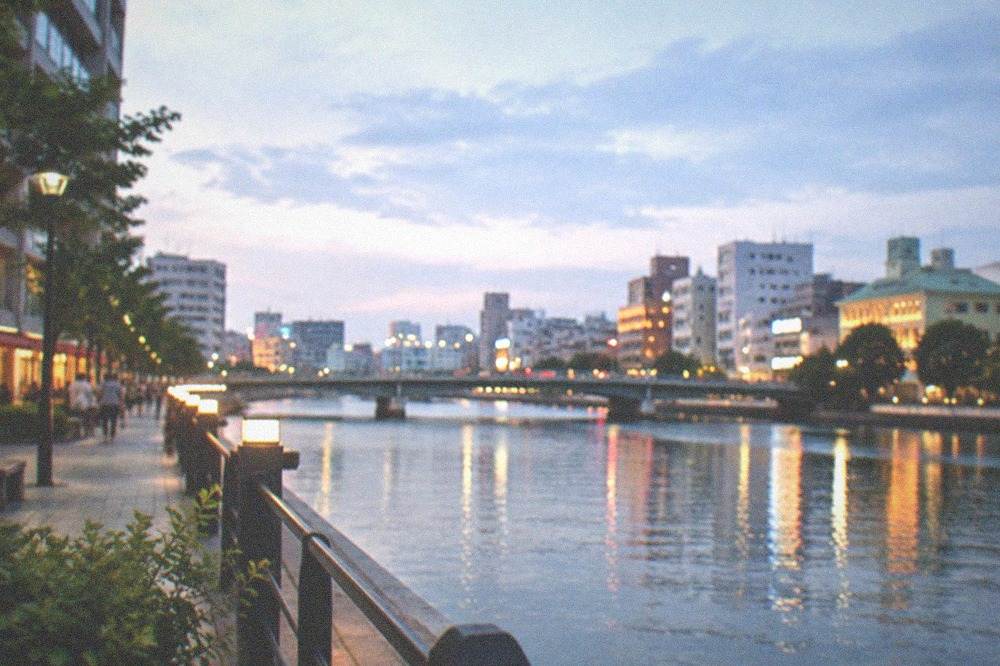
The immediate surroundings reward lingering. The Kawabata Shopping Arcade runs parallel to the river one block east, and the Hakata Machiya Folk Museum sits inside the same arcade, so a museum morning can become a Hakata old-town afternoon without transport of any kind. The riverside promenade itself is the approach most visitors remember, especially once the stalls and lanterns are lit after sunset.
What Tours Pair Well with a Museum Visit?
The museum is a half-day stop, and the strongest pairings are the cultural tours that leave from Fukuoka and return by evening. The Yufuin and Beppu tour with the Sapporo Brewery and an Attack on Titan museum stop runs 9 hours 30 minutes from $55 per person, rated 4.7 from 51 reviews, and makes a natural full-day complement to a museum afternoon. Closer to home, the teamLab Forest immersive art ticket offers a second, very different art experience in the same city.
The Yufuin and Beppu day tour is the pick for visitors who want the museum to be the cultural half of a bigger Kyushu day. It carries you into Oita prefecture for the onsen town of Yufuin, the Beppu sights, a brewery museum and an anime museum, all with transport handled, then returns you to Fukuoka in the evening. At 9 hours 30 minutes it is a genuinely full day, so the sensible pattern is museum on one day and this tour on the next, or the tour first with the museum saved for a lighter final afternoon. The Yufuin day trip guide covers the destination itself if you would rather travel independently.
The teamLab Forest ticket is the contrast pick. Where the Asia Gallery is quiet, labelled and contemplative, teamLab Forest in the BoSS E ZONE area covered on our teamLab page is an immersive digital playground, from $27 per person and rated 3.8 from 14 reviews. Some visitors love both; families with children usually prefer teamLab outright. The two together make an interesting question about what art is, and they are on opposite sides of the city centre, so treat them as separate half-days.
The third pairing suits travellers whose museum visit stirs a wider interest in Kyushu's temples and hot spring country. The Nyoirinji Temple and Beppu Hells day tour, which includes tickets to the Beppu hells and a Yufuin stop, runs a full day from $48 per person and carries a rating of 4.7 from 285 reviews. It is a bigger commitment than the museum by an order of magnitude, but it extends the same impulse, art and ritual and place, out of the gallery and into the landscape.
What Nearby Sights Fill a Half Day Around the Museum?
Within a 15 minute walk of the museum you can reach the Kawabata Shopping Arcade, the Hakata Machiya Folk Museum, Kushida Shrine, the riverside yatai stalls of Nakasu and the Yanagibashi riverside market area, which makes the museum the anchor of a complete Hakata half-day. Nothing on that list needs a booking, and all of it sits inside the same compact bend of the Naka River.
The classic loop is simple. Start at the museum when the gallery opens at 9:30, spend 90 minutes on the floors, then descend to the arcade for coffee or a late morning snack. Walk the arcade north to Kushida Shrine, the tutelary shrine of Hakata and the spiritual home of the July Yamakasa festival, then loop back to the river as the yatai stalls begin setting up in the late afternoon. If you time it right, the whole circuit ends with a stool at a food stall, which is about the most Fukuoka ending a day can have.
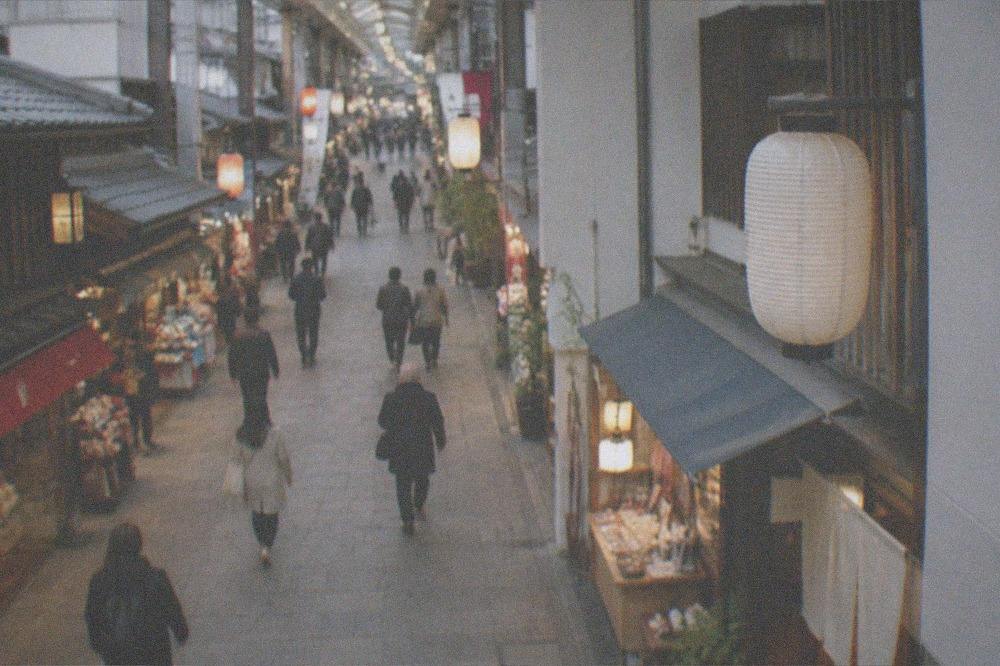
Visitors with more time can stretch the loop toward Tochoji and the Hakata old town streets, which add another 30 to 40 minutes of walking in each direction. Those streets hold some of the oldest temple and shrine fabric in the city, including Zen tradition that traces back centuries, and they sit close enough to Hakata Station that you can finish the day directly at your platform. The question of whether the city as a whole justifies the flight is answered in detail on our page on whether Fukuoka is worth visiting.
What Do Visitors Say About the Museum?
Visitor sentiment toward the museum is broadly positive, with the recurring themes being the quality of the temporary exhibitions, the calm of the floors and the surprise at the low admission, alongside a fair criticism that the permanent display is smaller than expected. Reviewers who arrive with the right expectations, a focused contemporary collection rather than a national-scale museum, consistently rate the visit as time well spent.
The size criticism deserves to be taken seriously rather than argued away. The Asia Gallery is a single floor's worth of display space, and a fast walker can cover it in well under an hour. The counterargument, and the one the museum itself implicitly makes, is that the collection's uniqueness does the work: nowhere else in Japan will you see this material gathered in one place, and the ¥200 price means the value calculation is undemanding. Treat the museum as a rich hour rather than a thin half-day and it delivers.
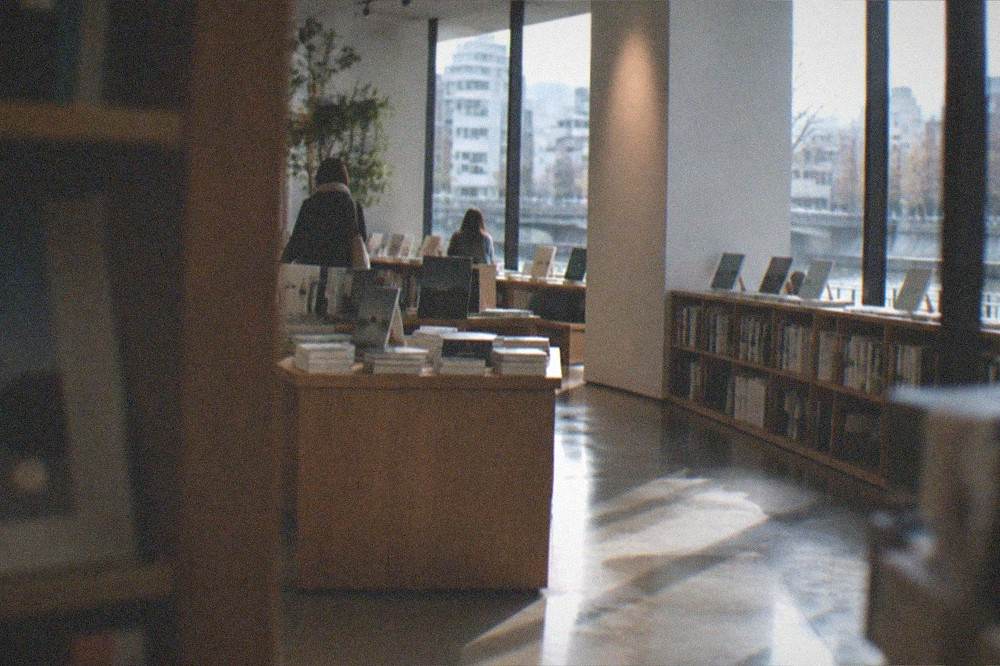
The shop and the free building access also earn consistent mentions. The museum shop stocks exhibition catalogues and Asian art books that are genuinely hard to find elsewhere in the city, and the seventh floor's river views over Nakasu cost nothing. Both are the kind of small detail that turns a two-star stop into a comfortable one, and both reward arriving with a little time to spare before or after the gallery.
Common Questions About the Fukuoka Asian Art Museum
Is Fukuoka Asian Art Museum Worth Visiting?
Yes for most travellers. Entry to the building is free, the Asia Gallery is ¥200 for adults, and the collection of about 5,000 works from 23 Asian countries and regions is unique in Japan. Expect a focused 60 to 90 minute visit rather than a full-day museum, and pair it with the Nakasu and Hakata sights within walking distance.
How much is admission to the Fukuoka Asian Art Museum?
The Asia Gallery charges ¥200 for general admission and ¥150 for high school and university students. Junior high students and younger enter free, as do visitors 65 and over with ID and disability certificate holders plus one carer. Entry to the museum building itself is free, and special exhibitions are priced separately.
What days is the museum closed?
The museum closes on Wednesdays, or on the next weekday when a Wednesday is a public holiday, and annually from December 26 to January 1. It is open the rest of the week, with extended hours until 20:00 on Fridays and Saturdays.
How long should I spend at the museum?
Plan on 60 to 90 minutes for the Asia Gallery, longer if a special exhibition is running. The building, shop and river views can add another half hour. Most visitors combine the museum with the Kawabata arcade, Kushida Shrine or the Nakasu riverside in a single half-day loop.
How do I get to the Fukuoka Asian Art Museum?
The museum is on floors 7 and 8 of the Riverain Center Building at 3-1 Shimokawabata-machi, Hakata ward, on the Naka River in Nakasu. The nearest subway station is Nakasu-Kawabata, and the walk from Hakata Station or Tenjin takes roughly 15 minutes. Hakata and Fukuoka are the same city, so there is no separate transfer between them.
Is the museum good for children?
Junior high students and younger enter the Asia Gallery free, and the contemporary installations appeal more to children than traditional collections usually do. For families whose children prefer interactive art, the teamLab Forest immersive experience is the stronger pick, from $27 per person and rated 3.8 from 14 reviews.