Fukuoka on a Budget
Fukuoka is one of Japan's most affordable big cities to visit, and much of what makes it famous, from shrine grounds to castle ruins to festival crowds, costs nothing at all. This guide sets out the verified numbers: what transport actually costs, which attractions are genuinely free, where the cheap food is, and which paid sights are worth a small admission fee.
Short answer
Fukuoka is a genuinely cheap city by Japanese standards. Subway single fares run ¥210 to ¥380, a subway day pass is ¥640, and the Tourist City Pass is ¥2,500 (¥2,800 with Dazaifu) with a passport check. Dazaifu Tenmangu, Kushida Shrine, Tochoji, Shofukuji, Ohori Park and the castle grounds are all free, and about 100 yatai stalls serve cheap evening meals.
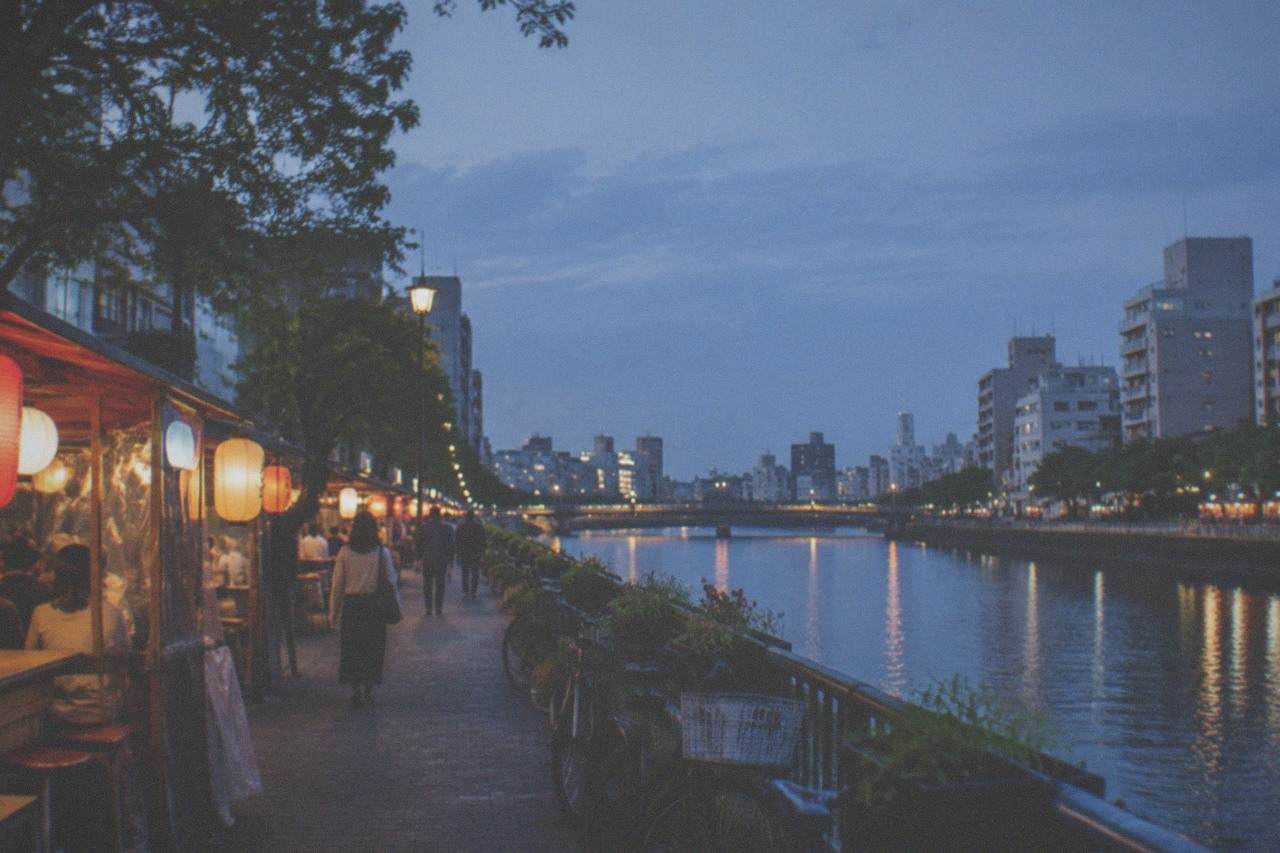
Fukuoka has quietly become one of the best-value cities in Japan. The subway fare table tops out at ¥380, the two biggest shrines and three of the oldest temples cost nothing to enter, and the city's most famous eating experience, the riverside yatai stalls, are priced by a municipal ordinance that bans vague "market price" menu items outright. A traveller who plans around the free sights and the cheap rail lines can spend less here in a week than in two days in Tokyo.
That said, budget travel in Fukuoka rewards a little homework. A handful of widely repeated claims are wrong: several competing guides still quote a years-old price for the city's tourist pass, and at least one attraction is routinely described as free when it is not. This page sticks to verified figures, sourced from the city's own transport and attraction pages, and flags the few places where an honest guide has to say "check at the gate."
What Are the Cheapest Ways to Get Around Fukuoka?
The cheapest way to move around Fukuoka is the city subway, with single fares from ¥210 to ¥380 and a one-day pass at ¥640 that covers all three lines. For overseas visitors on a short-stay visa, the Fukuoka Tourist City Pass at ¥2,500, or ¥2,800 including Dazaifu, adds buses, ferries and attraction discounts, but it requires a passport check at the counter. Walking covers most of the central wards for free.
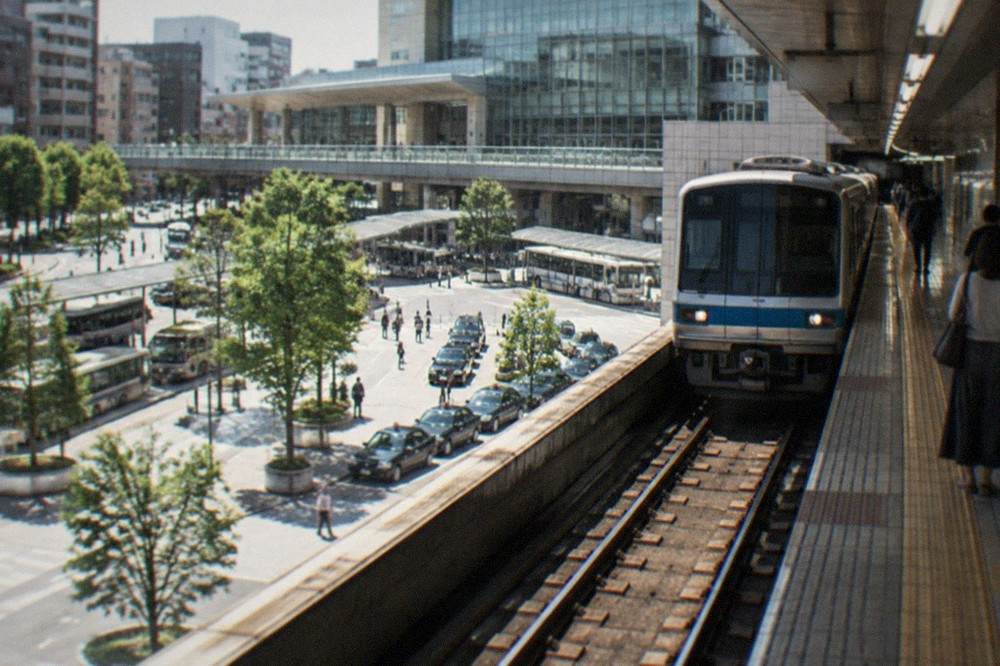
The subway's distance-based fare table is published by the city, and it is refreshingly low. A ride within the central zone costs ¥210 for an adult, and the longest possible single journey on the network, over 19 kilometres, costs ¥380. Children pay roughly half. Three lines make up the network: the Airport Line running from Meinohama to Fukuoka Airport, the Hakozaki Line from Nakasu-Kawabata to Kaizuka, and the Nanakuma Line from Hashimoto to Hakata. Between them they reach almost everywhere a visitor wants to go, including Hakata Station, Tenjin, Ohori Park and the bay front. The full fare structure is on the city subway's official fare page.
| Zone | Distance | Adult fare | Child fare |
|---|---|---|---|
| 1 | up to 3 km | ¥210 | ¥110 |
| 2 | 3 to 7 km | ¥260 | ¥130 |
| 3 | 7 to 11 km | ¥300 | ¥150 |
| 4 | 11 to 15 km | ¥340 | ¥170 |
| 5 | 15 to 19 km | ¥360 | ¥180 |
| 6 | over 19 km | ¥380 | ¥190 |
The airport connection deserves special mention because it is unusually good. Fukuoka Airport sits inside the city, on the Kuko subway line, and the fare into Hakata Station is ¥260, falling in the official 3 to 7 km band. The airport is genuinely close to the centre, which is true and sourced. What this page will not print is the "five minutes to Hakata" claim that appears in almost every competing guide: no official page states a journey time in minutes, and a guide that repeats it is guessing. The fare, and the fact of the airport's closeness, are enough to plan on.
For a day of heavy sightseeing, the subway's own day pass is the simplest money-saver. At ¥640 for adults and ¥320 for children it pays for itself after three or four rides, it is valid from first train to last train on the day of purchase, and it is sold at station ticket machines, customer service centres and the international tourist information offices at Tenjin, Hakata Station and the airport. Pass holders also get discounts at partner facilities on the day of use, which quietly stacks with the cheap admission prices at the city museums.
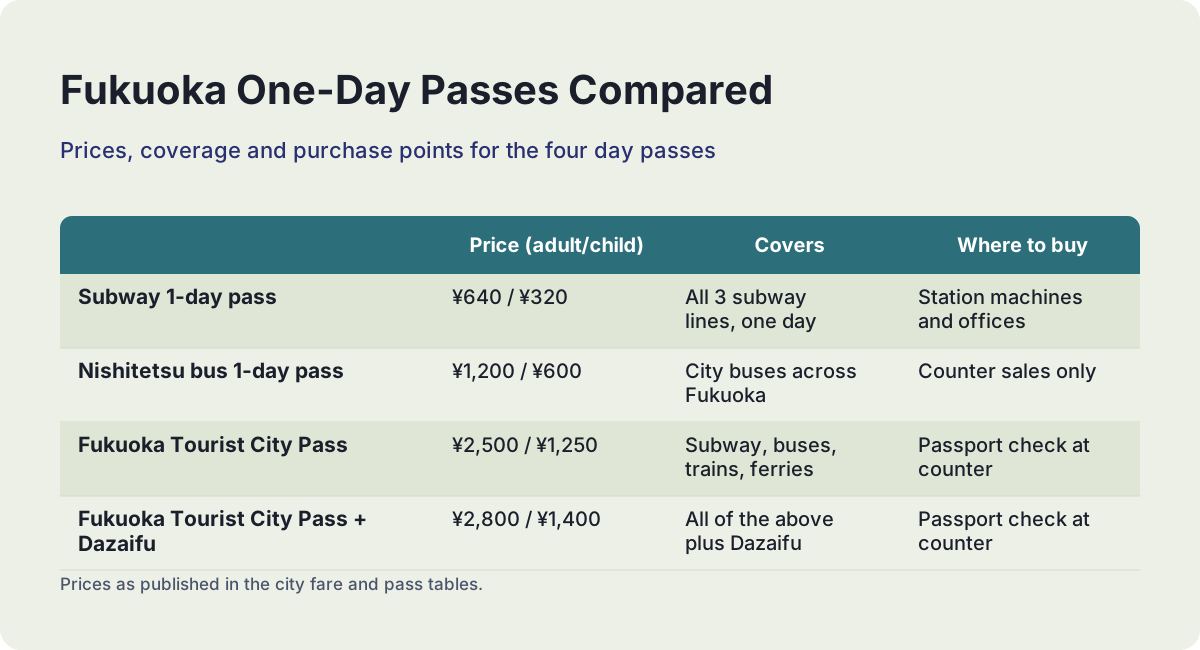
| Pass | Price | What it covers | Where to buy |
|---|---|---|---|
| Subway 1-day pass | ¥640 adult / ¥320 child | All three subway lines, one day | Station machines and tourist offices |
| Nishitetsu bus 1-day pass | ¥1,200 adult / ¥600 child | City buses across Fukuoka | Counter sales only |
| Fukuoka Tourist City Pass | ¥2,500 adult / ¥1,250 child | Subway, Nishitetsu buses and trains, some JR lines, ferries, discounts | Passport check at counter |
| Fukuoka Tourist City Pass + Dazaifu | ¥2,800 adult / ¥1,400 child | All of the above plus Nishitetsu coverage to Dazaifu | Passport check at counter |
The Tourist City Pass is where most guides go wrong, and getting it right is worth real money. The current prices are ¥2,500 for the city version and ¥2,800 for the version that extends to Dazaifu, and the pass is restricted to overseas tourists on a short-stay visa, with a passport checked at the counter. Many competing guides still quote a stale ¥820 or ¥1,340, figures that belong to a defunct product. The official details, including the sales points and the exclusion of the Tabito liner bus, are on the city's own pass page. Note that the digital app version is currently restricted to visitors from South Korea, Taiwan and Thailand; everyone else buys paper.
One more thing worth knowing: Hakata and Fukuoka are the same city. Hakata is the ward and the station name, Fukuoka is the city, and there is no JR Fukuoka Station anywhere in Japan. Travellers who understand this before arrival save themselves a confused twenty minutes at a ticket machine. For a deeper treatment of every line, bus and ferry, see the site's getting around Fukuoka guide, and for the airport leg specifically, how you get from Fukuoka Airport to Hakata.
Is Fukuoka an Expensive City for Travellers?
No. By the standards of Japan's major cities Fukuoka is cheap, and by the standards of Tokyo or Kyoto it is very cheap. The subway tops out at ¥380 a ride, the major shrines and temples are free, the city's two art museums charge ¥200, and the famous yatai stalls serve full evening meals at street-food prices with menus that a city ordinance requires to be posted visibly. Accommodation is the main variable cost.
The honest way to answer this question is with the numbers the city itself publishes. Fukuoka's population passed 1.66 million in the 2025 census, making it Japan's fifth-largest city and the fastest-growing of the designated cities, yet its attraction pricing behaves like a regional town. Both city art museums charge ¥200 for general admission, with high school and university students at ¥150, everyone under 15 free, and residents over 65 from Fukuoka, Kitakyushu, Kumamoto or Kagoshima free with ID. Fukuoka Tower, the city's signature paid viewpoint, is ¥1,000 at the top rate. The Ohori Park Japanese Garden, one of the most beautiful corners of the city, is ¥250. These are not promotional prices; they are the standard, year-round figures.
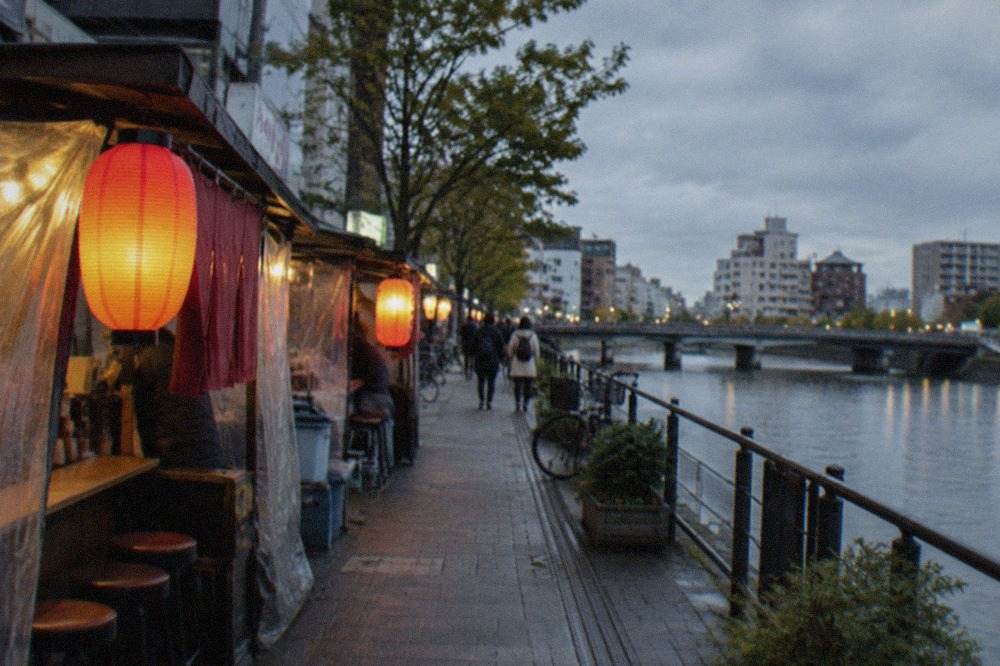
Food is where the city's reputation for value is earned. The yatai, about 100 licensed stalls across the city according to the municipal count, serve ramen, yakitori and oden at counter prices, and the city's yatai ordinance requires every stall to display its prices where customers can easily see them. A dish priced on the day's market cost must show that day's actual price, not a vague "market price" label, and city inspectors check periodically. That ordinance is the honest answer to the question every budget traveller quietly has, which is whether they will be overcharged at a stall, and it is a better answer than any competing guide gives.
Where does the money go, then? Accommodation, mostly, plus the day trips. A hotel in Hakata or Tenjin during peak season can consume more of a daily budget than everything else combined, which is why the where to stay in Fukuoka guide on this site breaks the neighbourhoods down by price character. The other big variable is the season: July is statistically Fukuoka's wettest month at 299.1 mm of rain against June's 249.6 mm, despite June being the tsuyu rainy season, a fact from the Japan Meteorological Agency's 1991 to 2020 normals that surprises most visitors. The Fukuoka in summer guide covers how to handle the heat and the festival crowds without spending extra.
What Can You Do in Fukuoka for Free?
A remarkable amount. Dazaifu Tenmangu, Kushida Shrine, Tochoji, Shofukuji, Nanzoin, Ohori Park, Maizuru Park and the Fukuoka Castle grounds, Momochi Seaside Park, the Itoshima beaches, Canal City Hakata and the FAAM's building are all free to enter. The city's three great festivals cost nothing to watch. There are, however, three attractions routinely misdescribed as free, and a traveller should expect to pay at each gate.
Start with the shrines and temples, because they are the city's soul and they cost nothing. Kushida Shrine, Hakata's guardian shrine and the focal point of the Yamakasa festival, has free grounds. Tochoji, home of the Fukuoka Daibutsu, is free. Shofukuji, Japan's first Zen temple, founded in the twelfth century, is free to walk. Nanzoin, out in the east of the city, holds one of the world's largest reclining Buddha figures, and its grounds are free. Dazaifu Tenmangu, the most visited shrine in Kyushu, states plainly on its own FAQ page that there is no entrance fee. A full day of shrine and temple hopping in this city costs exactly zero yen in admissions.
| Place | Entry cost | Notes |
|---|---|---|
| Dazaifu Tenmangu | Free | Shrine's own FAQ states no entrance fee |
| Kushida Shrine grounds | Free | Festival hub in Hakata |
| Tochoji | Free | Home of the Fukuoka Daibutsu |
| Shofukuji | Free | Japan's first Zen temple |
| Ohori Park | Free | Japanese garden inside charges ¥250 |
| Maizuru Park and castle grounds | Free | Tenshudai closed to end of December 2026 |
| Momochi Seaside Park | Free | Beach and boardwalk |
| Canal City Hakata | Free to enter | Shops 10:00 to 21:00 |
| FAAM building | Free | Only the Asia Gallery charges ¥200 |
Parks and water carry the rest of the free list. Ohori Park's lakeside loop is one of the city's great free walks, and the castle grounds in neighbouring Maizuru Park, with roughly 1,000 cherry trees, are free to roam, though the Tenshudai, the base of the main keep, is closed for an archaeological excavation from 26 May 2026 until the end of December 2026. The excavation has a genuinely good story behind it: a document discovered in December 2024 described a keep that may never have been built, the city dug in 2025, and in 2026 it tripled the excavation area. Whether the "phantom keep" existed is still an open question. Momochi's seaside park and the Itoshima peninsula's beaches are free as well, and Canal City's canal-side shows cost nothing to watch.
Now the three traps, because this is where budget guides fail their readers. Uminonakamichi Seaside Park, Nokonoshima Island Park and the Kawachi Wisteria Garden are all regularly described as free somewhere on the internet, and this site's own product data contradicts all three. Treat every one as pay-at-gate and budget accordingly. Uminonakamichi's official page lists adult admission at ¥450 with junior high and under free, and its gate is cash only, a detail almost nobody mentions and which strands the occasional card-only traveller at the window. The castle closure above, by contrast, is temporary and well signposted.
Finally, the free festivals. Hakata Dontaku in May, the Yamakasa in July and Hojoya at Hakozakigu in September are all street events with no ticketing at all; you simply show up. Tamaseseri on January 3, the New Year ball-scramble at Hakozakigu, is likewise free to watch. There are no free walking tours in Fukuoka, despite what some listings imply; the honest answer is that the free things to do here are sights and events rather than tours. For a full plan built around the no-cost side of the city, the site's Fukuoka budget itinerary strings the free sights into a walkable day.
Where Can You Eat Cheaply in Fukuoka?
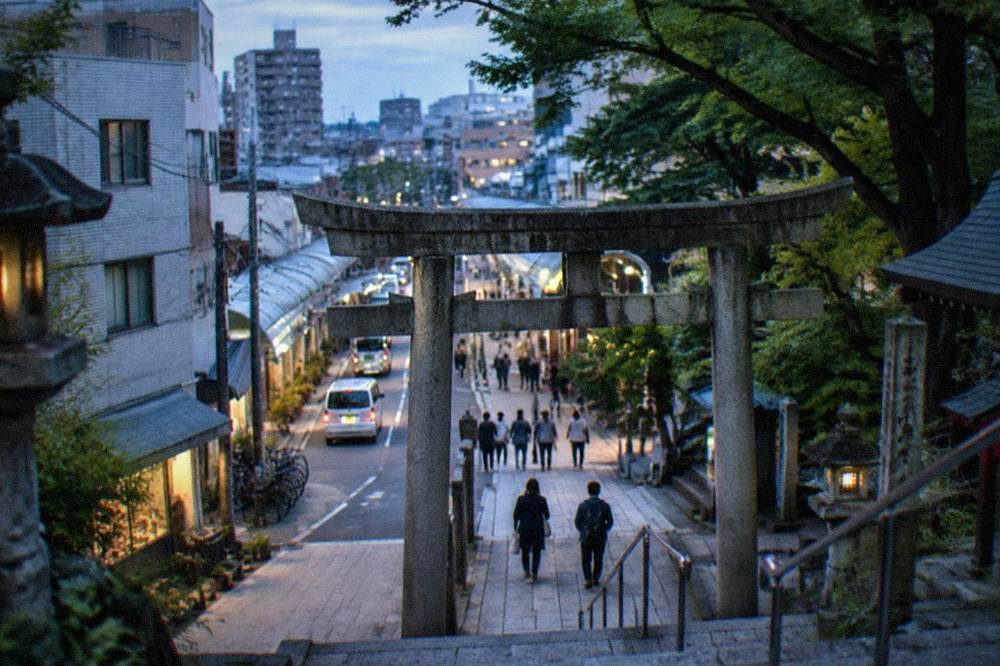
The yatai stalls are the cheapest full evening meal in the city, and about 100 of them operate across Nakasu, Tenjin and Nagahama under an ordinance that requires posted prices and bans "market price" labels. Budget diners should also use the Kawabata arcade's old-school shops, the station basement food halls and lunchtime set menus, which undercut dinner prices across the board.
The yatai are the headline, and they are cheap by design. These mobile stalls, licensed by the city and limited to a road-occupancy window from 17:00 to 04:00, typically open around 18:00 to 18:30 and serve until the small hours. The city does not publish an average price per dish or per person, and an honest guide does not invent one, but the ordinance guarantees that every stall posts its prices where customers can see them, so the cost is knowable before you sit down. The city's own Q&A page, at the municipal yatai page, is the source for both the count and the pricing rule. Stalls close for rain, strong wind and at the operator's discretion; there is no city-mandated closing day, so a stall that is shuttered on a Tuesday is shut for its own reasons.
The three areas have distinct characters, and the differences matter to a budget. Nakasu, along the Naka River by Seiryu Park, is the photogenic postcard row and the most tourist-facing, which means it fills first. Tenjin's stalls, scattered along Watanabe-dori and Showa-dori, lean toward after-work locals and include some newer "neo-yatai" with more varied menus. Nagahama, near the old fish market, is historically the ramen row. The etiquette is simple and worth learning: sit when invited, order rather than lingering, and expect to share a counter with strangers, which is half the point. The site's Fukuoka yatai guide covers the customs in full.
Beyond the stalls, the cheap-eat infrastructure is deep. The Kawabata shopping arcade, running from Hakata's temple district toward the river, is lined with small shops selling nothing fancy at neighbourhood prices. Station basements, particularly around Hakata, sell bento and prepared foods that discount toward closing time. Lunch is the budget traveller's friend everywhere in Japan, and Fukuoka is no exception: the same kitchens that charge dinner prices in Nakasu at night run midday set menus at a fraction of the cost. Mentiko, motsunabe and Hakata ramen are the local signatures, and a rainy day itinerary for Fukuoka keeps the eating going under cover when the weather closes the stalls, which it does, because rain closes more yatai than anything else.
What Are the Cheapest Paid Attractions Worth the Price?
Fukuoka Tower at ¥1,000 is the city's signature paid viewpoint, but the true budget tier sits below it: the Ohori Park Japanese Garden at ¥250, both city art museums at ¥200, the zoo at ¥600, and Uminonakamichi at ¥450 with a cash-only gate. For a few dollars more, short cultural experiences, from a tea ceremony to calligraphy, fill an hour cheaply.
The table below is the honest price ladder for the city's paid sights, drawn from each venue's own published figures. Note the pattern: almost nothing in Fukuoka costs four figures except the tower, and the museums are among the cheapest in Japan for what they hold. The Fukuoka Asian Art Museum's building entry is free, with only the Asia Gallery charging, and its collection runs to about 5,000 works from 23 Asian countries and regions. The Fukuoka Art Museum's collection exhibition is ¥200, free for everyone under 15, and free for residents over 65 from a four-prefecture area with ID. The rest of the planning pages sit on Fukuoka Japan Travel Guide.
| Attraction | Adult admission | Cheaper rates | Notes |
|---|---|---|---|
| Ohori Park Japanese Garden | ¥250 | Child ¥120, 65+ free | Closed Mondays and 29 Dec to 3 Jan |
| Fukuoka Art Museum | ¥200 | ¥150 students, under 15 free | Closed Mondays |
| FAAM Asia Gallery | ¥200 | ¥150 students, under 15 free | Building entry free |
| Fukuoka City Zoo | ¥600 | ¥300 high school, under 15 free | Free entry 3 and 4 October 2026 |
| Uminonakamichi Seaside Park | ¥450 | ¥210 for 65+, junior high and under free | Gate is cash only |
| Fukuoka Tower | ¥1,000 | ¥500 school age, ¥200 age 4+ | Closed 28 and 29 June 2027 |
| Marine World Uminonakamichi | ¥2,500 | ¥1,200 school age, ¥700 age 3+ | Hours vary by calendar date |
Fukuoka Tower deserves its ¥1,000 despite being the top of the price ladder. At 234 metres tall with observation decks at 123, 120 and 116 metres, it is the tallest seaside tower in Japan, open 9:30 to 22:00 with last admission at 21:30, and it takes everything from cash to PayPay at the door. The tower's one scheduled closure is the annual maintenance pair of 28 and 29 June 2027. An admission ticket for the tower is also sold as a skip-the-line product, which is worth a look if the observation deck queue is long on a clear evening.
Marine World Uminonakamichi is the one attraction on this list where buying ahead genuinely matters. The aquarium's gate price is ¥2,500 for adults, and its opening hours vary by calendar date rather than running to a single year-round figure, so a pre-purchased e-ticket both fixes the date and skips the window. The e-ticket is the site's related pick for this page, and the card below shows the current price.
The cultural experiences are the quiet bargain of a Fukuoka trip. A Japanese tea ceremony with a maiko runs from a price point that would not buy dinner in Nakasu, and it is rated 4.9 from 11 reviews, a small pool but a consistently strong one. A calligraphy experience and an Okinawa-style shisa amulet workshop sit in the same low tier, each about an hour or two long, each a real souvenir rather than a purchased one. These are the experiences that make a cheap trip feel rich, and none of them requires a full half-day.
Which Day Trips from Fukuoka Cost the Least?
The cheapest day trips are the ones inside the city's own fare zones: Nokonoshima by ferry, Shikanoshima by rail and bus, and Itoshima along the peninsula, where the beaches are free. Dazaifu costs a single Nishitetsu fare each way. The big Kyushu excursions, Beppu, Yufuin, Takachiho, Kumamoto and Nagasaki, are full days by design and should never be squeezed into a half-day plan.
Dazaifu is the classic budget day trip, and it is cheap at every step. The shrine itself charges nothing, the approach street's famous umegae mochi shops sell one sweet for pocket change, and the rail fare from Tenjin is a single Nishitetsu ticket with one change at Futsukaichi. A round-trip sightseeing ticket, the Tabi Kippu, bundles the train with an umegae mochi voucher and is sold at Nishitetsu Fukuoka (Tenjin) station. The Dazaifu day trip guide on this site covers the route in detail, including the Kyushu National Museum next door, which charges separately.
The coastal trips are nearly as cheap. Nokonoshima, the island park in Hakata Bay, is a short ferry from Meinohama, and the island's flower park charges at the gate rather than being free, so budget for admission. Shikanoshima, at the tip of the Uminonakamichi sandbar, is reachable on the JR lines and is effectively a beach-and-shrine day. Itoshima, the peninsula west of the city, holds some of the region's best free beaches and the photogenic Sakurai Futamigaura shrine by the sea. The Itoshima day trip guide maps the coast. None of these requires a tour; all of them are doable on the transport passes described at the top of this page.
The full-day excursions are a different animal. Beppu and Yufuin, Takachiho Gorge, Mount Aso, Kurokawa Onsen, Kumamoto and Nagasaki are all genuine full days from Hakata, and the site's Beppu day trip and Nagasaki day trip pages treat them accordingly. A budget traveller can do these on public transport, and the JR Kyushu network covers much of northern Kyushu, but this page will not print a yen figure for the nationwide rail pass, which is single-read only in this site's research. What can be said with confidence: the guided day tours from Fukuoka, several of which start from under $50 per person, are frequently cheaper than the sum of the individual trains and admission fees for the same route, which is not the case in most of Japan. The day trips from Fukuoka hub page compares them all.
Where Should You Stay on a Budget?
Hakata Station is the best budget base in the city: it sits on every subway line, it is the terminus for the airport line at ¥260, and it is the departure point for every day trip. Tenjin costs a little more but puts the nightlife and the Nishitetsu line at the door. Nakasu is the party district and priced accordingly, and the western wards around Ohori Park offer the quietest value.
The reason Hakata wins for budget travellers is structural, not just about room prices. Every long-distance train, most intercity buses and the airport subway line converge on the one station, so a Hakata base removes the daily cost and friction of crossing the city with luggage or before an early departure. The station is the reason there is no JR Fukuoka Station to confuse your bookings: Hakata is the name on every ticket. Within walking distance of its exits sit Gion's temple district, the Kawabata arcade and the Nakasu river stalls, which means the free evenings described earlier in this page are all on foot.
Tenjin is the counter-argument. It is the city's business and shopping core, and its hotel stock skews business-traveller, which means weekday rates can dip when offices empty out. It also sits on the Nishitetsu line, the direct route to Dazaifu, and on the subway, so the transport maths work out for a Dazaifu-heavy plan. The underground mall keeps rainy days cheap and indoors. The trade-off is that Tenjin's cheapest nights are midweek, and weekends during festival periods, Dontaku in May and Yamakasa in July, push rates up across the whole city.
The quieter value sits west of the centre, around Ohori Park and the castle, where the sights are free and the streets are calm after dark. This is also the best area for a traveller who plans to cook occasionally, since the residential shops price for residents rather than visitors. Whatever the choice, book early for the festival windows: the city's hotels fill for Dontaku and Yamakasa months ahead, and a budget trip planned for early July arrives in the statistically wettest month of the year, 299.1 mm in the JMA normals, with the biggest festival of the year running through it. The neighbourhood-by-neighbourhood comparison, including the price character of each district, is covered in the site's where-to-stay guide linked earlier on this page.
What Money-Saving Mistakes Should You Avoid?
The five mistakes that cost travellers real money in Fukuoka are: quoting the stale ¥820 tourist pass price instead of the real ¥2,500, assuming the seaside parks are free when three of them charge at the gate, arriving at Uminonakamichi without cash, planning day trips as half-days when they are full days, and budgeting for June as the rainy month when July is statistically wetter.
The pass mistake is the most common. The Fukuoka Tourist City Pass has cost ¥2,500, or ¥2,800 with Dazaifu, since its repricing, with a passport check at the counter, yet a large share of the guides ranking on this topic still print the old ¥820 and ¥1,340 figures. A traveller who budgets on the stale numbers arrives with a false sense of the cost, or worse, dismisses a pass that would actually have saved them money on a bus-and-ferry-heavy day. The rule is simple: use the current figures or none.
The free-attraction mistake is the mirror image. Uminonakamichi Seaside Park, Nokonoshima Island Park and the Kawachi Wisteria Garden are all pay-at-gate, whatever a search snippet says, and the wisteria garden in particular sells timed tickets that sell out in peak bloom. Uminonakamichi adds a second trap: its gate takes cash only, and the official page says so explicitly. Carry a few thousand yen in coins and notes for park gates, stall counters and shrine offerings, because the cashless story in Japan varies by venue and this site's research could not verify a national ratio either way.
| Mistake | The reality | What to do instead |
|---|---|---|
| Budgeting on the old ¥820 pass | Tourist City Pass is ¥2,500 / ¥2,800 with passport | Check the official pass page before arrival |
| Assuming the big parks are free | Uminonakamichi, Nokonoshima and Kawachi charge at the gate | Budget ¥450 per adult for Uminonakamichi |
| Card-only at park gates | Uminonakamichi's gate is cash only | Carry yen notes and coins |
| Squeezing Beppu or Takachiho into a half-day | The big Kyushu trips are full days by design | Pick one, or stay overnight |
| Packing for June rain only | July is the wettest month, 299.1 mm | Bring rain gear through July |
The half-day mistake wastes the most time rather than money. Beppu, Yufuin, Takachiho, Mount Aso, Kurokawa and Nagasaki are all full-day trips from Hakata, and a plan that schedules two of them into one day delivers neither. The cheap alternatives inside the city's fare zones, Dazaifu, Nokonoshima, Shikanoshima, Itoshima, are the ones that fit a half-day, and the hub page linked earlier marks the full-day ones clearly. Finally, the weather mistake: July brings the Yamakasa festival and the heaviest rain of the year in the same fortnight, so a July budget needs indoor backup, and the rainy-day itinerary linked in the food section above is the plan to keep in your pocket.
A Sample Cheap Day, Hour by Hour
A full day in Fukuoka can be built for under ¥2,000 in admissions and transport: a morning at the free castle grounds and Ohori Park, a ¥250 garden entry, a ¥200 museum visit, an afternoon in the free shrine district, and an evening at the yatai, with the whole day's subway travel covered by a ¥640 day pass. The only variable is food, and the stalls keep that honest with posted prices.
| Time | Activity | Cost |
|---|---|---|
| Morning | Maizuru Park and castle grounds walk | Free |
| Morning | Ohori Park Japanese Garden | ¥250 |
| Midday | Fukuoka Art Museum collection | ¥200 |
| Afternoon | Subway to Hakata, Tochoji and Shofukuji | Free entry |
| Late afternoon | Kushida Shrine and Kawabata arcade | Free |
| Evening | Yatai stall dinner, Nakasu riverside | Posted prices |
| All day | Subway 1-day pass | ¥640 |
The point of the sample day is not the specific route but the shape of it: the expensive hours of a Fukuoka day are the ones you choose to make expensive. Two admissions and a day pass together cost barely more than a single Fukuoka Tower ticket, and the rest of the day runs on free grounds, free shrines and street food. Swap the museum for the FAAM's free building, or the garden for a Momochi sunset, and the total falls further. Add the tea ceremony or the tower and it rises by a few hundred yen, never by the multiples a Kyoto or Tokyo day demands. This is why Fukuoka keeps appearing on lists of Japan's best-value cities, and why the fastest-growing big city in the country is also one of the cheapest to visit properly.
Common Questions About Visiting Fukuoka on a Budget
What Are The Cheapest Ways To Get Around Fukuoka?
The city subway is the cheapest practical option, with adult single fares from ¥210 to ¥380 and a one-day pass at ¥640 covering all three lines. Overseas visitors on a short-stay visa can buy the Fukuoka Tourist City Pass at ¥2,500, or ¥2,800 with Dazaifu, which adds buses, ferries and some JR lines, but it requires a passport check at the counter. Much of the central city, from Hakata's temple district to Tenjin, is also walkable for free.
Is Fukuoka cheaper than Tokyo?
Yes, noticeably. Fukuoka's subway fares top out at ¥380, its major museums charge ¥200, and its headline attractions, including Dazaifu Tenmangu, Kushida Shrine and the castle grounds, are free. Hotel rates in Hakata and Tenjin generally sit below central Tokyo equivalents, and the yatai stalls serve full evening meals at street-food prices under a city ordinance that requires prices to be posted.
Are the yatai stalls expensive?
The city publishes no average price, so no honest figure exists, but the municipal yatai ordinance requires every stall to display its prices where customers can easily see them and bans vague "market price" labels. A dish priced on the day's market cost must show that day's actual price. That makes a yatai meal one of the most transparent dining options in Japan, and stalls close for weather rather than on any fixed weekly day.
Is Uminonakamichi Seaside Park free?
No. Despite appearing on free-attraction lists, the park charges at the gate: ¥450 for adults, ¥210 for visitors 65 and over, and free for junior high age and under. The gate is also cash only, which the park's official page states explicitly. Bring yen, and check the official calendar for the seasonal Tuesday closures before you travel out there.
What is the Fukuoka Tourist City Pass and who can buy it?
It is a one-day pass covering the subway, Nishitetsu buses and trains, some JR lines and ferries, plus attraction discounts, priced at ¥2,500 for the city version and ¥2,800 for the version that extends to Dazaifu. It is restricted to overseas tourists on a short-stay visa, with a passport checked at the counter, and the digital version is currently limited to visitors from South Korea, Taiwan and Thailand. Many older guides still quote a stale ¥820 price, which is wrong.
Can you visit Fukuoka without booking any tours?
Yes, easily. The shrines, temples, parks and castle grounds are free and need no booking, the yatai take walk-ins, and Dazaifu, Nokonoshima and Itoshima are reachable on the transit passes described on this page. The paid experiences that benefit from advance booking are the few with fixed hours or timed entry, such as the Marine World e-ticket, and even those can often be bought the same day in quieter seasons.