Fukuoka on a Budget Itinerary
Fukuoka is one of Japan's cheapest major cities to explore, and a surprising share of its best sights cost nothing at all. This itinerary strings the free ones together in a walkable route and prices every leg of the day with verified figures, so you know exactly where the money goes and where it does not.
Short answer
A budget day in Fukuoka using only free sights can cost under ¥3,000 per person including transport and food. The subway from the airport is ¥260, a one-day subway pass is ¥640, and Dazaifu Tenmangu, Kushida Shrine, Tochoji, Ohori Park and Canal City all cost nothing to enter. The main paid extras are optional: a museum at ¥200 or a yatai dinner.
Fukuoka gives away more of itself than almost any other big Japanese city. The castle grounds cost nothing, the two most famous shrines in the city charge no admission, the best park in the centre is free to wander, and the food stalls that made the city famous are open to anyone who walks up and takes a seat. The result is a day that can genuinely be done for the price of a subway ticket and a bowl of ramen, and it is not a diminished version of the city either: the free list includes some of the sights people cross Kyushu to see.
This itinerary is built for exactly that. It strings the free sights into one walkable, logical day, prices every leg with verified fares and admission figures, and flags the few places where a small spend is genuinely worth it. If you are weighing a longer stay, the three day Fukuoka itinerary spreads the same highlights across a more relaxed pace, and the full Fukuoka trip cost guide breaks down what a whole week costs.
What Can a Budget Day in Fukuoka Cost with Only Free Sights?
A realistic budget day in Fukuoka, using nothing but free sights, costs roughly ¥2,500 to ¥4,500 per person depending on how you eat. Transport is the floor: a one-day subway pass is ¥640, or single fares run ¥210 to ¥380. Every sight on the core route, from Kushida Shrine to Ohori Park to Canal City, charges no admission. The variables are food, at a few hundred yen for a bakery breakfast up to a full yatai dinner, and any optional museum stop at ¥200.
The honest answer is that the sights themselves are almost free by design. Fukuoka's temples and shrines do not charge, the castle grounds are a public park, and the two city art museums only ask ¥200 for their collection galleries while letting anyone walk into the Asian Art Museum's building without paying. What you spend on a day here is almost entirely transport and food, and both of those are cheap by Japanese metropolitan standards.
That does not mean every headline attraction is free, and the distinction matters. Fukuoka Tower charges ¥1,000 for adults, the Ohori Park Japanese Garden charges ¥250, and Uminonakamichi Seaside Park charges at the gate and takes cash only there. Those are all worth their prices, but none of them belongs on a zero-admission day, and this itinerary keeps them off the core route.
How Do You Start the Day Cheaply in Hakata?
Start at Kushida Shrine, which charges no admission and opens before most of the city has finished breakfast. From Hakata Station the walk is under fifteen minutes through the Hakata old town streets, so the first sight of the day costs nothing at all, not even a train fare. Tochoji, with its large seated Buddha, is a few minutes further and is also free, and Shofukuji, the first Zen temple founded in Japan, sits just beyond it with free grounds.
Hakata's temple and shrine cluster is the budget traveller's gift. Kushida Shrine is the city's most important shrine, the spiritual home of the Hakata Gion Yamakasa festival every July, and the grounds are open without a ticket. Tochoji is a working temple with a wooden Buddha that fills its hall, and like Kushida it asks nothing at the door. Shofukuji, founded at the end of the twelfth century, is quieter and more austere, its grounds free to walk.
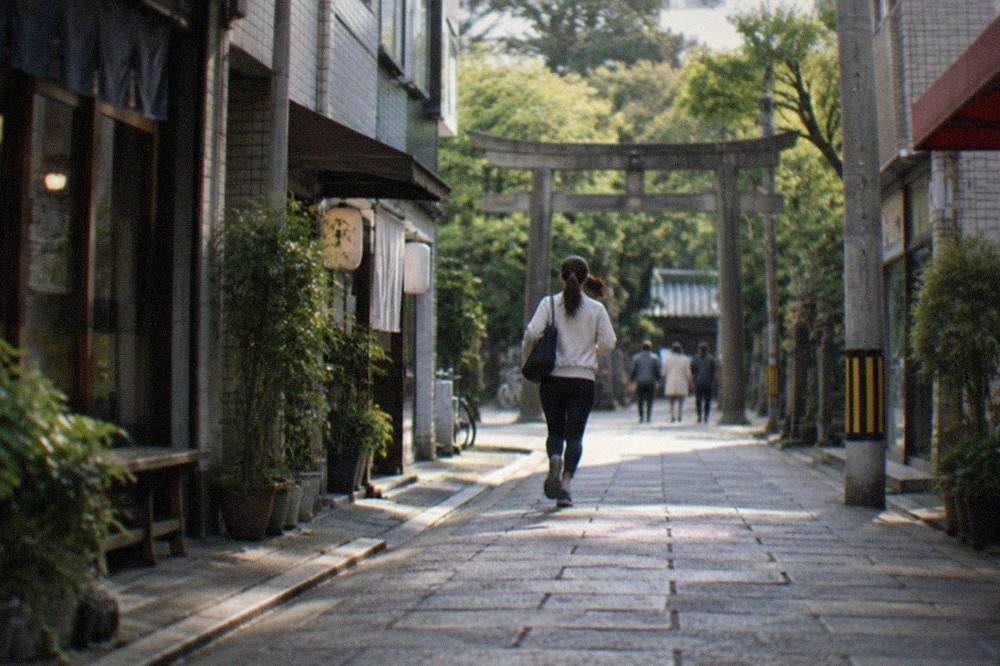
Between the three, the Hakata Machiya Folk Museum is the one paid stop in the quarter, and it is skippable on a strict budget. The streets themselves do much of the same work for free: the machiya townhouses and the Kawabata Shopping Arcade, which runs between Kushida Shrine and the Naka River, are a working piece of old Hakata that costs nothing to walk. The arcade is also the cheapest place in the district to pick up coffee or a snack.
If you are arriving this morning from the airport, the subway fare into Hakata is ¥260, verified on the official fare table's 3 to 7 km band. The airport is unusually close to the city centre, which is one of Fukuoka's genuine advantages, and the Fukuoka airport guide covers the transfer in detail. What almost no competing guide will tell you is that the famous "five minutes to Hakata" claim appears on no official page, so treat any journey time you read elsewhere with suspicion.
Where Is the Best Free Walk in the City Centre?
The walk from Kushida Shrine along the Naka River to Canal City, and on through Tenjin, is the best free stretch in central Fukuoka. The riverside promenade past the Nakasu yatai stalls costs nothing, Canal City Hakata is free to enter and open every day of the year, and the whole route can be done on foot with no transport spend between breakfast and lunch.
The Naka River is the spine of the central city. Walking south from the Kawabata Arcade side, you pass the Nakasu entertainment district and the yatai stalls that line the river near Seiryu Park. Fukuoka has about 100 licensed yatai, more than any other Japanese city, and simply walking the rows in daylight, when the stalls are shuttered and you can read the hand-painted signs, is free and quietly fascinating. Come back after dark if you want to eat.
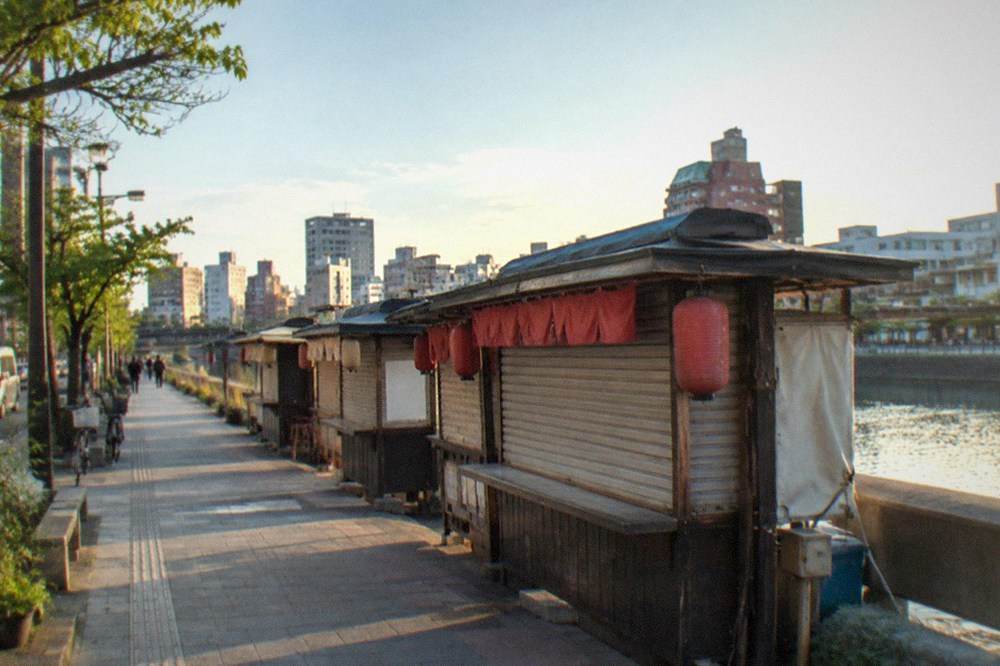
Canal City Hakata, a few minutes north, is a shopping complex, but it functions as a free public spectacle: the canal runs through the middle of it, fountains run on a schedule through the day, and the site is open every day of the year with shops from 10:00 to 21:00 and restaurants from 11:00 to 23:00. You do not need to buy anything to enjoy the architecture and the water, and the free fountains are a reliable place to rest for twenty minutes.
From Canal City it is a flat twenty minute walk, or one subway stop, up to Tenjin. If your legs are done for the morning, the single fare is ¥210, the lowest subway band. Tenjin's underground mall is free to wander and air conditioned, which matters more than it sounds in a city where July averages 299.1 mm of rain and a mean of 27.4 degrees Celsius. The JMA's own normals put July, not June, as Fukuoka's wettest month, a fact almost every guide gets backwards.
How Much Does Lunch Cost on a Budget Route?
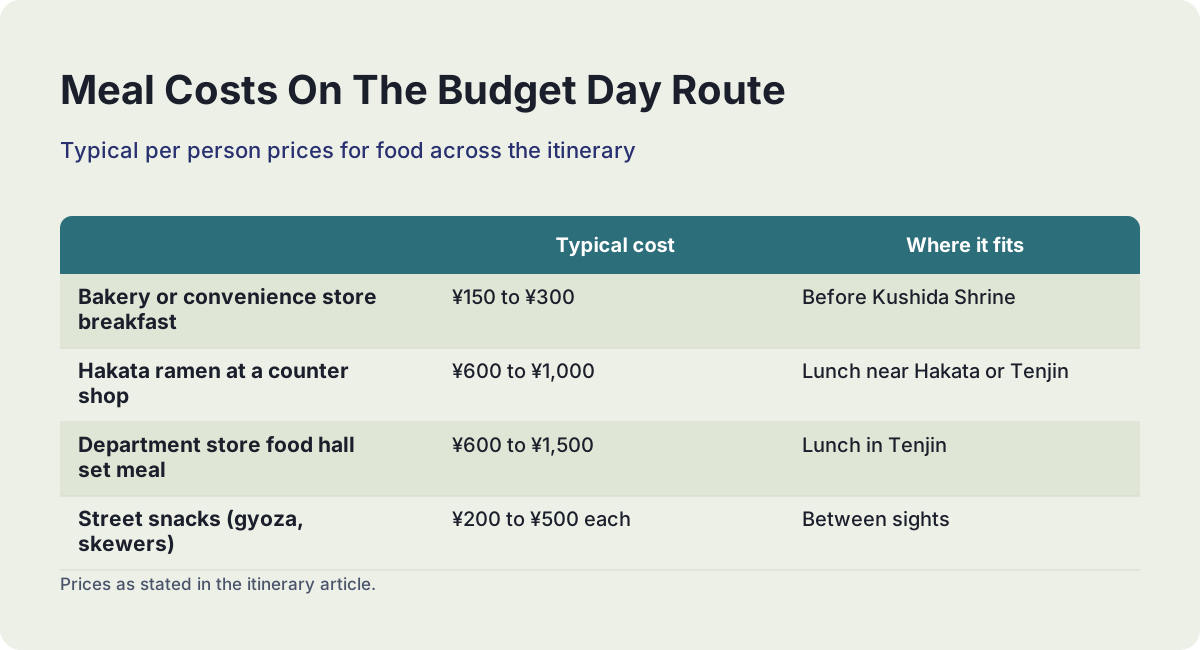
Lunch is the first real variable of the day, and in Fukuoka it can be anything from about ¥500 to about ¥1,500. A bowl of tonkotsu ramen at a standing counter or a local shop near Hakata or Tenjin sits at the low end, a set meal at a department store food hall in the middle, and the ceiling is a yatai dinner saved for later. None of these requires a booking, and none is hard to find.
The city's signature dish is Hakata ramen, a tonkotsu pork-bone broth with thin noodles, and it was born as cheap food for stall and counter customers. It remains one of the cheapest full meals in Japan. Around Hakata Station and in the back streets of Tenjin, plenty of shops serve a full bowl for a few hundred yen to around ¥1,000, and the kaedama system, ordering an extra serving of noodles for your remaining broth, keeps the cost per extra round low.
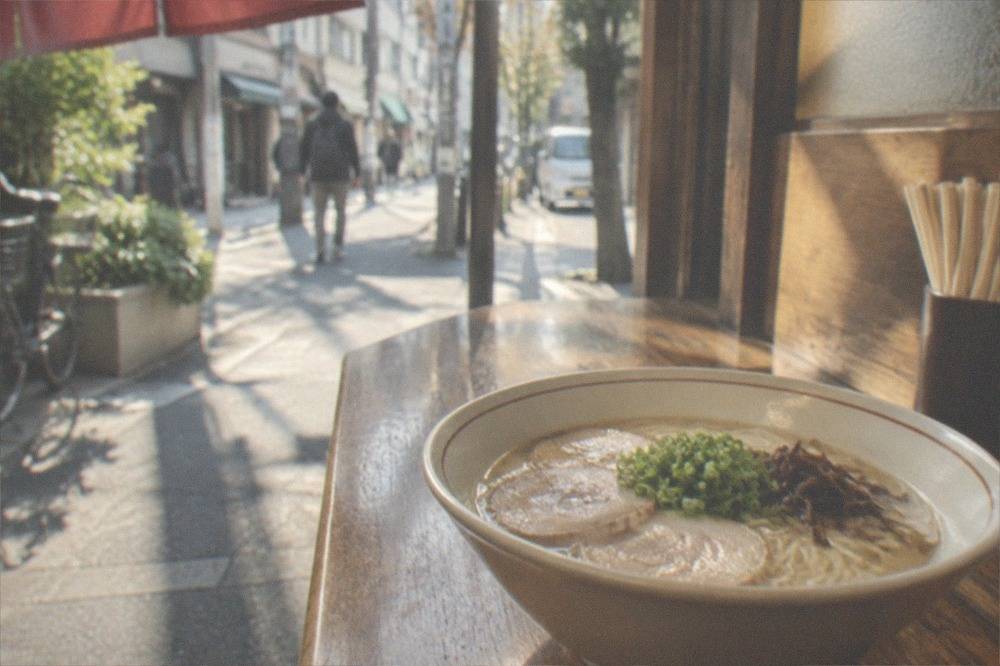
For an even cheaper structure, eat like the office workers do. Department store basements in Tenjin sell prepared foods at a discount in the last hour before closing, and bakery breakfasts run a couple of hundred yen. The street food canon, mentaiko on rice, hitokuchi gyoza and grilled skewers, is priced for snacking rather than dining, which suits a walking day perfectly.
| Meal option | Typical cost per person | Where it fits the day |
|---|---|---|
| Bakery or convenience store breakfast | ¥150 to ¥300 | Before Kushida Shrine |
| Hakata ramen at a counter shop | ¥600 to ¥1,000 | Lunch near Hakata or Tenjin |
| Department store food hall set meal | ¥600 to ¥1,500 | Lunch in Tenjin |
| Street snacks (gyoza, skewers) | ¥200 to ¥500 each | Between sights |
| Yatai stall dinner with drinks | varies by stall, prices must be posted | Evening on the Naka River |
One thing you do not need to worry about at a yatai is being overcharged by a vague menu. Fukuoka's yatai ordinance requires every stall to display its prices where customers can easily see them, and a dish priced on the day's market cost must show that day's actual price rather than a "market price" label. City inspectors check periodically. It is one of the most traveller-friendly rules in Japan and almost nobody outside Fukuoka knows it exists.
What Are the Free Sights in the Ohori Park Area?
Ohori Park itself is free and open, and it anchors the best free afternoon in the city. The park's large pond, its islands and its two kilometres of waterside path cost nothing, the neighboring Maizuru Park and the Fukuoka Castle grounds are free public space as well, and the Fukuoka Art Museum sits on the park's edge with free entry for anyone under 15 and a ¥200 collection gallery for adults.
Ohori Park is the park Fukuoka residents actually use, and it is free in a way few major-city parks are. The pond was once part of the castle's outer moat, and the walk around it takes most people forty minutes at a strolling pace. The Japanese Garden inside the park does charge, ¥250 for adults, and it is worth the coins if you want a designed garden, but the free park around it is the main event. The wider set of guides lives on Fukuoka Japan Travel Guide.
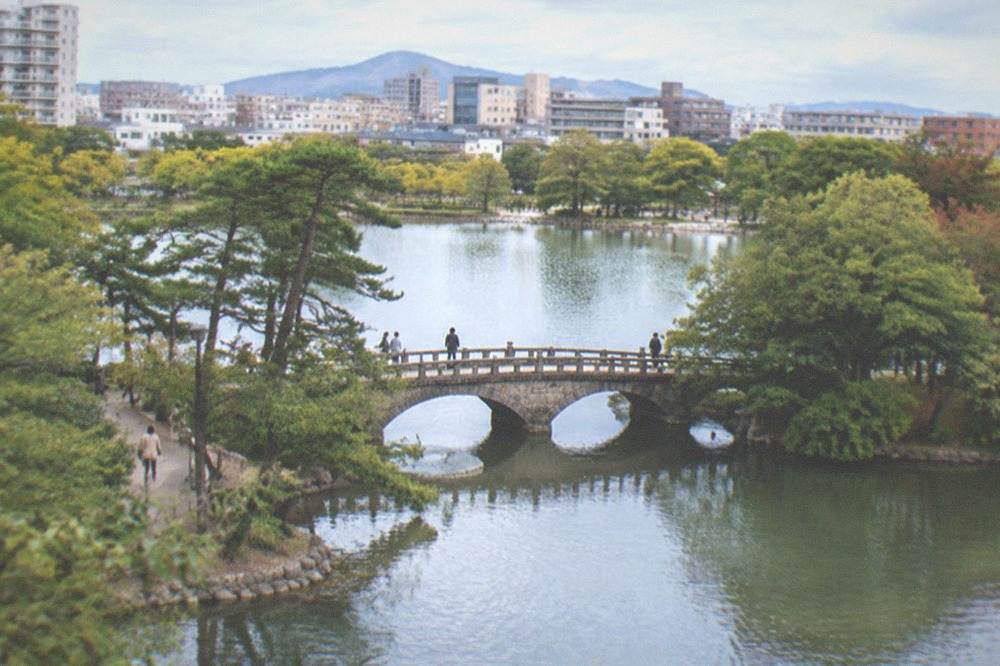
Maizuru Park, immediately adjacent, holds the Fukuoka Castle ruins. Entry to the grounds is free, and the stone walls and gates are impressive without a keep. One current caveat: the Tenshudai, the main keep base, is closed to entry from 26 May 2026 until the end of December 2026 for an archaeological excavation, after a document found in December 2024 described a keep that may never have been built. The rest of the grounds remain open, and the dig itself, a city searching for a phantom castle, is a story you can watch from the fences for free.
The Fukuoka Art Museum is on the park's western edge. Its collection gallery is ¥200 for adults, ¥150 for university and high school students, free for junior high and under, and free for residents over 65 from Fukuoka, Kitakyushu, Kumamoto or Kagoshima. If even ¥200 is off the day's budget, the Fukuoka Asian Art Museum across town lets you into the building for nothing and charges only for the Asia Gallery on floors seven and eight.
| Sight in the Ohori area | Admission | Notes |
|---|---|---|
| Ohori Park | Free | Open grounds, waterside path |
| Ohori Park Japanese Garden | ¥250 adult, ¥120 child | Closed Mondays |
| Maizuru Park and castle grounds | Free | Tenshudai closed to end of Dec 2026 |
| Fukuoka Art Museum collection | ¥200 adult | Free under 15, closed Mondays |
| Fukuoka Asian Art Museum building | Free | Asia Gallery ¥200, closed Wednesdays |
Getting here is one subway ride. From Tenjin to Ohori Park station the fare falls in the lower subway bands, and the one-day pass at ¥640 pays for itself on the third ride of the day. The pass covers all three subway lines and is sold at station ticket machines and the tourist information offices at Tenjin, Hakata Station and the airport.
Is a Free Day in Fukuoka Actually a Good Day?
Yes, and that is the point worth stating plainly: the free list in Fukuoka is not a consolation prize, it contains the city's best sights. Kushida Shrine, Ohori Park, the castle grounds, Tochoji, Shofukuji, the Naka River yatai rows and Canal City would fill a strong day in any Japanese city, and together they cost nothing. A budget day here is not a smaller version of a good day, it is the same day with the optional extras removed.
Compare it with what you would pay elsewhere. In Tokyo or Kyoto, the headline temples and gardens mostly charge, and a day of five sights can easily run ¥3,000 to ¥5,000 in admissions before food. In Fukuoka the equivalent list charges zero, and the money you would have spent on tickets goes instead into the food scene, which is the actual reason many people come. The two day Fukuoka itinerary uses exactly this structure: free sights by day, spending concentrated at meal times.
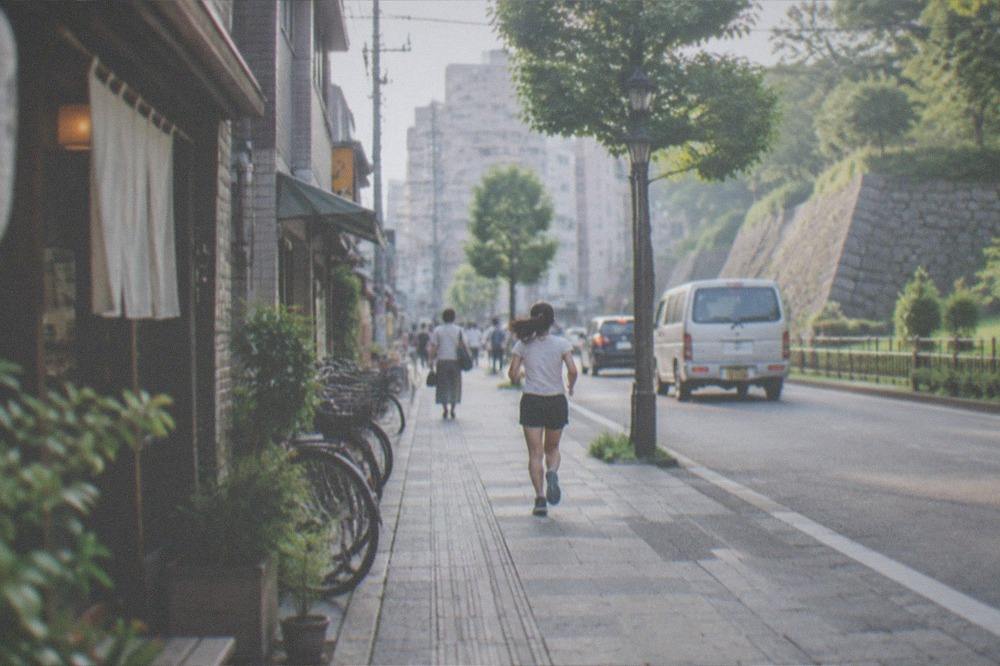
The one thing to be honest about is walking. This is a pedestrian itinerary, and the distances between the Hakata shrines, the Naka River, Tenjin and Ohori Park add up. Comfortable shoes cost nothing if you already own them, but a tired traveller will be tempted by taxis, and taxis are the one thing that will quietly destroy a cheap day. The subway exists precisely for the long legs: one ride from Tenjin to Ohori, and one ride back, keeps the whole afternoon under ¥700.
There is also no free walking tour to fall back on. This is worth saying directly because many travellers budget for a tip-based walk in Japanese cities: Fukuoka has none, confirmed against live tour inventory, and the honest answer is that the free things here are sights rather than tours. The free things to do in Fukuoka page keeps the full list, and this itinerary is its walkable core.
Should You Buy a Day Pass or Pay Single Fares?
Buy the ¥640 subway day pass only on a day with three or more subway rides, which this itinerary has if you use the train for the Tenjin and Ohori legs. With two rides, single fares at ¥210 to ¥260 each are cheaper. The Fukuoka Tourist City Pass at ¥2,500 is a different product for overseas visitors only, covering subway, buses, trains and ferries for a day, and it needs a passport check at the counter.
The arithmetic is simple. The subway's official fare table runs from ¥210 for up to 3 km to ¥380 for over 19 km, and the central legs of this itinerary mostly sit in the first two bands. Three short rides can total close to the pass price on their own, so the ¥640 pass breaks even at three rides and wins beyond that. If you walk the morning and only ride twice, pay singles.
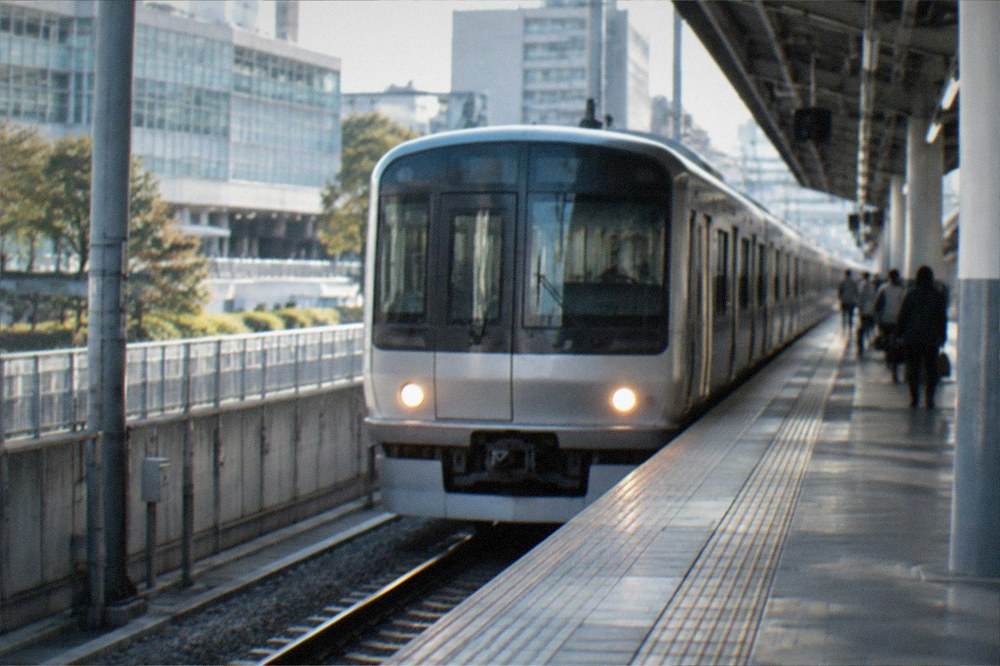
The Tourist City Pass is the one most competing guides get wrong. Many older guides still quote ¥820 or ¥1,340, prices that are years out of date. The official pass page lists the current figures and what they cover, including buses, trains, subway and ferries, and it is the authority on the Dazaifu liner bus exclusion. the official city pass page is worth a read before you buy.
| Ticket | Price | When it pays off |
|---|---|---|
| Subway single fare | ¥210 to ¥380 | One or two rides |
| Subway 1-day pass | ¥640 adult, ¥320 child | Three or more rides |
| Nishitetsu bus 1-day pass | ¥1,200 adult | Bus-heavy days only |
| Tourist City Pass (city) | ¥2,500 adult | Overseas visitors, multi-mode days |
| Tourist City Pass (+ Dazaifu) | ¥2,800 adult | Adds the Dazaifu rail leg |
If your budget day stretches to a second day, Dazaifu is the natural extension and the shrine there is free. Dazaifu Tenmangu's own FAQ states plainly that there is no entrance fee, and the town's approach street of teahouses is free to walk. The Dazaifu day trip guide covers the rail route, and the shrine's official site confirms the no-fee policy: the shrine's English FAQ answers it directly.
How Do You End the Day Cheaply After Dark?
End the day back at the yatai, where a seat, a bowl of ramen and a beer is the cheapest genuinely memorable evening in the city. Stalls set up from 17:00, most open around 18:00 to 18:30, and the ordinance requires prices to be posted in plain sight. There is no booking system for a stall, no seating charge is standard, and the three main rows, Nakasu, Tenjin and Nagahama, are all walkable or one subway ride apart.
The evening is where a budget day in Fukuoka stops feeling like a compromise. About 100 licensed stalls operate across the city, concentrated in Nakasu along the Naka River, in Tenjin along the business streets, and in Nagahama near the old fish market. Each has a different character: Nakasu is the photogenic river row, Tenjin skews local and after-work, Nagahama is the traditional ramen territory.
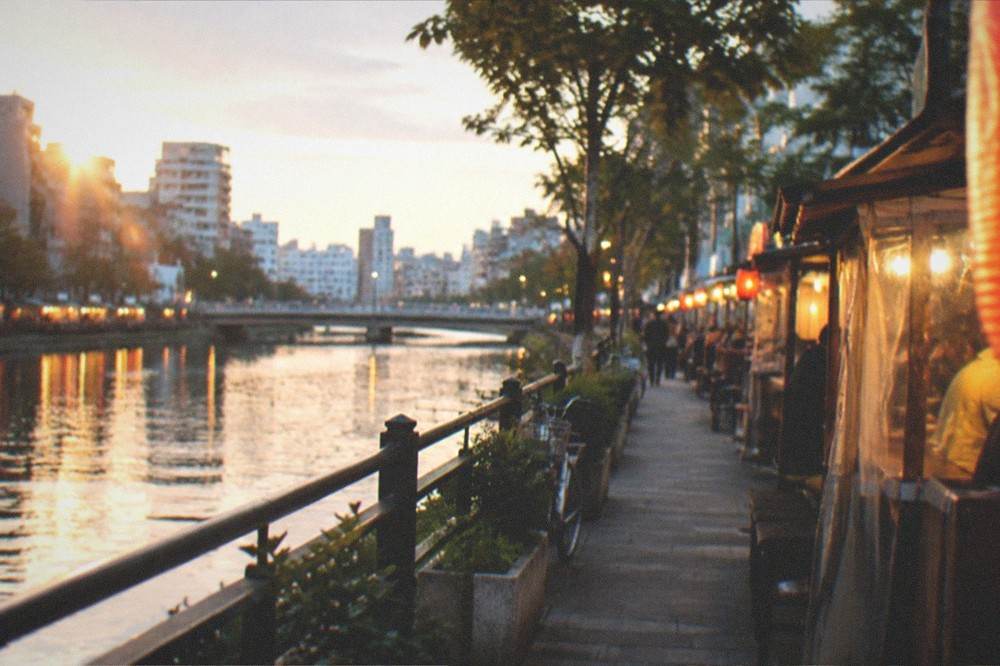
Two practical notes. First, stalls are weather-sensitive: rain or strong wind closes many of them, and there is no city-mandated closing day, so any night can be quiet for reasons nobody announced. Second, payment is still primarily cash at many stalls, though some now accept cards and QR payments. Carry yen for dinner regardless of what your cards do elsewhere in the city.
If you would rather have the evening guided, three yatai and izakaya crawls exist in the roster, and a guide solves the language and seating awkwardness that stops some travellers from ever sitting down. The Fukuoka yatai guide covers etiquette and what to order, and the food crawl itinerary builds a full eating day around the stalls.
What Does the Whole Day Add Up To?
A strict free-sights day totals roughly ¥2,000 to ¥4,500 per person: about ¥1,000 to ¥2,000 on food across the day, ¥640 on a subway pass if you ride three times, and nothing at all on admission. Adding one museum at ¥200 and a fuller yatai dinner pushes the realistic ceiling to around ¥4,500. The only ways to break the budget are taxis, the paid observation deck at Fukuoka Tower, and shopping, and all three are easy to decline.
Here is the honest ledger. The sights cost zero. The transport costs between ¥420 and ¥640 depending on how much you walk. Food is the entire discretionary budget, and Fukuoka's food is cheap by design: it was built as stall food, counter food and market food. A traveller who eats ramen at lunch, snacks in Tenjin and sits at a yatai for dinner will spend less on a full day in Fukuoka than a Tokyo traveller spends on lunch and two train rides.
The paid things you are skipping are worth knowing about rather than dismissing. Fukuoka Tower is ¥1,000 for adults and closes 28 and 29 June 2027 for its annual maintenance. The Ohori Park Japanese Garden is ¥250. Uminonakamichi Seaside Park charges at the gate and the gate takes cash only, a detail worth knowing before you ride out there. None of these is on the free route, and each can be added on a different day; the four day itinerary is where they fit.
For travellers with more time than money, the pattern scales. The five day Fukuoka itinerary keeps the same free core and layers day trips on top, and the budget travel guide covers accommodation and longer-stay costs. Fukuoka rewards this approach better than most Japanese cities precisely because its free list is not filler: it is the city's actual highlight reel, priced at zero, with the money left over for the thing Fukuoka does better than anywhere else, which is feeding you cheaply and well.
If one day of free sights leaves you wanting Kyushu itself, the gorge and railway trip above is the strongest value in the roster: it runs about 11 hours from Fukuoka, is rated 4.8 from 713 reviews, and starts from $48 per person, which is less than many travellers spend on a day of unguided trains and tickets. The Kyushu itinerary from Fukuoka plans the multi-day version if the island hooks you.
Common Questions About a Budget Day in Fukuoka
What Can A Budget Day In Fukuoka Cost With Only Free Sights?
Roughly ¥2,000 to ¥4,500 per person. Admission on the core route is zero, a subway day pass is ¥640, and food is the only real variable, from a few hundred yen for counter ramen to a fuller yatai dinner with drinks.
Is Fukuoka expensive for tourists?
It is one of Japan's cheaper major cities. The headline shrines, temples, castle grounds and parks charge no admission, subway fares start at ¥210, and the food scene was built around cheap stalls and counters.
Are the yatai food stalls cheap?
They are mid-range rather than the cheapest option, but prices must be posted visibly under the city's yatai ordinance, so there are no surprises. A bowl of ramen and a drink at a stall is a full, memorable evening for a modest outlay.
Is the Fukuoka Tourist City Pass worth it on a budget day?
Usually not for a city-centre day. At ¥2,500, with a passport check, it only pays off on multi-mode days. The ¥640 subway day pass covers this itinerary's transport for a quarter of the price.
Can you do Fukuoka without spending money on sights?
Yes, entirely. Kushida Shrine, Tochoji, Shofukuji, Ohori Park, the castle grounds, the Naka River rows and Canal City are all free, and they are the city's main attractions, not a substitute for them.
What is the cheapest way to eat well in Fukuoka?
Counter ramen for lunch, department store basements or bakeries for breakfast, and a yatai stall for dinner. Hakata ramen was invented as inexpensive stall food and it still prices that way.