Fukuoka on a Rainy Day
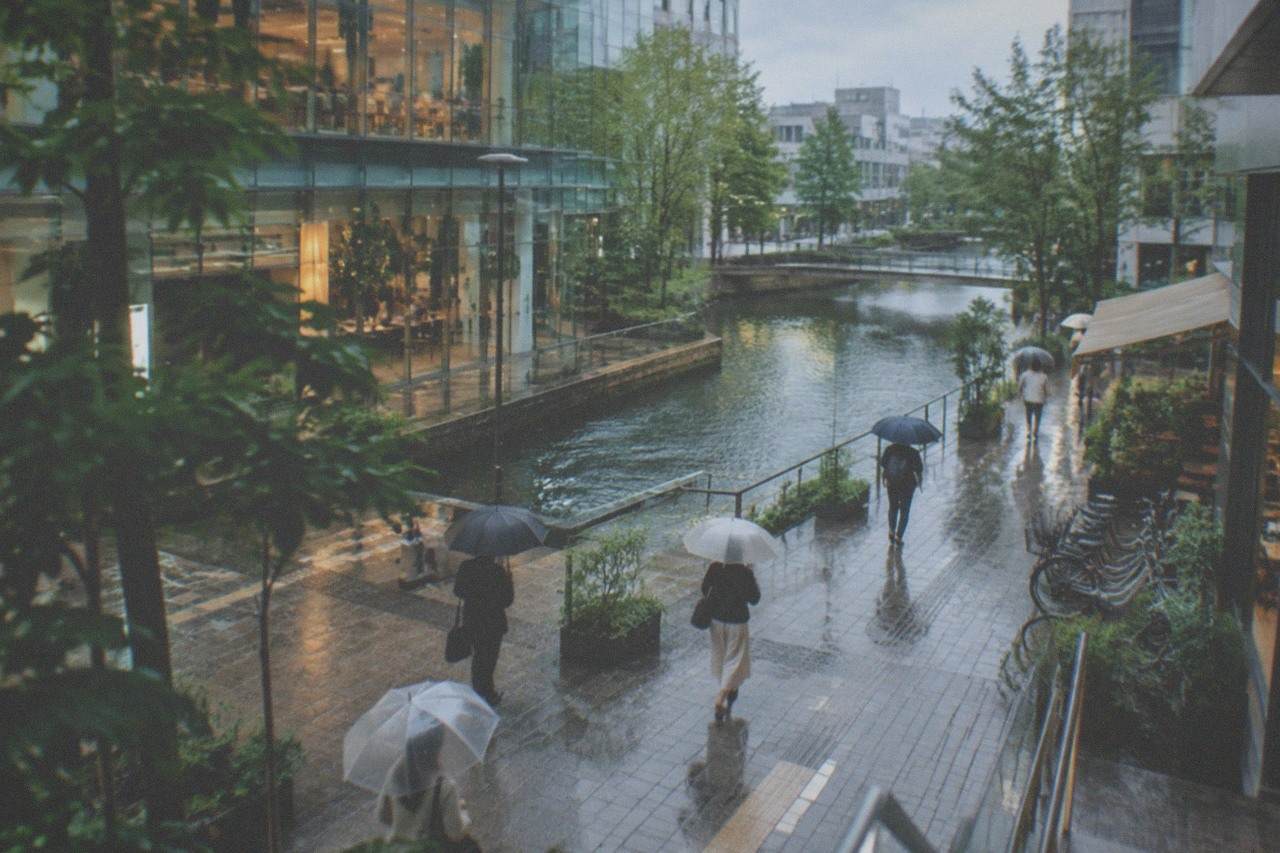
July, not June, is Fukuoka's wettest month, so a wet day is a real possibility whenever you visit. This itinerary keeps you indoors, undercover or on a covered arcade from morning to night.
Short answer
Fukuoka handles rain well: Canal City Hakata is free to enter and mostly indoors, both city art museums charge just ¥200, the Tenjin Underground Mall keeps you dry across four streets, and the subway connects Hakata, Tenjin and the airport for ¥210 to ¥380 a ride. A full wet day needs no car and no umbrella after 10 a.m.
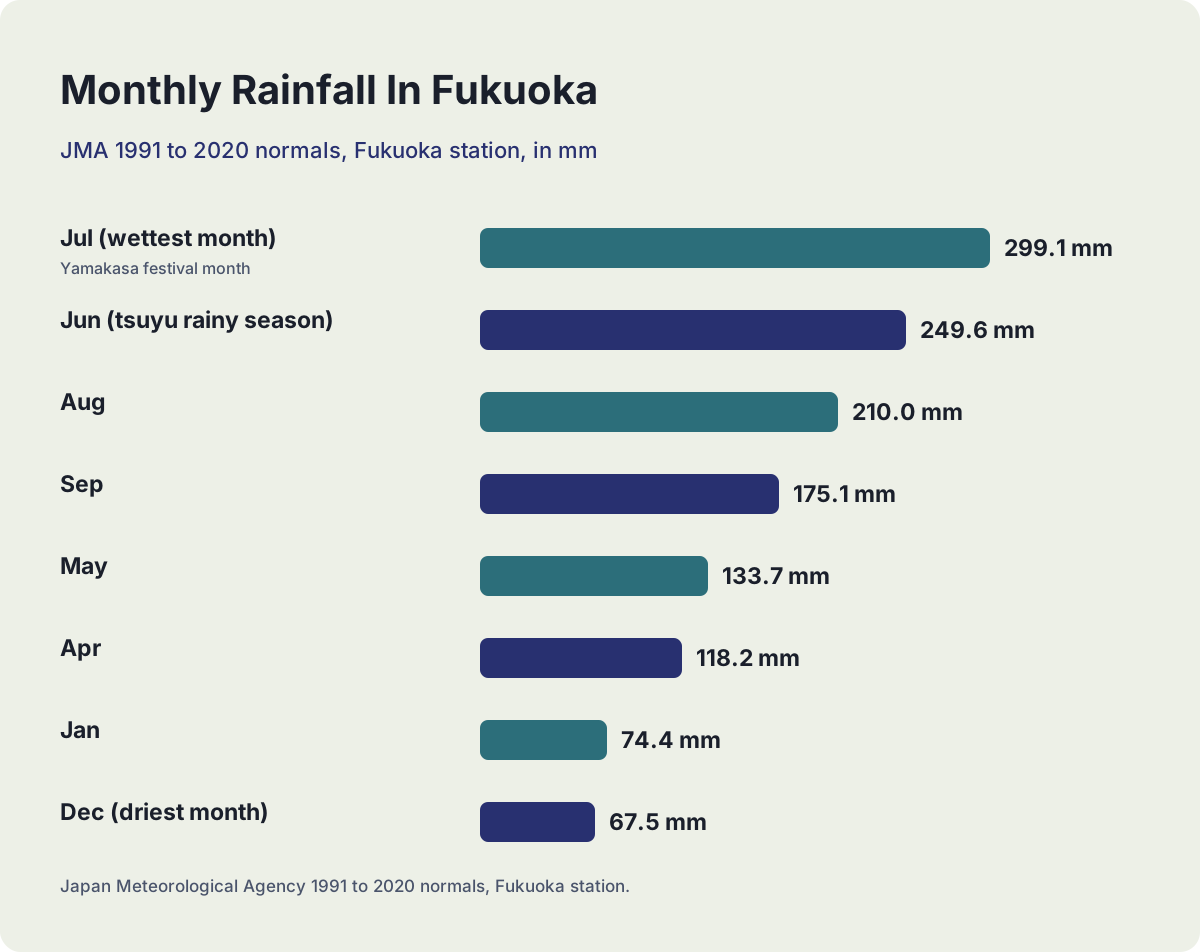
Rain falls on Fukuoka more often than most guides admit, and the city is quietly excellent at absorbing it. The Japan Meteorological Agency's 1991 to 2020 normals for the city station record 1,686.9 mm of rain across a typical year, and the peak month is not the June rainy season at all: it is July, with 299.1 mm against June's 249.6 mm. A visitor arriving in summer, festival season, has a real chance of a soaked day, and a visitor in tsuyu has several. None of that is a reason to stay in the hotel. The compact centre means most of the city's best rainy day assets sit within a few subway stops of each other, and a surprising number of them cost nothing to enter.
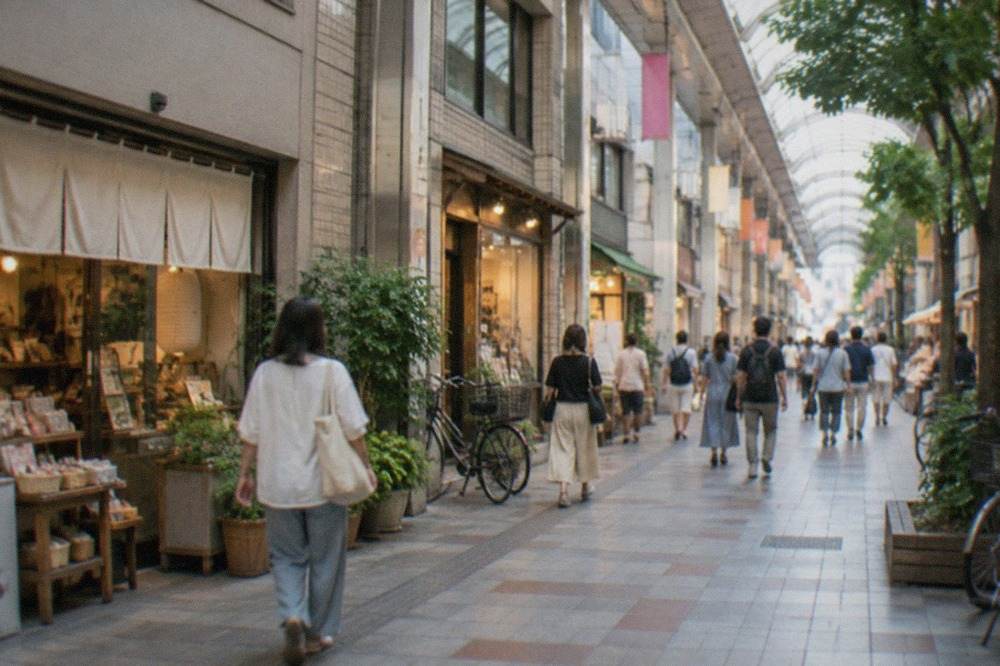
This itinerary is built around what the Fukuoka Japan Travel Guide team could verify from official sources: posted admission fees, published hours, and the city's own transport fares. It runs morning to night, keeps you under a roof for most of it, and ends at a yatai stall, where a city ordinance actually requires prices to be posted where you can see them. Start with the climate numbers, because they decide how you should plan.
When Does It Actually Rain in Fukuoka?
Fukuoka averages 1,686.9 mm of rain a year, and its wettest month is July at 299.1 mm, not the June rainy season, which averages 249.6 mm. August is hot but far drier at 210.0 mm, while the winter months are the driest stretch of the year. Typhoon season runs roughly July to October, and tsuyu roughly through June, and neither closes the city.
The table below is from the JMA's 1991 to 2020 normals for the Fukuoka station, the official thirty-year baseline. The pattern matters for planning more than any single forecast: summer rain comes in heavy bursts, often late in the day, while a winter wet day tends to be a steady, cold drizzle that lasts from breakfast to dinner. Pack differently for each.
| Month | Mean temp | Rain |
|---|---|---|
| Jan | 6.9 °C | 74.4 mm |
| Feb | 7.8 °C | 69.8 mm |
| Mar | 10.8 °C | 103.7 mm |
| Apr | 15.4 °C | 118.2 mm |
| May | 19.9 °C | 133.7 mm |
| Jun | 23.3 °C | 249.6 mm |
| Jul | 27.4 °C | 299.1 mm |
| Aug | 28.4 °C | 210.0 mm |
| Sep | 24.7 °C | 175.1 mm |
| Oct | 19.6 °C | 94.5 mm |
| Nov | 14.2 °C | 91.4 mm |
| Dec | 9.1 °C | 67.5 mm |
The counterintuitive July figure is worth pausing on. June is tsuyu, the East Asian rainy season, and it delivers long grey stretches. July, by contrast, is Yamakasa month, when the whole city turns out for the Hakata Gion Yamakasa festival from July 1 to 15, and it is also when the sky dumps the largest volume of water. The two facts sit together comfortably: July rain is often violent and brief, festival events run early in the morning, and the Oiyama race finale famously starts at 4:59 a.m., before the heat and the storms build. You can read more about the festival calendar in the JMA's official normals table for the underlying station data.
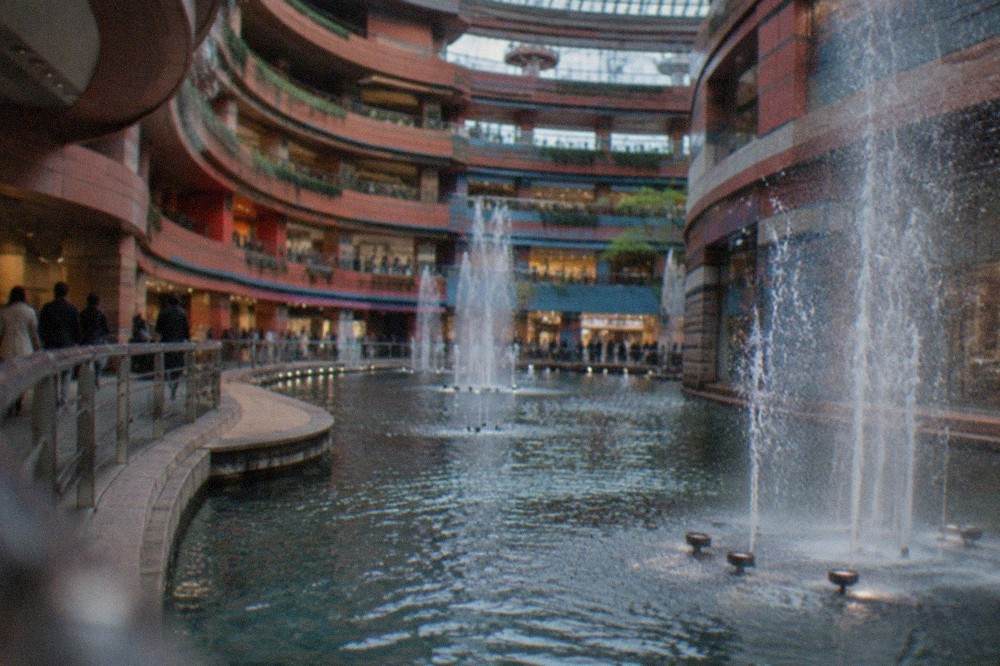
Typhoon season, roughly July through October, occasionally parks a storm over northern Kyushu for a day or two. When that happens the sensible move is not a clever one, it is a flexible one: keep one fully indoor block, a museum or a shopping complex, unbooked and available to swap in. The rest of this page assumes ordinary rain, the kind that soaks a jacket and closes the yatai stalls but leaves the trains running.
What Can You Do in Canal City Hakata Without Paying to Get In?
Canal City Hakata is free to enter, open every day of the year, and almost entirely under cover, with shops from 10:00 to 21:00 and restaurants from 11:00 to 23:00. You can spend a full half day inside without buying a ticket for anything, moving between the canal-side atrium, the fountain shows, the food floors and the connected hotel walkways.
The complex's own service page states the position plainly: entry costs nothing, the centre is open every day of the year, and the individual tenants set their own hours within the 10:00 to 21:00 shop window. The building is built around an artificial canal that runs through the middle of the complex, and the layout is genuinely useful in rain because the main theatres of activity, the atrium, the fountain, the ramen stadium on the fifth floor and the cinema, are all reachable without stepping outside. The ramen stadium alone is a legitimate lunch plan: a curated row of shops from different regional ramen traditions under one roof.
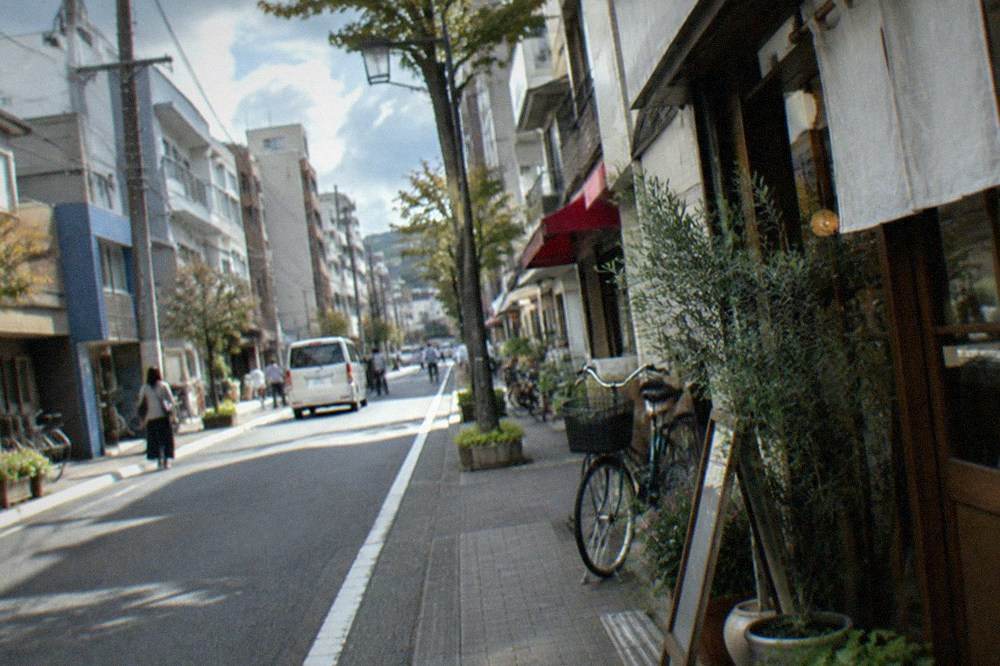
For a free-to-cheap structure to the visit: arrive at opening, walk the canal loop while the atrium is quiet, catch a fountain show, browse the multi-floor shops, then eat at the ramen stadium before the midday crowds arrive. The complex sits between Hakata and Nakasu, a short walk from either, or one stop on the subway. Our full page on Canal City Hakata breaks down the floors, the fountain schedule and the eating options in detail. If the rain eases by mid-afternoon, the Hakata temple cluster is ten minutes away on foot; if it does not, stay put.
A half-day guided walk is the other way to spend a wet morning, and one of the best fits is a private city tour that can be steered indoors. The Fukuoka Essentials: History, Culture, & Charms tour runs 3 to 6 hours from $74 per person, rated 4.9 from 48 reviews, and a guide who knows the covered arcades and the indoor sights is worth a lot when the forecast is wrong.
The selection above spans three formats: a half-day city walk that works in rain, a full-day licensed-guide private tour that can be reshaped around the weather, and a long-distance day trip for the day the rain is light or you simply want to see Takachiho Gorge in mist, which many photographers prefer.
Which Museums Stay Open When It Rains?
Fukuoka's two city art museums charge just ¥200 general admission for their collections, both stay open into the evening on Fridays and Saturdays, and the Fukuoka Asian Art Museum's building is free to enter with only the Asia Gallery charging. Junior high school age and under get in free at both, and residents over 65 from Fukuoka, Kitakyushu, Kumamoto or Kagoshima also enter free with ID.
Rain is what museums are for, and Fukuoka's pair is unusually cheap. The Fukuoka Art Museum, on the shore of Ohori Park, is open 9:30 to 17:30 with last entry at 17:00, extending to 20:00 on July to October Fridays and Saturdays, and it closes on Mondays, or the next weekday when a holiday falls on a Monday. The Fukuoka Asian Art Museum, on the seventh and eighth floors of the Riverain Center Building in Hakata, is open 9:30 to 18:00 with Friday and Saturday evenings to 20:00, and closes on Wednesdays. Check the day of the week before you commit: a rainy Monday and a rainy Wednesday point to different museums.
| Museum | Collection admission | Hours | Closed |
|---|---|---|---|
| Fukuoka Art Museum | ¥200 general, ¥150 high school and university | 9:30-17:30, later Fri-Sat in summer | Mondays, Dec 28-Jan 4 |
| Fukuoka Asian Art Museum | Building free, Asia Gallery ¥200 / ¥150 | 9:30-18:00, to 20:00 Fri-Sat | Wednesdays, Dec 26-Jan 1 |
| teamLab Forest Fukuoka | From $27 per person | Timed sessions, book ahead | Varies by session |
The Asian Art Museum deserves the edge on a wet day for one reason beyond price: it is inside a building, directly connected to the Nakasu riverbank district, so you can arrive by subway at Nakasu-Kawabata and ascend into the galleries without opening an umbrella. The collection holds about 5,000 works from 23 Asian countries and regions, which is a serious holding for a city this size. The museum's own visitor guidance page confirms the free building entry and the gallery hours.
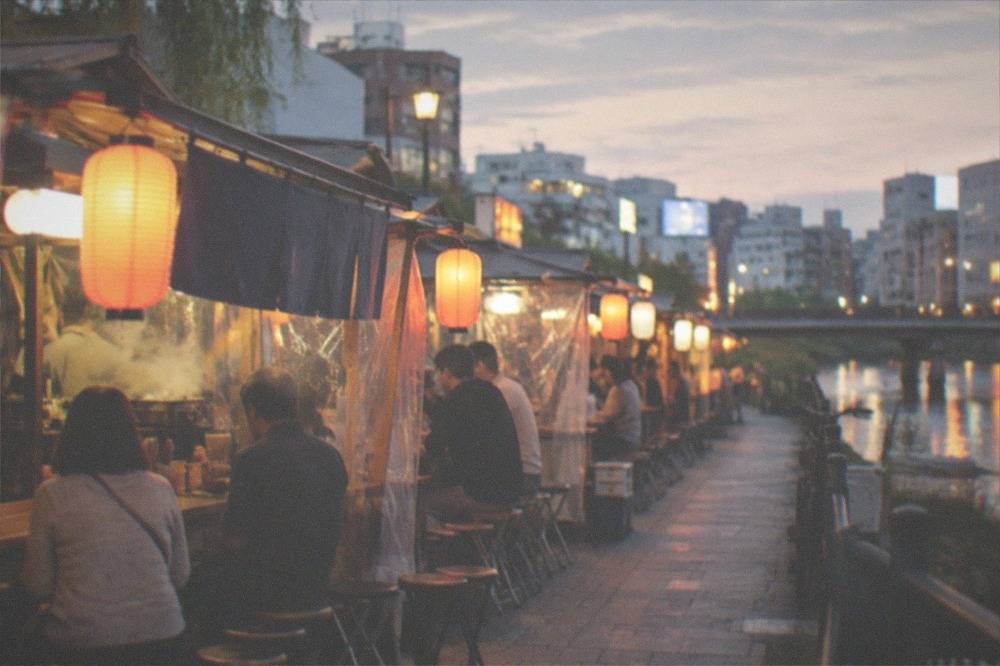
teamLab Forest Fukuoka, inside the BOSS E・ZO FUKUOKA building by the PayPay Dome, is the high-energy indoor option. The immersive art space runs timed sessions of 1 to 2 hours from $27 per person, rated 3.8 from 14 reviews, and because entry is session-based it is the one indoor sight on this page where booking ahead genuinely matters on a rainy public holiday. The venue's own page is the place to check session times for your date.
Can a Rainy Day Work as a Temple and Shrine Day?
Yes, with a short umbrella. Kushida Shrine's grounds, Tochoji with its large seated Buddha, and Shofukuji, Japan's first Zen temple, are all free to enter and sit within a compact walk of each other in Hakata. None of the three charges admission, and the walk between them runs partly under the Kawabata Shopping Arcade's roof.
The Hakata temple cluster is dense enough that rain becomes a minor factor rather than a plan-killer. Tochoji, a short walk from Hakata Station, houses a large seated wooden Buddha and a corridor of the ten Buddhist hells carved at eye level, an indoor experience in every sense. Shofukuji, a few minutes further, is a working Zen monastery founded in the twelfth century; the grounds are free and the main halls are generally closed to the public, so it works as a short, atmospheric stop under the trees rather than a long visit. Kushida Shrine, the spiritual home of the Yamakasa festival, anchors the group. The three are covered in our guide to Hakata Old Town routes.
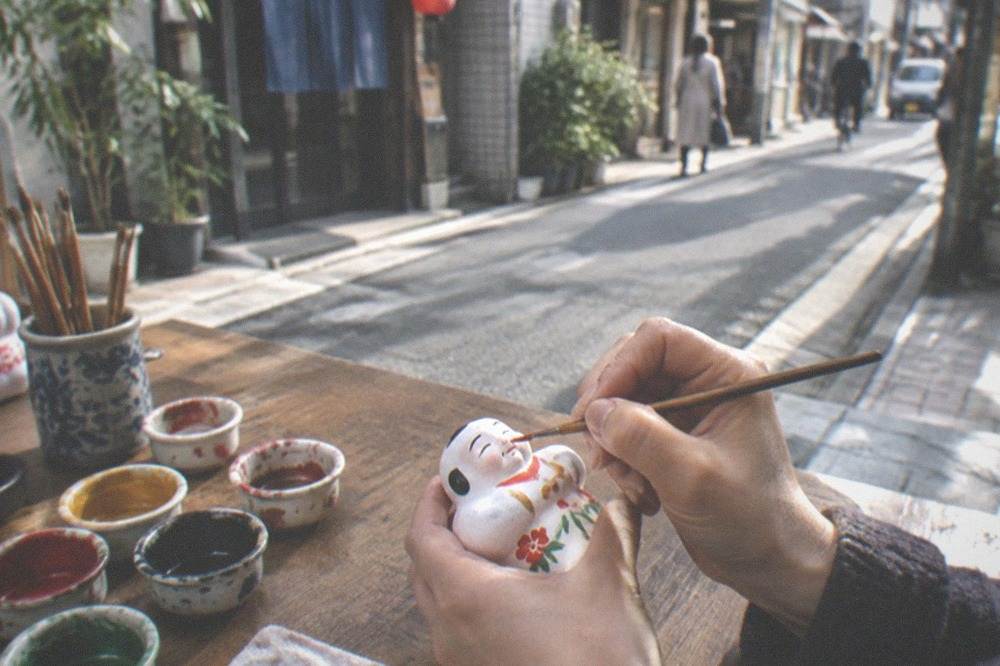
One caution on hours: verified opening times for Kushida Shrine, Tochoji and Shofukuji were not obtainable from official pages for this site's fact pack, so no times are printed here. That is itself useful knowledge, because dozens of competing guides confidently publish hours nobody can source. Treat the cluster as a daytime walk and you will not go wrong. The Kawabata Shopping Arcade, the oldest shopping arcade in Kyushu, links the Hakata riverbank to the Nakasu area under a continuous roof, and it is the natural wet-weather corridor between the temples and the evening stalls. Our page on the Kawabata Shopping Arcade maps the shops and the exits.
The morning sumo practice option belongs here too: the Fukuoka Morning Sumo Practice and Hakata Old Town tour runs 2 hours from $77 per person, rated 4.2 from 22 reviews, and it is entirely indoors and under roofs.
What Indoor Experiences Fill a Wet Afternoon?
Fukuoka sells a deep bench of one-to-two-hour indoor experiences: a tea ceremony with a maiko from $18, a Hakata doll painting session from $28, a calligraphy class from $32, and a sake tasting in Nishinakasu from $51. All four take place inside, all are small-group or private formats, and each one converts a dead rainy afternoon into the most memorable block of a trip.
This is where a wet day in Fukuoka quietly outperforms a sunny one. The city's traditional craft and culture workshops are short, cheap and indoors, and they book out faster in bad weather, so if the forecast is grim, reserve before you leave the hotel in the morning. The tea ceremony with a maiko is the cheapest of the set and the most transportive; the Hakata doll painting session connects directly to a craft the city has been famous for centuries; the calligraphy class needs no Japanese.
| Experience | From | Length | Rating |
|---|---|---|---|
| Tea Ceremony With Maiko | $18 per person | 1 hour | 4.9 from 11 reviews |
| Hakata Doll Painting | $28 per person | 1 hour 30 minutes | 4.9 from 45 reviews |
| Calligraphy Experience | $32 per person | 2 hours | 5 from 7 reviews |
| Sake Tasting, 3 Appetizers | $51 per person | 2 hours | 4.6 from 7 reviews |
| Shisa Amulet Making | $18 per person | 1 hour | 5 from 13 reviews |
The sake tasting in Nishinakasu doubles as an early-evening plan, since the district's bars and lantern-lit streets absorb a rainy night well. If the afternoon is going badly enough that you want a guide to take over entirely, the Fukuoka Your Way customisable private tour, from $59 per person and rated 4.9 from 106 reviews, can be pointed at indoor stops, and our overview of private tours in Fukuoka compares the main options.
Should You Leave the City When It Rains?
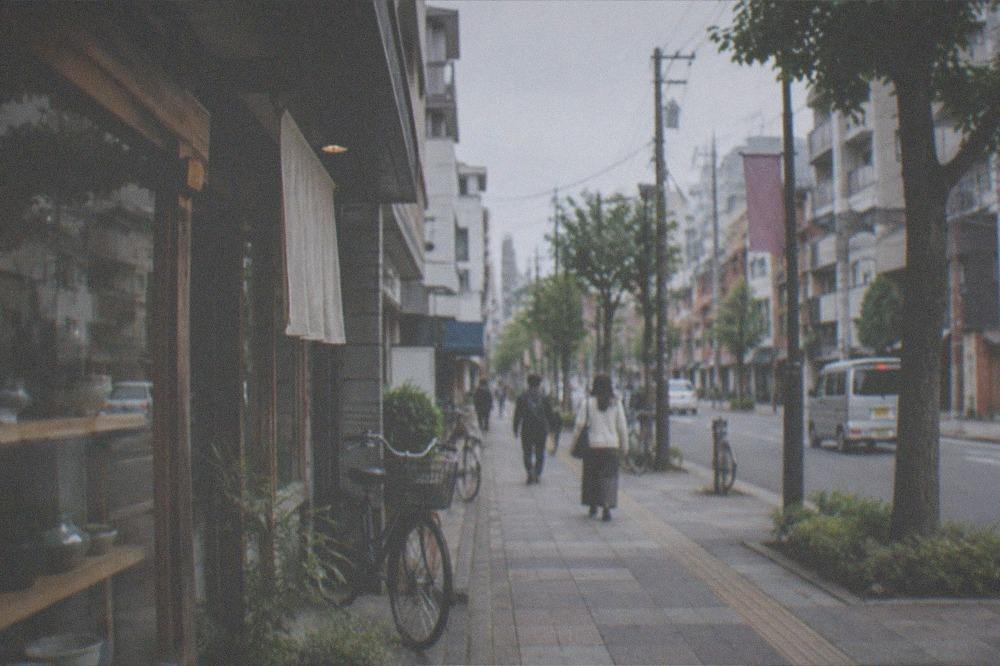
Only if the rain is light or confined to the city basin. Fukuoka's best rainy-day escapes are the indoor-heavy ones: the Yufuin no Mori train and Dazaifu day tour from $70, or the Beppu day trip, where the steam vents and the covered bathing halls are arguably better in drizzle. Long mountain and coastal day tours, including Takachiho Gorge, still run in rain but lose their viewpoints.
The honest split is between tours that are about scenery and tours that are about being inside something. Takachiho Gorge in mist is atmospheric, and the gorge boat ride runs in light rain, but the Amaterasu railway and the viewpoints are the point of the trip, so a grey day costs you half the product. Beppu is the opposite: the "hells", the steaming vents the city is famous for, are more photogenic in cool wet air, and the tour that includes entrance tickets to them, from $48 per person and rated 4.7 from 285 reviews, keeps you on walkways and in buildings for most of the day. Our Beppu day trip page covers the route.
| Escape | From | Weather fit |
|---|---|---|
| Beppu Hells and Yufuin day tour | $48 per person | Excellent in rain, steam shows better |
| Yufuin no Mori and Dazaifu day tour | $70 per person | Good, mostly train and indoor stops |
| Takachiho Gorge and railway tour | $48 per person | Runs in rain, viewpoints reduced |
| Kitakyushu, Kokura and Mojiko | Bus and train | Good, museums and covered arcades |
| Nagasaki private full day | $858 per group basis | Excellent, dense indoor city |
The Yufuin no Mori tour is a strong rainy-day pick for a reason that has nothing to do with weather protection: the journey is the attraction. The sightseeing train itself is a premium rolling interior, and Dazaifu Tenmangu, the shrine at the other end, has no entrance fee. The Fukuoka Departure: Yufuin no Mori & Dazaifu Day Tour runs 8 hours from $70 per person, rated 4.7 from 54 reviews.
How Do You Get Around Fukuoka in the Rain?
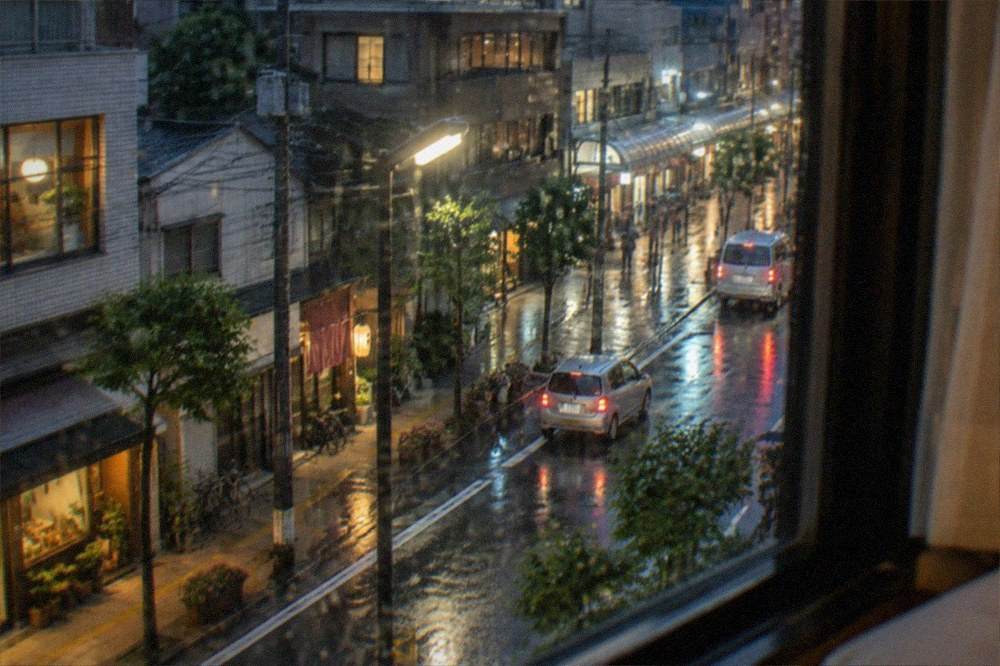
The subway is the rainy-day backbone: single fares run ¥210 to ¥380 for adults by distance zone, a 1-day pass costs ¥640, and all three lines connect the airport, Hakata, Tenjin and Ohori Park without a single step outside between station entrances. The Nishitetsu 1-day bus pass is ¥1,200, and the Tourist City Pass is ¥2,500, or ¥2,800 with Dazaifu, for overseas visitors with a passport.
Fukuoka's rail-bus network is unusually kind to wet visitors because the key stations are deep, connected and frequent. The fare table below is from the city subway's official page. The airport sits on the Kuko line, and the fare from the airport to Hakata is ¥260, within the 3 to 7 km band; the airport is genuinely close to the centre, though this site does not print the "five minutes" figure every other guide repeats, because no official page states a journey time.
| Ticket | Adult | Child | Notes |
|---|---|---|---|
| Subway single, zone 1 | ¥210 | ¥110 | Up to 3 km |
| Subway single, zone 6 | ¥380 | ¥190 | Over 19 km |
| Subway 1-day pass | ¥640 | ¥320 | All three lines, day of purchase |
| Nishitetsu bus 1-day pass | ¥1,200 | ¥600 | City buses |
| Tourist City Pass | ¥2,500 | ¥1,250 | Passport checked, overseas short-stay visitors |
The Tourist City Pass is worth flagging because most competing guides still quote prices that are years out of date. The current figures are ¥2,500 for the city version and ¥2,800 for the version including Dazaifu, and the pass is restricted to overseas tourists on a short-stay visa, with a passport checked at the counter. It covers subway, Nishitetsu trains and buses in the designated area, some JR lines and ferries, plus attraction discounts. The official subway day pass page and the city's own pass page carry the details, and our airport to city guide walks through the arrival leg.
What Should You Pack for a Wet Day?
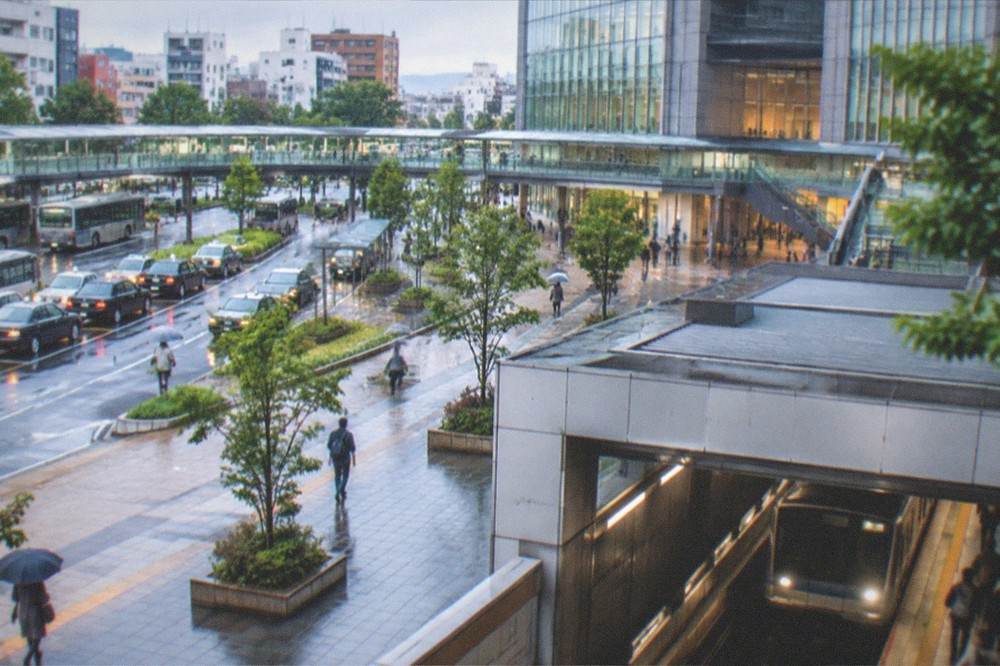
A compact umbrella, a light waterproof layer and shoes that can take puddles cover 90 percent of Fukuoka's rain. Convenience stores across the city sell clear umbrellas cheaply when you are caught out, hotel entrances stock umbrella sleeves, and the subway stations and shopping complexes are dry enough that you will spend more of the day indoors than out.
The packing list is short because the city is short. The Tenjin Underground Mall alone lets you cross a large slice of the business district without surfacing, and Canal City, the Riverain building and the arcades do the same in Hakata and Nakasu. What actually fails on a wet day is footwear: the stone and tile surfaces around Ohori Park and the castle ruins hold standing water, and the yatai areas at night are a patchwork of wet tarpaulins. Shoes with grip and a real sole outlast any umbrella.
| Item | Why it matters here |
|---|---|
| Compact umbrella | Convenience store spares exist, but a good one survives the wind |
| Waterproof shell | July rain is warm, December rain is 9 °C and sideways |
| Shoes with grip | Wet stone around the parks and the stalls |
| Coin purse | Uminonakamichi's park gate is cash only |
| IC card | Suica, PASMO and ICOCA work on subway and Nishitetsu |
One cash note that almost nobody prints: if your rainy-day plan bends toward Uminonakamichi Seaside Park, the park gate takes cash only for admission, adult ¥450, junior high and under free, so carry yen. And if the day is truly biblical, the honest fallback is the hotel lobby and a ramen shop, because tonkotsu broth tastes the same in any weather.
A Suggested Rainy Day Route Through Fukuoka
Start at Canal City Hakata at 10:00, lunch at its ramen stadium, then take the subway one stop to Nakasu-Kawabata for the Asian Art Museum's free building and ¥200 gallery. Cross under the Kawabata arcade to Tochoji and Kushida Shrine, take a calligraphy or tea class at 15:00, and finish at a yatai stall from 18:00, where posted prices are required by city ordinance.
The route below is deliberately conservative: every leg has an indoor alternative, and no leg depends on a view. It fits a first visit as easily as a fifth, and it can be run in either direction depending on which museums are closed that day.
| Time | Stop | Cost | Indoor share |
|---|---|---|---|
| 10:00 | Canal City Hakata | Free entry | Almost all |
| 12:00 | Ramen Stadium lunch | Pay per bowl | Fully indoor |
| 13:30 | Asian Art Museum | ¥200 gallery | Fully indoor |
| 15:00 | Tea ceremony or calligraphy | From $18 | Fully indoor |
| 16:30 | Kawabata arcade, Tochoji, Kushida | Free | Mostly covered |
| 18:00 | Yatai stalls, Nakasu or Nagahama | Pay per dish | Outdoor, weather dependent |
The evening is the one genuinely outdoor block, and it is worth defending, because the yatai are the city's signature. There are about 100 licensed stalls across the city, concentrated in Nakasu, Tenjin and Nagahama, and a city ordinance requires each stall to display its prices where customers can easily see them, with no vague "market price" wording permitted. Rain and strong wind close many stalls on any given night, so check before you walk, and know that a washed-out yatai evening is exactly what the Nakasu izakaya floors upstairs are for. Our yatai guide and the one day itinerary cover the rest of the evening options.
If the whole day has gone to the weather and you want a guide to absorb the planning, the licensed-guide full-day private tour, from $160 per person and rated 4.9 from 71 reviews, is the most flexible product on the roster, and a half-day version exists for tighter schedules.
Common Questions About Rainy Days in Fukuoka
What Can You Do In Canal City Hakata Without Paying To Get In?
Entry is free and the complex is open every day of the year. You can walk the canal atrium, watch the fountain shows, browse the shops from 10:00 to 21:00, and eat at the ramen stadium, all without any admission charge. Only what you buy or eat costs money.
Is July or June the rainiest month in Fukuoka?
July is, with 299.1 mm of rain in the 1991 to 2020 normals against June's 249.6 mm. June is the tsuyu rainy season with longer grey stretches, but July delivers more total water, often in heavy afternoon and evening bursts.
Do the yatai stalls close when it rains?
Many do. Stalls are weather-sensitive, opening hours vary by operator, and there is no city-mandated closing day. Rain or strong wind closes a lot of them on any given night, so check before walking to a stall row, and keep an izakaya as a backup.
Are Fukuoka's museums expensive on a rainy day?
No. Both city art museums charge ¥200 general admission for their collections, junior high school age and under enter free, and the Asian Art Museum's building is free to enter with only the Asia Gallery charging. teamLab Forest costs more, from $27 per person, and uses timed sessions.
Can you day trip from Fukuoka in the rain?
Yes, and some trips improve. Beppu's steaming vents and covered bathing halls show better in cool, wet air, and the Yufuin no Mori sightseeing train is a premium indoor journey. Scenic gorge and coastal tours still run but lose their viewpoints, so pick the indoor-heavy options.
What is the cheapest way to move around on a wet day?
The subway. Single fares run ¥210 to ¥380 by distance, and a 1-day pass is ¥640 for unlimited rides on all three lines, connecting the airport, Hakata, Tenjin and Ohori Park without going outside between station entrances.