Museums in Fukuoka
Fukuoka keeps its best museums within a short subway ride of one another, and two of them sit in the same building complex above the river in Hakata. Here is what each one actually holds, what entry costs, and how to sequence them.
Short answer
Fukuoka's standout museums are the Fukuoka Art Museum (¥200 collection entry) on Ohori Park, the Fukuoka Asian Art Museum (free building entry, ¥200 Asia Gallery) in Hakata, Kyushu National Museum in Dazaifu, and the hands-on teamLab Forest in Bochi Bochi Hills. Most are closed one weekday each, so plan around Monday and Wednesday closures.
Fukuoka is not a museum city in the Kyoto sense, where temple grounds double as galleries, but it holds its own better than most itineraries give it credit for. Two city-run art museums anchor the set, a national museum sits thirty minutes down the Nishitetsu line at Dazaifu, and a folk museum in Hakata's old town preserves the machiya townhouse streetscape that two centuries of fires and redevelopment erased elsewhere. Add an immersive digital art space and a large aquarium on the bay side and you have enough for two full days without repeating yourself.
The practical detail that matters most: the two city art museums each close one weekday, and it is not the same day. The Fukuoka Art Museum closes Mondays, the Asian Art Museum closes Wednesdays, so a Monday visitor and a Wednesday visitor each still get one gallery. This guide walks through each museum in turn, then covers how to string them together using the subway and the Nishitetsu line, with the verified admission figures for every paid venue. For a condensed version of the same question, the site also keeps a short answer page at the best museums in Fukuoka.
What Are the Best Museums in Fukuoka?
The best museums in Fukuoka are the Fukuoka Art Museum on Ohori Park, the Fukuoka Asian Art Museum in Hakata's Riverain Center, Kyushu National Museum beside Dazaifu Tenmangu, the Hakata Machiya Folk Museum in Hakata old town, and teamLab Forest in the Bochi Bochi Hills shopping complex. Collection entry at both city art museums is ¥200 general and ¥150 for high school and university students, and junior high students and younger enter free.
That list is deliberately weighted toward what you can actually see in a day. The two city art museums are fifteen minutes apart by subway, and Kyushu National Museum pairs naturally with the Dazaifu shrine approach for a half-day trip. teamLab Forest is the odd one out: it is a ticketed commercial attraction rather than a public museum, and its reviews are more mixed than the others, which is worth knowing before you commit an evening to it.
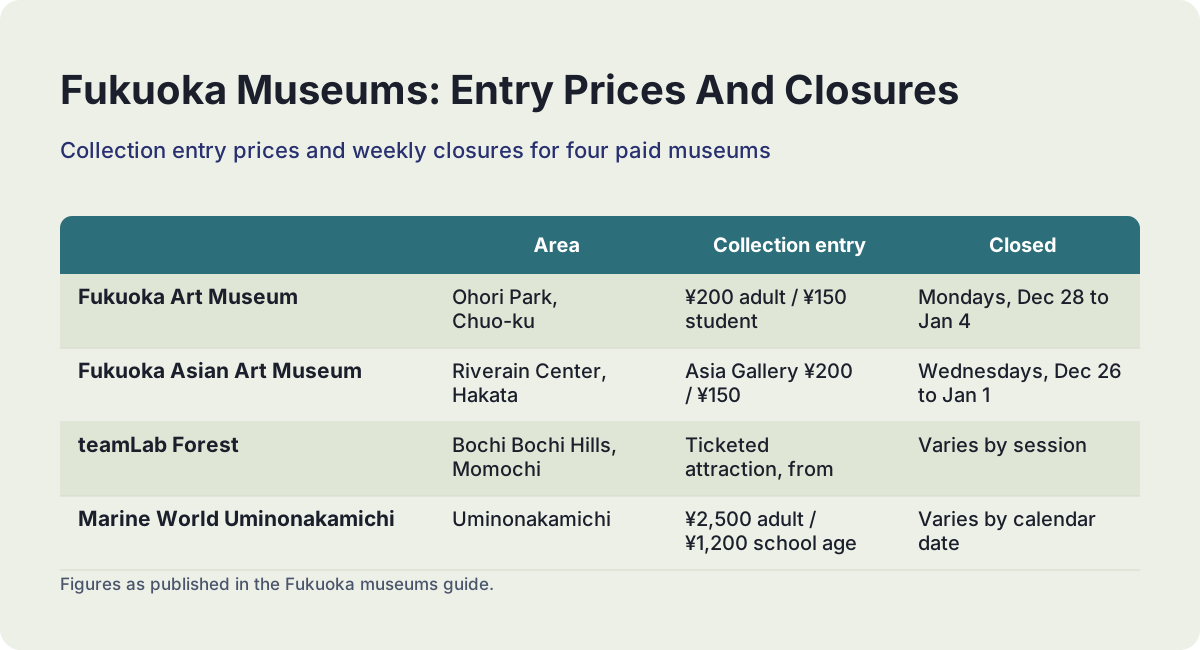
The table below is the short version of everything covered in this guide. Admission figures are the standard adult rates; discounts for groups, seniors and disability certificate holders exist at most venues and are listed on each museum's own site.
| Museum | Area | Collection entry | Closed |
|---|---|---|---|
| Fukuoka Art Museum | Ohori Park, Chuo-ku | ¥200 adult / ¥150 student | Mondays, Dec 28 to Jan 4 |
| Fukuoka Asian Art Museum | Riverain Center, Hakata | Building free, Asia Gallery ¥200 / ¥150 | Wednesdays, Dec 26 to Jan 1 |
| Kyushu National Museum | Dazaifu | Special exhibitions vary | Check the official calendar |
| Hakata Machiya Folk Museum | Hakata old town | Fee applies, small | Year-end |
| teamLab Forest | Bochi Bochi Hills, Momochi | Ticketed attraction, from $27 | Varies by session |
| Marine World Uminonakamichi | Uminonakamichi | ¥2,500 adult / ¥1,200 school age | Varies by calendar date |
One framing note before the detail. Hakata and Fukuoka are the same city: Hakata is the ward and the station name, Fukuoka is the city, and you never travel between them. Several of the museums below have Hakata addresses, and that confuses people who have read guides treating them as separate places.
Fukuoka Art Museum: The Parkside Anchor
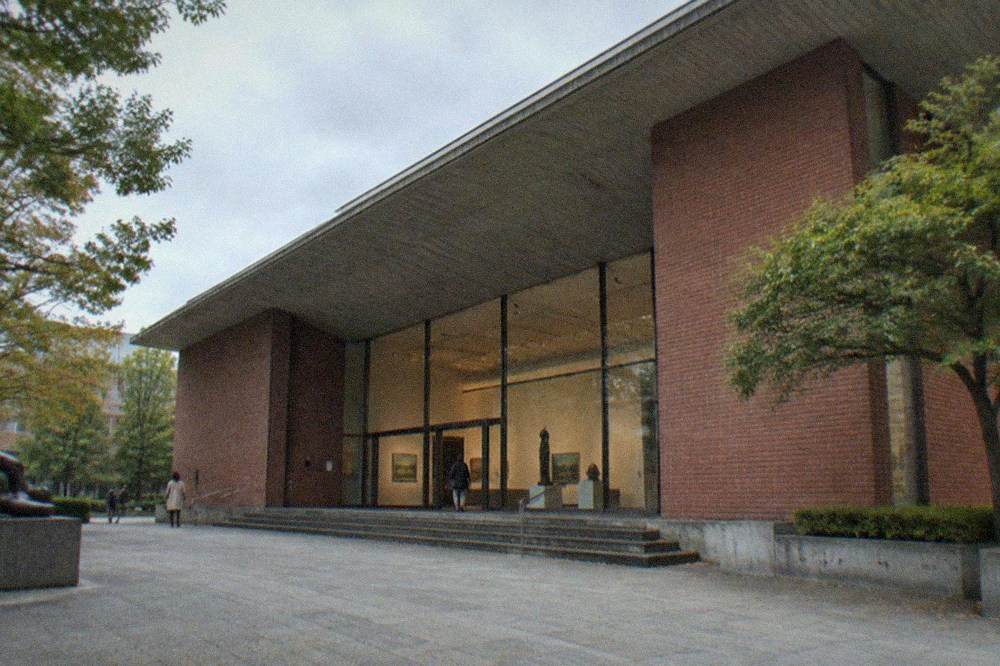
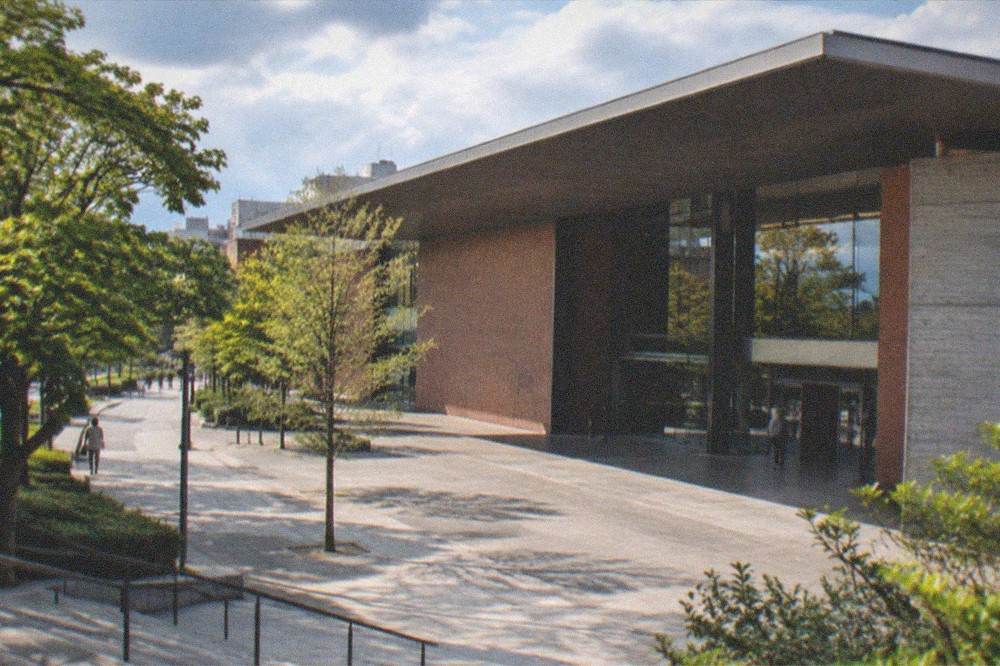
The Fukuoka Art Museum sits at the western corner of Ohori Park and holds the city's main art collection, with entry at ¥200 for general admission, ¥150 for high school and university students, and free entry for junior high students and younger. It opens 9:30 to 17:30, stays open until 20:00 on Friday and Saturday evenings from July to October, and closes Mondays and over the New Year period.
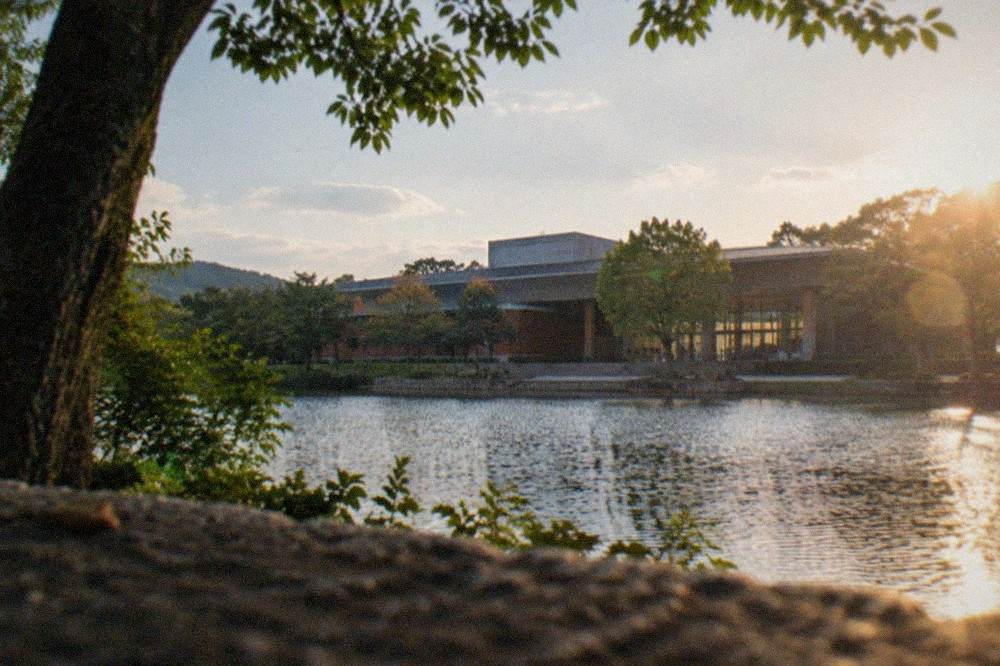
The building sits at the edge of the park, and the setting is half the reason to come: the museum looks out over the park's lake, and the Japanese garden attached to the park is a two-minute walk away with its own ¥250 admission. The collection spans both Japanese and Western work, with 20th-century pieces and Buddhist art among the strengths, plus touring special exhibitions that charge separately.
The official visitor guide publishes the hours and closure detail, including the extended summer Friday and Saturday evenings, which are a genuinely useful option in a city where July and August evenings are too hot for walking. Seniors aged 65 and over who live in Fukuoka, Kitakyushu, Kumamoto or Kagoshima enter free with proof of address and date of birth, a policy the museum's own guide page spells out. Visitors from elsewhere pay the standard rates.
Budget two hours for the collection galleries and another hour for the park itself. The Ohori Park loop around the lake is a flat two-kilometre walk, and the park is free, so the museum works well as the anchor of a slow morning rather than a standalone destination. If you are travelling with children, the museum pairs naturally with the wider park itinerary in the Fukuoka with kids guide.
Fukuoka Asian Art Museum: A Collection with No Rival in Japan
The Fukuoka Asian Art Museum is the only museum in the world dedicated systematically to modern and contemporary Asian art, holding about 5,000 works from 23 countries and regions. Entry to the building is free, and only the Asia Gallery charges: ¥200 general, ¥150 for high school and university students, free for junior high and younger. It closes Wednesdays and December 26 to January 1.
That last sentence is the headline for budget travellers. You can walk into the Riverain Center building in Hakata, ride up to the seventh and eighth floors, and stand in the entrance area without paying anything, and the fee only applies when you pass into the gallery itself. The museum's official guidance page sets out the free-entry categories, which also include holders of a disability, mental health or developmental certificate plus one carer.
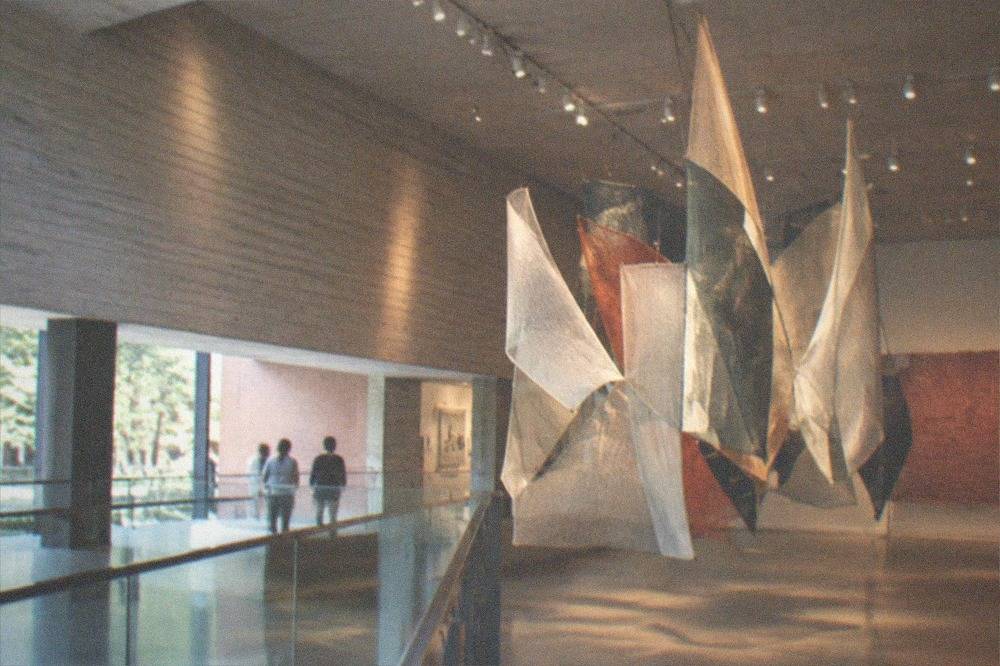
The collection is the reason to take it seriously. Modern and contemporary Asian art is thinly collected elsewhere in Japan, and the museum's acquisitions programme has been running for decades, so the galleries mix painting, installation and craft from across South, Southeast and East Asia in a way no other Japanese institution attempts. Gallery hours run 9:30 to 18:00, extended to 20:00 on Fridays and Saturdays, with last entry thirty minutes before closing.
The location is as convenient as museum locations get: the Riverain Center sits between Nakasu and Hakata, a few minutes on foot from Nakasu-Kawabata subway station, which puts the museum on any evening itinerary alongside the Nakasu yatai stalls along the Naka River. The Fukuoka yatai guide covers those stalls in detail, including the city ordinance that requires every stall to post its prices visibly, so a gallery visit and a street-food dinner chain together without any transit at all.
For visitors who want a guide rather than a self-directed wander, a private option is worth considering at this point in planning.
The museum also runs a free-entry policy that surprises people who assume every gallery in Japan charges. Between the free building entry, the free under-15 policy and the free senior policy for local residents, a family of four with teenage children can spend an afternoon here for the price of one adult ticket. Check the special exhibition schedule before you go, because the touring shows charge extra and are sometimes the main draw.
Kyushu National Museum: The Day Trip Museum
Kyushu National Museum stands beside Dazaifu Tenmangu, thirty minutes from Tenjin on the Nishitetsu line with one transfer at Futsukaichi. It is Japan's national museum for the Kyushu region, focused on the history of exchange between Japan and the rest of Asia, and it holds the only national collection in the prefecture. Special exhibitions charge variable admission, so check the current show before you travel.
The museum's theme is what makes it distinct from the city museums: rather than art, it tells the story of trade and cultural contact, from Chinese ceramics recovered from the region to the diplomatic history of the Hakata port. Dazaifu itself was the administrative seat of ancient Kyushu, which is why the national museum was sited here rather than in the city, and the shrine's approach road of teahouses and umegae mochi shops sits directly between the station and the museum entrance. The rest of the planning pages sit on Fukuoka Japan Travel Guide.
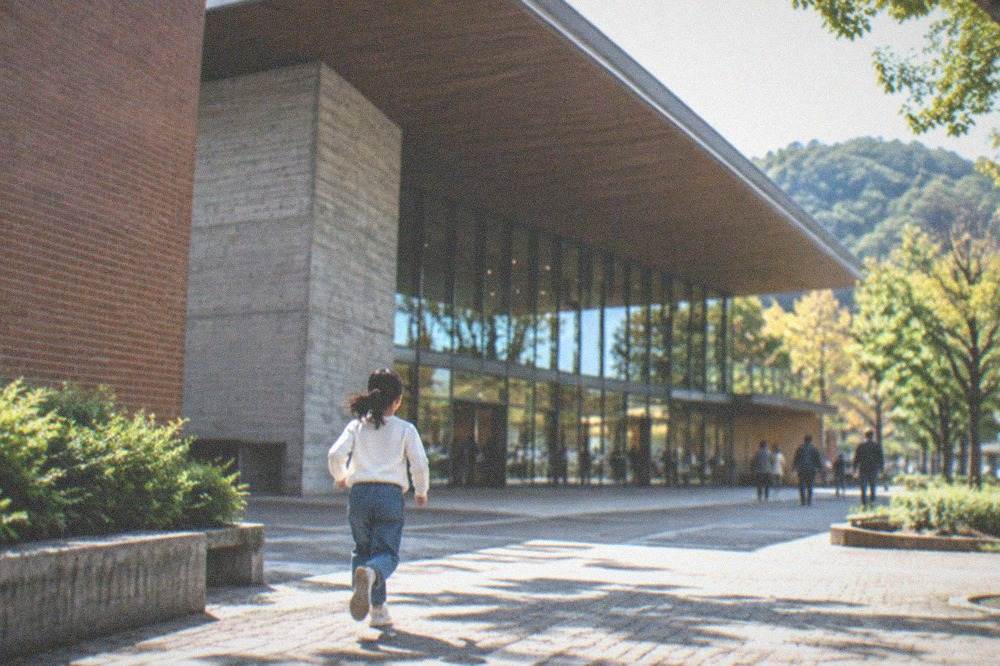
Getting there is simple but has one trap: there is no JR service to Dazaifu, and there is no JR Fukuoka Station either, since the station is Hakata. You take the Nishitetsu Tenjin Omuta Line from Nishitetsu Fukuoka, the Tenjin station, and change at Futsukaichi. The shrine itself has no entrance fee, as its own FAQ states plainly, so a Dazaifu day costs you the train fare plus whatever the museum's current exhibition charges.
Pair the museum with the shrine and the approach street and you have a full half-day that most visitors stretch to a whole one. The site's broader Kyushu guide covers the other regional destinations reachable from Fukuoka if you want to build a longer route around the museum visit.
After a morning of looking at other people's craftsmanship, some visitors want a souvenir they painted themselves, and there is a workshop in the city that offers exactly that.
Hakata Machiya Folk Museum: The Old Town Time Capsule
The Hakata Machiya Folk Museum preserves a traditional machiya townhouse in the middle of Hakata's old town, a short walk from Kushida Shrine, and recreates the daily life of Hakata's merchant and craft families. A small fee applies, the museum is open year-round except the year-end period, and its surroundings, the temples of Hakata old town, are free to wander.
Hakata's old town is the part of the city that survived as a distinct district, and the folk museum is its interpretive centre. The neighbourhood around it holds Shofukuji, Japan's first Zen temple, Tochoji with its large seated Buddha, Jotenji and Kushida Shrine, all within a ten-minute radius, and all free to enter. The museum adds the interior dimension: how people lived, worked and celebrated in the streets outside.
The craft connection is the reason this belongs in a museums guide rather than a temples one. Hakata textiles and Hakata dolls are the two traditional crafts most associated with the city, and the museum and its shop display both. If the display cases inspire you, the city also runs hands-on craft sessions, and the shisa amulet workshop listed above is a similar idea in a contemporary format.
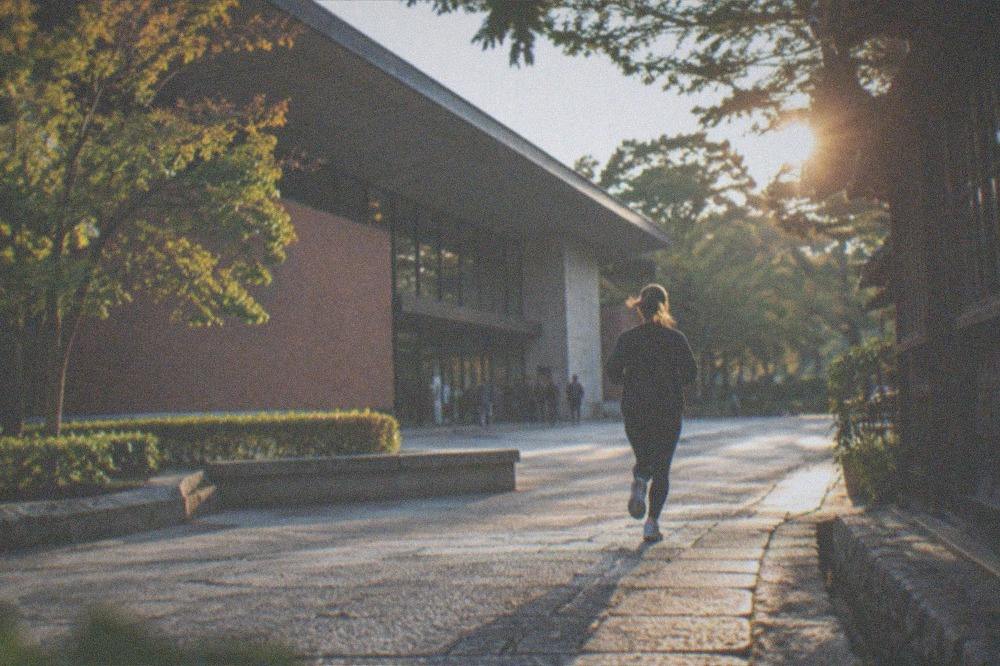
The old town walk that surrounds the museum is at its best in the early evening, when the temple gates close and the lanterns come on. The Hakata station area guide covers the walk from the station to the old town, which takes about fifteen minutes and passes through the Kawabata shopping arcade on the way.
teamLab Forest and Marine World: The Family Options
teamLab Forest, inside the Bochi Bochi Hills complex in Momochi, is Fukuoka's immersive digital art attraction, ticketed from $27 per person with a rating of 3.8 from 14 reviews on the live listing, and sessions run one to two hours. Marine World Uminonakamichi, the aquarium at the eastern end of the bay, charges ¥2,500 for adults and high school students, ¥1,200 for junior high and elementary, and its hours vary by calendar date.
Neither is a museum in the strict sense, but both fill the same slot in a rainy-day or family itinerary, and the best time to visit guide matters here: July is statistically Fukuoka's wettest month, with 299.1 mm of rain against June's 249.6 mm in the Japan Meteorological Agency's 1991 to 2020 normals, so indoor options earn their keep in summer even though nobody warns you about July.
teamLab Forest deserves an honest paragraph about its rating. A 3.8 from 14 reviews is a modest score from a small pool, and the common thread in critical reviews is that the space is smaller than visitors expected from the photography. The attraction is real and popular with families, but go in knowing the scale rather than expecting the Tokyo teamLab museums' footprint. The ticket is booked by session time, so check availability for the day you want before building an itinerary around it.
Marine World is the more conventional family choice and the better value for a full day. It sits inside Uminonakamichi Seaside Park, which has its own admission, ¥450 for adults 15 and over with junior high and younger free, and one genuinely useful warning almost nobody publishes: the park gate takes cash only, no cards, so withdraw yen before you ride the ferry or drive out. The aquarium's own hours shift by calendar date, so treat any single opening time you read, including in this guide's table above, as a pattern rather than a promise.
The park around the aquarium is worth the trip on its own, with flower fields, a dog run and an animal forest, and the getting around Fukuoka guide covers the ferry and subway routes to the Uminonakamichi peninsula. If the weather is good, the bay crossing itself is half the outing.
How to Plan a Museum Day in Fukuoka
The most efficient museum day pairs the Fukuoka Asian Art Museum with the Hakata Machiya Folk Museum and the old town temples, all within a fifteen-minute walk of one another, or pairs the Fukuoka Art Museum with Ohori Park for a slower day. Check the weekday closures before you commit: the art museum closes Mondays, the Asian Art Museum closes Wednesdays, and Uminonakamichi closes selected Tuesdays that change by season.
The subway makes the pairing easy. A single adult fare runs from ¥210 for journeys up to three kilometres up to ¥380 beyond nineteen kilometres, and a one-day pass at ¥640 covers all three lines if you plan to ride more than twice. The airport line connects Ohori Park's Ohorikoen station with Hakata and Nakasu-Kawabata in a few stops each way, so the two art museums are on one line, and the Nishitetsu line out to Dazaifu starts at Tenjin, one stop from Ohori Park.
| Museum pairing | Transit between | Time needed | Best day |
|---|---|---|---|
| Asian Art Museum plus Hakata old town museums | On foot, 15 minutes | Half day | Not Wednesday |
| Fukuoka Art Museum plus Ohori Park | Subway to Ohorikoen | Half day | Not Monday |
| Kyushu National Museum plus Dazaifu Tenmangu | Nishitetsu from Tenjin, one transfer | Full day | Weekday mornings |
| teamLab Forest plus Momochi waterfront | On foot from the complex | 3 hours | Any session day |
| Marine World plus Uminonakamichi park | Ferry or subway plus bus | Full day | Not a closure Tuesday |
Two closure traps catch visitors every week. First, the museums' closed days differ, so a Monday is not a write-off: the Asian Art Museum is open. Second, Uminonakamichi Seaside Park's Tuesday closures are not every Tuesday, they are selected Tuesdays that shift with the season, so check the park's official calendar for the specific date rather than assuming either way.
If you are flying in and heading straight to the galleries, the airport's subway station is on the Kuko line and a single fare to Hakata is ¥260, one of the cheapest airport-to-centre rides in Japan. The airport is unusually close to the city centre, which is the honest way to say it without repeating the unverified minute figure other guides print. The Fukuoka airport guide covers the terminals and the transfer options in full.
The transport costs are worth laying out side by side, because the museum day's transit budget is small enough that the choice between single tickets and a pass is genuinely worth a minute of arithmetic.
| Ticket | Price | What it covers |
|---|---|---|
| Subway single fare, zone 1 | ¥210 adult / ¥110 child | Up to 3 km, one ride |
| Subway single fare, airport to Hakata | ¥260 adult | The 3 to 7 km band, one ride |
| Subway 1-day pass | ¥640 adult / ¥320 child | All three subway lines, first to last train |
| Nishitetsu bus 1-day free pass | ¥1,200 adult / ¥600 child | City buses in Fukuoka, plus attraction discounts |
| Fukuoka Tourist City Pass | ¥2,500 adult / ¥1,250 child | Subway, buses, trains and ferries for one day, overseas short-stay visitors only, passport checked |
One note on that last row: the Tourist City Pass is restricted to overseas tourists on a short-stay visa, with a passport checked at the counter, and the Dazaifu version at ¥2,800 adds Nishitetsu coverage out to the shrine town. For a single museum day inside the city, the ¥640 subway pass usually wins; the wider pass only pays off if you are riding buses and ferries too.
For visitors building a longer stay around the museums, the where to stay in Fukuoka guide explains the trade-off between Hakata, beside the station and the old town museums, and Tenjin, beside the Ohori Park side of the set. A stay in either puts one cluster at your door and the other a few subway stops away.
Common Questions About Museums in Fukuoka
What are the best museums in Fukuoka?
The Fukuoka Art Museum on Ohori Park, the Fukuoka Asian Art Museum in Hakata, Kyushu National Museum at Dazaifu, the Hakata Machiya Folk Museum and teamLab Forest. The two city art museums charge ¥200 for collection entry, and the Asian Art Museum's building is free to enter.
Which Fukuoka museums are free?
The Fukuoka Asian Art Museum's building entry is free, with only the Asia Gallery charging ¥200. Junior high students and younger enter both city art museums free, and residents of Fukuoka aged 65 and over enter free with ID. Dazaifu Tenmangu's grounds, the old town temples and Ohori Park itself cost nothing.
What days are Fukuoka museums closed?
The Fukuoka Art Museum closes Mondays and December 28 to January 4. The Fukuoka Asian Art Museum closes Wednesdays and December 26 to January 1. Uminonakamichi Seaside Park closes selected Tuesdays that vary by season, and Marine World's hours change by calendar date, so check each venue's calendar for your date.
Is teamLab Forest worth visiting?
It depends on expectations. The ticket starts at $27 and the live listing carries a 3.8 rating from 14 reviews, a modest score from a small pool, with the most common criticism being that the space is smaller than the photography suggests. Families with young children report the best experiences.
How do I get to Kyushu National Museum?
Take the Nishitetsu Tenjin Omuta Line from Nishitetsu Fukuoka station in Tenjin and change at Futsukaichi for Dazaifu. There is no JR service to Dazaifu, and the station in the city centre is Hakata, so the Nishitetsu line from Tenjin is the practical route. The museum is a short walk from Dazaifu station past the shrine approach.
Can I visit a museum and a yatai dinner on the same evening?
Yes, easily. The Fukuoka Asian Art Museum stays open until 20:00 on Fridays and Saturdays, and the Nakasu yatai stalls along the Naka River are a short walk from the museum's building, so a Friday gallery visit flows into a street-food dinner with no transit at all.