Kyushu National Museum
Kyushu National Museum sits in the hills above Dazaifu, a short train ride from Fukuoka, and takes a different approach to history than any other national museum in Japan.
Short answer
Kyushu National Museum is worth visiting if you have at least a full day for Dazaifu and enjoy history told through objects. It is one of Japan's national museums and its theme is Japan's cultural exchange with the rest of Asia. Pair it with Dazaifu Tenmangu, which has no entrance fee, and the trip adds up to an easy half or full day from Fukuoka.
Kyushu National Museum stands in the green hills above Dazaifu, roughly half an hour by rail from central Fukuoka, and it is not a smaller copy of the museums in Tokyo. It is one of Japan's national museums, and it is the only one built around a single idea: the story of how Japanese culture formed through exchange with the rest of Asia. Dazaifu itself was a diplomatic and administrative hub for centuries, which is why the museum landed here rather than in a bigger city, and the pairing with Dazaifu Tenmangu next door makes for one of the most rewarding day trips you can build from Fukuoka.
This guide walks through what the museum actually holds, how to reach it, what it costs, and how to decide whether it earns a slot in your itinerary. Where a figure is verified against an official source it is printed; where it is not, the honest answer is to check the venue or operator directly, and this page says so rather than guessing.
What Is Kyushu National Museum?
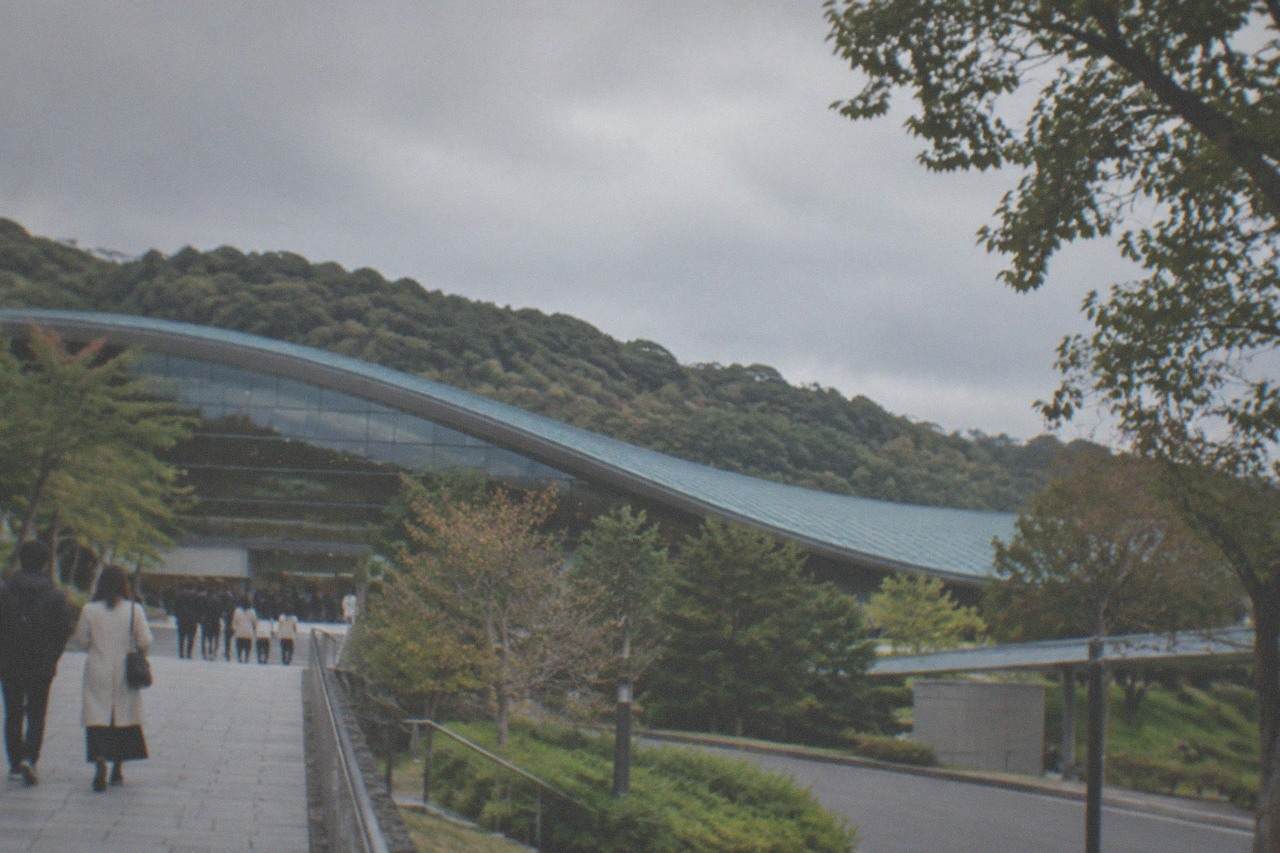
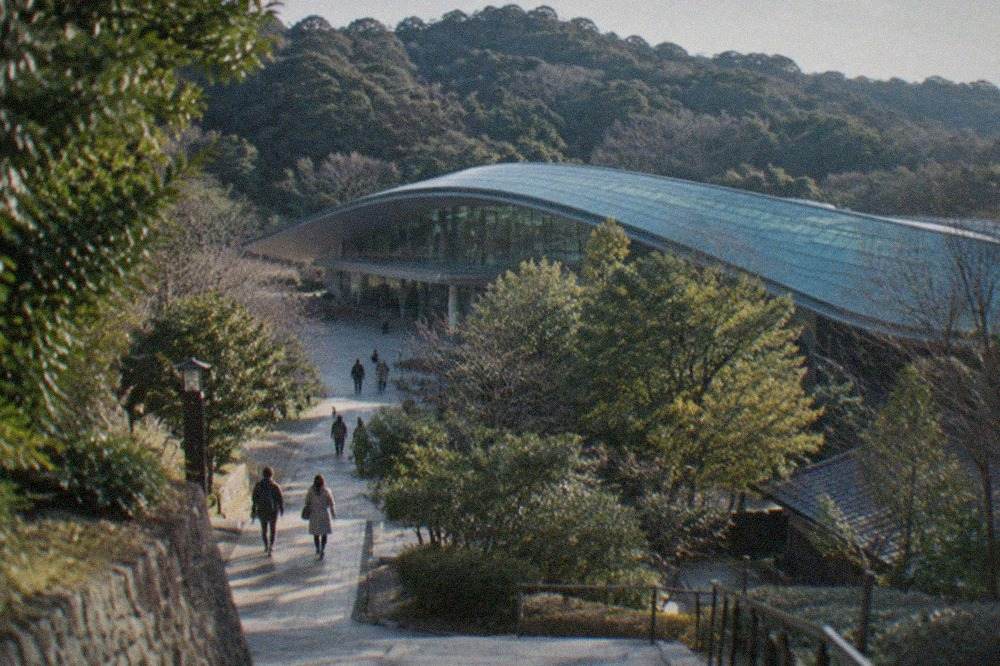
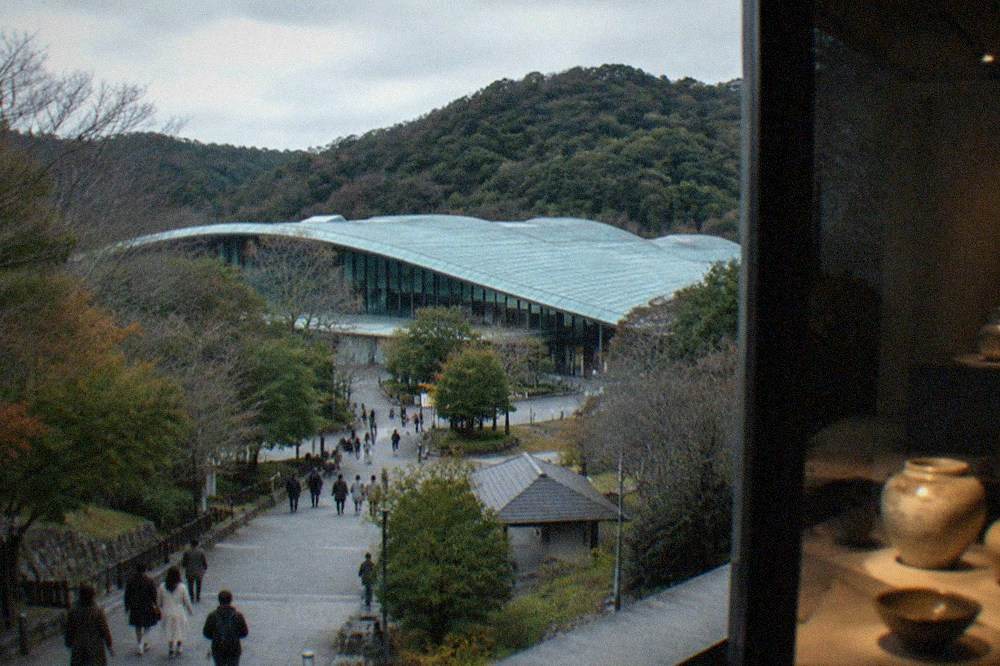
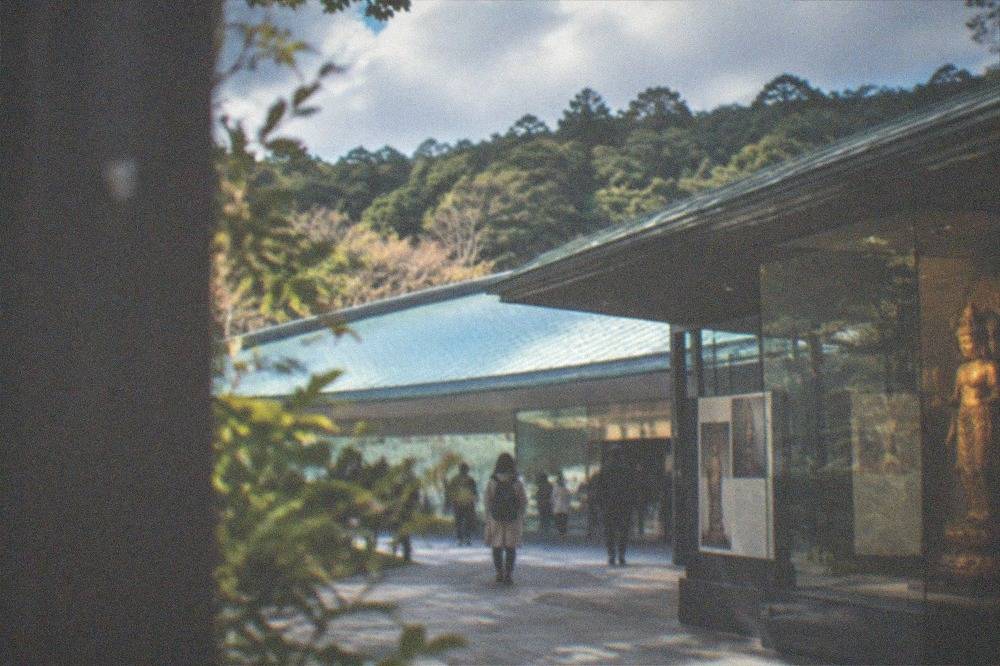
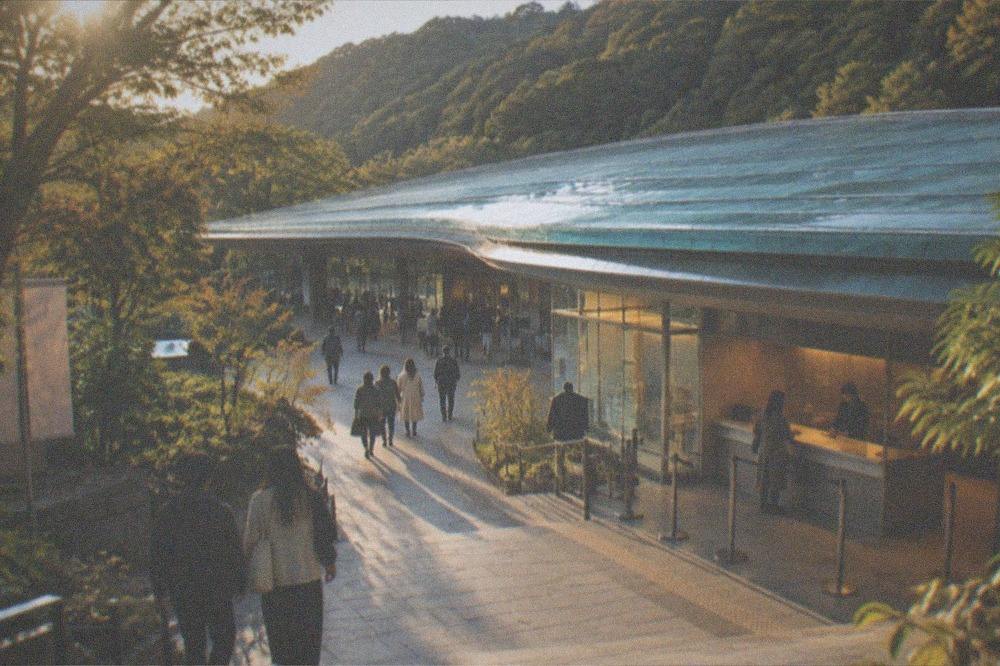
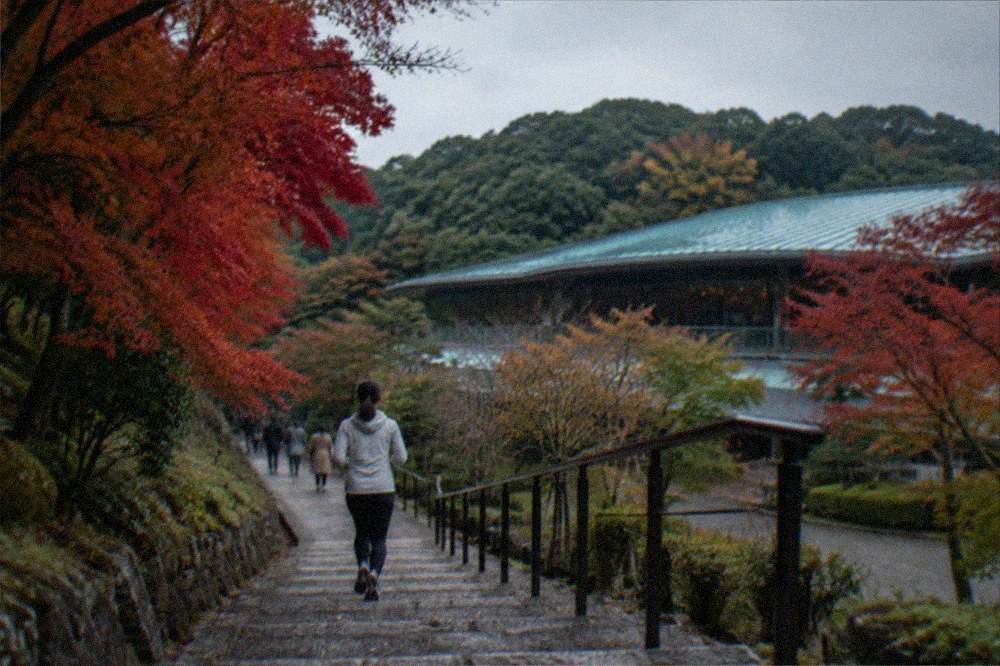
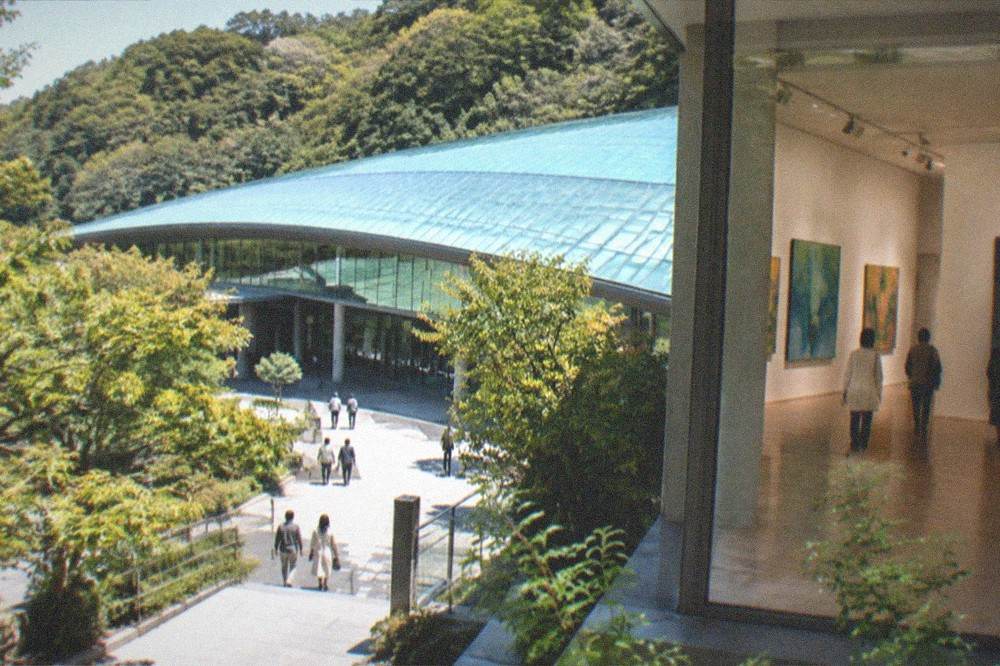
It is one of Japan's national museums, located in Dazaifu on the edge of Fukuoka Prefecture, and its permanent collection is organised around cultural exchange between Japan and the rest of Asia rather than around a single city or era. The building itself is a landmark: a long, curved structure clad in shimmering panels that mirrors the ridge behind it, reached from the Dazaifu side by an escalator and walkway that climb through the trees. Inside, the permanent exhibition traces the arc of Japanese history through objects that arrived, were adapted or were sent back out across the sea: ceramics, bronzes, Buddhist sculpture, trade goods and manuscripts. Special exhibitions rotate through the year and are the main reason some visitors time a repeat visit.
The museum's identity matters for planning. Most of Japan's other national museums are generalist or art-focused. This one argues a thesis, that Kyushu, as the closest part of Japan to the Asian mainland, was the front door through which writing, Buddhism, metalworking and continental fashion entered the country. Dazaifu was the ancient regional government seat that administered that doorway, so the museum and its location tell one continuous story.
For visitors coming from Fukuoka city, that thesis is useful in another way. It tells you the museum is not a rainy-day filler in the way a small municipal gallery might be. It is a destination attraction in its own right, and it rewards the better part of a morning or afternoon rather than a rushed half hour. Families report that the hands-on corners and the free-entry zones for children make it work with kids too, though the depth of the main collection suits patient readers best.
Is Kyushu National Museum Worth Visiting?
Yes, if you are already committing a day to Dazaifu or you have a genuine interest in Asian history and craft. The museum is a national institution with rotating blockbuster exhibitions, and it sits beside one of Japan's most visited shrines, so the journey is shared rather than wasted. If you are in Fukuoka for only one or two nights and care more about food and nightlife than artefacts, skip it without guilt. The honest test is time. Dazaifu deserves at least half a day, and the museum deserves two to three unhurried hours on top of that. Travellers squeezing it into a two-hour stop between souvenir shops tend to come away feeling the admission went underused.
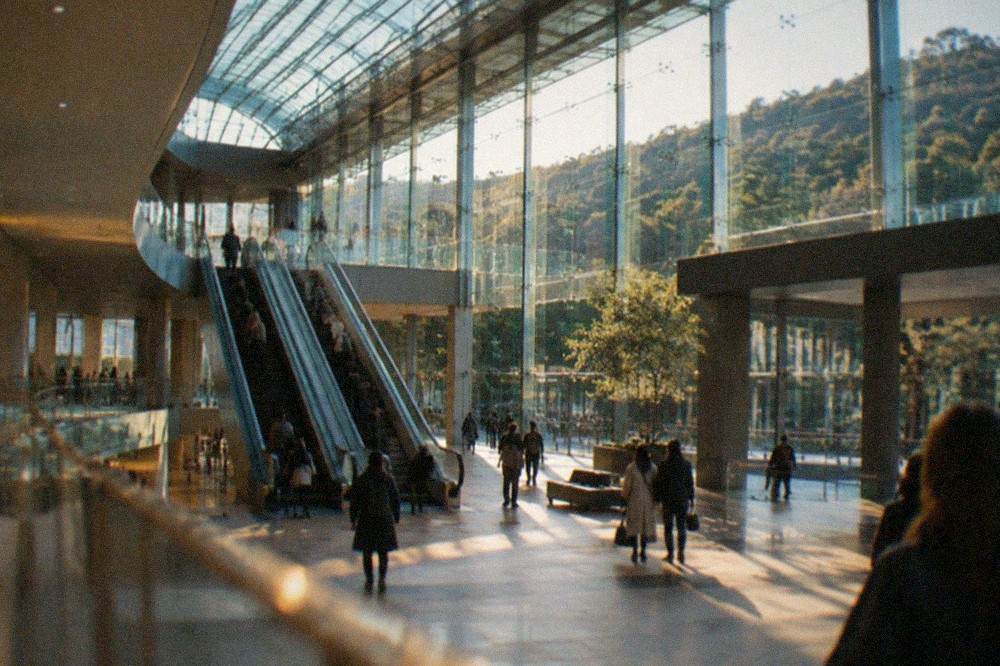
The type of traveller who loves this place is easy to describe. You enjoy museums that explain rather than just display. You want to understand why a pot or a bronze statue looks the way it does, and where its influences travelled from. The labelling and interpretation are built for that reader. Casual visitors still find plenty to look at, and the building's architecture alone, the glass roof, the timber detailing and the hillside setting, gives non-museum companions something to photograph while you read.
There is a practical wrinkle worth knowing before you commit. Special exhibitions at national museums in Japan regularly sell timed tickets for popular runs, and weekend afternoons are the crowded window. If your dates are fixed and the exhibition currently running is the reason you are going, buy ahead through the operator's live listing or the museum's own channel. If you are going for the permanent collection, walk-ups are usually fine on weekdays.
If you would rather have the whole Dazaifu logistics chain handled for you, a guided day tour that includes the area is one option worth comparing against doing it yourself:
What Will You See Inside the Museum?
The permanent exhibition covers Japanese history from prehistoric exchange with the continent through the ancient, medieval and early modern periods, told through trade goods, religious art, ceramics, metalwork and documents, with a strong emphasis on how objects moved across the sea between Kyushu, Korea, China and beyond. Buddhist sculpture is a highlight of the ancient galleries, and the museum's conservation wing is unusually visible, with techniques sometimes demonstrated in public view. The layout flows roughly chronologically, so a first-time visitor can walk the main route once and come away with a coherent narrative rather than a jumble of eras.
Special exhibitions are the second layer, and they change through the year. These are the shows that draw domestic crowds, sometimes with objects lent from other national collections overseas. Because the schedule rotates, this guide deliberately prints no current exhibition names or dates: the museum's own site is the source for what is on during your visit. Budget a separate admission for special exhibitions if one interests you, since the permanent collection and the headline shows are ticketed separately at national museums as a rule.
The building also hosts a restaurant and shop that punch above the usual museum-cafeteria standard, and the shop in particular carries Dazaifu-themed crafts and catalogues that make good souvenirs if the stalls outside the shrine feel too touristy. Allow time for both if you are staying for a full half day. Photography rules vary by gallery, and the signage at each entrance is the authority, so check before you shoot.
For most visitors the strongest single decision is combining the museum with Dazaifu Tenmangu, which the shrine's own FAQ states plainly has no entrance fee, as confirmed on the shrine's official FAQ page. The shrine grounds are free, the approach lined with shops selling umegae mochi, and the two sites together fill a day comfortably.
A guided option that pairs Dazaifu with the famous Yufuin no Mori sightseeing train is popular with travellers who want the scenery without self-driving:
How Do You Get to Kyushu National Museum from Fukuoka?
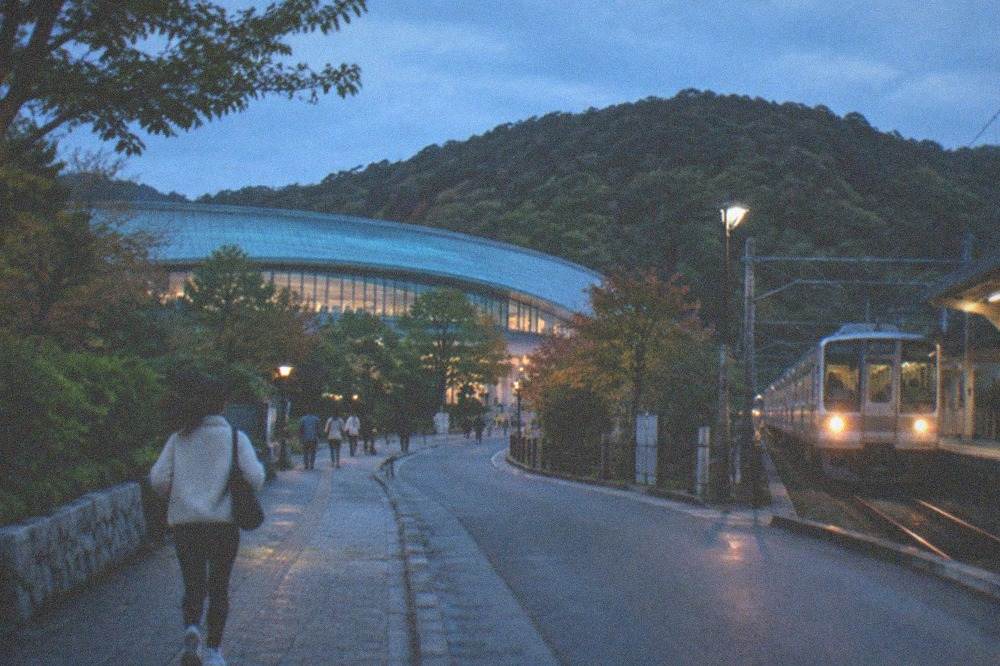
To reach Kyushu National Museum from Fukuoka, take the Nishitetsu rail line south from Fukuoka toward Dazaifu, transferring at Futsukaichi to the Dazaifu branch line. Once you arrive at Dazaifu Station, the museum is a short walk away on the shrine side of town, so the entire journey is simple and can be completed comfortably in well under an hour from central Fukuoka. The Nishitetsu Tenjin Omuta Line runs from Nishitetsu Fukuoka station in Tenjin down toward Dazaifu, and the Dazaifu branch is a short hop from Futsukaichi. From Hakata, the usual approach is to take the subway to Tenjin first and continue from there, since there is no JR line into Dazaifu. Hakata and Fukuoka are the same city, with Hakata as the ward and station name, so nothing about this journey involves travelling between two places.
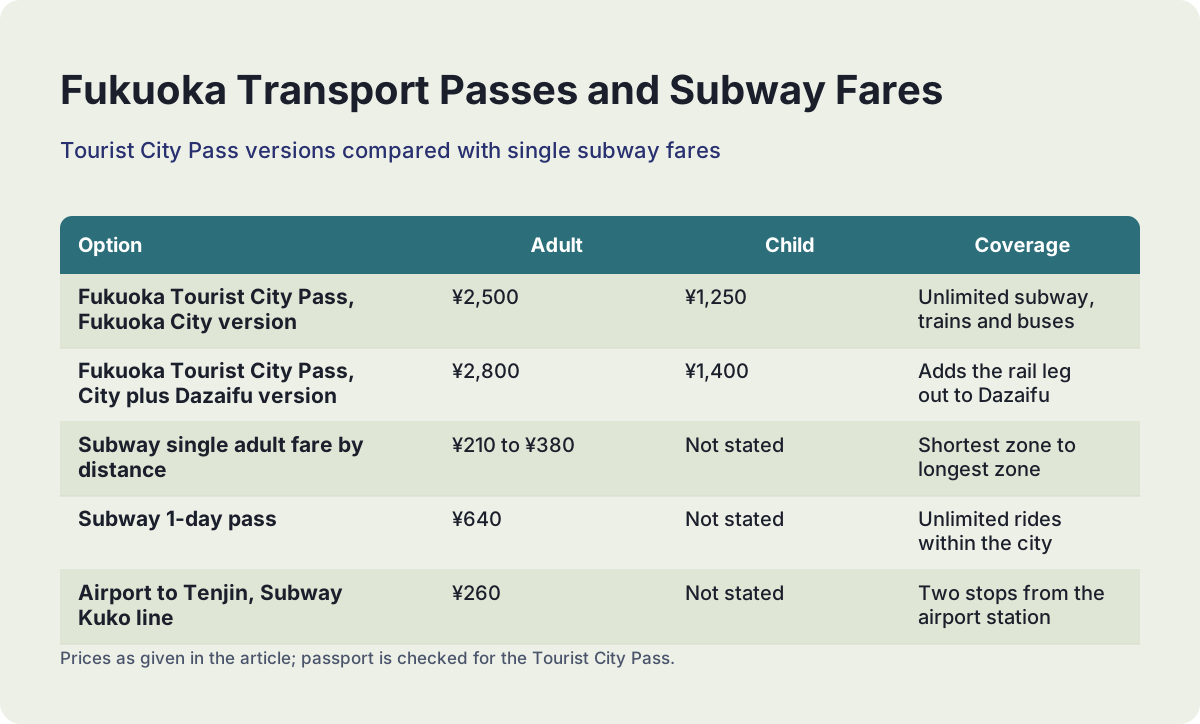
For overseas visitors on a short-stay visa, one ticket deserves attention. The Fukuoka Tourist City Pass comes in a Fukuoka City version at ¥2,500 for adults and ¥1,250 for children, and a Fukuoka City plus Dazaifu version at ¥2,800 and ¥1,400, covering a day of unlimited subway, Nishitetsu trains and buses in the designated zones, with the Dazaifu version adding the rail leg out to the town. A passport is checked at the counter, and the Dazaifu Liner bus called Tabito is excluded even from the Dazaifu version. Full coverage details are on the official city pass page. Most competing guides still quote an old, much cheaper price for this pass, so treat any figure below the ones here with suspicion.
| Journey | Route | Notes |
|---|---|---|
| Tenjin to Dazaifu | Nishitetsu train, transfer at Futsukaichi | The standard approach; runs frequently |
| Hakata to Tenjin | Fukuoka City Subway, one stop pattern | Adult fare falls in the ¥210 to ¥260 zone bands |
| Airport to Tenjin | Subway Kuko line | ¥260 adult, two stops from the airport station |
| Dazaifu station to museum | On foot via the shrine approach | Escalator and walkway climb toward the entrance |
The subway's own fare table sets single adult fares by distance, from ¥210 for the shortest zone up to ¥380 for the longest, with a 1-day pass at ¥640 if you plan to ride repeatedly within the city. If your day is Dazaifu plus city sightseeing, do the arithmetic against the Tourist City Pass before buying separate tickets, since the pass also carries attraction discounts.
What Does It Cost and When Is It Open?
The permanent exhibition charges admission, special exhibitions are ticketed separately, and children of school age generally enter free or at steep discounts, but the exact yen figures change with exhibition schedules, so the museum's own site is the source to check before you go. This guide will not print a number it cannot verify against an official page. What can be stated is the pattern across Japan's national museums: a modest permanent-collection fee, a higher special-exhibition fee, and free or discounted entry for school children. Museums in Japan also close on a fixed weekly day, typically Monday or the first day after a weekend holiday, and national museums close over the New Year period, so a Monday visit needs checking in advance.
For comparison, the verified prices of Fukuoka city's own museums show how reasonable museum-going is here. Both city art museums charge ¥200 for adults and ¥150 for high school and university students, with junior high and under free, and the Fukuoka Asian Art Museum lets you into the building for free, charging only for the Asia Gallery on its seventh and eighth floors. The Asian Art Museum is closed Wednesdays and the Fukuoka Art Museum closed Mondays, which matters if you are planning a museum-heavy day. More on those two below.
| Museum | Adult admission | Closures to know | Verified detail |
|---|---|---|---|
| Fukuoka Art Museum | ¥200 collection entry | Mondays, Dec 28 to Jan 4 | Free under 15; free for resident over-65s |
| Fukuoka Asian Art Museum | ¥200 Asia Gallery only | Wednesdays, Dec 26 to Jan 1 | Building entry free; only the gallery charges |
| Dazaifu Tenmangu | No entrance fee | Seasonal opening hours vary | Stated on the shrine's official FAQ |
| Kyushu National Museum | Check the museum's site | Weekly closing day applies | Special exhibitions ticketed separately |
One planning note that saves a wasted trip: the Tenshudai, the main keep base at the Fukuoka Castle ruins in Maizuru Park, is closed from late May until the end of December 2026 for an archaeological excavation, so if you had a castle-and-museum day in mind, the castle half currently offers the park and walls rather than the keep base. The excavation itself has a genuinely good story behind it, a document found in late 2024 describing a keep that may never have been built, but the closure is temporary and should not be written off as permanent.
When Is the Best Time to Visit?
Weekday mornings are the quiet window, both for the train out to Dazaifu and for the museum galleries, while weekends and Japanese public holidays bring school groups and family crowds, and the weeks around the autumn colour in mid to late November are the most scenic but busiest period in Dazaifu. The town's approach road and the shrine grounds fill up on fair-weather Saturdays, and the museum's escalator queue lengthens accordingly. If your itinerary allows a weekday, take it. If it does not, arrive early, do the shrine first while the shops are still opening, and save the museum for the late morning when day-trippers thin out toward lunch.
Seasonally, Dazaifu is at its most photogenic in late autumn, when the maples around the town and the nearby temple gardens turn, and in spring, when cherry blossom season falls in late March into early April. Those windows are also the most crowded. Midsummer brings heat and humidity, with July the wettest month of the year in Fukuoka at 299.1 mm of rain against June's 249.6 mm, a counterintuitive fact worth repeating since June gets the rainy-season blame. An indoor museum is, of course, a good answer to a wet afternoon, which makes summer a defensible season for this particular itinerary even if the shrine approach is steaming.
Festival timing cuts both ways. The Hojoya festival at Hakozakigu in Fukuoka runs September 12 to 18 with hundreds of stalls along the shrine approach, and the big Hakata festivals, Dontaku in early May and Yamakasa in the first half of July, fill the city but not Dazaifu. None of these have ticketing, so if your visit overlaps one, treat it as a bonus rather than a booking problem. Typhoon season runs roughly July through October, and while it rarely disrupts a whole trip, a morning forecast check is sensible before committing to a hillside museum day.
How Does It Compare with Fukuoka's City Museums?
Kyushu National Museum is the heavyweight, with national-collection depth and rotating blockbusters, while the Fukuoka Art Museum in Ohori Park and the Fukuoka Asian Art Museum in Hakata are cheaper, closer and easier to slot into a city day, each charging ¥200 with free entry for children under 15. The Asian Art Museum is the conceptually closest cousin, since its collection of roughly 5,000 works from 23 Asian countries and regions shares the same exchange-with-Asia theme, compressed into two gallery floors above the Naka River. If the Dazaifu trip does not fit your dates, it is the honest substitute, and the building itself is free to enter.
The Fukuoka Art Museum, reopened after renovation inside Ohori Park, pairs well with a garden visit, since the Japanese Garden next door charges ¥250 for adults and ¥120 for children, with free entry at 65 and over. Both museums stay open later on Friday and Saturday evenings during the summer half of the year, which suits an itinerary that puts museums after dinner rather than before. Neither closes the same day as the other, so a two-museum day is usually possible with a little planning.
| Choice | Best for | Cost signal | Time needed |
|---|---|---|---|
| Kyushu National Museum | Asian history in depth, blockbusters | Check the museum's site | Half day including travel |
| Fukuoka Asian Art Museum | Modern and contemporary Asian art | ¥200, building free | 1 to 2 hours |
| Fukuoka Art Museum | 20th-century and contemporary art | ¥200, free under 15 | 1 to 2 hours |
| Hakata Machiya Folk Museum | Old Hakata daily life and craft | Small fee applies | Under an hour |
For a city-day alternative with no ticketing at all, the Hakata Machiya Folk Museum near Kushida Shrine reconstructs merchant-house interiors and traditional craft workshops, and the shrine grounds beside it are free. The Hakata Old Town walk that strings these together is one of the better free afternoons in the city, and it makes a useful fallback if Dazaifu is rained off.
Planning a Dazaifu Day Around the Museum
The classic shape is shrine first, museum second, lunch in between, with the Nishitetsu ride out from Tenjin in the late morning and a return by early evening, and the whole day is doable without a car or a tour. Umegae mochi, the grilled rice cakes filled with sweet bean paste sold along the approach, is the local snack to try, and the shops grilling them fresh are easy to spot by the queues. If you would rather fold Dazaifu into a bigger Kyushu day, two guided formats exist: one pairs the area with the Yufuin no Mori train as covered earlier, and another bundles it with Itoshima's coast and Shiraito Falls on a long loop.
That second format suits travellers who want scenery and small towns more than museum hours, and it covers Yanagawa, the canal town south of Dazaifu, which is otherwise awkward by rail. The trade-off with any guided day is control: you trade the freedom to linger in a gallery for not having to read a rail map. Both are legitimate choices, and the honest guide answer is that first-time visitors with limited Japanese tend to enjoy the guided version more, while repeat visitors and confident travellers usually prefer self-directing.
For a deeper cultural pairing inside the city, the tea ceremony and craft workshops around Fukuoka make good half-day complements, and the Nanzoin reclining Buddha east of the city is a free, dramatic sight that pairs with the museum's Buddhist sculpture galleries in an unexpected way: see the ancient bronzes in the morning, then stand beneath one of the largest reclining Buddha statues in Japan in the afternoon. Neither the temple nor the shrine charges admission, which keeps the day's cost down to rail fares and food.
If you are weighing the museum against the city's other headline attractions for a short trip, this site's Fukuoka Japan Travel Guide homepage ranks the full spread of sights, from Fukuoka Tower to Ohori Park, and the day-trip collection covers everything from Dazaifu itself out to Nagasaki.
Whatever you choose, book the things that need booking, leave the shrines and streets to spontaneity, and treat the museum as the slow, quiet half of a day that Dazaifu otherwise spends at festival pace.
Common Questions About the Kyushu National Museum
Is Kyushu National Museum worth visiting?
Yes, if you have at least half a day for Dazaifu and an interest in history. It is one of Japan's national museums, its collection is organised around cultural exchange with Asia, and it pairs naturally with Dazaifu Tenmangu next door, which charges no entrance fee. If your trip is short and food-focused, skip it without guilt.
How do I get to Kyushu National Museum from Fukuoka?
Take the Nishitetsu rail line from Tenjin toward Dazaifu, transferring at Futsukaichi, then walk from Dazaifu station via the shrine approach. Overseas visitors on a short-stay visa can use the Fukuoka Tourist City Pass, ¥2,500 for the city version or ¥2,800 including Dazaifu, with a passport checked at purchase.
How long should I spend at the museum?
Plan two to three unhurried hours for the permanent collection, plus extra time for a special exhibition, lunch or the shop. Combined with the shrine and the approach, the museum turns Dazaifu into a comfortable half or full day trip from Fukuoka.
Can I visit the museum and Dazaifu Tenmangu on the same day?
Yes, and that is the standard way to do it. The shrine's own FAQ confirms there is no entrance fee at Dazaifu Tenmangu, so the pairing costs only your rail fare plus the museum admission. Most visitors do the shrine first, eat along the approach, then take the escalator up to the museum.
Is the museum suitable for children?
Largely yes. School-age children generally enter free or at a discount, and the museum includes hands-on interpretation zones aimed at families. The depth of the main collection suits patient readers best, so families with very young children often prefer the shrine approach and the outdoor spaces.
What else can I combine with a Dazaifu trip?
Yanagawa's canal town, the Yufuin no Mori sightseeing train, and Itoshima's coast and Shiraito Falls all pair with Dazaifu on guided day tours. Within Fukuoka city, the Fukuoka Asian Art Museum covers a similar Asia-exchange theme for ¥200, with the building itself free to enter.