Fukuoka Airport Guide
Fukuoka Airport is the main international and domestic gateway to Kyushu, sitting unusually close to the city centre on the Kuko Line. The official one-way subway fare to Hakata Station is ¥260. This guide covers the routes, passes, terminals and arrival choices using verified figures.
Short answer
The subway from Fukuoka Airport to Hakata Station costs ¥260 one way, the official fare for the airport's 3 to 7 km band. Take the Kuko Line toward Meinohama or Kaizuka, and the airport's close position means no airport express is needed. There is no JR Fukuoka Station; Hakata is the main station.
Fukuoka Airport is Kyushu's busiest air gateway and one of the closest major airports to a Japanese city centre. The official adult subway fare to Hakata Station is ¥260, and the ride runs on the regular Kuko Line rather than an airport-only express. Hakata and Fukuoka are the same city: Hakata is the ward and the station, Fukuoka is the city, and there is no JR Fukuoka Station. The Fukuoka Japan Travel Guide treats them as one destination split by transport options, not as two places.
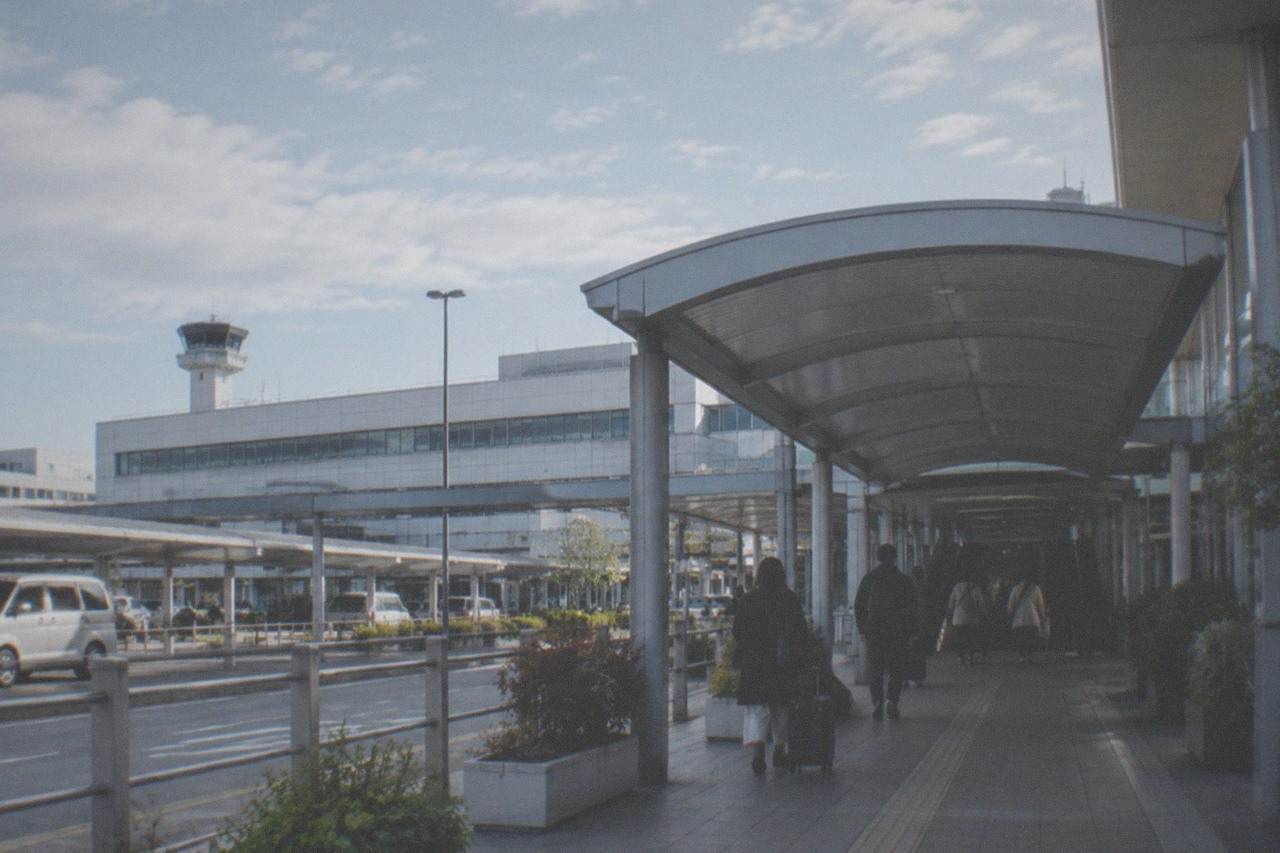
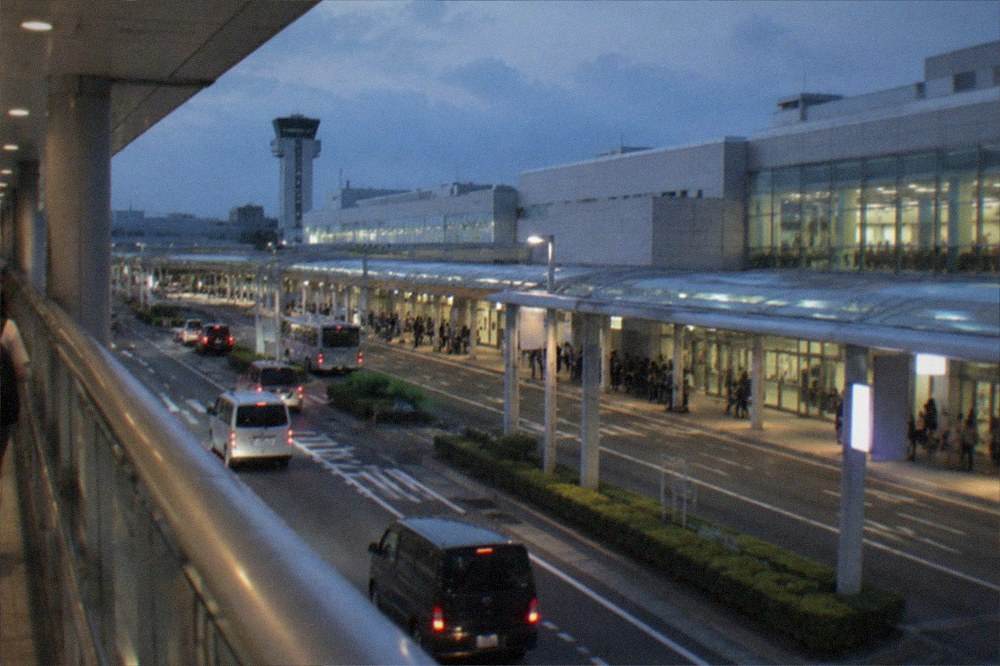
Both the international and domestic terminals sit close to runways that edge the city's western suburbs. The airport has been part of the Kuko Line for long enough that arriving passengers do not need a separate express train, a long coach connection to a rail hub, or a special airport surcharge. The transfer logic is simpler than at many larger Japanese airports because the terminal and the city are so close.
How Do You Get from Fukuoka Airport to Hakata by Subway, and What Does It Cost?
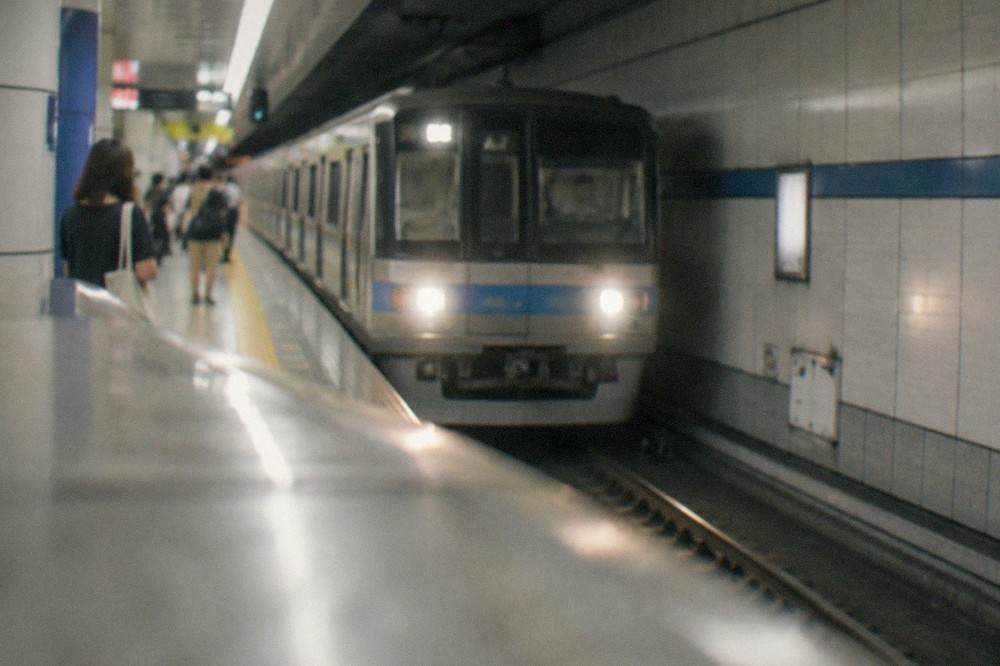
The subway from Fukuoka Airport to Hakata Station costs ¥260 one way, the official adult fare for the 3 to 7 km distance band. Take the Kuko Line from the airport station toward Meinohama or Kaizuka. There is no separate airport express surcharge. The airport is unusually close to the centre, so a dedicated airport rail link has never been needed.
Fukuoka Airport sits on the Kuko Line, the same subway line that serves Hakata and extends west toward Meinohama. The station is inside or directly beside the airport complex, so the journey begins without a separate shuttle fare. The ¥260 adult rate comes from the official Fukuoka City Subway fare table, which places the airport-to-Hakata leg in the 3 to 7 km band. A child pays ¥130.
What makes this transfer unusual is what is missing: no dedicated airport express surcharge, no separate airport line, and no JR station that forces a change of train. The Kuko Line is the airport line, and the airport and Hakata Station are close enough that one fare covers the trip. A first-time arrival can buy a ticket before heading down to the platform, and the main station is only a short ride into the central network.
Other guides repeat a specific journey time in minutes, but the official airport and subway pages do not publish one. What can be proven is the distance band and the fare, and those are enough to plan the transfer. You do not need a Japan Rail Pass or an airport express reservation for this route.
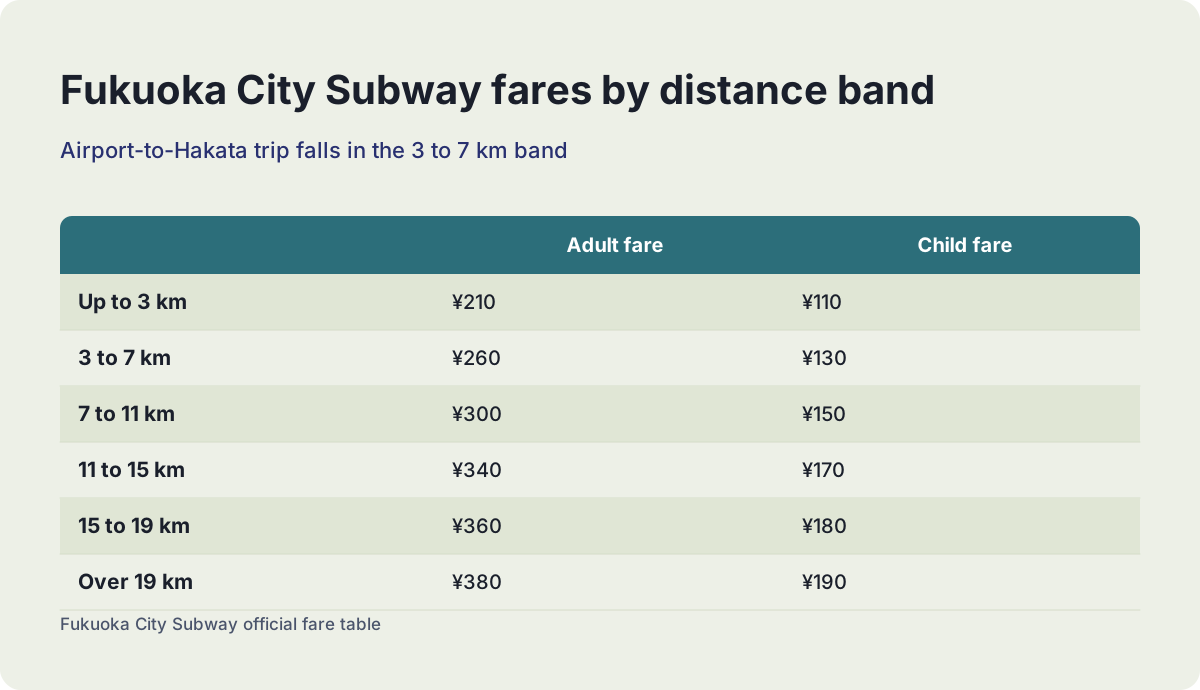
The full six-zone fare table is useful for understanding why the airport trip costs what it does. The airport station falls in the second row, so the ¥260 fare is fixed by distance, not by airport location.
| Distance band | Adult fare | Child fare |
|---|---|---|
| Up to 3 km | ¥210 | ¥110 |
| 3 to 7 km | ¥260 | ¥130 |
| 7 to 11 km | ¥300 | ¥150 |
| 11 to 15 km | ¥340 | ¥170 |
| 15 to 19 km | ¥360 | ¥180 |
| Over 19 km | ¥380 | ¥190 |
For more detail on the complete route into the city, the Fukuoka Airport To City guide covers the same transfer from the airport terminal perspective. If you want to learn the line names before you land, the Fukuoka City Subway guide explains all three lines.
What Is the Cheapest Way from Fukuoka Airport to Hakata Station?
The ¥260 Kuko Line subway trip is the cheapest verified transfer between Fukuoka Airport and Hakata Station. There is no free airport shuttle fare in this guide and no official taxi rate published in the sources used here. A Nishitetsu bus alternative exists, but its central flat fare has not been verified from an official operator page.
The airport station is on a normal city line, so the cost is a standard zone fare rather than a special airport fare. That keeps the transfer unusually inexpensive for a major Japanese airport. There is no airport-specific ticket machine charge, and children ride for ¥130. For a single arrival, the ¥260 fare is the number to budget.
This figure is the number the city's official fare table supports, not a negotiated or discounted fare. It is also the same one-way rate from the airport to Tenjin, because both Hakata and Tenjin sit in the same 3 to 7 km zone. For a visitor arriving with only a phone and a debit card, the decision is usually whether to buy a single ticket or a day pass, and the single ticket wins for a direct transfer.
The main choice after a flight is whether to use public transport or a private guide. The subway is cheap and direct once you understand the Kuko Line, but a private guide can meet you and handle the first hour of the city. Both options are discussed here without a booking platform name, and the guide options come from the live listing.
If you are deciding between the train and a guided arrival, the real trade-off is simplicity against orientation. A private local can meet you at the airport or the station, explain the transport as you go, and adapt the first hours to your arrival time.
Should You Buy a Transport Pass at Fukuoka Airport?
If you plan to ride the subway more than three times a day, the Fukuoka City Subway one-day pass at ¥640 can pay off, but the airport-to-Hakata trip alone costs only ¥260, so the pass is not worth it for a single transfer. Overseas visitors with a passport can buy the Fukuoka Tourist City Pass for ¥2,500 city-wide or ¥2,800 with Dazaifu.
Fukuoka Airport connects to several transit passes, but not all are sold from the same counter and at least one is restricted by passport. The Fukuoka Tourist City Pass covers unlimited subway and local bus travel for one day. The pass is only for short-stay overseas tourists, and a passport is checked at the counter. Many competing guides still quote the stale ¥820 or ¥1,340 prices; the current adult prices are ¥2,500 for the city version and ¥2,800 for the version that adds Dazaifu.
The subway's own one-day pass is easier to justify for a day of sightseeing. The official one-day pass page lists the adult price as ¥640 and the child or disability rate as ¥320. It is valid from first train to last train on the day of purchase and covers all three subway lines. For a single airport-to-Hakata transfer, however, it costs more than double the one-way fare.
This is how the two pass options compare for a same-day arrival.
| Pass | Adult price | Child price | Main inclusion |
|---|---|---|---|
| Subway one-day pass | ¥640 | ¥320 | All three subway lines for one calendar day |
| Fukuoka Tourist City Pass | ¥2,500 | ¥1,250 | Subway, buses, trains and some ferries in the city |
| Fukuoka Tourist City Pass plus Dazaifu | ¥2,800 | ¥1,400 | City coverage plus Nishitetsu travel to Dazaifu |
One detail many visitors miss is the passport requirement on the Tourist City Pass. It is not a pass for residents or long-stay arrivals; the counter staff will ask to see a short-stay entry stamp. The digital app version is only available to visitors from South Korea, Taiwan and Thailand, which leaves most international travellers with the paper version. The subway's own ¥640 day pass, by contrast, has no passport check and works for anyone.
Even with a pass, some arriving travellers prefer a guided orientation over reading signs after a flight. The customisable private tour below can start near your hotel or the station, which removes the first transfer entirely.
How Do You Get from Fukuoka Airport to Your Hotel or a Specific Ward?
The airport-to-Hakata subway fare of ¥260 reaches the city's main station, but hotels and apartments spread across Hakata, Tenjin, Nakasu and other wards. For any address, take the Kuko Line to the closest central station and transfer to the appropriate line or walk. Private arrivals can meet you directly and remove the transfer.
Fukuoka's central wards are compact and often cross one another on foot. Hakata Station is the main rail hub, while Tenjin is the shopping and dining core. Nakasu sits between them along the Naka River. A hotel in Hakata puts you next to the station, while a hotel in the Hakata Station area can be reached without a second train. There is no separate Hakata-to-Fukuoka transfer because they are the same city.
Tenjin is the retail and dining heart of the city, and Nakasu is the riverside entertainment district with many of the city's food stalls. A hotel in either spot means staying on the Kuko Line past Hakata and walking from the nearest central exit. If you are staying in a quieter residential ward, the subway or a short taxi ride from the station finishes the journey.
After a long flight, the easiest arrival is often a private guide who knows the ward layout and can meet you at the airport or your accommodation. A customisable private tour can be built around your landing time and your hotel address, so the first hour becomes orientation rather than station navigation.
If you are staying outside the core, the private tour below can still be arranged to meet you at a central point. It covers the same ground as a taxi would, with the added benefit of a local guide.
Is the Subway the Best Option for Families and Groups Arriving at Fukuoka Airport?
For families, the ¥260 adult fare and ¥130 child fare make the subway the cheapest verified arrival choice, and children ride the full-day subway pass for ¥320. A group of three or more may still find a private guide or a door-to-door transfer more comfortable after a long flight. The trade-off is cost against convenience.
Families travelling with small children benefit from the straightforward zone fare, because there is no airport surcharge and no need to reserve seats. The child prices are consistently half the adult rate across every distance band, from ¥110 up to ¥190. The child one-day pass costs ¥320, which becomes relevant if the same family uses the subway for several trips after checking in.
Larger groups and travellers with heavy luggage often prefer a private arrival, because the subway ride, while cheap, still requires moving bags through gates and along platform corridors. A private transfer can meet at the terminal and drive directly to a hotel, while a customisable guide can combine the arrival with a first look at the city. Which option fits depends entirely on how many people are splitting the cost and how much luggage each person carries.
What Are the Fukuoka Airport Terminal and Arrival Facilities?
Fukuoka Airport has separate domestic and international terminals, with a free inter-terminal shuttle bus running between them. Currency exchange, luggage storage, SIM and eSIM counters, and food stalls serve both sides, though individual hours vary by tenant. There is no single year-round terminal closing time published in this guide.
The airport's two terminal zones are connected by a free shuttle bus, which removes any confusion for passengers arriving at one terminal and departing from the other. The airport's own access page states the inter-terminal shuttle takes 10 minutes. Within each terminal, the usual arrival services exist, but the operators keep their own hours and no single schedule applies to every counter.
Pay close attention to terminal names before travelling, especially when a domestic connection follows an international arrival. The shuttle ride adds time, and the two terminals are not linked by a simple pedestrian walkway that would make the transfer instant.
For luggage, the busiest solution is to leave bags at a station or commercial storage point in the city. The Fukuoka luggage storage guide lists the practical options for bags of different sizes, including whether overnight storage is available.
Arrival facilities are not the strongest reason to linger at the airport. The city is close enough that most travellers are better off moving to Hakata or Tenjin for food and rest.
Where Can You Go from Fukuoka Airport After Landing?
Fukuoka Airport is the gateway to northern Kyushu, with direct routes to Hakata Station, Tenjin, and onward rail and bus terminals. From Hakata Station you can reach Dazaifu, Beppu, Yufuin, Kitakyushu and Nagasaki by prefectural rail lines, but the first leg from the airport to Hakata is always the same ¥260 subway ride.
Once you reach Hakata Station, the airport's role in your journey ends and the wider Kyushu network begins. The Hakata Station guide maps the exits and connecting lines. For same-day trips, Beppu day trip planning starts from the station, not from the airport.
For a longer Kyushu itinerary that still starts with this arrival, the Fukuoka trip cost guide and the budget guide both assume the same ¥260 airport-to-Hakata fare as the base cost. It is the reliable number to build a daily transport budget around.
The Kuko Line is not the only subway route through the city, but it is the one that matters for airport arrivals. The table below shows all three Fukuoka City Subway lines from the official pass page.
| Subway line | Route | Airport relevance |
|---|---|---|
| Kuko Line | Meinohama to Fukuoka Airport | Serves the airport, Hakata Station and central Tenjin |
| Hakozaki Line | Nakasu-Kawabata to Kaizuka | Transfers at Nakasu-Kawabata for Hakozaki Ward |
| Nanakuma Line | Hashimoto to Hakata | Connects the western suburbs to Hakata Station |
If you want a driver to handle the journey from the terminal to a specific hotel or onward destination, a private arrival transfer is the alternative to the public network. Before committing, compare it with the ¥260 subway fare and the walking distance at your destination.
What Should You Know About Fukuoka Airport for a Short Layover or Rainy Day?
Fukuoka Airport's position near the city makes a short layover practical, but the city's rainy season and typhoon months can affect plans. The Kuko Line links the airport to covered shopping and indoor attractions in Hakata and Tenjin, so a rainy arrival still has dry options. There is no airport-specific layover facility schedule verified in this guide.
A rainy landing does not strand you in the terminal. The subway moves you quickly to the covered arcades and underground malls of Tenjin and Hakata. The Fukuoka rainy day itinerary strings together indoor stops that work from the airport side of the city. July through October is the rough typhoon window, while tsuyu usually sits in June; rain can change what feels practical, but the airport transfer itself runs underground and is not affected by weather.
A short layover is best spent in Hakata or Tenjin rather than at the airport. The airport's closeness to the centre means you can use the Kuko Line to reach lunch, a shrine or a shopping street and still return with time to clear security. The Getting Around Fukuoka guide covers the transfer logic for tight schedules.

If a layover turns into a few free hours and you want a local walk rather than a map, a short private walking tour can fit around your arrival window.
The arrival options settle into a clear pattern: the ¥260 subway covers the basics, the passes cover heavy sightseeing days, and private guides cover the first-hour orientation. The second set of picks below rounds up the same three-way choice for a fuller Fukuoka arrival.
Common Questions About Fukuoka Airport Transfer and Access
How Do You Get From Fukuoka Airport To Hakata By Subway, And What Does It Cost?
Take the Kuko Line from Fukuoka Airport toward Meinohama or Kaizuka. The adult fare to Hakata Station is ¥260, the official 3 to 7 km band rate. A child pays ¥130. The official pages do not publish a journey time in minutes.
Is there a JR Fukuoka Station?
No. The main station is Hakata Station, which is in Hakata Ward, part of Fukuoka City. Fukuoka and Hakata are the same city, not two separate places.
Are Fukuoka and Hakata different destinations?
No. Hakata is a ward and the name of the main station. Fukuoka is the city. A trip from the airport to Hakata is not a trip to another city.
Do I need a Japan Rail Pass for the airport transfer?
No. The airport-to-Hakata leg uses the Fukuoka City Subway, not JR. The ¥260 fare is a subway fare, and a rail pass is not relevant for this short ride.
Where do I buy the Fukuoka Tourist City Pass?
The pass is sold at the airport, the Nishitetsu Tenjin Expressway Bus Terminal, Hakata Bus Terminal and the subway customer centres. A passport is checked for short-stay overseas tourists.
How close is Fukuoka Airport to the city centre?
The airport is unusually close to central Fukuoka. Official pages confirm the ¥260 fare and the location, but not a minute figure, so this guide does not repeat the unstated time.