How to Plan a Fukuoka Trip
Fukuoka rewards a plan built around one compact city centre, a handful of day trips into Kyushu, and honest arithmetic about how much each day actually costs. Here is how to size the trip, sequence it and book the parts worth booking.
Short answer
Two days cover Hakata, Tenjin, Ohori Park and a yatai evening; three days add Dazaifu; four to five let you reach Takachiho, Yufuin or Itoshima. The subway costs ¥210 to ¥380 a ride, a one-day pass is ¥640, and the Tourist City Pass is ¥2,500 with a passport check. Most first visits land best at four days.
Fukuoka is Japan's fifth-largest urban economy squeezed into a walkable core, and that geography is what makes planning it unusual. Hakata Station, Tenjin, Nakasu and the castle ruins sit within a few kilometres of each other, the airport sits closer to the centre than almost any other major city's, and the rest of northern Kyushu hangs off a single rail hub. Get the day count right and everything else, from transit passes to hotel location, falls into place. This page walks through the whole sequence: how long to stay, what each day should hold, where to sleep, what it costs, and which parts are worth booking ahead.
One framing note before the arithmetic, because it changes how you read every other Fukuoka page. Hakata and Fukuoka are the same city. Hakata is the ward and the station name; Fukuoka is the city. There is no JR Fukuoka Station, the rail hub is Hakata Station, and no local would ever describe travelling "from Hakata to Fukuoka." Competing guides get this wrong constantly, and it matters here because your hotel "in Hakata" and your sightseeing "in Fukuoka" are the same short subway hop.
How Many Days Do You Need in Fukuoka?
Two days is the honest minimum and covers the city itself: Hakata's temples, Kushida Shrine, Ohori Park, Tenjin, an evening at the yatai stalls and a canal-side wander. Three days adds Dazaifu as a half-day excursion. Four to five days is the sweet spot for most first-timers, because it buys one or two full-day trips into Kyushu, which is where Fukuoka's location really pays off.
The decision is really about how much of Kyushu you want. Fukuoka city is unusually compact for its size, and a disciplined traveller can see the core sights in two full days without rushing. But Fukuoka's biggest advantage is that it is the transport gateway to the whole island: Takachiho Gorge, Yufuin, Beppu, Mount Aso, Yanagawa, Itoshima and Karatsu all sit within day-trip range of Hakata Station. If you leave after two days, you see a pleasant mid-sized city and miss the reason it is worth flying into in the first place.
A useful way to think about the split:
| Trip length | What it realistically holds | Who it suits |
|---|---|---|
| 1 day | Hakata old town, Kushida Shrine, Ohori Park, one yatai evening | Layovers, cruise stops |
| 2 days | Full city core plus Tenjin, Canal City, a museum or the tower | City-break travellers |
| 3 days | Two city days plus Dazaifu and a leisurely third afternoon | First-time visitors, short on time |
| 4 days | City core plus one full-day Kyushu trip, usually Takachiho or Yufuin | The sweet spot for most trips |
| 5 days | City core plus two or three day trips, or an overnight in Yufuin | Travellers making Fukuoka a base |
| 6 to 7 days | All of the above plus Itoshima, Karatsu or a Nagasaki full day | Kyushu-focused itineraries |
For a deeper look at the same question from the reader's side, our answer page on Fukuoka Japan Travel Guide companion piece how many days in Fukuoka is enough works through the trade-offs in more detail, and the ready-made Fukuoka 3 day itinerary is a good template if you would rather adapt than build from scratch.
What Should Your First Two Days Cover?
Day one belongs to Hakata: Tochoji's Great Buddha, Shofukuji, Kushida Shrine, the Kawabata arcade and a yatai dinner in Nakasu or Nagahama. Day two belongs to the west: Ohori Park and the Japanese garden, Fukuoka Castle ruins, a museum, then Tenjin's shopping and an evening back through Nakasu. Both days run entirely on the subway, at ¥210 to ¥380 per ride.
The logic is geographic. Hakata's sights cluster around the station and the Naka River, and everything on day one is within a 20-minute walk of Hakata Station. The west-side cluster, Ohori Park, Maizuru Park and the Fukuoka Art Museum, sits two subway stops away at Ohori Koen or a short ride to Akasaka. Doing one side per day means you never backtrack across the city at rush hour, and the subway's three lines make the connections trivial.
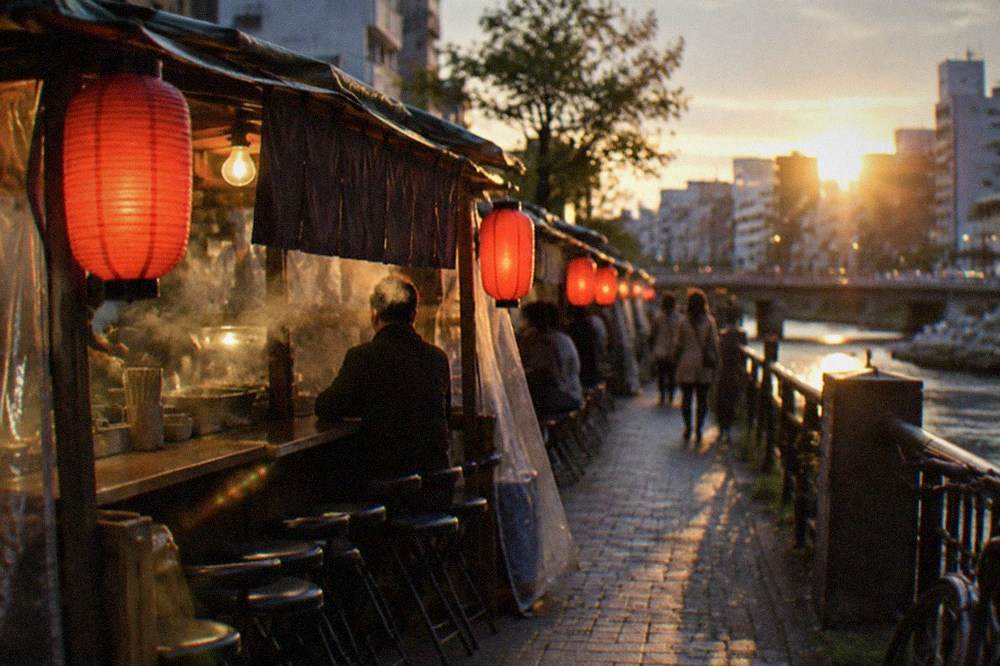
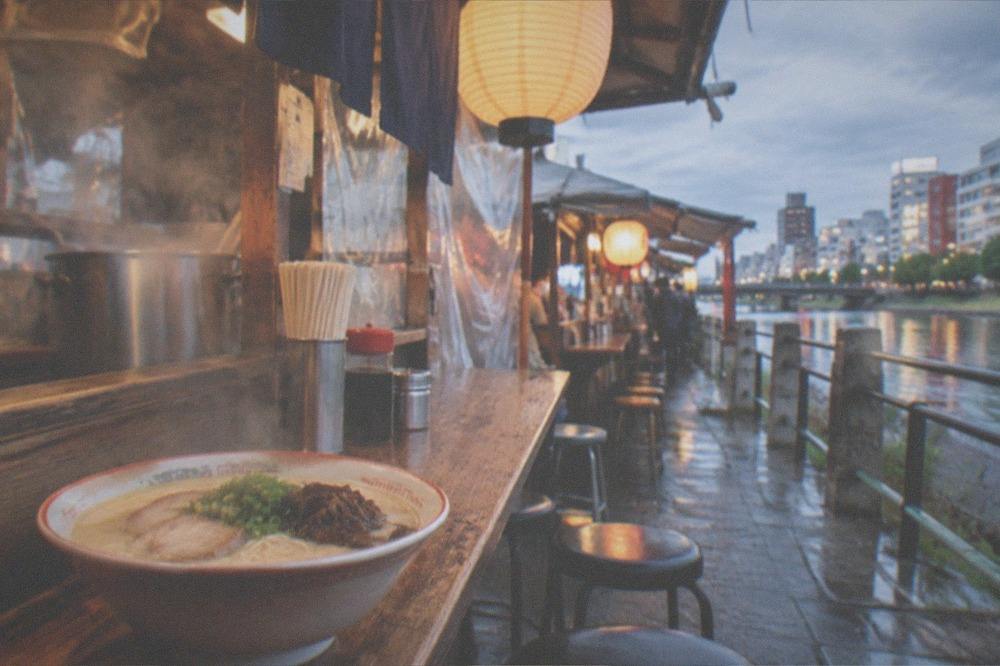
The yatai evening deserves its own planning note. Fukuoka has about 100 licensed yatai, more than any other Japanese city, and the city's own ordinance requires every stall to post its prices where customers can easily see them, with no vague "market price" items. That transparency is the honest answer to the worry most first-timers have. Stalls set up from 17:00 and most open around 18:00 to 18:30; rain and strong wind close many of them, so treat a yatai night as weather-dependent rather than guaranteed. Our Fukuoka yatai guide covers the three main areas, and the wider Fukuoka food guide handles everything else you will eat.
If you would rather have the evening organized for you, a guided crawl solves the language and queueing problem in one move.
For the arrival itself, the private transfer below is the one part of day one genuinely worth booking before you land, especially on a late flight with luggage in tow.
When Should You Add Day Trips, and Which Ones?
Add day trips from day three onward, one per day, and choose by direction: Dazaifu and Yanagawa to the south for a half or full day, Takachiho Gorge and Mount Aso to the southeast for a long full day, Yufuin and Beppu to the east, and Itoshima or Karatsu to the west for coast. Each is reachable from Hakata Station or the Nishitetsu network without an overnight.
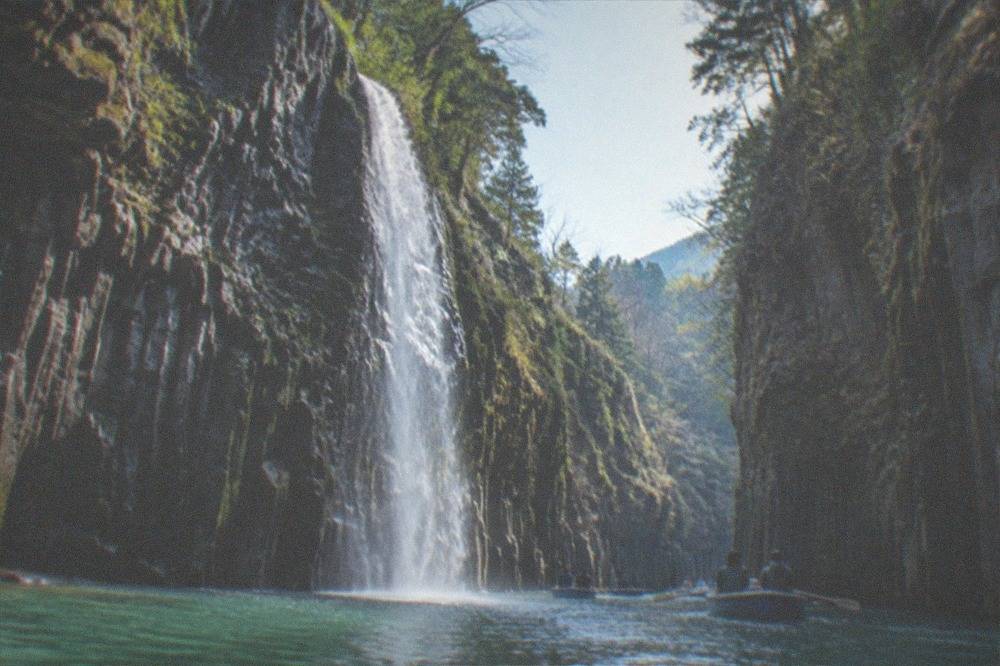
The single most common planning mistake is treating these as interchangeable. They are not, and the distances differ enormously. Dazaifu is roughly half an hour from Tenjin on the Nishitetsu line, which makes it the only one that fits comfortably into a partial day. Takachiho Gorge sits in Miyazaki Prefecture and is a 9 to 11 hour round-trip operation, which is why the tours that run it leave early and return late. Yufuin and Beppu are a full day by train or tour bus. Itoshima's coast is a relaxed full day by car or guided minibus.
| Day trip | Direction | Realistic time | How to reach it |
|---|---|---|---|
| Dazaifu Tenmangu | South | Half day | Nishitetsu train from Tenjin, one transfer at Futsukaichi |
| Yanagawa canal boats | South | Half to full day | Nishitetsu line, often paired with Dazaifu |
| Takachiho Gorge | Southeast | Full day, 9 to 11 hours | Guided tour or limited rail-plus-bus chains |
| Mount Aso | Southeast | Full day, about 10 hours | Guided tour or JR to Aso |
| Yufuin and Beppu | East | Full day | JR express or guided tour |
| Itoshima coast | West | Full day | Car, or a guided coastal tour |
| Karatsu and Mojiko | Northwest | Full day | JR Chikuhi line and onward connections |
For trips that stay inside Kyushu across several days, the JR Kyushu rail pass guide covers whether a pass beats point-to-point tickets for your route, and the Kyushu overview page helps you choose which corners of the island are worth your days.
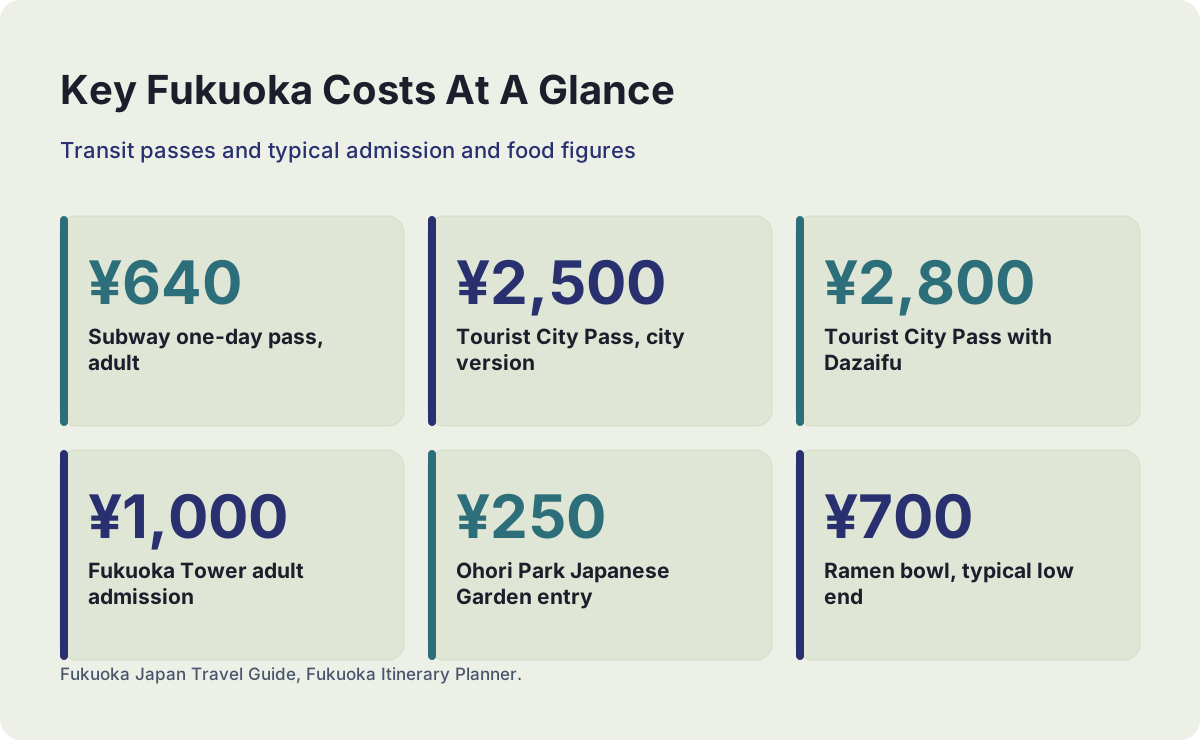
The Takachiho route is the most popular full-day trip out of Fukuoka, and for good reason: the gorge, the shrines and the optional boat ride compress several of Kyushu's signature landscapes into one long day. The tour below is the well-reviewed version of that route.
Where Should You Stay While You Plan?
Hakata Station is the best base for a trip built around day trips, because every JR and Nishitetsu service starts there. Tenjin suits a shopping-and-dining-first trip. Nakasu is the pick for nightlife and the yatai. Ohori and Momochi are quieter, better for longer stays and families, but add transit time to everything.
The choice is genuinely a trade-off, not a ranking. A traveller doing three day trips in five days should be near Hakata Station without hesitation: a 7 a.m. departure is a very different experience when the platform is downstairs versus two subway hops away. A couple on a two-night city break who care about restaurants and boutiques will be happier in Tenjin or Daimyo, even though it means a short ride to catch the trains. The full breakdown, including the Hakata-versus-Tenjin comparison, is in our where to stay in Fukuoka guide, and the Fukuoka 4 day itinerary assumes a Hakata base for exactly the day-trip reason above.
| Neighbourhood | Best for | Trade-off |
|---|---|---|
| Hakata Station area | Day trips, early departures, airport access | Business-district feel at night |
| Tenjin | Shopping, cafes, restaurants | A short ride to the rail hub |
| Nakasu | Nightlife, yatai, riverside atmosphere | Loudest of the four |
| Ohori and Akasaka | Parks, museums, a calmer pace | Fewest late-night dining options |
Whichever base you choose, the first hour of the trip is the part most worth smoothing out. A late international arrival, a tired family or a first visit with luggage in tow is exactly the situation where working out a subway transfer in an unfamiliar station is the last thing anyone wants, and it is the one moment of a Fukuoka trip where paying for a door-to-door ride genuinely earns its keep.
How Much Does a Fukuoka Trip Cost to Run?
Transit is cheap: subway rides run ¥210 to ¥380, the one-day subway pass is ¥640, and the Fukuoka Tourist City Pass is ¥2,500 for the city version or ¥2,800 with Dazaifu, passport required. Sightseeing is mostly free grounds with a few ¥200 to ¥1,000 admissions. Food is where budgets swing, from a ¥700 ramen bowl to a full yatai or izakaya evening.
The headline attractions barely dent a budget. Dazaifu Tenmangu has no entrance fee, Kushida Shrine, Tochoji and Shofukuji are free, Ohori Park is free, and both city art museums charge ¥200 for adults with under-15s free. The Ohori Park Japanese Garden is ¥250. Fukuoka Tower is ¥1,000 for adults, ¥500 for elementary and junior high students, and ¥200 for ages four and over.
The Tourist City Pass is the one figure most competing guides still get wrong, so it is worth stating precisely. The pass costs ¥2,500 for adults for the city version and ¥2,800 for the version that extends to Dazaifu, with children at half price, and it is restricted to overseas tourists on a short-stay visa, with a passport checked at the counter. It covers subway, Nishitetsu trains and buses in the designated areas, some JR lines and ferries, plus attraction discounts, and it excludes the Dazaifu Tabito liner bus. The official pass page lists the current terms: Fukuoka Tourist City Pass details.
| Cost item | Typical figure | Notes |
|---|---|---|
| Subway single ride | ¥210 to ¥380 | Distance-based, six fare zones |
| Subway one-day pass | ¥640 adult | All three lines, valid on day of first use |
| Tourist City Pass | ¥2,500 / ¥2,800 adult | Passport check, short-stay visa only |
| City art museums | ¥200 adult | Under-15s free, 65+ residents free with ID |
| Fukuoka Tower | ¥1,000 / ¥500 / ¥200 | Closed 28 to 29 June 2027 |
| Ohori Park Japanese Garden | ¥250 adult | Closed Mondays |
| Yatai dinner | Varies by stall | Prices must be posted by ordinance |
The official subway fare table, if you want to check a specific journey, is published by the city: Fukuoka City Subway fares. For a longer budget breakdown including accommodation, the seasonal planning pages that branch off the main site are the place to look, and the budget itinerary covers the low-cost end of the same arithmetic.
What About Weather and Timing?
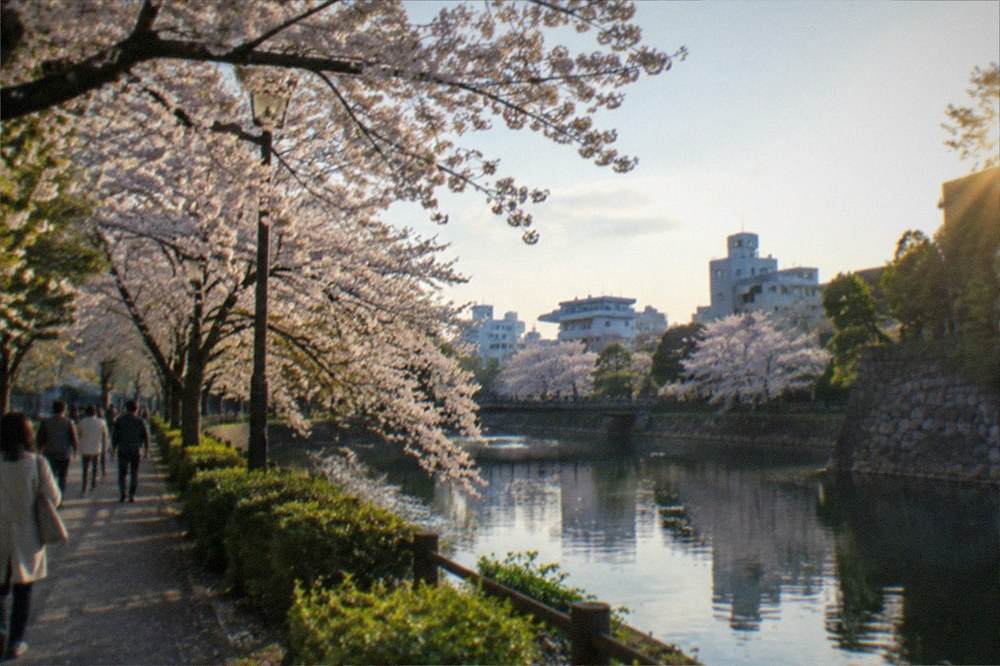
Spring and autumn are the best windows: cherry blossoms typically peak in late March to early April, and autumn colour lands mid to late November. July is the wettest month at 299.1 mm, wetter than June's 249.6 mm despite June being the rainy season, and typhoons run roughly July through October. Neither makes the city unvisitable, but pack and plan around both.
That July figure surprises people, and it is the single most useful climate fact for this city. The Japan Meteorological Agency's 1991 to 2020 normals for Fukuoka show July at 299.1 mm of rain against June's 249.6 mm, even though June carries the tsuyu rainy-season reputation. August is hotter and drier, averaging 28.4°C with 210.0 mm of rain and 200.9 sunshine hours, the second sunniest month after May. July is also Yamakasa month: the Hakata Gion Yamakasa festival runs July 1 to 15 annually, with the Oiyama race on July 15 starting before dawn, so a July visit trades rain risk for the city's biggest spectacle.
| Month | Mean temp | Rain | Planning note |
|---|---|---|---|
| March | 10.8°C | 103.7 mm | Blossoms typically open late March |
| April | 15.4°C | 118.2 mm | Peak sakura window, Maizuru Park |
| July | 27.4°C | 299.1 mm | Wettest month, Yamakasa festival |
| August | 28.4°C | 210.0 mm | Hottest, drier, second sunniest |
| November | 14.2°C | 91.4 mm | Autumn colour mid to late month |
| December | 9.1°C | 67.5 mm | Illuminations, quiet sightseeing |
The full month-by-month picture, including the typhoon-season reality check, is in our Fukuoka weather guide and the seasonal pages that branch off it. If your dates are already fixed by school holidays or work, the family and rainy-day itineraries both assume the weather will not cooperate every day, because in this city it will not.
How Do You Get Into the City from the Airport?
Fukuoka Airport is unusually close to the city centre, and the Kuko subway line connects it to Hakata Station for a verified ¥260 adult fare, with Tenjin in the same fare band. There is no JR Fukuoka Station; the rail hub is Hakata. A free inter-terminal shuttle bus runs between the international and domestic terminals.
One caution belongs here because every guide on the internet prints it: the claim that the airport-to-Hakata ride takes "five minutes" appears everywhere and no official page verifies a journey time. What is verified is the ¥260 fare, derivable from the subway's official 3 to 7 km fare band, and the plain fact that the airport sits closer to the centre of the city than almost any comparable airport in Japan. Plan on the subway being quick and cheap, and let the timetable tell you the minutes on the day. The full arrival walkthrough, including IC cards and ticket machines, is our Fukuoka airport guide.
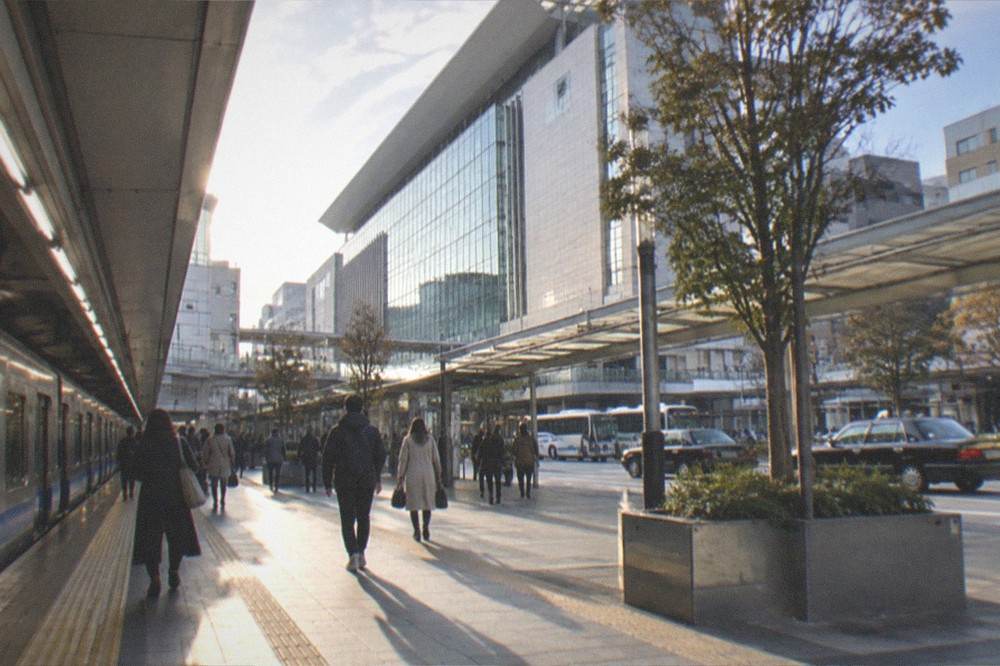
For travellers landing late, moving with children, or simply wanting the first hour of the trip to involve zero navigation, the private arrival transfer below is the roster's answer: a driver meets you at the airport and takes you directly to your accommodation.
Which Parts of the Trip Should You Book Ahead?
Book only what is genuinely scarce: day-trip tours with small vehicles, the November sumo tournament if your dates overlap it, and an arrival transfer if you land late. The city's own sights, the yatai and almost every restaurant take walk-ins, and the subway, buses and Nishitetsu trains are pay-as-you-go. Over-booking a Fukuoka trip is a real failure mode.
The scarcity logic is simple. A seat on a minibus to Takachiho is finite and the good departures fill first, so that is worth locking in. Fukuoka Tower, the museums, the parks and the shrines never sell out, and a tower ticket bought on the day costs the same as one bought ahead, so the ticket below is a convenience rather than a necessity. The November Kyushu Grand Sumo tournament is the one event with a real supply problem, since it is the only time of year sumo is competitively staged in the city; morning practice visits run at other times and are easier to get.
For evenings, the guided yatai and izakaya walks are worth booking for the first night especially, when you do not yet know which stall is which and the language barrier is at its steepest. After one guided night, most travellers are comfortable going solo for the rest of the trip, which is exactly the right pattern: buy help once, then reuse the knowledge.
If you are extending beyond Fukuoka, the Tokyo to Fukuoka page covers the long-haul leg from the capital, and staying connected on the move is covered in our Fukuoka eSIM and WiFi guide.
Common Questions About Planning a Fukuoka Trip
How Many Days Do You Need In Fukuoka?
Two days for the city core, three if you want Dazaifu, and four to five to add Kyushu day trips. Most first-time visitors are best served by four days: two in the city, one for Dazaifu or Yanagawa, and one long day trip such as Takachiho or Yufuin.
Is 3 days enough for Fukuoka?
Yes. Three days covers the full city core plus Dazaifu comfortably, and the 3 day itinerary is built on exactly that assumption. What three days does not give you is a long day trip like Takachiho, which needs a fourth day unless you sacrifice city time.
Is 2 days enough in Fukuoka?
For the city itself, yes: the 2 day itinerary fits Hakata, Ohori Park, Tenjin and a yatai evening. You will leave Kyushu's day trips untouched, which is the main thing a short stay costs you.
Is 4 days in Fukuoka too much?
No. Four days is arguably the ideal length, adding one full-day trip to the two-day city core. It is only too much if you have no interest in leaving the city, in which case a third day starts to feel padded.
What is the cheapest way to get around Fukuoka?
Single subway rides at ¥210 to ¥380 for most journeys, or the ¥640 one-day pass if you will ride three or more times. Overseas tourists on a short-stay visa can buy the ¥2,500 Tourist City Pass, which also covers Nishitetsu trains and buses, with a passport check at purchase.
Do I need to book Fukuoka restaurants and attractions in advance?
Mostly no. The shrines, temples, parks and museums take walk-ins, and the yatai stalls cannot be booked at all, though guided yatai crawls can. Book ahead for small-vehicle day tours, the November sumo tournament and, if you want it, an airport transfer.