Fukuoka in Four Days
Four days is the sweet spot for Fukuoka: two days inside the city, one for Dazaifu and the surrounding towns, and one full day deeper into Kyushu.
Short answer
Four days lets you see Hakata, Tenjin and Ohori Park properly, add Dazaifu and Yanagawa, and still take one full-day trip into Kyushu, most often Takachiho Gorge or Yufuin. The subway day pass is ¥640, the Tourist City Pass is ¥2,500 with a passport check, and most shrines, temples and castle grounds cost nothing to enter.
Fukuoka rewards travellers who slow down. The city's headline sights, Kushida Shrine, Ohori Park, the Hakata food stalls, sit within a compact centre that the subway crosses in minutes, and the real prize of a longer stay is what opens up beyond it: Dazaifu's shrine town an easy train ride away, and the gorges, volcanoes and onsen towns of Kyushu within a day's reach. This itinerary spreads four days across the city, one shrine town, and one full-day excursion, with the transport and cost details worked out in the tables below. If you are working with less time, the compact three day Fukuoka itinerary covers the city essentials, and this page adds the fourth day that makes the difference.
Why Add a Fourth Day to a Fukuoka Trip?
The fourth day buys you Kyushu. Fukuoka's city core is genuinely a two-day proposition, and day three absorbs Dazaifu and its neighbours, which leaves a fourth day free for the scenery people actually cross the island for: Takachiho Gorge, the Aso grasslands, the onsen towns of Yufuin and Kurokawa, or the Beppu hells. None of those work as half-day add-ons, so a three-day visitor misses them entirely, and a fourth day is the cheapest possible way to see the real island.
The geography explains the pattern. Fukuoka sits on Hakata Bay on the Genkai Sea side of northern Kyushu, and the limited-express and tour-bus network that radiates from Hakata Station reaches most of the island's marquee scenery inside about three hours. That is unusual for Japan. A comparable base in Honshu would put gorges and volcanoes a full day's travel away rather than a morning's. The practical consequence is that a four-day Fukuoka trip can include a genuinely rural or dramatic landscape day without ever changing hotels, which is why the full Kyushu itinerary from Fukuoka is the natural next trip rather than a competing one.
There is a budget argument too. The fixed costs of a Fukuoka trip, the flight, the first night, the jet-lag day, are spent by day one regardless. A fourth day adds accommodation and food but almost no new overhead, and the day trips that fill it are inexpensive. Several of the small-group excursions in the roster start from under $50 per person, and the ones that include the long drives to Takachiho or Aso cost less than a single night in a Tokyo hotel would. Travellers asking whether four days is too much will find the honest answer, and the arithmetic, at is four days in Fukuoka too much.
How Should You Shape Four Days in Fukuoka?
Split the trip as two city days, one shrine-town day, and one Kyushu day. Days one and two stay inside Hakata, Tenjin, Nakasu and the Ohori Park district; day three goes to Dazaifu, optionally adding Yanagawa; day four is the long excursion, with Takachiho Gorge the strongest single choice. Front-load nothing: the city days need no bookings, the Dazaifu day needs only a train ticket, and only day four genuinely benefits from being reserved ahead.
The shape matters more than the specific sights. Fukuoka's centre is small enough that its districts can be shuffled freely, but the day trips have fixed rhythms: Dazaifu works best in the morning before the approach road fills, and the full-day Kyushu tours leave early and return after dark. Reserving day four before you fly is the one piece of planning that pays, because the popular small-group excursions, particularly the gorge and railway trips, sell out on peak-season dates.
This trio of tours shows the range of what a fourth day can be: the gorge and railway run to Takachiho, the licensed-guide private day keeps the itinerary entirely yours, and the Yufuin no Mori option pairs a famous sightseeing train with Dazaifu. The Takachiho Gorge and Amaterasu Railway tour is the one this itinerary leans on for day four; the other two are the same-family alternatives if you would rather stay flexible or move the shrine town to a guided day.
| Day | Base | Theme | Headline stops |
|---|---|---|---|
| 1 | Hakata | Old town, shrine, riverside food | Kushida Shrine, Hakata Old Town, Nakasu yatai |
| 2 | Tenjin and Ohori | Parks, museums, shopping | Ohori Park, Fukuoka Art Museum, Tenjin |
| 3 | Dazaifu | Shrine town and canal city | Dazaifu Tenmangu, Yanagawa boat option |
| 4 | Kyushu | Gorge, railway, or onsen | Takachiho Gorge, Amaterasu Railway |
A note on names that trips up first-time visitors: Hakata and Fukuoka are the same city. Hakata is the ward and the station name, Fukuoka is the city, and there is no JR Fukuoka Station anywhere in Japan. The station you arrive at is Hakata, and every itinerary in this guide starts from it.
What Should Day 1 Cover in Hakata?
Day 1 stays inside Hakata ward and costs almost nothing. Kushida Shrine's grounds are free, Tochoji and Shofukuji are free, the Hakata Old Town lanes connect them on foot, and the evening belongs to the Nakasu or Nagahama yatai rows, where the city's roughly 100 licensed stalls serve tonkotsu ramen and yakitori at counters seating a handful of people at a time. Budget for food only; the day's entry fees total zero.
Start at Kushida Shrine, Hakata's principal shrine and the spiritual home of the Yamakasa festival, whose racing floats are displayed on the grounds year-round. From there the Hakata Old Town district unfolds in a walkable grid: Tochoji with its Great Buddha hall, Shofukuji, the first Zen temple founded in Japan, and the machiya-lined lanes of the quarter around it. None of these charges admission, and the district rewards wandering more than any ticketed attraction in the city.
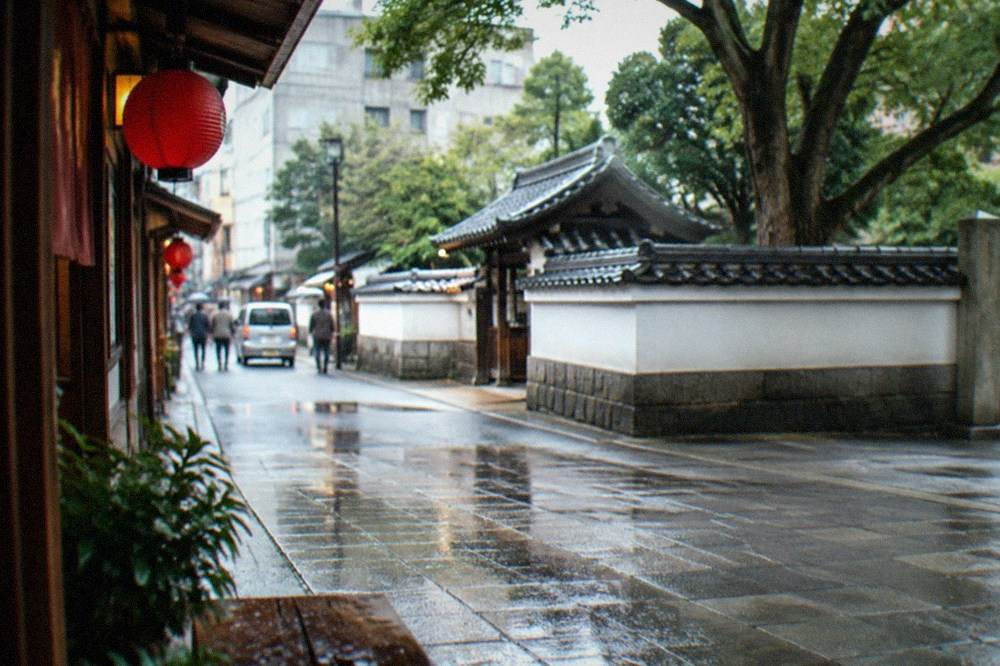
The evening is the day's real event. Fukuoka has more yatai, the licensed street-food stalls, than any other Japanese city, about 100 of them under the city's own count, concentrated in Nakasu along the Naka River, in Tenjin, and in Nagahama near the old fish market. The city's yatai ordinance requires every stall to display its prices where customers can see them, and bans "market price" pricing outright, so the menu on the stall is the price you pay. Stalls open from around 18:00 and are weather-dependent, rain closes many of them, and no city rule forces any stall to open on a given night. Seating is a handful of counter seats, so arriving before 20:00 or being willing to queue matters. The etiquette, including the unspoken rules about counter space, is covered in the yatai etiquette guide on this site.
| Stop | Area | Entry cost | Note |
|---|---|---|---|
| Kushida Shrine | Hakata | Free | Yamakasa float displayed on grounds |
| Tochoji | Hakata | Free | One of Japan's largest seated Buddhas |
| Shofukuji | Hakata | Free | First Zen temple in Japan, quiet grounds |
| Hakata Old Town lanes | Hakata | Free | Machiya architecture, craft shops |
| Nakasu yatai row | Nakasu | Food only | Prices must be posted by ordinance |
If you would rather have a guide structure the first evening, the private Nakasu stall tours in the roster handle the queueing, the language and the ordering, and the city's food-crawl version of this itinerary is the Fukuoka food crawl itinerary. The stalls themselves take walk-ins; nobody needs a booking to eat at one.
How Do You Spend Day 2 Around Ohori Park and Tenjin?
Day 2 moves west into the city's park and museum district. Ohori Park's lakeside loop is free, the Japanese Garden inside it costs ¥250, the Fukuoka Art Museum's collection exhibition is ¥200 with under-15s free, and the afternoon belongs to Tenjin's shopping core, including the underground mall. The whole day runs on a ¥640 subway day pass if you ride more than twice.
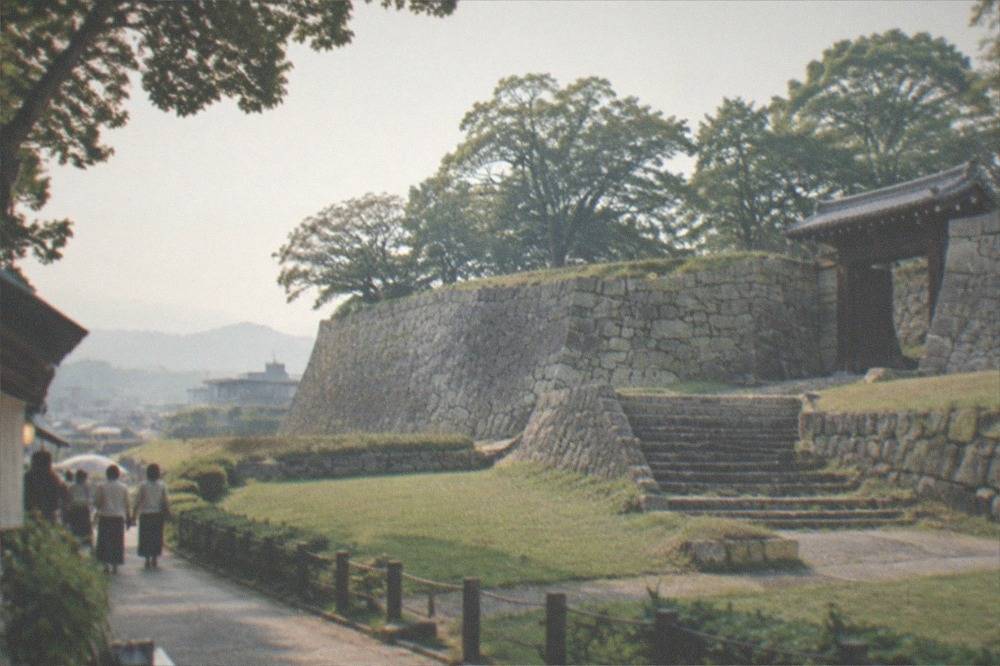
Ohori Park is the city's most-loved green space, a large pond ringed by a two-kilometre walking path with the castle ruins of Maizuru Park adjoining it. The Japanese Garden on the pond's edge is the one paid stop, ¥250 for adults and ¥120 for children, with visitors 65 and over admitted free. The adjoining castle grounds are free too, though one part is not: the Tenshudai, the main keep base, is closed to entry from 26 May until the end of December 2026 for an archaeological excavation prompted by a document found in December 2024 that describes a keep historians are no longer sure ever existed. The excavation, which the city tripled in size in 2026, is a genuine live dig in a public park, and the rest of the grounds stay open around it.
The Fukuoka Art Museum sits on the park's western edge, ¥200 for the collection exhibition, free for junior high school age and under, and closed Mondays. Its sister museum, the Fukuoka Asian Art Museum in Hakata Riverain, charges nothing to enter the building; only the Asia Gallery's ¥200 applies. Between them they cover a wider range than most regional cities can offer, and both sit within a few subway stops of Tenjin.
Afternoon in Tenjin is shopping and café time, and the underground mall is the weatherproof version of it. The district also holds the city's best concentration of coffee shops and independent stores in the Daimyo and Imaizumi blocks immediately west.
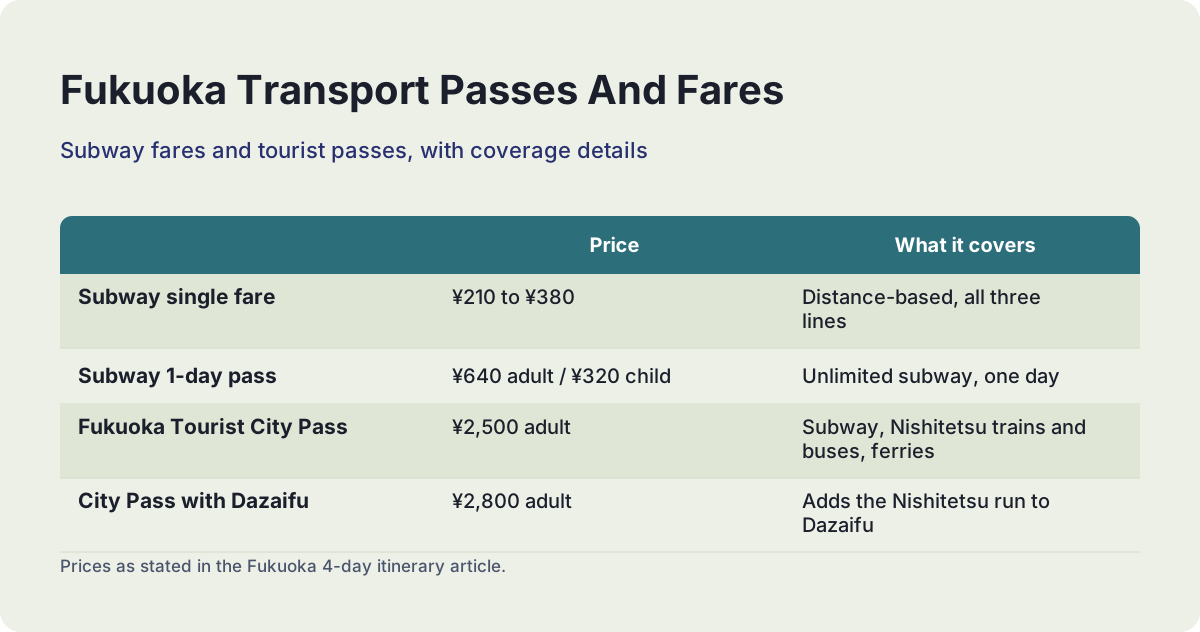
| Transport option | Price | What it covers |
|---|---|---|
| Subway single fare | ¥210 to ¥380 | Distance-based, all three lines |
| Subway 1-day pass | ¥640 adult / ¥320 child | Unlimited subway, one day |
| Fukuoka Tourist City Pass | ¥2,500 adult | Subway, Nishitetsu trains and buses, ferries; passport required |
| City Pass with Dazaifu | ¥2,800 adult | Adds the Nishitetsu run to Dazaifu |
The Tourist City Pass deserves its own sentence because most competing guides price it wrong, still quoting a fare years out of date. The current prices are ¥2,500 for the city version and ¥2,800 with Dazaifu included, and the pass is restricted to overseas visitors on short-stay visas, with a passport checked at the counter. The official pass page lists the coverage and the sales points: Fukuoka Tourist City Pass. If day three of this itinerary is your Dazaifu day, the ¥2,800 version covers the train ride that day and the subway on days one and two, though only if the arithmetic of your rides justifies it over single fares.
Where Should Day 3 Go, Dazaifu or Yanagawa?
Day 3 goes to Dazaifu, full stop, with Yanagawa as the add-on if you start early. Dazaifu Tenmangu has no entrance fee, the shrine town's approach road is lined with shops selling umegae mochi, and the Nishitetsu train from Tenjin reaches it in about half an hour with one change at Futsukaichi. Yanagawa's canal boats, an hour further down the same line, turn the day into a shrine-and-boat combination that is the most relaxed day of the four.
Dazaifu Tenmangu is one of Japan's most important Tenjin shrines, dedicated to the scholar deity Sugawara no Michizine's deified form, and the shrine's own FAQ is unambiguous on the practical question: "There is no entrance fee at Dazaifu Tenmangu." The grounds and main sanctuary are free, opening from 6:00 or 6:30 depending on season and closing between 18:30 and 19:30 by month. The approach, a pedestrian lane crossed by arched bridges over ponds, is the part most visitors remember, and the surrounding town is small enough to walk end to end. The wider set of guides lives on Fukuoka Japan Travel Guide.
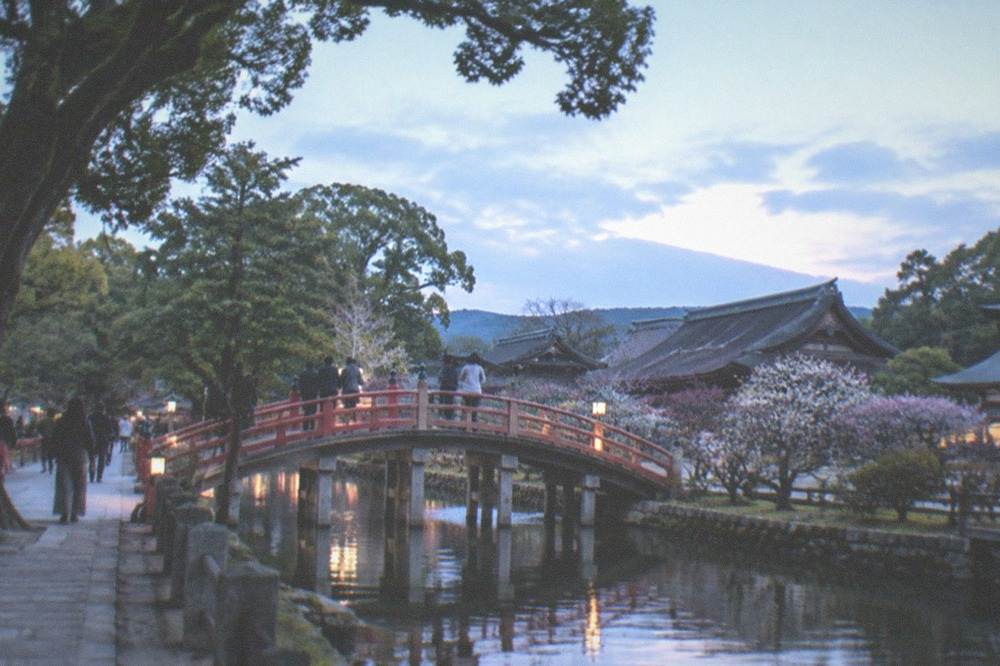
Getting there is a Nishitetsu matter rather than a JR one: no JR line serves Dazaifu, so the trip runs from Nishitetsu Fukuoka (Tenjin) station with a change at Futsukaichi. The Kyushu National Museum sits a short walk beyond the shrine if the afternoon needs filling, and the town's maple season, mid to late November, is one of the best day-trip colour displays within reach of the city.
Yanagawa, an hour south on the same Nishitetsu line, is a former castle town threaded with canals, and its donkobune punts, poled by guides who narrate the town's history, are the draw. Combining both in one day is doable but rushed; the honest recommendation is Dazaifu alone with a slow lunch, or the pairing only if the shrine visit is an early start. Travellers who would rather hand the whole region to a guide can compare the options in the day trips from Fukuoka overview, which covers every direction this itinerary could send you on day four instead.
If you already know you would rather trade the shrine-town day for a guided excursion, the Yufuin no Mori and Dazaifu day tour in the roster pairs the famous sightseeing train with the shrine town in one booked package, moving Dazaifu to a guided day and freeing day three for something else. The Yufuin no Mori and Dazaifu day tour is the one to look at for that swap.
The booking question for day four is worth settling before you leave home. The gorge and railway excursion is a long day, roughly 11 hours door to door, and it runs on fixed departures, so availability on your exact date is the one thing this itinerary cannot promise. Checking it early, while your city days still flex around it, is the planning move that costs nothing.
What Makes Day 4 the Best Day, a Trip Into Kyushu?
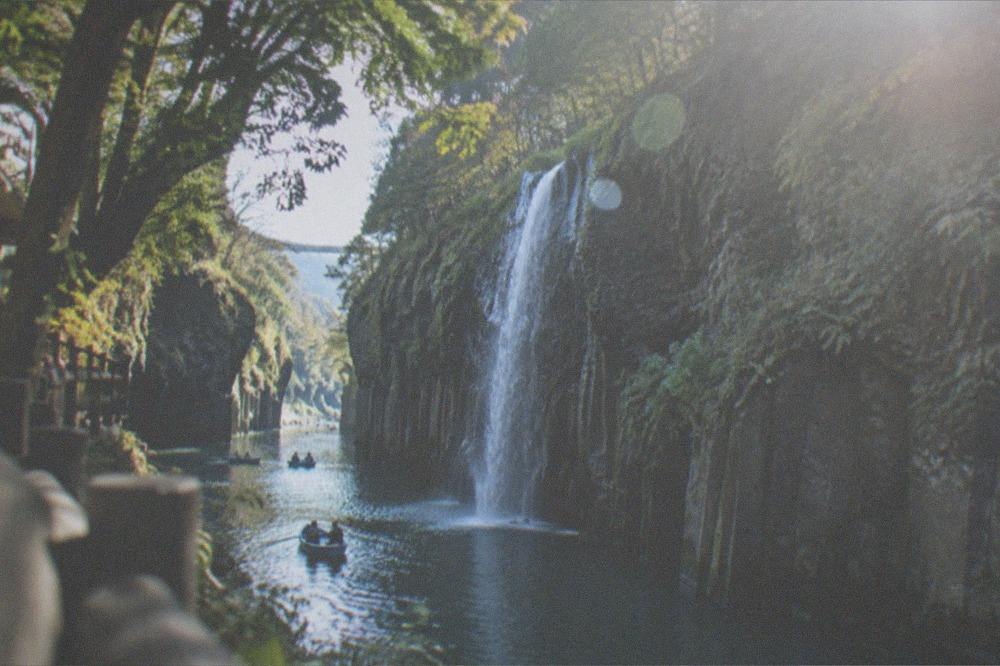
Day 4 is the payoff day: a full excursion into the interior of Kyushu, and Takachiho Gorge is the strongest single choice from Fukuoka. The gorge's columnar basalt walls rise above the Gokase River, the Amaterasu Railway's open-sided train traces a hillside route above the gorge, and an optional rowing boat takes you onto the water beneath the Minainotaki waterfall. The organised tours from Fukuoka run about 11 hours, which is why this day needs the whole day and cannot be compressed.
Takachiho is in Miyazaki Prefecture, well beyond the reach of a half-day trip, and it carries the mythology with it: the cave where the sun goddess Amaterasu is said to have hidden sits in the gorge's hills, and the shrines of the Takachiho area stage the nightly Yokagura dances that retell the myths. Self-driving or self-touring the gorge from Fukuoka is possible but punishing, two trains and a bus each way, and it is the classic case where a small-group excursion earns its price by handling the logistics. The Takachiho Gorge and Amaterasu Railway tour is the roster's most-reviewed day trip, and the optional boat ride is the part to book if the weather cooperates.
The alternatives are real, and the right one depends on the season. The Yufuin and Beppu circuit pairs a highland onsen town with the famous steaming "hells" of Japan's most productive hot-spring city. Aso puts a volcano's grassland caldera within reach, Nagasaki trades scenery for history, and the coastal run to Karatsu and the Kitakyushu corridor north are the rainy-day and short-winter options. The comparison below is the honest shortlist for a single day.
| Day 4 option | Direction | Travel time | Best for |
|---|---|---|---|
| Takachiho Gorge and railway | Miyazaki | Full day, ~11 hours | Scenery, mythology, boat ride |
| Yufuin and Beppu | Oita | Full day, ~10 hours | Onsen town, hells, shopping |
| Mount Aso | Kumamoto | Full day, ~10 hours | Volcano, grasslands |
| Nagasaki | West | Full day, 12+ hours | History, harbour city |
| Karatsu and coast | Saga | Long half day | Coast, pottery, low effort |
One honest caveat: the gorge is popular, and the boat section can pause in high water or heavy rain. Typhoon season runs roughly July through October and is a genuine planning factor for any outdoor day four, though it closes no doors on the city days. If the forecast turns, the Fukuoka rainy day itinerary is the swap-in plan, and the museums listed there cost ¥200 or less.
How Much Does a Four Day Fukuoka Trip Cost?
The fixed, verified costs of this itinerary are low: every shrine and temple on it is free, the paid entries are the ¥250 Japanese Garden, the ¥200 museum collections and the ¥1,000 Fukuoka Tower deck, and transport inside the city runs ¥210 to ¥380 per subway ride or ¥640 for a day pass. The only meaningful variable is the day-four excursion, and food, which no official source prices for you.
The city's paid attractions are cheap by any Japanese standard, and several are free outright. What follows is every entry fee this itinerary actually touches, with the verified figures.
| Item | Cost | Who pays less |
|---|---|---|
| Dazaifu Tenmangu | Free | n/a |
| Kushida Shrine, Tochoji, Shofukuji | Free | n/a |
| Ohori Park | Free | n/a |
| Ohori Park Japanese Garden | ¥250 adult / ¥120 child | 65 and over free |
| Fukuoka Art Museum collection | ¥200 / ¥150 student | Under 15 free |
| Fukuoka Asian Art Museum gallery | ¥200 / ¥150 student | Under 15 free, building free |
| Fukuoka Tower observation deck | ¥1,000 / ¥500 school age / ¥200 age 4+ | 65+ Fukuoka residents ¥900 |
| Subway single fare | ¥210 to ¥380 | Child half price |
| Tourist City Pass | ¥2,500 / ¥2,800 with Dazaifu | Passport check required |
Accommodation is the line nobody can price for you, and nightly rates move constantly, so this guide quotes none. What can be said is structural: staying near Hakata Station puts every day trip and the airport connection at your feet, and Tenjin is the alternative for shopping and café energy. Travellers holding the budget line tightly should read the Fukuoka budget itinerary, which runs the same geography on a tighter spend.
When Is the Best Month for a Four Day Visit?
The best months for this exact itinerary are late March to early April for cherry blossoms, and October to early November for stable, dry weather, with May a close third. July is the wettest month of the year in Fukuoka at 299.1 mm against June's 249.6 mm, despite June being the tsuyu rainy season, so the surprise is that the festival month is also the wettest. August is hotter than July and drier than both.
The Japan Meteorological Agency's 1991 to 2020 normals for the Fukuoka station give the full picture, published on the JMA monthly climate statistics page, and the counterintuitive line in the data is worth planning around: July, not the rainy-season June, is the wettest month, and it is also the month of the Hakata Gion Yamakasa festival, whose Oiyama race finishes before 5 a.m. on 15 July. Anyone planning a July visit around the festival should expect the rain and the crowds together. The annual rainfall total is 1,686.9 mm spread across the year, so no month is dry-dry, but the shoulder months come closest.
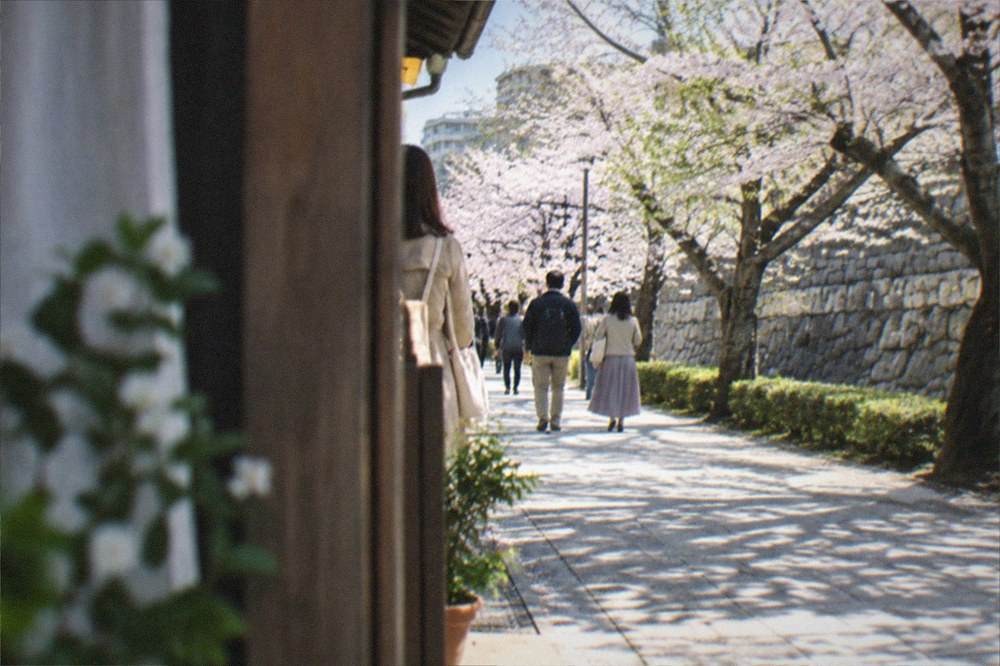
The seasonal overlays on this itinerary are specific. Cherry blossom typically opens in late March with full bloom into the first days of April, and Maizuru Park's castle ruins, day two of this itinerary, hold roughly a thousand trees with festival illuminations during the season, as the cherry blossom itinerary details. Autumn colour peaks mid to late November in the city parks and around Dazaifu in the same window, which lands neatly on day three. The November sumo tournament, the Kyushu Basho, is the city's other November draw and the only time competitive sumo is staged in Fukuoka all year.
| Month | Mean temp | Rain | Itinerary note |
|---|---|---|---|
| March | 10.8°C | 103.7 mm | Late-month blossom opening |
| April | 15.4°C | 118.2 mm | Peak blossom, comfortable |
| May | 19.9°C | 133.7 mm | Sunniest month of the year |
| July | 27.4°C | 299.1 mm | Yamakasa festival, wettest month |
| October | 19.6°C | 94.5 mm | Dry, mild, sumo lead-in |
| November | 14.2°C | 91.4 mm | Autumn colour, Kyushu Basho |
How Do You Get to the Airport on the Last Morning?
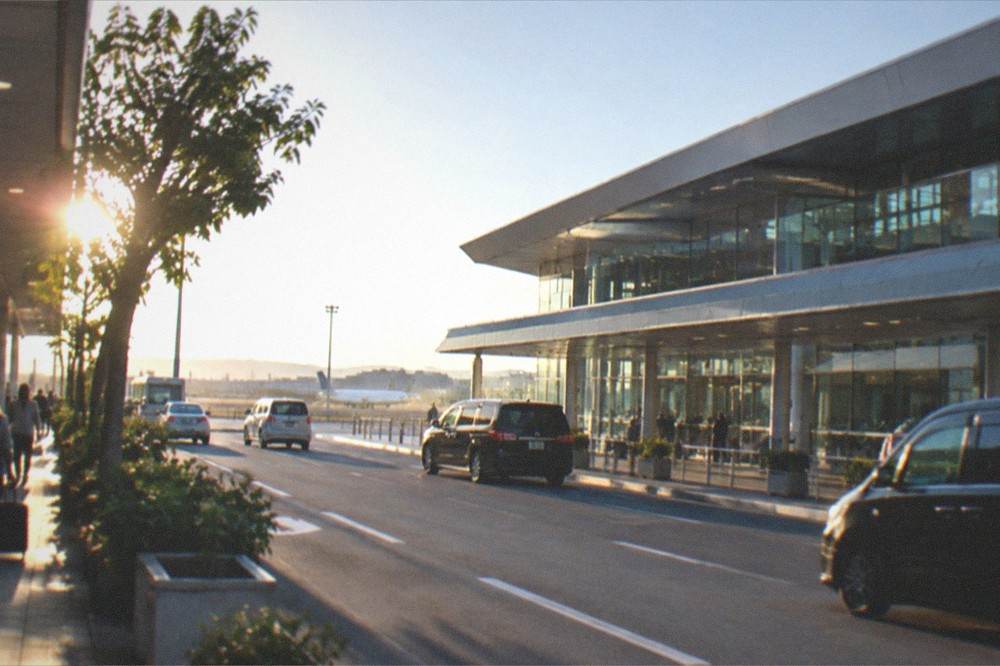
The airport connection is the quiet advantage of ending a trip here: Fukuoka Airport sits on the subway's Kuko line, the fare to Hakata is ¥260, and the airport is unusually close to the city centre by any international standard. This guide deliberately prints no journey time in minutes, because the widely repeated "five minutes" claim appears on no official page, but the fare and the proximity are both verified.
The practical sequence on departure day is simple. The subway runs from Hakata or Tenjin direct to Fukuoka Airport station, the fare falls in the official 3 to 7 km band at ¥260, and the airport's free inter-terminal shuttle connects the domestic and international terminals in about ten minutes. IC cards including Suica and PASMO work on the subway, and the contactless credit-card tap option caps at the day-pass rate. The full arrival and departure walkthrough, including the terminal layout, is the Fukuoka airport to city guide.
For travellers who want the fourth-day decision made for them, these are the three tours this itinerary recommends most: the Takachiho gorge and railway day that anchors day four, the fully customised private day with a licensed guide for a bespoke version of the city days, and the Yufuin no Mori train with Dazaifu for a guided shrine-town alternative.
Common Questions About a Four Day Fukuoka Itinerary
Why add a fourth day to a Fukuoka trip?
Because the city itself is a two-day destination and Dazaifu absorbs a third, so the fourth day is the one that reaches Kyushu's scenery: Takachiho Gorge, Aso, Yufuin or Beppu. None of those work as half-day trips, and a four-day stay is the shortest that includes one.
Is four days in Fukuoka too much?
No. Two days cover Hakata, Tenjin, Ohori Park and the food stalls, day three takes in Dazaifu, and day four reaches the gorges or onsen towns of inland Kyushu. Travellers who dislike day trips could compress to three days, but the fourth adds the island's best scenery.
What is the best day trip for the fourth day?
Takachiho Gorge, paired with the Amaterasu Railway, is the strongest single choice from Fukuoka: dramatic basalt gorge walls, a waterfall you can row beneath, and a full-day excursion that handles the long drive. Yufuin and Beppu are the best alternative for onsen and shopping rather than scenery.
Do I need a rail pass for four days in Fukuoka?
Usually not. The subway day pass at ¥640 and the Tourist City Pass at ¥2,500, or ¥2,800 with Dazaifu, cover the city and the shrine-town days. A regional JR pass only pays off if you are adding Shinkansen days beyond this itinerary, and no JR line serves Dazaifu at all.
Where should I stay for a four day Fukuoka trip?
Near Hakata Station, which puts the airport subway, the day-trip departures and the Nakasu food stalls within a short walk or one stop. Tenjin is the alternative for shopping and café energy, and the two districts are a few subway minutes apart.
Can I do this itinerary without booking any tours?
Yes for days one to three: the shrines, parks and Dazaifu need nothing but train fare. Only day four genuinely benefits from a booked excursion, because the Takachiho and Aso runs are long, fixed-departure days that are hard to self-drive or self-train comfortably.