Beppu Day Trip
Beppu sits on the east coast of Kyushu, reached by a direct limited express train from Hakata Station, and a single day is enough to see its steaming hells, eat its onsen-cooked food and still be back in Fukuoka for a late bowl of ramen.
Short answer
Beppu is one of the easiest big day trips from Fukuoka: a direct JR limited express runs from Hakata Station to Beppu on the coast of Oita Prefecture. The famous hells are clustered in two groups within a short bus or walk of the station, and guided day tours from Fukuoka run from $48 per person.
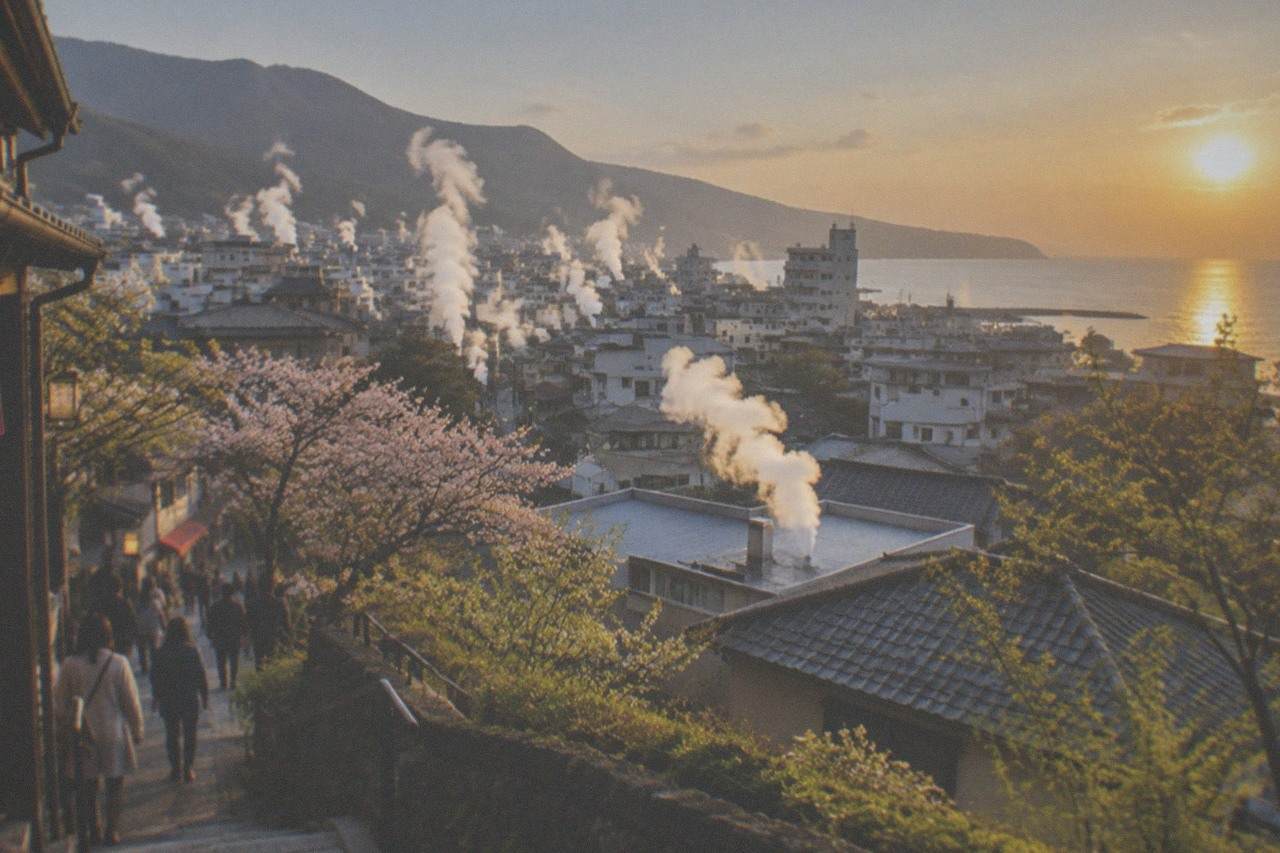
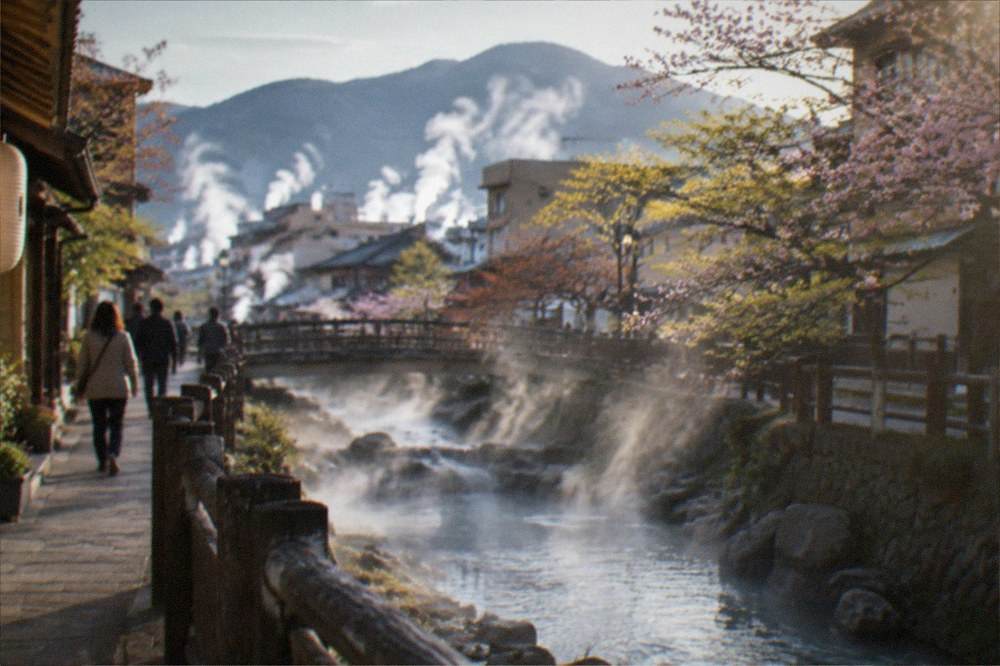
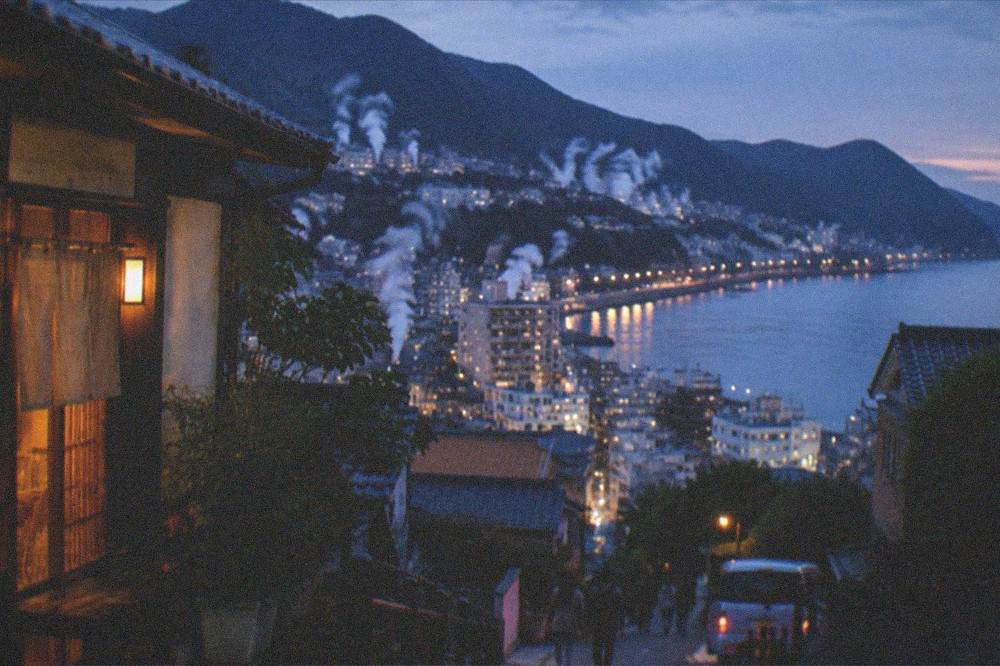
Beppu is Japan's most famous hot spring town, a compact city on Beppu Bay in Oita Prefecture where steam escapes from the ground in so many places that the view from the hills above town is famously hazy. It is also one of the most rewarding day trips you can take from Fukuoka, because the two cities are linked by a direct limited express train from Hakata Station and the main sights cluster close enough together that you do not need a car. This page lays out the train, the hells, the realistic schedules, the costs and the guided options, so you can decide whether to ride the rails yourself or let a tour do the routing.
How Do You Get to Beppu from Hakata Station by Limited Express?
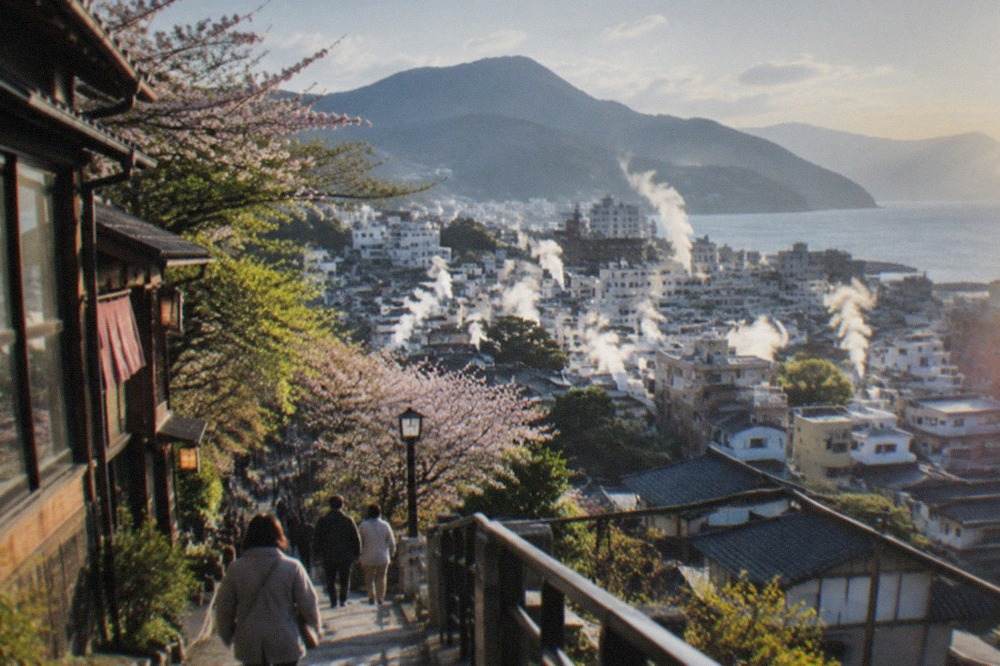
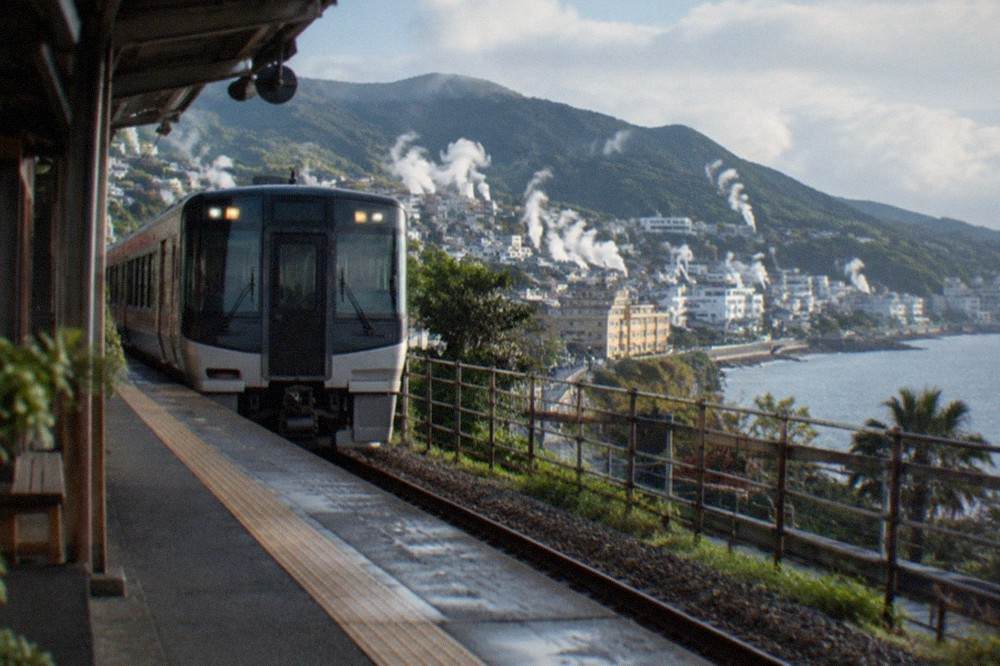
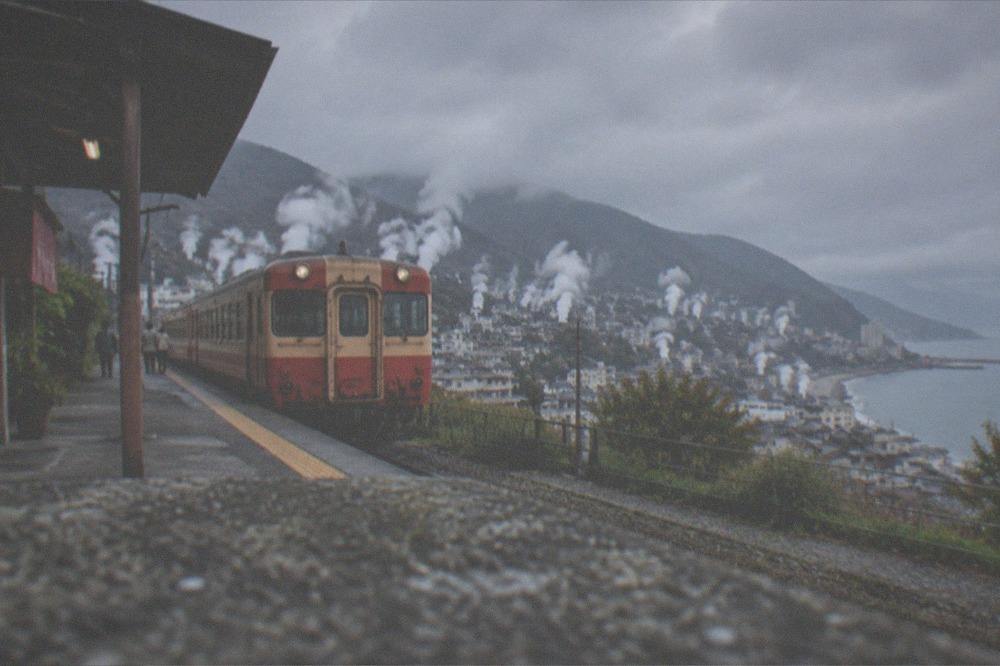
The direct route is the JR limited express from Hakata Station to Beppu Station, with no transfers, running on the Nippo Main Line along the coast of the Genkai Sea and around the top of Kyushu to Beppu Bay. Hakata is Fukuoka's main station, and the two cities are the same metropolitan rail network, so you never change trains between central Fukuoka and Beppu itself.
Start with the station, because this is where a surprising number of trips go sideways. There is no JR Fukuoka Station: the station in Fukuoka is Hakata, in the Hakata ward of the city, and every limited express bound for Oita leaves from there. If you are staying in Tenjin, you take the subway one or two stops to Hakata first; the Hakata Station area is big enough that you should allow time to find the right platform, especially in the morning rush when the Kyushu limited express departures stack up.
The limited express is the comfortable option and the one almost every visitor takes. Seats are reserved, the trains run several times per hour through the middle of the day, and the route is genuinely scenic once you are past Kokura, hugging the coast and the small bays of northern Kyushu before turning inland toward the mountains and dropping down to the sea at Beppu. Buy a reserved seat in advance for a weekend or a public holiday, because the trains fill with both tourists and local commuters. The guide to Hakata Station covers ticket counters, IC card top-ups and where the limited express platforms sit relative to the subway gates.
If you are weighing a rail pass, the relevant one is the JR Kyushu Rail Pass, which covers the northern Kyushu network that this line belongs to. Check the current pass prices on the operator's own page rather than in any guide, because they have moved in recent years and older articles still quote the wrong figures. For a single round trip to Beppu, a pass rarely pays; for a week of day trips to Yufuin, Kumamoto and Nagasaki, it can.
Is Beppu Worth a Day Trip from Fukuoka?
Yes, and it is one of the few major Kyushu destinations that genuinely works as a single day. Beppu's headline sights, the steaming hells, sit in two compact clusters a short bus ride or walk from the station, the city is small enough to cross in twenty minutes, and the food scene, from onsen-cooked eggs to toriten chicken tempura, is packed into the streets around the station. The trade-off is travel time: you spend a large share of the day on trains.
The honest framing matters here. Beppu is not a quick hop, and a day trip means an early start and a late return. What makes it work anyway is density: Kannawa and Myoban, the two hell districts, are close to town; the seaside hot sand baths are on the way; and the station area is where most of the eating happens. Compare that with a day trip that scatters its sights across an hour of driving and you can see why Beppu survives the round trip better than almost anywhere else in Kyushu.
It also pairs naturally with Yufuin, the small onsen town in the hills behind it. Many travellers do Beppu in the morning, when the steam is thickest in the cool air, and Yufuin in the afternoon. That is a full and excellent day, and it is exactly the shape most guided tours from Fukuoka take. If you are planning a wider Kyushu circuit, the Yufuin day trip page covers the inland town on its own, and the Kurokawa onsen trip covers the third great onsen destination within range of Fukuoka.
If you would rather not build the day yourself, three guided formats do it well:
What Are the Beppu Hells and Which Ones Should You See?
The hells, or jigoku, are seven or eight spectacular hot spring ponds that are for looking at, not bathing in, spread across the Kannawa and Myoban districts. The must-sees are Umi Jigoku, the boiling sea-blue pond, and Chinoike Jigoku, the blood-red pond that is the oldest of them; Myoban's steaming huts, where the famous yunohana bath salts are made, are the third essential stop.
The word hell is not marketing. These are vents where water hot enough to cook an egg comes out of the ground continuously, and the ponds have been tourist attractions for well over a century. Umi Jigoku is the classic first stop: a cobalt-blue pool in a garden, with a small greenhouse heated by the spring where tropical water lilies grow. Chinoike Jigoku, a short bus hop away in the other cluster, is the colour of rust and has the longest recorded history of the set. Tatsumaki Jigoku, the geyser, erupts on a schedule and is fenced for good reason.
Myoban is different from the others and worth the detour. It is a hillside district of wooden huts where sulphur water is dripped over clay terraces to crystallise into yunohana, the bath salts Beppu has exported for generations. The smell is strong, the steam is everywhere, and the shops sell the salts by the bag. This is also where you can try the onsen-cooked eggs and puddings that the ponds steam in baskets.
The hells charge admission individually, with a common ticket available covering the group; check the current prices at the gate or on the operator listings before you budget, because this site does not publish a figure it has not verified. What is verified is the shape of the day: most visitors see three or four hells, not all of them, and the ones listed above are the ones the tours consistently include. The Beppu Hells tickets with Yufuin tour, rated 4.7 from 285 reviews, bundles the hell admissions with the Yufuin leg, which removes the single most annoying part of a DIY day: buying separate tickets at each gate while watching the clock.
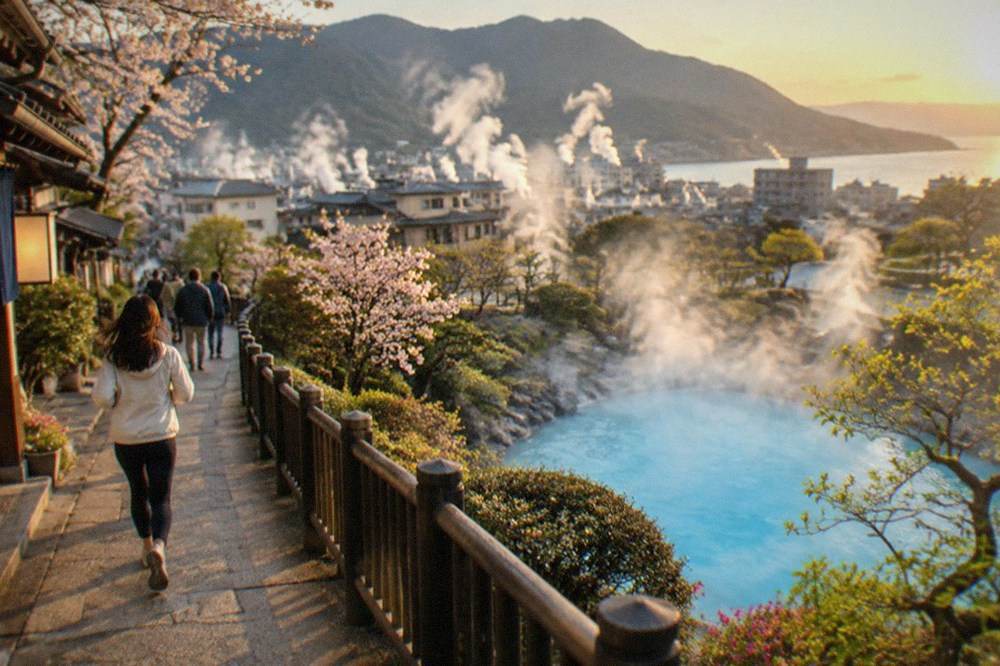
Here is how the headline hells compare, so you can pick your three or four with your eyes open:
| Hell | District | What you see | Best for |
|---|---|---|---|
| Umi Jigoku | Kannawa | Cobalt-blue boiling pond in a garden, spring-heated greenhouse | The classic photo and the first stop |
| Chinoike Jigoku | Shibaseki | Blood-red pond, the oldest recorded of the set | History and the most dramatic colour |
| Tatsumaki Jigoku | Kannawa | A geyser erupting on a timed schedule, fenced off | A short, punctual spectacle |
| Oniyama Jigoku | Kannawa | Crocodiles kept in spring-heated water | Families with children |
| Myoban yunohana huts | Myoban | Steaming wooden huts where bath salts crystallise on clay terraces | The most atmospheric district, plus shopping |
A practical note on the hot sand baths, because they are the other Beppu signature. At Shoningahama and other beaches along the front, attendants bury you in black sand heated from below by the spring, which is a genuine onsen experience rather than a gimmick. It runs on a rota, it is weather dependent, and it takes about twenty minutes including the change, so treat it as one item on the list rather than the plan.
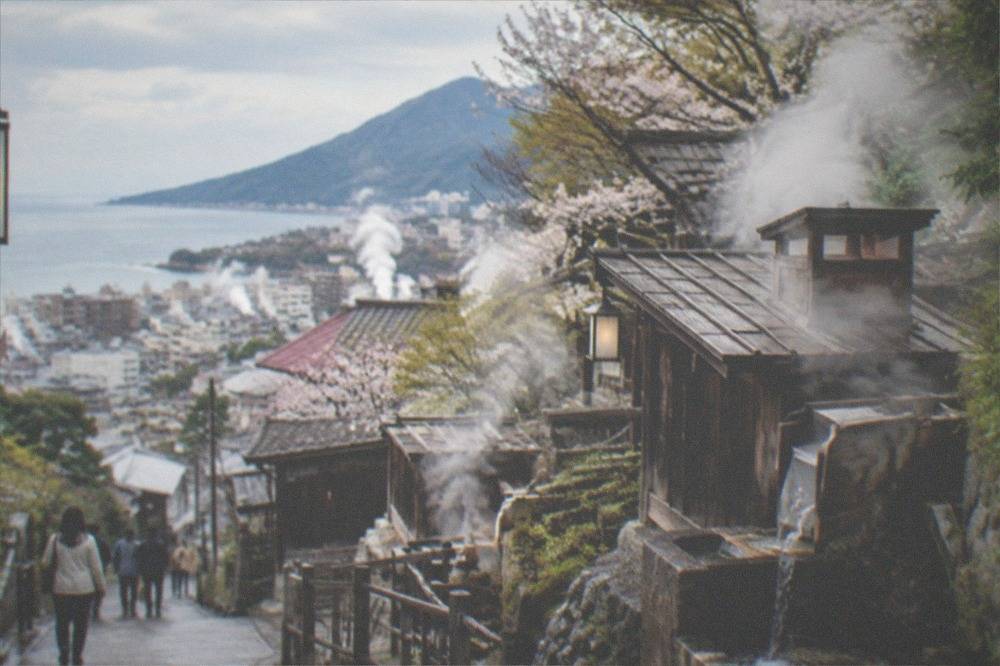
How Should You Structure the Day from Fukuoka?
Take an early limited express from Hakata, do the hells in the late morning while the steam shows best, eat in the station area around midday, then choose one afternoon: the sand baths, the Myoban hillside, or the train over the mountains to Yufuin, returning from either Beppu or Yufuin in the early evening. The single biggest mistake is trying to do all three afternoons at once.
Here is the schedule shape that works for most people, with the caveat that train times should be checked on the day:
| Time block | Where | What you are doing |
|---|---|---|
| Early morning | Hakata Station | Board the first comfortable limited express; buy breakfast at the station if you have not eaten |
| Late morning | Kannawa | Walk or bus between Umi Jigoku and the neighbouring hells while the air is cool and the steam is visible |
| Midday | Beppu Station area | Toriten, onsen-cooked eggs, a proper sit-down lunch |
| Early afternoon | Myoban or the seafront | Yunohana huts and shops, or the hot sand bath |
| Late afternoon | Yufuin or Beppu | The mountain train to Yufuin's main street, or a soak and a slower Beppu |
| Evening | Hakata | Return train; you are back in Fukuoka in time for a late bowl of tonkotsu |
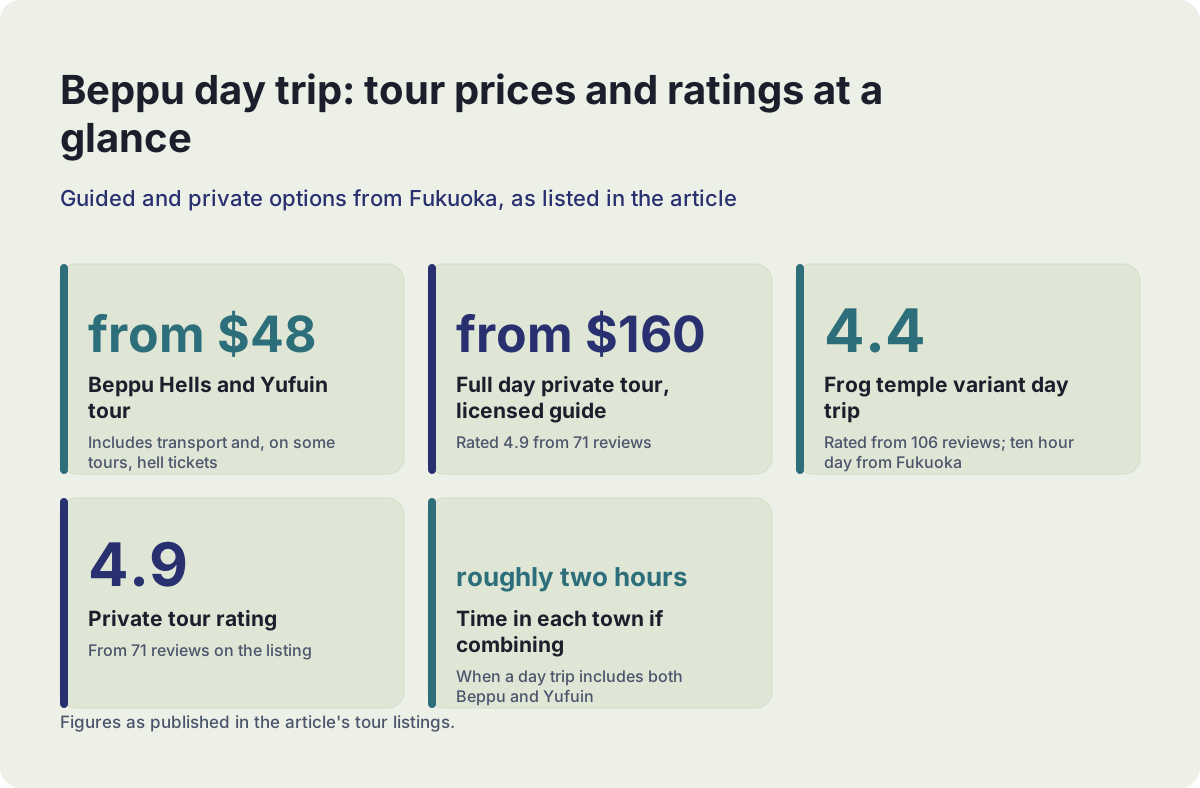
The Yufuin leg deserves a word of caution. The direct train between Beppu and Yufuin is one of the prettiest short rides in Japan, climbing through forest and farmland, and the Yufuin station area is a single walkable street of shops and a lake view. But it is popular, seats on the sightseeing trains sell out, and a day trip that includes both towns leaves you with roughly two hours in each. Some people love that sampler; others find it rushed. If slow travel is the point of your trip, consider splitting Beppu and Yufuin across two days and using the two day Fukuoka itinerary as the frame instead.
One thing you should not worry about is luggage, if you are sneaking the day trip into a longer stay. Fukuoka's stations and the area around Hakata both hold storage options, and the luggage storage guide lists where to leave a bag for the day so you are not dragging it between hells.
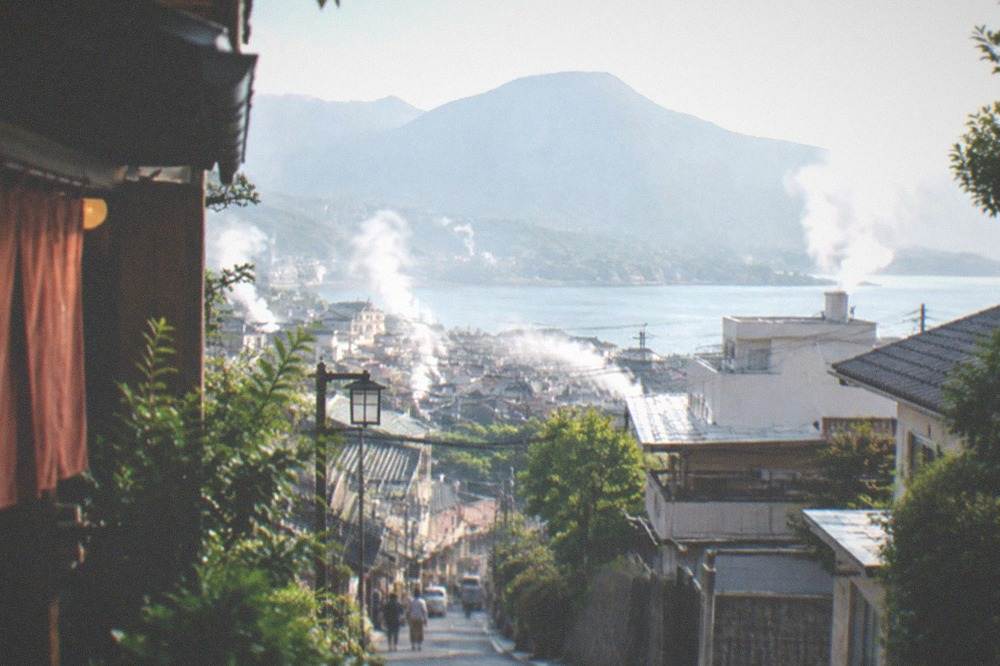
Can You Combine Beppu and Yufuin in One Day?
Yes, and it is the most popular guided format from Fukuoka, but it works best with a bus tour or a private guide rather than the public train, because the connecting leg between the two towns is the part where timing goes wrong. The tours that do it well give you the hells in the morning, lunch on the road, and Yufuin's lake and main street in the late afternoon, then drive you home.
The reason the DIY version is hard is not distance, it is coordination. The Beppu to Yufuin train is lovely but not frequent, the hells are a bus ride out of central Beppu, and Yufuin's charm depends on arriving before the shops close. A coach tour collapses all of that into one decision. The animal park variant adds a stop that families tend to rate well: the Beppu hells, Yufuin and animal park day trip, rated 5 from 7 reviews, is a ten hour day from Fukuoka at from $59 per person, and the small review pool is worth knowing about rather than glossing.
If you would rather stay on rails, there is a third format worth knowing: the sightseeing train from Fukuoka that runs to Yufuin, combined with Dazaifu, which suits travellers who want the famous rolling stock more than the hells. It is a different day out entirely, more scenic rail than hot spring, and it is covered on the Dazaifu day trip page.
What Does a Beppu Day Trip Cost?
Budget the limited express fare as the biggest single item, hell admissions as a per-person entry cost at each gate, and food as cheap to moderate: Beppu's specialities are inexpensive, street style items. A realistic independent day for one person, excluding shopping, lands somewhere between a budget and a mid range day out; the guided tours from Fukuoka start at from $48 per person, which is often cheaper than the sum of the train and the separate hell tickets.
This site does not print train fares it has not verified, and the Hakata to Beppu fare moves with JR Kyushu's pricing, so check the fare search on the day you book. What can be stated with confidence is the shape of the spending:
| Item | Typical range | Notes |
|---|---|---|
| Limited express, round trip | The largest single cost | Reserved seat required; check current fare when booking |
| Hell admissions | Charged per hell, or a common ticket | Verify prices at the gate; not published here unverified |
| Lunch in Beppu | Inexpensive to moderate | Toriten and onsen steamed eggs are cheap, filling items |
| Local buses in Beppu | Small per ride | Flat fare zone around the station and hell districts |
| Sand bath | Moderate, per session | Weather dependent, runs on a rota |
| Guided tour alternative | From $48 per person | Includes transport and, on some tours, hell tickets |
The guided comparison is worth taking seriously. When you add the reserved express seats both ways, the bus hops in Beppu and the individual hell tickets, the gap between a DIY day and a coach tour from Fukuoka is small, and the tour removes every connection risk. The trade-off is freedom: on your own you can linger at Myoban for an hour and skip the geyser, and no tour schedule lets you do that. Other pages covering the same trip are gathered on Fukuoka Japan Travel Guide.
When Is the Best Season for a Beppu Day Trip?
Beppu is a year round destination because hot springs are better in cold weather, but the best combination of visibility, comfort and steam drama is autumn, from October into early December, when the air is crisp enough to make the vents billow and the surrounding hills colour up. Winter is the most atmospheric; summer is the most tiring, because Beppu is humid and the hells add their own heat.
The steam logic is simple physics and it shapes the whole visit. On a cold morning, the temperature difference between the vent water and the air makes the hells spectacular, and the whole Kannawa district looks like it is on fire. On a hot August afternoon, the same ponds barely show. Fukuoka's own climate data makes the seasonal case: the Japan Meteorological Agency normals for the Fukuoka station show a monthly mean of 28.4 degrees in August against 9.1 in December, and Beppu, on the same coast, tracks similar patterns. The rainy season in June and the typhoon window from roughly July through October are real planning factors, but neither closes the city; they are reasons to book flexible transport, not reasons to stay home. The rainy day itinerary thinking applies on the road too: the hells are at their most photogenic in the rain.
Should You Take a Guided Tour or Go Independently?
Go independently if you want to linger, if you are confident with reserved seat booking and Japanese bus networks, or if your day is loose and unhurried. Take a guided tour if you are short on time, if you want the hell tickets bundled, if you are combining Beppu with Yufuin, or if the whole family is in tow. The strongest guided option for this specific day is the Beppu Hells and Yufuin tour at from $48 per person, rated 4.7 from 285 reviews.
The private format is the third way and it is worth naming. A licensed guide with a customised route, such as the full day private tour with a licensed guide at from $160 per person and rated 4.9 from 71 reviews, is not a Beppu product on paper, but a private guide will build the day around the hells if you ask. That suits travellers who want the hells plus one thing nobody else's itinerary has, whether that is a hidden rotenburo or a specific ramen shop in the backstreets.
The frog temple variant above is the quirky one: it folds in a temple stop that most visitors never hear of, alongside the hells and Yufuin, over a ten hour day from Fukuoka, rated 4.4 from 106 reviews. Reviews on that listing mention crowded parking at the hells in peak season, which is the honest argument for letting a driver handle it.
For the wider picture of what else is within a day's reach of the city, see the master day trips from Fukuoka page. The same coastal rail corridor that carries you to Beppu also serves the Kitakyushu day trip, and the island and peninsula trips like Shikanoshima make gentler alternatives if the forecast turns.
Common Questions About a Beppu Day Trip
How Do You Get To Beppu From Hakata Station By Limited Express?
Take a direct JR limited express from Hakata Station to Beppu Station on the Nippo Main Line. There is no JR Fukuoka Station; Hakata, in the Hakata ward of Fukuoka, is the city's main station and the departure point. Reserve a seat, especially on weekends and holidays.
Is Beppu a good day trip from Fukuoka?
Yes. The hells cluster near the station, the food scene is walkable, and the city is compact. The trade-off is that the train ride takes a large share of the day, so start early and pick one afternoon focus rather than three.
Can you visit Beppu and Yufuin on the same day?
Yes, and it is the most popular guided format. It works best by coach or private tour, because the connecting leg between the two towns is where independent timing goes wrong. Doing both by train gives you roughly two hours in each town.
Which hells should you see if you only have time for a few?
Umi Jigoku, the boiling blue pond; Chinoike Jigoku, the blood-red pond; and the yunohana huts at Myoban. Most visitors see three or four hells rather than all of them, and the geyser, Tatsumaki Jigoku, is a scheduled extra.
When is the best time of year to visit Beppu?
Autumn into early winter, when cold air makes the steam dramatic and the hills colour up. Winter is the most atmospheric, summer the most tiring, since the hells add their own heat to an already humid coast.
Is a guided tour better than the train?
It depends on your priorities. A tour bundles transport and hell tickets and removes connection risk, starting at from $48 per person on the strongest option. Independent travel wins if you want to linger or change plans mid-day.