Free Things to Do in Fukuoka
Fukuoka gives away more of itself than almost any city in Japan: free shrine grounds, free castle ruins, free parks, free festivals and a riverside food scene you can browse without spending a yen.
Short answer
The genuinely free things to do in Fukuoka include Kushida Shrine, Tochoji, Shofukuji, Dazaifu Tenmangu grounds, Ohori Park, Maizuru Park and the Fukuoka Castle ruins, Momochi Seaside Park, Canal City Hakata and browsing the yatai stalls. Uminonakamichi Seaside Park, Nokonoshima Island Park and Kawachi Wisteria Garden are pay-at-gate, not free.
Fukuoka hands out its best material for nothing. The city's biggest festival has no ticket, its most famous shrine grounds charge no admission, its castle ruins sit in an open park, and the food stalls that made Hakata famous cost nothing to walk past and photograph. A traveller on a tight budget can fill three days here without buying a single attraction ticket, and unlike most Japanese cities the free list is not a consolation prize: the shrine at the centre of Hakata Gion Yamakasa, the park locals use every morning, and the waterfront the whole city flocks to on summer evenings are all on it. This guide separates what is genuinely free from what only sounds free, because three of Fukuoka's most-shared "free" attractions are nothing of the sort. It is part of the wider coverage on Fukuoka Japan Travel Guide, where every price and closure on this page was checked against official sources.
Which Shrines and Temples in Fukuoka Are Free to Enter?
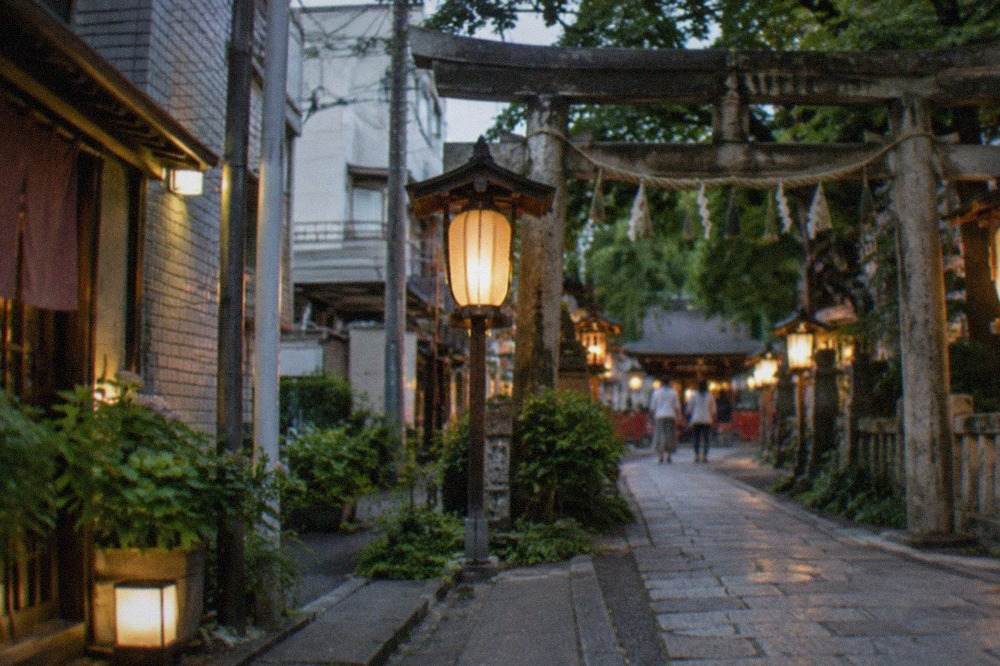
Every major shrine and temple in central Fukuoka is free to enter, including Kushida Shrine, Tochoji, Shofukuji and Sumiyoshi Shrine, and the same applies to Dazaifu Tenmangu's grounds out in Dazaifu. The shrine's own FAQ states plainly that there is no entrance fee. None of these charge for their grounds, and the paid extras, museum halls and special exhibits, are optional and clearly signed. Fukuoka is one of the easiest cities in Japan to do a full temple and shrine circuit without a ticket.
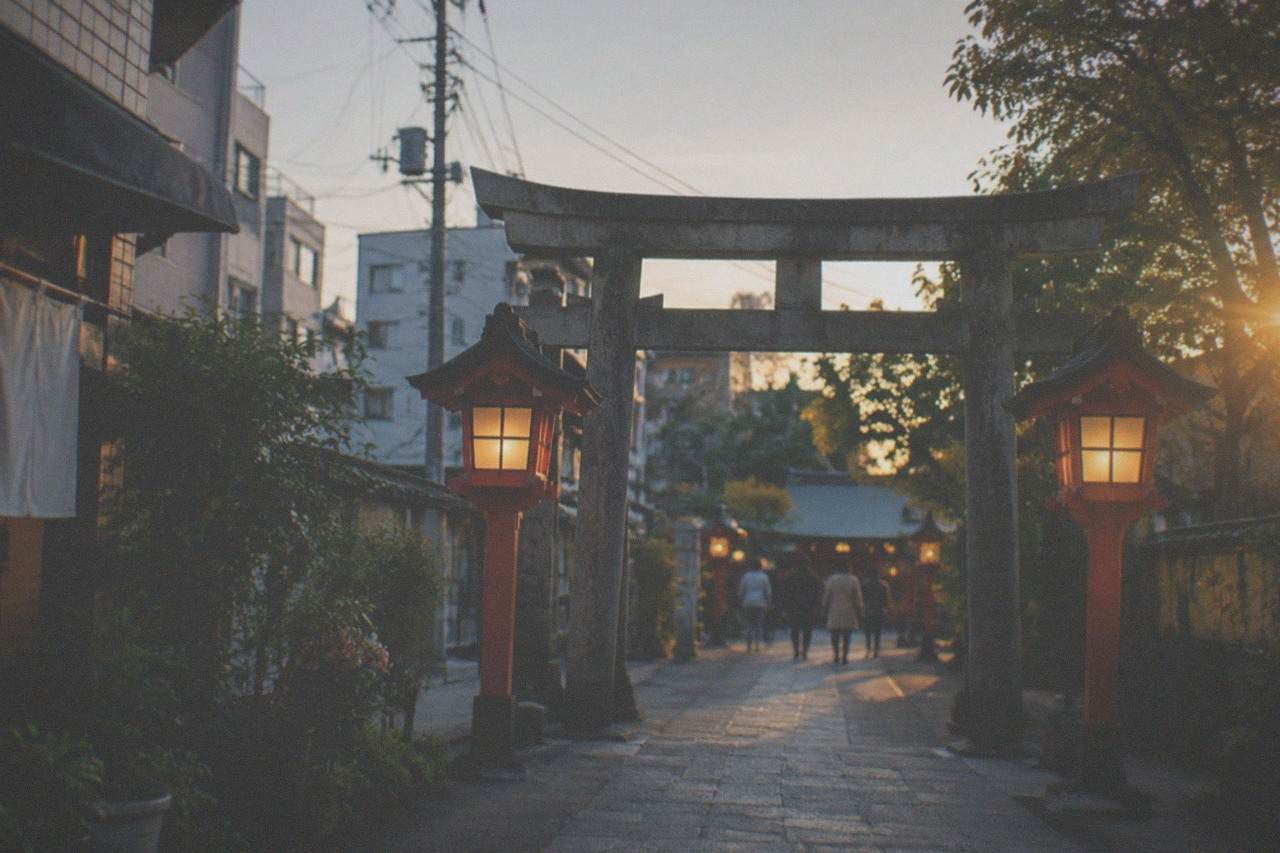
Start with Kushida Shrine, Hakata's guardian shrine and the spiritual home of the Yamakasa festival. The grounds are free, open and busy with locals dropping in between errands, which is exactly how a neighborhood shrine should feel. The shrine sits minutes from the Kawabata arcade, so a visit costs nothing but the walk. Next, Tochoji, home of the Fukuoka Daibutsu, one of the largest seated Buddha statues in Japan, also charges nothing for its grounds. Shofukuji, Japan's first Zen temple, founded in the 12th century, rounds out the set with quiet, mossy grounds in the heart of Hakata. None of the three publish fixed opening hours in official sources, so treat them as daytime visits and check locally if you want to be certain of getting in.
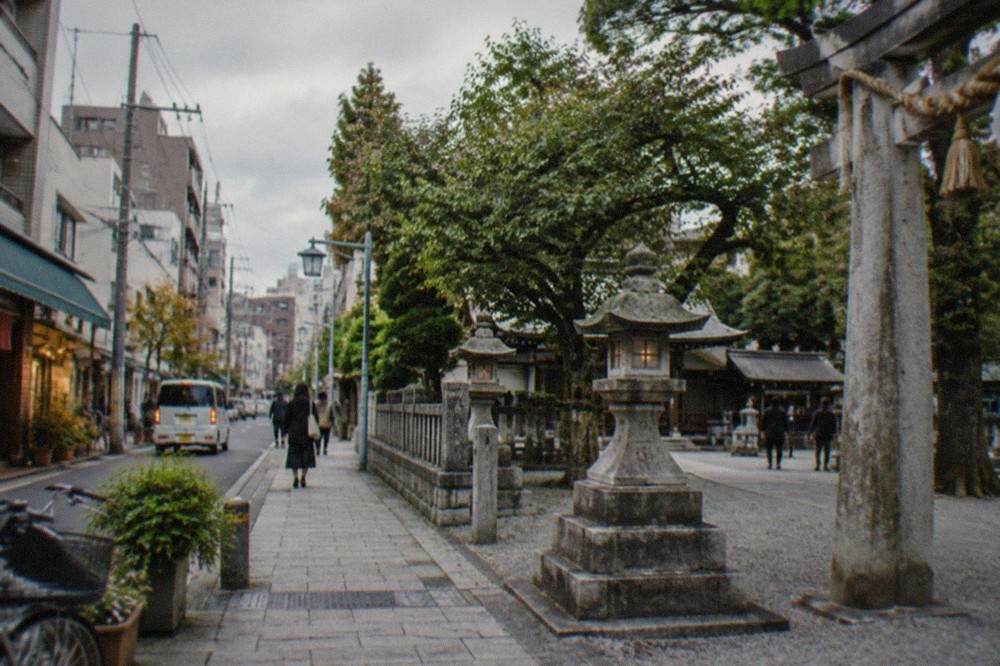
The city keeps a fuller rundown of sacred sites in its temples and shrines guide, including Nanzoin and its enormous reclining Buddha east of the centre, which is also free to enter. Out at Dazaifu, the grounds of Dazaifu Tenmangu are free, the approach is a lively covered street, and the shrine's own FAQ confirms no entrance fee. The shrine underwent a major renovation of its main hall, and while live reports say the work finished in 2026, the shrine's own pages do not confirm the current state of the hall, so this guide will not assert it either way. The grounds, the famous taiko bridge and the approach are unaffected and free regardless.
If the shrine circuit whets your appetite for Kyushu's sacred architecture beyond the city, the Miyazaki and Takachiho day trip takes in gorge-side shrines tied to Japan's creation myths.
The tour runs about 10 hours from Fukuoka and is rated 4.6 from 384 reviews, from $59 per person. It pairs the Takachiho Gorge with the shrines of Miyazaki, a theme that carries directly from the free city circuit into the mountains. Check availability if the mythology angle appeals.
| Shrine or temple | Area | Grounds entry | What it is known for |
|---|---|---|---|
| Kushida Shrine | Hakata | Free | Yamakasa festival origin, guardian shrine of Hakata |
| Tochoji | Hakata | Free | Fukuoka Daibutsu seated Buddha |
| Shofukuji | Hakata | Free | Japan's first Zen temple |
| Sumiyoshi Shrine | Hakata | Free | Ancient maritime shrine, quiet grounds |
| Nanzoin | Sasaguri area | Free | One of the world's largest reclining Buddhas |
| Dazaifu Tenmangu | Dazaifu | Free | Tenjin shrine, plum trees, taiko bridge |
Which Parks and Gardens Cost Nothing?
Ohori Park, Maizuru Park and the Fukuoka Castle ruins, Momochi Seaside Park and Nishi Park are all free to enter and free to wander. Ohori's two-kilometre waterside loop is the city's walking and jogging spine, Maizuru holds the castle stone walls and roughly a thousand cherry trees, and Momochi gives you the beach and the bay for nothing. Only the Ohori Park Japanese Garden charges, at ¥250 for adults, and that is a separate walled garden inside the free park.
Ohori Park is the one Fukuoka attraction that competes with the shrines for most-visited, and it costs nothing. The pond at its centre was once part of the castle's outer moat, and the two-kilometre path around it fills with walkers, runners and herons from early morning. The Japanese Garden inside the park is the one paid element, ¥250 for adults and ¥120 for children, and the wider park around it is entirely free. Adjacent Maizuru Park contains the Fukuoka Castle ruins, free to enter per the castle's official site, though note one closure: the Tenshudai, the main keep base, is shut from 26 May 2026 until the end of December 2026 for an archaeological dig. The excavation was prompted by a document found in December 2024 that describes a keep historians thought might never have existed, and the city has since tripled the dig area. Whether the "phantom keep" was real is still open, per the castle ruins' official site. The rest of the park, walls and cherry hill included, stays open.
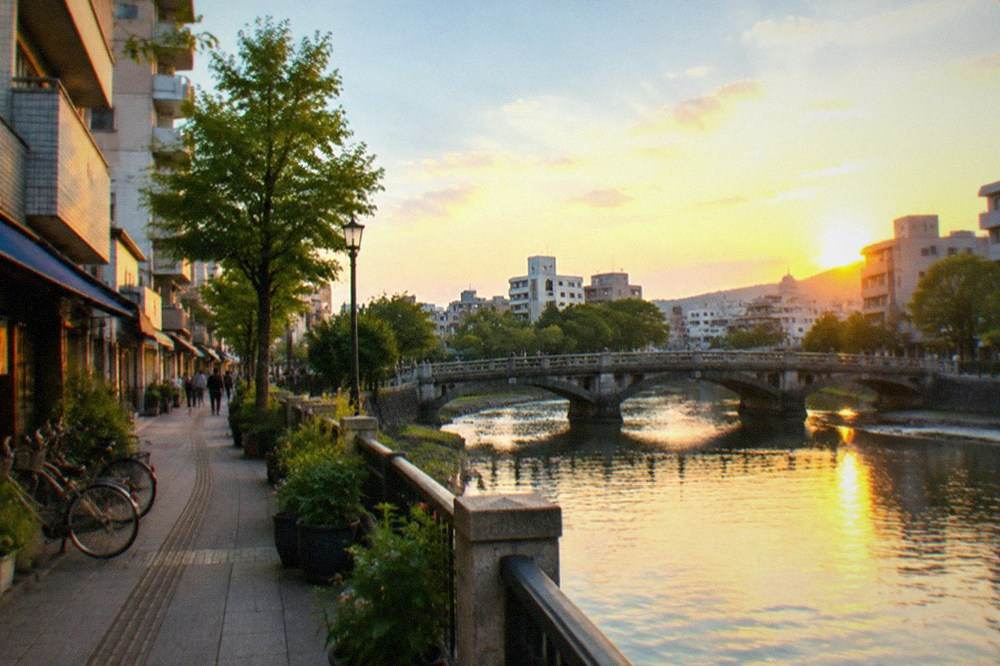
Momochi Seaside Park, the artificial beach on Hakata Bay, is free and is where the city heads on warm evenings, with Fukuoka Tower standing just behind it; the tower itself charges ¥1,000 for adults, but the beach, the boardwalk and the sunset do not. For families plotting days around free outdoor space, the Fukuoka with kids itinerary leans heavily on these parks, and the budget itinerary builds a full low-cost day from the same pieces.
What Is Free to Do in Fukuoka at Night?
Fukuoka's free night scene is the yatai. About 100 licensed food stalls line the Naka River at Nakasu, the streets of Tenjin and the Nagahama district, and browsing them, photographing them and standing at the rail watching the lit stalls reflect in the river costs nothing. Eating is extra, and the city's own ordinance requires every stall to post its prices visibly, so nothing on the menu is a mystery. The Nakasu row is the photogenic one, and it is free to wander.
The yatai are Fukuoka's signature night attraction and they take walk-ins only, no booking, no ticket. The city counts about 100 stalls, more than any other city in Japan, and the public recruitment system introduced around 2016 is what keeps the number stable as operators retire. The stalls cluster in three areas: Nakasu along the Naka River, the postcard row; Tenjin along Watanabe-dori and Showa-dori, where after-work locals dominate; and Nagahama near the old fish market, historically the ramen row. Per Fukuoka City's own yatai Q&A, the ordinance bans vague "market price" menus, so a stall must display the day's actual price where customers can easily see it. That is the honest answer to whether you will be overcharged at a stall: the price is on the wall before you sit down.
You cannot book a stall, and you do not need to. What you can book is a guided crawl, and there are a few in the city's roster. The yatai guide covers etiquette and the stall areas, the nightlife guide covers the rest of Nakasu after the stalls close, and the food guide covers what to order when you do sit down. Beyond the stalls, the free night list includes the illuminated Fukuoka Tower exterior, the canal fountains at Canal City Hakata, which is free to enter and open every day of the year, and the Nakasu riverbank itself.
A guided evening is the one part of Fukuoka's night that benefits from a local, and the food tours overview lists the crawls that include tastings.
Which Free Views and Waterfronts Are Worth the Walk?
The free viewpoints are the Momochi beachfront looking back at the bay, the hill at Nishi Park, the Maizuru Park stone terraces and the east bank of the Naka River at night. The paid observation decks, Fukuoka Tower at ¥1,000 and the Hakata Bay cruises, sit beside free vantage points that deliver most of the same frame. Uminonakamichi and Nokonoshima are waterfront trips, but both are pay-at-gate parks, not free ones, despite what shared lists claim.
Start with the water. Fukuoka sits on Hakata Bay, on the Genkai Sea side of northern Kyushu, and the city faces its own harbour rather than turning its back on it. Momochi's beach gives the classic tower-and-bay frame for nothing. Nishi Park, a hillside garden above the city, is one of Japan's officially recognised top sakura spots and a free sunset lookout. The viewpoints guide maps these against the paid decks so you can decide whether the tower ticket is worth it to you. At night, the Naka River between Nakasu and Tenjin reflects the yatai lights, and the walk costs nothing.
Two traps sit in this section, because "free waterfront day" lists circulating online get them wrong constantly. Uminonakamichi Seaside Park, the big seaside park out on the sandbar near Marine World, charges admission at the gate, and the gate is cash only, a detail worth knowing before you ride out there. Nokonoshima Island Park, the flower island in the bay, also charges at the gate. Neither is free, and this site's own product data contradicts the lists that say otherwise. Both are still excellent half-day trips; just budget for the gate. The Itoshima beaches further west, by contrast, are genuinely free.
| Free view or waterfront | Area | What you see | Any catch? |
|---|---|---|---|
| Momochi beachfront | Momochi | Fukuoka Tower, Hakata Bay, sunsets | Free, open |
| Nishi Park | Terumo area | City rooftops to the bay, cherry trees | Free |
| Maizuru Park terraces | Ohori area | Castle stone walls, park canopy | Tenshudai closed to end of 2026 |
| Naka River east bank | Nakasu | Yatai lights on the water at night | Free |
| Itoshima beaches | Itoshima | Open coast, sunset over the Genkai Sea | Free, needs transport |
How Do You Get Around Fukuoka Cheaply?
The subway costs from ¥210 for short hops and a one-day pass is ¥640, while the Fukuoka Tourist City Pass is ¥2,500, or ¥2,800 with Dazaifu, for overseas visitors on a short-stay visa with a passport check at the counter. Most of the free sights in this guide cluster inside Hakata, Tenjin and Ohori, close enough to walk between. Fukuoka Airport is unusually close to the centre, and the airport-to-Hakata subway fare is ¥260.
The honest budget answer is that you may barely need transit at all. Kushida Shrine, Tochoji, Shofukuji, Canal City, the Kawabata arcade and the Nakasu yatai row all sit within a 20-minute walk of Hakata Station, and Ohori and Maizuru are one subway stop further. The getting around guide has the full fare tables and the airport-to-city guide covers the transfer from FUK. The Tourist City Pass is worth knowing about precisely because most competing guides quote a stale price for it: the current figures are ¥2,500 for the city version and ¥2,800 for the city-plus-Dazaifu version, and the pass requires a short-stay visa and a passport shown at the counter. It covers subway, buses, trams, ferries and some JR lines for one day.
One naming trap to clear up, because it catches first-time visitors: there is no JR Fukuoka Station. The city's main station is Hakata, and Hakata is a ward of Fukuoka, not a separate city. Guides that describe travelling "from Hakata to Fukuoka" are describing a walk across town. No official page verifies the "five minutes to Hakata" claim every guide repeats, so this one will not print a journey time; the ¥260 fare is verified, and the airport's closeness to the centre is real and well documented.
| Transport option | Cost | Notes |
|---|---|---|
| Subway single fare | From ¥210 | Distance-based, 6 fare zones |
| Subway one-day pass | ¥640 adult | All three lines, day of purchase |
| Tourist City Pass (city) | ¥2,500 adult | Passport check, short-stay visa only |
| Tourist City Pass + Dazaifu | ¥2,800 adult | Tabito liner bus excluded |
| Airport to Hakata subway | ¥260 | Verified fare, no published journey time |
| Walking | Free | Hakata, Tenjin, Ohori cluster is walkable |
Which Free Events and Festivals Can You Watch?
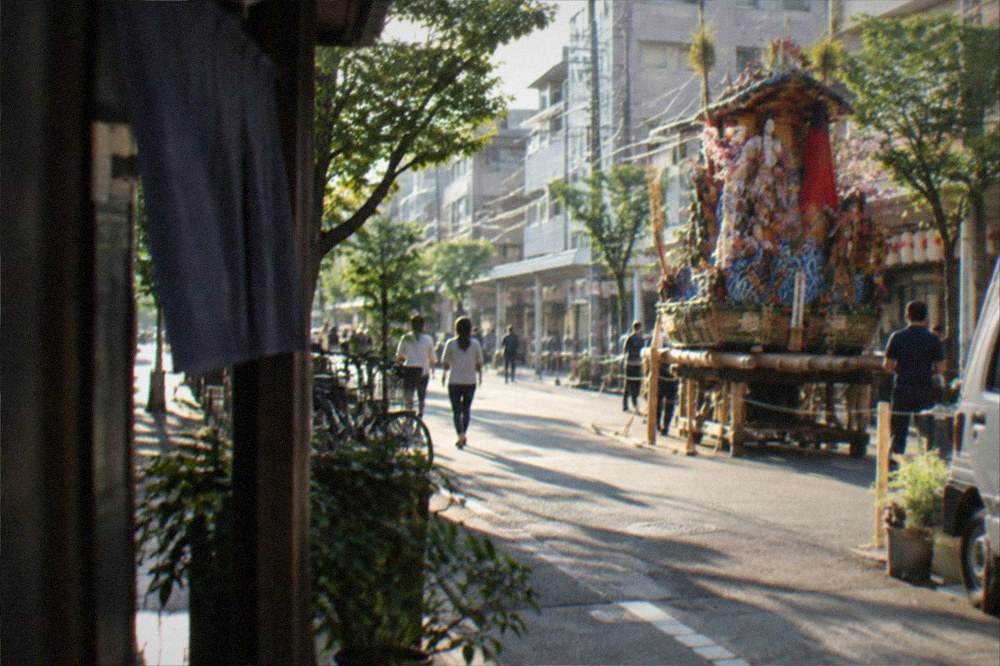
Hakata Dontaku on 3 and 4 May and Hakata Gion Yamakasa from 1 to 15 July are both free to watch, and neither has any ticketing at all. Yamakasa's Oiyama finale, when teams race roughly one-ton floats over a five-kilometre course, starts before dawn on 15 July. The Hojoya festival at Hakozakigu runs 12 to 18 September and fills the shrine approach with hundreds of stalls, also free. Watching these costs nothing, and they are among the largest festivals in Japan.
Dontaku takes over Meiji-dori between Hakata Station and Tenjin during Golden Week, with parades, dance stages and a finale open to anyone who wants to join in. Yamakasa is the louder, faster one: the decorative kazariyama floats go on display from 1 July, and the carrying events intensify from around the 10th, culminating in the Oiyama race on the 15th, signalled by taiko drums before 5 a.m. The full festival programme is on the Yamakasa Promotion Committee's official site. Both festivals centre on Kushida Shrine, which ties the free festival calendar straight back to the free shrine circuit above. The best time to visit guide weighs festival months against weather, a real trade-off in July, and the weather guide has the month-by-month numbers.
That trade-off deserves honesty. July is Fukuoka's wettest month, 299.1 mm against June's 249.6 mm in the 1991-2020 Japan Meteorological Agency normals, even though June is the tsuyu rainy season and every guide tells you June is the wet month. July is also Yamakasa month, so the city's biggest free spectacle sits inside its soggiest 31 days. Neither fact should scare you off, but pack for it. Typhoon season runs roughly July through October and is a genuine planning factor.
A local guide can also fold the free festival geography into a route, which is where the city essentials walk earns its price.
The half-day essentials tour, from $74 per person and rated 4.9 from 48 reviews, covers the Hakata old town streets and shrine cluster that this guide's free list circles around.
What Free Things to Do in Fukuoka Suit Families?
The free family list is the castle ruins and cherry lawns of Maizuru Park, the Ohori Park loop with its playgrounds and herons, Momochi's beach, the Canal City fountains and the museum buildings that charge nothing to enter. The Fukuoka City Zoo charges ¥600 for adults, with junior high and under free, and free-admission days were announced for 3 and 4 October 2026. Uminonakamichi Seaside Park is a family favourite but pay-at-gate, cash only, so treat it as a budgeted outing rather than a free one.
Families get an unusually good deal here because the free core of the city is outdoor and unfenced. Ohori Park's flat two-kilometre loop works for strollers and small bikes, Maizuru Park's lawns are picnic-ready, and the beach at Momochi is shallow and calm. Canal City Hakata is free to enter, open every day of the year with shops from 10:00 to 21:00, and its canal fountain shows are a reliable free half hour. The with kids guide adds paid options where they earn their money alongside the free core.
Museums split the difference. The Fukuoka Asian Art Museum's building entry is free and only the Asia Gallery charges, ¥200 for adults and ¥150 for high school and university students, with junior high and under free and free entry for residents over 65 from Fukuoka, Kitakyushu, Kumamoto or Kagoshima with ID. The Fukuoka Art Museum next to Ohori Park charges ¥200 for its collection exhibition, with the same under-15 and over-65 concessions. Two good art museums for the price of one coffee each, or nothing at all for many families, is a strong line on any free-things list.
| Family option | Entry cost | Good for | Catch |
|---|---|---|---|
| Ohori Park loop | Free | Strollers, runners, heron spotting | None |
| Maizuru Park lawns | Free | Picnics, castle walls, cherry trees | Tenshudai closed to end of 2026 |
| Momochi beach | Free | Sand, shallow water, tower views | Summer crowds |
| Canal City fountains | Free | Indoor break, fountain shows | Shops open 10:00 |
| FAAM building | Free, gallery ¥200 | Rainy-day culture | Closed Wednesdays |
| Fukuoka City Zoo | ¥600 adult | Animals, gardens | Free days 3-4 Oct 2026 |
One more free category that surprises people: browsing the yatai with children in the early evening, before the drinking crowd arrives, is a legitimate activity in itself. The stalls light up from around 17:00, the ordinance permits road occupancy until 4 a.m., and many open around 18:00 to 18:30. Walk the Nakasu riverbank at dusk, buy nothing or one bowl, and the evening is nearly free.
For travellers who want the free sights stitched together by someone who knows which streets connect them, a private local guide is the other paid option that complements a free day.
The private highlights and hidden gems tour runs from $65 per person, rated 4.9 from 164 reviews, over 2 to 8 hours depending on the version. It is the flexible option for a first day that anchors the rest of a free itinerary.
Are There Free Walking Tours in Fukuoka?
No. There are no free, tip-based walking tours in Fukuoka: the platforms that list them elsewhere returned no inventory here at all, and no local operator runs one. The free alternative is to walk the routes yourself, since Hakata's shrine and temple cluster, Ohori Park and the Nakasu riverbank are all self-guiding. Paid guided walks start around $64 per person if you want a local alongside you.
This is worth stating plainly because so many searches start with the words "free walking tour Fukuoka" and find listicles promising something that does not exist. The honest answer, which the free walking tour answer page gives in full, is that the free things in Fukuoka are sights rather than tours, and the city's compact core makes self-guiding genuinely easy. Kushida Shrine, Tochoji, Shofukuji and the Hakata old town streets form a walkable circuit you can do with a map and an hour. The walking tours guide covers the paid options, including short private walks and the half-day essentials tour, for travellers who decide a guide is worth the spend.
The self-guided alternative costs exactly nothing. Start at Kushida Shrine, walk to Tochoji for the Daibutsu, cut through Shofukuji's grounds, then follow the arcade down to the Naka River and the yatai row. That is a full morning of the city's best material with zero admission and zero fares if you are staying in Hakata. Add Ohori Park and the castle ruins in the afternoon and you have assembled, for free, the exact route paid tours sell.
Common Questions About Free Things to Do in Fukuoka
Which Shrines And Temples In Fukuoka Are Free To Enter?
All of the major ones: Kushida Shrine, Tochoji, Shofukuji, Sumiyoshi Shrine and Nanzoin in and around the city, and Dazaifu Tenmangu's grounds in Dazaifu, which the shrine's own FAQ confirms charge no entrance fee. None of these sell ground admission. Optional paid extras exist at some sites, such as museum halls, and are clearly signed.
Is Ohori Park free?
Yes, the park itself is entirely free, including the two-kilometre loop around the pond. The Ohori Park Japanese Garden inside the park charges ¥250 for adults and ¥120 for children, but it is a separate walled garden and the rest of the park, including the paths, the birdlife and the views, costs nothing.
Is Uminonakamichi Seaside Park free?
No. Despite appearing on free-attraction lists, it charges at the gate, and the gate takes cash only. Junior high school age and under enter free, but adults pay. It is a fine half-day trip, just not a free one, and the same applies to Nokonoshima Island Park and Kawachi Wisteria Garden.
Can you watch Hakata Gion Yamakasa for free?
Yes. There is no ticketing at all for Yamakasa, Dontaku or any of Fukuoka's major festivals. The kazariyama display floats are viewable from 1 July, the carrying events intensify from around the 10th, and the Oiyama race on 15 July starts before dawn and is watched from public streets.
Are there free walking tours in Fukuoka?
No. No operator or platform lists a free or tip-based walking tour in Fukuoka. The free alternative is self-guiding: the Hakata shrine circuit, Ohori Park and the Nakasu riverbank are all walkable without a guide. Paid private walks start around $64 per person.
Is browsing the yatai free?
Yes. Walking the stall rows, photographing them and watching the Naka River at night costs nothing, and stalls take walk-ins only, so no booking is ever needed. The city ordinance requires each stall to display its prices visibly, so if you do sit down, the menu holds no surprises.