Canal City Hakata
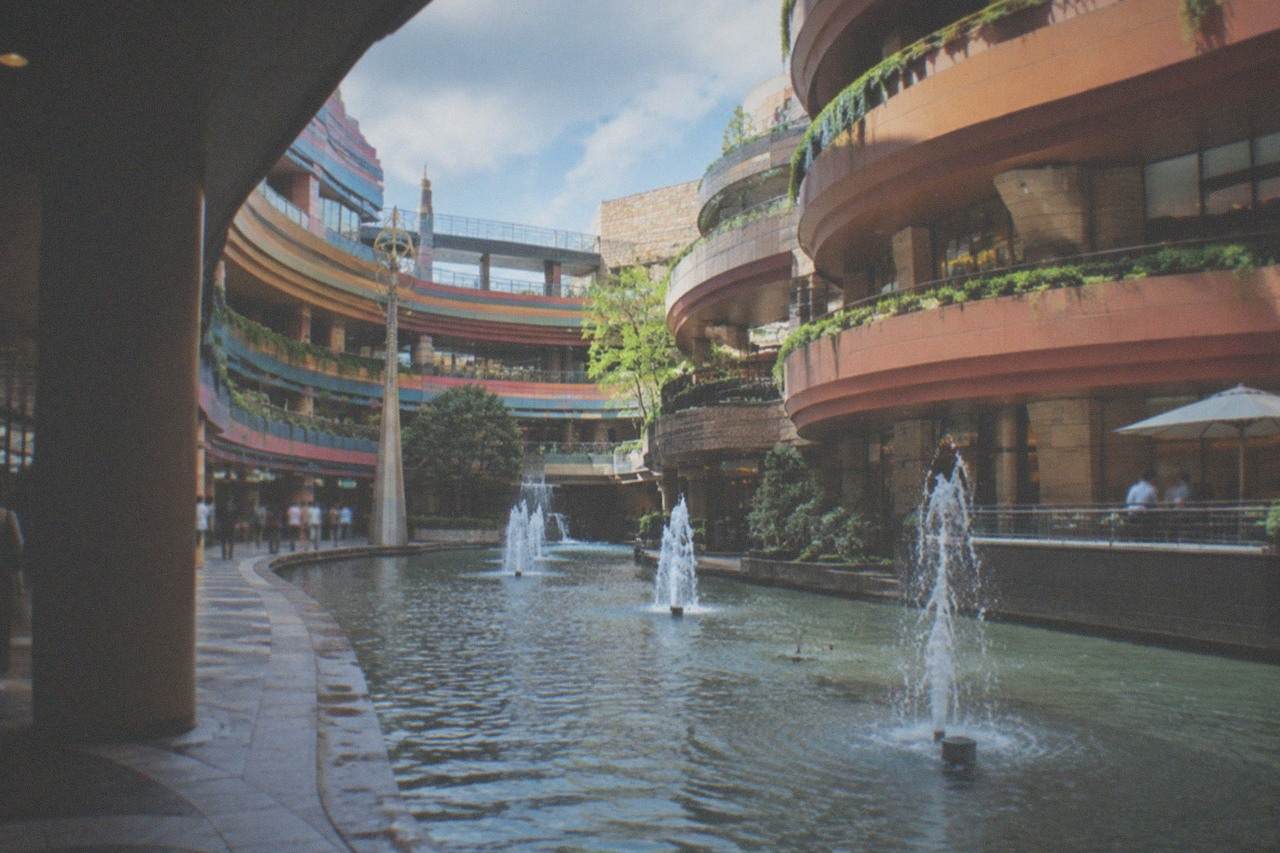
Canal City Hakata is a shopping, dining and entertainment complex in the Hakata ward of Fukuoka, built around an artificial canal and open every day of the year.
Short answer
Yes, Canal City Hakata is worth visiting, and entry is free. The complex opens every day of the year, with shops running 10:00 to 21:00 and restaurants 11:00 to 23:00, and the subway fare from Hakata Station is ¥210 to ¥260.
Canal City Hakata sits between the Hakata and Nakasu districts of Fukuoka, a short walk from Hakata Station and the Naka River. It is a shopping and entertainment complex built around an artificial canal, and it has been drawing crowds since it opened on the site of a former Mitsubishi shipyard area. The complex is one of the more distinctive pieces of commercial architecture in Japan, terracotta and glass stacked in a curve around running water in the middle of a city better known for yatai stalls and tonkotsu ramen. The operator's own service page confirms the basics that matter to a visitor: entry is free, the complex opens every day of the year, and the shops and restaurants run on different clocks.
What Is Canal City Hakata?
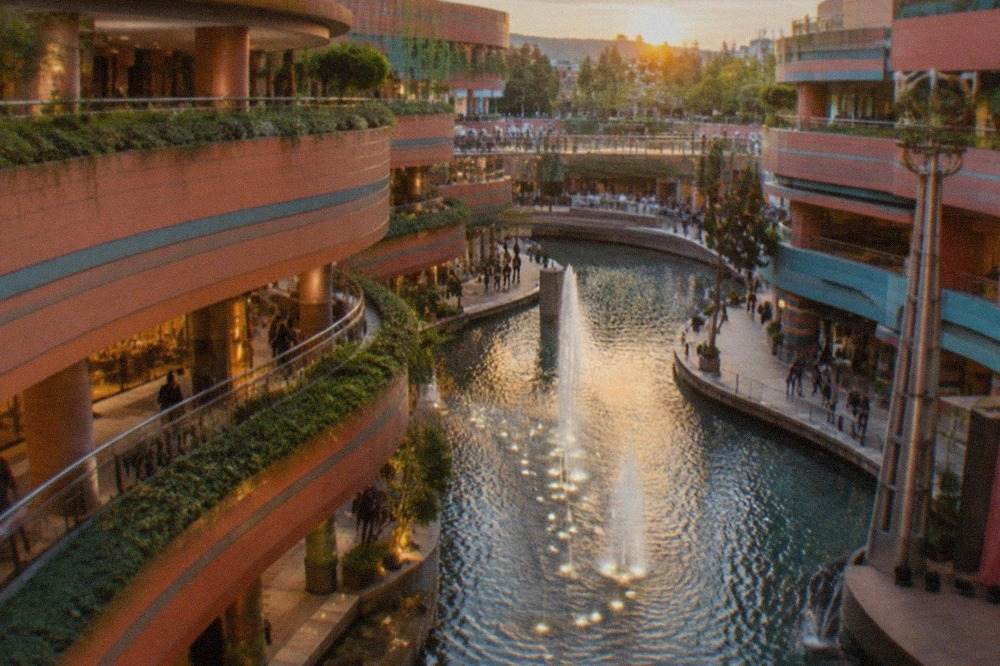
Canal City Hakata is a large shopping, dining, hotel and cinema complex in the Hakata ward of Fukuoka, arranged around an artificial canal and known as much for its architecture and free fountain shows as for its shops and restaurants. It was developed by Sega Sammy, through its resort and leisure arm, on what was then an unglamorous gap between Hakata Station and the Nakasu entertainment district. The redevelopment changed that gap permanently. Today the complex links two of the busiest parts of the city centre into a single walkable chain of malls, and the canal that gives it a name runs through the middle of it all.
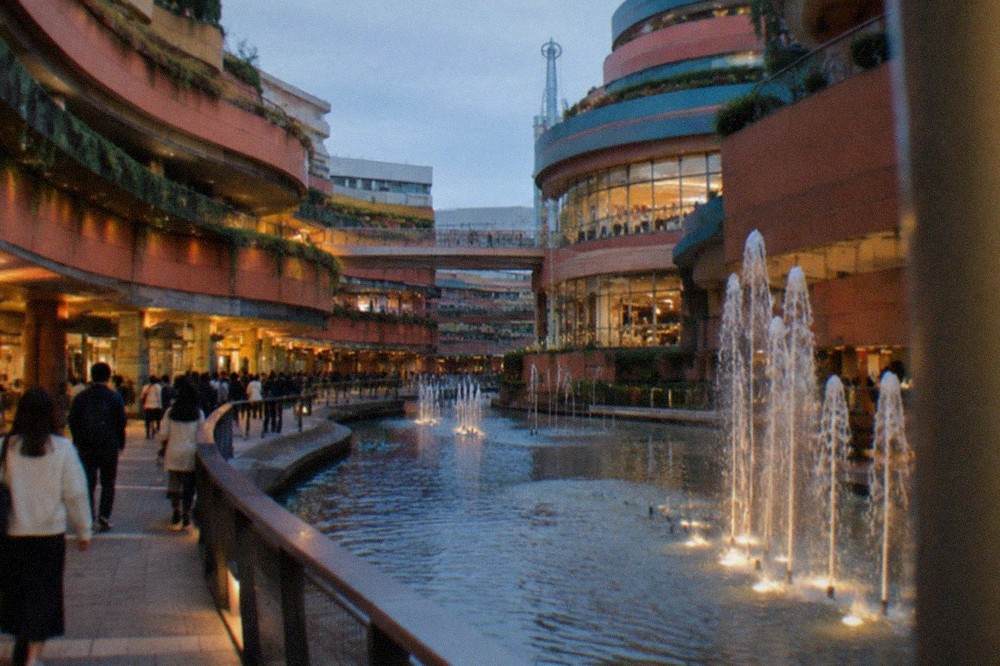
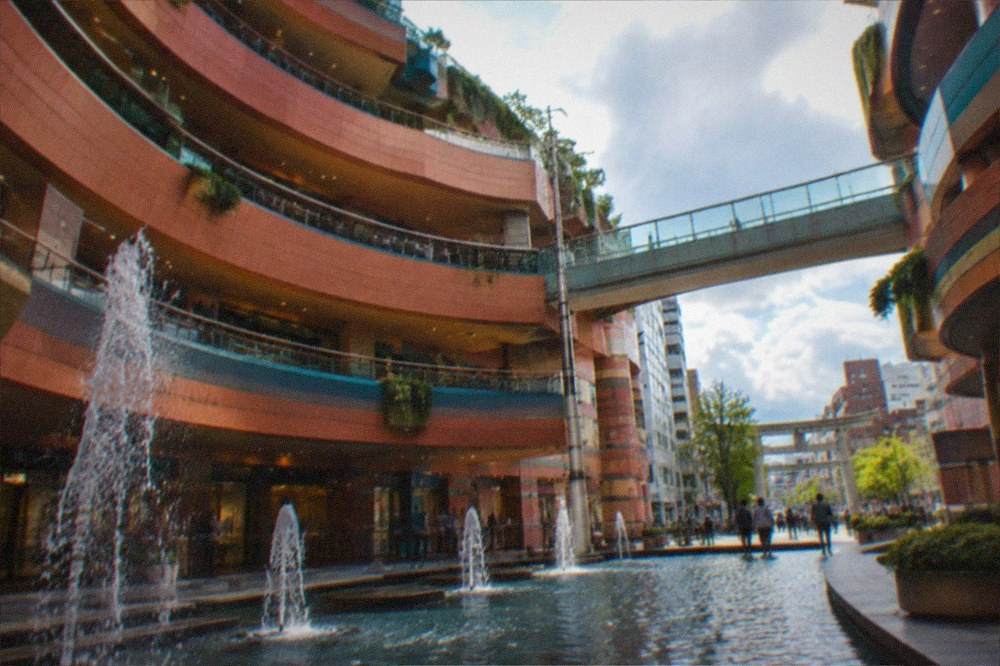
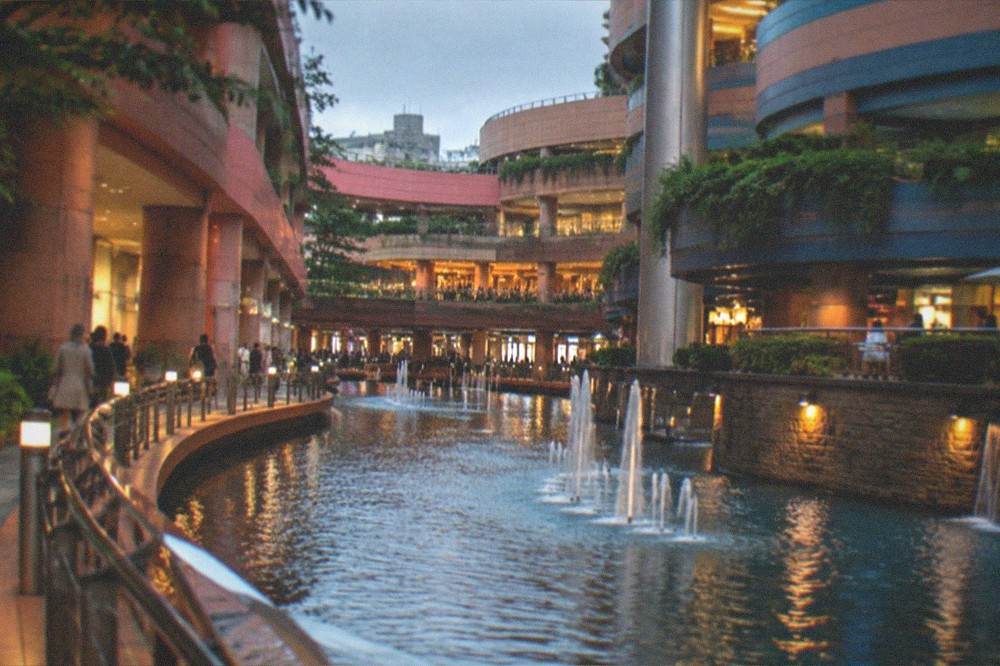
The design is the reason people photograph it. Instead of a box, the complex steps down a slope in a series of curved terracotta and glass facades, and the canal descends with it, ending in a small pool in front of the main plaza. Water is pumped down the channel on a schedule, and the central plaza hosts fountain shows set to music at set times through the day. The result is a mall that behaves a little like a public park: you can walk through it, sit in it, and watch a show without buying anything, which is exactly what a lot of local office workers and visitors on a Fukuoka Japan Travel Guide route do.
The complex also contains two hotels, a cinema complex, a theatre that has staged long-running productions, and a concentrated cluster of ramen restaurants on an upper floor. The theatre and cinema mean the place stays busy well past the closing time of the shops, and the hotels mean there is human traffic from early morning. It is not a heritage site or a temple. It is a commercial district with unusually good bones, and it rewards an hour or a half day depending on what you want from it.
Is Canal City Hakata Worth Visiting?
Yes, for most visitors Canal City Hakata is worth an hour or two, and it is an easy inclusion on any Hakata itinerary because entry costs nothing, it opens every day of the year, shops run 10:00 to 21:00, and it sits roughly five minutes' walk from either Hakata Station or the Nakasu district. The honest answer depends on what kind of traveller you are. If you have come to Fukuoka for shrines, ramen and the waterfront, the mall is a convenience, not a destination: the best reasons to stop in are rain cover, dinner options, and the walk through it between stations. If you like architecture, shopping, or you are travelling with family, it earns a longer stop.
Three groups of visitors get the most out of it. Families with children get the fountain shows, the open plaza and the cinema, all of which are weather-proof, and the complex's layout means strollers work better here than in the older arcades around Kawabata. Ramen hunters get a famous cluster of noodle shops without needing to cross the city at midnight. And anyone building a rainy day itinerary in Fukuoka gets one of the few places in the city centre where you can spend four consecutive hours indoors without leaving the building.
The counter-case is real too. If you have limited hours in the city, Canal City should not displace Kushida Shrine, Ohori Park, or the yatai rows. It is a mall, and malls are interchangeable in a way that none of those places are. The balanced verdict most visitors land on: go in the evening, eat there, walk through the canal plaza at dusk when the lights are on, and treat the shopping floors as a bonus rather than the point.
How Do You Get to Canal City Hakata?
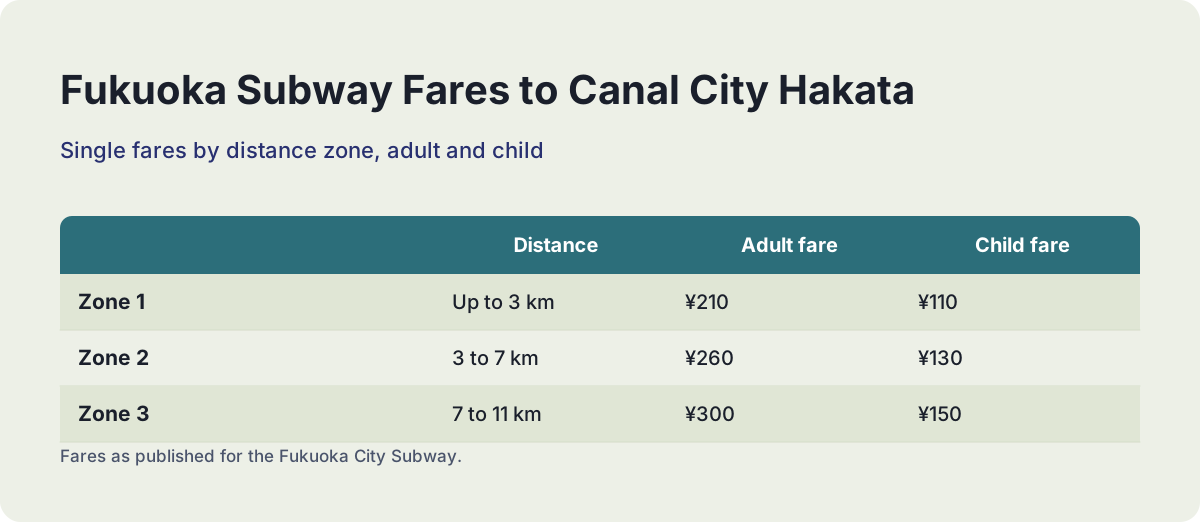
The simplest route is the subway: Canal City sits between Nakasu-Kawabata Station on the Hakozaki Line and Gion Station on the Airport Line, both a few minutes' walk away, with single fares from ¥210 for up to 3 km and ¥260 for 3 to 7 km, and Hakata Station is roughly 10 minutes away on foot. The complex has no station of its own, which surprises people, because the walk from Hakata Station is the way most visitors arrive. Exit the station's Chikushi side, cross the Naka River, and you are there. The walk passes through the edge of Hakata old town, which is worth knowing about even if you do not stop.
The subway fare structure is distance-based, and both relevant stations sit inside the inner zones. The official fare table from the city subway confirms what an inner-city hop costs:
| Zone | Distance | Adult fare | Child fare |
|---|---|---|---|
| 1 | Up to 3 km | ¥210 | ¥110 |
| 2 | 3 to 7 km | ¥260 | ¥130 |
| 3 | 7 to 11 km | ¥300 | ¥150 |
From Fukuoka Airport, the Airport Line takes you to Gion Station without a transfer, and the airport-to-city leg sits in the ¥260 band. The airport-to-city route guide covers the transfer in detail. From Hakata Station itself, walking beats the subway for most people, and the Nishitetsu bus network stops nearby for anyone coming from the Tenjin side. A subway one-day pass costs ¥640 for adults if you are chaining several stops in a day, and the Tourist City Pass, restricted to short-stay overseas visitors and checked against your passport at the counter, covers subway, bus and train for ¥2,500, or ¥2,800 including Dazaifu, per the city's official pass page.
One pleasant alternative deserves a mention: arriving by bicycle. The city is flat, the riverside paths are direct, and a guided ride is one of the few ways to see Hakata, the castle district and the canal-side in a single loop without having to plan the route yourself. The Hakata guided bike ride from the roster above starts from $73 per person, is rated 4.7 from 22 reviews, and runs about 3 hours 30 minutes.
What Can You Do at Canal City Hakata?
The main activities at Canal City Hakata are shopping across several themed floors, eating in one of the largest restaurant clusters in the city centre, watching the free canal fountain shows, catching a film, and walking the canal-side terraces, all of which are covered by free entry. The complex is organised as a chain of connected buildings rather than one big box, and knowing the layout is the difference between a frustrating hour and a good one. The shopping floors run the usual Japanese mall range: fashion, cosmetics, household goods, books and mid-priced brands, plus a drugstore cluster that visiting shoppers tend to prioritise.
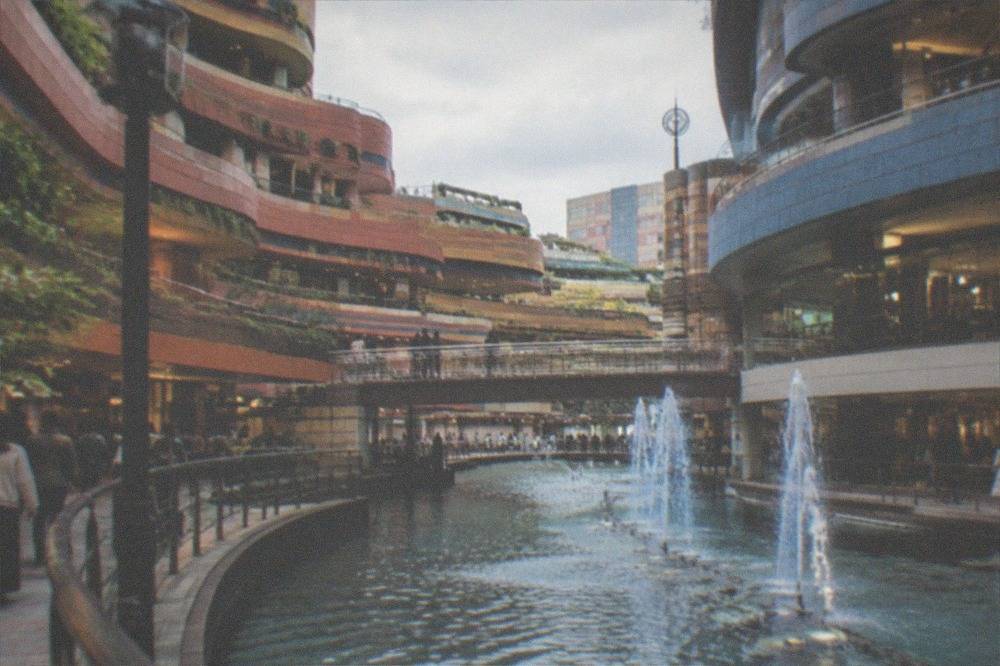
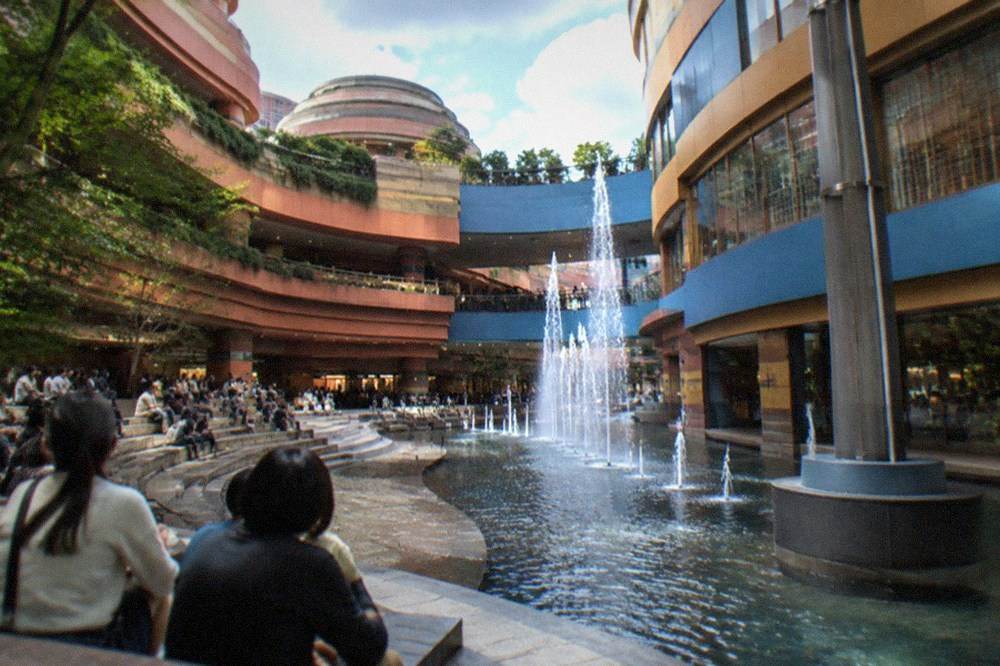
The fountain shows are the free centrepiece. Water, light and music run in the central plaza at scheduled times through the day, and the plaza's tiered seating fills up for the evening sessions in particular. There is no ticket and no reservation; you simply turn up and stand or sit. The canal itself runs along the open spine of the complex, and the walk beside it from the north end to the south pool is the architectural payoff of the whole site. The cinema and theatre complex sit at the edges, and the theatre has been the city's venue for long-running stage productions.
For structure, this is how the complex's day usually divides:
| Part of the complex | What it is best for | Hours |
|---|---|---|
| Shopping floors | Fashion, cosmetics, goods, souvenirs | 10:00 to 21:00 |
| Restaurant floors | Ramen cluster, family dining, izakaya | 11:00 to 23:00 |
| Canal plaza and fountain | Free fountain shows, seating, photos | Open every day of the year |
| Cinema and theatre | Films and stage productions | Varies by programme |
Hours vary by individual tenant, which the operator states plainly, so treat the table as the complex's general pattern rather than a promise about any single shop. A few tenants open earlier, a few close later, and the restaurants in particular keep a later clock than the shops. If a specific store matters to you, check its own hours before planning around it. The official service and hours page carries the current detail.
A guided loop is another way to see the complex and its surroundings in one pass, and the bike option above pairs naturally with an evening here: ride the riverside and the castle district with a local, then finish at the canal plaza for the fountain show and dinner.
Where Should You Eat at Canal City Hakata?
The restaurant floors at Canal City are one of the strongest food line-ups in the city centre, ranging from a dedicated ramen level through family dining to late-night izakaya, with the restaurant block generally open 11:00 to 23:00, later than the shops. The ramen cluster is the famous one: a floor of noodle shops where several well-known Hakata ramen names have branches, letting you compare bowls without crossing the city at midnight. The complex is not where the city's ramen tradition started, that honour belongs to the yatai and the older shops in Nakasu yatai street and Nagahama, but it is the easiest place to eat it with a chair, a table and an air conditioner.
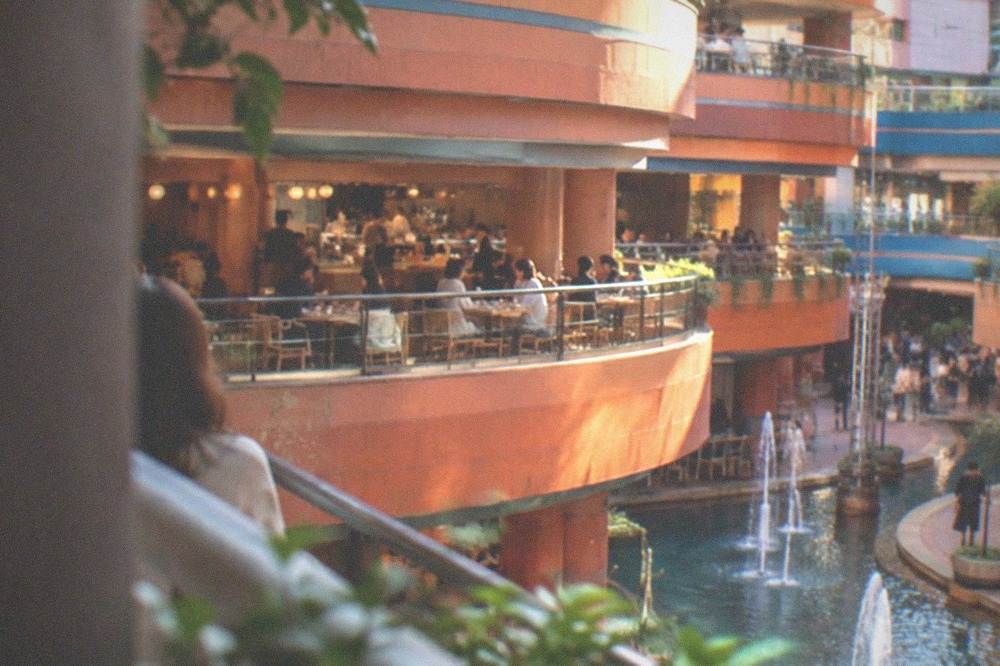
The wider food spread covers the standard Japanese mall range: family restaurants, cafés, a bakery cluster, sweets and a food floor with take-away options. Because the restaurants run to 23:00, the complex is a reliable late-evening fallback in a city where kitchen hours thin out after 22:00 outside the nightlife zones. A guest review on the operator's live listings regularly mentions exactly this: dinner after the shops close is the thing the complex does best.
For visitors who want the yatai experience rather than a mall dinner, the honest framing matters. The stalls take walk-ins, you cannot book a stall, and the about 100 licensed yatai across the city post their prices visibly under a city ordinance that bans vague "market price" listings. A guided crawl is the sellable version of that experience, and there are a few in the roster. The Evening Yatai, Izakaya, Karaoke tour runs from $99 per person, rated 5.0 from 29 reviews over 3 to 4 hours. The private Nakasu stalls tour with tastings runs from $94 per person, rated 4.7 from 70 reviews over about 2 hours.
The comparison between mall dinner and stall dinner is really a weather and comfort question:
| Factor | Eating at Canal City | Eating at a yatai stall |
|---|---|---|
| Weather cover | Fully indoors | Open air, closes in rain |
| Hours | To 23:00 | Typically from around 18:00 |
| Seating and space | Tables, chairs, space | Counter only, tight seating |
| Booking | Walk in | Walk in, guided crawls only |
| Posted prices | Standard menu | Required by city ordinance |
When Is Canal City Hakata Open, and What Does It Cost?
Canal City Hakata welcomes visitors every day of the year, and entry to the complex is completely free. Most shops operate from 10:00 to 21:00, while restaurants generally serve from 11:00 to 23:00, though individual tenant hours can vary from these patterns, so check specific stores before you go. That is the operator's own published position, and it is unusual enough in Japan to be worth stating plainly: no closure days at all. The practical exceptions are individual tenants and scheduled showtimes, not the complex itself. The fountain shows run to a published schedule that changes seasonally, and the cinema and theatre run to their own programme calendars, so check those separately if a show or film is the reason for your visit.
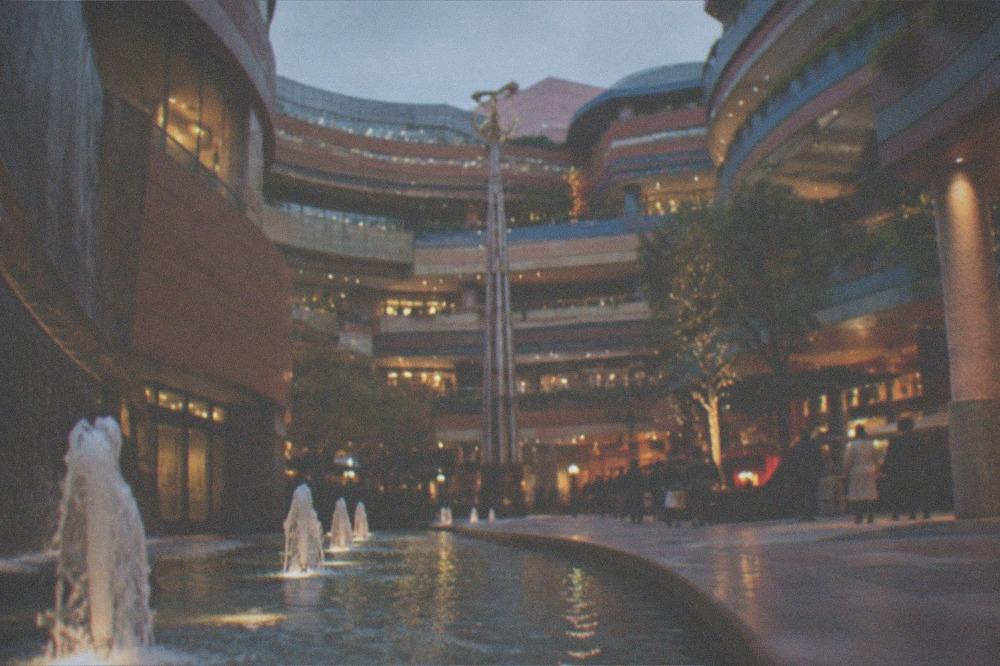
Timing your visit is more about mood than access. The fountain shows are the draw at dusk and after dark, when the plaza lights come on and the terracotta facades catch the show lighting. Mornings are quiet and best for shopping without crowds. Weekday lunchtime brings the local office crowd, which makes the ramen floor lively but wait-listed at the peak. Weekends are busy from noon onward, and holiday periods are busy all day, which in a covered complex is a comfort question rather than an access question.
A sensible half-day pattern for a first visit: arrive on foot from Hakata Station in the late afternoon, walk the canal spine from north to south, do a lap of the shopping floors while the light changes, watch an evening fountain show from the plaza steps, then eat on the restaurant floors before walking out through the south side toward Nakasu. That sequence costs nothing until dinner and puts the complex's best hours in one loop.
What Is Near Canal City Hakata?
Within a 15-minute walk of Canal City Hakata you can reach Kushida Shrine, Hakata's temple district including Tochoji and Shofukuji, the Kawabata shopping arcade, and the Nakasu riverside, which makes the complex a natural hinge for a day in the Hakata and Nakasu districts. This is the real strategic value of the place. It is not a destination you travel to and travel home from. It sits in the middle of a walkable chain that most visitors would otherwise build anyway, and it feeds that chain with food, restrooms, cover and seating.
Here is how the immediate surroundings stack up:
| Nearby sight | Direction from Canal City | Rough walk | Character |
|---|---|---|---|
| Kushida Shrine | South-east, old Hakata | Under 10 minutes | Historic shrine, festival heart |
| Tochoji temple | South, old Hakata | Under 10 minutes | Great Buddha hall |
| Kawabata arcade | South, parallel to river | Under 10 minutes | Retro covered shopping street |
| Nakasu district | North, across the river | Around 10 minutes | Nightlife, riverside, yatai |
| Hakata Station | North-west | Around 10 minutes | Transport hub, shopping, hotels |
| Hakata Machiya Folk Museum | South, near Kushida | Around 10 minutes | Old Hakata town life |
The museum is worth singling out for visitors whose interest in the area is historical rather than retail. It preserves and recreates the old Hakata town that used to occupy these blocks, and it pairs well with a shrine visit. For a fuller account of the whole historic cluster around the complex, the old town walkthrough covers the temples, the shrine and the arcade as a single route.
The walk south also puts you within reach of the city zoo and botanical garden and, further out, the big waterside parks, but those are transit territory rather than walkable extensions. Families planning a fuller day around the complex may prefer a structured half-day covering the main city sights, history and culture. The Half-Day City Essentials tour runs from $74 per person, rated 4.9 from 48 reviews over 3 to 6 hours, and is the closest roster match to that plan.
Can You Combine Canal City with Other Fukuoka Sights?
Yes, and the two most natural pairings are the Hakata history cluster immediately around the complex, which is a walking route, and the sightseeing circuit along the subway's Airport Line toward Ohori Park, Fukuoka Tower and the castle district, which is a day-plan route. Because the complex sits on a rail line that runs straight through the city's main sightseeing band, it works either as a lunch stop on a bigger itinerary or as an evening base at the end of one. The pairing that needs no planning at all is the one above: old Hakata, the arcade, the shrine and the temples, all on foot.
For the bigger pairings, the question is transport. A day that pairs the complex with the castle district and Ohori Park is comfortably done on the subway with the ¥640 day pass, since the Airport Line runs from Gion, beside Canal City, toward Ohori Park station. A day that pairs it with the art museum or the Asian Art Museum in the Ohori area works the same way, and both museums charge only ¥200 for their collections, with free entry for under-15s. The castle district carries one seasonal note worth knowing: the Tenshudai, the main keep base at the castle ruins, is closed to entry from 26 May 2026 until the end of December 2026 for an archaeological excavation, so the castle itinerary for late 2026 should plan around that.
Visitors who prefer a single ticket to stitch a day together have two honest options in the roster. The fully customisable private tour with a local guide, from $59 per person and rated 4.9 from 106 reviews over 2 to 6 hours, lets you set the stops, including the complex itself if you want a shopping break built into a guided day. The full-day licensed-guide private tour, from $160 per person and rated 4.9 from 71 reviews, is the deeper version of the same idea for a day that reaches further out.
For most people, though, the simplest good plan is the cheapest one: walk the history cluster on foot in the afternoon, come back through the complex at dusk, watch the fountain show, eat on the restaurant floors, and finish in Bayside Place or along the river. That day costs a subway fare or two and dinner, and it uses the complex exactly for what it is best at.
Common Questions About Canal City Hakata
Is Canal City Hakata worth visiting?
For most visitors, yes. Entry is free, the complex opens every day of the year, the fountain shows and canal plaza cost nothing, and the restaurant floors run to 23:00. Treat it as an evening stop and a dinner base rather than a primary sight and it earns its place on almost any Hakata itinerary.
How much does it cost to go to Canal City Hakata?
Nothing to enter. The complex is free to walk through, and the fountain shows are free to watch. You pay only for what you buy: shopping, food, cinema or theatre tickets. The subway fare to reach it is ¥210 to ¥260 for adults from the city centre stations.
What are Canal City Hakata's opening hours?
Shops generally run 10:00 to 21:00 and restaurants 11:00 to 23:00, with individual tenants varying. The complex itself opens every day of the year. Fountain show times follow a seasonal schedule published by the operator.
How do I get from Hakata Station to Canal City Hakata?
Walk. The complex is roughly 10 minutes on foot from the station's Chikushi-guchi side, crossing the Naka River. Alternatively take the subway one stop to Nakasu-Kawabata or Gion, both a few minutes' walk from the complex, at a single fare of ¥210 to ¥260.
Is Canal City Hakata good for families?
Yes. The fountain shows, the tiered plaza seating, the cinema and the covered layout make it one of the more child-friendly stops in the city centre, and the restaurant floors have broad options for picky eaters. It also works as a rain plan, which matters in a city whose wettest month is July.