Fukuoka City Zoo and Botanical Garden
Fukuoka City Zoo and Botanical Garden combines animal exhibits and planted gardens on one green hillside site, and it does so for a ¥600 adult ticket that undercuts almost every other paid attraction in the city. This guide covers the verified prices, the transport options, and who the zoo actually suits.
Short answer
Fukuoka City Zoo and Botanical Garden costs ¥600 for adults, ¥300 for high school students, and is free for junior high school age and under, with last entry at 16:30. It is a compact, inexpensive half-day outing best suited to families and travellers who want greenery and animals without leaving the city.
Fukuoka City Zoo and Botanical Garden is one of the few major Japanese city zoos that shares its grounds with a working botanical garden, and that combination shapes everything about a visit here. You are not choosing between animals and plants, you get both on one ticket, on one green site, for less than the price of a bowl of tonkotsu ramen. The adult admission of ¥600 sits well below Fukuoka Tower's ¥1,000 observation deck and far below Marine World's ¥2,500 aquarium entry, which is worth knowing in a city where the paid attractions add up quickly.
This page answers the question travellers actually ask before they go: is it worth the detour, what does it cost, how do you get there, and who will enjoy it. Every price below is verified against the zoo's own site, and where the official sources are silent, this guide says so rather than guessing. For a broader verdict on the city itself, see is Fukuoka worth visiting, and for planning the rest of a family trip, the Fukuoka with kids itinerary slots the zoo into a full day.
Is Fukuoka City Zoo and Botanical Garden Worth Visiting?
For most visitors, yes, provided you frame it correctly: this is a relaxed, low-cost, half-day city outing rather than a flagship attraction, and it earns its place on the strength of that ¥600 ticket, the free entry for children of junior high school age and under, and the unusual pairing of animal enclosures with a botanical garden you can walk through on the same admission.
The honest framing matters. Travellers who arrive expecting a world-class zoo on the scale of Ueno or Asahiyama will be disappointed, and that disappointment is a planning failure, not a zoo failure. The site is compact, the enclosures are a mix of older and renovated, and the pleasure of the place comes from its unhurried scale. You can walk the whole grounds in a couple of hours, then linger in the garden sections with a drink from a vending machine, which is a very Fukuoka way to spend an afternoon.
Where the zoo genuinely wins is value. Compare the ¥600 adult ticket against the city's other paid family sights and it comes out near the bottom of the price column every time. The botanical garden half of the site also means the visit changes character with the seasons: the planted sections carry colour through spring, summer and autumn in a way a concrete-heavy attraction cannot. Free-admission days are announced by the city from time to time, including 3 and 4 October 2026, when the Hitori Hitohana Summit made the zoo free for everyone.
Families with young children are the core audience, and the zoo serves them well. Solo travellers and couples looking for a quiet green escape will also find it works, especially combined with other sights in the city's south. If your Fukuoka time is short, two or three days, the zoo is a "if the mood takes you" option rather than a must, and the Fukuoka solo itinerary or the Fukuoka viewpoints guide may serve you better.
What Are the Ticket Prices at Fukuoka Zoo?
Admission is ¥600 for adults, ¥300 for high school students, and free for junior high school age and under, with last entry at 16:30. Those are the zoo's own published rates, and they make it one of the cheapest paid attractions in Fukuoka: roughly a fifth of Marine World's adult ticket and well under half of Fukuoka Tower's.
The full price structure, as published by the zoo, is simple enough to plan around:
| Category | Admission |
|---|---|
| Adult | ¥600 |
| High school student | ¥300 |
| Junior high school age and under | Free |
| Last entry | 16:30 |
Two things the official sources do not publish, and which this guide will not invent: the exact opening time and the weekly closing day. Confident figures for both circulate on third-party sites, but the zoo's own page does not state them, so the honest advice is to check the official zoo site before you set out. Treat any opening hour you read elsewhere, including in otherwise good guides, as unconfirmed.
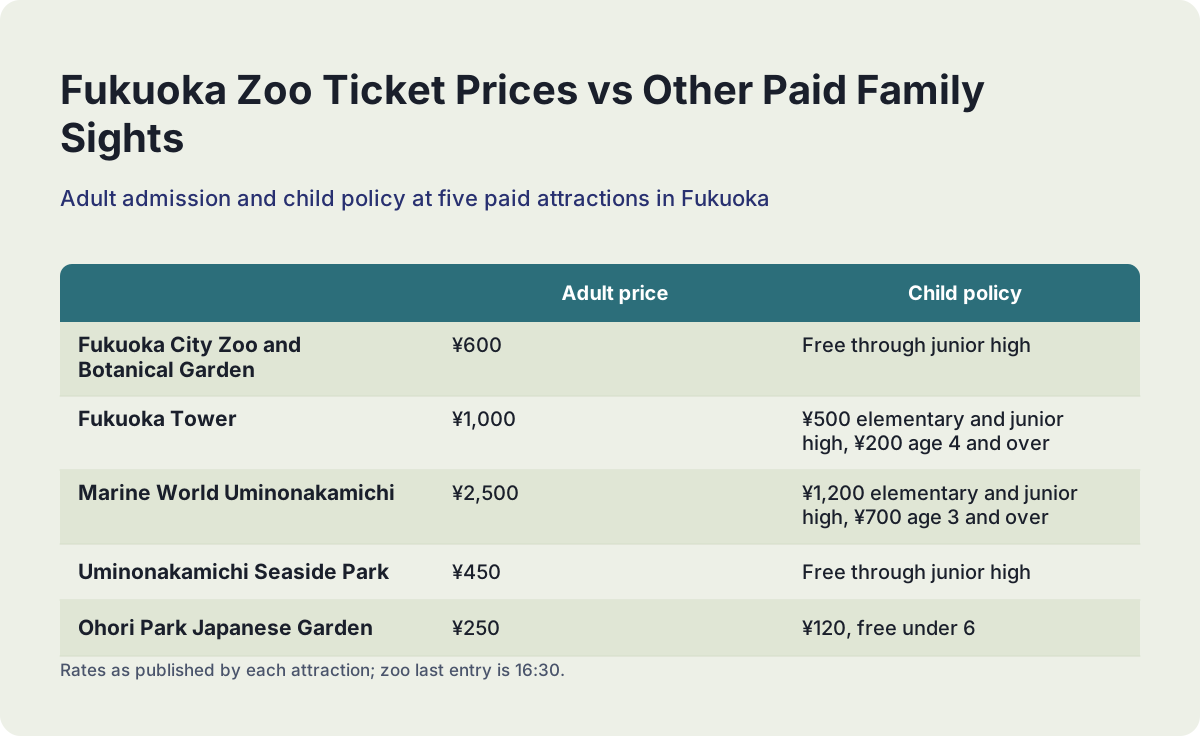
The free-under-junior-high policy is the quiet headline for families. A family of two adults and two young children pays ¥1,200 total, which is less than a single adult ticket at several of the city's other attractions. Set that against the alternatives:
| Attraction | Adult price | Child policy |
|---|---|---|
| Fukuoka City Zoo and Botanical Garden | ¥600 | Free through junior high |
| Fukuoka Tower | ¥1,000 | ¥500 elementary and junior high, ¥200 age 4 and over |
| Marine World Uminonakamichi | ¥2,500 | ¥1,200 elementary and junior high, ¥700 age 3 and over |
| Uminonakamichi Seaside Park | ¥450 | Free through junior high |
| Ohori Park Japanese Garden | ¥250 | ¥120, free under 6 |
That table is the whole argument for the zoo in family planning. Only the seaside park comes close on value, and it trades animals for coastline. If rain is falling instead, the Fukuoka rainy day itinerary collects the indoor options, though the zoo's garden sections under mature trees are more pleasant in dry weather than most visitors expect.
What Animals and Gardens Will You See?
The site pairs a compact zoo, whose enclosures include the standard Japanese city-zoo mix of large mammals, birds and reptiles, with botanical garden sections of planted beds, mature trees and seasonal displays, all on one walkable hillside. The city publishes no animal count or garden inventory, so any specific number you read elsewhere is a guess, and this guide will not repeat one.
The zoo half follows the pattern visitors to Japanese municipal zoos will recognise: a circuit of enclosures, a modest animal house or two, and enough shade to make a summer walk survivable. The botanical half is what separates it from the pack. Planted sections run between and around the animal areas rather than sitting apart, so the visit reads as one continuous green walk rather than two separate attractions stapled together. Seasonal flower displays give the site a reason to return through the year, and the mature tree cover makes the gardens as much of the draw as the animals on a hot day.
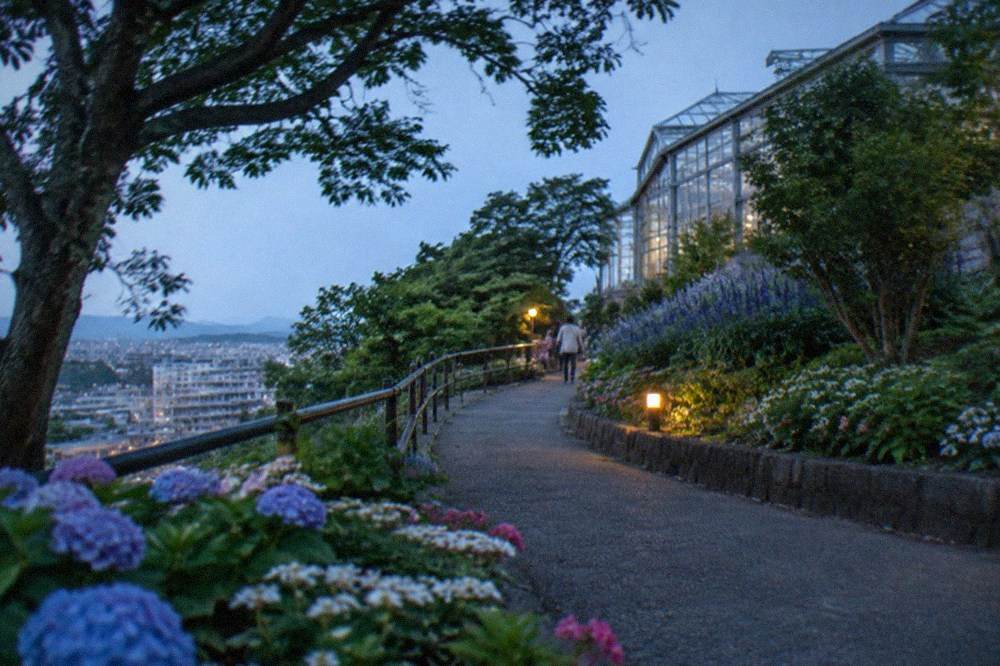
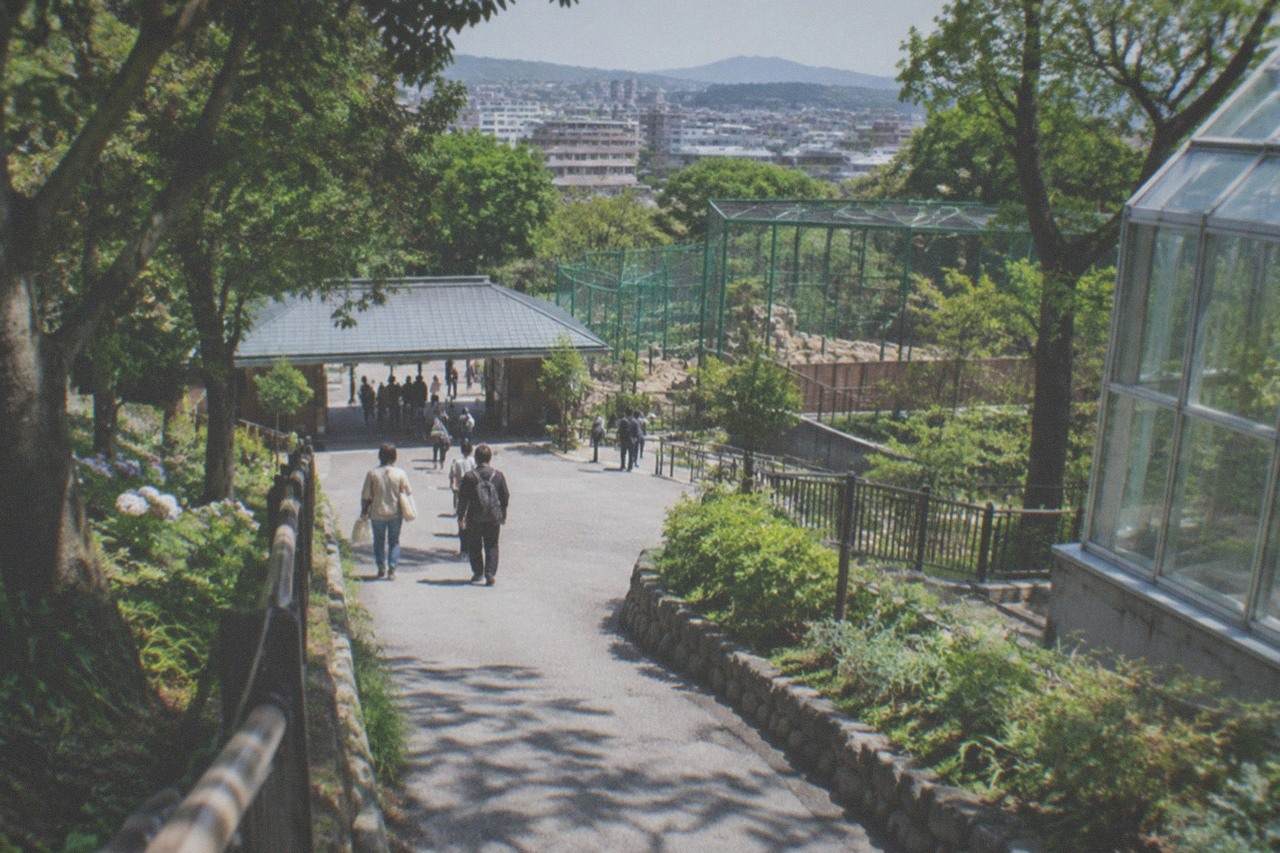
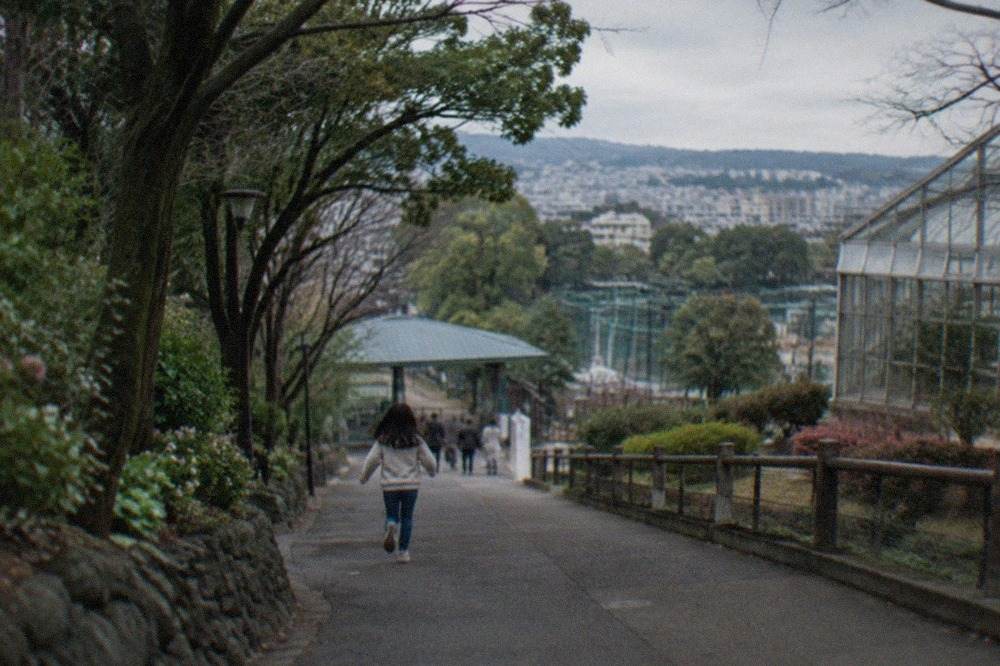
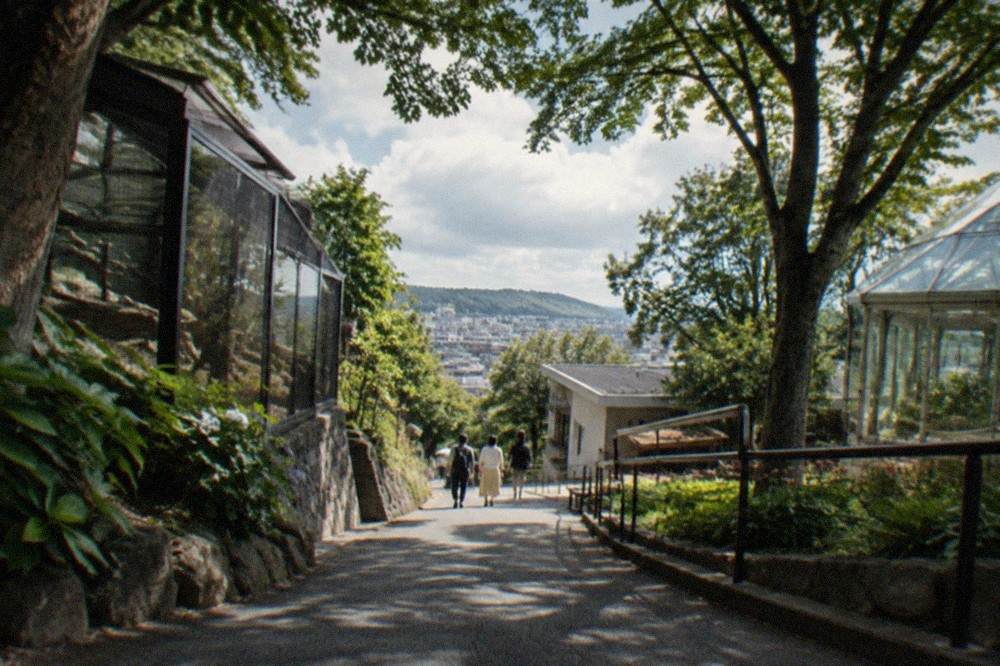
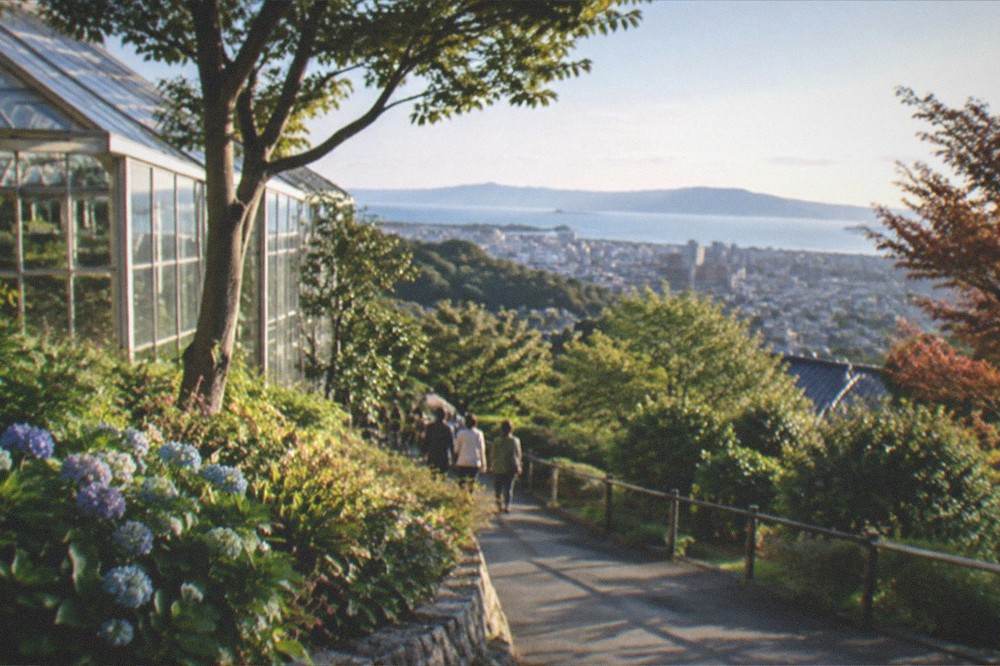
Because the grounds sit on a slope, the layout does some quiet work for you: the upper sections deliver views back over the city, which pairs naturally with the city's other elevated and green sights. Ohori Park, with its lake circuit and the Ohori Park Japanese Garden, makes a strong companion visit on a different day, and the Fukuoka viewpoints guide covers where else to climb for the panorama.
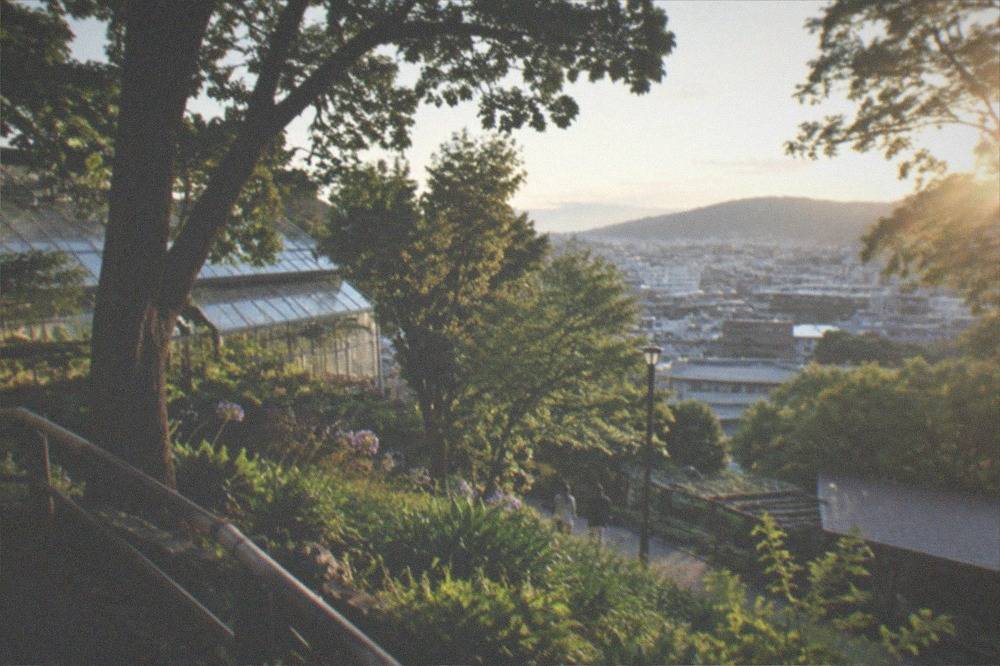
Visitors consistently describe the zoo as a two-to-three-hour experience rather than a full day, and that is the right expectation to pack. Arrive with the last-entry time in mind, 16:30, and work backwards: an afternoon arrival after 14:00 gives a comfortable circuit, while a late-afternoon arrival does not. The free-admission days the city occasionally announces, such as 3 and 4 October 2026, draw bigger crowds, so a free day trades money for queue time.
For travellers who want structure rather than self-direction, a guided half-day in the city centre covers far more ground per hour than an unguided wander, and the trio above spans that option alongside an airport transfer and a full-day escape into northern Kyushu.
How Do You Get to the Zoo?
The zoo sits inside the city, reachable by the local transit network rather than a long expedition, and the cheapest way to move around Fukuoka is the subway, whose single fares run from ¥210 for up to 3 km to ¥380 for over 19 km, with a ¥640 one-day pass covering all three lines if the zoo is one stop among several.
Fukuoka's transit is unusually kind to visitors, and the fare structure is worth knowing before any trip across town. The subway's official fare table is distance-based:
| Subway zone | Distance | Adult fare | Child fare |
|---|---|---|---|
| 1 | up to 3 km | ¥210 | ¥110 |
| 2 | 3 to 7 km | ¥260 | ¥130 |
| 3 | 7 to 11 km | ¥300 | ¥150 |
| 4 | 11 to 15 km | ¥340 | ¥170 |
| 5 | 15 to 19 km | ¥360 | ¥180 |
| 6 | over 19 km | ¥380 | ¥190 |
The official subway fare page publishes those bands, and the ¥640 adult one-day pass pays for itself on a fourth ride, which a zoo-plus-tower-plus-park day easily manages. Overseas visitors on a short-stay visa can do better still: the Fukuoka Tourist City Pass costs ¥2,500 for the city version and ¥2,800 with Dazaifu included, covers subway, buses, trains and ferries for a day, and requires a passport check at the counter, a restriction most competing guides skip.
Two navigation notes that save real confusion. First, Hakata and Fukuoka are the same city: Hakata is the ward and the main station, so you never "travel from Hakata to Fukuoka", you travel within it. Second, there is no JR Fukuoka Station, the station is Hakata, and a search for "Fukuoka Station" will send you astray. The airport, Fukuoka Airport (FUK), sits on the subway's Kuko line, and the airport-to-Hakata fare is ¥260 within the official 3 to 7 km band; the airport is unusually close to the centre, though no official page verifies the famous five-minute journey time, so this guide prints no minutes.
When Is the Best Time of Year to Visit?
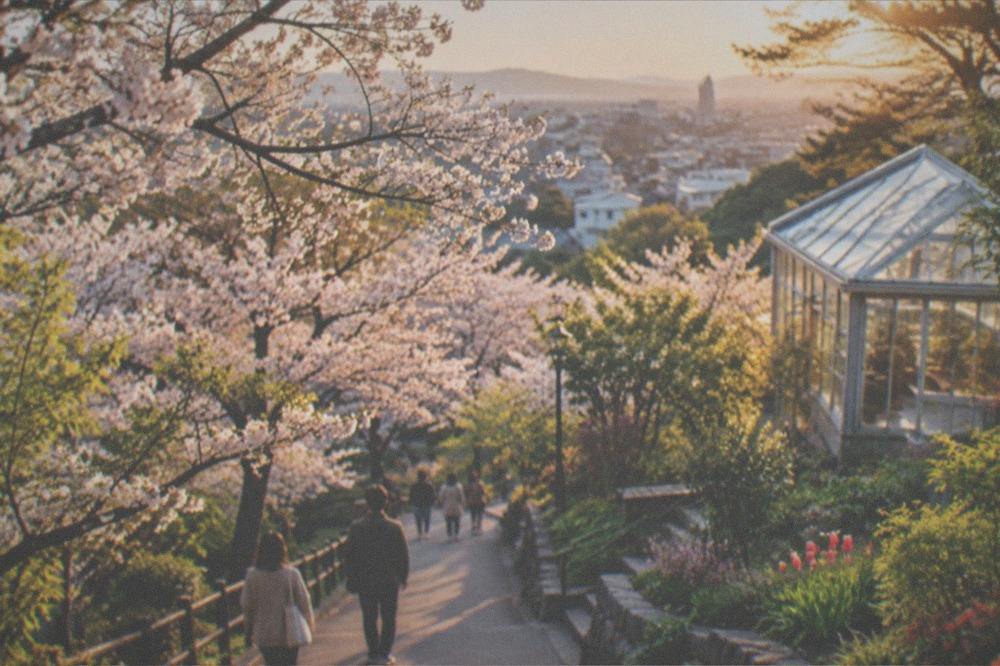
Spring and autumn are the strongest seasons, because the botanical garden carries the visit when animal activity dips: cherry blossoms typically open in late March with full bloom from the end of March into early April, and autumn colour peaks from mid to late November into early December, while summer visits mean contending with the city's real rainy and typhoon season.
The Japan Meteorological Agency's 1991 to 2020 normals for Fukuoka give the honest backdrop. July is the city's wettest month at 299.1 mm, wetter than June's 249.6 mm despite June being the tsuyu rainy season, a fact that surprises most visitors and most guides. August is hotter but drier, with 210.0 mm of rain and 200.9 sunshine hours, the second sunniest month after May. If you are coming for the gardens, that makes late spring and October stand out: October brings only 94.5 mm of rain and 175.9 sunshine hours, comfortably the best walking weather of the year.
| Month | Mean temp | Rain | Sunshine hours | Zoo and garden conditions |
|---|---|---|---|---|
| March | 10.8°C | 103.7 mm | 161.2 h | Blossom season begins, cool walking |
| April | 15.4°C | 118.2 mm | 188.1 h | Peak blossom, best all-round month |
| July | 27.4°C | 299.1 mm | 172.2 h | Wettest month, humid, Yamakasa festival city-wide |
| October | 19.6°C | 94.5 mm | 175.9 h | Driest comfortable month, autumn beginning |
| November | 14.2°C | 91.4 mm | 137.3 h | Autumn colour, cool and clear |
Typhoon season runs roughly July through October and is a genuine planning factor, though it rarely makes the city unvisitable; systems pass, transport pauses, and normal service resumes. If a typhoon lands on your zoo day, the Fukuoka rainy day itinerary is the fallback, and the zoo's own site will state any weather closure.
Is the Zoo Good for Families with Kids?
Yes, and the pricing is built for it: children through junior high school enter free, the compact layout keeps walking distances short for small legs, and the combined animal-and-garden format gives children two different things to look at on one ticket, which holds attention far better than a single-attraction visit of the same length.
The economics alone justify the trip for families. Two adults and any number of children of junior high age and under pay ¥1,200 in total, less than one adult at Marine World. The site's scale works in a family's favour too: a two-to-three-hour circuit fits inside a child's attention span rather than exceeding it, and the garden sections give a natural place to rest when the animal circuit runs out of steam. Bring coins for vending machines, note the 16:30 last entry, and treat the visit as a half-day block in a wider plan rather than a whole-day commitment.
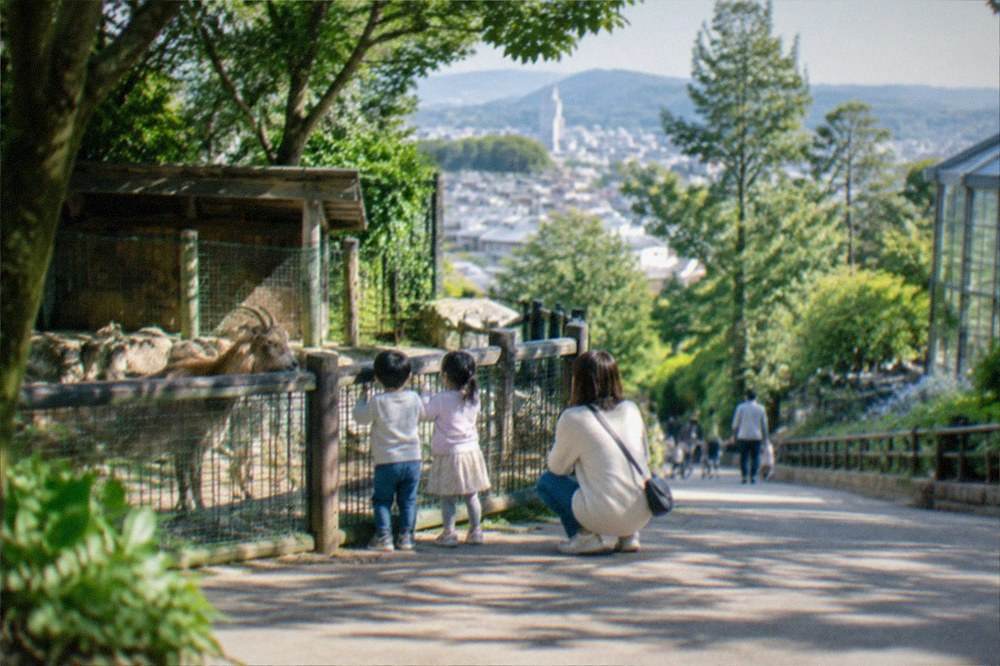
Families plotting a full trip should read the Fukuoka with kids itinerary, which sequences the zoo against the city's other child-friendly sights. The strongest pairing on a separate day is Uminonakamichi, where the seaside park offers coastline, playgrounds and an animal forest for a ¥450 adult ticket, with junior high and under free there as well. One warning worth repeating from that park's own materials: its gate takes cash only, so withdraw yen before you go. The zoo does not publish a comparable cash-only restriction, but carrying some cash anywhere in Fukuoka remains sensible practice.
For families flying in, the practical first move after landing is the transfer from the airport into the city, and a pre-booked private option removes the luggage-on-a-bus problem entirely.
What Else Is Nearby for a Full Day Out?
The zoo works best as one block in a southern-or-central Fukuoka day, and the city's density makes pairing easy: Ohori Park and its Japanese garden, the Fukuoka Castle ruins in Maizuru Park, and the canal-side complex at Canal City Hakata all sit within a short transit ride, giving you a green morning and a city afternoon without backtracking.
A sensible day pairs the zoo with one central stop rather than two, because the zoo's hillside circuit plus a garden stroll is already a half-day of walking. Ohori Park is the natural companion: its lake path is free, the Japanese garden inside it costs ¥250 for adults and ¥120 for children, and the Ohori Park guide covers the circuit in full. History-minded visitors can fold in the Fukuoka Castle ruins, where the grounds are free, though the Tenshudai keep base is closed from 26 May 2026 until the end of December 2026 for an archaeological excavation prompted by a document found in December 2024 describing a keep that may never have existed.
| Pairing | Cost for one adult | Time needed | Best for |
|---|---|---|---|
| Zoo, then Ohori Park | ¥600 plus ¥250 garden | Half day each | Green-space lovers |
| Zoo, then Fukuoka Castle ruins | ¥600, castle grounds free | Half day plus | History and views |
| Zoo, then Canal City Hakata | ¥600, entry free | Half day plus | Families wanting shops and food |
| Zoo, then Fukuoka Tower | ¥600 plus ¥1,000 | Full day | Photographers, sunset from the deck |
Canal City Hakata deserves its own mention as the recovery stop: entry is free, shops run 10:00 to 21:00 and restaurants 11:00 to 23:00, and the Canal City Hakata guide explains the layout. Shoppers will find the Tenjin district a short ride away, and visitors can also take in the spiritual core of the city at Kushida Shrine, Hakata's own parish shrine, all reachable on the same one-day transit thinking.
Should You Visit the Zoo or Marine World Instead?
Choose the zoo for a cheap, green, unhurried half-day inside the city, and choose Marine World Uminonakamichi when the sea itself is the point: the aquarium's ¥2,500 adult ticket buys a far more polished animal experience, but it costs more than four zoo admissions, sits at the end of a longer journey out along Hakata Bay, and pairs with the seaside park rather than a botanical garden.
This is not a close call on price, and the table makes the gap plain:
| Factor | Fukuoka City Zoo | Marine World Uminonakamichi |
|---|---|---|
| Adult admission | ¥600 | ¥2,500 |
| Child admission | Free through junior high | ¥1,200 elementary and junior high |
| Setting | Hillside with botanical garden | Bayfront aquarium beside seaside park |
| Visit length | 2 to 3 hours | Half day plus park time |
| Strongest season | Spring and autumn | Year-round, indoor |
| Last entry | 16:30 | 16:30 on the date checked, hours vary by calendar |
Marine World's hours genuinely vary by calendar date, so never plan around a single year-round figure; check the aquarium's own site before committing to a bayfront day. Families with a full day and a transit budget often do both across a trip, the zoo for the cheap afternoon, Marine World for the marquee outing, and the seaside park's seasonal Tuesday closures catch plenty of visitors out.
The e-ticket option for Marine World removes the ticket-window queue and is worth a look if the aquarium wins your day.
What Would a Zoo Visit Cost in a Full Day Plan?
A zoo-centred day is one of the cheapest full days in Fukuoka: budget roughly ¥1,200 per adult for admission plus a modest transit fare, with the ¥640 subway one-day pass covering transport if you pair the zoo with central sights, and food from a few hundred yen for yatai or ramen up to a sit-down motsunabe dinner, keeping the whole day inexpensive before shopping.
The zoo's own contribution to a day's budget is tiny, which is the entire point of choosing it. The variables are transit and food:
| Item | Typical cost | Notes |
|---|---|---|
| Zoo admission, adult | ¥600 | High school ¥300, junior high and under free |
| Subway one-day pass | ¥640 | All three lines, valid on the day of purchase |
| Tourist City Pass | ¥2,500 | Overseas short-stay visitors, passport checked |
| Lunch, casual | a few hundred yen to ¥1,000 | Ramen, yatai dishes, udon |
| Dinner, motsunabe for two | moderate | Shared hot pot, the Hakata winter standard |
The Tourist City Pass only makes sense if you ride enough to beat ¥2,500 in fares, which a multi-stop day can do; the passport requirement and the excluded Tabito liner bus to Dazaifu are the fine print most guides miss. For the food side, the city's famous yatai stalls, about 100 of them across Nakasu, Tenjin and Nagahama, take walk-ins and cannot be booked, and a city ordinance requires every stall to post its prices visibly, banning vague "market price" pricing, so you always know what a dish costs before you sit down.
If the zoo day leaves you hungry for more structured exploring, a guided essentials walk through the city centre is the natural next booking, and the trio below gathers the options worth comparing.
For the deeper dive into what the city offers beyond animals and gardens, this Fukuoka Japan Travel Guide is the site's home base, with a full library of attraction, itinerary and food pages.
Common Questions About Fukuoka City Zoo and Botanical Garden
Is Fukuoka City Zoo And Botanical Garden Worth Visiting?
For most travellers, yes, as a relaxed half-day outing rather than a flagship attraction. The ¥600 adult ticket, free entry through junior high school age, and the combined animal-and-garden format make it one of the best-value paid sights in the city, especially for families.
How much does Fukuoka City Zoo cost?
Adult admission is ¥600, high school students pay ¥300, and children of junior high school age and under enter free. Last entry is 16:30. The city occasionally announces free-admission days, including 3 and 4 October 2026.
What are the zoo's opening hours?
The zoo's own official page does not publish a confirmed opening time or weekly closing day, and this guide will not repeat the unverified figures that circulate elsewhere. Check the official zoo site before you set out, and plan around the verified 16:30 last entry.
Is the zoo good for young children?
Yes. The compact layout keeps walking distances short, children through junior high enter free, and the two-in-one format of animals plus botanical garden holds attention longer than a single-attraction visit. Two to three hours is a realistic visit length.
Zoo or Marine World, which is better?
The zoo wins on price and greenery, at ¥600 against Marine World's ¥2,500 adult ticket. Marine World wins on polish and indoor comfort, and pairs with the seaside park out along Hakata Bay. Families with time often do both on different days.
Can you reach the zoo by subway?
Yes, the city's transit network serves the area, and subway single fares run from ¥210 for up to 3 km to ¥380 for over 19 km, with a ¥640 one-day pass covering all three lines if the zoo is one stop in a bigger day of sightseeing.