Bayside Place Hakata
Bayside Place Hakata is the waterfront complex where Fukuoka turns toward its bay: the departure point for ferries across Hakata Bay and a pleasant, low-key stop between Hakata Station and the sea. This guide sets out what it is, what it genuinely offers, and when it earns a slot in your day.
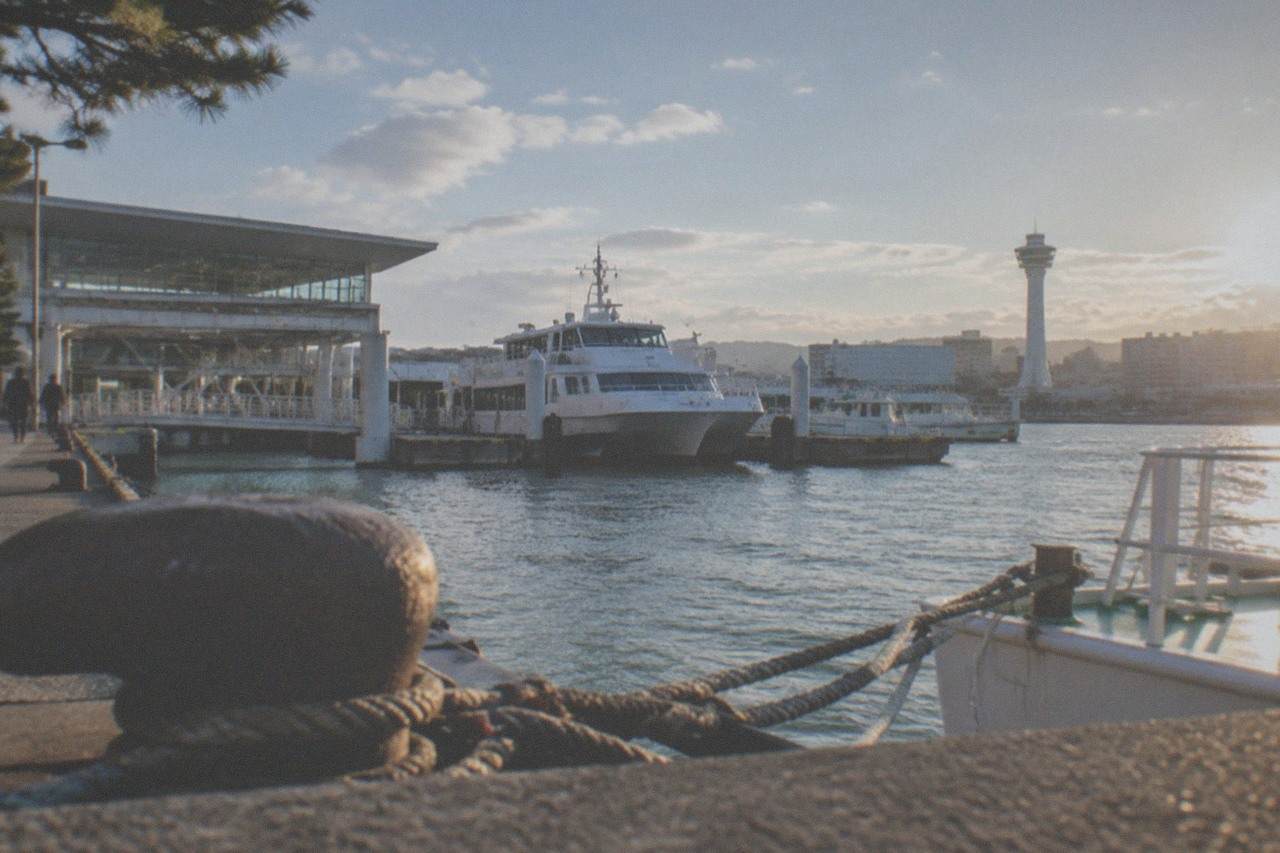
Short answer
Bayside Place Hakata is worth a short visit if you are catching a ferry to Nokonoshima or Uminonakamichi, want a sunset over Hakata Bay, or need a relaxed half hour near the port. It is not a full attraction by itself: pair it with the bay crossings, the nearby Marine World ferry link, or a walk along the waterfront.
Bayside Place Hakata sits at the foot of Hakata's harbour, roughly ten minutes on foot from the western end of Hakata Station, and it is the place where Fukuoka stops being a shopping city and becomes a port. The complex clusters a ferry terminal, a handful of restaurants and shops, and an observation tower around a open waterfront plaza, all facing north across Hakata Bay toward Nokonoshima and the long sand spit of Uminonakamichi. For most travellers it works as a passage rather than a destination: you pass through it to reach the islands, you stop for the sunset, or you kill an hour waiting for a boat. Fukuoka is a city of 1,663,892 people on the Genkai Sea side of northern Kyushu, and its harbour districts are the reason it grew at all, so the waterfront deserves more understanding than most itineraries give it.
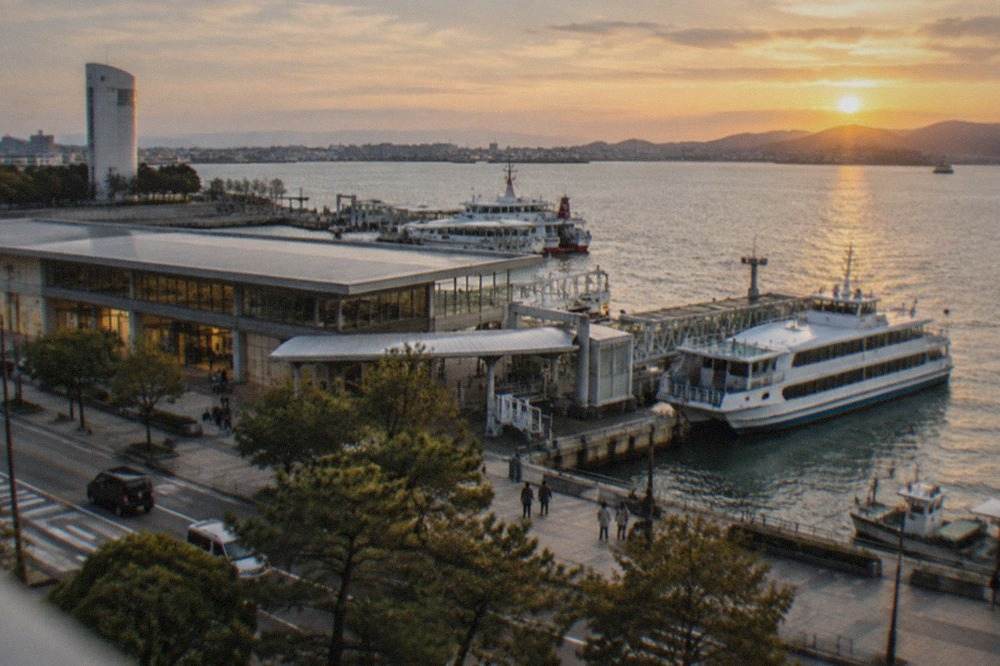
One framing correction before anything else, because competing guides get this wrong constantly. Hakata is a ward of Fukuoka and the name of the city's main station; Hakata and Fukuoka are not two cities and not two districts you travel between. Bayside Place is in Hakata ward, inside the city of Fukuoka, on the shore of Hakata Bay, which opens onto the Genkai Sea. Fukuoka is not on the Pacific and it is not tropical. Getting the bay's geography right is the first step to using this corner of the city well.
What Is Bayside Place Hakata?
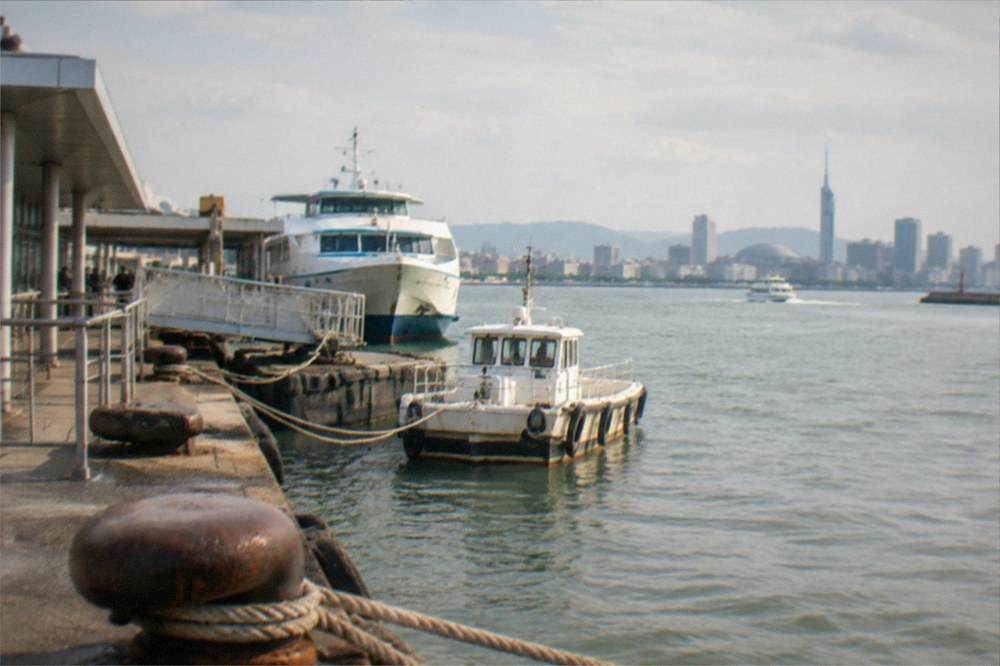
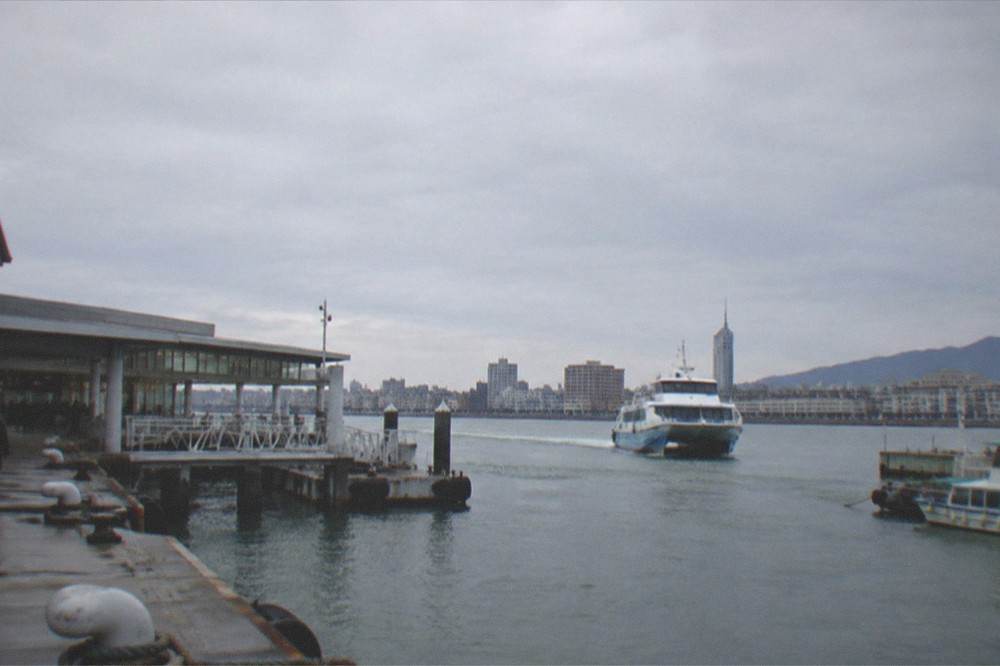
Bayside Place Hakata is a waterfront complex in the Chikko district of Hakata ward, built around the small-craft ferry terminal connecting central Fukuoka with Nokonoshima, Uminonakamichi and other points across Hakata Bay. It combines a departure hall with a modest shopping and dining deck, an observation tower and an open plaza facing the water, a short walk from the cruise terminals and Hakata Station. Think of it as a working harbour front with visitor facilities attached.
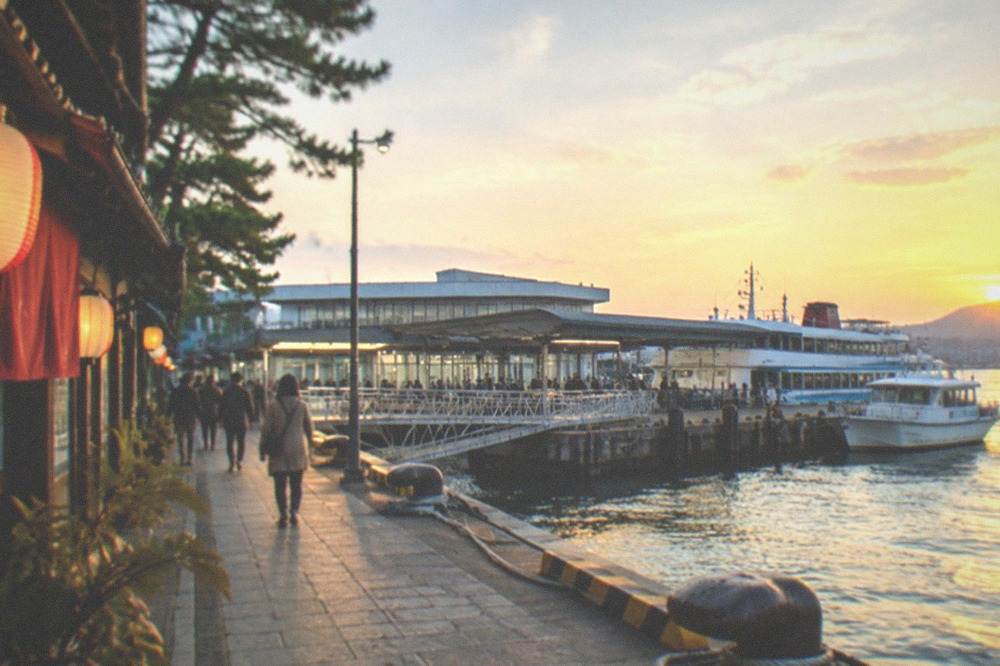
The site earns its place in an itinerary through two roles. First, it is the practical jumping-off point for the bay: the passenger boats to Nokonoshima Island Park, to the Uminonakamichi spit and to Shikanoshima leave from this stretch of harbour, and the terminal building gives you a roof, a ticket desk and somewhere to wait. Second, it is one of the few spots in central Fukuoka where you can stand with the water in front of you and the city skyline behind, which is exactly what you want at the end of an afternoon. The plaza looks north across the bay, and in the evening the light comes off the water onto the towers behind you.
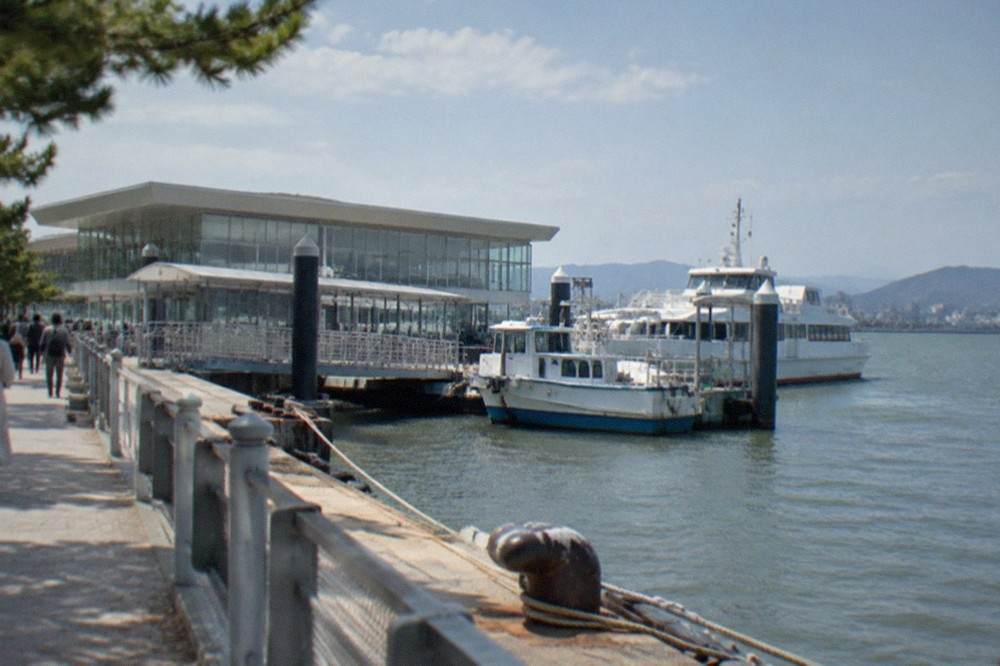
What it is not is a full day out. The shopping deck is modest, the restaurants are a mix of seafood counters and family-friendly chains, and the whole complex can be walked end to end in fifteen unhurried minutes. That brevity is not a flaw, it is the design: Bayside Place exists to send you somewhere, whether that is across the bay or back into the city with a sunset photograph. The people who rate it badly are usually the people who came expecting Canal City Hakata, the vast indoor shopping canal a few blocks south, which is a completely different animal and does not have a single boat.
For context on the harbour itself: Hakata Port recorded 208 cruise ship calls in 2025 by the city's own tally, one of the busiest international cruise ports in western Japan. That means the area around Bayside Place can shift from near-empty on a weekday morning to busy when a ship is in, and the restaurants fill accordingly. The city's cruise call records track the schedule if you want to avoid or deliberately join the crowd.
Ferries and Boats: The Real Reason to Come
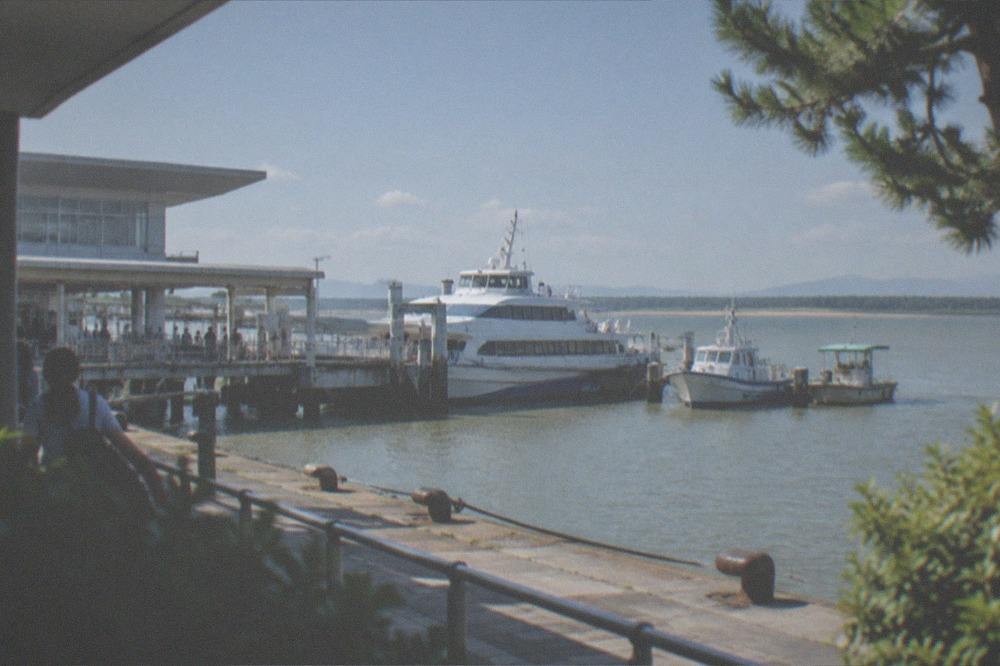
The strongest reason to visit Bayside Place is departures: passenger boats across Hakata Bay leave from this harbour, reaching Nokonoshima and the Uminonakamichi Seaside Park in well under half an hour, and the Fukuoka Tourist City Pass covers ferry rides within its one-day validity. The ferries convert a city day into an island day for a few hundred yen, among the best value moves in Fukuoka. Nokonoshima's opening time is not published in a form this site could verify, so check the island's own information first.
The geography is worth a sentence because it shapes everything. Nokonoshima, Shikanoshima and the Uminonakamichi spit all sit inside Hakata Bay, protected from the Genkai Sea beyond, which is why these crossings are short, calm and cheap. You are not taking a sea voyage, you are crossing a harbour the way a local commuter does. The bay's islands each give a different return on the ticket: Nokonoshima for its island park and flower seasons, Uminonakamichi for the Seaside Park and Marine World aquarium, Shikanoshima for quiet beaches and a shoreline walk.
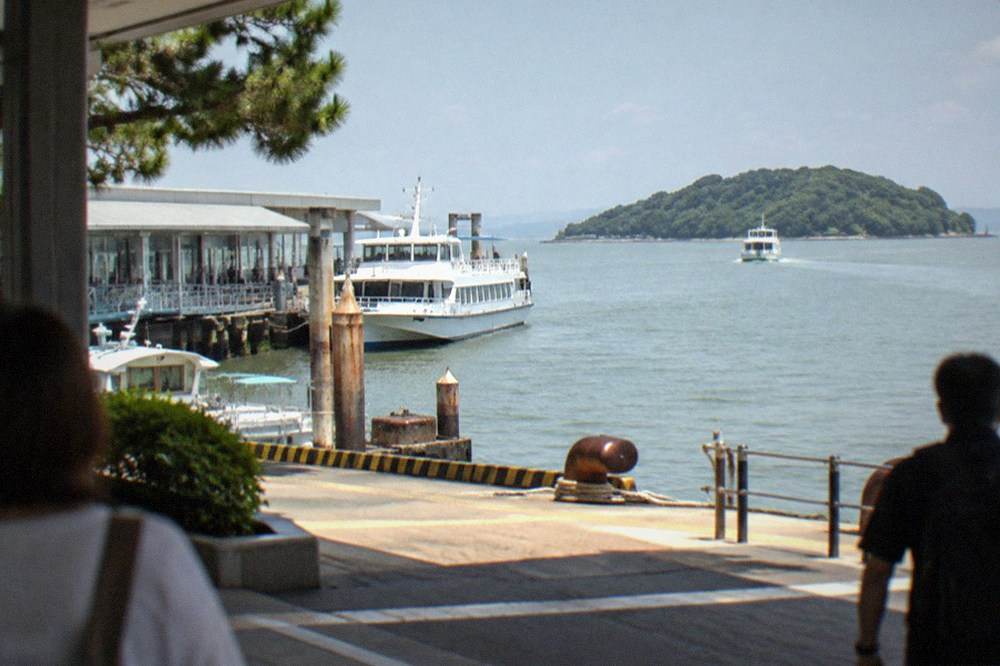
Money mechanics matter here, and this is a spot where this Fukuoka Japan Travel Guide can genuinely save you some. The Fukuoka Tourist City Pass, sold only to overseas visitors on short-stay visas with a passport checked at the counter, costs ¥2,500 for the city version or ¥2,800 with the Dazaifu extension, and it covers unlimited subway, bus, train and ferry rides for one day. Most competing guides still quote prices half that, from an era before the pass was restructured; the official pass page states the current figures plainly. If a ferry, two subway rides and a bus are on your plan, the arithmetic tips in the pass's favour quickly.
If you are staying inside the city without a pass, the subway is the standard way to arrive: Hakata Station is on the Airport and Nanakuma lines, and single adult fares run ¥210 for up to 3 km, ¥260 for 3 to 7 km, and up to ¥380 at the top of the six-zone table. A one-day subway pass is ¥640 if you expect to move around a lot. From the station it is a straightforward walk west along the harbour roads.
The crossings and what waits on the far side:
| Destination | What it is | The draw |
|---|---|---|
| Nokonoshima | Island in Hakata Bay with a large island park | Seasonal flowers, rural quiet, bay views back toward the city |
| Uminonakamichi | Sand spit with the Seaside Park and Marine World | Aquarium, playgrounds, lawns, direct boat and rail links |
| Shikanoshima | Island at the bay's mouth, Genkai Sea beyond | Beaches, cycling roads, a much wilder shoreline |
Is Bayside Place Hakata Worth Visiting?
Bayside Place is worth visiting if you have a ferry to catch, a sunset to see, or an hour to fill near the harbour: it is a pleasant, free-to-enter waterfront with a view across Hakata Bay and easy access to three islands. It is not worth a dedicated trip if you have no interest in the water and no island on your plan, because the shopping and dining alone do not carry a visit. Treat it as a hinge between city and bay and it performs well.
The honest scoring depends almost entirely on your itinerary. If Nokonoshima Island Park, the Uminonakamichi Seaside Park or Marine World is already on your list, then Bayside Place is simply the door you walk through to reach them, and the answer to the question is yes by default. If your Fukuoka plan is temples, ramen and Tenjin shopping, the waterfront is skippable, and your time is better spent at Kushida Shrine or in the Gion district a few blocks inland.
The sunset case is stronger than most visitors expect. The plaza faces north across the water, and the light in the late afternoon comes low across the bay, catching the tower and the moored boats. Photographers after a city skyline shot generally do better from the opposite shore or from the water itself; a night cruise from the harbour is one of the rostered options here, a three-hour tour of the lit-up bayfront, and it puts the Fukuoka Tower and the harbour lights in the frame from the seaward side. A bay cruise from $96 per person, rated 5.0 from 4 reviews, is a genuinely uncrowded way to see the skyline.
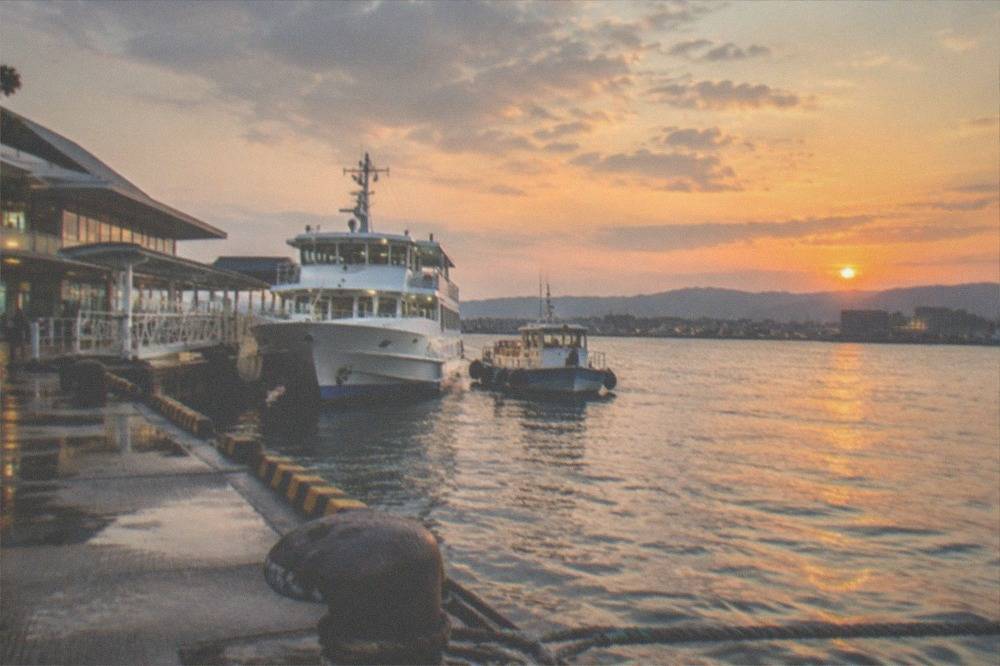
Free is the right price for the ambience. The plaza and the departure hall cost nothing to enter, the bay view costs nothing, and the walk along the harbour wall toward Chikko and the west passes the fishing boat moorings that still anchor Hakata's identity. The paid layer on top, meaning the observation tower and whatever the restaurants charge, is optional and modest. Set against the city's other paid viewpoints, Fukuoka Tower charges ¥1,000 for an adult, ¥500 for elementary and junior high ages and ¥200 from age four, and that tower is 234 m tall with decks at 123 m; if a big view is what you want, the comparison is not close.
What to Do Around Bayside Place in an Afternoon
A good afternoon around Bayside Place runs from the harbour to the old town: boats and bay views at the plaza, then a walk or short subway hop into Hakata's historic core of Kushida Shrine, Tochoji and the Machiya Folk Museum, all within the same compact ward. The waterfront and the temple quarter sit close enough that a half day covers both comfortably, and most of the pairings are free to enter.
Start at the water and work inland. The plaza itself takes twenty minutes to absorb: the tower, the pontoon lines, the board that lists the day's sailings, the small aquarium tank that entertains children while adults wait. Then decide on the boat. If the weather is fair and the tide of your schedule allows, the Nokonoshima run is the classic: the island park charges admission at the gate, treats its seasonal flowers as the main event, and returns you to the city with an appetite.
If boats do not appeal, walk east along the harbour into Hakata's old town. The distance is short and the route is flat, and it deposits you at Kushida Shrine, Hakata's guardian shrine, which anchors the neighbourhood the way the port anchors the shore. Tochoji, with its seated Great Buddha, and the Hakata Machiya Folk Museum with its recreated merchant streets, complete a circuit that explains the city's merchant-and-harbour history better than any single site. The shrine grounds and both temples are free to enter.
From there the evening writes itself. The Nakasu yatai rows are a few minutes south, and the city's ordinance guarantees something most guides never mention: all about 100 licensed stalls must display their prices where customers can easily see them, and no dish may be listed as market price. That single rule answers the nervous first-timer's real question, which is not where to eat but whether the bill will be a surprise. If you want a guide through the stalls rather than a solo seat, the Nakasu yatai street page lays out the rows and the etiquette.
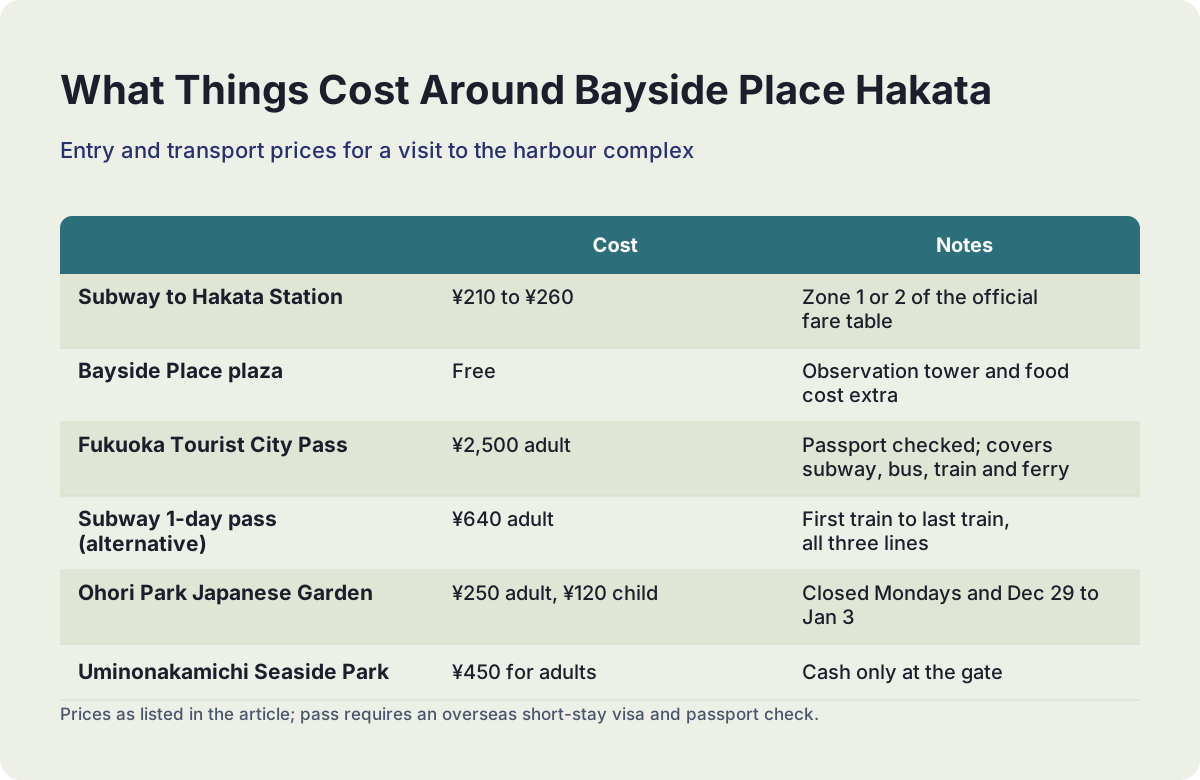
A rough budget for the half day, using only verified figures:
| Item | Cost | Notes |
|---|---|---|
| Subway to Hakata Station | ¥210 to ¥260 | Zone 1 or 2 of the official fare table |
| Bayside Place plaza | Free | Observation tower and food cost extra |
| Fukuoka Tourist City Pass (optional) | ¥2,500 adult | Passport checked; covers subway, bus, train and ferry |
| Subway 1-day pass (alternative) | ¥640 adult | First train to last train, all three lines |
| Ohori Park Japanese Garden (if extending) | ¥250 adult, ¥120 child | Closed Mondays and Dec 29 to Jan 3 |
Island Hopping from the Harbour: Nokonoshima, Uminonakamichi, Shikanoshima
The three bay crossings give you three different days: Nokonoshima for a flower park and rural calm, Uminonakamichi for an aquarium and enormous seaside lawns, Shikanoshima for beaches and the open Genkai Sea. All three sit inside Hakata Bay, so the crossings are short and sheltered. Two verified details shape the planning: Uminonakamichi Seaside Park charges ¥450 for adults with juniors free and takes cash only at the gate, and Marine World on the same spit charges ¥2,500 for adults and high school students.
Uminonakamichi deserves particular attention from families because it stacks well. The Seaside Park runs 9:30 to 17:30 from March to October and 9:30 to 17:00 from November to February, closes on December 31 and January 1 plus a shifting pattern of Tuesdays across the year, and costs ¥450 for adults 15 and over, ¥210 for those 65 and over, nothing for junior high and younger. The gate takes cash only, a detail almost nobody publishes and plenty of visitors learn the hard way. On the same spit, Marine World charges ¥2,500 adult and high school, ¥1,200 junior high and elementary, ¥700 from age three and ¥2,200 for seniors 65 and over; its hours vary by calendar date, so check the day's schedule rather than assuming one. An e-ticket for Marine World from $16 per person removes the queue question.
Nokonoshima is the more romantic option. The island sits directly opposite the harbour, the crossing is a commute rather than a voyage, and the island park treats the seasons as its programme: spring blossoms, summer greens, autumn cosmos, winter camellia. Treat the park as pay-at-gate, because this site could not verify a published admission figure or an opening time, and the island's own information is the authority. The Nokonoshima Island Park page on this site carries the fuller seasonal detail.
Shikanoshima is the choice when you want the sea rather than the bay. The island guards the mouth of Hakata Bay where it meets the Genkai Sea, its shoreline is genuinely open water, and its roads are quiet enough that a rental cycle is the standard way around. It is the least visited of the three by foreign tourists, which is either a recommendation or a warning depending on what you want from an island afternoon.
For travellers whose coast appetite exceeds the bay, the Itoshima peninsula west of the city is a half to full day rather than a quick hop, reached by rail plus bus or by car, and it is where Fukuoka residents go for a real ocean afternoon. A guided Itoshima coastal day tour covers the connections, from $77 per person, rated 4.6 from 44 reviews over ten hours.
How Bayside Place Fits Into a Fukuoka Day Plan
Slot Bayside Place into the second half of a day: a morning inland at Ohori Park or the castle ruins, an early lunch in the city, then the walk west to the harbour, a boat out to an island, and a sunset return to a yatai dinner. The waterfront sits at the end of the natural westward drift of a Fukuoka day, and it costs nothing to enter. It is an easy add-on to any itinerary based around Hakata Station.
For a concrete pattern, the one day Fukuoka itinerary that this site publishes puts the historic east side first and leaves the water for later, and that order works with the light: the castle and Ohori Park are morning places, and the bay face is an afternoon place. The castle's Tenshudai, the keep base, is closed to entry until the end of December 2026 for an excavation prompted by a document found in December 2024 that describes a keep which may never have existed, so the ruins page carries a caveat worth reading before you go.
Weather deserves a paragraph, because the bay is weather. Typhoon season runs roughly July through October and it is a real planning factor for any boat-dependent day; it is not a reason to avoid the city, but it is a reason to keep an island crossing flexible and to check the sailing status before you commit a morning. In the same spirit of honest ranges, August is hotter and drier than July. Pack for the water you are crossing.
Seasonal anchors can lift the whole harbour area. July is Yamakasa month, when the whole city tilts toward Kushida Shrine and the float races, and the festival colours the old town end of your afternoon walk. May brings Dontaku to Meiji-dori, September brings Hojoya's stalls to Hakozakigu, and winter brings the tower's illumination programmes and the city's Christmas Advent events to the waterfront. Any of these can turn a quiet harbour hour into the best hour of a trip, and none of them requires a ticket.
| Time you have | What to do around the harbour |
|---|---|
| One hour | Plaza, tower exterior, harbour wall walk, sunset if the light is right |
| Half a day | Morning in Hakata old town, afternoon at Bayside Place, evening at the Nakasu yatai |
| Full day | Add an island crossing: Nokonoshima or Uminonakamichi plus Marine World |
| Two days | Add Itoshima or a Kyushu day tour from the roster |
Families get particular value from the bay pattern. The with kids itinerary on this site leans on the same spine: the subway is forgiving with a buggy, Uminonakamichi's lawns are made for running, Marine World is indoors when the weather turns, and the ferry is usually the highlight children remember. The zoo in the city centre, ¥600 for adults with high school at ¥300 and junior high and under free, is the rainy-day fallback, and it holds free-admission days on 3 and 4 October 2026.
Where to stay is the last planning question, and the answer favours the harbour side more than most visitors realise. Staying near Hakata Station puts Bayside Place, the old town and the subway airport link in one walkable bundle, and the question of whether Hakata suits you is answered in detail on the is Hakata a good place to stay page. The short version: for a first visit built around the bay, it is the convenient end of the city.
Common Questions About Bayside Place Hakata
Is Bayside Place Hakata worth visiting?
Yes, if you are catching a ferry, want a sunset over Hakata Bay or need an hour near the port: entry is free and the bay views are genuine. It is not worth a dedicated trip if the water holds no interest for you, since the shopping and dining alone are modest.
How do I get to Bayside Place Hakata?
Walk roughly ten minutes west from Hakata Station, or ride the subway to the nearest stop and walk from there. Subway single fares run ¥210 up to 3 km and ¥260 for 3 to 7 km, and the airport line connects through Hakata Station.
Can you take a ferry from Bayside Place to Nokonoshima?
Yes. Passenger boats across Hakata Bay to Nokonoshima, Uminonakamichi and Shikanoshima use this harbour, and the crossings are short and sheltered since the islands sit inside the bay. The Fukuoka Tourist City Pass, ¥2,500 with a passport check, covers ferry rides for its day.
Is Bayside Place Hakata free to enter?
The plaza and departure hall are free. The observation tower, restaurant spending and island admissions are extra, and Uminonakamichi's park gate takes cash only.
What is the best time of day to visit?
Afternoon into sunset. The plaza faces the bay, the late light comes across the water, and an evening boat return puts you within a short walk of the Nakasu yatai stalls for dinner.
Is Bayside Place good for families with children?
Reasonably so, mostly as a departure point. The aquarium tank entertains small children while waiting, and the Uminonakamichi crossing leads to a large seaside park with free entry for junior high age and under, plus Marine World on the same spit.