Itoshima Tours
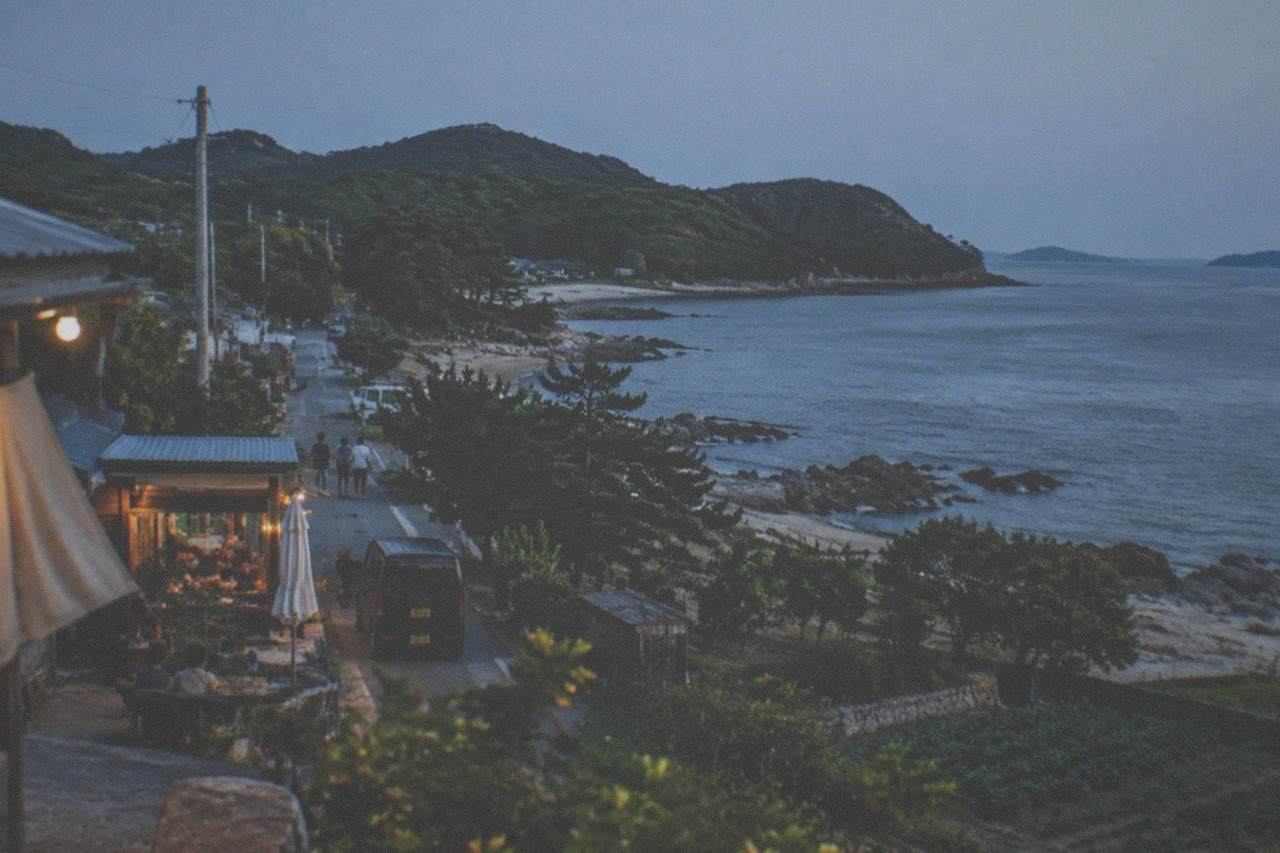
Itoshima is the peninsula west of Fukuoka city where the Genkai Sea coastline, oyster shacks and waterfall walks sit within an hour of Hakata. Here is what the bookable tours cover, what they skip, and how to pick one.
Short answer
An Itoshima tour from Fukuoka covers the peninsula's coastal scenery, usually Sakurai Futamigaura and a beach or cape stop, plus food experiences such as oyster or wagyu lunches, in roughly 8 to 10 hours by minibus. Prices run from about $69 to $152 per person. Transport is included from Hakata or Tenjin, and the tours replace a rail-plus-bus journey that is awkward without a car.
Itoshima is the stretch of coastline and countryside immediately west of Fukuoka city, on the Genkai Sea side of northern Kyushu, and it is where locals go when they want oysters, a sunset over the water and a road that actually curves. It is not a quick hop: the peninsula is reached by rail plus bus or by car, and doing it justice takes a half to a full day. That is exactly why tours exist here. The distances between the photogenic spots are short on a map and slow without wheels, and the bookable tours solve that problem in one stroke.
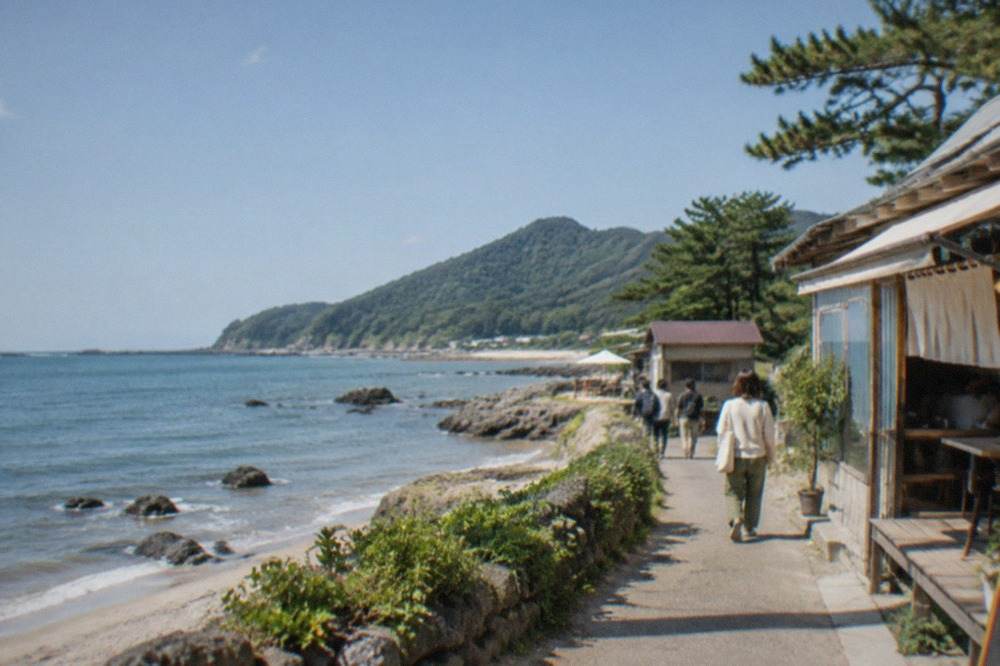
This guide lays out what an Itoshima tour actually covers, stop by stop, then compares the tours you can book, the self-guided alternative, and the trade-offs against other Kyushu day trips. Everything priced or rated here comes from the current tour listings; where a detail varies by season or operator, the text says so rather than guessing.
What Does an Itoshima Tour from Fukuoka City Actually Cover?
A standard Itoshima tour covers three things: the coastal scenery of the Genkai Sea shoreline, the peninsula's food culture, most famously its oysters and seafood, and one or two inland nature stops such as a waterfall or a shrine approach, all inside roughly 8 to 10 hours with round-trip transport from Hakata or Tenjin included. What it does not cover is the whole peninsula. Itoshima is bigger than a single day suggests, so operators build a route around the highlights reachable on a comfortable loop road, and you trade completeness for a day that does not exhaust you.
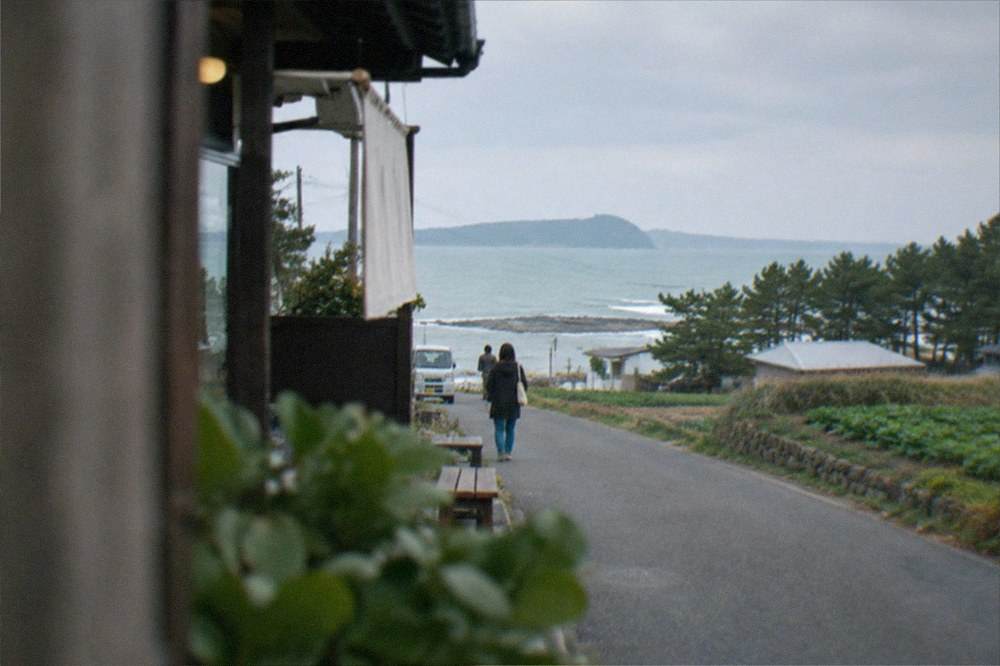
The typical shape of the day is a morning pickup in the city centre, a drive west along the coast road, a string of photo and food stops through the middle of the day, and a return by early evening. Because Itoshima sits on Hakata Bay's outer coastline, facing the Genkai Sea rather than the Pacific, the light and the water colour are different from what most visitors expect of Japan: the sea here is often flat, silver-blue and dotted with oyster rafts and fishing platforms rather than surf beaches.
Tours also absorb the practical friction. Parking at the popular sunset and torii-gate spots is limited, the bus connections between them are thin, and several of the best lunch places are shacks that assume you arrived by car. A tour turns a logistics puzzle into a seat on a minibus. For travellers pairing the coast with city days, the five-day Fukuoka itinerary usually slots Itoshima in as the day-three escape, and a tour is the lowest-effort way to do it.
Which Itoshima Tours Can You Actually Book from Fukuoka?
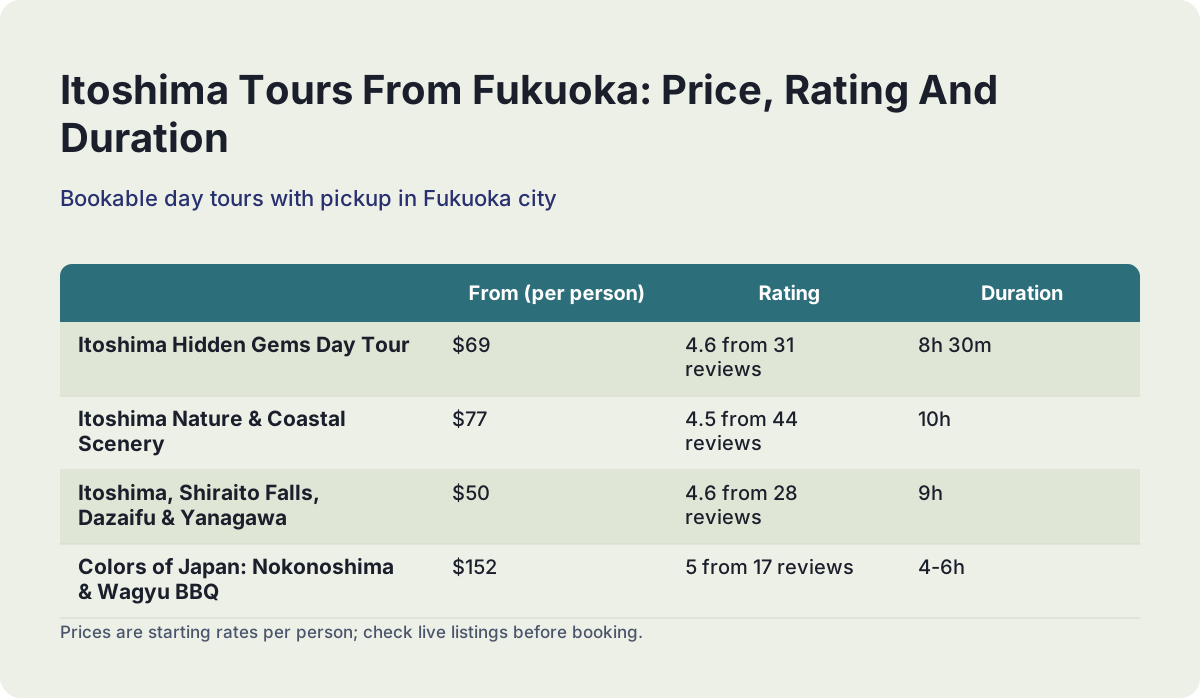
There are three bookable tours that centre on Itoshima, plus a fourth that folds the peninsula into a combined Kyushu loop: the Itoshima Hidden Gems day tour from $69, the Itoshima Nature and Coastal Scenery tour from $77, and the Itoshima, Shiraito Falls, Dazaifu and Yanagawa combination from $50, with pickup in Fukuoka city and durations of 8 to 10 hours. Each has its own page or card with live pricing, and the differences between them are about pace and food, not quality.
The three Itoshima-first options break down like this. The Hidden Gems tour, from $69 per person and rated 4.6 from 31 reviews, runs 8 hours 30 minutes and leans on the quieter coves and viewpoints that independent travellers miss. The Nature and Coastal Scenery tour, from $77 and rated 4.5 from 44 reviews, is the fullest single-day loop at 10 hours, built around the shoreline. The combination tour, from $50 and rated 4.6 from 28 reviews over 9 hours, spreads its day across Shiraito Falls, Dazaifu and Yanagawa as well as Itoshima itself, which suits travellers who want one taste of everything rather than a deep peninsula day.
| Tour | From (per person) | Rating | Duration | Focus |
|---|---|---|---|---|
| Itoshima Hidden Gems Day Tour | $69 | 4.6 from 31 reviews | 8h 30m | Quiet coastal spots, small-group loop |
| Itoshima Nature & Coastal Scenery | $77 | 4.5 from 44 reviews | 10h | The full coastal drive |
| Itoshima, Shiraito Falls, Dazaifu & Yanagawa | $50 | 4.6 from 28 reviews | 9h | Split day, four destinations |
| Colors of Japan: Nokonoshima & Wagyu BBQ | $152 | 5 from 17 reviews | 4-6h | Island park plus a wagyu lunch |
The fourth row is a deliberate contrast rather than a direct rival: the Nokonoshima Island Park and Wagyu BBQ experience from $152 swaps the Itoshima mainland for an island in Hakata Bay and a serious lunch. If your interest in Itoshima is mostly the food, it belongs on the shortlist; if it is the coastline, stick with the peninsula tours. Either way, check the live listing for each before booking, because departure points and seasonal schedules shift through the year.
What Do You See on the Coast Route?
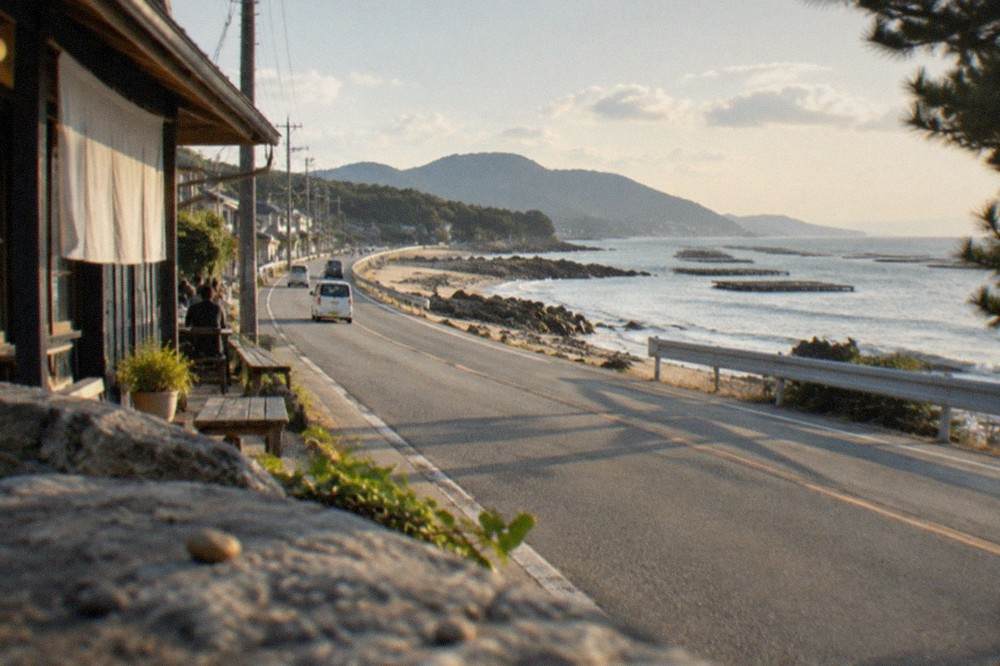
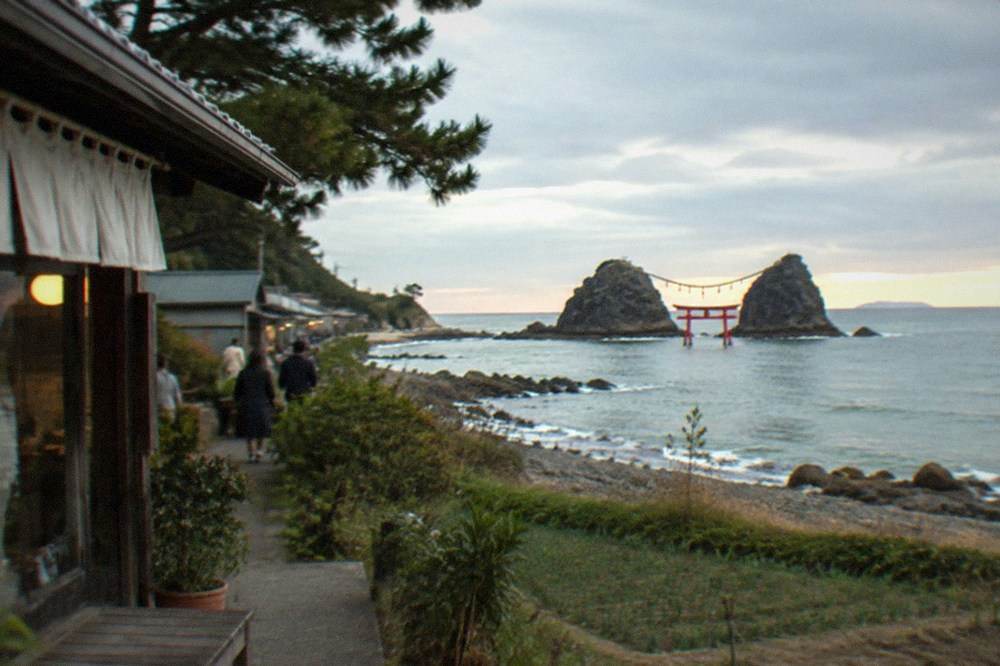
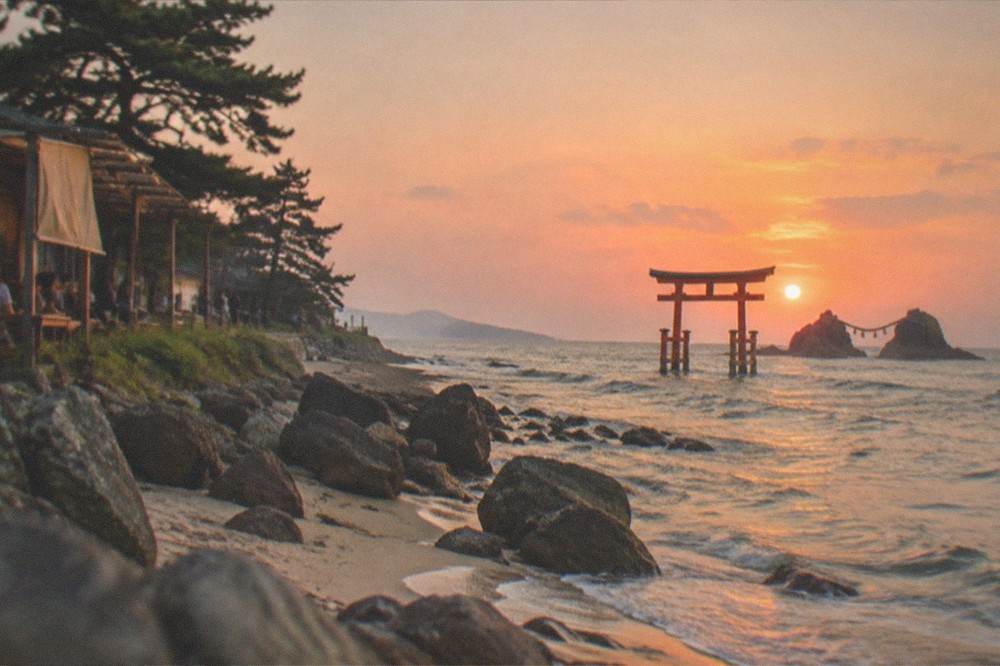
The coast route's signature stops are Sakurai Futamigaura, the paired rocks and torii gate standing in the shallows that is Itoshima's most photographed scene, the white-sand beach stretches of Keya and Nijinomatsubara, and the oyster and seafood shacks that line the shore between them, with the sea on one side and pine-covered hills on the other for most of the drive. Operators vary the order and the lunch stop, but those anchors appear on nearly every Itoshima itinerary, and they are what the day is built around.
Sakurai Futamigaura deserves its status. The two rocks joined by a straw rope and a torii rising from the water are a shrine site first and a viewpoint second, and the sunsets behind them are the peninsula's calling card. It is a stop that rewards a tour's timing knowledge: the light is ordinary at midday and extraordinary in the last hour, and a good driver plans the day backwards from it. Our full Sakurai Futamigaura guide covers the site itself, the sunflower season and how the tide changes the picture.
The food layer matters as much as the scenery. Itoshima is one of Kyushu's oyster and seafood centres, and the tour lunch stops are usually chosen for produce rather than decor. Some tours make the meal the headline: the island-and-wagyu option above is effectively a lunch with a park attached. For travellers building their own food-focused days in the city, the Fukuoka food tours guide covers the urban equivalents, from market crawls to yatai stalls, and Itoshima is the rural bookend to that same appetite.
Between the anchors, the drive itself is the attraction. The road threads past fishing harbours, roadside oyster bars and low hills, and the 10-hour Nature and Coastal Scenery tour exists precisely because the between-parts are the point. A shorter tour hits the anchors; the full loop lets the peninsula breathe.
How Do You Get to Itoshima Without a Tour?
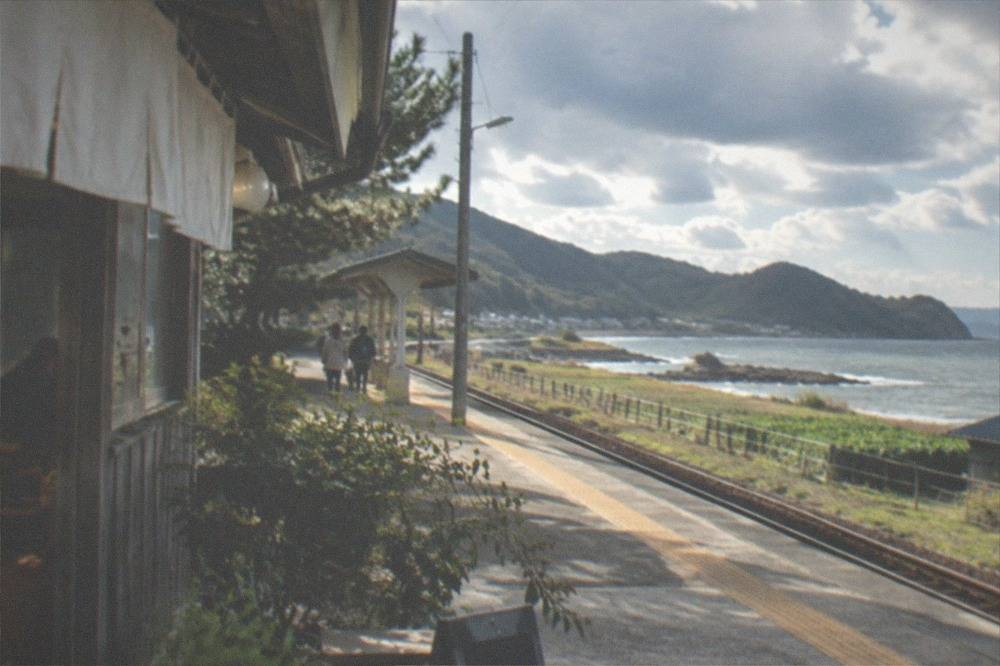
Independent travel to Itoshima means a JR Chikuhi Line train from Hakata toward Keya or Chikuzen-Maebaru, then local buses or a rental car for the coastal stops, because the train hugs the inland edge of the peninsula and the photogenic shoreline sits beyond easy walking distance of most stations. It is genuinely doable, and many travellers do it, but it converts a relaxed coast day into a timetable day, and the bus frequencies thin fast outside the summer months.
The practical breakdown:
| Method | Best for | The catch |
|---|---|---|
| Guided tour | The coastal photo stops and lunch shacks | Fixed itinerary, group pace |
| JR train plus bus | Budget travel to one or two stations | Thin bus links between sights |
| Rental car | Sunset timing and oyster-bar hopping | Parking is tight at famous spots |
| Taxi or private driver | Families and tight schedules | The priciest option by far |
The car question is the one worth thinking through honestly. A rental car is the way locals experience Itoshima, and if you are comfortable driving on the left, it is arguably better than any tour for the sunset spots, since you control the clock. The counterweight is that the famous viewpoints have small car parks that fill on weekends and fine-weather days, and the oyster shacks are scattered rather than clustered. A tour minibus with a reserved stop slot removes that anxiety. Travellers who prefer walking the city instead should look at the Fukuoka walking tours guide, which covers the urban half of the equation.
One transport note that trips people up: there is no JR Fukuoka Station. The station in the city centre is Hakata, and Hakata is a ward of Fukuoka, not a separate place. Every train toward Itoshima leaves from Hakata, and every tour pickup in the "city centre" means Hakata or Tenjin. Getting that straight before you plan saves a confusing morning.
For visitors arriving the same morning, the airport connection is unusually easy, which is one reason same-day Itoshima departures work at all. The subway fare from Fukuoka Airport to Hakata is ¥260, verified against the city subway's official fare table, and the airport sits unusually close to the centre. Travellers with time between landing and a tour pickup can check the airport to city guide for the full range of options, including the private transfer services on the roster.
Itoshima or Another Kyushu Day Trip: Which Should You Pick?
Choose Itoshima if you want sea, seafood and a slow day within an hour of the city; choose Takachiho, Mount Aso or Beppu if you want dramatic terrain, and choose Dazaifu if you only have a half day, because Itoshima is a half-to-full-day peninsula while the volcano and gorge trips are full days by necessity at 10 to 11 hours. The tour roster makes the trade-offs unusually easy to compare, because durations and ratings are printed on every listing.
The mountain-and-gorge option is the instructive contrast. The Mt. Aso and Takachiho Gorge tour, from $48 per person and rated 4.7 from 674 reviews, runs 10 hours to a full day and delivers a volcanic caldera and a columnar basalt gorge. That is a bigger landscape than anything on the Itoshima coast, and the review pool is far deeper. But it is also a longer, more tiring day with more time in the vehicle. Itoshima's appeal is the opposite: proximity, food quality and a day that never feels like a marathon. The rest of the planning pages sit on Fukuoka Japan Travel Guide.
| Day trip | Tour price from | Rating | Duration | Vibe |
|---|---|---|---|---|
| Itoshima coast | $69 | 4.6 from 31 reviews | 8h 30m | Sea, oysters, easy pace |
| Mt. Aso & Takachiho Gorge | $48 | 4.7 from 674 reviews | 10h-1 day | Volcano, gorge, long drive |
| Yufuin & Beppu | $55 | 4.7 from 51 reviews | 9h 30m | Onsen town, art museum |
| Dazaifu & Yanagawa combo | $50 | 4.6 from 28 reviews | 9h | Shrine, canals, mixed day |
The honest tiebreaker is food. If oysters and seaside lunches are why you are going, nothing on the table above substitutes for Itoshima. If scenery is the whole goal, the gorge wins on drama. Families should also weigh the with-kids itinerary, which balances Itoshima against the zoo, the seaside park and other low-effort days, because the peninsula rewards children mainly through the beach and the food rather than through structured sights.
What Should You Budget and Pack for an Itoshima Day?
Budget roughly $50 to $100 per person for a booked Itoshima tour, plus a few thousand yen for snacks, drinks and any oysters you buy beyond the included lunch, and pack for wind, sun and a lot of standing: the coast is exposed, the stops are outdoors, and the sea breeze is constant even on hot days. The tours themselves bracket the range: the combination tour from $50, the Hidden Gems tour from $69, the coastal scenery tour from $77, and the wagyu-lunch island experience at $152 for the premium end.
Money on the peninsula still runs on cash more than the city does. The oyster shacks, roadside stands and smaller lunch spots are cash-first businesses, and while the city's transit takes IC cards and contactless payment without a thought, the coast is where a pocket of yen notes earns its keep. For the wider picture on cards, IC cards and how much cash to carry, the practical pages on this site cover it in detail, starting with the airport-to-city transfer notes above.
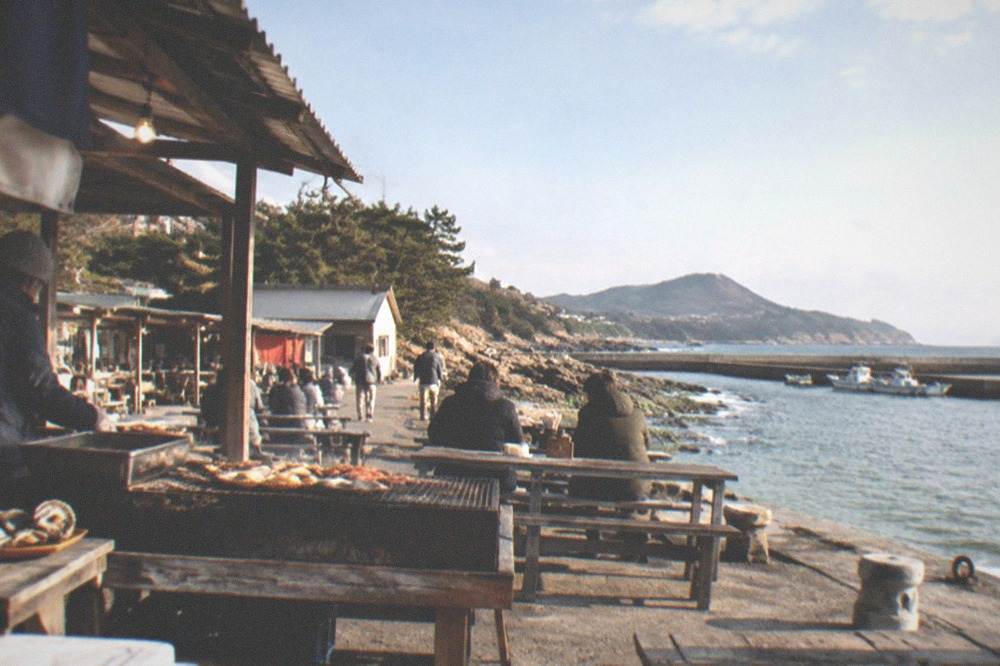
Seasons change the day more than most visitors expect. Oyster season runs through the colder months, which is why the peninsula's food reputation peaks in winter while its beach reputation peaks in summer, and the two do not overlap. Summer tours lean on the water and the sunset; winter tours lean on the grills. Rain matters too: the exposed coastline loses most of its charm in bad weather, and typhoon season runs roughly July through October as a real planning factor, not a reason to avoid the region. The best time to visit Fukuoka page puts the whole weather picture in one place, including the verified rainfall figures.
What to pack, in plain terms:
| Item | Why |
|---|---|
| Cash in yen | Oyster shacks and roadside stands are cash-first |
| Windproof layer | The coast is breezy even in summer |
| Sunscreen and a hat | Exposure at the viewpoints is high |
| Comfortable shoes | Stops involve short walks on sand and rock |
| A light towel | Beach stops happen even on "scenery" tours |
How Does the Weather Decide Your Itoshima Day?
The Japan Meteorological Agency's 1991 to 2020 normals for Fukuoka show July is the city's wettest month at 299.1 mm of rain against June's 249.6 mm, despite June being the tsuyu rainy season, and that matters for an Itoshima day because the peninsula's appeal is entirely outdoors, so the shoulder months of May, October and November, with 94 to 134 mm each, are statistically the safest bookings. August, counter to most visitors' assumptions, is both hotter and drier than July, banking 210.0 mm of rain and 200.9 sunshine hours, the second sunniest month of the year after May.
The JMA's published normals for the Fukuoka station are the source for every figure in that answer, and they are worth reading once because they overturn the lazy assumption that the rainy season is the wettest part of the summer. It is not. The wettest weeks arrive after tsuyu, right in the middle of the beach season, and an Itoshima tour booked blind in July carries more weather risk than one booked in June.
What this means for booking is simple. If your dates are fixed inside July or early August, pick a tour with a generous cancellation policy and a backup plan, because a coastal loop in heavy rain is a long day in a minibus. If your dates are flexible, May and late October into November are the months the numbers actually favour, and the autumn window has the added bonus of the peninsula's autumn colour along the shore roads. The typhoon season guide covers the storm side of the calendar in full for travellers planning across the summer.
Is a Guided Itoshima Tour Better Than Going Alone?
A guided Itoshima tour is better than going alone for most first-time visitors, because the peninsula's highlights are dispersed, parking-limited and food-centric in ways that reward local knowledge, while independent travel wins only for travellers who want sunset timing control or a very slow single-stop day. The honest framing is not that tours are superior; it is that Itoshima is a driving destination wearing a day-trip costume, and the tour is how you drive it without driving.
The strongest argument for the tour is the lunch. The peninsula's best food is in shacks with no online presence, seasonal hours and no English signage, and a guide who knows which grill is worth the stop is delivering something no amount of pre-trip research reliably replicates. The strongest argument against is the clock: tours move on schedule, and photographers chasing the Sakurai Futamigaura sunset may prefer to rent a car and wait for the light. The Itoshima day trip guide walks the full independent version, transport legs and all, for readers who want to make that call with the timetable in front of them.
For travellers whose real interest is the food culture rather than the coastline, there is a middle path worth naming: the Fukuoka cooking class options and the bar-hopping tour guide keep the food focus but keep you in the city, where the evening scene is stronger. Itoshima's food is a lunch culture; the city's is a night one. Matching the tour to the meal you actually want is the cheapest planning mistake to avoid.
Common Questions About Itoshima Tours
What Does An Itoshima Tour From Fukuoka City Actually Cover?
An Itoshima tour covers the peninsula's coastal scenery, including Sakurai Futamigaura and beach stops, a seafood or oyster-focused lunch, and often one inland nature stop such as Shiraito Falls, in 8 to 10 hours with round-trip transport from Hakata or Tenjin. Prices start around $50 to $77 per person for the peninsula-focused tours.
How long does an Itoshima tour take?
The dedicated Itoshima tours run from 8 hours 30 minutes to 10 hours door to door. Combination tours that add Dazaifu or Yanagawa run about 9 hours. Itoshima is a half-to-full-day destination, not a quick stop, so plan the whole day around it.
Do Itoshima tours include lunch?
It varies by tour. The wagyu BBQ island experience builds the meal into the day, while the coastal tours typically include a lunch stop where you buy your own food. Check the individual listing before booking, because the included-excluded line differs tour to tour.
Can you visit Itoshima without a car?
Yes, but it is awkward. The JR Chikuhi Line reaches the peninsula's inland edge from Hakata, and local buses connect toward the coast, but frequencies are thin and the famous spots are scattered. Most travellers without a car book a tour or rent one.
When is the best season for an Itoshima tour?
Oyster season in the colder months is the food peak, while summer suits the beaches and the sunset spots. Typhoon season runs roughly July through October and can disrupt coastal days, so check the forecast rather than avoiding those months outright.
Is Itoshima worth a day from Fukuoka?
For travellers who want sea air, fresh oysters and a break from city temples and malls, yes: it is the closest genuinely rural coastline to Fukuoka and the tours make it a low-effort day. Travellers chasing dramatic terrain may prefer the Aso or Takachiho trips instead.
The short version: pick the coastal scenery tour for the full peninsula loop, the Hidden Gems tour for a smaller group and a shorter day, and the combination tour if one taste of Itoshima inside a four-destination day is enough. Whichever you choose, book through the operator's live listing so the price, the pickup point and the seasonal schedule you see are the ones that apply on the day.