Solo Travel in Fukuoka
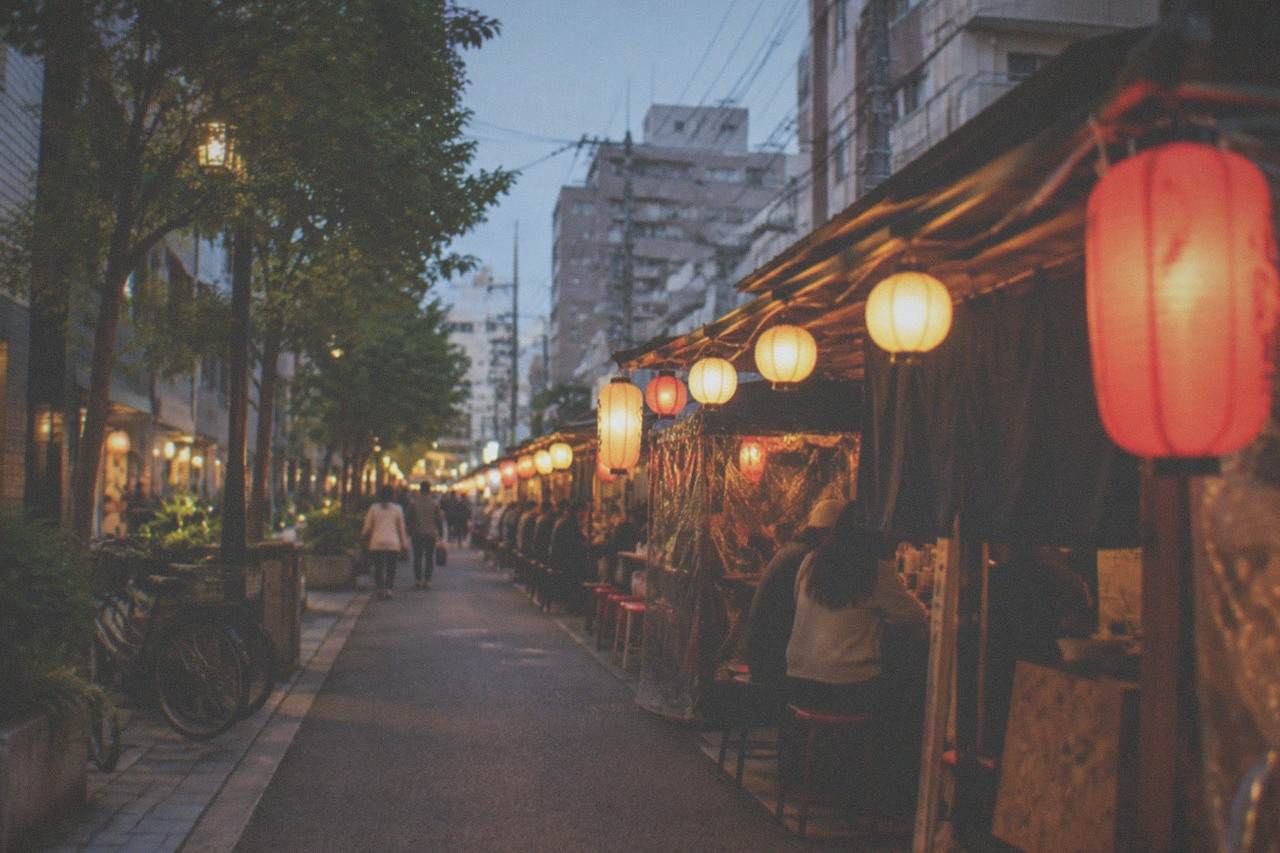
Fukuoka is one of Japan's easiest cities to travel alone in: compact, walkable, served by a simple three-line subway, and built around counter dining where a party of one is the norm rather than the exception.
Short answer
Yes. Fukuoka suits solo travellers unusually well: the centre is compact, the subway runs from the airport for a verified ¥260, about 100 licensed yatai food stalls are built around counter seating, and organized day tours remove the need to rent a car. The main planning factors are the summer rain peak in July and a passport-checked tourist pass worth buying in advance.
Fukuoka rewards people travelling alone. It is a city of about 1.66 million residents on Hakata Bay, on the Genkai Sea side of northern Kyushu, yet almost everything a visitor wants sits inside a corridor you can walk end to end in under an hour: Hakata Station, the Nakasu entertainment district, Tenjin's shopping blocks and the castle ruins at Maizuru Park. One point of confusion to clear up immediately, because competitor guides get it wrong constantly: Hakata and Fukuoka are the same city. Hakata is a ward and the name of the main station; you never travel "from Hakata to Fukuoka", you travel within one place.
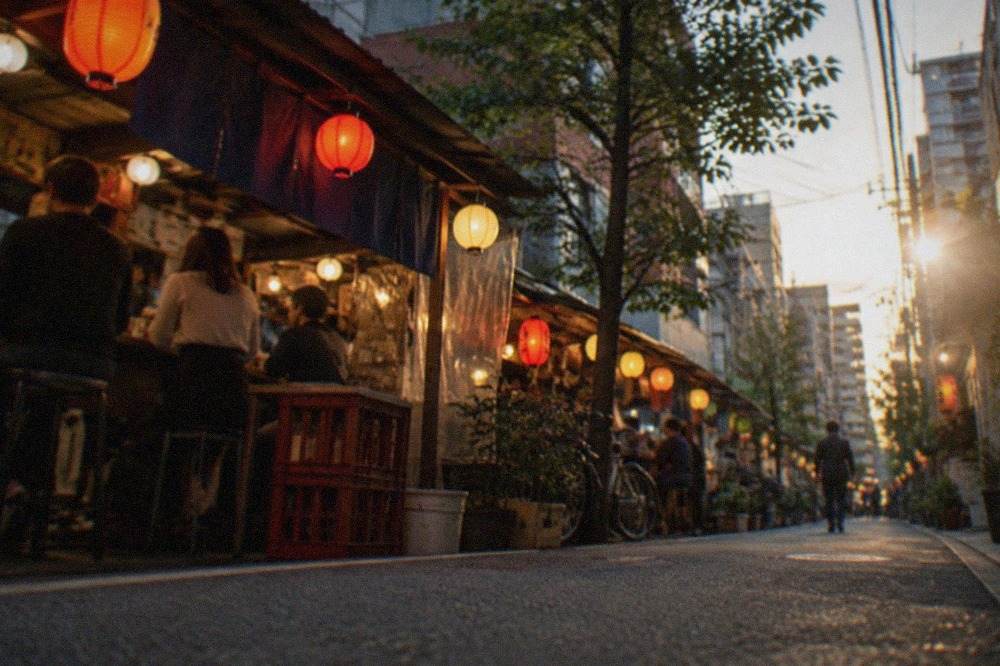
The city's dining culture is the second reason solo travel works here. Fukuoka has more licensed yatai, the mobile food stalls that line the riverside and side streets, than any other city in Japan, about 100 of them according to the city's own count. A yatai seats perhaps eight people on a bench. Solo diners are not accommodated there, they are the default customer. Between the walkable centre and the counter-first food scene, Fukuoka removes most of the friction that makes solo travel tiring in bigger cities.
Is Fukuoka Good for Solo Travel?
Yes, and for reasons that are structural rather than accidental. The city centre is compact enough that a solo traveller can walk between most sights, the three-line subway covers everything beyond walking range, counter dining at about 100 licensed yatai makes eating alone normal, and a deep roster of organized day tours means you never need a car to reach Kyushu's headline sights.
The compactness matters more than it sounds. In Tokyo or Osaka a solo traveller spends a real share of each day inside trains, reading a map between neighbourhoods. In Fukuoka, Tenjin to Hakata Station is a short subway hop, Nakasu sits between them, and the riverside yatai rows are a walk from either. A solo traveller with a phone and a Suica-compatible IC card can cover the entire central itinerary without ever studying a complicated rail map.
The social side works too. Counter seating at ramen shops, yatai stalls and standing bars means there is no awkward table for one. At a yatai you share a bench with strangers, and the format practically forces conversation if you want it. Travellers who find group tours exhausting and restaurant dining alone awkward tend to find Fukuoka the easiest city in Japan for both problems.
It is also a genuinely live city rather than a museum piece. Fukuoka posted Japan's highest population growth rate among its designated cities in the 2025 census, and the streets reflect that: new cafes, a busy startup district around Daimyo, and a food scene that keeps its traditions, tonkotsu ramen, motsunabe, mentaiko, alongside them.
Getting from Fukuoka Airport Into the City Alone
Fukuoka Airport is unusually close to the city centre, and the Kuko subway line connects it to Hakata for a verified ¥260 adult fare. No official page confirms the "five minutes to Hakata" figure every competitor guide prints, so this guide does not print a journey time either. The airport is simply, verifiably, one of Japan's most central.
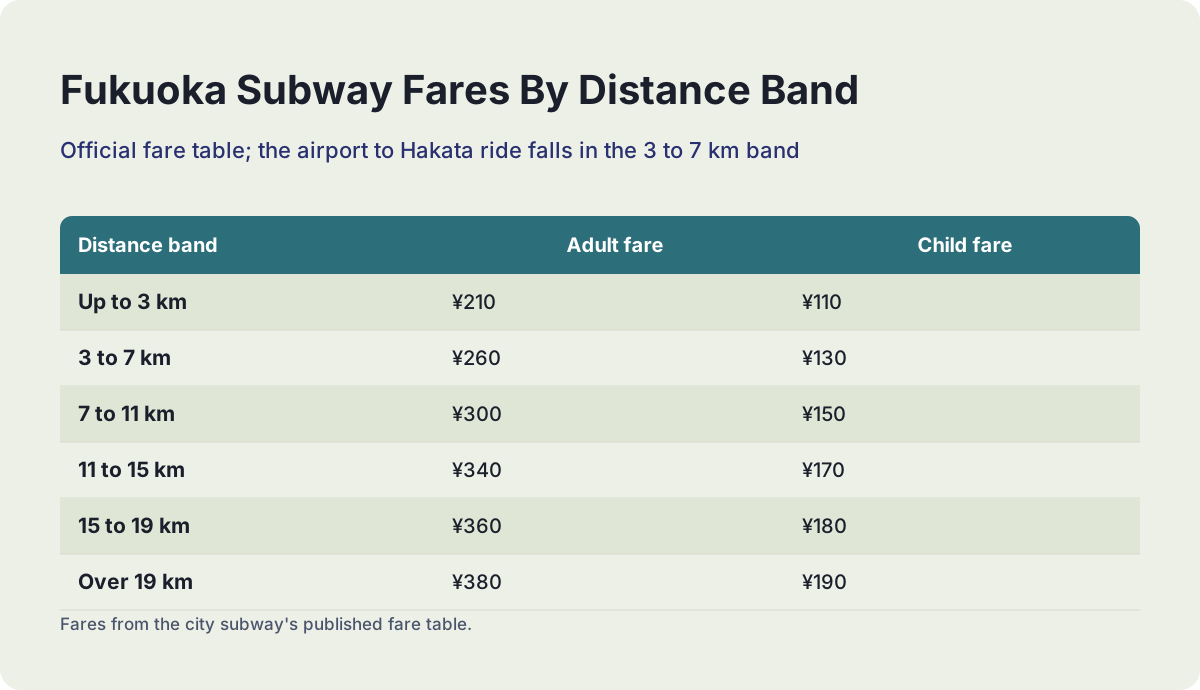
That proximity is the single biggest quality-of-life factor for a solo arrival. There is no 90-minute express train after a long flight, no complicated transfer. You clear customs, follow signs to the subway station inside the terminal, and ride two stops to Hakata. The fare falls in the official 3 to 7 km band, which is where the ¥260 figure comes from: the city subway's published fare table runs from ¥210 for up to 3 km to ¥380 for over 19 km, as listed on the official subway fare page.
| Distance band | Adult fare | Child fare |
|---|---|---|
| Up to 3 km | ¥210 | ¥110 |
| 3 to 7 km | ¥260 | ¥130 |
| 7 to 11 km | ¥300 | ¥150 |
| 11 to 15 km | ¥340 | ¥170 |
| 15 to 19 km | ¥360 | ¥180 |
| Over 19 km | ¥380 | ¥190 |
One naming trap to internalize before you navigate: there is no JR Fukuoka Station. The city's main rail hub is Hakata Station, and it serves both JR trains and the subway. If a booking confirmation or a map search says "Fukuoka Station", it means Hakata. Our Fukuoka Airport to city guide covers the full range of options, and the airport guide explains the terminal layout.
Most solo travellers should simply take the subway. But if you are landing late, jet-lagged, or carrying a month of luggage toward a hotel deep in Tenjin, a door-to-door option has real value. A private arrival transfer costs from $149 per person, is rated 5.0 from 2 reviews, and runs 30 minutes to an hour, with a driver who meets you in arrivals.
For travellers who prefer to keep the arrival self-directed, the subway's other practical detail is the 1-day pass: ¥640 for an adult, valid on all three lines from first to last train on the day of purchase. If your first day involves the airport plus a loop of the sights, the pass pays for itself in three rides.
Where to Stay in Fukuoka as a Solo Traveller
Most solo travellers should stay near either Hakata Station or Tenjin, the two hubs at either end of the central corridor. Hakata Station suits first-timers and anyone taking day trips, since JR and subway lines converge there; Tenjin suits travellers who prioritize food, shopping and nightlife within walking distance. Both are straightforward to navigate alone at night.
Hakata Station's immediate area is the pragmatic choice. You step off the airport subway two stops after the terminal, your hotel is within a few blocks, and every day-trip bus and JR line leaves from the same building. The station itself is a small city of restaurants and shops, which matters when you are alone and tired: dinner without a navigation decision is a genuine luxury on day one. Our Hakata Station guide maps the exits and the department store floors.
Tenjin is the lifestyle choice. It sits atop the Tenjin Underground Mall, sits inside the main shopping district, and puts the Daimyo and Imaizumi cafe quarters, the yatai rows of Watanabe-dori and the Nakasu riverbank all within a 15-minute walk. Solo travellers who like to end the night with a walk rather than a train ride tend to prefer it. The full breakdown of neighbourhoods, including Nakasu and the Ohori Park side, is in where to stay in Fukuoka.
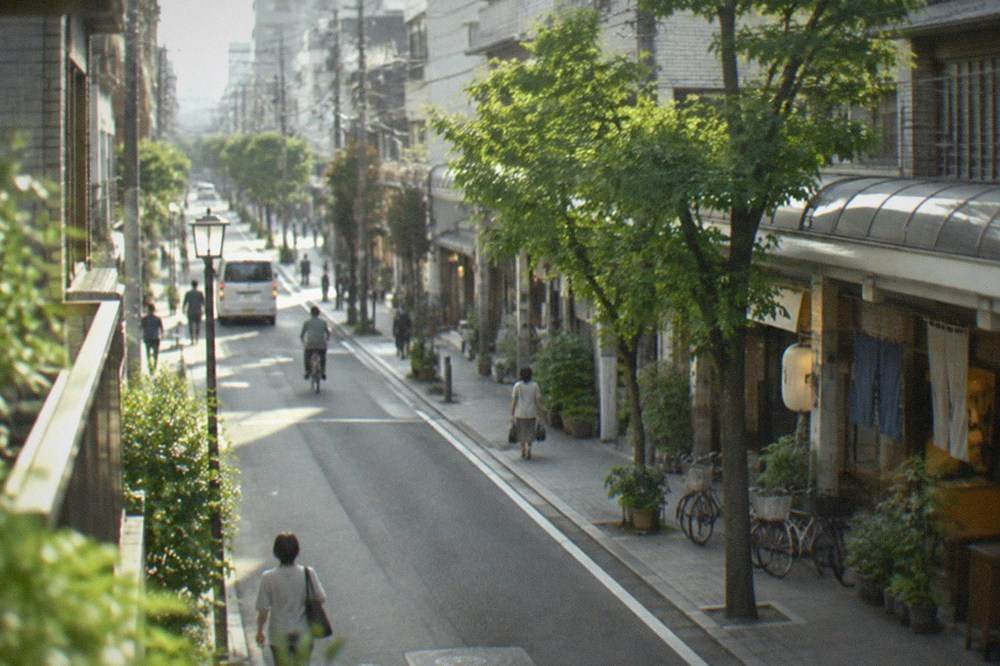
Whichever you choose, book the first night before you fly. A solo arrival is the one moment in a trip when a plan genuinely reduces stress, and the cheapest insurance is either a hotel within walking distance of Hakata Station or a transfer that drops you at the door.
Eating Alone in Fukuoka: Yatai, Counters and Izakaya
Eating alone is where Fukuoka outperforms every other Japanese city. About 100 licensed yatai stalls are built around shared benches where solo diners are the norm, a city ordinance requires every stall to post its prices visibly, and the local dishes, tonkotsu ramen, hitokuchi gyoza, mentaiko, are counter foods by design. Motsunabe, a hotpot for sharing, is the one dish that genuinely suits a group.
The yatai is the solo traveller's best friend, and it is worth understanding why it works. Each stall is a tiny kitchen with a bench around it, licensed by the city, open roughly from early evening into the small hours, weather permitting. You sit elbow to elbow with whoever is there, locals after work and other travellers, and the format does the social introductions for you. The city's own Q&A page confirms the count at about 100 stalls and the rule that matters most to a solo diner: the yatai ordinance requires prices to be displayed where customers can easily see them, and a dish priced on the day's market must show that day's actual price, never a vague "market price" tag. City inspectors check periodically. That posted-price rule is the honest answer to the question every solo traveller quietly has about unfamiliar street food, and almost no other guide mentions it.
| Food | Where you eat it | Solo-friendly notes |
|---|---|---|
| Tonkotsu ramen | Ramen counters, yatai | Built for one; ticket machines remove any language anxiety |
| Yakitori and oden | Yatai benches | Shared bench, order by the skewer, no minimum |
| Hitokuchi gyoza | Counter stalls in Hakata | One-bite pieces, sold by the piece |
| Motsunabe | Izakaya tables | A shared hotpot; some restaurants serve single portions, but it shines with company |
| Mentaiko | Everywhere, often as a topping | Pollock roe; appears on rice, in onigiri, atop pasta |
The stalls take walk-ins only; you cannot book a yatai, and no reader needs to. What you can book is a guided crawl, which solves a different problem: a solo traveller who wants the riverside Nakasu row but not the first-five-minutes awkwardness. The Fukuoka yatai guide covers etiquette and the three main rows, Nakasu, Tenjin and Nagahama, and the wider Fukuoka food guide maps the rest of the scene.
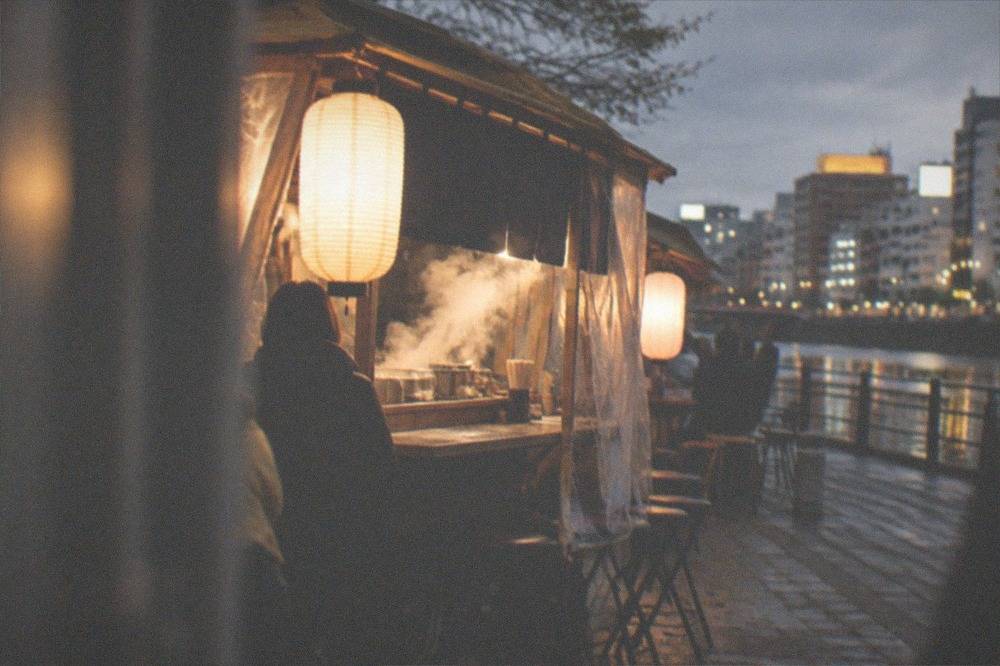
For a structured evening, a private guided tour of the Nakasu stalls with tastings runs from $94 per person, rated 4.7 from 70 reviews over two hours. A guide who knows the stall owners turns the bench from a leap into a doorway, and the tastings remove the guesswork from ordering.
Beyond the stalls, the izakaya culture needs one adjustment for solo diners. Many izakaya are built for groups, and some dishes arrive in sharing sizes. Counter-style places, and the standing bars of the Daimyo backstreets, are the solo-friendly end of the spectrum. The Fukuoka nightlife guide separates the two.
Getting Around Fukuoka Solo Without a Car
You do not need a car in Fukuoka, and a solo traveller should not rent one. The three subway lines connect the airport, Hakata, Tenjin and the western sights; a ¥640 subway day pass covers a full day of hopping; and the ¥2,500 Tourist City Pass adds buses, ferries and more, with one catch almost every guide misses: it is restricted to overseas tourists on short-stay visas, and a passport is checked at the counter.
The subway is the backbone. Three lines, the Airport line, the Hakozaki line and the Nanakuma line, cover the parts of the city a visitor needs, and the fare table above applies to all of them. The 1-day pass costs ¥640 for an adult and is sold at station machines and at the tourist information counters in Tenjin, Hakata Station and the airport. Holders also get discounts at partner facilities on the day of use.
The Tourist City Pass is the information-gain item here. Most competing guides still quote the old ¥820 and ¥1,340 prices; the verified figures are ¥2,500 for the Fukuoka City version and ¥2,800 for the version that adds Dazaifu, and both are sold with a passport check because the pass exists specifically for overseas visitors on short-stay visas. The digital app version is restricted to visitors from South Korea, Taiwan and Thailand; everyone else buys paper. The official city pass page lists the sales counters, which include the airport and both subway customer centres.
| Pass | Adult price | What it covers | The catch |
|---|---|---|---|
| Subway 1-day pass | ¥640 | All three subway lines, first to last train | Subway only |
| Nishitetsu bus 1-day pass | ¥1,200 | Nishitetsu local buses across the city | Buses only |
| Tourist City Pass (city) | ¥2,500 | Subway, Nishitetsu buses and trains, some JR lines, ferries | Passport check; short-stay visa holders only |
| Tourist City Pass (city + Dazaifu) | ¥2,800 | The above plus Nishitetsu coverage to Dazaifu | The Tabito liner bus is excluded |
For everything else, walking covers the centre. Hakata to Nakasu is a riverside stroll, Nakasu to Tenjin is a few blocks, and the castle ruins and Ohori Park sit at the western edge of the same corridor. The Fukuoka subway guide and getting around Fukuoka carry the detail, and the JR Kyushu Rail Pass guide handles the question of whether a regional rail pass pays for your itinerary.
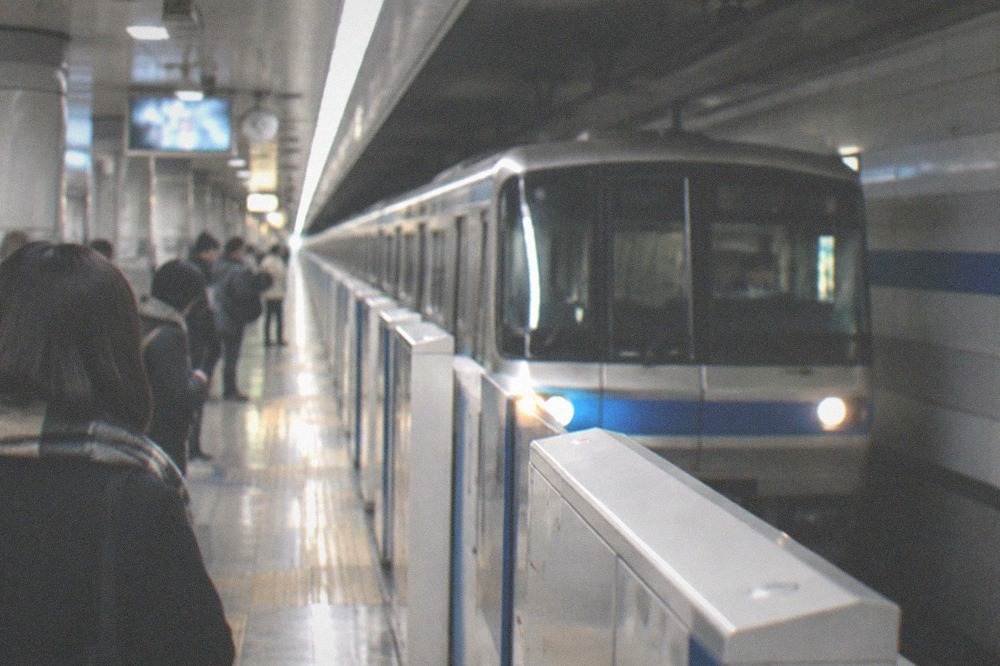
A private walking tour is a good use of a solo traveller's first morning: two hours with a local, from $64 per person, rated 4.7 from 46 reviews, which doubles as an orientation session you would otherwise improvise alone.
Things to Do Alone in Fukuoka
The solo-friendly core of Fukuoka is cheap and central: Ohori Park and the castle ruins are free, the Japanese Garden charges ¥250, Fukuoka Tower costs ¥1,000 with observation decks at 123 m, and both city art museums charge just ¥200 for their collections, free for anyone under 15. Every one of these is a single-visitor activity by nature, none requires booking.
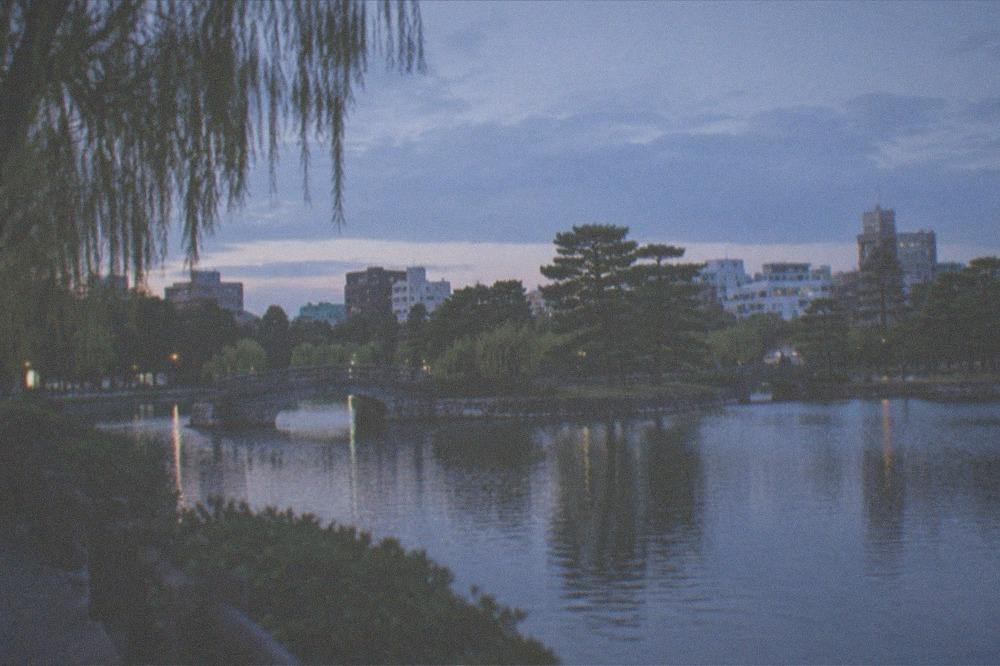
Ohori Park is the city's walking loop: a large pond with a path around it, free to enter, open all day, and popular with solo joggers and readers. The Japanese Garden on its edge is the calmest hour in the city centre, ¥250 for an adult, ¥120 for a child, free for visitors 65 and over, closed Mondays. Next door, Maizuru Park holds the Fukuoka Castle ruins, free to wander, with one time-limited caveat: the Tenshudai, the main keep base, is closed to entry from 26 May 2026 until the end of December 2026 for an archaeological excavation, after a document found in December 2024 described a keep that may never have existed. The rest of the park remains open, and the dig itself is a genuinely unusual thing to see.
Fukuoka Tower costs ¥1,000 for an adult, ¥500 for elementary and junior high students and ¥200 for ages 4 and over, open 9:30 to 22:00 with last admission at 21:30, and it closes annually for two days at the end of June, 28 and 29 June 2027. The decks at 123 m look straight down the Momochi coastline, and the tower's seasonal illuminations make evenings the better solo visit.
The museums punch above their price. The Fukuoka Art Museum's collection is ¥200 general, ¥150 for high school and university, free for junior high and under, closed Mondays. The Fukuoka Asian Art Museum is the better solo stop: entry to the building is free, only the Asia Gallery charges, ¥200 general and ¥150 for students, and the collection of about 5,000 works from 23 countries is a quiet afternoon by any standard. It closes Wednesdays.
The temple circuit is free and walkable from Hakata: Tochoji with its large seated Buddha, Shofukuji, the first Zen temple in Japan, and Kushida Shrine, the spiritual home of the Yamakasa festival, all sit within the old Hakata quarter. Describe them without fixed hours in mind, since no official schedule is published in English; they are morning-to-dusk places and a morning circuit works reliably.
Day Trips from Fukuoka for Solo Travellers
Day trips are where organized tours genuinely earn their price for a solo traveller, because Kyushu's headline sights, Takachiho Gorge, Mount Aso, the Beppu hells, Yufuin, are not reachable by a simple train ride, and a tour removes route-planning, rural bus timetables and the cost of a solo car hire. The strongest options run from $46 to $58 per person and take 10 to 11 hours.
The economics are simple. A solo traveller renting a car pays the full rental alone, and rural Kyushu's sights are scattered. A seat on a guided coach tour from $46 to $58 costs less than a car hire day and comes with a route already solved. The most-reviewed option in the roster is the Takachiho Gorge and Amaterasu Railway tour, from $48 per person, rated 4.8 from 713 reviews, with an optional boat ride on the gorge itself. The Mount Aso and Takachiho combination, from $48, rated 4.7 from 674 reviews, covers the volcano's grasslands and the gorge in one long loop.
| Day tour | From (per person) | Rating | Duration |
|---|---|---|---|
| Takachiho Gorge and Amaterasu Railway, optional boat | $48 | 4.8 from 713 reviews | 11 hours |
| Mount Aso and Takachiho Gorge, optional boat | $48 | 4.7 from 674 reviews | 10 hours to 1 day |
| Mt. Aso Volcano and Kusasenri Grasslands | $46 | 4.7 from 224 reviews | 1 day |
| Beppu Hells, frog temple and Yufuin | $96 | 4.4 from 106 reviews | 10 hours |
| Yufuin, Beppu, Sapporo Brewery and AoT Museum | $55 | 4.7 from 51 reviews | 9 hours 30 minutes |
| Itoshima hidden gems day tour | $69 | 4.6 from 31 reviews | 8 hours 30 minutes |
Closer to town, Dazaifu Tenmangu shrine is the classic half-day, reached by Nishitetsu train from Tenjin with one easy transfer, and the shrine itself charges no entrance fee. Yanagawa's river boats, the Itoshima coast and Nokonoshima island all make gentler solo days. The full menu, including the distinction between easy half-days and full-day commitments, is in where to go after Fukuoka, and the wider regional picture is in our Kyushu guide.
One scheduling note for November visitors: the Kyushu Basho, the November grand sumo tournament, is staged in Fukuoka and is the only time of year sumo is competitively performed in the city. A tournament viewing tour, from $87 per person, rated 4.8 from 13 reviews, is a solo-friendly way in, since tournament tickets are hard to buy from overseas and the seats come with guidance.
When to Visit Fukuoka Solo
The best solo months are October, November and late March into April: dry, mild and outside the peak rains. The counter-intuitive fact that decides the summer debate is that July, not June, is Fukuoka's wettest month, 299.1 mm against June's 249.6 mm in the 1991 to 2020 Japan Meteorological Agency normals, even though June is the tsuyu rainy season month.
That July figure surprises people because every guide associates rain with June. The JMA's own normals for the Fukuoka station show the pattern clearly: July also brings the Yamakasa festival, the city's biggest event, which runs July 1 to 15 every year and climaxes with the Oiyama float race at 4:59 a.m. on the 15th. Travellers who want to see it should plan for rain as a real possibility, not a footnote. Typhoon season runs roughly July through October and is a genuine planning factor, though it rarely shuts the city down.
| Month | Mean temp | Rainfall | What it means for a solo traveller |
|---|---|---|---|
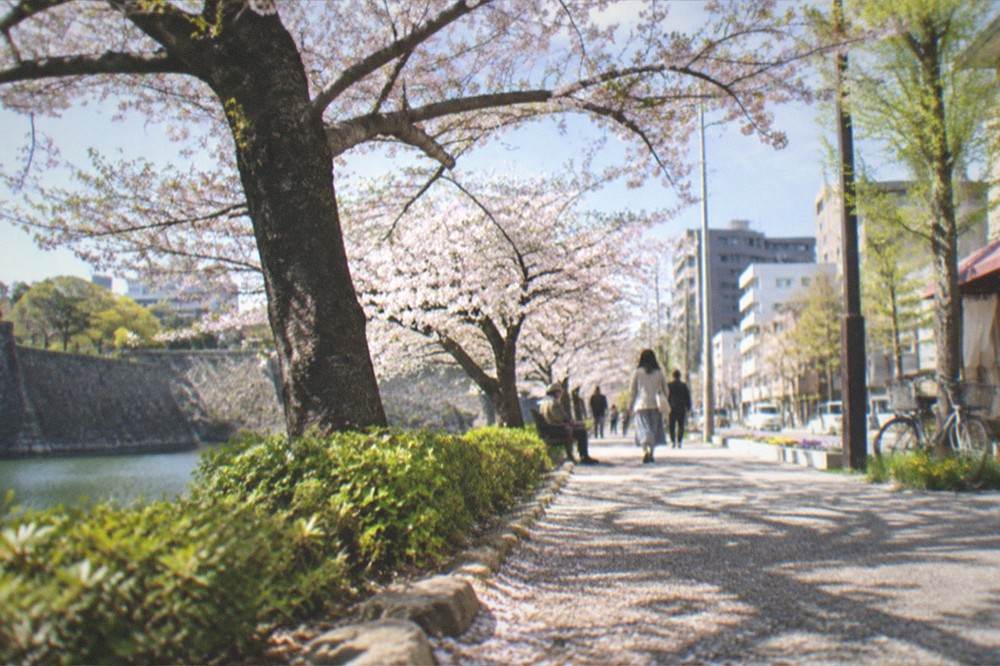
| March | 10.8°C | 103.7 mm | Cherry blossom from late March; parks fill with hanami groups |
| May | 19.9°C | 133.7 mm | Dontaku festival May 3 to 4; pleasant, lively |
| June | 23.3°C | 249.6 mm | Tsuyu rainy season; the drier of the two wet months |
| July | 27.4°C | 299.1 mm | Wettest month; Yamakasa July 1 to 15 |
| October | 19.6°C | 94.5 mm | Dry, warm, the steadiest month |
| November | 14.2°C | 91.4 mm | Autumn colour mid to late November; the calmest visit |
November deserves its own sentence: the autumn colour peaks mid to late November in the city parks and around Dazaifu, the sumo tournament fills the arena, and the rain total, 91.4 mm, is the lowest of the autumn. For a solo traveller who wants the city at its most walkable, it is the strongest single choice. The month-by-month detail, including winter and the December illuminations, is in the best time to visit Fukuoka and the Fukuoka weather guide.
Practical Tips for Travelling Alone in Fukuoka
Car cash: Japan still runs on it more than most guides admit, and the verified example is Uminonakamichi Seaside Park, whose entrance gate takes cash only, adult ¥450, junior high and under free. Carry a few thousand yen, use IC cards for transit, and let the rest of the planning be simple: the city's compactness is the solo traveller's real safety net, because you are never far from a station or a lit street.
The cash point matters more in Fukuoka than in Tokyo, because the experiences a solo traveller actually books, yatai dinners, park gates, small noodle counters, skew toward cash and local QR apps. Uminonakamichi Seaside Park is the verified case: the gate posts that entry payment is cash only, ¥450 for adults 15 and over, free for junior high and under, open 9:30 to 17:30 in the March to October season. Some yatai now take cards and QR payment, but acceptance varies stall to stall, so assume cash for food stalls and cards for hotels and department stores.
Language is a low barrier in the centre. Hakata Station, the airport and the major sights run on signage that works in English, Korean and Chinese, and ramen shops use ticket machines that remove ordering entirely. A few phrases help at yatai, where conversation is part of the format, and the city's tourist offices hand out maps that mark the stall rows. The Fukuoka solo itinerary turns all of this into a day-by-day plan, and the city's slower, simplest sights are often the ones a solo traveller wants by day three.
Two last planning notes. First, the Fukuoka Tourist City Pass needs your physical passport at the counter, so pack it on day one if you mean to buy one. Second, if your trip is part of a longer Japan route, Fukuoka sits on the shinkansen line from Tokyo, Osaka and Kyoto, which makes the city a natural solo base for a Kyushu loop, as covered in this Fukuoka Japan Travel Guide and its transport pages.
Whether you arrive by shinkansen or by plane, the decisions that shape a solo trip here are few: pick Hakata Station or Tenjin, decide whether your first evening is a guided crawl or a solo bench, and let the subway handle the rest.
Common Questions About Solo Travel in Fukuoka
Is Fukuoka Good For Solo Travel?
Yes. The centre is compact and walkable, the subway connects the airport to Hakata for a verified ¥260, about 100 licensed yatai stalls are built around counter seating where solo diners are the norm, and organized day tours from $46 per person remove any need to rent a car for Kyushu's sights.
Where should a solo traveller stay in Fukuoka?
Near Hakata Station if you want day-trip convenience and a first night with zero navigation, or in Tenjin if you prioritize food, shopping and nightlife within walking distance. Both sit on the subway's Airport line, two or three stops apart, so neither choice locks you out of the other.
Can you eat at a yatai by yourself?
Yes, and it is the natural way to do it. The stalls seat around eight people on a shared bench, solo diners are standard, and a city ordinance requires every stall to post its prices visibly, with dishes priced on the day's market showing that day's actual figure. Stalls take walk-ins only; you cannot and need not book a seat.
Do I need a car in Fukuoka as a solo traveller?
No. Three subway lines cover the city, a ¥640 day pass covers a full day of rides, and the ¥2,500 Tourist City Pass adds buses and ferries for overseas visitors with a passport check. For day trips into rural Kyushu, a guided coach tour costs less than a solo car hire and removes the route-planning entirely.
What is the best month to visit Fukuoka solo?
October and November are the steadiest: mild, comparatively dry, with autumn colour from mid to late November and the November sumo tournament in the city. Late March into April brings the cherry blossom. July is the wettest month of the year, 299.1 mm in the 1991 to 2020 normals, wetter than June, but it also carries the Yamakasa festival from July 1 to 15.
How much does the subway cost from Fukuoka Airport?
The adult fare from the airport to Hakata is ¥260, falling in the official 3 to 7 km band of the subway's published fare table. The airport is unusually close to the city centre, though no official page confirms the journey time in minutes that competitor guides print, so plan by fare and proximity rather than a minute figure.