Hakozaki
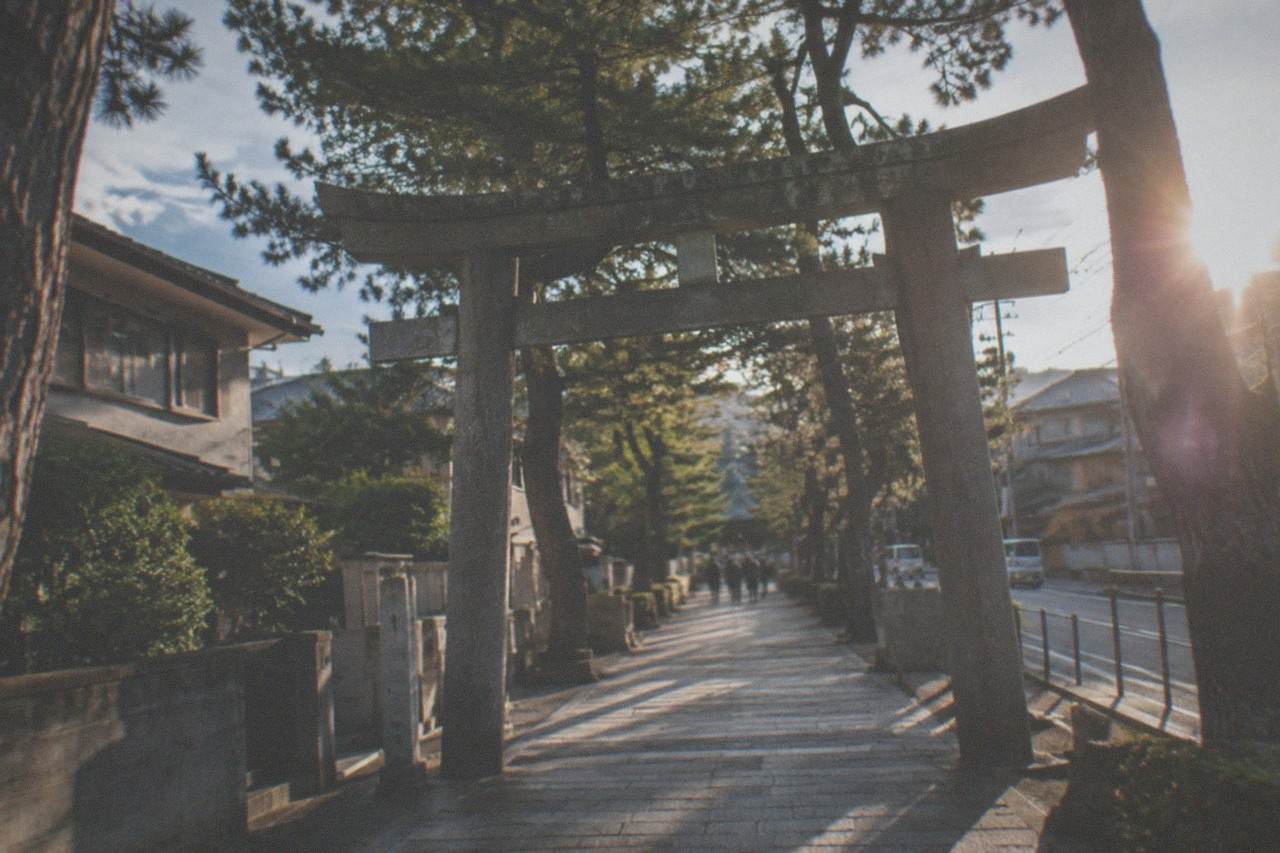
Hakozaki is the quiet eastern corner of Hakata ward that most visitors reach for one reason: Hakozakigu, the shrine behind two of Kyushu's most physical festivals.
Short answer
Hakozaki is known for Hakozakigu shrine, whose January 3 Tamaseseri ritual sees loincloth-clad teams scramble for an 8 kg wooden ball, and whose September 12 to 18 Hojoya festival lines the approach with hundreds of stalls. The district sits in eastern Hakata ward, minutes from Hakata Station on Hakata Bay.
Hakozaki does not make most first-time itineraries, and that is exactly why it rewards a visit. The district occupies the eastern edge of Hakata ward, the same ward that holds Hakata Station, and it is built around a single institution: Hakozakigu, a shrine whose two annual festivals are among the most physical and most photographed spectacles in northern Kyushu. For most of the year the area is a calm residential and small-business quarter a short walk or subway ride from the station, with an approach road, some old Hakata streets, and the water of Hakata Bay never far away.
Where Is Hakozaki, and Why Do Visitors Get Confused?
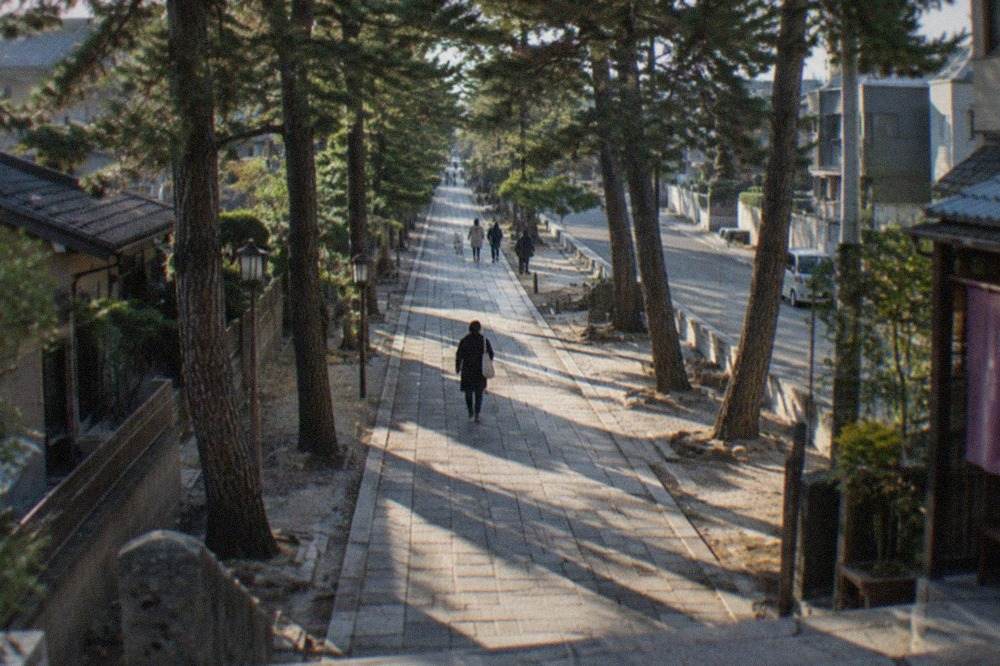
Hakozaki is a district in the east of Hakata ward, roughly two kilometres from Hakata Station, on the Hakata Bay side of the city. It is not a separate city from Fukuoka: Hakata is a ward and a station name within Fukuoka, and Hakozaki sits inside that ward, so nobody ever travels "from Hakata to Hakozaki" in the way a visitor might travel between two towns. The confusion is worth clearing up before anything else, because a remarkable number of competing guides treat Hakata and Fukuoka as two destinations. They are one city. Fukuoka is the city; Hakata is its largest ward and the name of its main station; Hakozaki is a neighbourhood at that ward's eastern end, facing the water of Hakata Bay on the Genkai Sea side of northern Kyushu.
Geographically the district is compact. The shrine sits near the head of what was historically the approach from the sea, and the surrounding streets mix older Hakata merchant houses, small workshops, apartment blocks and a handful of schools. The bay side has changed with the port: Hakata's container and ferry terminals stretch along the coast here, and the district's relationship with the water is not decorative. Fishing and shipping are why a shrine dedicated, in the local telling, to the sea goddess is located here at all.
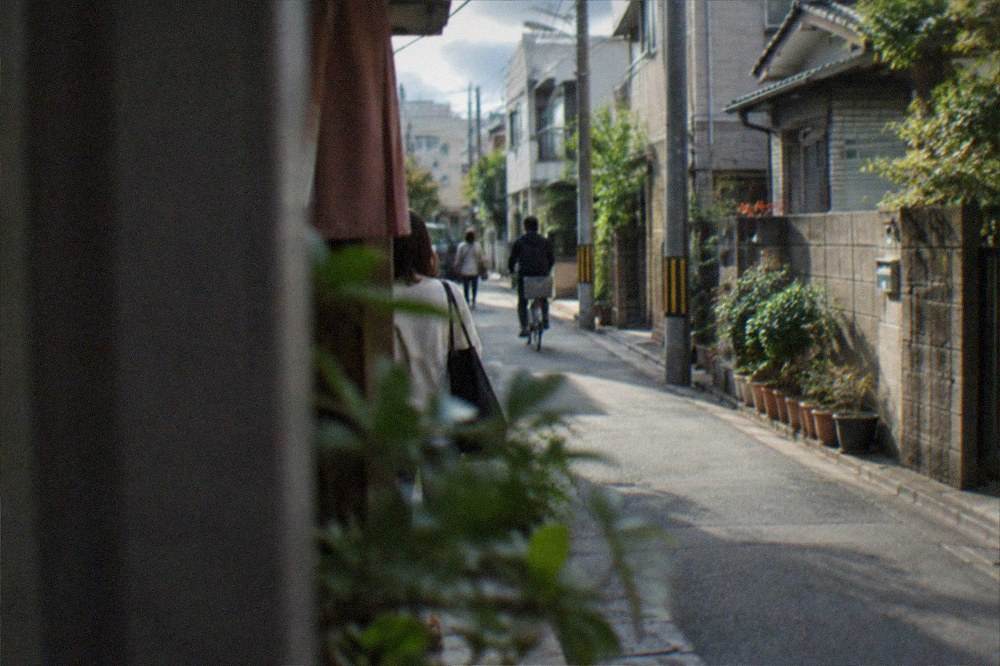
For orientation, think of the city as a line running west to east: Tenjin in the centre, Hakata Station, then Hakozaki, then the coast. Visitors staying near the station can walk to the shrine in under half an hour through streets that get quieter with every block, or take the subway a couple of stops. That walk, through the Hakata old-town streets between the station and the shrine, is one of the more underrated city walks in Fukuoka, and it is the reason a guided walking format works so well here.
The other thing worth saying about location: the airport. Fukuoka Airport (FUK) sits on the subway's Kuko line, unusually close to the city centre for a major Japanese airport, and the airport-to-Hakata fare is ¥260, a figure derivable directly from the official subway fare table. No verified official source states a journey time in minutes for that leg, and this site does not print one. From the airport, Hakozaki is a simple subway ride toward the east of the city.
What Is Hakozaki Known For?
Hakozaki is known for Hakozakigu shrine and its two festivals: Tamaseseri on January 3, when loincloth-clad land and sea teams fight for an 8 kg sacred wooden ball in a scramble believed to predict the year's harvest and fishing prospects, and Hojoya, the seven-day festival from September 12 to 18 that fills the shrine approach with hundreds of food and game stalls. Between those two events the district is a low-key residential quarter, but the festivals pull the whole city eastward. Tamaseseri is counted among Kyushu's three great festivals, and Hojoya is one of Hakata's three major festivals, which is a heavy load of festival pedigree for a district this size.
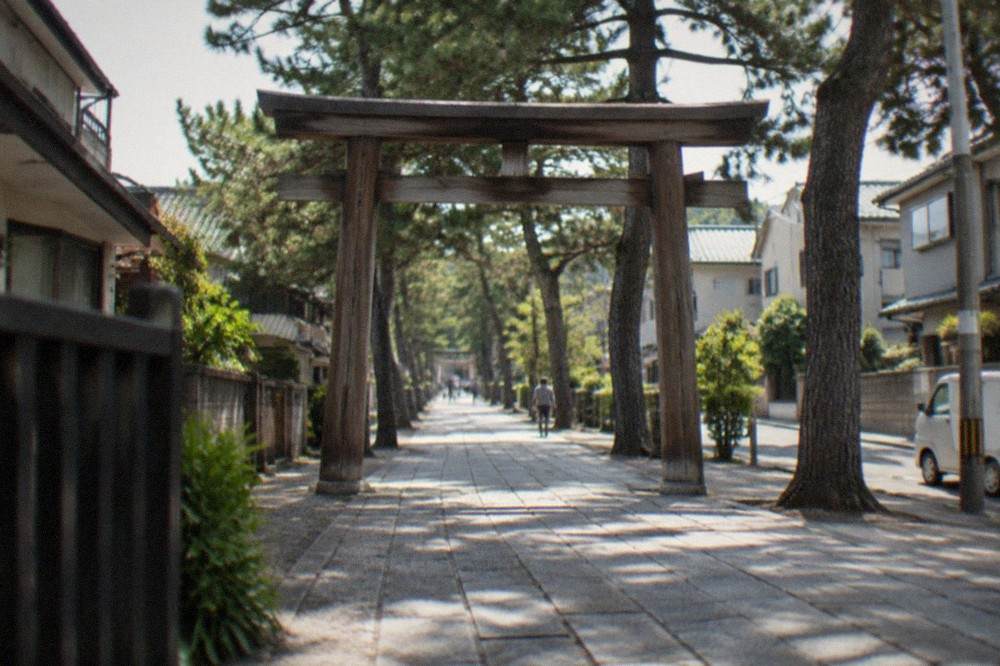
The shrine itself is the anchor. Hakozakigu's grounds are free to wander, and the approach, gates and main hall make an easy half-hour visit even outside festival season. The shrine's own English pages at hakozakigu.or.jp publish the festival schedule and the rituals around it, and they are the right place to confirm details before a visit timed to either event. What the shrine offers on an ordinary day is atmosphere: an approach that feels genuinely old-Hakata, grounds that are quiet in the way city shrines inside busier districts are not, and a setting that still reads as a fishing community's shrine even as the port has modernised around it.
The festival calendar is what puts Hakozaki on the map, so it is worth laying the year out plainly:
| Event | When | What happens |
|---|---|---|
| Tamaseseri | January 3, around 13:00 to 14:30 | Land and sea teams scramble for a sacred wooden ball of about 8 kg; the winner is believed to receive good fortune for the year |
| Hojoya | September 12 to 18, annually | Seven days of rituals and performances, with hundreds of food and game stalls along the shrine approach |
| Hakata Dontaku | May 3 and 4, eve events May 2 | Central Fukuoka parades; not in Hakozaki but part of the same Hakata festival cycle |
| Hakata Gion Yamakasa | July 1 to 15 | Float races centred on Kushida Shrine in Hakata; the Oiyama finale is run at 4:59 a.m. on July 15 |
A visitor planning around these dates should treat the first two rows as the reason to come east and the last two as the reason the whole city feels festival-seasoned in May and July. The Kushida Shrine page covers the July festival in depth; this page is about the eastern shrine that stages the other two.
Because the walk from the station to the shrine passes through streets most visitors never see, a private walking format is one of the better ways to experience Hakozaki with context. The Fukuoka Private and Personalized Walking Tour with a Local, from $64 per person and rated 4.7 from 46 reviews, runs about two hours and can be pointed at the old-town stretch east of the station. A local guide's value here is not navigation, the route is simple, but the stories: which streets were which merchant quarter, what the shrine's rituals mean, and why a ball fight in January decides the year's luck.
For visitors who prefer to compare a few options before committing, the selection below gathers the walking format alongside two contrasting ways to spend a day out of the city: a hands-on cultural workshop and a full-day trip into Kyushu. Each suits a different kind of traveller, and all three can be reserved with free cancellation through the operator's live listing.
Hakozakigu: The Shrine at the Heart of the District
Hakozakigu is a Shinto shrine facing Hakata Bay whose grounds are free to enter and whose identity is inseparable from the sea: its January ball ritual is believed to predict the year's fishing prospects, and its September festival is a thanksgiving for life and harvest that draws crowds from across the city. The shrine sits at the head of a long approach, and even on a weekday in a quiet month the grounds carry a working, lived-in feeling rather than a museum one. Local families come for ordinary prayers, students for exam luck, and businesses for the rituals that mark the Hakata year.
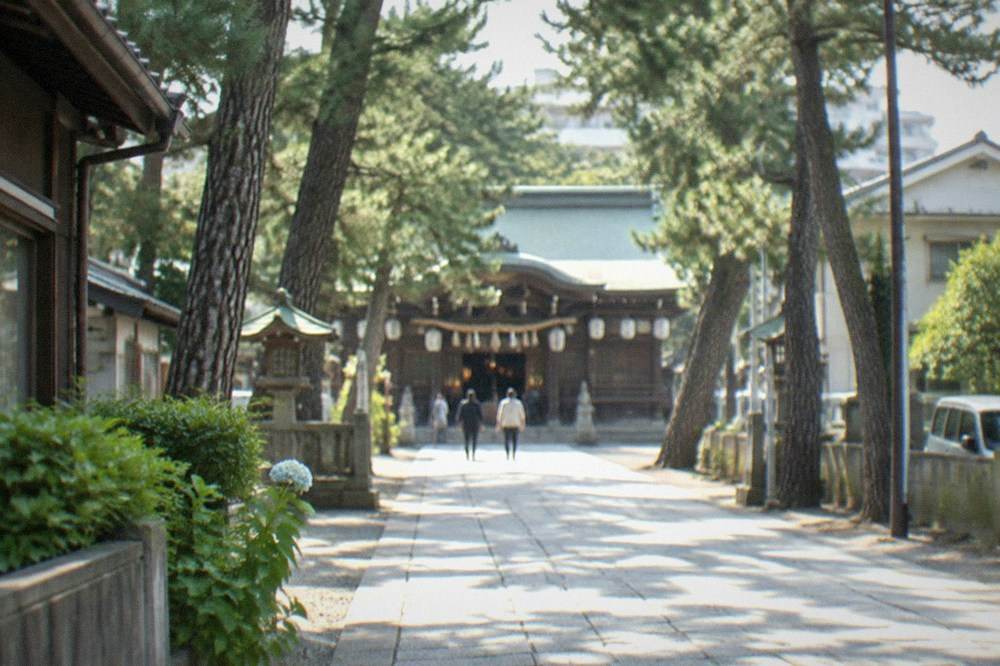
The shrine's character comes through in its festivals more than its architecture. Tamaseseri and Hojoya are both rooted in the sea economy that built this part of Hakata, and both are staged with a seriousness that surprises visitors expecting a photo opportunity. Hojoya in particular is structured around the idea of cherishing life and giving thanks for harvest, a theme the shrine communicates through ritual, performance including taiko and kagura, and the sheer scale of the street stalls along the approach. In even-numbered years the festival can include a major mikoshi procession, though 2026 did not.
Practically, a visit is easy to combine with the rest of a day. The shrine grounds suit a relaxed hour, and the surrounding district rewards the visitor who keeps walking east or loops back toward the station through the older streets. Visitors with a three-day Fukuoka itinerary usually slot Hakozaki into a Hakata-ward morning: station area first, then the walk east, then the shrine, then back for lunch in the Nakasu or station districts.
Tamaseseri: Fukuoka's Wildest New Year Ritual
Tamaseseri is held every January 3 at Hakozakigu, from around 13:00 to 14:30, when two teams of loincloth-clad competitors, one from the land and one from the sea, wrestle for possession of a sacred wooden ball weighing about 8 kg, with the outcome believed to foretell the year's harvest and fishing fortunes. It is one of Kyushu's three great festivals, and it is unlike anything else on Fukuoka's calendar. The scramble is fast, physical and genuinely contested; the ball changes hands in a heaving crowd, and the winning team carries it to the shrine to conclude the ritual.
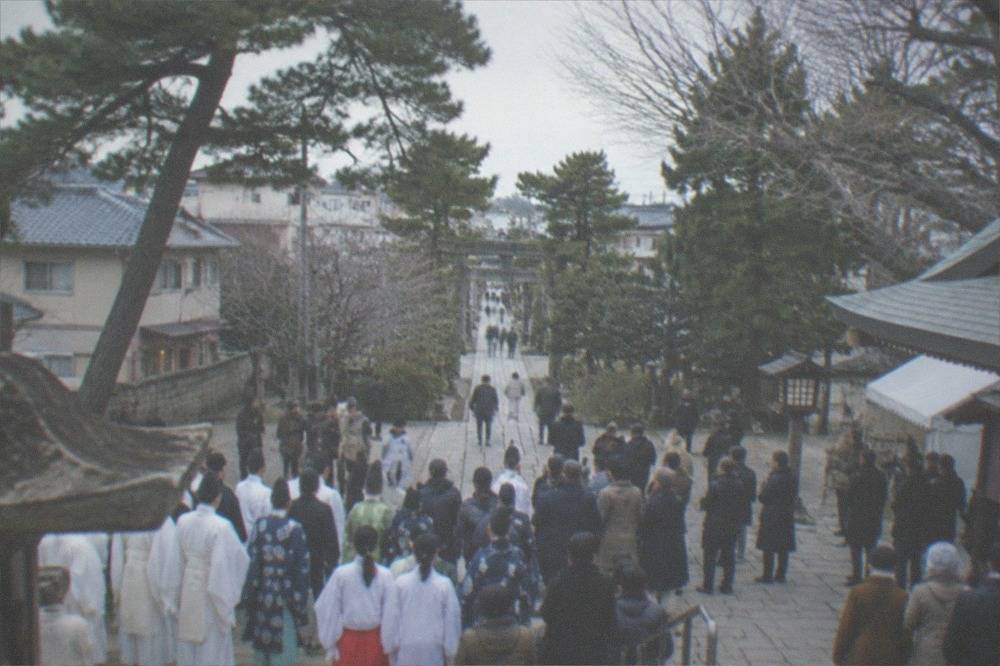
For a visitor, the practical notes matter. The ritual runs early in the New Year, when Fukuoka is at its coldest: January's daily maximum averages 10.2 degrees Celsius on the 1991 to 2020 normals, with an average minimum of 3.9. Spectators line the approach and the forecourt, and the crowd is dense for the hour the scramble lasts, so arriving early matters more than any ticket or reservation, there is none. The event is free to watch, and the shrine publishes the schedule on its own site each year. The wider set of guides lives on Fukuoka Japan Travel Guide.
The ritual's meaning is worth a moment before watching. The two teams represent land and sea, the two economies that built Hakata, and the ball's fate is read as an omen for both farm and fishery. That duality is old-Hakata in miniature: a merchant and fishing city whose shrines kept score of the year's prospects. Watching Tamaseseri with that in mind turns a chaotic scramble into something closer to a civic ceremony, which is what it is.
Hojoya: The September Festival That Transforms the Approach
Hojoya runs for seven days each year from September 12 to 18 at Hakozakigu, filling the shrine's approach with hundreds of food and game stalls alongside rituals, taiko and kagura performances, and a theme of cherishing life and giving thanks for harvest. It is one of Hakata's three major festivals, and in sheer street atmosphere it is the closest thing Fukuoka has to a classic Japanese matsuri market: lantern-lit stalls, grilled food, goldfish games and the smell of soy and smoke running the full length of the approach.
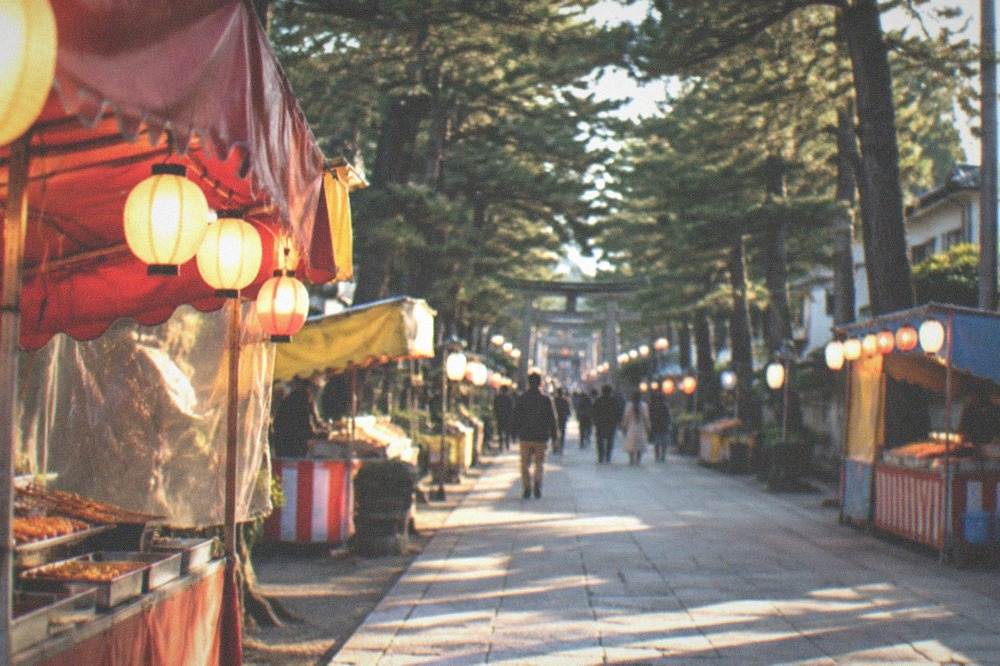
The timing is a planning gift, because mid-September is one of the more comfortable windows in Fukuoka's year. The summer heat has usually broken: September's average temperature is 24.7 degrees with a daily maximum of 28.6, down from August's 28.4 average, and the month carries 175.1 mm of rain, well below July's 299.1 mm, which is Fukuoka's wettest month, a fact that surprises visitors who assume the June rainy season is the peak. An evening at Hojoya is warm but not punishing, and the stalls run into the night.
Visitors should expect crowds comparable to any major urban festival, dense on weekend evenings, thinner on weekday afternoons. The stalls are cash-and-impulse territory; the shrine publishes the festival's ritual schedule on its own pages, and the performances are worth timing a visit around rather than treating the stalls as the whole event. The festival's name and theme, the release and cherishing of life, is the reason the shrine frames it as thanksgiving rather than mere celebration, and the ritual moments in the main hall are the festival's core even when the street is at its loudest.
For visitors who want a guided handle on the area's traditions rather than exploring the festival alone, the Fukuoka: Morning Sumo Practice and Hakata Old Town experience, from $77 per person and rated 4.2 from 22 reviews, pairs a morning sumo viewing with a walk through the old Hakata quarter west of the shrine district, a combination that suits a September itinerary built around Hojoya evenings.
Getting to Hakozaki
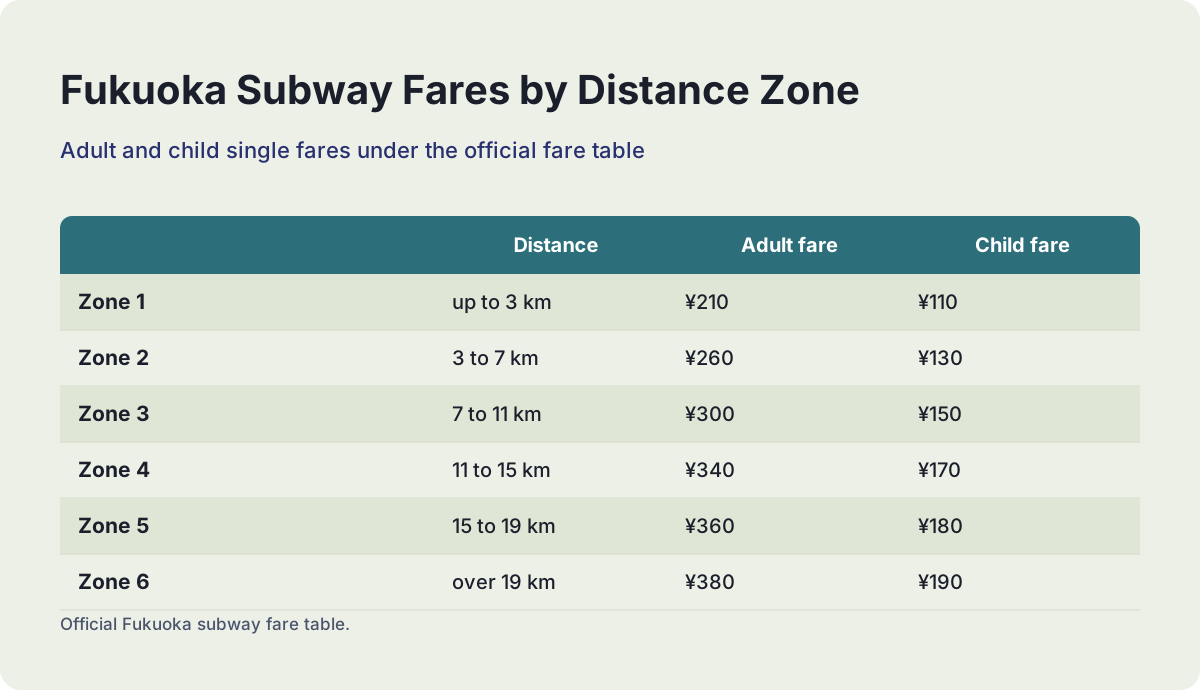
Hakozaki is reached from Hakata Station by a roughly two-kilometre walk east or by a short subway ride on the Hakozaki line, which runs from Nakasu-Kawabata to Kaizuka, with a single adult subway fare costing between ¥210 and ¥380 depending on distance under the official fare table. The walk is the better option on a dry day, because it passes through the old Hakata streets that give the district its character. The subway is the better option in the July-to-October typhoon window or in summer rain, when a two-kilometre walk is less charming than it sounds.
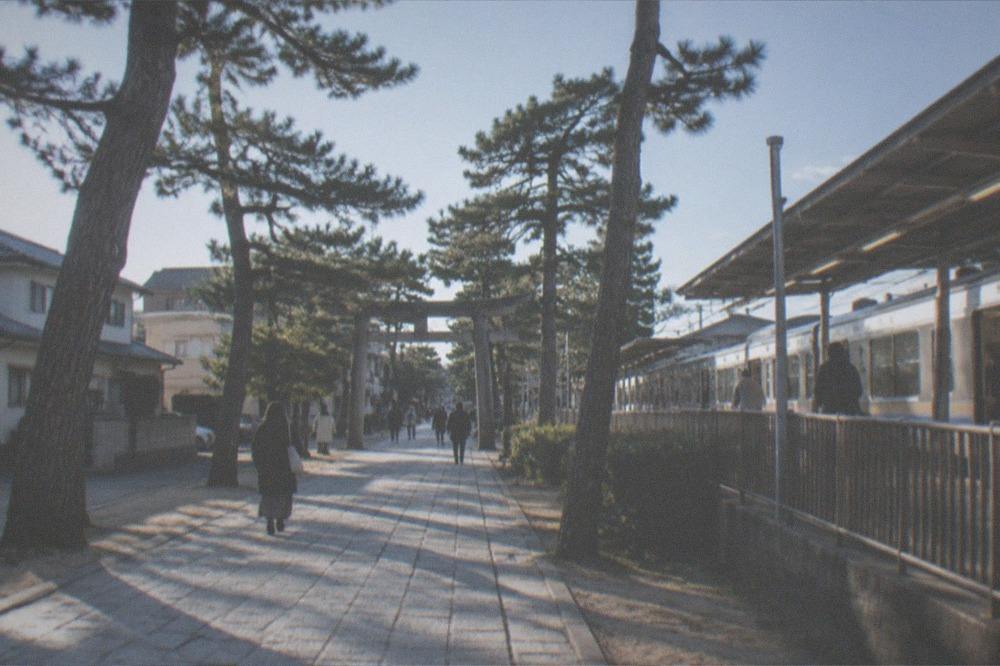
The official fare structure, published by the city subway operator at subway.city.fukuoka.lg.jp, is distance-banded:
| Zone | Distance | Adult fare | Child fare |
|---|---|---|---|
| 1 | up to 3 km | ¥210 | ¥110 |
| 2 | 3 to 7 km | ¥260 | ¥130 |
| 3 | 7 to 11 km | ¥300 | ¥150 |
| 4 | 11 to 15 km | ¥340 | ¥170 |
| 5 | 15 to 19 km | ¥360 | ¥180 |
| 6 | over 19 km | ¥380 | ¥190 |
For a visitor making several trips across the city in one day, the subway's 1-day pass costs ¥640 for an adult and ¥320 for a child, covering all three lines from first to last train on the day of use. Overseas visitors on a short-stay visa can instead buy the Fukuoka Tourist City Pass, ¥2,500 for the city version and ¥2,800 for the version that adds Dazaifu, with a passport checked at the counter; most competing guides still quote the old, wrong prices. Either way, Hakozaki is inside the flat urban network, so no special planning is needed beyond knowing which side of the station you are heading for.
A simple access summary:
| From | Best route | Notes |
|---|---|---|
| Hakata Station | Walk east, or subway toward Kaizuka | The walk passes the old Hakata merchant streets |
| Tenjin | Subway via Nakasu-Kawabata | A few stops; combine with Nakasu on the way |
| Fukuoka Airport | Subway from the Kuko line via Hakata | Airport-to-Hakata fare is ¥260; no verified official journey time is published |
| Ohori Park area | Subway across the city centre | Allow a half-day loop: park, then east to the shrine |
What Else Is Around Hakozaki
Beyond the shrine, Hakozaki offers the old Hakata streets between it and the station, the working Hakata Bay waterfront, and a quiet residential texture that contrasts sharply with Tenjin's retail core and Daimyo's cafe quarter, making it a half-day visit that pairs naturally with a station-area or Nakasu evening. The district is not a shopping or dining destination in the way the central wards are, and that is its point. Visitors come for the shrine, the festivals and the walk, then head back west for food.
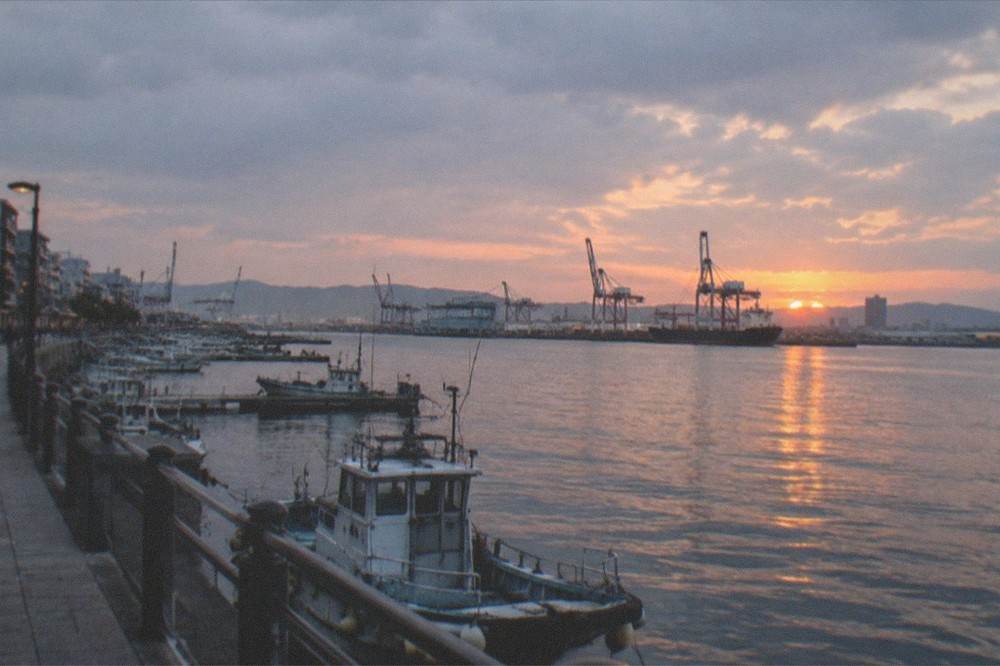
The bay side is the district's second act. Hakata's port functions, ferries and freight among them, line the coast east of the city centre, and the water is a constant presence on the district's northern edge. The bay is on the Genkai Sea side of northern Kyushu, not the Pacific, and the waterfront here is working water rather than beachfront, a distinction that matters for visitors expecting the sandy stretches of Momochi further west.
For visitors structuring a day, the natural pairing is a morning at the shrine, a walk back through the old streets, and lunch or an evening in the busier districts west. The half-day city essentials format suits this well: Fukuoka Essentials: History, Culture, & Charms, from $74 per person and rated 4.9 from 48 reviews, runs three to six hours and covers the historical core that Hakozaki belongs to, with the flexibility to weight the walk toward the east.
A quick comparison of how Hakozaki fits among its neighbours:
| District | Character | Best for |
|---|---|---|
| Hakozaki | Shrine quarter, festivals, old streets | Tamaseseri, Hojoya, quiet walks |
| Hakata station area | Transport hub, hotels, ramen | Arrivals, food, basecamp hotels |
| Nakasu | Nightlife, yatai stalls along the Naka River | Evenings and food crawls |
| Tenjin | Retail core, department stores, underground mall | Shopping, city-centre logistics |
| Ohori and Akasaka | Park, museums, quieter dining | Mornings, art, relaxed afternoons |
That spread is the honest pitch for Hakozaki: it is the one district on this list whose calendar, rather than its shops or bars, is the reason to visit. Time it to either festival and it is unforgettable; visit any other week and it is a pleasant, low-effort half-day that shows the Hakata most itineraries skip.
Common Questions About Hakozaki
What Is Hakozaki Known For?
Hakozaki is known for Hakozakigu shrine and its two festivals: the January 3 Tamaseseri ball-scramble ritual and the September 12 to 18 Hojoya festival, which fills the shrine approach with hundreds of stalls.
When is Tamaseseri held?
Tamaseseri is held every January 3 at Hakozakigu, from around 13:00 to 14:30. Two teams compete for a sacred wooden ball of about 8 kg, and the outcome is believed to predict the year's harvest and fishing prospects.
When is Hojoya held?
Hojoya runs for seven days each year from September 12 to 18 at Hakozakigu, with rituals, performances and hundreds of food and game stalls along the shrine approach.
How do I get to Hakozaki from Hakata Station?
Walk east roughly two kilometres through the old Hakata streets, or take the subway's Hakozaki line a couple of stops toward Kaizuka. Single adult subway fares run from ¥210 to ¥380 depending on distance.
Is Hakozaki worth visiting outside festival season?
Yes, as a quiet half-day. The shrine grounds are free to wander, the surrounding old Hakata streets reward a slow walk, and the district pairs naturally with an evening in Nakasu or the station area.
How far is Hakozaki from Fukuoka Airport?
Fukuoka Airport sits on the subway's Kuko line, unusually close to the city centre. The airport-to-Hakata fare is ¥260, and Hakozaki is a short onward subway ride east from Hakata.