Daimyo
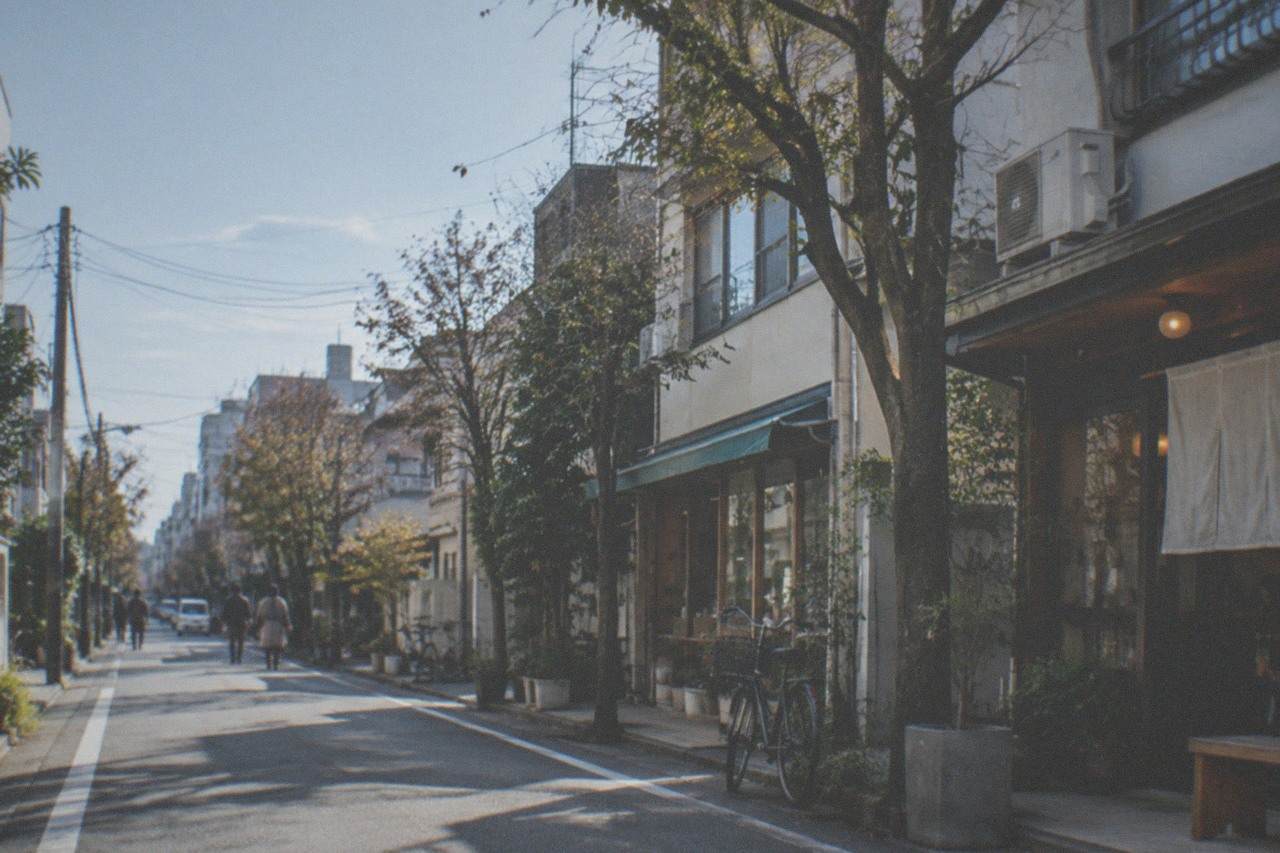
Daimyo is the small, dense grid of boutiques, coffee roasters and record shops that sits between Tenjin's department stores and the green edge of Ohori Park, and it is where Fukuoka's own fashion identity lives.
Short answer
Daimyo is known for independent boutiques, streetwear and select shops, a dense cafe and coffee scene, and its location directly beside Ohori Park, Maizuru Park and the Fukuoka Castle ruins. It is the quiet, walkable counterpart to Tenjin: a few minutes' walk from the department stores, reachable by the subway at Tenjin station, with a single fare of ¥210 to ¥380 depending on distance.
Daimyo is a district that answers a question most visitors only ask after a day in Fukuoka: where does this city actually shop? Tenjin gives you department stores and an underground mall, Hakata gives you a giant station complex, and then there is this low grid of narrow one-way streets behind the Tenjin core, packed with boutiques, vintage stores, coffee roasters and small restaurants, a short walk from the water at Ohori Park. It is the part of the city where Fukuoka's own style, rather than a national chain's, is on the shelves.
What Is Daimyo Known For?
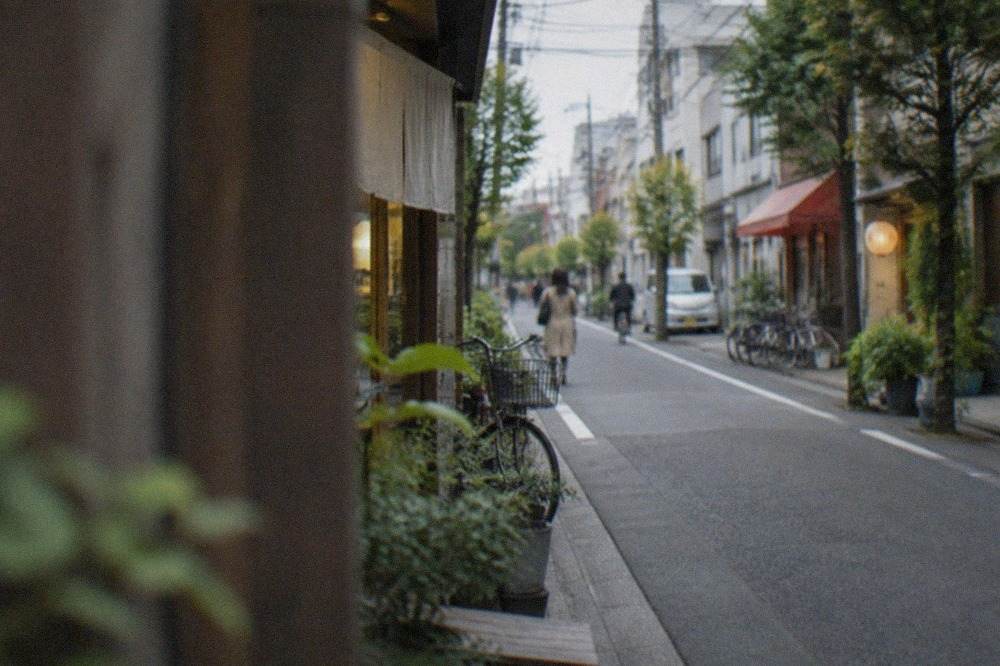
Daimyo is known for three things stacked on top of each other: independent fashion boutiques and select shops that make it the most browsable shopping district in Kyushu, a remarkable density of cafes and coffee roasters for its size, and a location beside Ohori Park, Maizuru Park and the Fukuoka Castle ruins that lets you pair a morning of retail with an afternoon of water, trees and castle stonework. It is the side of Tenjin that locals actually spend their weekends in.
The name trips people up. Daimyo is not a palace or a museum; it is the name of a neighbourhood in Chuo Ward, part of the wider Tenjin area, and its streets are numbered in the Nishi-Daimyo and Tenjin Daimyo blocks. If you have read that Hakata is where the old merchant city was and Tenjin is where the modern commercial city moved, Daimyo is Tenjin's boutique quarter, the place where the city's designers, buyers and coffee obsessives open small shops rather than lease floors in a department store.
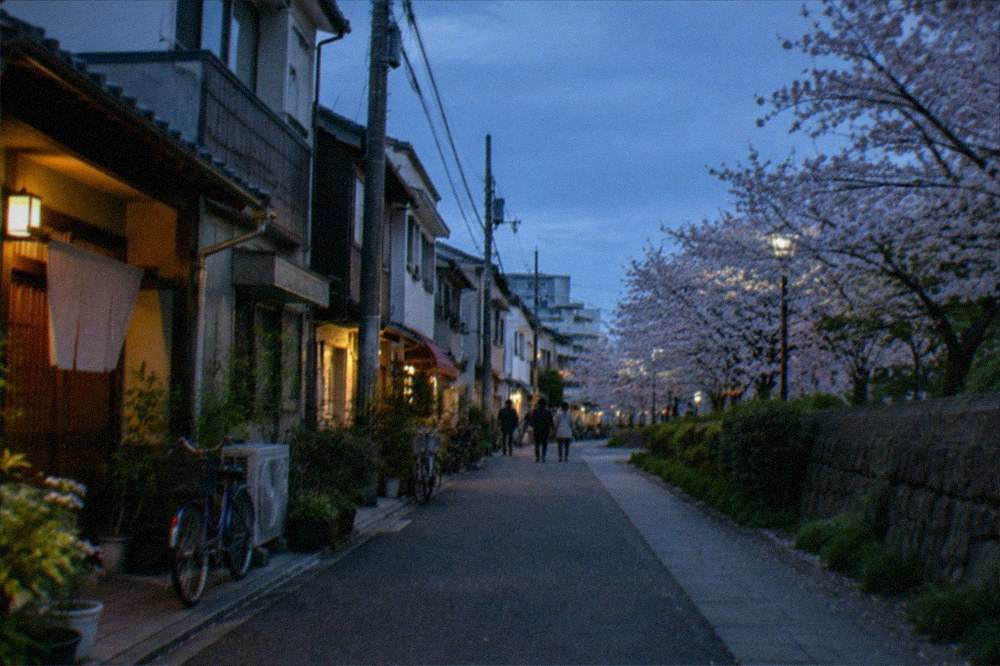
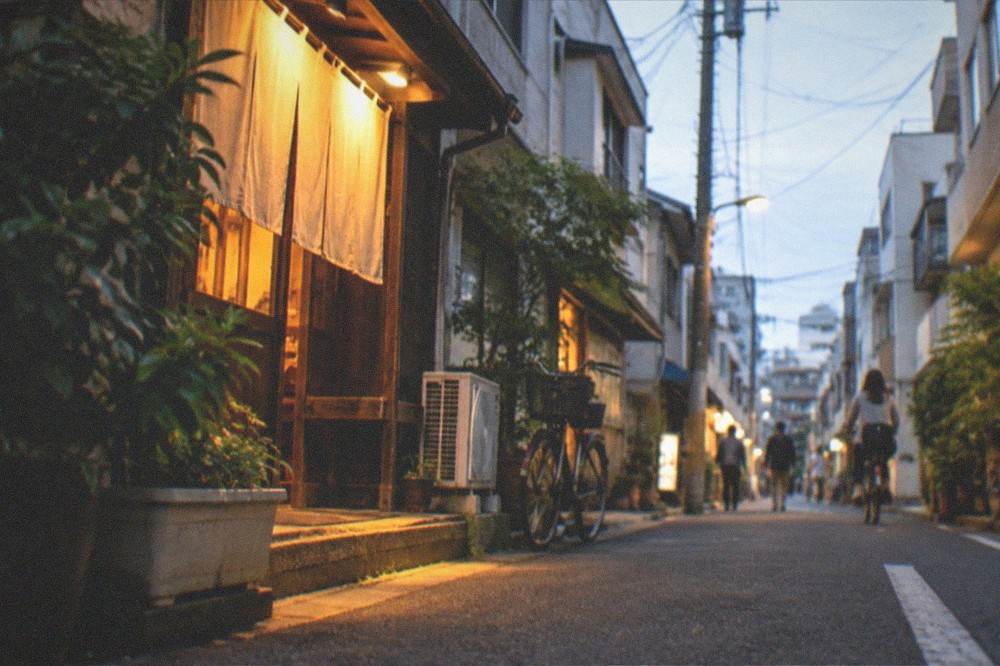
The district's reputation rests on density. Within a few blocks you can move from a select shop carrying Japanese-made clothing to a vintage store, a record shop, a bean-to-bar chocolate maker and a roastery with a queue out the door, all without ever walking on a main road. That walkability is the product. Visitors who find Tenjin overwhelming tend to breathe out once they turn into Daimyo's side streets.
This site covers the whole city; for the bigger picture of how the districts fit together, the Fukuoka Japan Travel Guide homepage is the map to start from.
Where Exactly Is Daimyo Within Fukuoka?
Daimyo sits immediately west of the Tenjin department-store core in the geographic centre of Fukuoka City, inside Chuo Ward, roughly ten minutes on foot from Tenjin's main intersections and directly east of Ohori Park and Maizuru Park. The nearest subway stop is Tenjin station on the Nanakuma line, with Tenjin-Minami on the same line also within walking reach. It is a district, not a separate destination: you do not travel from Tenjin to Daimyo, you walk there.
One clarification does a lot of work here, because competing guides get it wrong constantly. Hakata is a ward of Fukuoka and the name of the main station; Fukuoka is the city. They are one place, not two. There is no JR Fukuoka Station; the Shinkansen and the subway meet at Hakata. Daimyo belongs to neither of those names directly: it belongs to the Tenjin side of the city, which is itself the commercial centre that grew up around the old castle town's western edge.
The practical geometry for a visitor is simple. Daimyo is bounded loosely by Watanabe-dori to the east, the park strip to the west, and the Keyaki-dori and Imaizumi areas to the south and west, which run into it so gradually that locals argue about where one stops and the next starts. The Imaizumi neighbour area is the continuation of the same boutique-and-cafe culture further southwest, quieter and slightly more residential, and many of the best bakeries sit closer to Imaizumi than to Daimyo proper.
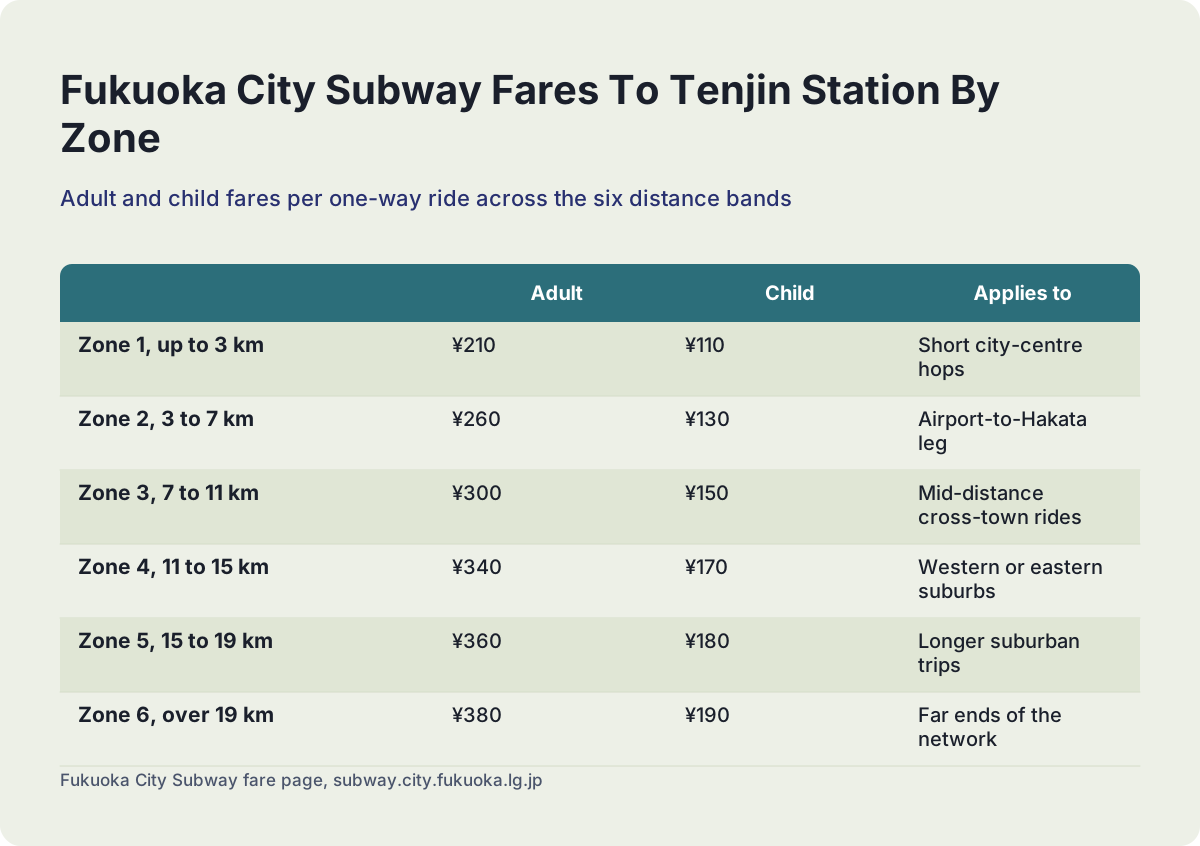
Because the district is compact and flat, everything in it is a walking affair. If you arrive by subway to Tenjin station, the fare from anywhere on the city network falls between ¥210 and ¥380 for an adult, per the official distance-band table that the Fukuoka City Subway fare page publishes. Children pay roughly half.
| Subway fare band | Adult | Child | Applies to |
|---|---|---|---|
| Zone 1, up to 3 km | ¥210 | ¥110 | Short city-centre hops |
| Zone 2, 3 to 7 km | ¥260 | ¥130 | Includes the airport-to-Hakata leg |
| Zone 3, 7 to 11 km | ¥300 | ¥150 | Mid-distance cross-town rides |
| Zone 4, 11 to 15 km | ¥340 | ¥170 | Western or eastern suburbs |
| Zone 5, 15 to 19 km | ¥360 | ¥180 | Longer suburban trips |
| Zone 6, over 19 km | ¥380 | ¥190 | The far ends of the network |
If you plan more than three or four subway rides in a day, the 1-day pass at ¥640 for an adult pays for itself, and it is sold at Tenjin station and the tourist information counters in Tenjin, Hakata Station and the airport.
The Best Things to Do Around Daimyo
The best things to do around Daimyo are browsing its boutiques and select shops, working through its coffee roasters and cafe counters, eating lunch in its small kitchens and bakeries, and then walking five minutes west to Ohori Park, the Fukuoka Castle ruins in Maizuru Park, or the Fukuoka Art Museum on the park's southern side. The district's own value is concentration: more per block than anywhere else in the city, with the parks functioning as a free second act to the day.
A good morning starts with coffee. Daimyo's cafe density is not an accident; the district attracted small independent operators precisely because its rents and footpaths suit tiny shops, and the result is that you can try three roasters in three consecutive blocks and each will have its own regulars. The specialty scene here is well covered on the coffee and cafe guide, which lists the roasteries and the neighbourhoods they cluster in, including the Daimyo-Imaizumi belt.
From coffee, move to the shops. The district's core clientele is local, which means the stock skews Japanese: small domestic labels, curated imports, vintage, and a deep bench of streetwear. Weekend afternoons are the liveliest window, and most shops open late in the morning, so there is no point arriving at nine. Shopping strategy and the specific categories to hunt, including what is genuinely cheaper here than in the big stores, are broken down on the Fukuoka shopping guide.
The third act is the park. Walk west out of the boutique grid and you reach the water at Ohori Park, one of the city's best free spaces, which this site covers in full on the Ohori Park page. The Fukuoka Art Museum sits on the park's south side with collection admission of ¥200 for general entry and ¥150 for high school and university students, junior high and younger free, per its own visitor guide at fukuoka-art-museum.jp. Free entry applies to residents of Fukuoka, Kitakyushu, Kumamoto or Kagoshima aged 65 or over with ID.
For visitors who would rather have a local shape the day, a half-day guided walk of the city's essentials is a strong fit for this district, because Daimyo sits right on the route between the castle area and Tenjin. A guided version also solves the one real difficulty Daimyo presents, which is that its best shops are unmarked and easy to walk past.
Two notes on the neighborhood's edges. The Kego shrine pocket just east of the district, covered on the Kego area page, is a working shrine tucked between boutiques, worth five minutes if you are already passing. And if you are visiting with children, the zoo and the Ohori boat rentals are the reliable anchors; the family angle is laid out on the wider Tenjin area page.
Daimyo Shopping: What the Streets Actually Sell
Daimyo's streets sell independent fashion above all: Japanese-made clothing, streetwear, vintage and curated imports, sold from small select shops rather than chain floors. Around that core sit the supporting trades of a boutique district, meaning records, homeware, bean-to-bar chocolate, bakeries and gift-worthy groceries. Prices are boutique prices, not outlet prices, and the reason to buy here is stock you will not find in a department store or in Tokyo's bigger districts.
The honest framing matters. Daimyo is not a bargain district and it does not pretend to be. What it offers is specificity: a buyer for a small shop who chose every item on the rack, and a shopkeeper who can tell you who made it. The domestic-label strength is the district's real edge over the bigger retail offer in Tenjin a few blocks east, where the department stores carry the national and international majors.
The streets are numbered, which confuses first-timers. Nishi-Daimyo's numbered blocks run across the grid, and most directions from locals will use the numbers, so it is worth orienting on the first afternoon rather than guessing. The district is small enough that aimless walking works, but the numbered blocks are what taxi drivers and delivery riders use.
| What you are looking for | Best part of Daimyo for it | Realistic budget framing |
|---|---|---|
| Japanese small-label clothing | Nishi-Daimyo select shops | Boutique pricing, priced per item |
| Vintage and second-hand | Scattered across the western blocks | Varies widely by condition |
| Streetwear | Tenjin Daimyo edges toward Keyaki-dori | Premium to boutique |
| Records and music | Small shops off the main axes | Standard import pricing |
| Coffee to take home | Roasters along the Daimyo-Imaizumi belt | Per-bag retail pricing |
| Sweets and gifts | Chocolate and bakery shops district-wide | Moderate, giftable |
Two practical habits make the day better. First, carry some cash: small shops increasingly take cards and IC payments, but the smallest counters do not, and this district is full of the smallest counters. Second, shop in the afternoon; the boutiques open late and the district genuinely does not start before eleven.
Coffee and Cafes in Daimyo
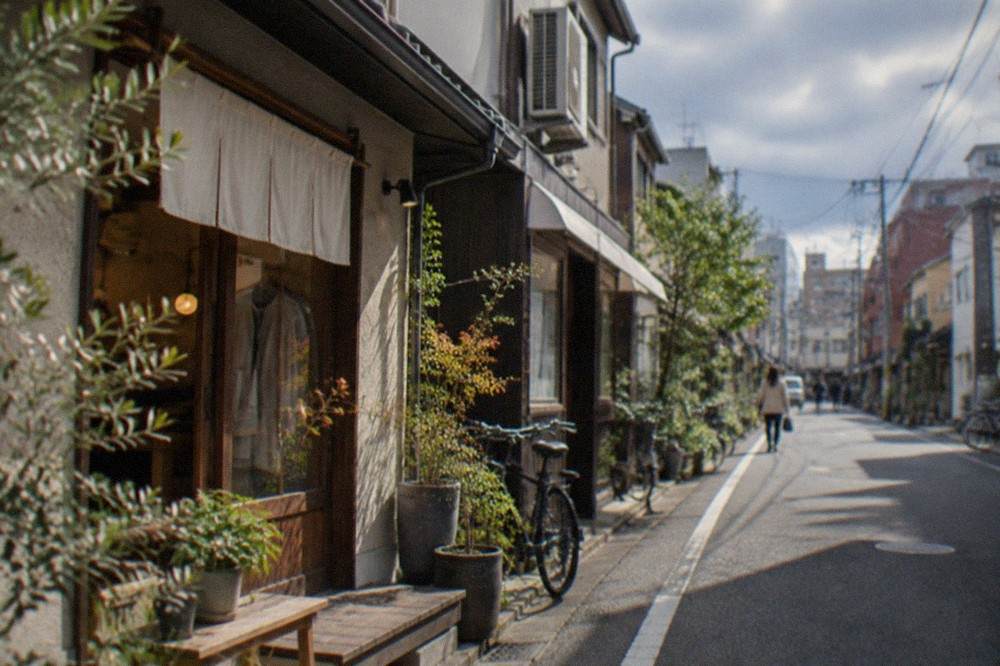
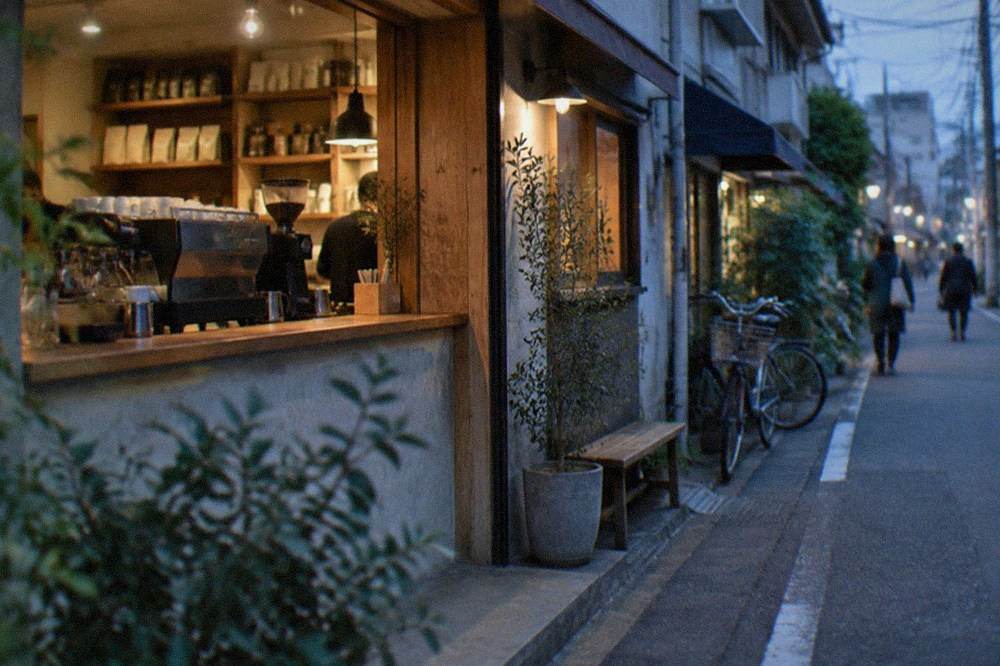
Coffee is Daimyo's second headline act after fashion: the district holds a dense cluster of independent roasters and specialty cafes, many within a few blocks of each other, and the Daimyo-Imaizumi belt is arguably the strongest coffee walk in Kyushu. Expect single-origin pour-overs, house-roasted espresso, long queues at the famous names on weekend afternoons, and opening times that start late and run into early evening. The good news is the floor is high everywhere; there is no need to fight the queue at one famous name.
The reason the district became a coffee destination is structural, the same reason it became a fashion destination. Small premises, low frontage costs and a walkable grid suit single-group espresso machines and four-seat roasteries. A visitor benefit follows from that: the coffee here is personal. In most of these shops the person pulling the shot roasted the beans or chose them, and asking about the coffee is not an imposition but the normal transaction.
Rhythm matters. The famous roasters queue from late morning through mid-afternoon on weekends; a weekday visit or an early-afternoon weekday slot is calm. Japanese cafe culture runs late: many Daimyo shops open around ten or eleven and close around six or seven, with a handful extending later. If your plan is coffee then shopping, reverse it, shop first, because the shops close earlier than you expect.
The district's cafe culture also feeds its food scene. Bakery counters and cake shops double as lunch spots, and the small kitchens tucked behind the boutiques are where you eat well without a reservation. The wider scene, including the izakaya and dinner end of the district, is covered on the nightlife guide.
The half-day city essentials walk pairs naturally with a Daimyo morning: its route runs through the castle and park side of the city, and dropping into the district's coffee belt on the way back toward Tenjin is how most local guides do it themselves.
Daimyo at Night: Bars and Late Evenings
Daimyo at night is small-kitchen izakaya, standing bars and natural-wine counters rather than the neon of Nakasu or the scale of the Tenjin entertainment blocks: quieter, food-led, and usually over by midnight. The district is best treated as a dinner and first-drinks location, with the louder ends of the evening a short walk or subway ride away in Nakasu or Tenjin's backstreets. If your night is about eating well and talking rather than dancing, Daimyo is the right half of the city.
The contrast with the big nightlife districts is the point. Nakasu, the island district along the Naka River with its yatai stalls and riverside entertainment, is covered on the Nakasu area page, and it is a different animal: louder, later, and famous for its food stalls. Daimyo's evenings are about a ten-seat counter, a good glass, and the walk home through quiet streets. Both are Fukuoka; they just start at different hours.
For visitors who want the stall experience rather than a counter, the honest note is that the yatai take walk-ins; there is no booking a stall, and the guided crawls in the roster are simply a way to have the choices made for you. What you cannot do is reserve a seat at a stall, and the stalls themselves are spread across the city's core districts rather than in Daimyo specifically.
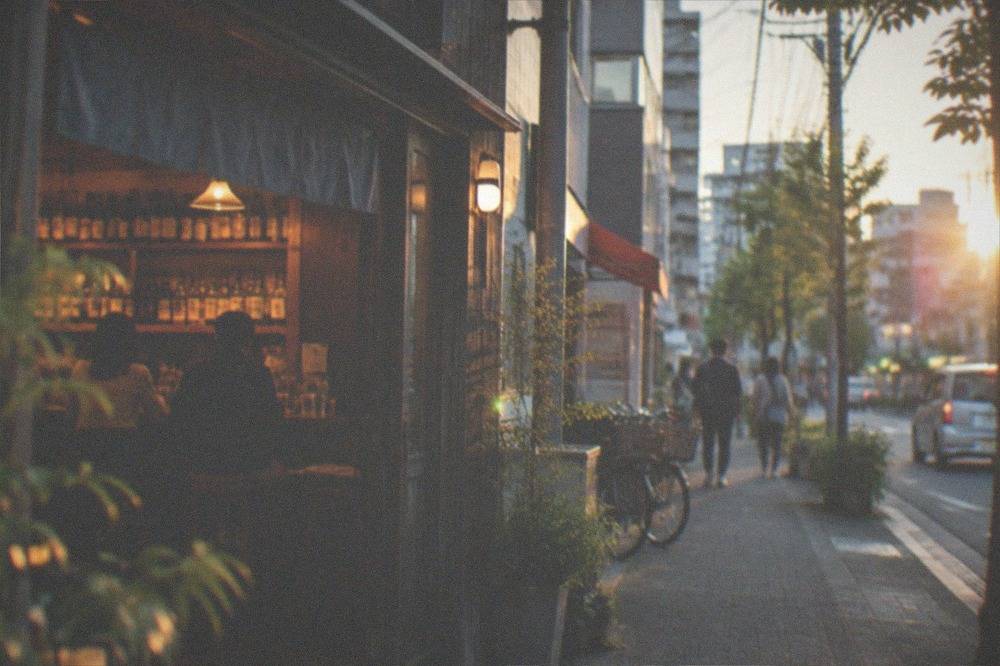
A city-with-a-local framing helps at night especially, because the good small counters in this district do not advertise. One useful option in the roster is an evening tour covering yatai, izakaya and karaoke with a guide, which covers the stall etiquette and the ordering without the guesswork; it runs three to four hours and suits a first night in the city.
If a guided evening is not your shape, the simple local pattern works fine: pick one counter early, order what the person next to you is having, and move on before the last train rather than chasing a second venue in a district that goes quiet.
How to Get to Daimyo
Daimyo is reached by subway to Tenjin station on the Nanakuma line followed by a short walk west, or on foot from anywhere in the Tenjin core in about ten minutes; single subway fares from across the city network run ¥210 to ¥380 for an adult, and the 1-day pass at ¥640 covers a full day of rides. There is no Daimyo station and the district does not need one. Buses from Nishitetsu serve the Tenjin area, and the flat city-centre fare applies on the Nishitetsu network.
From Hakata Station the practical route is the subway one stop to Nakasu-Kawabata and a transfer, or simply the walk if the weather is kind, since the district sits between the station and the park. From Fukuoka Airport the subway to Tenjin costs ¥260, the same zone-2 fare as the airport-to-Hakata leg, and the airport itself is unusually close to the city centre, one of Fukuoka's genuine structural advantages.
On the ground, the district rewards walking above every other mode. The blocks are short, the streets narrow and mostly one-way, and the things you came for are the things you pass on foot. A bicycle is the one genuine upgrade: the city is flat and compact, and a guided bike ride of the Hakata and city grid, a half-day in the roster, is built exactly around this logic.
The Tenjin underground mall, which connects the subway stations and department stores, is the weather-proof link into the district from the east; it is covered on the underground mall page, and its exits drop you close to Daimyo's eastern edge before you surface into the boutique grid.
| Coming from | Best route | Adult fare | Notes |
|---|---|---|---|
| Fukuoka Airport | Subway Kuko line to Tenjin | ¥260 | Two legs, transfer at Nakasu-Kawabata |
| Hakata Station | Subway to Nakasu-Kawabata, transfer, or walk | ¥210 | Walkable in good weather |
| Ohori Park | On foot east through the park exits | Free | Under fifteen minutes |
| Nakasu | Subway or walk via Tenjin | ¥210 | Or the river-side walk north then west |
| Further out on the network | Subway to Tenjin station | ¥300 to ¥380 | Pass pays off from the third ride |
How Daimyo Compares with Other Fukuoka Neighbourhoods
Daimyo is the boutique-and-cafe district of central Fukuoka, best compared as the stylish, quieter, walkable quarter beside the park: Tenjin is bigger and department-store led, Imaizumi is its calmer continuation, Yakuin is a more food-and-life local district further south, and Nakasu is the nightlife and food-stall island with a completely different evening. Visitors usually choose between them by energy, not by sights, because none of them contains a headline attraction in itself; the attraction is the streets.
The honest comparison is about hours as much as character. Daimyo's shops keep boutique hours: late openings, early closings, quiet weekday mornings. Nakasu runs the opposite clock, warming up at dusk with its stalls along the river. Tenjin's department stores anchor the middle of the day. A visitor who understands this can stack the districts rather than choose between them, shopping Daimyo at midday, walking Ohori Park in the afternoon, and eating in Nakasu at night.
Yakuin and Imaizumi both reward the same kind of visitor as Daimyo. The Yakuin district is a little further out, a lived-in neighbourhood of small restaurants and cafes that has kept more of a local pace, while Imaizumi runs directly on from Daimyo's southwestern corner and shares its coffee culture. For the coastal contrast, the Momochi seaside area is the modern waterfront face of the city, a beach-and-towers counterpoint to the boutique grid.
| District | Core identity | Best hours | One-line verdict |
|---|---|---|---|
| Daimyo | Boutiques, coffee, small kitchens | Late morning to early evening | The style quarter beside the park |
| Tenjin | Department stores, underground mall | Midday | The commercial engine room |
| Imaizumi | Quieter cafes and bakeries | Morning to early evening | Daimyo's calmer extension |
| Yakuin | Local restaurants and daily life | Evening | Food-led, less shoppable |
| Nakasu | Yatai stalls and nightlife | Dusk onward | The loud, festive half of the city |
| Ohori and Akasaka | Park, museums, residential calm | Daylight | The green west side, next door to Daimyo |
One Perfect Day Around Daimyo
A perfect Daimyo day runs coffee first, boutiques and shopping through late morning and early afternoon, lunch from a bakery or small kitchen, then the walk west into Ohori Park and Maizuru Park with the Fukuoka Art Museum or the castle ruins, and dinner either back inside the district's counters or east in Nakasu. The whole day needs no car, no reservation beyond dinner, and one subway ride at most; the district's geometry makes the plan almost automatic.
The morning matters most. Arrive in the district around ten-thirty or eleven, when the shops are actually opening, and put the famous coffee names first, because their queues only build from noon. Shop the western blocks while your energy is highest and your luggage lightest; the vintage and select shops are the ones that deserve an unhurried hour.
The afternoon pivots to the parks. Ohori Park's water, the Japanese garden on its southwest side, and the castle-ruins green of Maizuru Park are all within the same short walk, and the [Fukuoka Castle ruins page](/attractions/fukuoka-castle-ruins/) covers what is currently visible there, including the closure of the main keep base for an archaeological dig through the end of December 2026. The Japanese garden charges ¥250 for an adult, ¥120 for a child, with 65-and-over free, which makes it one of the district's few paid stops and a worthwhile one.
Evening belongs to food. If the day is a Saturday and the legs are still willing, the stall experience in Nakasu is the classic Fukuoka night; if not, Daimyo's own counters and the bar-hopping options close the day more gently.
| Time | Plan | Notes |
|---|---|---|
| Late morning | Coffee in the Daimyo-Imaizumi belt | Beat the weekend queues |
| Midday | Boutiques and select shops, western blocks | Shops are fully open by eleven |
| Early afternoon | Bakery or small-kitchen lunch | No reservation needed |
| Mid-afternoon | Ohori Park, Japanese garden, art museum | Museum last entry 17:00 |
| Late afternoon | Maizuru Park and castle ruins stroll | Free grounds, open space |
| Evening | Counters in Daimyo, or stalls in Nakasu | Book dinner if it is Saturday |
When to Visit Daimyo and What the Weather Does
Visit Daimyo from late autumn through spring for the most comfortable walking weather, with March, April, October and November the strongest months; summer afternoons are hot, with a July daily maximum around 31°C and June through August the wettest stretch of the year. The district's pleasures are street-based, so rain matters more here than in museum-led areas, but the underground mall, the department stores and the district's own cafe interiors give it a better rainy-day floor than most shopping streets.
The verified climate record for the city gives July a mean daily maximum of 31.2°C and August 32.5°C, against October's 23.7°C and November's 18.2°C. Rain is the sharper planning factor: July averages 299.1 mm, more than June's 249.6 mm despite June being the rainy-season month, which is a genuine surprise in the data and worth planning around, because July is also the month of the Hakata Gion Yamakasa festival. August, by contrast, is drier than both and banks 200.9 hours of sunshine.
Typhoon season runs roughly July through October and is a real factor for any Kyushu trip, though it is a risk to schedule around rather than a reason to avoid the season. The practical read: keep indoor options loose in summer, and know that the rainy-day spine of the city, from the underground mall to the art museums, is a short walk or one subway ride from Daimyo's grid.
Spring brings the cherry blossoms, with the Maizuru Park castle-ruins grounds among the city's principal viewing spots, roughly a thousand trees' worth of them, and the park's blossom festival adds evening illuminations during the peak window in late March and early April. Autumn colour peaks in mid-to-late November into early December in the city parks, which pairs naturally with the district's season for coats and knitwear shopping.
Common Questions About Daimyo
What Is Daimyo Known For?
Daimyo is known for its independent boutiques, select shops and streetwear, its dense specialty coffee scene, and its position directly beside Ohori Park, Maizuru Park and the Fukuoka Castle ruins. It is Tenjin's boutique quarter: smaller, quieter and more browsable than the department-store core a few minutes to its east, with a food scene of small counters and bakeries rather than large restaurants.
Is Daimyo the same as Tenjin?
No, but they overlap. Daimyo is a neighbourhood within the wider Tenjin commercial area of Chuo Ward. Tenjin is the department-store and mall core; Daimyo is the grid of boutique streets immediately to its west, running toward Ohori Park. Locals treat them as one continuous walk, and the boundary between them is a street corner rather than anything formal.
How do I get to Daimyo from Hakata Station?
Take the subway from Hakata toward Nakasu-Kawabata and transfer to the Nanakuma line for Tenjin station, then walk west; the fare falls in the lower subway fare bands, starting at ¥210 for the shortest hops. On a fine day it is also a straightforward walk, since the station, the Tenjin core and Daimyo sit in a line across the city centre. There is no Daimyo station; the district is walked, not arrived at.
What is the best time of day to shop in Daimyo?
Afternoon, specifically from around eleven until six. The boutiques open late in the morning and close early in the evening, and weekend queues at the well-known coffee roasters build from midday. The quietest browsing is a weekday morning; the best atmosphere, with the streets at their liveliest, is a Saturday afternoon.
Can you visit Daimyo on a rainy day?
Yes, with adjustments. The district's core pleasures are street-based, so heavy rain dulls it, but the Tenjin underground mall connects to the district's eastern edge, the department stores sit five minutes away, and the cafes themselves are a destination in any weather. Ohori Park and the castle grounds lose more to rain than the shops do.
How long should I spend in Daimyo?
Half a day covers the shopping and coffee well, and a full day lets you add Ohori Park, the art museum and the castle ruins at the western edge. Most visitors fold the district into a broader Tenjin-and-parks day rather than treating it as a standalone destination, which suits its size: it is a few blocks of intensity, not a full day's territory on its own.
A final note for itinerary-builders. Daimyo earns its half-day and then hands you the rest of the day for free, because the parks, the museums and the evening districts sit on the same short walk. If the city is new to you, a private two-hour walking tour with a local is a sensible way to learn the district's layout and its unmarked shops before spending your own half-day in it, and the tea ceremony and shrine options below extend the cultural side of the same central-Fukuoka day.
For trips that stretch beyond the city, the same station and subway spine that serves Daimyo also reaches the whole of northern Kyushu, and the district makes an ideal base for a morning of shopping before a day trip: the tea fields of Yame and the river boats of Yanagawa, the Miyazaki and Takachiho gorge routes, or the dramatic Motonosumi shrine by the Japan Sea are all full-day options that leave from within a few minutes of the Tenjin core. Whichever way the day is shaped, Daimyo is the part of Fukuoka that rewards simply walking it, unhurried, with coffee in hand.