Hakata Dialect and Useful Phrases
Hakata dialect, or Hakata-ben, is the local speech of Fukuoka City, and it is one of the most distinctive city dialects in Japan. This guide explains where it is spoken, which words you will really hear, and the phrases that make a trip to Fukuoka smoother.
Short answer
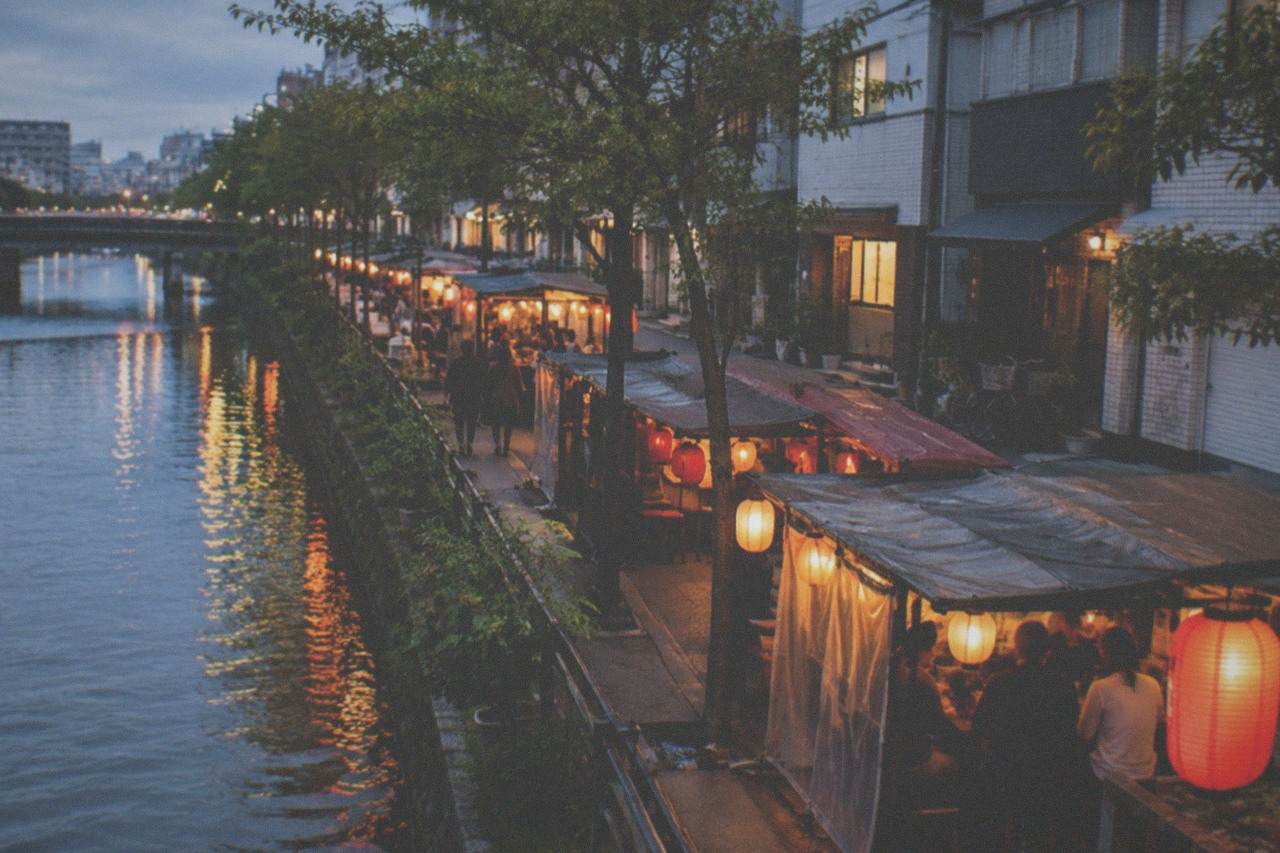
Hakata dialect is the traditional speech of Fukuoka City, strongest in the Hakata ward and the old merchant districts around Hakata Station. You will hear it at yatai food stalls, in markets, and at festivals. Learn a few words such as yokka for good and batten for but, plus standard polite phrases, and Fukuoka opens up.
Fukuoka is the only major city in Japan whose most famous district and its main railway station share a name that is not the city's own. Hakata is a ward of Fukuoka, and the station that serves the whole city is Hakata Station, because there is no such place as JR Fukuoka Station. That naming tangle is the first thing to understand about Hakata dialect, because the same word does double duty everywhere: Hakata-ben is the speech of Hakata's merchants and port workers, and it became the voice of Fukuoka City as a whole. It is loud, fast, heavy on vowels, and instantly recognisable to any Japanese speaker from outside Kyushu.
This guide covers what Hakata-ben actually is, where you will hear it, the handful of words worth learning before you arrive, and the standard Japanese phrases that do the heavy lifting at ramen counters, subway gates and shrine entrances. A little language goes a long way here, and Fukuoka rewards visitors who try.
What Is Hakata Dialect and Where Is It Spoken?
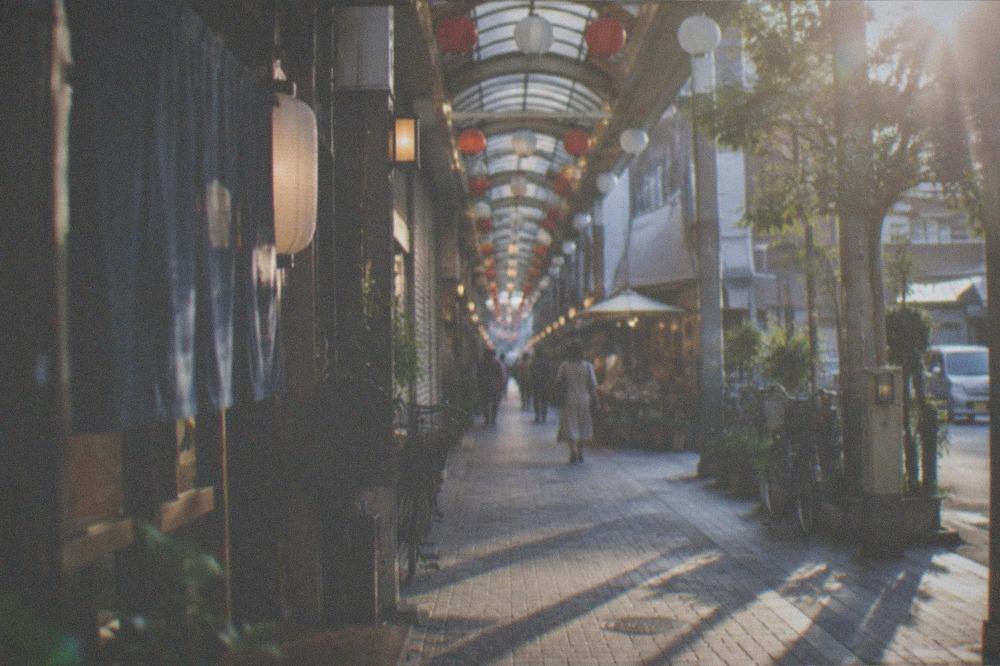
Hakata dialect, or Hakata-ben, is the traditional city speech of Fukuoka, born in the merchant and port districts of Hakata and now heard across the whole city and its surroundings. It belongs to the wider Hichiku family of Kyushu dialects, but it is the urban, fast-talking version rather than a rural one. You will hear it most around Hakata Station, the Nakasu yatai rows, Kawabata Shopping Arcade, and at the big festivals.
Hakata grew up as a separate port town from the samurai castle town of Fukuoka, and for centuries the two sat side by side, divided by a river. Merchants, dock workers and fishermen spoke one way in Hakata; the castle town spoke another. When the two merged into a single city, the port town's speech won the argument, and today Hakata-ben is what people mean when they talk about Fukuoka's way of talking. The old merchant lanes around Hakata's shrine district and the Hakata Machiya Folk Museum preserve the atmosphere where that speech developed.
The dialect is not confined to one ward. It shades into the broader Chikuzen speech of the old Fukuoka domain, which covers modern Fukuoka City and much of the surrounding plain, including Dazaifu and Yanagawa. A stall owner in Nagahama, an office worker in Tenjin and a fisherman in Shikanoshima are all, broadly, speaking versions of the same family. The strongest, most accent-heavy version is associated with central Hakata, which is why the dialect carries the ward's name rather than the city's.
One thing Hakata-ben is not: endangered in the way regional dialects often are. It is a living, prestige-flavoured city dialect, boosted rather than damaged by local media, comedy and the identity politics of a fast-growing city. Fukuoka is Japan's fastest-growing designated city, and its local speech is part of the brand. You will hear it on television shows set in the city, in the chants of the Hakata Gion Yamakasa festival, and across the counter of every tonkotsu ramen shop in town.
How Different Is Hakata Ben from Standard Japanese?
Hakata-ben is different enough that speakers of standard Japanese from Tokyo or Osaka notice it immediately, but not so different that it blocks understanding. The main gaps are sentence-final particles, a few everyday words, and a faster, more clipped delivery. A Tokyo listener follows most of a Hakata conversation and stumbles on the punchlines. For a visitor with basic Japanese, the dialect adds flavour, not a wall.
The most famous marker is the sentence ending, and the single most famous Hakata word is "bai". Where standard Japanese ends a casual statement with "da" or nothing at all, Hakata-ben tacks on "bai": "atsui bai" means "it's hot, I tell you". The related "tai" softens it into something closer to a shared observation. These two little syllables are the ones locals drop into standard Japanese for comic effect, the way a Glaswegian might drop one word of dialect into an English sentence to make a point.
The verb endings change too. Standard "kirai da" (I dislike it) becomes "kiryaka", and "shiranai" (I don't know) becomes "shannai", which compresses three syllables and a vowel into something a visitor can easily mistake for a different word entirely. The negative "n" plus "ai" contraction is the pattern to listen for: if the last sound of a sentence bends toward "naka" or "nnai", you are hearing Kyushu speech.
| Standard Japanese | Hakata dialect | English meaning |
|---|---|---|
| ii / yoi (good) | yokka | good, nice |
| dakedo (but) | batten | but, however |
| sugoi (amazing) | sugokun | amazing, really something |
| shiranai (I don't know) | shannai | I don't know |
| dou shite (why) | nan shite / nanshite | why, how come |
| isogashii (busy) | ishigashii | busy |
| ureshii (happy) | yokakatta | glad, pleased |
| dame da (no good) | ikan | no good, not allowed |
None of these words will appear on a menu or a train sign, which are written in standard Japanese. The dialect lives in speech, and mostly in casual speech at that. Shop staff, station attendants and hotel receptionists will speak to you in standard polite Japanese, or as close to it as they can manage. Where Hakata-ben reaches you is at the yatai counter, in a taxi, at the ballpark, and in the crowd at a festival.
If you want to hear the dialect at full volume, plan around the city's calendar. The Yamakasa festival in July fills Hakata with team chants that are pure dialect, and the Dontaku parades in May do the same. The Hakata Dontaku festival is the easier of the two for a casual visitor to watch, with daytime parades down Meiji-dori rather than a race that starts before five in the morning.
A private guide who actually lives in the city is the single best way to have Hakata-ben translated in real time, and a good local guide will also tell you which phrases are safe for a visitor to attempt and which sound like mockery when an outsider tries them. The difference matters: locals love a visitor who says "yokka" after a good bowl of ramen, and wince a little at a tourist who performs the whole dialect back at them.
Which Hakata Dialect Words Will You Actually Hear?
The words worth learning are yokka (good), batten (but), bai (a sentence-ending emphasis marker), shannai (I don't know), and arigato yokka (thanks, much appreciated). You will also hear soo ya nan sa for "that's how it is" and the all-purpose greeting sound "yokka moyoka". Learn five words and you will catch a surprising share of the banter at a yatai counter, because the same handful repeats all night.
Start with "yokka", because it is the word you can actually use. It means good, and it is everywhere: good food, good weather, a good evening. If you learn one Hakata word, learn this one, and deploy it after a meal with a grin. Stall owners will react, and the reaction will be warm.
"Bai" is the emphasis marker, and it is the sound most associated with the dialect in the rest of Japan. It attaches to the end of a statement and adds conviction: "umaka bai" is "it's delicious, seriously". You will hear it constantly in conversation between locals, though a visitor using it risks sounding like a comedy impression, so listening is the better plan.
"Batten" means but. It is a conjunction, so it turns up mid-sentence, and it is one of the easier words to catch because it is a clear, distinct syllable pair. When a stall owner tells you the ramen is good, batten the queue is long, you have understood a complete Hakata sentence.
| Hakata word | Standard equivalent | Where you will hear it | Safe for a visitor to say? |
|---|---|---|---|
| yokka | ii / yoi | everywhere | yes, warmly received |
| bai | (emphasis) | conversations between locals | listen, don't perform |
| batten | dakedo | mid-sentence, everywhere | yes |
| shannai | shiranai | taxis, directions | yes |
| moyoka | motto ii | casual chat | optional |
| nan shito? | nani shiteru no? | friendly heckling | understand only |
| arigato yokka | arigatou | after being served | yes |
The last one on that table deserves a note. "Arigato yokka" folds the thanks and the judgement into one phrase, and it is a genuinely local way to thank a cook. It is also safe, because gratitude is impossible to perform badly. Say it when you leave a stall and you will get the biggest smile of your trip.
Do not worry about mastering any of this before you arrive. Fukuoka is a friendly city for visitors with no Japanese at all, and every word you pick up is a bonus rather than a requirement. The phrases that actually smooth a trip are the standard polite ones in the next sections, with a couple of Hakata words sprinkled on top for fun.
How Do You Order Food in Fukuoka Without Fluent Japanese?
Ordering food in Fukuoka needs about six standard Japanese phrases, not dialect: sumimasen to get attention, kore o kudasai to order by pointing, oishikatta desu to compliment the food, and gochisosama desu when leaving. Ticket machines at ramen shops remove conversation entirely, and yatai stalls are small enough that pointing and smiling does the job. Menus in the tourist areas carry photos or English.
The tonkotsu ramen shops the city is famous for mostly use ticket machines near the door. You pay first, take a paper ticket, and hand it over when a seat opens. This is the cheapest and easiest Japanese lesson in the city: no words required, and the Hakata ramen counter culture is built around speed. One word you should know at the counter is "kaedama", the extra ball of noodles you order mid-bowl when the broth outlasts the noodles. Raise a hand, say "kaedama kudasai", and it arrives in under a minute.
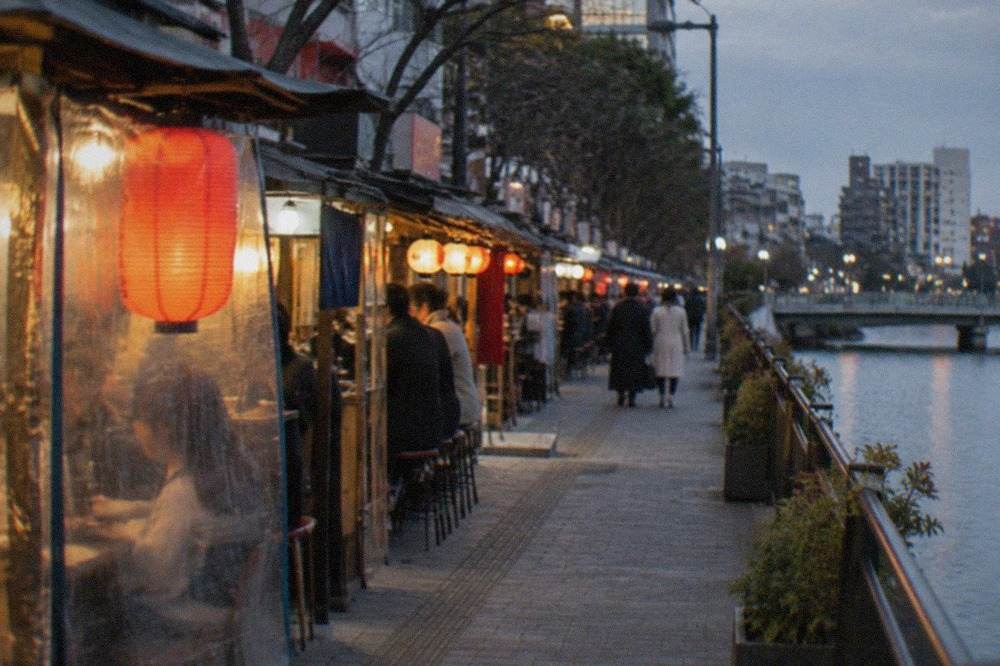
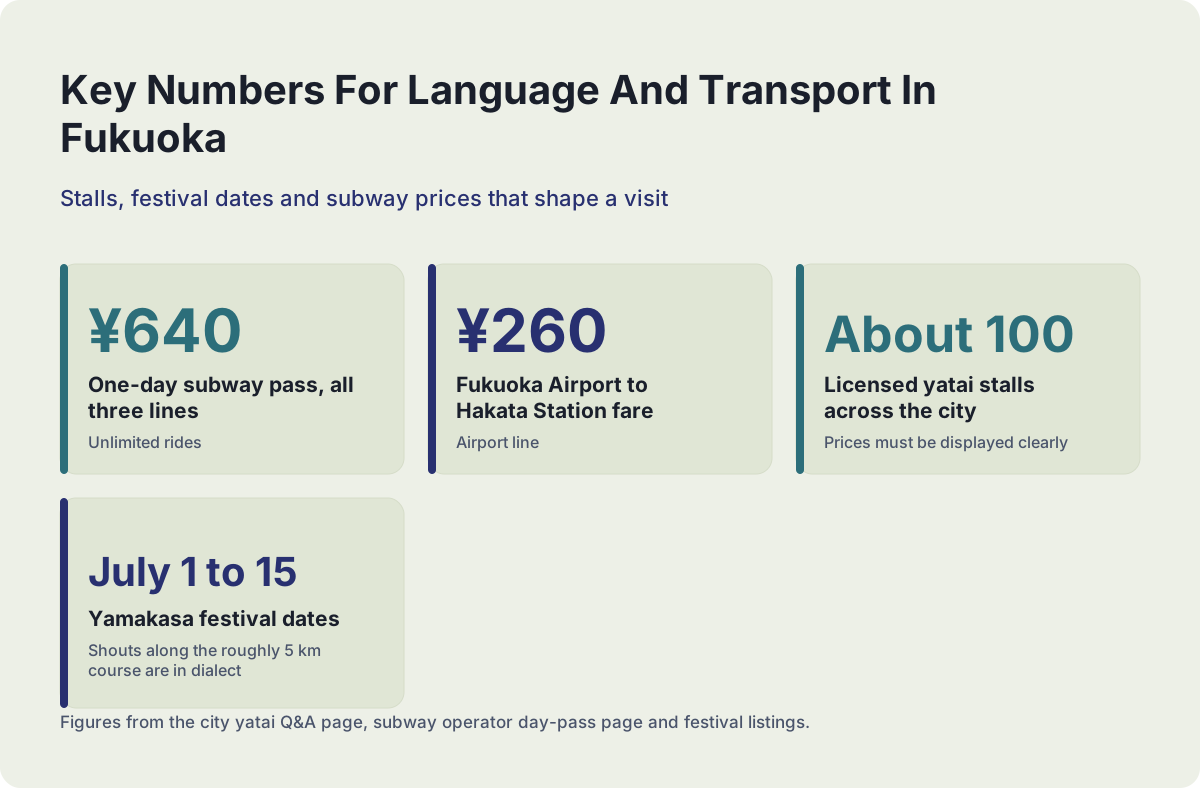
Yatai stalls work differently, and conversation is part of the meal. About 100 licensed stalls operate across the city, and the city's own yatai Q&A page explains the rule that requires every stall to display its prices clearly, banning the vague "market price" labelling that once made visitors nervous, so you can sit down knowing what a bowl of ramen or a stick of yakitori costs before you order. Say "sumimasen" to be seated, point at what looks good, and let the owner fill the gaps. English is thin on the ground at a yatai, but goodwill is not.
| Situation | Phrase | Pronunciation guide |
|---|---|---|
| Getting attention | Sumimasen | soo-mee-mah-sen |
| Ordering by pointing | Kore o kudasai | koh-reh oh koo-dah-sai |
| Extra noodles | Kaedama kudasai | kah-eh-dah-mah koo-dah-sai |
| Asking for the bill | Okaikei o onegaishimasu | oh-kai-keh oh oh-neh-guy-shee-mass |
| Complimenting the food | Oishikatta desu | oy-shee-kat-tah dess |
| Leaving a restaurant | Gochisosama desu | goh-chee-soh-sah-mah dess |
Two food-specific warnings for the city. First, the street food scene includes mentaiko, the spicy pollock roe Fukuoka exports everywhere, and it appears in and on things you might not expect, so "mentaiko nuki" (without mentaiko) is worth knowing if spice is a problem. Second, hitokuchi gyoza are served in sets and eaten fast, and the standard order of "hitotsu" (one) and "futatsuki" (a set of two) covers most interactions at the counter.
If you want a deeper dive than pointing allows, a cooking class in Fukuoka puts a bilingual teacher between you and the vocabulary, and the market tours that come with some classes are the best place to hear market Japanese spoken at its fastest and friendliest.
Useful Japanese Phrases for Getting Around Fukuoka
For transport you need standard Japanese, not dialect: eki wa doko desu ka for where is the station, kono densha wa Hakata ni ikimasu ka for does this train go to Hakata, and ikura desu ka for how much. Fukuoka's subway, Nishitetsu trains and buses all announce major stops in English as well as Japanese, and the station name signs are numbered and colour-coded, so navigation is easier than in most Japanese cities.
The subway is the visitor's backbone. Three lines cover the airport, Hakata, Tenjin and Nakasu, and a one-day pass costs ¥640 for unlimited rides on all of them, per the operator's official day-pass page. The airport line is the one that matters on arrival: the fare from Fukuoka Airport to Hakata Station is ¥260, and the airport is unusually close to the city centre by any international standard, which is why the transfer feels so short. Full details on that transfer are in the guide to getting from Fukuoka Airport to the city.
One naming trap catches every first-time visitor. There is no JR Fukuoka Station; the Shinkansen and most JR trains use Hakata Station, inside the city of Fukuoka. If your ticket or app says Fukuoka, it means Hakata Station in practice, and the full explanation is in is there a Fukuoka Station?. The station complex itself is huge, with a ramen street, a department store and two subway lines stacked inside it, so the Hakata Station guide is worth reading before you arrive with luggage.
| Situation | Phrase | Notes |
|---|---|---|
| Where is the station? | Eki wa doko desu ka? | works everywhere |
| Does this go to Hakata? | Hakata ni ikimasu ka? | trains, buses, taxis |
| One ticket, please | Kippo o ichimai onegaishimasu | ticket windows |
| How much? | Ikura desu ka? | taxis, markets |
| Please stop here | Koko de tomete kudasai | taxis |
| I don't understand | Wakarimasen | universally understood |
| Do you speak English? | Eigo ga hanasemasu ka? | hotels, stations |
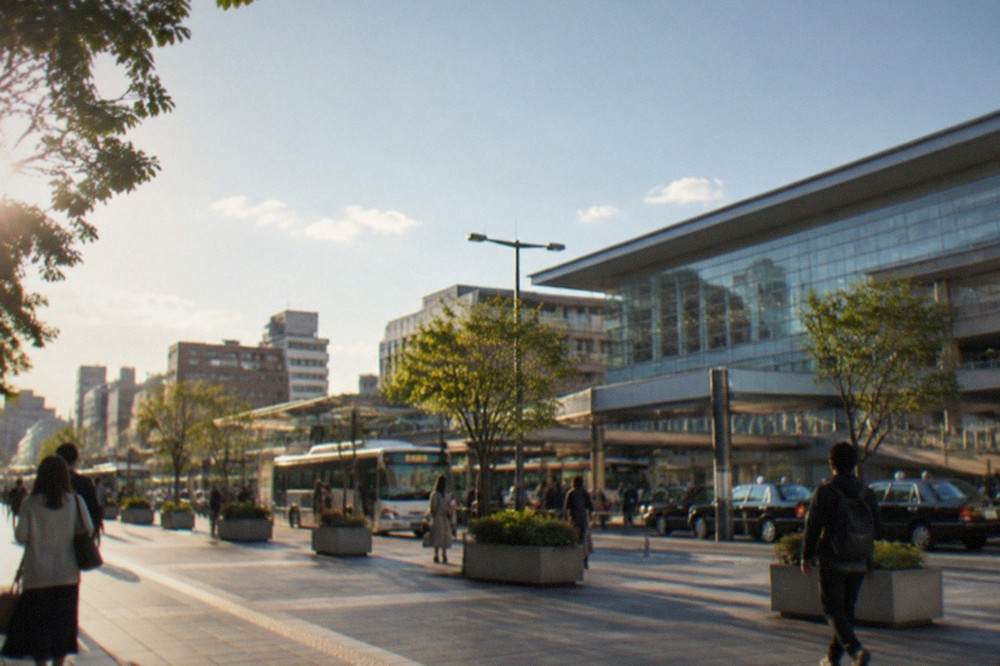
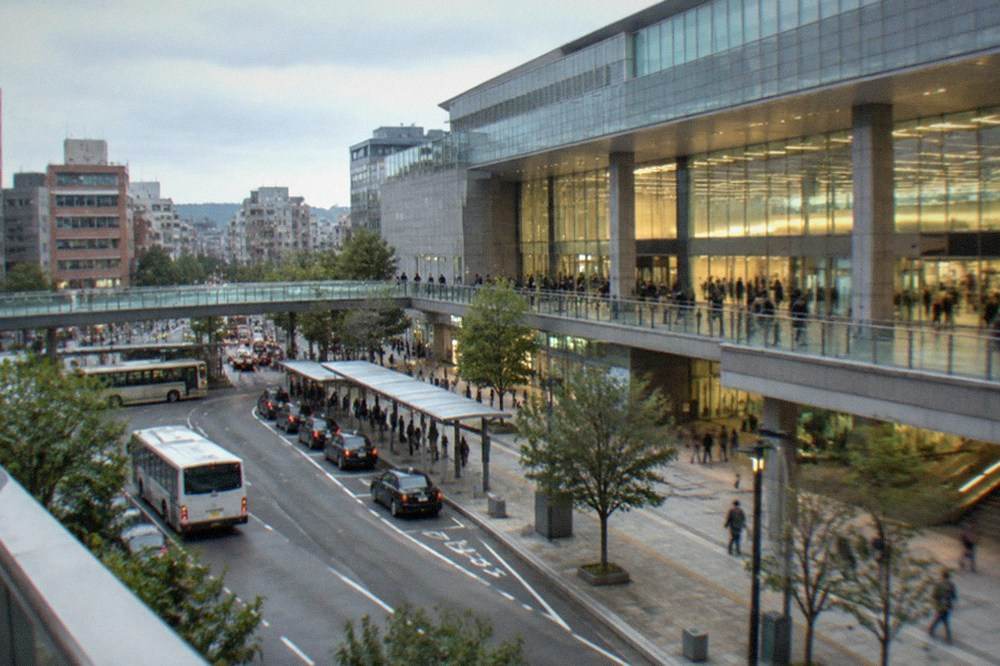
Taxis are plentiful and honest, and drivers rarely speak English, so have your destination written or shown on a phone screen. Hotel cards solve the return trip. For day trips out of the city, Nishitetsu trains run from Tenjin toward Dazaifu, and the JR network runs from Hakata toward Kitakyushu and beyond; the practical detail on passes, including the tourist-only city pass that requires a passport check at the counter, is covered in the Nishitetsu guide.
Does Anyone Speak English in Fukuoka?
English support in Fukuoka is thinner than in Tokyo or Osaka but adequate for a smooth trip: station signage, subway announcements and the airport carry English, hotel front desks manage it, and the tourist information centres at Hakata, Tenjin and the airport have English-speaking staff. Restaurant English is hit and miss, and yatai stalls are mostly Japanese-only. A translation app plus the phrases in this guide covers the gaps.
The honest picture is that Fukuoka is a working Japanese city, not a resort built around international visitors, and the language experience reflects that. Roughly 4.3 million foreign entrants passed through Fukuoka Airport and Hakata Port in 2025, a record, and the city is adapting fast, but the adaptation is concentrated at the transport hubs and the big hotels. In between, you are in a Japanese-first city, which is a large part of its appeal.
Where English reliably works: the airport, the subway's ticket machines (which offer English menus), the tourist information counters, chain hotels, and the larger attractions such as the museums and Fukuoka Tower. Where it thins out: small izakaya, yatai stalls, neighbourhood shops and taxis. The Fukuoka English guide goes deeper on exactly this, and it is worth a read if you are nervous about the language gap.
The practical toolkit is small. A translation app with camera mode handles menus. The phrases in this guide handle the rest. And when all else fails, "sumimasen" followed by a hopeful expression is understood by every single person in the city, in any dialect.
Where to Hear Hakata Dialect Today
The best places to hear living Hakata-ben are the yatai stalls of Nagahama, Nakasu and Tenjin, the stands at a Fukuoka SoftBank Hawks baseball game, the chants at Hakata Gion Yamakasa in July, and the old shopping arcades around Hakata such as Kawabata. Festivals are the dialect at maximum volume, and the morning markets and shrine approaches give you the everyday version.
Baseball is the unexpected answer. Fukuoka is a Hawks town, and the chants, heckles and post-game conversations at Mizuho PayPay Dome are dense with local speech. It is also one of the easiest places to be a foreigner, because a ballpark sells beer, snacks and shared emotion without requiring a single word of Japanese.
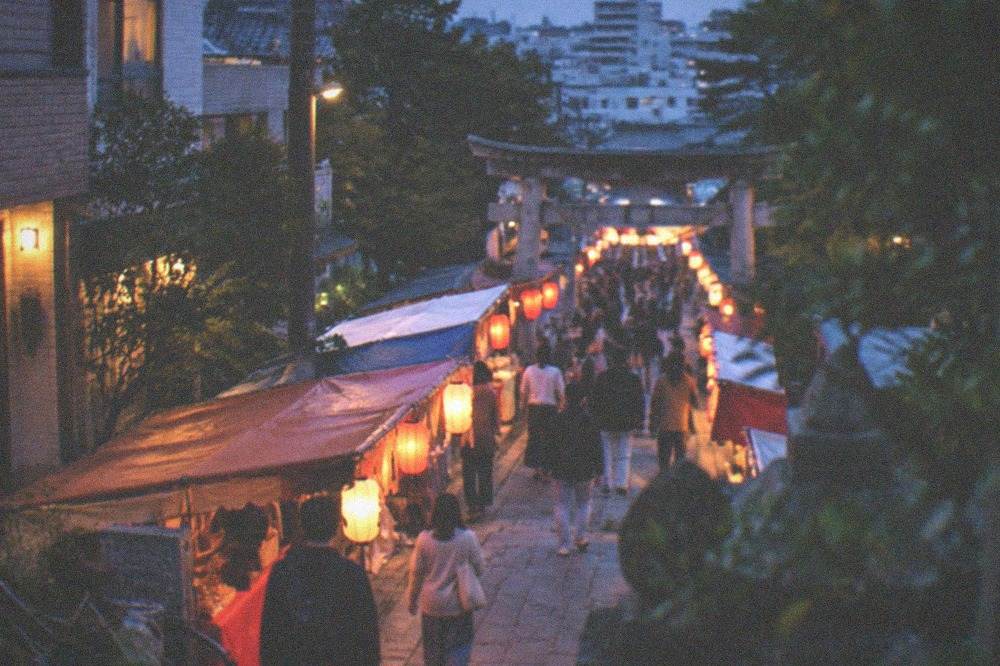
The festivals are the dialect's showcase. Yamakasa, from July 1 to 15, is Hakata's own festival, run by the district's traditional organisations, and every shout along the roughly 5 km course is in dialect. Dontaku in May puts more than a million spectators on the streets, and the interactions between performers and crowd are pure local speech. Between the two, Hojoya at Hakozakigu in September fills the shrine's approach with hundreds of stalls and the everyday Hakata of shopkeepers and families.
For the everyday version, sit at a yatai. The stalls seat a handful of people shoulder to shoulder, and conversation between strangers is the entire point of the format. A solo traveller who says "yokka" at the right moment will be adopted for the evening. The etiquette of that whole experience, from how to order to when to leave, is laid out in the yatai etiquette guide, which pairs naturally with this page.
Cultural workshops are another route in, and several in the city are led by local artists who talk you through the craft in simple, warm Japanese with English support. A calligraphy session turns the language itself into the activity, and a tea ceremony with a maiko is a structured, bilingual setting where the formal phrases are demonstrated for you.
The calligraphy experience is short, about two hours, and it ends with your own brushwork to take home, which makes it a good rainy-day option. The tea ceremony alternative is even shorter and even more language-rich, since the host explains each gesture as it happens.
Both of these are beginner-first experiences where nobody expects Japanese from you. The same is true of the best private walks in the city, which are built around translation as a service: the guide bridges the stalls, the arcade shopkeepers and the shrine volunteers so you can ask questions through them all morning.
That two-hour private walk is the related tour for this page for a reason. It is the single most efficient way to hear Hakata-ben explained while it is being spoken around you, and the guide can take you through the old town lanes where the dialect is strongest, ending near the shrines and temples covered across this Fukuoka Japan Travel Guide site.
How Much Japanese Do You Actually Need for Fukuoka?
You need less than you fear and more than zero: the polite basics, a translation app with camera mode, and the two or three Hakata words that make locals smile. Fukuoka is navigable with no Japanese at all thanks to signage and apps, but every phrase you add converts a transaction into an interaction, and in a city built on counter dining and festival crowds, interactions are the product.
Be realistic about scope. Nobody learns a dialect on a trip, and locals do not expect it. What they notice, and remember, is the visitor who says "gochisosama" on the way out of a ramen shop and "arigato yokka" at a stall. Those two habits cost nothing and change the tone of every meal.
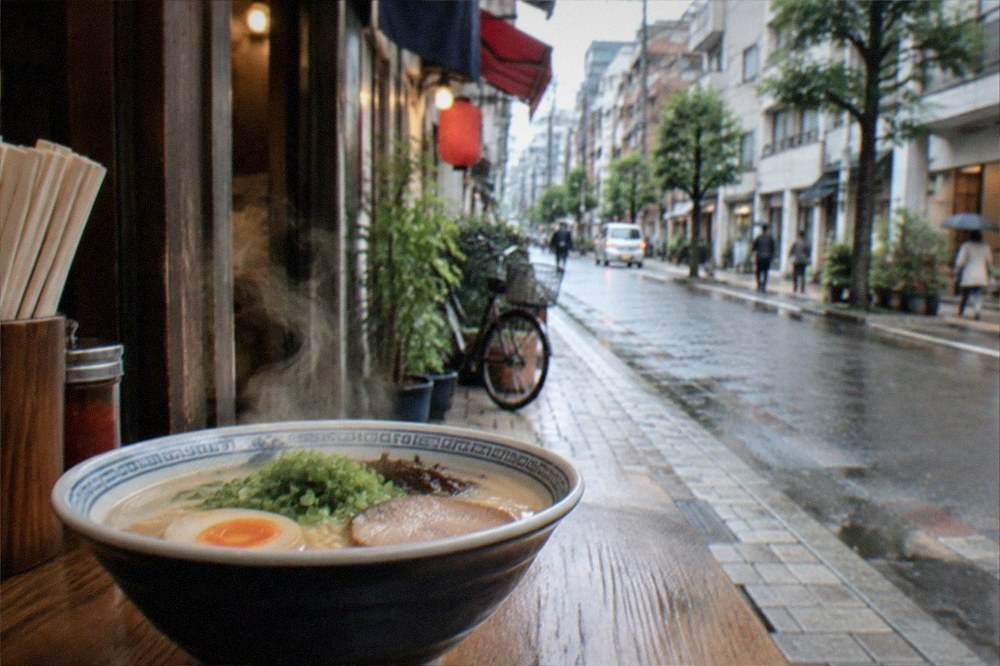
Plan your listening around your itinerary. If you are in the city for the festivals, you will hear the dialect whether you seek it out or not. If your trip is built around day trips into Kyushu, the bus and train tours depart from Hakata and the language on board is standard tour Japanese with English options, so the dialect is what you get in the city evenings.
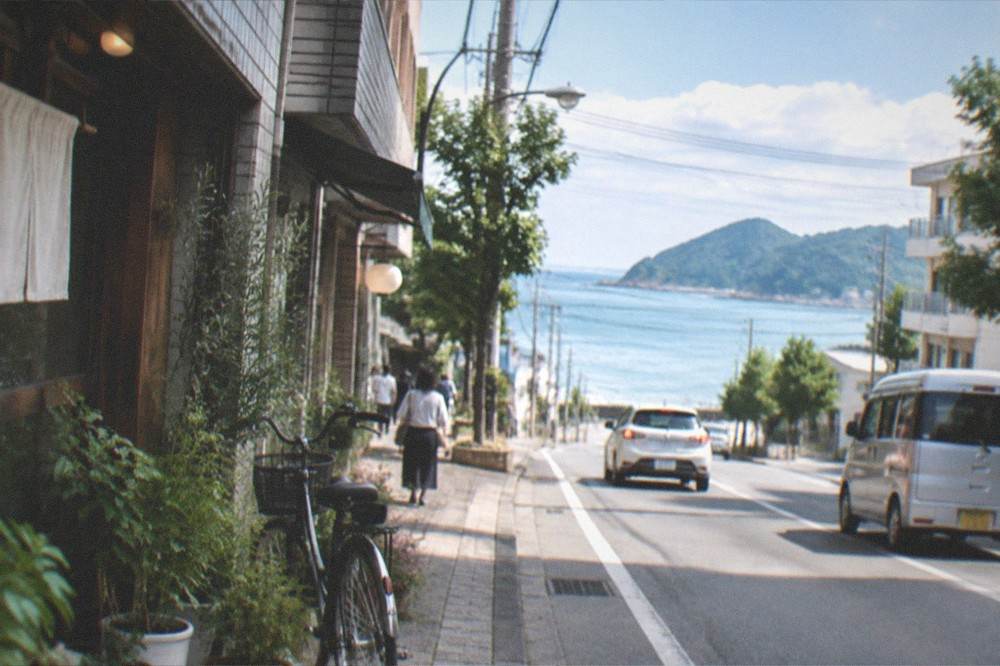
Finally, remember the one correction that matters more than any phrase: Hakata and Fukuoka are the same city. Hakata is the ward, the station and the port; Fukuoka is the city that contains them. Say "Hakata" when you mean the station or the old district, "Fukuoka" when you mean the city, and you will already be speaking more accurately than a good share of the guidebooks.
Common Questions About Hakata Dialect and Useful Phrases
What Is Hakata Dialect And Where Is It Spoken?
Hakata dialect is the traditional city speech of Fukuoka, originating in the merchant port district of Hakata and now spoken across Fukuoka City and the surrounding plain. It belongs to the Hichiku group of Kyushu dialects. You will hear it strongest around Hakata Station, the Nakasu and Nagahama yatai rows, Kawabata Shopping Arcade, and at the city's big festivals.
Is Hakata dialect hard to understand if I speak standard Japanese?
It is noticeably different but not blocking. Sentence endings like "bai" and "tai", words like "yokka" and "batten", and faster delivery mark it out, but a speaker of standard Japanese follows most everyday conversation. Visitors with basic Japanese will catch more than they expect, especially once they learn the handful of common words.
What does yokka mean?
Yokka is the Hakata dialect word for good or nice, equivalent to standard "ii" or "yoi". It is the one dialect word a visitor can safely use: say it after a good meal and it will be warmly received.
Can I get by in Fukuoka with no Japanese?
Yes, with preparation. The subway, the airport, hotels and the main attractions carry English signage and announcements, and tourist information counters have English-speaking staff. A translation app with camera mode handles menus, and the polite basics in this guide cover the rest. Yatai stalls and small restaurants are the most Japanese-only situations you will meet.
Where can I hear Hakata dialect during my trip?
Sit at a yatai stall in Nagahama, Nakasu or Tenjin, go to a Fukuoka SoftBank Hawks game, or time your visit to Hakata Gion Yamakasa in July or Hakata Dontaku in May. The old arcades around Hakata and the shrine approaches during Hojoya in September are also full of everyday local speech.
Do people in Fukuoka speak English?
English support is concentrated at the transport hubs, chain hotels and major attractions, and it is thinner than in Tokyo or Osaka in between. Station signage and subway announcements include English, and the tourist information offices at Hakata, Tenjin and the airport have English-speaking staff. A translation app plus a few polite Japanese phrases covers nearly every situation.