Fukuoka Hidden Gems
Fukuoka rewards the second look. Behind the ramen queues and the Hakata Station crowds sit a garden most itineraries skip, a castle keep that may never have existed, a market the city calls its kitchen, and a coastline an hour from the centre that feels like another prefecture.
Short answer
Fukuoka's best hidden gems are Rakusuien garden, the Ohori Park Japanese Garden, the old-town temples of Jotenji and Shofukuji, the Yanagibashi market district, Atago Shrine's hilltop view, and the Shikanoshima and Itoshima coast. Most sit within a ¥640 subway day pass radius; the coastal spots need a bus or a guided day tour.
Fukuoka is Japan's fifth largest city and, by the 2025 census quick report, its fastest growing designated city, yet most visitors see only a thin strip of it: Hakata Station, Canal City, a yatai stall, a bowl of tonkotsu ramen. That strip is genuinely good. It is also about five percent of the city. The rest includes a stroll garden wedged between apartment blocks, a Zen temple founded in the twelfth century that charges nothing and advertises even less, an active archaeological dig on a castle hill, and a peninsula of pine forest and fishing harbours that the subway almost reaches.
This guide walks through those places in the order you would actually visit them, with the entry fees, transport costs and seasonal facts that decide whether a detour is worth your afternoon. Every figure here comes from official or operator sources. Where something is genuinely unresolved, like the state of Dazaifu's main hall or the famous airport journey time you will read everywhere else, this page says so instead of guessing. For the broader city picture, start with the site's own Fukuoka Japan Travel Guide homepage and work inward.
What Are Fukuoka's Hidden Gems?
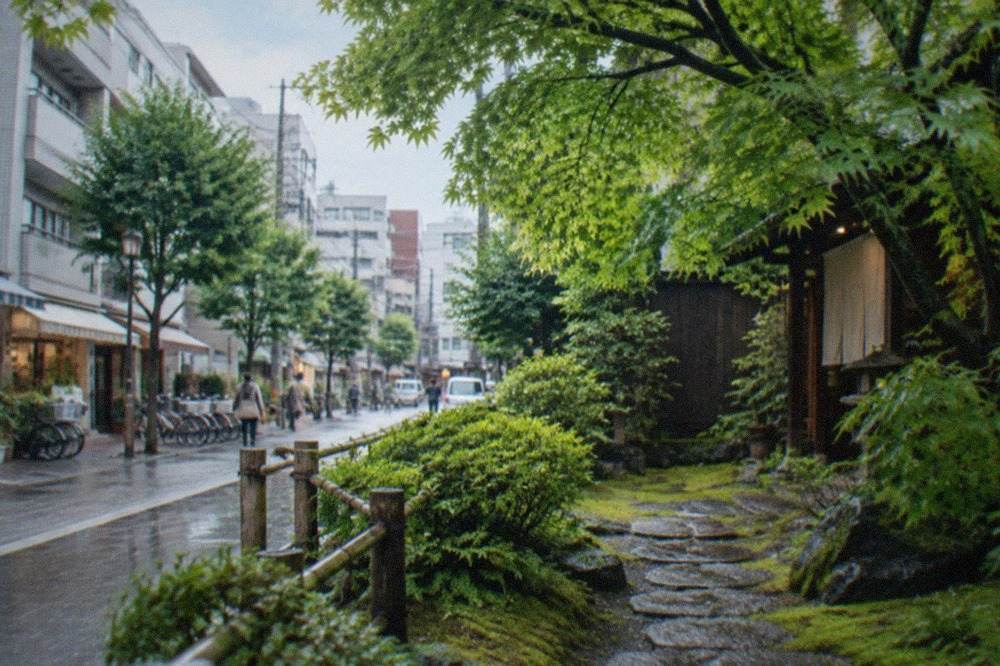
Fukuoka's hidden gems cluster into five groups: small gardens and temples in and around Hakata's old town, the castle-hill excavation in Maizuru Park, the Yanagibashi market district, the hilltop shrines and viewpoint spots west of Ohori Park, and the uncrowded coast at Shikanoshima, Nokonoshima and Itoshima. Almost all are free or under ¥500 to enter, and the farthest, Itoshima, is a full-day trip rather than a detour. The pattern matters more than any single spot. Fukuoka's famous sights sit on the east side of the city, along the Hakata to Tenjin axis, so everything genuinely quiet sits just one or two subway stops off that axis, or out on the water. A visitor with a subway day pass and a free afternoon can reach most of this list without a tour, a car or a plan more complicated than a departure time.
Quiet Gardens and Small Temples Most Visitors Walk Past
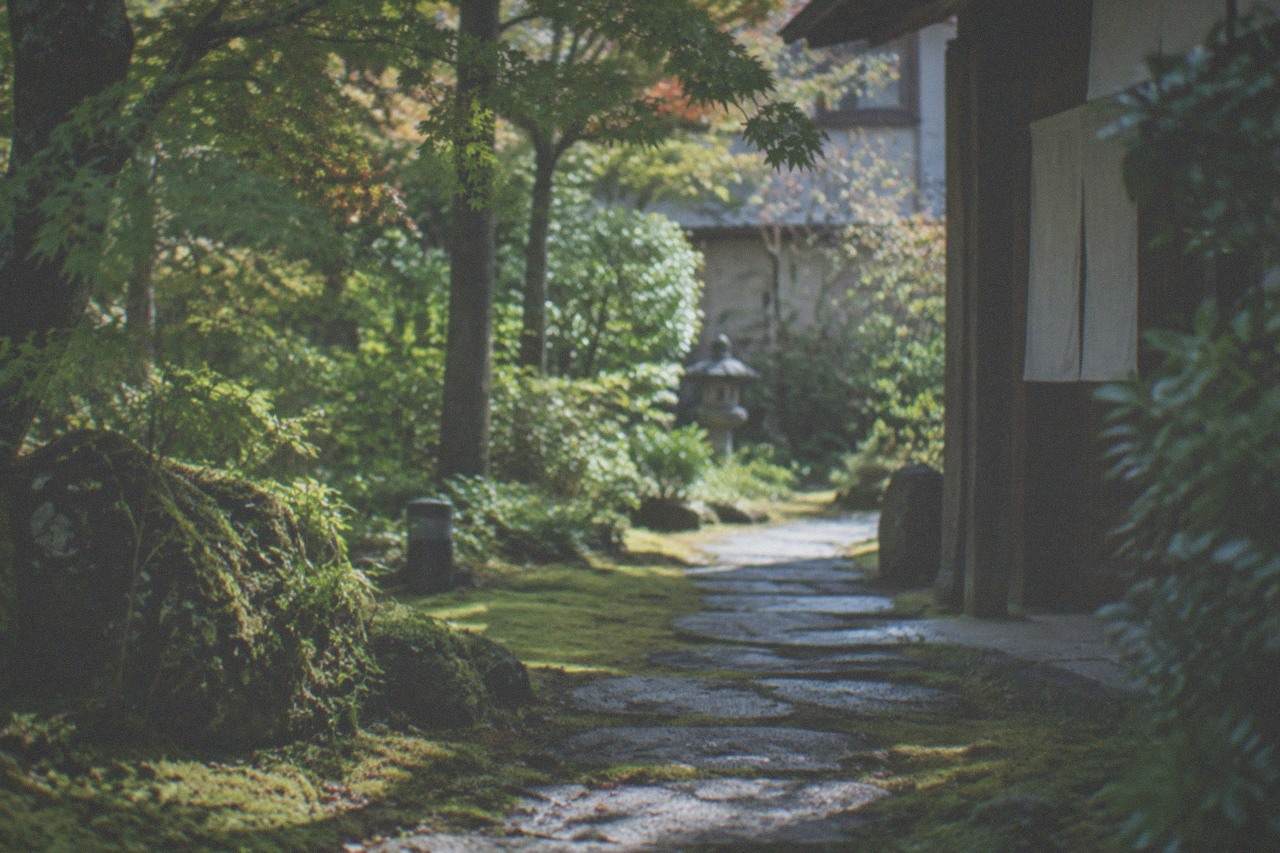
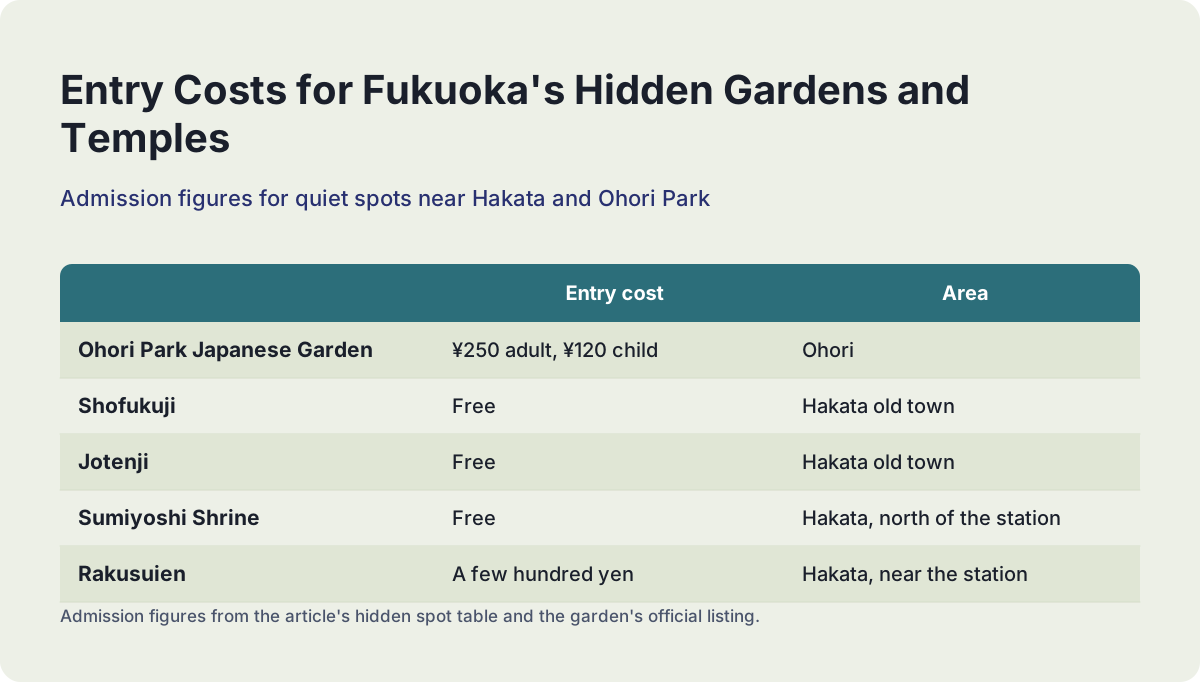
The two garden gems are Rakusuien and the Ohori Park Japanese Garden: Rakusuien is a compact Edo-period tea garden hidden behind Hakata Station, and the Ohori garden is a ¥250 landscape of pines, ponds and borrowed scenery beside the city's central park. Both close on Mondays, and both sit within a ten minute walk of a major sight, which is exactly why they get skipped. Rakusuien is the classic hidden gem: a merchant's stroll garden from the Edo period that survived the air raids, now enclosed by office blocks a short walk from Hakata Station's west side. Entry is a few hundred yen, the garden takes twenty unhurried minutes, and on a weekday morning you may share it with a handful of locals and nobody else.
The Ohori Park Japanese Garden is the better-known pair's quiet half. Ohori Park itself, the huge pond ringed by a two kilometre walking path, is firmly on the tourist map. The walled garden inside it is not. The official site lists adult admission at ¥250 and child admission at ¥120, with visitors 65 and over admitted free, and last entry at 17:45 in the longer season. The garden's design borrows the park's water as scenery, so the pond you just walked around reappears framed through pines and clipped hedges. It closes Mondays and over the New Year period.
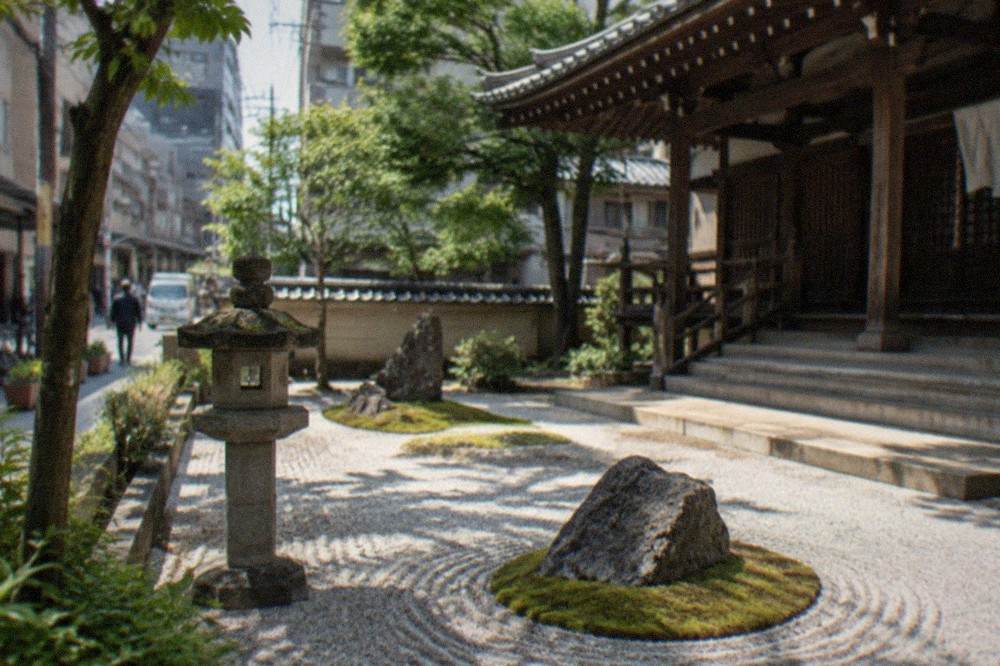
Two temples belong on this list rather than the famous ones. Shofukuji, founded in 1195, was the first Zen temple in Japan, and its grounds are free and open with almost no signage competing for your attention. Jotenji, a few minutes east, is the small temple said to be the birthplace of udon and soba in Japan, with a raked gravel garden and a moss corner that photographs better than its size suggests. Neither charges admission, neither has a gift shop worth mentioning, and both sit inside the Hakata old town, which is covered in detail in the site's Hakata station area guide.
| Hidden spot | Area | Entry cost | Why it stays quiet |
|---|---|---|---|
| Rakusuien | Hakata, near the station | A few hundred yen | Tucked behind office blocks, minimal English signage |
| Ohori Park Japanese Garden | Ohori | ¥250 adult, ¥120 child | Overshadowed by the free park around it |
| Shofukuji | Hakata old town | Free | No ticketing, no shop, plain wooden gates |
| Jotenji | Hakata old town | Free | Small scale, known mainly for its food-history claim |
| Sumiyoshi Shrine | Hakata, north of the station | Free | A working local shrine on an unglamorous street |
A private guide is one honest shortcut here, because these places are easy to walk past without the context. The Fukuoka Private Tour with a Local: Highlights & Hidden Gems runs from $65 per person, is rated 4.9 from 164 reviews, and its two to eight hour format is built around exactly this kind of lane-and-garden routing.
Hidden Corners of Hakata Old Town
Hakata old town, the grid of streets east of Kushida Shrine, hides more history per block than anywhere else in the city: the giant seated Buddha at Tochoji, the float storehouses of the Yamakasa festival, and the Kawabata shopping arcade, a covered Meiji-era street that locals use daily and tourists reach mostly by accident. Tochoji is the headline. Its Fukuoka Daibutsu is one of the largest seated Buddha statues in Japan, the temple grounds are free, and the hall sits on a residential street where you will hear more bicycles than camera shutters. The temple's striking five-storey pagoda, completed in modern times, gives the neighbourhood its landmark.
The Yamakasa connection is the detail most visitors miss. The festival's decorated kazariyama floats are displayed on street corners around the old town through the first half of July, and the drill grounds and storehouses sit in plain view for the rest of the year. The festival itself, covered in the site's Fukuoka festivals guide, needs no ticket and no booking: it is a neighbourhood event that happens to draw a city-sized crowd to its July 15 finale.
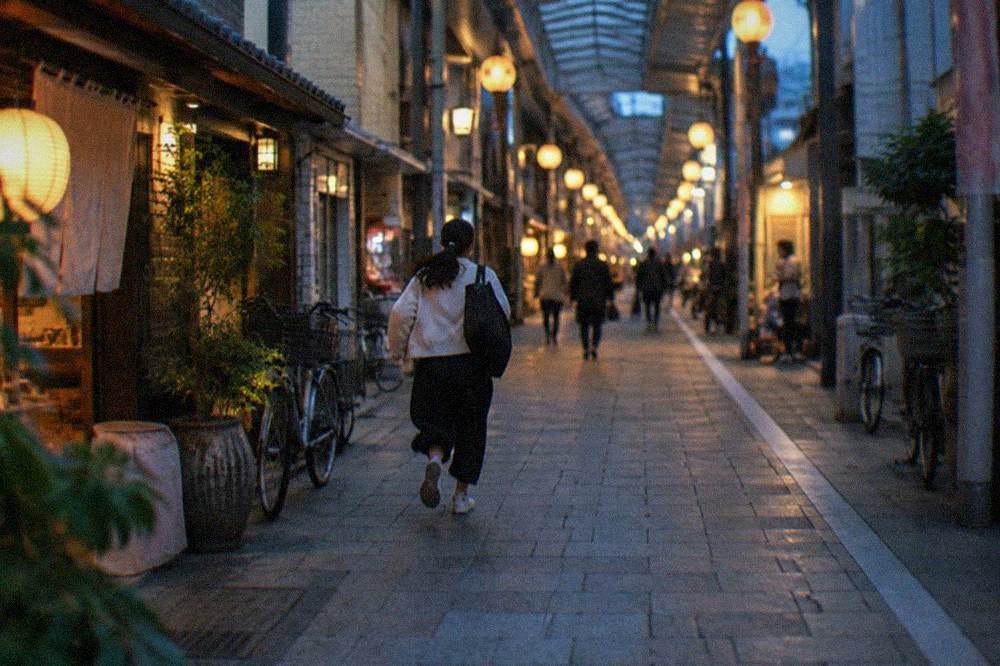
Kawabata arcade, running parallel to the river toward Kushida Shrine, is the everyday layer: coffee shops, a hundred-year-old pharmacy, knife shops and the small shrines tucked between buildings. It connects at its south end to the Nakasu entertainment district, so a walk that starts in temple quiet can end among the yatai stalls along the Naka River, which the site covers separately in its Fukuoka yatai guide.
| Old town stop | What you find | Cost |
|---|---|---|
| Tochoji | Seated Daibutsu, modern five-storey pagoda | Free grounds |
| Kushida Shrine approach | Festival float displays and neighbourhood shrines | Free |
| Kawabata arcade | Meiji-era covered street, old shops, coffee | Free to browse |
| Rakusuien (nearby) | Edo-period tea garden | A few hundred yen |
For structure without the planning, Fukuoka Essentials: History, Culture, & Charms runs from $74 per person, is rated 4.9 from 48 reviews, and covers the old town core in a three to six hour walk.
The Phantom Keep Dig at Fukuoka Castle
Fukuoka Castle's main keep base, the Tenshudai, is closed to entry from 26 May 2026 until the end of December 2026 for an archaeological excavation, and the reason is a genuine mystery: a document found in December 2024 describes a keep that may never have been built. The castle site's own announcement page carries the closure, and the story is the part worth travelling for. Historians long assumed Fukuoka Castle never had a main keep, since no image or record clearly showed one. The newly found document suggests otherwise, the city began digging in 2025, and in 2026 it tripled the excavation area. Whether the "phantom keep" existed is still an open question, which means a visitor in late 2026 is watching a live dig that could settle it.
The rest of Maizuru Park stays open and free. The stone walls, gates and turrets are the real draw anyway: the castle was dismantled in the Meiji era and its walls now frame lawns, cherry trees and views over Ohori Park's water. The park is one of the city's best sakura spots in late March and early April, and its autumn colour holds into early December, windows the site's best time to visit guide covers in detail.
Practically, the closure changes little. You can still walk the full wall circuit, still see the Korokan ruin site's exterior, and still get the elevated view over the park. What you cannot do is climb onto the keep base itself, and the closure expires at the end of December 2026, so check the castle site's page linked below before a January 2027 visit.
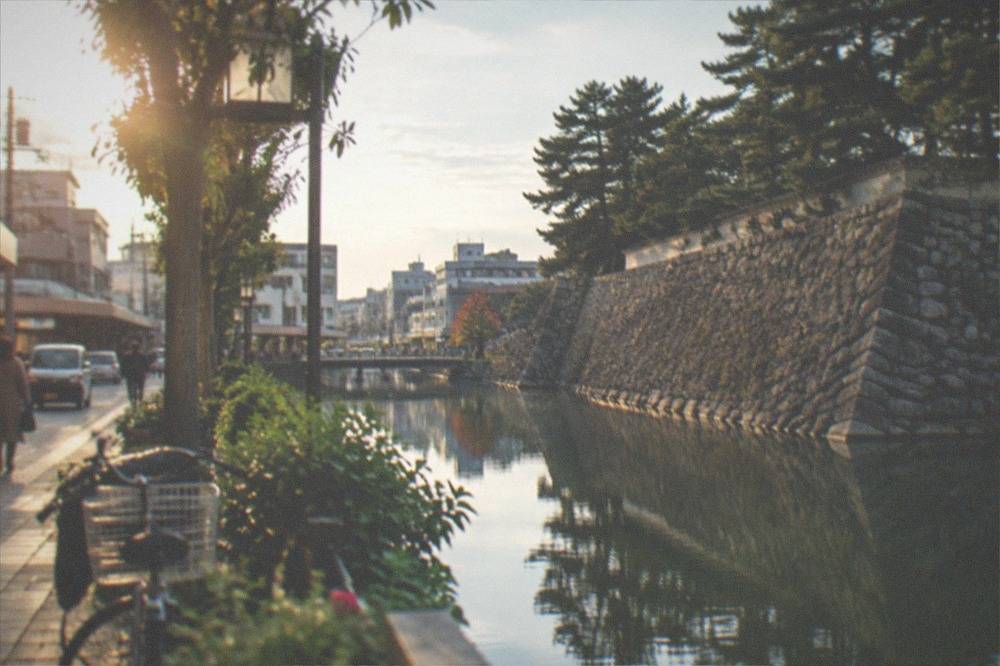
The castle's operator publishes the excavation closure on its official site, fukuokajyo.com, which is the source for both the dates and the dig background.
Yanagibashi Market and the Food Neighbourhoods Locals Keep
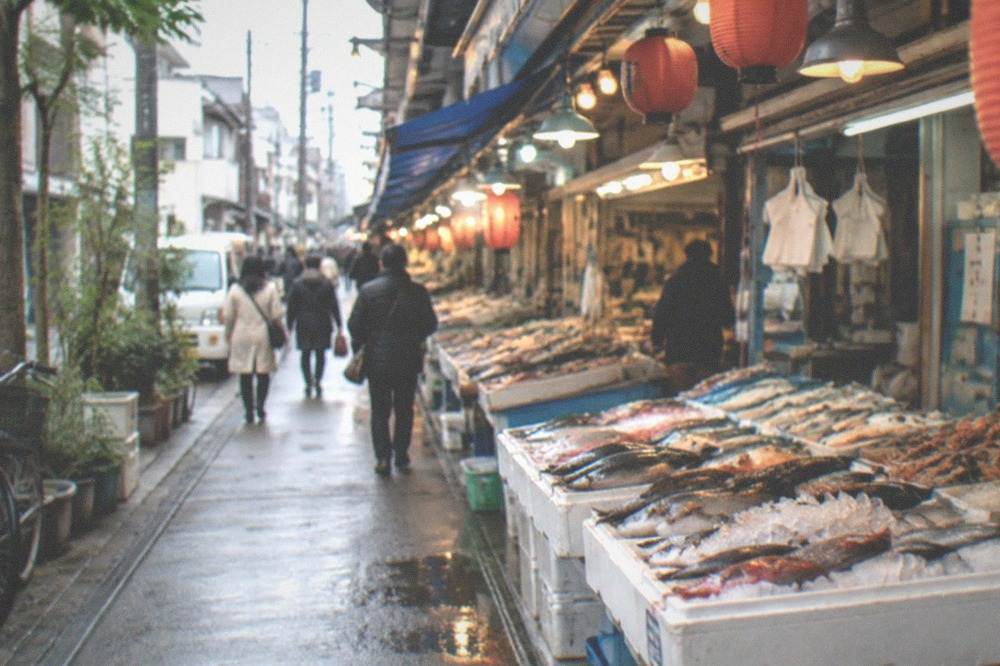
Yanagibashi market, a short walk west of Hakata Station, is the city's wholesale food market, a low-roofed grid of fish stalls, knife sharpeners and tiny counters where chefs shop before dawn and where a visitor can eat sashimi at a fraction of restaurant prices. It is the honest answer to "where do locals eat", because locals do not eat at the famous stalls, they eat here and at the surrounding lanes of small izakaya that open once the market winds down. The market appears in the site's Fukuoka food guide in full; the hidden-gem point is timing. Go in the morning for the market at full operation, or after dark for the izakaya that occupy the same blocks.
The yatai connection runs nearby. The city's roughly 100 licensed food stalls are governed by a municipal ordinance that bans "market price" menu wording and requires every stall to post its prices where customers can see them, a rule the city states plainly on its own yatai Q&A page at city.fukuoka.lg.jp. That ordinance is why a yatai meal in Fukuoka does not require negotiation or suspicion, and it is a fact almost no competing guide mentions. Stalls open around 18:00 and close in the small hours, weather permitting; rain shuts many of them.
Around the market and along the Muromi river sit the neighbourhoods that make Fukuoka a food city at ground level: standing bars, mentaiko shops, motsunabe counters and the kind of tiny udon places with six seats. None of it needs booking. The stalls and counters take walk-ins, and only the guided yatai crawls, three of which are in the site's roster, are bookable at all.
| Food stop | Neighbourhood | When to go |
|---|---|---|
| Yanagibashi market | West of Hakata Station | Morning, full operation |
| Muromi river izakaya lanes | Around Yanagibashi | After dark |
| Nagahama yatai row | Nagahama, near the old fish market area | Evening, roughly 18:00 onward |
| Nishinakasu sake bars | Nakasu, off the main drag | Evening |
Coastline and Island Escapes Without the Crowds
The uncrowded coast is Fukuoka's biggest hidden layer: Shikanoshima island at the end of the Uminonakamichi sandbar, Nokonoshima's flower park a ten minute ferry from Meinohama, and the Itoshima peninsula's Shiraito Falls and Sakurai Futamigaura shrine, all reachable without a car if you accept a bus or a guided day tour. Shikanoshima is the easiest genuine escape. The island sits at the tip of the sandbar north of the city, ringed by beaches and pine forest, with a small museum and a shrine on its ridge. The subway plus a connecting bus gets you there in under an hour from Tenjin.
Nokonoshima is the short-hop option: a ferry from Meinohama, then an island whose park blooms with rapeseed flower in spring and cosmos in autumn. The island's park charges admission at the gate, and its opening time should be confirmed before you travel, because the park's own site publishes seasonal hours. Itoshima is the full day: a peninsula of fishing harbours, oyster shacks and the Sakurai Futamigaura "couple stones" offshore torii, with Shiraito Falls' spring-fed curtain on the inland leg.
These are the places where the city's growth statistics feel least plausible. Fukuoka added 51,500 residents between censuses, the highest growth rate of any designated city in Japan, yet an hour west the coast is oyster rafts and a two-lane road. The trade-off is transport: Itoshima's scattered sights suit a tour or a rental car far better than a bus timetable, which is why the guided option earns its price.
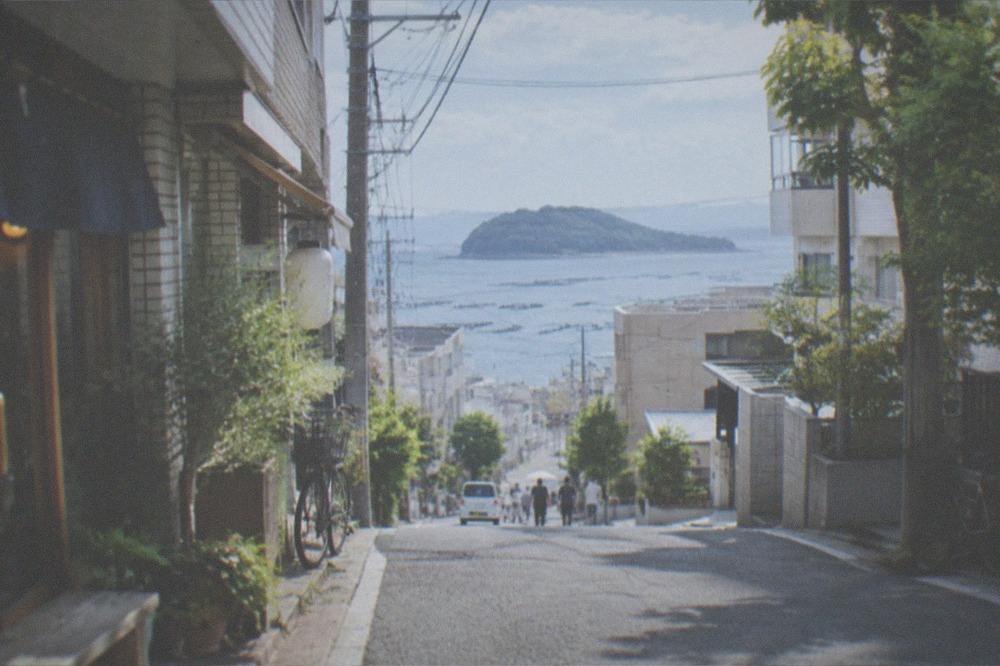
The From Fukuoka Kyushu Itoshima Hidden Gems Day Tour runs from $69 per person, is rated 4.6 from 31 reviews, and covers the peninsula's coastal highlights in an eight and a half hour loop.
Views, Hills and Night Perspective
Fukuoka's best free views are hilltops, not towers: Atago Shrine's stone steps above the city's west side, the Momochi seaside walk at dusk, and the castle walls at Maizuru Park all cost nothing, while the paid option, Fukuoka Tower, is ¥1,000 for adults and ¥500 for elementary and junior high students. Atago Shrine is the hidden one. A long stone stairway climbs a wooded hill in Nishijin, and the upper grounds look out over the whole city plain toward Hakata Bay. It is a working shrine, quiet on weekdays, and the climb is the sort of thing a local recommends and a guidebook forgets.
The tower is the opposite of hidden, but two facts are worth carrying. First, the price: ¥1,000 adult, ¥500 for school age, ¥200 from age four, per the tower's official charge page. Second, the calendar: the tower closes for annual maintenance on 28 and 29 June 2027, so a summer visit either side of those dates is unaffected but the dates themselves are not. The tower's 234 metre frame also carries seasonal illumination displays, with an autumn moon-viewing motif running in late September and a Christmas theme from early November.
Night is when the city's geography becomes a view. The Naka River, Nakasu's neon and the bay beyond Momochi line up west to east, and a viewpoint or a boat changes what you see. The site's Fukuoka viewpoints guide lists the full set of vantages, and the Fukuoka nightlife guide covers the districts between them.
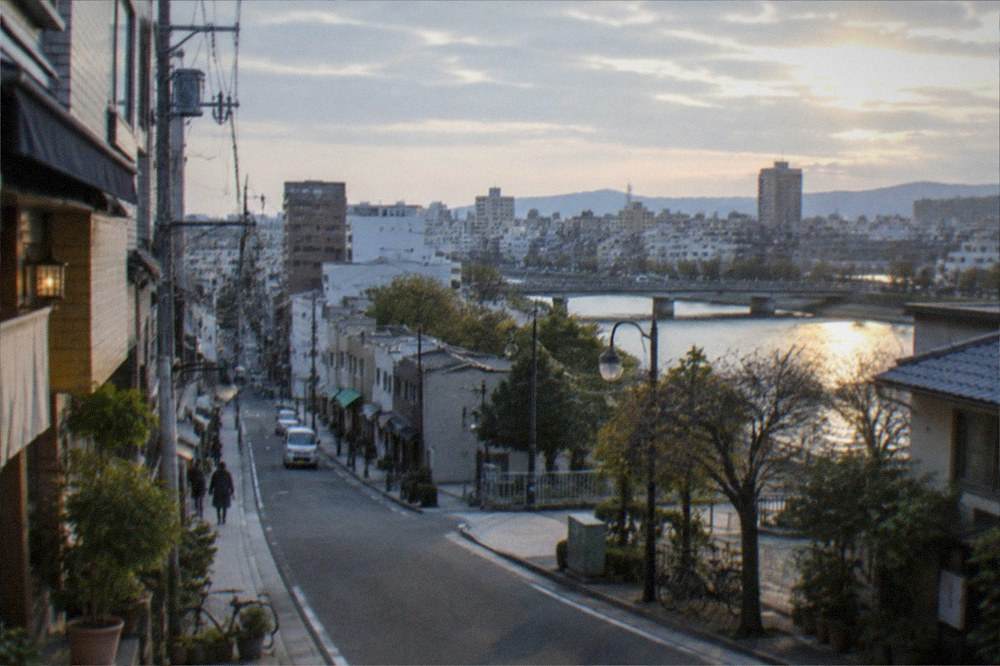
Experience Fukuoka's Night Views & Local Life is a four hour evening tour from $100 per person; it is a newer listing with no rating published yet, which is worth knowing before you book.
How to Reach the Hidden Spots
The subway reaches almost everything in this guide: a one day pass costs ¥640 for adults and covers all three lines, single fares run from ¥210 to ¥380 by distance, and the airport to Hakata leg is ¥260, with the airport unusually close to the centre though no official source confirms the journey time you will read elsewhere. The pass, sold at station machines and at the Tenjin, Hakata Station and Fukuoka Airport tourist information counters, also carries partner-facility discounts on the day of use. It is valid from first train to last, which suits a garden-then-old-town-then-yatai day perfectly.
Two caveats keep this honest. There is no JR Fukuoka Station: the Shinkansen and JR hub is Hakata Station, in the Hakata ward of the same city, and treating Hakata and Fukuoka as two places is the single most common error in guides to this region. And the widely repeated "five minutes from the airport" claim appears on no official page, so this site prints only the verified ¥260 fare and the true statement that the airport sits unusually close to the centre. The site's Fukuoka airport to city guide and Fukuoka subway guide carry the full breakdown.
For the coast, the calculus changes. The Fukuoka Tourist City Pass, at ¥2,500 for the city version and ¥2,800 with Dazaifu, covers subway, buses, trams and ferries for a day, but it is restricted to overseas tourists on short-stay visas and a passport is checked at the counter. It is a genuine deal for a Nokonoshima ferry day; it does not solve Itoshima, where a guided tour or a car remains the practical answer. The getting around Fukuoka guide compares every option.
| Pass or fare | Price | What it covers |
|---|---|---|
| Subway single fare | ¥210 to ¥380 adult | One ride, six distance zones |
| Subway day pass | ¥640 adult, ¥320 child | All three subway lines, one day |
| Fukuoka Tourist City Pass | ¥2,500 adult | Subway, bus, tram, ferry; passport check, short-stay visitors only |
| City Pass with Dazaifu | ¥2,800 adult | Adds the Dazaifu rail corridor |
When to Go Looking
The hidden-gem calendar is simple: late March to early April for Maizuru Park's cherry blossoms, mid to late November for the gardens' maple colour, and any month except late June and late July if you want dry pavement under the temple paths, because July, not June, is Fukuoka's wettest month at 299.1 mm of rain against June's 249.6 mm. That rainfall fact comes from the Japan Meteorological Agency's 1991 to 2020 normals for the Fukuoka station and it contradicts nearly every guide that tells you to avoid June. The practical reading: June's rain is steady drizzle, July's comes in downpours around the Yamakasa festival fortnight, and August is actually drier than either while banking the second most sunshine hours of the year.
Autumn is the sleeper season for this particular list. The Ohori Japanese Garden's maples peak in the second half of November, Komyozenji's moss garden near Dazaifu does the same, and the city's parks hold their colour into early December, past the point when most itineraries have moved on. The site's Fukuoka weather guide carries the month by month normals, including the sunshine hours that make May and August the two best-kept windows.
Typhoon season runs roughly July through October and is a real planning factor, but it is a check-the-forecast factor, not a stay-away factor. The western Pacific routinely carries an active tropical storm through September and exactly why coastal day trips deserve a flexible day in your itinerary. Book the tour, keep the cancellation policy in mind, and keep the coast day swappable with a museum day.
Common Questions About Fukuoka's Hidden Gems
What Are Fukuoka's Hidden Gems?
Rakusuien garden, the Ohori Park Japanese Garden, Shofukuji and Jotenji temples in Hakata old town, the Fukuoka Castle excavation site, Yanagibashi market, Atago Shrine, and the Shikanoshima, Nokonoshima and Itoshima coast. Most are free or under ¥500 and sit within reach of a ¥640 subway day pass.
Do you need a car to reach Fukuoka's hidden spots?
No, for everything inside the city. The subway, at ¥210 to ¥380 per single ride or ¥640 for a day pass, reaches the gardens, the old town, the castle park and the ferry terminals. A car or a guided tour only becomes useful for the Itoshima peninsula, whose sights are scattered along a coastline with thin bus coverage.
Is Fukuoka Castle worth visiting during the excavation?
Yes. The keep base is closed from 26 May 2026 until the end of December 2026, but the walls, gates, park and views stay open and free, and the dig itself, hunting a keep that may never have existed, is the most interesting thing to happen on that hill in decades.
What is the best hidden gem for a short layover?
Rakusuien. It sits a short walk from Hakata Station, costs a few hundred yen, and a visit fits inside an hour. The Ohori Park Japanese Garden is the alternative if your layover allows a subway leg, at ¥250 adult admission with last entry at 17:45 in the longer season.
Are Fukuoka's yatai stalls a hidden gem or a tourist trap?
Neither, and the city's own ordinance is the reason. Roughly 100 licensed stalls must post prices visibly and may not list a dish as "market price", so what you see on the board is what you pay. They take walk-ins; only guided yatai crawls are bookable.
When is the worst time to hunt for hidden gems in Fukuoka?
July, despite what guides that warn you off June say. The official normals put July at 299.1 mm of rain against June's 249.6 mm, and the Yamakasa festival fortnight draws big crowds to the old town in the first half of the month. Late June also brings the tower's annual maintenance closure.