Anime and Manga in Fukuoka
Fukuoka is not Tokyo's Akihabara, and it does not pretend to be. What it offers anime and manga fans is different: an immersive digital art forest inside a shopping mall, small-group workshops where you paint the crafts that appear in period dramas, and a compact city where everything sits a short subway ride apart.
Short answer
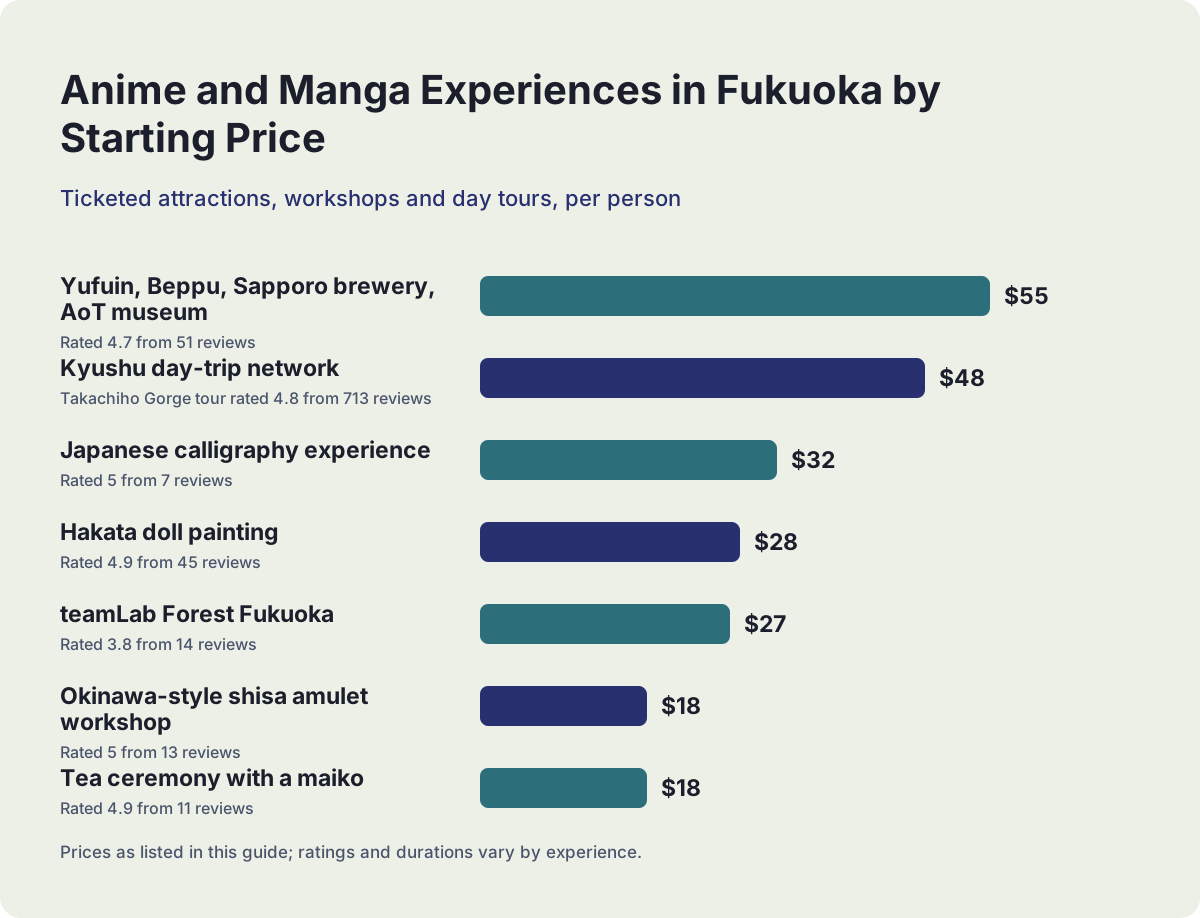
Fukuoka's headline anime-adjacent attraction is teamLab Forest, a ticketed immersive art experience from $27, rated 3.8 from 14 reviews. Around it sit hands-on workshops from $18, arcade and manga café culture in Tenjin and Hakata, and pop-culture-flavoured day tours from $55. The city is compact, with subway fares from ¥210.
Fukuoka sits on Hakata Bay on the Genkai Sea side of northern Kyushu, and it has quietly become one of Japan's most interesting cities for travellers who arrive with an anime backlog on their phone. The city is compact, walkable in parts, and stitched together by a three-line subway where a single adult fare starts at ¥210. That matters for this guide, because the anime and manga side of Fukuoka is not concentrated in one neon district the way it is in Tokyo. It is spread across shopping malls, basement arcades, riverside stalls and small workshop studios, and the pleasure of it is in the connecting rides.
There is also a framing mistake to avoid before anything else. Hakata and Fukuoka are the same city: Hakata is the ward and the name of the main station, Fukuoka is the city around it. Guides that treat them as two destinations send readers on imaginary journeys. This page, like the rest of this Fukuoka Japan Travel Guide, treats the city as one place, because that is what it is.
What Anime and Manga Attractions Does Fukuoka Have?
Fukuoka's anime and manga attractions cluster into four groups: the ticketed teamLab Forest immersive art experience inside a Hakata retail complex, from $27 and rated 3.8 from 14 reviews; hands-on traditional craft and culture workshops from $18; the arcade, manga café and figure-shopping layer of Tenjin and Hakata; and pop-culture-tinged day tours into Kyushu from $48. None requires a car, and all sit on the subway network.
The honest first point is that Fukuoka has no single "anime district". What it has is a set of experiences that a fan of Japanese pop culture, art and craft will recognise as kindred. teamLab Forest is the biggest name: a permanent interactive digital art space where projected forests, animals and light respond to the people moving through them. It is the closest thing western Kyushu has to a TeamLab Planets, and it lives inside a shopping complex, which tells you a lot about how Fukuoka folds its attractions into ordinary city life.
The second layer is participatory. Fukuoka sells small, cheap, genuinely Japanese creative experiences at prices that would be unthinkable in Tokyo: a calligraphy session from $32, an Okinawa-style shisa amulet workshop from $18, a tea ceremony with a maiko from $18, and Hakata doll painting from $28. These are the crafts that fill the backgrounds of anime set in old Japan, and doing one is a different order of engagement from photographing a display case.
The third layer is the street-level otaku infrastructure: arcades, manga cafés, capsule-toy shops and figure stores, mostly in Tenjin and around Hakata Station. The fourth is the day-trip network. Fukuoka is the rail and coach hub of Kyushu, and several of its most popular tours carry a pop-culture or art angle, including a Yufuin and Beppu itinerary that includes a brewery and a museum stop. The rest of this page walks through each layer with prices, ratings and logistics.
Is teamLab Forest Fukuoka Worth It for Anime Fans?
teamLab Forest Fukuoka is a ticketed immersive art experience from $27 per person, rated 3.8 from 14 reviews, running one to two hours, and it is the single most anime-adjacent ticketed attraction in the city. The rating pool is small, so read the reviews rather than trusting the number, but the format, responsive projection art you walk through, is the same medium that appears in countless anime title sequences.
The space is built around movement. Projected animals and forests react to visitors, and the exhibits are designed to be entered rather than viewed, which is why the experience suits anyone whose first exposure to digital art of this kind was an anime opening or a music video. The listing describes a one to two hour visit, which is a realistic window for the full space at an unhurried pace. Tickets are sold as e-tickets, and the attraction sits inside a retail complex in the Hakata area, so it pairs naturally with a shopping afternoon.
The rating deserves a plain-language caveat. At 3.8 from 14 reviews, the score reflects a small pool, and reviews on the live listing are the right place to see what the criticisms actually are before buying. Some visitors to immersive spaces of this type expect a larger footprint than they get; others find the interactivity worth the price on its own. Both reactions are visible in this genre of attraction everywhere, not only in Fukuoka.
For planning, treat teamLab Forest as a half-day anchor rather than a full day. A realistic pairing is the art space in the morning or early afternoon, then the arcade and figure-shopping layer of Tenjin, then a yatai street stall in the evening. If you are travelling with children, the guide to Fukuoka with kids covers how this kind of attraction fits a family day, and the food guide handles the dinner half.
Full ticket details, current pricing and the operator's live listing sit on the teamLab Forest page. Because the experience is indoors, it is also the city's best rainy-day anchor, which matters more here than most guides admit: the Japan Meteorological Agency's 1991 to 2020 normals show July is Fukuoka's wettest month, at 299.1 mm against June's 249.6 mm, a fact that surprises visitors who assume the tsuyu rainy season in June is the peak. The weather guide unpacks the full picture.
Which Hands-On Workshops Suit Anime and Manga Fans?
The four workshop experiences most likely to appeal to anime and manga fans are the Japanese calligraphy experience from $32, rated 5 from 7 reviews, the Okinawa-style shisa amulet workshop from $18, rated 5 from 13 reviews, the tea ceremony with a maiko from $18, rated 4.9 from 11 reviews, and Hakata doll painting from $28, rated 4.9 from 45 reviews. All run about one to two hours and need no prior skill.
Workshops are where Fukuoka rewards the traveller who wants to make something rather than buy something. The calligraphy session teaches the brush work that appears in every school-life anime ever drawn. The shisa amulet workshop is a pottery-painting format, and the tea ceremony with a maiko covers the etiquette and ritual that anime depicts constantly but rarely explains. Each is short, cheap and hosted in small groups, which is why they sell well to solo travellers.
| Workshop | Format | From (per person) | Rating | Duration |
|---|---|---|---|---|
| Japanese calligraphy experience | Brush and ink lesson | $32 | 5 from 7 reviews | 2 hours |
| Okinawa-style shisa amulet making | Paint and decorate a figurine | $18 | 5 from 13 reviews | 1 hour |
| Tea ceremony with a maiko | Guided ceremony with explanation | $18 | 4.9 from 11 reviews | 1 hour |
| Hakata doll painting | Paint a traditional craft figure | $28 | 4.9 from 45 reviews | 1 hour 30 minutes |
Hakata dolls deserve a sentence of their own. They are a Fukuoka craft with centuries behind them, finely modelled figures that have been made in the city since the Edo period, and the painting workshop lets you finish a doll blank yourself. The rating, 4.9 from 45 reviews, is one of the deeper pools among the city's culture experiences, so it carries more weight than the five-star scores with single-digit counts.
The reason these workshops belong on an anime-and-manga page is simple: they are the source material. Calligraphy, tea ceremony, craft figures and shrine rituals are the texture of Japanese storytelling, and a two-hour workshop teaches more about them than a week of sightseeing. The walking tours guide covers the guided equivalents for travellers who would rather watch an expert than pick up a brush.
Where Do You Find Arcades, Manga Cafés and Figure Shops?
Tenjin and the Hakata Station area hold most of Fukuoka's arcade, manga café and figure-shopping layer. Tenjin is the business and entertainment core, dense with department stores, basement arcades and capsule-toy walls; Hakata Station and the adjoining mall complexes carry the travel-adjacent version of the same. Canal City Hakata, free to enter and open every day of the year, adds a canal-side retail complex with shops from 10:00 to 21:00.
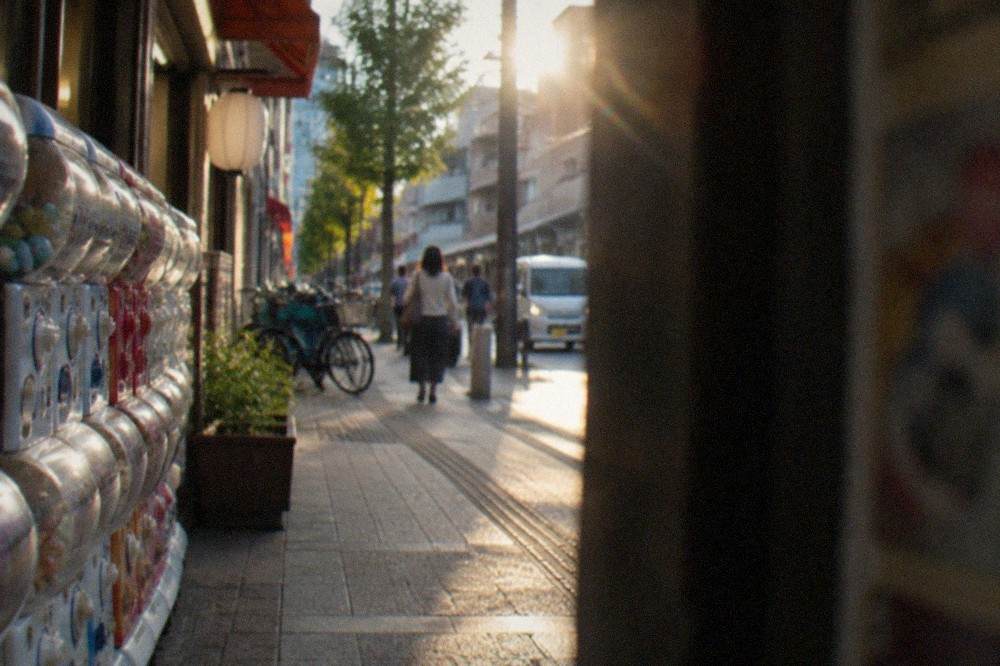
The arcade habit is alive in Fukuoka in a way that surprises first-time visitors from the west. Crane games, rhythm games and fighting-game cabinets sit in basements and upper floors across Tenjin, and the skill ceiling at some of them is genuinely high. Capsule-toy machines, gachapon, cluster near station concourses and store entrances, and they are the cheapest souvenir economy in Japan: a few hundred yen for a figure, keyring or pin that ties back to whatever series you follow.
Manga cafés, manga kissa, operate across the city as they do everywhere in Japan: hourly booths, unlimited drinks, shelves of volumes, and often overnight rates that double as a cheap place to sit until the first train. Fukuoka's version of this is unremarkable in the best sense, no tourist markup, no performance, just the standard national format. If you are planning to use one as a late-night stop, the nightlife guide puts them in context beside the izakaya and yatai layers.
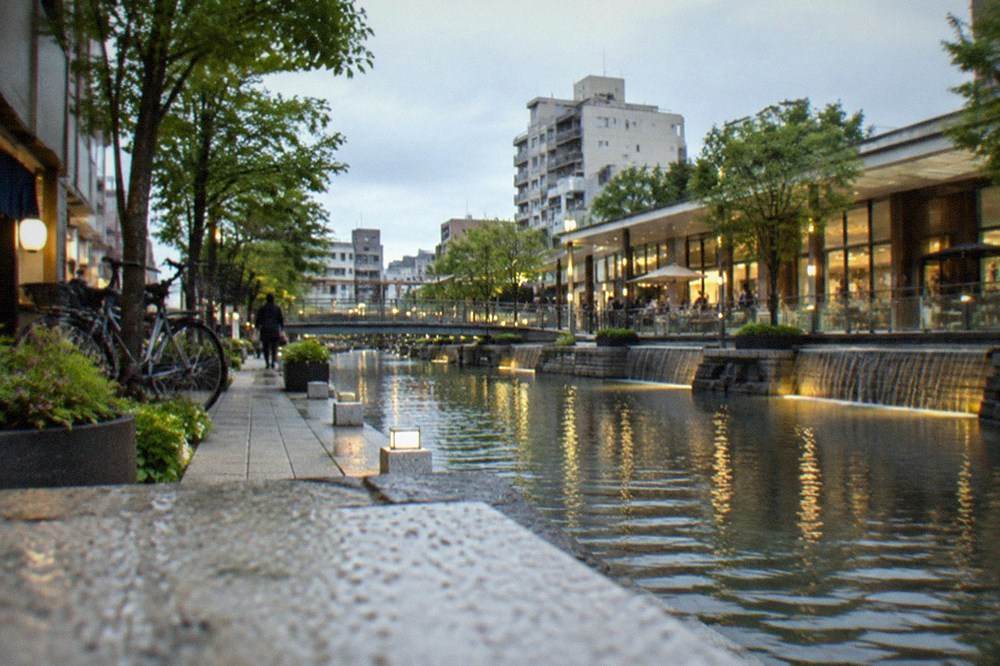
For shopping, the practical split is this: Tenjin for depth, Hakata Station for convenience, Canal City for atmosphere. Canal City Hakata is worth naming precisely because it is not an otaku destination at all; it is a canal-side complex with fountains, a theatre and a mix of fashion and hobby retail, and its official service page confirms free entry, year-round opening, shops from 10:00 to 21:00 and restaurants from 11:00 to 23:00. The blend is very Fukuoka: pop culture sits beside ordinary city life rather than being quarantined in a district.
Which Day Trips from Fukuoka Appeal to Pop-Culture Fans?
The strongest pop-culture-angled day tour from Fukuoka is the Yufuin and Beppu tour with a Sapporo brewery and museum stop, from $55 per person, rated 4.7 from 51 reviews over nine and a half hours. Beyond it, the Kyushu day-trip network from Fukuoka reaches art, onsen and film-location scenery from $48, with the Takachiho Gorge railway tour rated 4.8 from 713 reviews.
The Yufuin and Beppu itinerary is the one this page keeps coming back to, because it bundles several things a pop-culture-minded traveller enjoys into a single coach day: Yufuin, the small onsen town whose main street, lake and mountain backdrop have appeared in travel manga and countless photo essays; Beppu, the hot-spring city whose steaming "hells" are among the most visually striking landscapes in Japan; a Sapporo brewery stop; and a museum visit, listed as the AoT museum on the tour's own materials. At 4.7 from 51 reviews it is one of the better-attested culture tours operating out of the city.
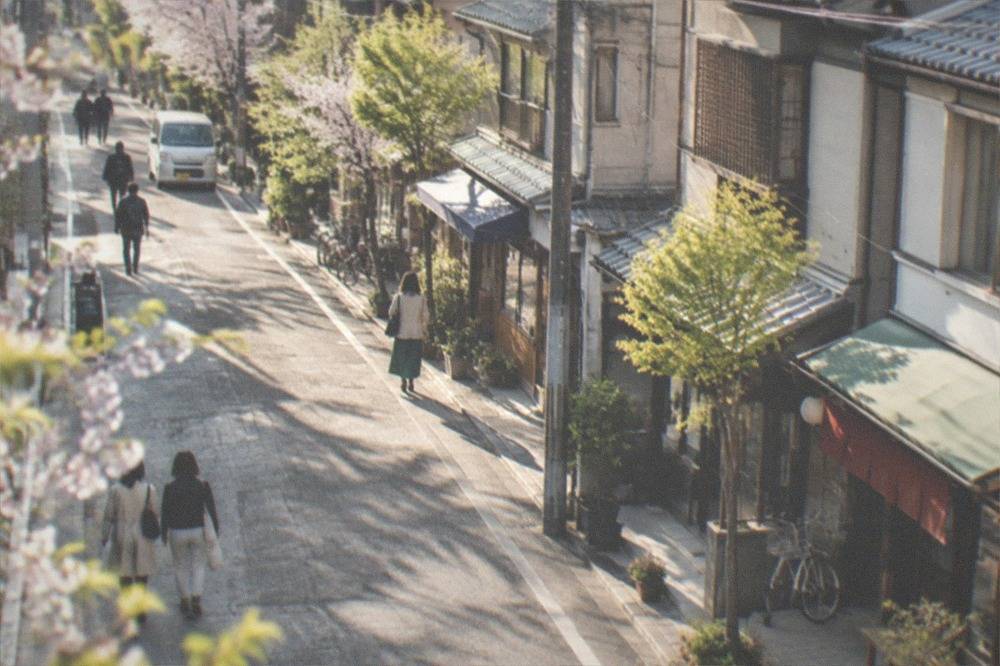
Beppu's hells deserve the hype they get from illustrators. They are pools of steaming, mineral-coloured water that the city has turned into a walkable circuit, and they photograph like concept art. Yufuin is the quieter half, all wooden storefronts and a lake at the end of the street. Neither is an "anime attraction" in the ticketed sense, but both are places Japanese media keeps returning to, and a fan will recognise why within minutes of arriving.
Full itinerary details, inclusions and the operator's live listing are on the Yufuin and Beppu tour page. If the format appeals but the destination does not, the wider Kyushu guide and the day trips from Fukuoka page lay out the alternatives, from Dazaifu's shrine town to the Itoshima coast.
A practical note on booking this one: the tour runs on a coach with a fixed seat count, and the nine-and-a-half-hour format means there is usually only one departure a day. Travellers who decide on the morning of tend to miss out, particularly in the autumn months when the whole Kyushu day-trip market is at its busiest. Booking a few days ahead costs nothing extra and keeps the option to rearrange if the forecast turns.
| Day tour from Fukuoka | From (per person) | Rating | Duration |
|---|---|---|---|
| Yufuin, Beppu, Sapporo brewery, AoT museum | $55 | 4.7 from 51 reviews | 9 hours 30 minutes |
| Takachiho Gorge and Amaterasu Railway, optional boat | $48 | 4.8 from 713 reviews | 11 hours |
| Mt. Aso and Takachiho Gorge, optional boat | $48 | 4.7 from 674 reviews | 10 hours to 1 day |
| Miyazaki, Takachiho Gorge and shrines | $59 | 4.6 from 384 reviews | 10 hours |
| Beppu Hells, frog temple and Yufuin | $96 | 4.4 from 106 reviews | 10 hours |
The Takachiho Gorge deserves a word even on a pop-culture page, because the gorge and its railway are the kind of scenery that anime background artists borrow wholesale: a narrow basalt canyon, a shrine at the waterline, a small train running along the cliff. At 4.8 from 713 reviews it is the most-reviewed tour in the entire Fukuoka roster, and the review depth makes that score meaningful rather than cosmetic. The Takachiho trip guide covers the independent version.
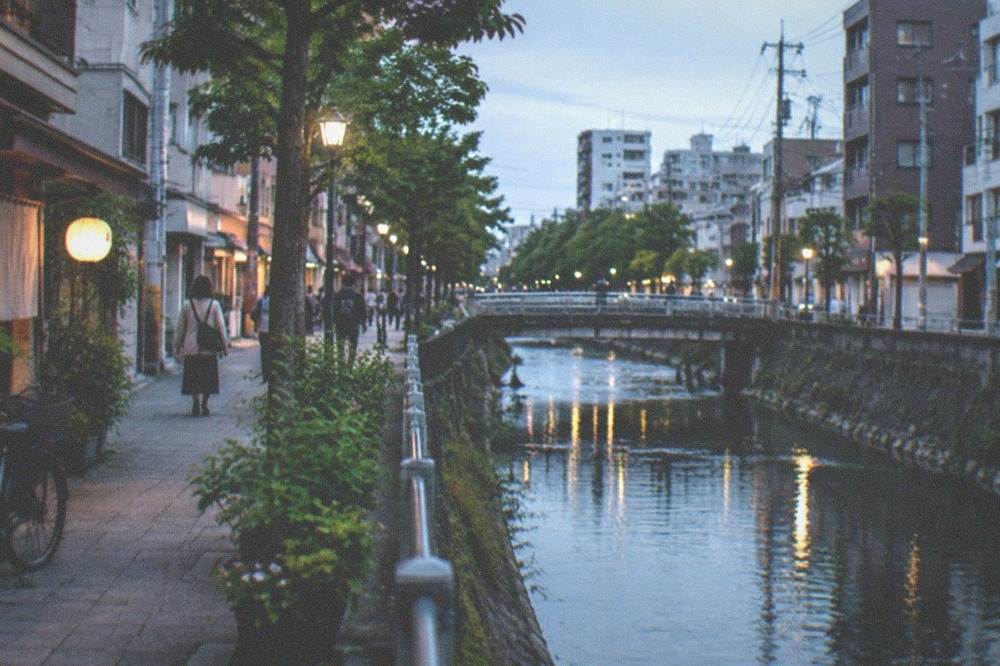
Where Should Anime Fans Stay in Fukuoka?
Stay in Hakata or Tenjin. Hakata Station is the city's transport hub, with the subway, JR lines and long-distance coaches converging on one building, and it puts the arcade-and-mall layer at your door. Tenjin is the shopping and nightlife core, closer to the restaurant and bar layer. Both sit on the subway's Kuko line, so either works for reaching teamLab Forest, the workshops and the day-tour departure points.
The choice is genuinely low-stakes, because Fukuoka is one city and the two cores are a few subway stops apart. Travellers who book day tours should weight Hakata: most coach departures leave from around the station. Travellers planning evening-heavy itineraries should weight Tenjin or Nakasu. The full breakdown, including the budget options and the family picks, is in the where to stay in Fukuoka guide, and the Hakata station area page covers the station complex itself, which is closer to a small city than a station in scale.
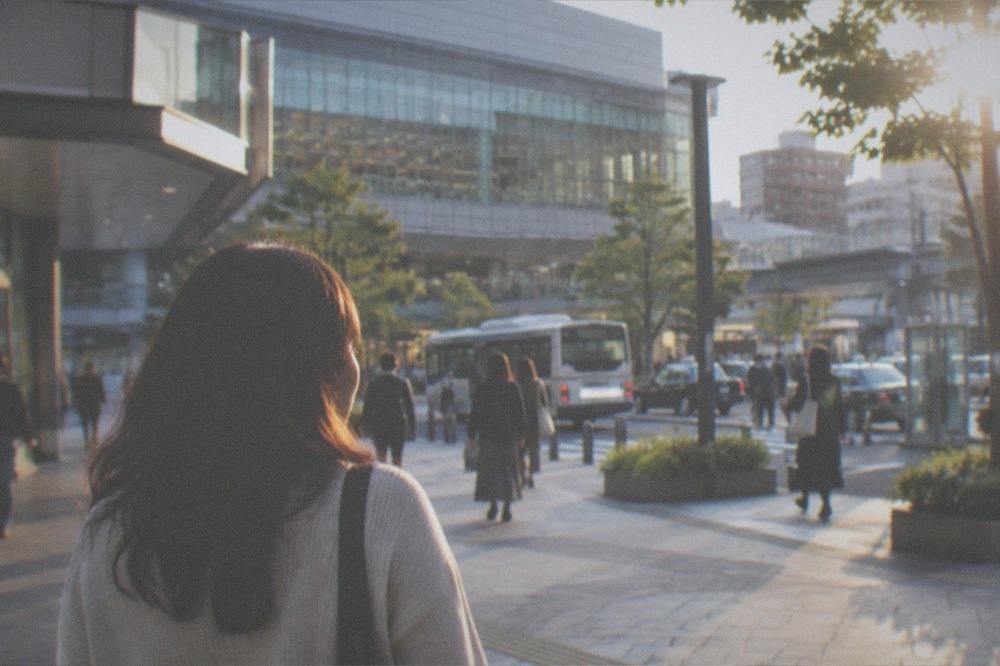
One point of confusion to settle here, because it catches arriving travellers every week: there is no JR Fukuoka Station. The station is Hakata. If a booking confirmation, a rail pass exchange office or a friend's itinerary says "Fukuoka Station", it means Hakata. The getting around Fukuoka guide handles the rest of the network, including the Nishitetsu line that reaches Dazaifu.
How Do You Get Around Fukuoka on an Anime Itinerary?
The subway is the backbone: adult single fares run ¥210 for up to 3 km up to ¥380 beyond 19 km, per the city's official fare table, and a one-day pass costs ¥640 adult or ¥320 child. The Fukuoka Tourist City Pass, at ¥2,500 adult for the city version and ¥2,800 with Dazaifu, covers subway, buses, trains and ferries for a day, but it is sold only to overseas tourists on short-stay visas and a passport is checked at the counter.
The subway's three lines connect the airport, Hakata, Tenjin, Ohori Park and the eastern waterfront, and the airport is unusually close to the city centre, which is one of Fukuoka's real structural advantages over almost every other Japanese city of its size. The verified fare from the airport to Hakata is ¥260, derived from the official 3 to 7 km fare band on the operator's own fare page. Be wary of the "five minutes" claim printed across the internet: no official page states a journey time, so this guide does not either.
| Subway fare zone | Distance | Adult | Child |
|---|---|---|---|
| Zone 1 | up to 3 km | ¥210 | ¥110 |
| Zone 2 | 3 to 7 km | ¥260 | ¥130 |
| Zone 3 | 7 to 11 km | ¥300 | ¥150 |
| Zone 4 | 11 to 15 km | ¥340 | ¥170 |
| Zone 5 | 15 to 19 km | ¥360 | ¥180 |
| Zone 6 | over 19 km | ¥380 | ¥190 |
Fares are published on the city subway's official fare page. The one-day pass at ¥640 pays for itself at four zone-2 rides, and it is sold at station machines, customer service centres and the international tourist information desks at Tenjin, Hakata Station and the airport. Contactless credit card tap-to-ride is also reported at the subway's blue gates with a daily cap of ¥640, though the subway guide carries the detail and the caveats.
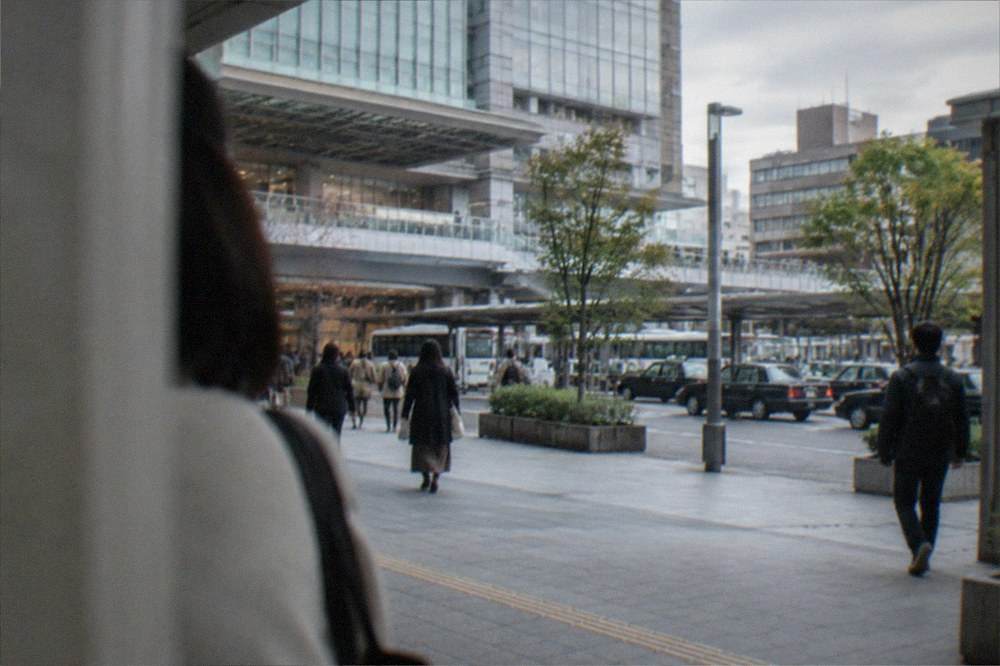
For the day tours, almost every coach departure in the roster leaves from Hakata Station or the nearby bus terminal, which is another reason to weight your stay toward Hakata on a tour-heavy itinerary. The airport to city page covers the arrival leg, including the free inter-terminal shuttle that the airport's own access page lists at 10 minutes between the international and domestic terminals.
When Should You Visit Fukuoka for This Itinerary?
The best months for an indoor-and-arcade-heavy anime itinerary are October, November and early December: the city's normals show 94.5 mm of rain in October and 91.4 mm in November against July's 299.1 mm, temperatures of 19.6 and 14.2 degrees Celsius, and the autumn-illuminations season running into the city's Christmas Advent events from mid-November. Spring works too, with cherry blossom typically opening in late March.
The weather logic of a pop-culture itinerary is different from a beach itinerary, because most of it is indoors. teamLab Forest, the arcades, the workshops and the manga cafés are all rain-proof, which means the wettest months hurt this itinerary least. That said, the day tours are not rain-proof, and Takachiho and Beppu are better in clear weather, so the shoulder months still win.
| Month | Mean temperature | Rainfall | Fit for this itinerary |
|---|---|---|---|
| March | 10.8°C | 103.7 mm | Cherry blossom season begins, good |
| May | 19.9°C | 133.7 mm | Warm, festival month, good |
| July | 27.4°C | 299.1 mm | Wettest month, indoor-heavy days |
| October | 19.6°C | 94.5 mm | Dry and mild, best all-round |
| November | 14.2°C | 91.4 mm | Dry, illuminations begin, best |
| December | 9.1°C | 67.5 mm | Cold but dry, Christmas markets |
Two seasonal notes matter. First, typhoon season runs roughly July through October, and it is a genuine planning factor rather than a reason to avoid the city; the best time to visit guide frames it properly. Second, the festival calendar shapes the streets: Hakata Dontaku fills the centre on May 3 and 4, Hakata Gion Yamakasa runs July 1 to 15 with the Oiyama race in the small hours of July 15, and Hojoya takes over Hakozakigu's approach from September 12 to 18. All three are free to watch, none has ticketing, and each turns the city centre into something a camera-carrying traveller will not forget. The festivals guide carries the detail.
What Should a Full Anime and Manga Day in Fukuoka Look Like?
A realistic one-day plan: teamLab Forest in the morning, a workshop, calligraphy, shisa or doll painting, in the early afternoon, Tenjin's arcades and capsule-toy walls from mid-afternoon, and a yatai stall along the Naka River in the evening. Budget roughly ¥1,500 to ¥3,000 for the yatai portion, though the city publishes no official average, and expect stalls to open around 18:00 and close in the small hours.
The evening matters on this itinerary, and the yatai layer is the reason. Fukuoka runs about 100 licensed street food stalls, more than any other Japanese city, concentrated in Nakasu along the Naka River, in Tenjin and in Nagahama. The city's own ordinance requires every stall to post its prices visibly, and bans "market price" pricing on variable dishes, so the fear of being overcharged that travellers carry into street-food situations elsewhere does not really apply here. The city's official yatai Q&A page states the rules plainly.
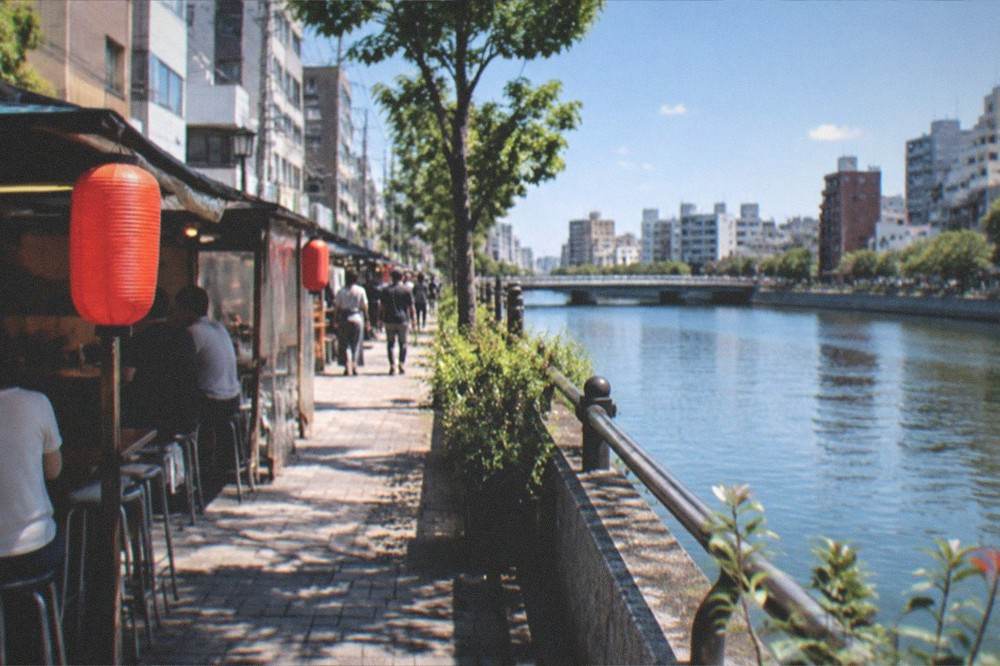
The stalls take walk-ins; you cannot book a stall, and you do not need to. What you can book is a guided crawl, and the yatai guide explains the difference, including the etiquette, seating and the fact that rain closes many stalls since a yatai is a tent, not a building. If the evening runs long, Nakasu's nightlife layer sits directly across the river, and the Nakasu guide maps it.
For a second day, swap the workshop for a day tour: Yufuin and Beppu for the onsen scenery, or Takachiho for the gorge. The itinerary library has prebuilt versions of all of this, from the 1-day itinerary through the 3-day and 5-day plans, and the food tours guide covers the guided eating layer for travellers who would rather be led.
Common Questions About Anime and Manga in Fukuoka
What Anime And Manga Attractions Does Fukuoka Have?
Fukuoka's main anime-adjacent attractions are the teamLab Forest immersive art experience, from $27 and rated 3.8 from 14 reviews; hands-on culture workshops including calligraphy, shisa making, tea ceremony and Hakata doll painting, from $18; the arcade, manga café and figure-shopping layer of Tenjin and Hakata; and pop-culture-tinged day tours into Kyushu, including the Yufuin and Beppu itinerary with a brewery and museum stop, from $55.
Is teamLab Forest Fukuoka good for anime fans?
Yes, if you enjoy the medium rather than expecting an anime museum. teamLab Forest is responsive projection art you walk through, the same digital-art language that anime title sequences borrow from. It runs one to two hours, is sold as an e-ticket, and sits inside a Hakata retail complex, which makes it easy to pair with shopping or an arcade afternoon.
Does Fukuoka have an Akihabara-style district?
No, and it does not need one. Fukuoka spreads its otaku layer across Tenjin's arcades and capsule-toy walls, the Hakata Station retail complexes, and Canal City Hakata, which is free to enter and open every day of the year with shops from 10:00 to 21:00. The scale is smaller than Tokyo's, but the prices are lower and nothing is tourist-marked-up.
Are the craft workshops suitable for beginners?
Yes. The calligraphy experience, shisa amulet workshop, tea ceremony with a maiko and Hakata doll painting all run one to two hours, need no prior skill, and are hosted in small groups. Prices start at $18 per person, and the Hakata doll painting session carries a 4.9 rating from 45 reviews, one of the deeper review pools among the city's culture experiences.
Can you do an anime-themed day trip from Fukuoka?
The closest thing is the Yufuin and Beppu day tour, from $55, rated 4.7 from 51 reviews, which pairs an onsen town and a hot-spring city with a brewery stop and a museum visit. For scenery that anime background artists visibly borrow, the Takachiho Gorge tours, from $48 and rated 4.8 from 713 reviews, are the strongest option in the roster.
When is the best time of year for this itinerary?
October and November: rainfall drops to 94.5 mm and 91.4 mm respectively against July's 299.1 mm, temperatures sit at 19.6 and 14.2 degrees Celsius, and the city's illumination and Christmas-market season begins in mid-November. Most of this itinerary is indoors, so it also survives the wetter months better than a beach or hiking plan would.