What Is the Best Month to Visit Fukuoka?
The best month to visit Fukuoka, decided from official Japan Meteorological Agency climate normals, festival dates and crowd patterns, with a month-by-month comparison.
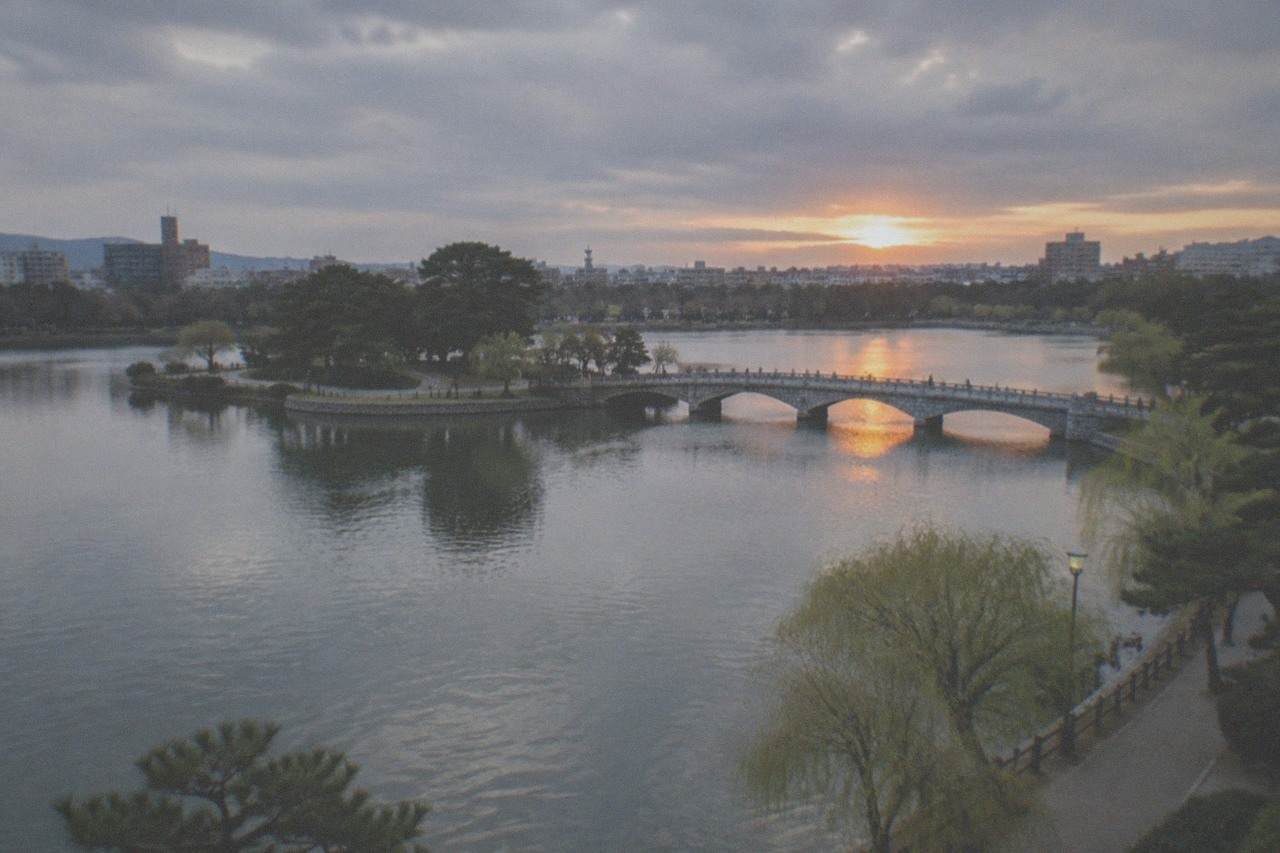
Fukuoka gets a genuine four-season year, and the gap between its best and worst months is wider than most Japan guides admit. The city's own weather record, kept by the Japan Meteorological Agency at its downtown station, shows a summer that dumps nearly 300 mm of rain in a single month and an autumn that is dry, warm and almost empty of tourists. Picking the right month is less about luck than about reading that record honestly.
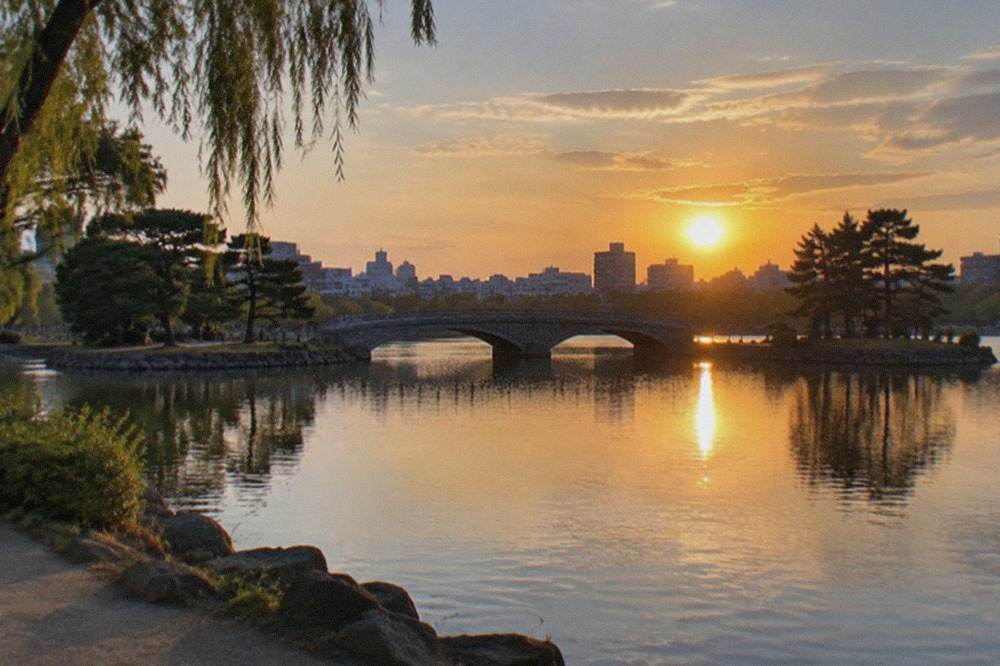
This page works through the official climate normals month by month, sets them against the festival calendar, and names the month that wins on the numbers. If you want the fuller version, the site's best time to visit Fukuoka guide covers hotel districts and booking windows, and the Fukuoka weather month-by-month breakdown goes deeper on what each season actually feels like.
What Is the Best Month to Visit Fukuoka?
October is the best month to visit Fukuoka. The JMA's 1991 to 2020 normals put it at a mean of 19.6°C with only 94.5 mm of rain across the whole month, 175.9 sunshine hours, and daily highs around 23.7°C. It sits after the September heat, outside the main typhoon window, and before the November chill. Late March into early April is the close runner-up, trading slightly less predictable weather for cherry blossoms in Maizuru Park and Nishi Park.
October's case is built on three numbers that the weather station at Fukuoka has measured across thirty years. Rainfall of 94.5 mm is the fourth-lowest of any month, comfortably behind June's 249.6 mm and far behind July's 299.1 mm. Sunshine of 175.9 hours is higher than any summer month except August. And the temperature band, 16.0°C overnight to 23.7°C in the afternoon, is walking-weather territory from breakfast to the last yatai of the evening.
It is also a quiet month on the festival calendar, which cuts both ways. You will not catch Hakata Dontaku or the Yamakasa races, but you also will not be competing with their crowds for a seat at a food stall. The city's roughly 100 licensed yatai, concentrated in Nakasu, Tenjin and Nagahama, are at their most relaxed in October, and the stalls are required by city ordinance to display prices openly, so an evening food crawl carries no pricing surprises.
Spring is the alternative answer, and for some travellers it is the better one. Cherry blossoms typically open in late March and reach full bloom between the end of March and the first days of April, turning Maizuru Park's castle ruins into the city's biggest outdoor party. The trade is weather: March averages 103.7 mm of rain and April 118.2 mm, both wetter than October, and spring days swing from 7°C overnight to 20°C afternoons. Pack layers and you will not regret the choice.
How Does Fukuoka's Weather Change Month by Month?
Fukuoka runs from a January mean of 6.9°C to an August mean of 28.4°C, with the wettest month arriving in July, not June, at 299.1 mm of rain. The Japan Meteorological Agency's 1991 to 2020 normals for the Fukuoka station show a real winter, a hot humid summer, and two shoulder seasons that are dramatically drier. Autumn beats spring on rainfall by roughly 25 mm a month.
The table below is the full official record, from the JMA's normals for station 47807 in Fukuoka city. These are thirty-year averages, not forecasts, so they are the most honest basis for choosing a month that exists.
| Month | Mean °C | Daily max °C | Daily min °C | Rain mm | Sunshine hours |
|---|---|---|---|---|---|
| Jan | 6.9 | 10.2 | 3.9 | 74.4 | 104.1 |
| Feb | 7.8 | 11.6 | 4.4 | 69.8 | 123.5 |
| Mar | 10.8 | 15.0 | 7.2 | 103.7 | 161.2 |
| Apr | 15.4 | 19.9 | 11.5 | 118.2 | 188.1 |
| May | 19.9 | 24.4 | 16.1 | 133.7 | 204.1 |
| Jun | 23.3 | 27.2 | 20.3 | 249.6 | 145.2 |
| Jul | 27.4 | 31.2 | 24.6 | 299.1 | 172.2 |
| Aug | 28.4 | 32.5 | 25.4 | 210.0 | 200.9 |
| Sep | 24.7 | 28.6 | 21.6 | 175.1 | 164.7 |
| Oct | 19.6 | 23.7 | 16.0 | 94.5 | 175.9 |
| Nov | 14.2 | 18.2 | 10.6 | 91.4 | 137.3 |
| Dec | 9.1 | 12.6 | 5.8 | 67.5 | 112.2 |
The figures come from the Japan Meteorological Agency's climate normals page for the Fukuoka station, which is the primary source every other claim in this article leans on.
Two patterns in that table are worth more than the raw numbers. First, May is actually the sunniest month of the year at 204.1 hours, ahead of August, which surprises people who assume the sunny season is summer. Second, November is nearly as dry as October, at 91.4 mm, but its mean temperature drops to 14.2°C and sunshine falls to 137.3 hours, so the city trades warmth for clear days as autumn deepens. Mid-November onward is also when the autumn colour peaks in the city's parks, which makes late November a strong pick for photographers who do not mind a jacket.
Whenever you land, getting from the airport into the city is straightforward. Fukuoka Airport sits unusually close to the centre, and the subway fare to Hakata is ¥260, within the official 3 to 7 km fare band. There is no JR Fukuoka Station, the station is Hakata, and Hakata is a ward of Fukuoka, not a separate city. For arrivals late at night or with heavy luggage, a private arrival transfer from Fukuoka International Airport to the city starts at $149 per person and runs 30 minutes to an hour door to door; it is rated 5 from 2 reviews so far, a genuinely new listing.
For travellers who want the month choice boiled down to a decision rather than a data set, this comparison is the short version.
| Month | Best for | The catch |
|---|---|---|
| Mar to early Apr | Cherry blossoms, Maizuru Park | Rainy spells, big weekend crowds at bloom spots |
| May | Sunniest month, Hakata Dontaku (May 3 to 4) | Warm but muggy by month's end |
| Jul | Hakata Gion Yamakasa, peak festival energy | Wettest month of the year, 299.1 mm |
| Oct | Dry, mild, thin crowds, autumn light | Fewer major events |
| Nov | Autumn leaves, dry air | Cooling fast, shorter days |
| Dec to Feb | Illuminations, winter light, low prices | Mean 6.9 to 9.1°C, some stalls close on bad nights |
Which Months Have the Best Festivals and Events?
May and July are Fukuoka's festival months. Hakata Dontaku fills Meiji-dori on May 3 and 4 with parades and dancing, and Hakata Gion Yamakasa runs July 1 to 15, finishing with the Oiyama float race from Kushida Shrine in the early hours of July 15. September's Hojoya at Hakozakigu, from September 12 to 18, is the quieter third option, with hundreds of stalls along the shrine approach.
Dontaku is the crowd-friendly one. It takes place over two days of Golden Week, its parades run through the daytime, and the final So Odori dance is open to anyone who wants to join in. Yamakasa is the opposite: its climax starts at 4:59 a.m., when taiko drums signal teams hauling roughly one-ton floats over a course of about 5 km through Hakata's streets. Spectating is free and the atmosphere along the route is unlike anything else on the Kyushu calendar, but it means an extremely early start and a city that is fully booked weeks ahead.
Hojoya in mid-September is the local's pick. The shrine approach at Hakozakigu lines up hundreds of food and game stalls across seven days, and the weather is usually the first genuinely cool stretch after summer. It is a festival you can drop into for an evening rather than plan a trip around, which suits a first visit that is not anchored to a specific date.
If your trip does land in festival season, book the arrival logistics early. A private transfer from the airport to your hotel removes the one stressful leg of the day.
When Should You Worry About Rain and Typhoons?
July is Fukuoka's wettest month, not June, with 299.1 mm of rain against June's 249.6 mm, even though June is the tsuyu rainy season. Typhoon season runs roughly July through October, and neither it nor tsuyu makes the city unvisitable. The practical rule is to keep plans flexible in June and July and to watch the forecast rather than the calendar in September.
The July figure is the most useful piece of information gain in this whole question, because nearly every guide assumes June is the wet month and July is merely hot. The thirty-year record says otherwise: July combines 31.2°C daily highs with the year's heaviest rainfall. That is also Yamakasa month, which is why the festival's races are such a feat, and why the city's drainage and its spectators both earn their reputation.
Tsuyu, the East Asian rainy season, sits roughly across June and is declared regionally by the JMA each year rather than fixed to a calendar date. It shows up as long grey stretches rather than dramatic downpours, and plenty of June days are perfectly usable. Typhoons are the sharper risk. The western Pacific produces them from about July to October, and Fukuoka, sitting on Hakata Bay on the Genkai Sea side of northern Kyushu, is exposed to systems tracking toward the Japanese coast. When one approaches, transport pauses for a day and resumes quickly. The honest framing is a contingency plan, not a cancelled trip.
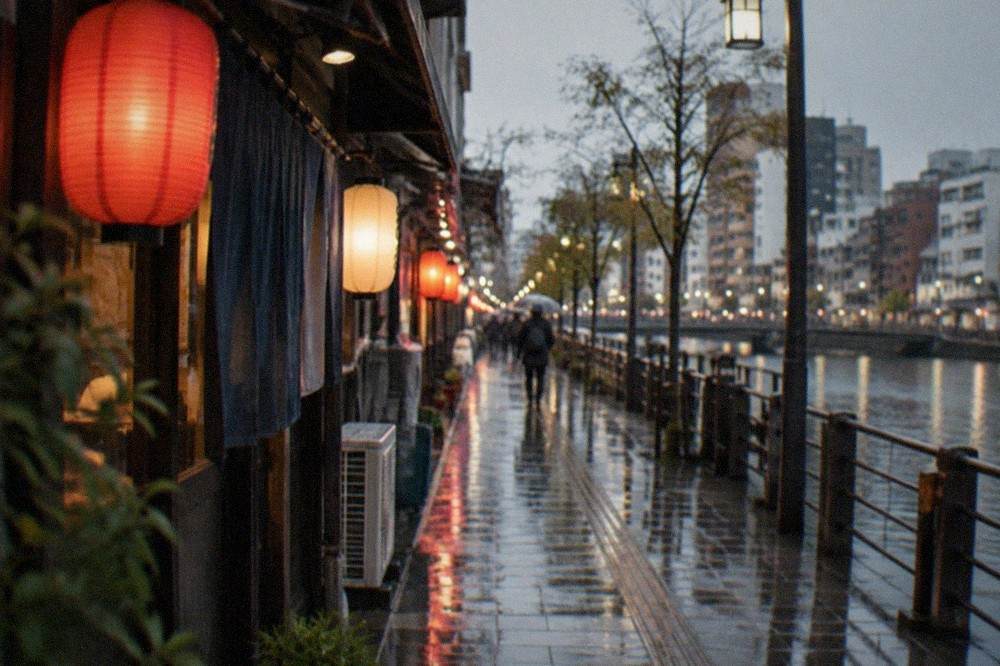
One seasonal note that matters for autumn visitors: Fukuoka Tower, the city's 234 m landmark, closes for two days each year at the end of June, and its next scheduled closure is 28 and 29 June 2027. Admission is ¥1,000 for adults, ¥500 for elementary and junior high students, and ¥200 for children aged four and over, per the tower's own official pricing page. If a June or July trip is on the table, that closure is worth a calendar check.
Do Crowds and Prices Change with the Months?
Yes, and the swings are predictable. Cherry blossom season in late March and early April, Golden Week in early May, and the Yamakasa fortnight in July are the three peak-demand windows, when hotels in Hakata and Tenjin fill first and prices climb. Late January through February, and the gap between Golden Week and July, are the cheapest stretches, with winter still offering 10°C afternoons and the city's food scene running at full tilt.
The blossom window is the sharpest of the three. It is short, it is beautiful, and everyone in the region knows it, so the parks are full on every fine weekend while the blooms last. If your dates are flexible within spring, aiming for the very end of March rather than mid-April gives you the best odds of catching full bloom, since the typical peak window runs from the end of March into the first days of April. How much time you need overall is its own question, and the site's answer on how many days in Fukuoka is enough covers it in detail.
Winter is the underrated option. December through February means mean temperatures of 6.9 to 9.1°C, which is jacket weather rather than ski weather, and the city's indoor attractions carry the season: both city art museums charge just ¥200 for adults, entry to the Fukuoka Asian Art Museum building is free with only the Asia Gallery charging, and the yatai stalls glow at their best on a cold night. Fukuoka is worth visiting in every month of the year, which is a claim the is Fukuoka worth visiting page examines from the value angle, and winter is when that value peaks.
For a sense of what fills those days regardless of season, the what is Fukuoka famous for page lists the foods, shrines and neighbourhoods that define the city, and the Fukuoka Japan Travel Guide homepage ties the whole picture together.
Common Questions About the Best Month to Visit Fukuoka
What Is The Best Month To Visit Fukuoka?
October, on the official numbers: 19.6°C mean, 94.5 mm of rain and 175.9 sunshine hours, all measured over the 1991 to 2020 normals. Late March into early April is the runner-up if cherry blossoms are the priority, accepting wetter weather for the bloom.
Is June or July the rainy season in Fukuoka?
Both are wet, but July is actually the wettest month of the year at 299.1 mm, ahead of June's 249.6 mm. June is the tsuyu rainy season proper, declared regionally by the JMA each year, while July combines heat, heavy rain and the Hakata Gion Yamakasa festival.
What is the hottest month in Fukuoka?
August, with a mean of 28.4°C, daily highs of 32.5°C and overnight lows of 25.4°C. July is close behind at 31.2°C daily highs. August is also drier than July and banks 200.9 sunshine hours, the second-sunniest month after May.
Is winter a bad time to visit Fukuoka?
No. December through February runs means of 6.9 to 9.1°C with afternoons around 10 to 12°C, and it is the cheapest and quietest stretch of the year. The museums, yatai and shopping arcades all operate normally, and both city art museums charge only ¥200 for adults.
When is cherry blossom season in Fukuoka?
Typically late March into early April, with full bloom usually falling between the end of March and the first days of April. Maizuru Park at the Fukuoka Castle ruins, with roughly 1,000 trees, and Nishi Park are the main viewing spots. The exact dates shift each year, so check forecasts close to the time.
Do typhoons affect trips to Fukuoka?
They can, between roughly July and October. A typhoon approaching northern Kyushu typically pauses transport for a day or so, after which the city resumes quickly. Build one flexible day into a summer or early autumn itinerary rather than avoiding those months entirely.