Fukuoka for First-Time Visitors
Fukuoka rewards first-time visitors more than almost any other Japanese city: the airport sits on the subway line, the food scene is famous nationwide, and the core sights sit within a short subway ride of each other. This guide sets out what to do, in what order, and what it costs.
Short answer
First timers should base themselves near Hakata Station, spend day one on Kushida Shrine, Canal City and the Nakasu yatai, day two on Ohori Park and Fukuoka Castle ruins, and day three in Dazaifu. The subway fare from the airport is ¥260, a one-day subway pass is ¥640, and three days is enough for the city itself.
Fukuoka is the largest city on Kyushu and, by the 2025 census quick report, home to 1,663,892 people, which makes it one of Japan's fastest growing major cities. It sits on Hakata Bay on the Genkai Sea side of northern Kyushu, and it behaves like a compact, walkable port town rather than a sprawling metropolis. First timers arrive at Fukuoka Airport, which is unusually close to the city centre, and are usually eating ramen within the hour. One correction before anything else, because it is the single most common mistake in guides to this city: Hakata and Fukuoka are not two places. Hakata is a ward of Fukuoka and the name of its main station. There is no JR Fukuoka Station, and nobody travels "from Hakata to Fukuoka."
What Should First Timers Do in Fukuoka?
First timers should anchor the trip around three things: the shrine and temple district of Hakata Old Town, the food stalls along the Naka River in Nakasu, and the parkland around Ohori and Maizuru. Add Dazaifu as a half-day or full-day excursion, and book one guided walk early in the trip so a local can orient you. The city's core sights are free to enter, the subway connects nearly all of them, and three days covers the essentials without rushing.
The honest answer to what a first timer should do is that Fukuoka is a city you experience more than a city you sightsee. The grounds of Kushida Shrine cost nothing, the approach to Tochoji and its Great Buddha costs nothing, and the castle ruins at Maizuru Park cost nothing. What you pay for is food, and Fukuoka's food reputation is national: tonkotsu ramen, motsunabe, mentaiko and the yatai stalls that line the riverside after dark. About 100 licensed yatai operate in the city, more than any other Japanese city, and a city ordinance requires every stall to post its prices where customers can see them.
The order matters less than the pacing. Hakata Old Town, Canal City Hakata and the Nakasu riverbank all sit within a 15 minute walk of each other, so one evening covers them. Ohori Park, the castle ruins and the art museums form a second cluster to the west. Dazaifu is a Nishitetsu train ride south and deserves at least half a day. If you have five days or more, the rest of Kyushu opens up from Hakata Station, and a Kyushu itinerary from Fukuoka can follow the city days.
How Do You Get from Fukuoka Airport Into the City?
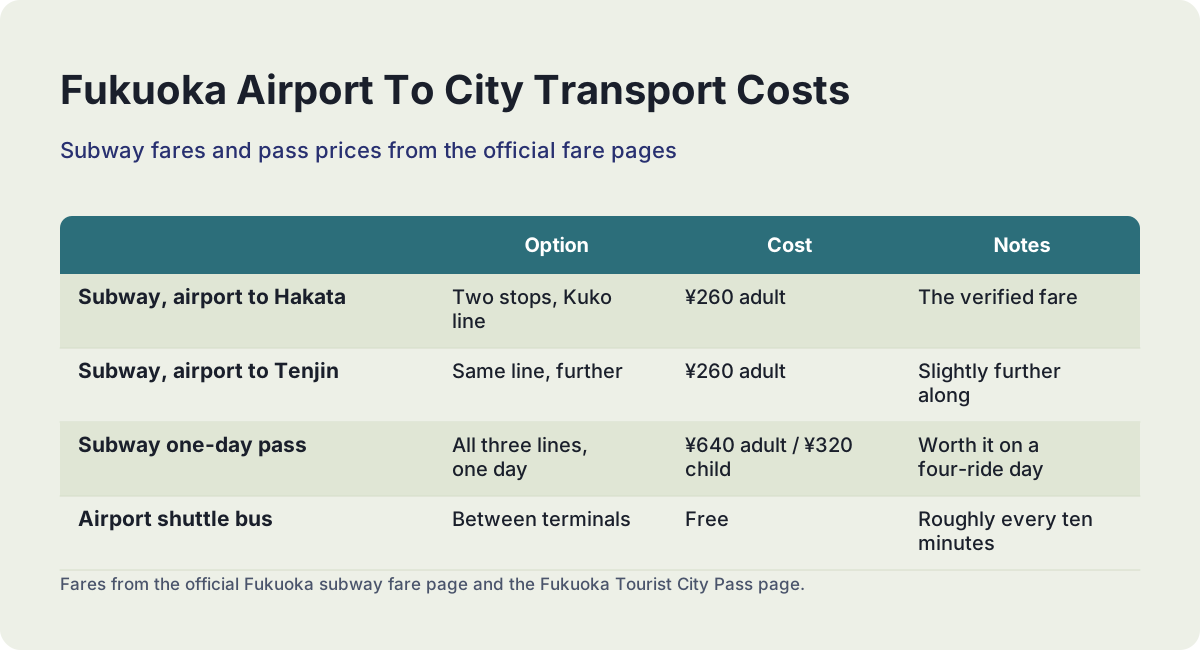
Take the subway. Fukuoka Airport sits on the Kuko line, two stops from Hakata Station, and the fare is ¥260, which falls inside the official 3 to 7 km fare band. The airport is genuinely close to the centre, which is true and verified, though the widely repeated "five minutes" journey time appears on no official page, so this guide will not print it. From Hakata or Tenjin, the whole city connects by three subway lines and a flat network of buses.
The subway is the answer for almost every arrival. Fares run from ¥210 for up to 3 km to ¥380 for over 19 km, with child fares at half, and the full table is published by the city on its official subway fare page. If you plan a heavy sightseeing day, the one-day pass costs ¥640 for adults and ¥320 for children and covers all three lines from first train to last. It is sold at station ticket machines and at the international tourist information counters at Tenjin, Hakata Station and the airport itself.
| Option | Route | Cost | Notes |
|---|---|---|---|
| Subway | Fukuoka Airport to Hakata | ¥260 adult | Two stops on the Kuko line; the verified fare |
| Subway | Fukuoka Airport to Tenjin | ¥260 adult | Slightly further along the same line |
| Subway day pass | All three lines, one day | ¥640 adult / ¥320 child | Worth it on a four-ride day |
| Nishitetsu bus | Central Tenjin and Hakata zone | Flat central fare | Buses fill gaps the subway does not reach |
| Airport shuttle | Between international and domestic terminals | Free | Runs roughly every ten minutes |
One pass deserves a special mention because most competing guides still get it wrong. The Fukuoka Tourist City Pass costs ¥2,500 for the city version and ¥2,800 for the city plus Dazaifu version, not the stale figures many sites print. It is restricted to overseas tourists on a short-stay visa, and a passport is checked at the counter, as the official pass page states. It covers subway, Nishitetsu trains and buses, some JR lines and ferries for one day. Whether it pays off depends on your plan; four subway rides plus a Dazaifu round trip usually clears the ¥2,800 price.
Which Sights Should You Not Miss on a First Visit?
The unmissables for a first visit are Kushida Shrine, the Hakata Old Town temples, Ohori Park and the Fukuoka Castle ruins, and Fukuoka Tower for the view. Every one of those except the tower is free to enter. The tower charges ¥1,000 for adults, ¥500 for school ages and ¥200 from age four, and stays open from 9:30 to 22:00, so it works as a night activity too. Plan two days for this cluster, one east and one west of the centre.
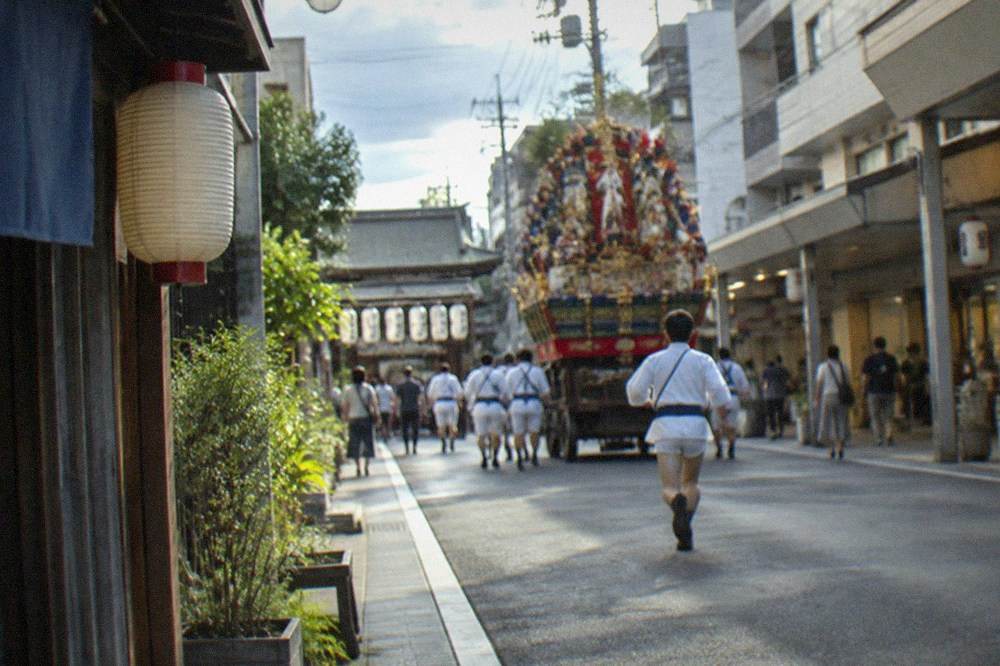
Start east. Kushida Shrine is Hakata's parish shrine and the focal point of the July Yamakasa festival, and its grounds are free. A short walk away, Tochoji holds one of Japan's largest seated wooden Buddhas, and Shofukuji is the first Zen temple ever founded in Japan. Canal City Hakata, a canal-side shopping complex with a fountain show, is open every day of the year, with shops from 10:00 to 21:00 and restaurants from 11:00 to 23:00. All of this fits one unhurried afternoon.
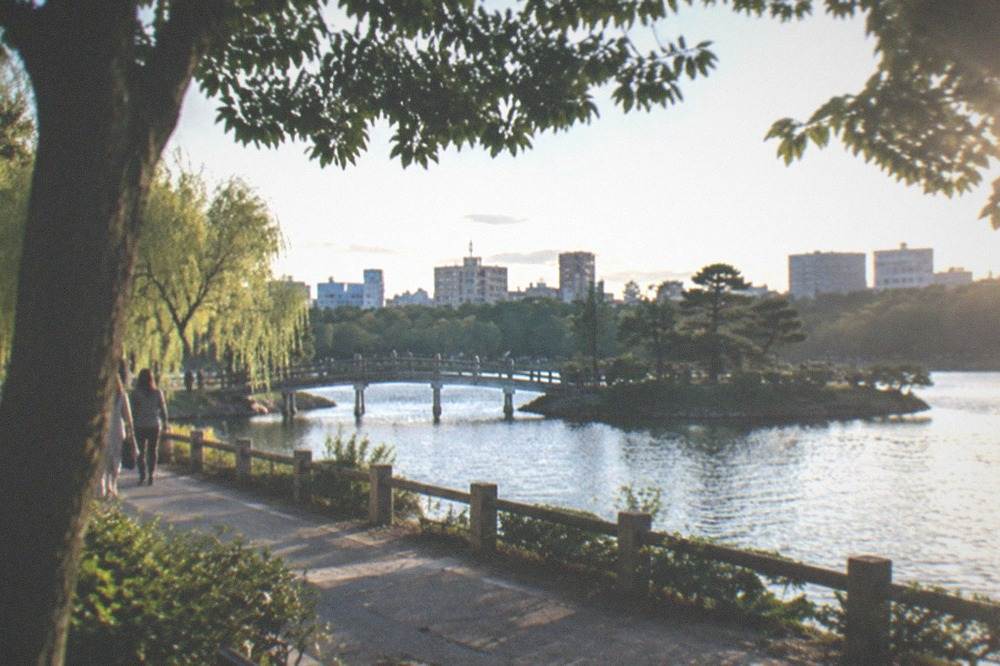
Move west on day two. Ohori Park is a former moat turned lake park, free and open all day, with a two kilometre waterside path. The Ohori Park Japanese Garden inside it charges ¥250 for adults and ¥120 for children, with under-6s and visitors 65 and over admitted free. Next door, the Fukuoka Castle ruins in Maizuru Park are free to wander, with one caveat: the Tenshudai, the stone base of the main keep, is closed to entry from 26 May 2026 until the end of December 2026 for an archaeological excavation. The dig is a story in itself: a document found in December 2024 described a keep that may never have existed, and the city is now excavating to find out.
| Sight | Area | Entry | What to know |
|---|---|---|---|
| Kushida Shrine | Hakata | Free grounds | Heart of the Yamakasa festival each July |
| Tochoji | Hakata Old Town | Free | Large seated wooden Buddha; hours not officially posted |
| Shofukuji | Hakata Old Town | Free | Japan's first Zen temple, founded in the 12th century |
| Canal City Hakata | Nakasu edge | Free | Shops 10:00 to 21:00, restaurants 11:00 to 23:00 |
| Ohori Park | West centre | Free | Lake path; Japanese garden ¥250 / ¥120 extra |
| Fukuoka Castle ruins | Maizuru Park | Free | Tenshudai closed until end of December 2026 |
| Fukuoka Tower | Momochi | ¥1,000 / ¥500 / ¥200 | 9:30 to 22:00, last entry 21:30 |
If you would rather have a local frame the first day, a guided walk is the efficient way to do it. The half-day Fukuoka Essentials: History, Culture, & Charms tour covers the historic east side with a guide, and it earns consistently strong feedback from a modest review pool. It suits day one, before you have your bearings.
For travellers who want the tower without the ticket queue, the admission ticket product in the list above can be bought ahead. For those with a spare full day later in the trip, the Beppu and Yufuin excursion in the same list is the classic first-timer's taste of Kyushu beyond the city.
Where Should You Eat on Your First Night?
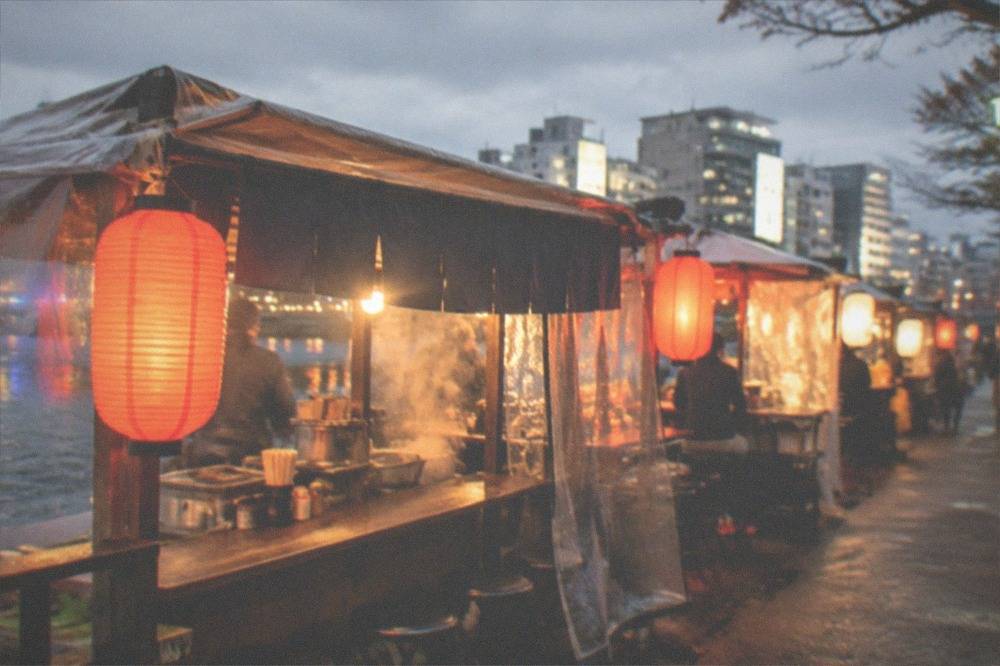
Eat at a yatai. Fukuoka's riverside food stalls are the city's signature evening, about 100 of them are licensed across the city, and no booking is needed or even possible: they take walk-ins only. Nakasu, along the Naka River, is the photogenic row; Tenjin is more scattered and local; Nagahama is the historic ramen row. Stalls set up from 17:00, typically open around 18:00 to 18:30, and close in the small hours.
The yatai are small, seat perhaps seven or eight people, and are a shared-bench experience by design. The city's own rules require every stall to display its prices clearly, and a dish priced on the day's market cost must show that day's actual figure rather than a vague "market price" label, which answers the question most first timers quietly have about being overcharged. Rain and strong wind close many stalls, so have a backup izakaya in mind, and note that payment methods vary stall to stall, with cash still the safest assumption.
| Area | Character | Best for |
|---|---|---|
| Nakasu | Riverside row by Seiryu Park, the postcard view | First night atmosphere and photos |
| Tenjin | Scattered along Watanabe-dori and Showa-dori | After-work local crowd, newer stalls |
| Nagahama | Near the old fish market, the historic ramen row | Tonkotsu purists |
Ordering is easier than first timers fear. Tonkotsu ramen is the default, and the kaedama system, a cheap noodle refill dropped into your remaining broth, is a Hakata institution. Yakitori, oden and tempura round out most stalls' menus. If the walk-in-only format feels intimidating on night one, a guided stall crawl solves it: a guide handles the ordering and the seating etiquette. The private Nakasu food stall tour with tastings is the roster's dedicated option for exactly that, with tastings built in.
Beyond the stalls, first-timer dishes to seek out in restaurants are motsunabe, a beef offal hotpot that is a Fukuoka winter standard, mentaiko, the spiced pollock roe the city exports nationwide, and goma saba, mackerel dressed in sesame. A food-focused visit can build entire days around them, and the Fukuoka food crawl itinerary is the plan for travellers whose trip is really about the eating.
How Many Days Do You Need in Fukuoka?
Three days is the right length for a first visit. Day one covers Hakata Old Town, Kushida Shrine, Canal City and the Nakasu yatai. Day two covers Ohori Park, the castle ruins, the art museums and Fukuoka Tower at night. Day three goes to Dazaifu. Two days works if you are fast, four or five lets you add Yanagawa, Itoshima or a Kyushu excursion without feeling packed.
The city itself is compact enough that two days genuinely covers the core, which is why the 2 day Fukuoka itinerary is a legitimate plan for a short stop. The risk with two days is that Dazaifu competes with the city for your one spare half-day, and most first timers regret choosing. Three days resolves it. The 3 day Fukuoka itinerary is the version most first timers should follow, and the detailed plan below mirrors it.
Longer stays change character rather than pace. Four days adds either Yanagawa's canal boats or the Itoshima coast, and the four day version of this plan splits that choice by season. Five days is enough to add one full-day Kyushu excursion, typically Yufuin and Beppu, and still leave breathing room. If you are truly short on time, a one-day distillation of the city exists, and the layover case, airport to city and back, is handled elsewhere on this Fukuoka Japan Travel Guide site in its own itinerary page. The one-day and layover plans sit alongside the weekend, kids, solo, budget and rainy-day versions in the itineraries section.
What Does a Three-Day First Trip Look Like?
A three-day first trip runs one day per cluster: east Hakata, west parks and tower, then Dazaifu. Each day has one anchor sight, one food focus and one evening activity, and no day needs more than a ¥640 subway day pass. Dazaifu day uses the Nishitetsu line from Tenjin, and the city plus Dazaifu Tourist City Pass at ¥2,800 fits that day if you hold a foreign passport on a short-stay visa.
| Day | Morning | Afternoon | Evening |
|---|---|---|---|
| 1 | Kushida Shrine and Hakata Old Town temples | Canal City Hakata and Kawabata arcade | Nakasu yatai along the Naka River |
| 2 | Ohori Park and Japanese Garden | Castle ruins and an art museum | Fukuoka Tower, open to 22:00 |
| 3 | Train to Dazaifu Tenmangu | Kyushu National Museum and the approach street | Back in Tenjin for motsunabe |
Day three deserves a note. Dazaifu Tenmangu is one of Japan's most important Tenmangu shrines, dedicated to the scholar deity Sugawara no Michizane, and the shrine's own FAQ states plainly that there is no entrance fee. The approach street, lined with shops selling Umegae Mochi, is half the experience. The shrine opens from 6:00 or 6:30 depending on season and closes between 18:30 and 19:30 depending on the month. Its main hall has been through a 124-year renovation cycle, and this guide deliberately makes no claim about the current state of the hall or the temporary structure that stood during the work, because the sources disagree.
How Much Should You Budget for a First Trip?
Budget the city's costs in three layers. Transport is cheap: ¥210 to ¥380 per subway ride, ¥640 for a day pass, ¥2,800 for the tourist city pass with Dazaifu. Sights are mostly free, with paid exceptions at ¥200 to ¥1,000 each: the Japanese Garden at ¥250, both city art museums' galleries at ¥200, the tower at ¥1,000. Food is where budgets move, and no official average exists for yatai spending, so check posted prices at each stall rather than trusting a guide's figure.
The admission layer is genuinely thin, and that is worth stating plainly because first timers often budget for a Kyoto-style ticket trail that Fukuoka does not have. The castle ruins, Ohori Park, Kushida Shrine, Tochoji, Shofukuji, Dazaifu Tenmangu and Canal City are all free to enter. The museums charge ¥200 general admission for their collections, free for junior high and under, and free for residents of Fukuoka, Kitakyushu, Kumamoto or Kagoshima aged 65 and over with ID.
| Cost layer | Typical figure | Official source |
|---|---|---|
| Subway single ride | ¥210 to ¥380 | City subway fare table |
| Subway day pass | ¥640 adult / ¥320 child | City subway |
| Tourist City Pass, city + Dazaifu | ¥2,800 adult, passport required | Official pass page |
| Ohori Park Japanese Garden | ¥250 adult / ¥120 child | Garden's official site |
| Art museum collections | ¥200 general / ¥150 student | Museum sites |
| Fukuoka Tower | ¥1,000 / ¥500 / ¥200 | Tower's official site |
| Core sights entry | Free | Shrine, park and temple sites |
Accommodation is the variable nobody can quote you honestly from a distance, because nightly rates move with demand, and this site does not print fares or rates it cannot verify. What can be said is structural: Hakata Station is the practical base for first timers because it puts the subway, the Nishitetsu line to Dazaifu and the Shinkansen under one roof, while Tenjin trades a slightly longer airport transfer for the shopping and dining district. The where to stay question is examined in depth elsewhere on this site.
When Is the Best Time for a First Visit?
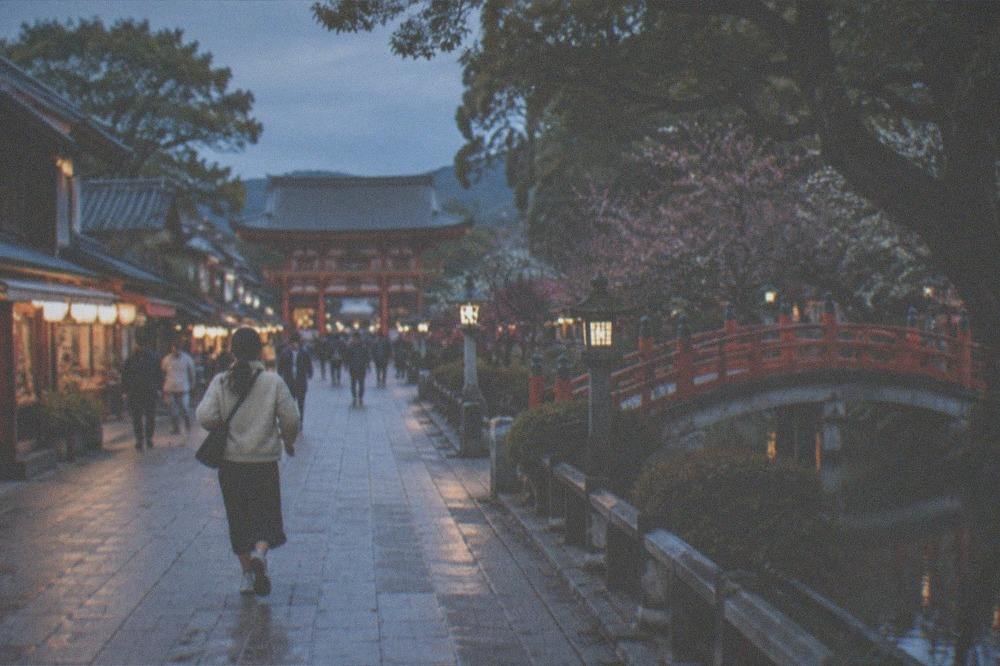
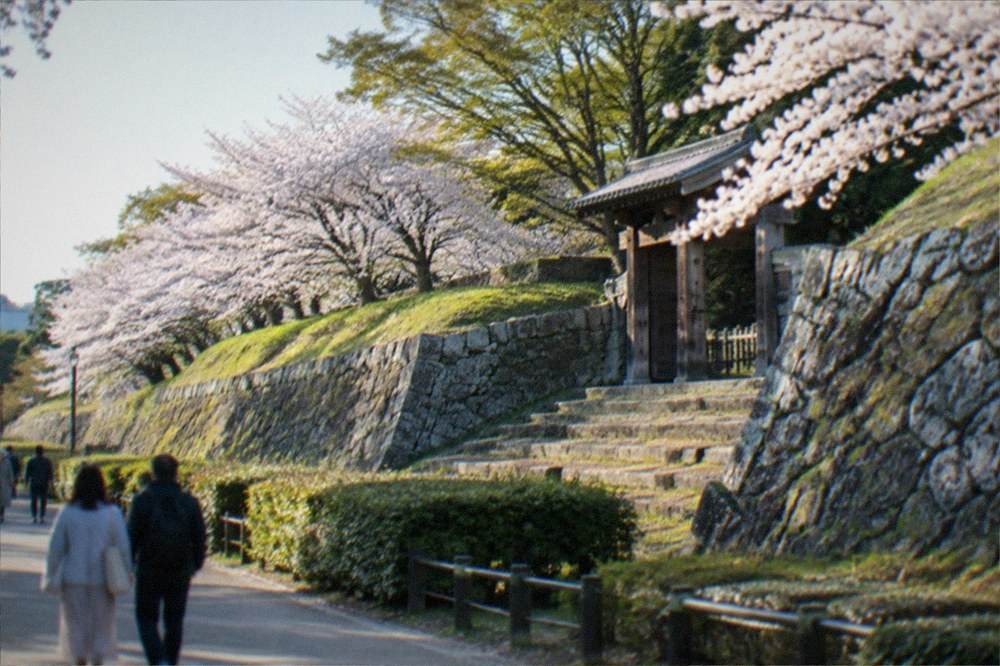
The best months for a first visit are March to May and October to November. Spring brings the cherry blossoms, with first bloom typically in late March and full bloom from the end of March into early April. Autumn colour peaks mid to late November. July and August are the hottest and wettest months, and typhoon season runs roughly July through October, which is a planning factor but not a reason to stay away.
The climate record backs this up. The Japan Meteorological Agency's 1991 to 2020 normals for Fukuoka put August as the hottest month at a 28.4 °C mean, with July close behind at 27.4 °C and carrying the year's heaviest rainfall at 299.1 mm. May is the standout pleasant month: a 19.9 °C mean, modest rainfall and the year's highest sunshine total. The full seasonal breakdown, month by month, is in the best time to visit Fukuoka guide, and the winter case, which is milder than most visitors expect, is argued in is December a good time to visit Fukuoka.
Festival dates matter more than temperature for many first timers. Hakata Dontaku fills the city centre on 3 and 4 May, and Hakata Gion Yamakasa runs 1 to 15 July, ending with the Oiyama race in the pre-dawn of the 15th. Neither has ticketing in the usual sense: both are street festivals you simply attend, and the festival guide on this site covers the Yamakasa viewing spots in detail. If your dates are flexible and you want the city at its calmest, avoid those two windows; if you want it at its loudest, aim straight at them.
Which Day Trips Are Worth Adding?
The day trips that earn their place for first timers are Dazaifu, Yanagawa and the Itoshima coast, all inside an hour of the city. Dazaifu is the culture pick, Yanagawa is the canal-boat pick, and Itoshima is the coast pick. With a full spare day, Yufuin and Beppu, Takachiho Gorge, and Mount Aso are the classic Kyushu excursions, and all are full-day trips, not half-day ones.
Distance discipline matters here because guides routinely blur it. Dazaifu, Yanagawa, Itoshima, Nokonoshima, Shikanoshima, Karatsu, Mojiko and Kitakyushu are all easy day trips from Fukuoka. Yufuin, Beppu, Mount Aso, Takachiho, Kumamoto and Nagasaki are full-day commitments with early starts, and describing them as half-day outings is the fastest way to ruin one. The day trips from Fukuoka page maps the whole set, and the Dazaifu day trip page goes deep on the one most first timers actually take.
For the city days themselves, a private guide is worth considering if you want the history explained rather than just seen. The private and personalized walking tour with a local is a two-hour format that suits a first morning, and the Fukuoka Essentials: History, Culture, & Charms half-day version covers more ground for travellers who want the fuller version. Both are walking formats, so they double as an orientation pass over the city's geography.
Common Questions About Visiting Fukuoka for the First Time
What Should First Timers Do In Fukuoka?
Spend day one on Kushida Shrine, the Hakata Old Town temples and the Nakasu yatai, day two on Ohori Park, the castle ruins and Fukuoka Tower, and day three in Dazaifu. Add a guided walk on the first morning so a local can orient you, and leave any fourth or fifth day for Yanagawa, Itoshima or a full-day Kyushu excursion.
Is Fukuoka Easy For First-Time Visitors?
Yes. The airport sits on the subway line with a ¥260 fare to Hakata Station, the three-line subway connects nearly every core sight, and the main sights cluster within short walks of each other. The city is compact by Japanese standards, and the station, subway and major sights all carry English signage.
Do You Need To Speak Japanese In Fukuoka?
You can manage a full first visit without Japanese. Subway ticket machines and station signage are in English, major attractions have English materials, and the yatai stalls are used to visitors pointing at posted menus. A few phrases help at food stalls, but the posted-price rule means ordering rarely requires conversation.
Is Hakata The Same As Fukuoka?
Yes. Hakata is a ward of Fukuoka and the name of the city's main station. There is no JR Fukuoka Station, and guides that treat Hakata and Fukuoka as two destinations are describing one city. The station is Hakata; the city is Fukuoka.
Can You Visit Fukuoka Without Booking Anything In Advance?
Largely yes. The core sights are free and unbookable, the yatai take walk-ins only, and subway tickets are bought on the day. The things worth booking ahead are a guided walk or food tour, a tower admission ticket if you want to skip the counter, and any full-day Kyushu excursion, since those run on fixed schedules.