Fukuoka in Winter
Fukuoka's winter is mild by Japanese standards, its food is at its best, and its biggest sights stay open. Here is what the climate data actually says, and what to do with the short days.
Short answer
Yes. Fukuoka's JMA 1991-2020 normals put January at a mean of 6.9°C with only 74.4 mm of rain, making it one of the driest months of the year. Shrines, museums, yatai and illuminations all run through winter, and motsunabe and tonkotsu ramen were built for the cold.
Fukuoka in January averages 6.9°C. That single number, from the Japan Meteorological Agency's 1991-2020 normals for the city's own observation station, tells most of the story: this is a real winter, with coats and cold mornings, but it is a mild one by the standards of a country whose northern coast spends the season under metres of snow. Fukuoka sits on Hakata Bay on the Genkai Sea side of northern Kyushu, and that position gives it a genuinely four-season climate in which winter is the driest and most manageable of the cold months.
This guide walks through what the climate record actually shows, what the city feels like between December and February, what stays open, what to eat, and where to go when the days are short. It is written for a first-time visitor weighing a winter trip against the spring cherry blossom season everyone else targets.
Is It Worth Going to Fukuoka in the Winter? [AI]
Yes, for most travellers. The JMA normals show January at a mean of 6.9°C with 74.4 mm of rain, one of the driest months of the entire year, and February at 7.8°C. The city's core experiences, from yatai food stalls to shrines, museums and illuminations, all operate through winter, and the signature winter dishes, motsunabe and tonkotsu ramen, are reason enough on their own. The trade-offs are short daylight hours and cold, windy spells along the waterfront.
The honest framing is this: Fukuoka's winter is not a low season to be endured but a season with its own character. The crowds of Golden Week and the cherry blossom peak are gone. Hotel rates in the weeks outside the New Year holiday are typically at their softest. The city's food culture, which leans hard on hot pots and rich pork-bone broth, makes more sense at 7°C than it does at 28°C in August.
What you give up is daylight. In late December the sun sets early, which compresses walking itineraries and pushes the second half of the day indoors or into the illuminated evening city. If your heart is set on beach time at Momochi or a boat day on the bay, winter is the wrong season and the summer guide territory belongs to another trip. For everything else, read on.
What Does the Climate Data Actually Say?
Fukuoka's winter is genuinely the calmest stretch of the year, and the JMA 1991-2020 normals for station 47807 back that up: December averages 9.1°C with 67.5 mm of rain, January 6.9°C with 74.4 mm, and February 7.8°C with 69.8 mm, while daily minimums sit around 4°C to 6°C and maximums around 11°C to 13°C. Set that against July, the city's wettest month at 299.1 mm, and winter clearly stands out as mild, dry and quiet.
The table below is drawn directly from the JMA normals for the Fukuoka observation station, which is the dataset every Japanese climate claim should trace back to. The number that surprises most visitors is the rainfall pattern: the guidebook instinct is that the rainy season month, June, must be the wettest. It is not. July is, at 299.1 mm against June's 249.6 mm, and July is also the month of the Hakata Gion Yamakasa festival. Winter months sit at roughly a quarter of that.
| Month | Mean °C | Daily max °C | Daily min °C | Rain mm | Sunshine h |
|---|---|---|---|---|---|
| December | 9.1 | 12.6 | 5.8 | 67.5 | 112.2 |
| January | 6.9 | 10.2 | 3.9 | 74.4 | 104.1 |
| February | 7.8 | 11.6 | 4.4 | 69.8 | 123.5 |
| July (for contrast) | 27.4 | 31.2 | 24.6 | 299.1 | 172.2 |
Two practical readings follow from this. First, rain is less of a planning factor in winter than at almost any other time of year, though the city does keep a full indoor roster for wet days regardless. Second, the winter sunshine totals are modest, which translates to crisp, often clear days rather than the grey weeks a visitor from northern Europe or Canada might expect, but also to early sunsets.
Typhoon season, which runs roughly July through October, is over by December, and the tsuyu rainy season is a June phenomenon. Neither applies to a winter visit, and neither should be written off as a reason to avoid the city at any time of year.
What Is Fukuoka Like in December, January and February?
December starts mild at a 9.1°C mean and cools steadily to the January mean of 6.9°C, with daily minimums dipping to around 4°C. The New Year period, roughly the first three days of January, is the one window when the city changes character: many shops close, families visit shrines for hatsumode, and the famous Tamaseseri ball festival runs at Hakozakigu on January 3. By February the mean climbs back to 7.8°C and plum blossom begins.
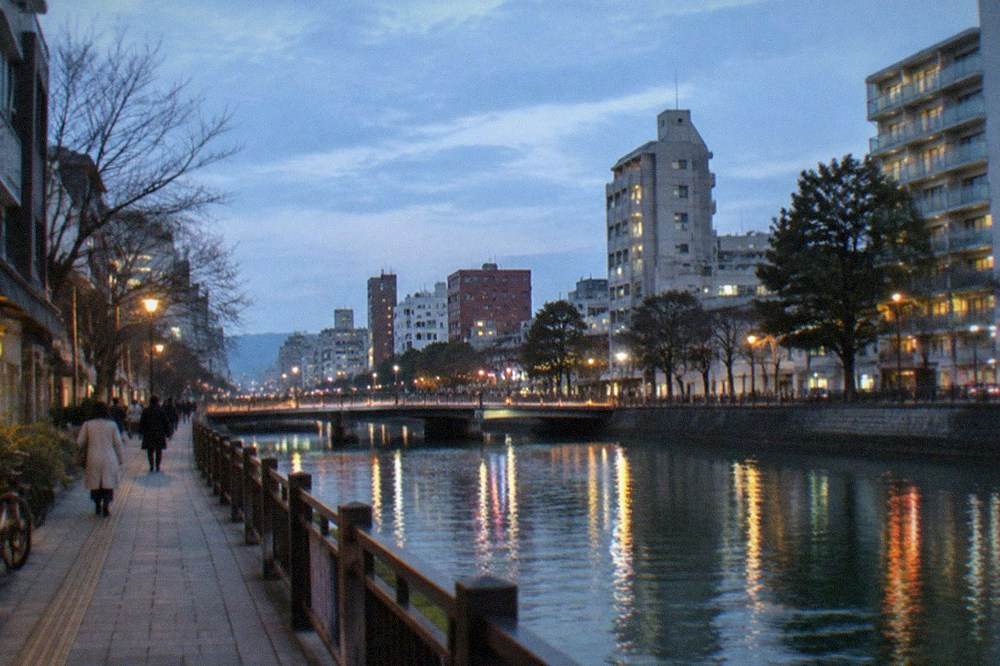
December is the illumination month. The city's Christmas Advent programme runs across multiple venues from early or mid-November toward December 25, with light displays around the waterfront and shopping districts. The Fukuoka illuminations guide covers the venues and the best viewing order for a short evening walk. Fukuoka Tower also runs seasonal exterior displays, an autumn moon-viewing motif into late September and a Christmas tree theme from early November into December.
January is quiet, cold and local. The first week carries the New Year shrine visits, with Kushida Shrine, Hakata's tutelary shrine, among the busiest. The rest of the month is the softest visitor period of the year, and the one where a yatai stool is easiest to get. February brings the first hints of spring: plum blossom appears in parks, and by late February the earliest cherry forecasts start appearing in the national press, though Fukuoka's sakura itself peaks in late March into early April.
What Are the Best Things to Do in Fukuoka in Winter?
The winter shortlist is hot food, indoor culture and clear-air viewpoints. Motsunabe hot pot and tonkotsu ramen are the seasonal anchors. The city's museums, the teamLab Forest immersive art space, calligraphy and craft workshops, and the shrine and temple circuit all work well in cold weather. Clear winter days also give the year's best visibility from Fukuoka Tower and the castle ruins, and the November sumo tournament has ended but morning practice visits continue.
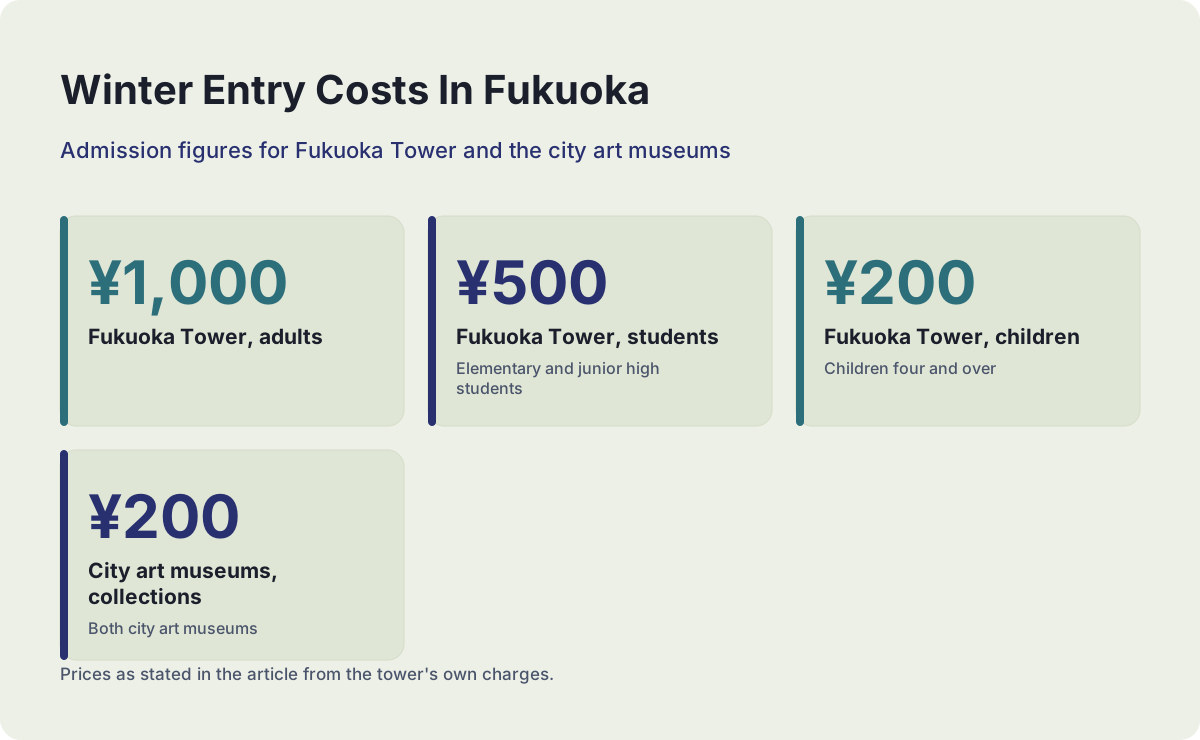
Start with the indoor roster. teamLab Forest, in the BOSS E・ZO FUKUOKA building beside the Mizuho PayPay Dome, is a fully indoor immersive art experience that works whatever the weather; the ticketed experience runs one to two hours and is covered on the teamLab Forest page. Both city art museums charge only ¥200 for their collections, are free for under-15s, and close on Mondays and Wednesdays respectively, so check the day of the week against your plans. The Fukuoka Art Museum sits inside Ohori Park, which pairs naturally: the park's 2 km lakeside loop is a brisk winter walk, and the museum is the warm-up.
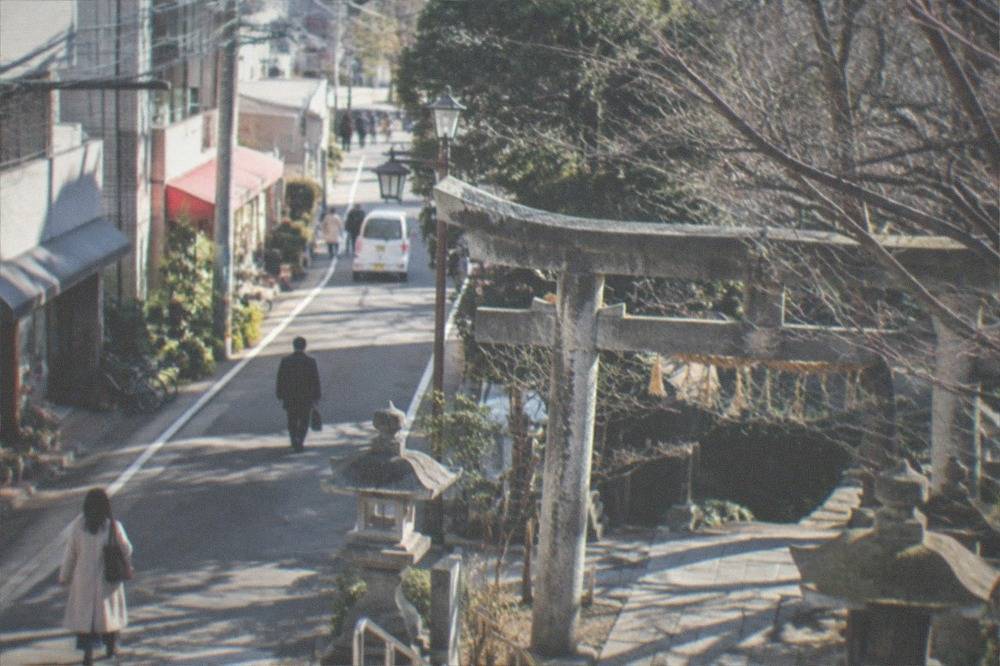
The shrine and temple circuit is a winter natural. Tochoji, home of the Fukuoka Daibutsu, one of Japan's largest seated Buddha statues, is free to enter, and Shofukuji, the country's first Zen temple, founded at the end of the twelfth century, costs nothing to walk. Jotenji, the temple credited with originating the yatai and the Gion Yamakasa festival, sits in the Hakata old town a few minutes from Kushida Shrine. All are close together, so the whole circuit fits a single cold afternoon with a hot drink stop built in.
Winter light is the season's quiet advantage. Cold, dry air means the views from Fukuoka Tower, at 234 m the tallest seaside tower in Japan, reach further than in the humid summer. The tower is open 9:30 to 22:00 with last admission at 21:30, and admission is ¥1,000 for adults, ¥500 for elementary and junior high students and ¥200 for children four and over, per the tower's own charge page. Note the annual closure on 28 and 29 June 2027, which does not affect winter visits. For a full comparison of the city's lookouts, see the Fukuoka viewpoints guide.
One winter-specific note on the castle: the Tenshudai, the stone base of the main keep at the Fukuoka Castle ruins in Maizuru Park, is closed to entry from 26 May 2026 until the end of December 2026 for an archaeological excavation. The dig was prompted by a document found in December 2024 describing a keep that may never have been built, and the city has since expanded the excavation area. The park grounds around it remain free and open, and the site's own pages carry the details. If your trip falls in the 2026-27 winter holidays, the castle ruins page is the place to re-check before you go.
What Should You Eat in Fukuoka in Winter?
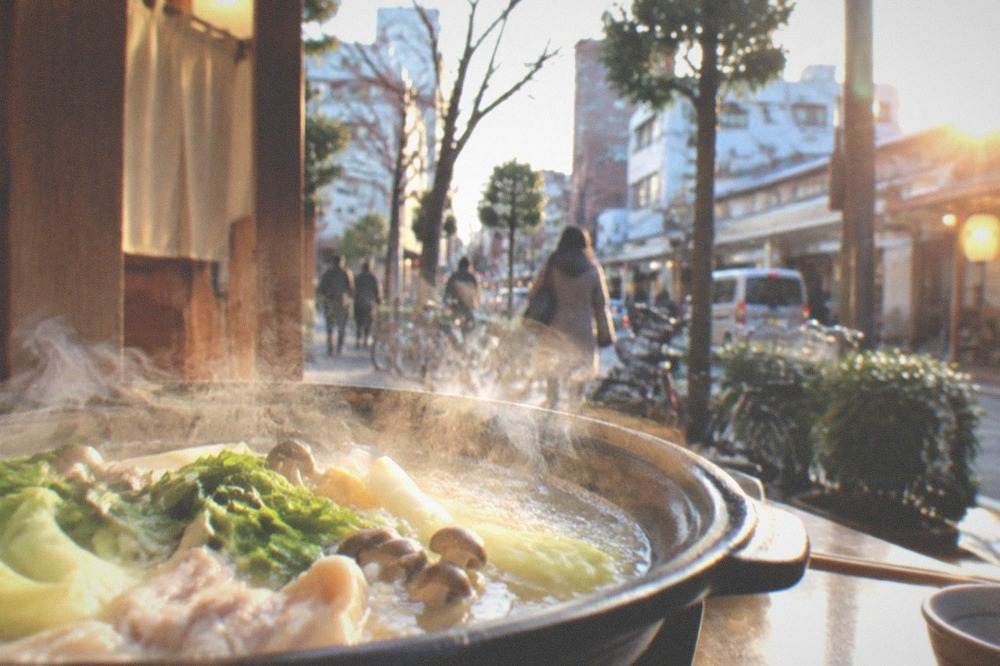
Motsunabe is the winter dish: a beef offal hot pot cooked at your table with cabbage, garlic and chili, eaten in the Nakasu and Hakata districts from roughly November through March. Tonkotsu ramen, the pork-bone broth Hakata is famous for, also peaks in cold weather, and the roughly 100 licensed yatai stalls operate all winter, with hot oden and yakitori suiting the season. Winter is also when fugu, blowfish, appears on specialist menus.
The logic of Fukuoka food inverts with the temperature. In summer the city eats light; in winter it eats heavy, and the heavy dishes are the ones it is nationally known for. Motsunabe is the clearest case: it was born in Kurume and perfected in Fukuoka's postwar food stalls, and it is a cold-month dish almost by definition, a bubbling pot shared between two or more people. The Fukuoka food guide covers the restaurant landscape and what to order when the menu is only in Japanese.
Tonkotsu ramen needs no season but earns one. The rich, milky broth that defines Hakata ramen is at its most persuasive at 6°C, and the kaedama system, ordering an extra noodle refill for your remaining broth, makes more sense when the bowl stays hot to the end. The yatai stalls, concentrated in Nakasu along the Naka River, in Tenjin and in Nagahama, run through winter with only weather closures, and the city's ordinance requires every stall to post its prices visibly, so the bill is never a surprise. Rain and strong wind close a lot of them, which is the honest planning note: check the evening's weather before setting out for a stall dinner. The wider set of guides lives on Fukuoka Japan Travel Guide.
| Winter dish | What it is | Where it is best |
|---|---|---|
| Motsunabe | Beef offal hot pot with cabbage, garlic, chili, cooked at the table | Nakasu and Hakata restaurant districts |
| Tonkotsu ramen | Rich pork-bone broth with thin noodles, kaedama refills | Hakata ramen shops and yatai |
| Oden | Simmered daikon, egg and fish cakes in dashi | Yatai stalls, convenience stores citywide |
| Udon | Fukuoka's softly textured noodle in hot dashi | Traditional udon shops in Hakata old town |
| Fugu | Blowfish sashimi and hot pot, seasonal | Specialist restaurants, winter menus |
For a structured evening, a guided yatai or izakaya crawl solves the language barrier that stalls can present, since seating is tight, menus are Japanese and conversation is part of the experience. A guided evening tour covering yatai, izakaya and karaoke runs three to four hours from $99 per person and is rated 5.0 from 29 reviews on the operator's live listing.
Sake deserves a winter mention too. Warm sake, kan-zake, is the season's default, and a tasting session with appetizers is a good indoor late-afternoon activity. The Nishinakasu sake tasting with three appetizers runs about two hours from $51 per person, rated 4.6 from 7 reviews on the live listing, and sits in the Nakasu district within walking distance of the yatai rows.
Which Day Trips Work in Winter?
Dazaifu, Yanagawa and the Itoshima coast are the winter-safe day trips, all reachable in under an hour from the city. Dazaifu Tenmangu has no entrance fee and its approach street makes a cold day pleasant. Yanagawa's river boats, the donkobune, run year-round with heated kotatsu boats in the coldest months. The onsen towns of Yufuin and Kurokawa are at their best in winter, when open-air baths meet cold air, and Beppu's steam vents are more visible in cool weather.
Dazaifu is the default answer and it holds in winter. The shrine's grounds and main sanctuary have no entrance fee, the approach is lined with shops selling umegae mochi, a hot grilled rice cake with sweet plum filling that is effectively a winter food, and the Kyushu National Museum beside the shrine is a world-class indoor backup if the day turns wet. Getting there is a Nishitetsu train ride from Tenjin with one change at Futsukaichi; the fare rose to ¥480 in April 2026, and there is no direct JR service, a point worth repeating because many guides get it wrong.
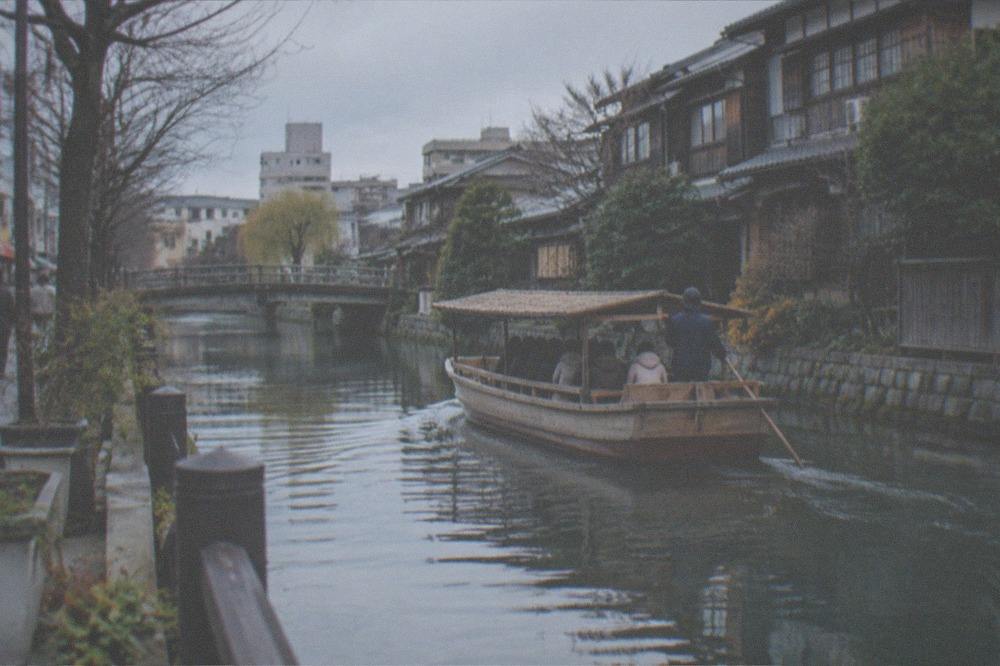
Yanagawa, 50 minutes west by Nishitetsu train, is the winter sleeper. The donkobune punts drift through the town's old canal network, and in the coldest weeks the boats are fitted with kotatsu, heated table blankets, so you glide through the canals with your legs warm under the table. It is one of the few Japanese boat experiences that genuinely improves with cold weather.
The onsen towns scale up in effort and reward. Yufuin and Beppu sit about two hours away across the mountains in Oita Prefecture, and a combined day tour covering Beppu's famous "hells", the steaming hot spring vents, plus Yufuin runs about ten hours from $59 per person, rated 5.0 from 7 reviews on the live listing. Kurokawa Onsen, deep in the Aso region, is a full-day trip and one of Japan's most atmospheric onsen villages in snow. The trade-off for all of these is mountain roads in January and February, so check conditions if you are driving rather than taking a tour bus.
| Day trip | Travel time from Fukuoka | Winter appeal |
|---|---|---|
| Dazaifu | Under 1 hour by Nishitetsu | Free shrine grounds, hot umegae mochi, national museum |
| Yanagawa | About 50 minutes by train | Heated kotatsu river boats |
| Itoshima coast | About 1 hour by car or tour | Empty winter beaches, oyster shacks in season |
| Yufuin and Beppu | About 2 hours | Open-air baths in cold air, visible steam vents |
| Kurokawa Onsen | Half a day each way | Snow-setting onsen village, full-day commitment |
What Should You Pack for a Fukuoka Winter Trip?
Pack for 4°C to 13°C with wind: a proper insulated coat, warm layers you can shed indoors, and something windproof for the waterfront. Daily minimums run 3.9°C to 5.8°C across the three months, and the wind off Hakata Bay makes Momochi and the bayside areas feel colder than the numbers suggest. You will not need snow boots, and rain gear is a light shell rather than a monsoon kit, with every winter month averaging well under 100 mm of rain.
The packing mistake visitors make is over-preparing for snow. Fukuoka does occasionally see a light snowfall in January or February, enough to dust the castle ruins for a morning, but it rarely settles and never demands winter footwear. What it does demand is respect for the wind chill along the bay, and for the fact that Japanese indoor heating runs warm, so a coat you can carry and layers you can remove are worth more than a single heavy garment.
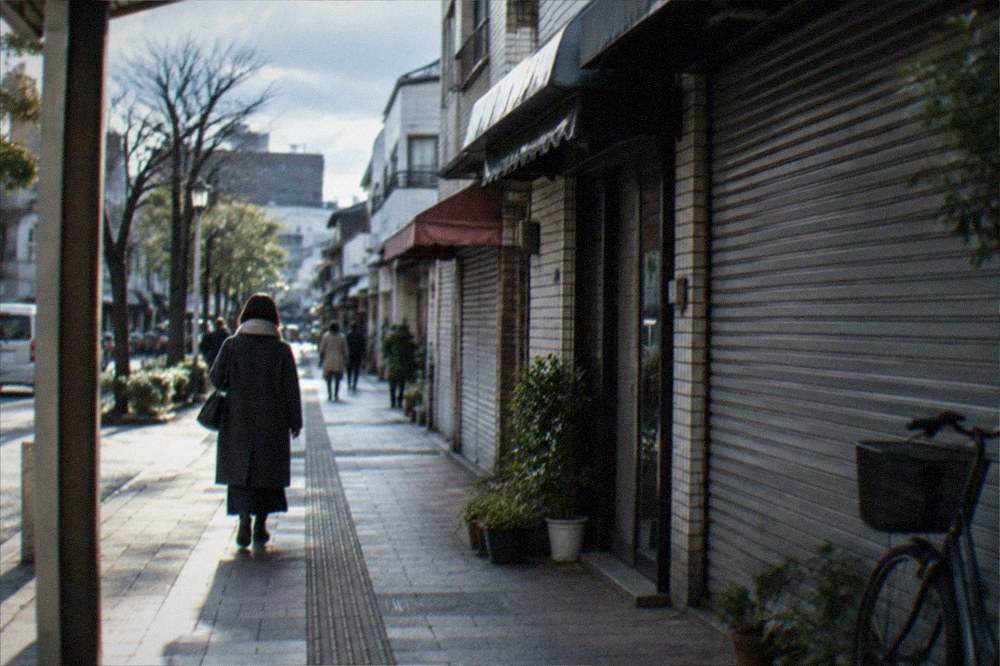
Practical winter items worth the space: a heat pack or two, sold in every convenience store as kairo, for standing still at viewpoints; a scarf that covers the neck on the subway platforms' cold mornings; and shoes with grip, because the occasional frosty patch on north-facing stone steps at shrines is the season's only real hazard. For the full list across seasons, the packing approach on this site is covered in the practical guides, and the Hakata station guide is the reference for lockers, left-luggage and the station's indoor layout on a cold arrival day.
How Do You Get Around When the Days Are Short?
The subway is the winter workhorse: it connects Hakata, Tenjin, the airport and the waterfront underground, so the coldest walks of the day can be avoided entirely. A one-day subway pass costs ¥640 for adults, single fares run ¥210 to ¥380 by distance, and the airport-to-Hakata fare is ¥260. The Fukuoka Tourist City Pass, at ¥2,500 for the city version or ¥2,800 with Dazaifu, is restricted to overseas tourists on short-stay visas and requires a passport check at the counter.
The subway's value in winter is structural, not just thermal. All three lines, the Airport Line, the Hakozaki Line and the Nanakuma Line, meet the core visitor geography, and the Airport Line's ¥260 fare from Fukuoka Airport to Hakata reflects how unusually close the airport sits to the centre, a genuine Fukuoka advantage that no official source attaches a minute figure to despite the "five minutes" every competitor guide prints. What is verified is the fare and the closeness itself.
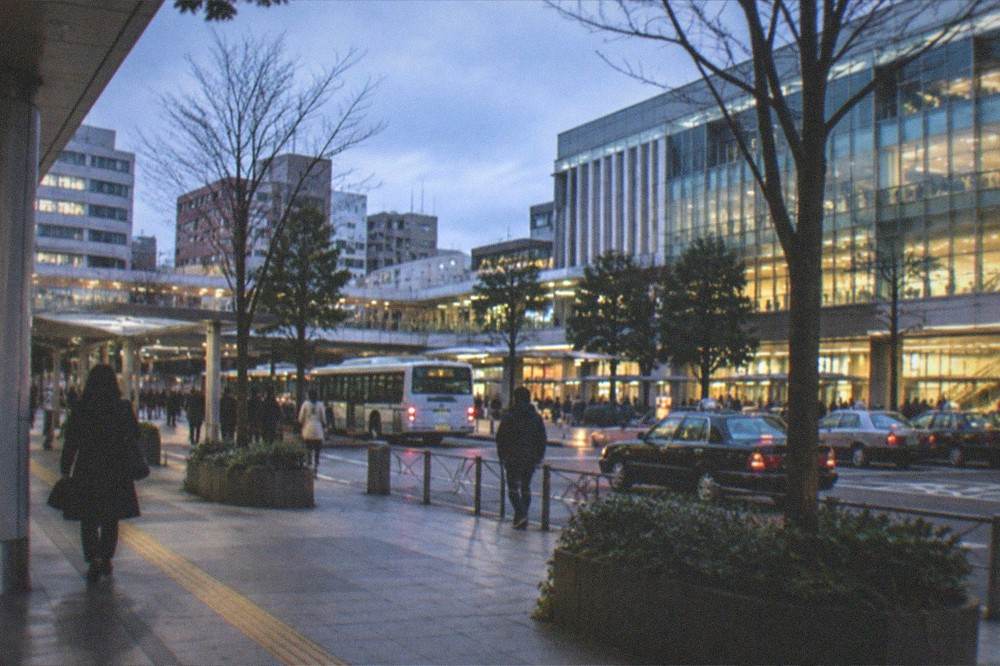
For day trips, the transport question is Nishitetsu versus JR, and the answer depends on direction: Nishitetsu owns the Dazaifu and Yanagawa corridors, JR Kyushu owns the long-distance routes to Kitakyushu and beyond. If your winter plan stacks several long JR days, the JR rail pass options for Fukuoka set out when a pass pays for itself. Note that Hakata to Kokura by Shinkansen runs on JR West's Sanyo line and is not covered by JR Kyushu passes, a detail that catches out pass-holders heading toward Mojiko and Kitakyushu.
| Ticket | Price | What it covers |
|---|---|---|
| Subway single fare | ¥210 to ¥380 by zone | All three subway lines, distance-based |
| Subway 1-day pass | ¥640 adult, ¥320 child | Unlimited subway, purchase day only |
| Fukuoka Tourist City Pass | ¥2,500 city / ¥2,800 with Dazaifu | Subway, Nishitetsu, some JR, ferries; passport required |
| Nishitetsu 1-day bus pass | ¥1,200 adult | City buses, with attraction discounts |
The Tourist City Pass details above come from the city's own pass page, which also lists where the paper version is sold: Nishitetsu Tenjin Expressway Bus Terminal, Hakata Bus Terminal, Fukuoka Airport, and the Tenjin and Hakata subway customer centres.
One Hakata geography note that belongs in every planning conversation: Hakata and Fukuoka are the same city. Hakata is the ward and the station name, Fukuoka is the city, and there is no "Fukuoka Station" on the JR network, the station is Hakata. Guides that treat them as two destinations are describing a place that does not exist.
Common Questions About Fukuoka in Winter
Is It Worth Going To Fukuoka In The Winter? [AI]
Yes. January averages a mean of 6.9°C with only 74.4 mm of rain, the city's food peaks in cold weather, and the illuminations, museums, shrines and yatai all operate through the season. The trade-offs are short daylight hours and cold spells along the waterfront.
How cold does Fukuoka get in winter?
The JMA 1991-2020 normals show daily minimums of 3.9°C in January, 4.4°C in February and 5.8°C in December, with daily maximums of 10°C to 13°C. It is a real winter that requires a proper coat, but far milder than Tokyo's snowbelt neighbours or the Sea of Japan coast.
Does it snow in Fukuoka?
Occasionally. Light dustings happen in January and February, enough to whiten Maizuru Park for a morning, but snow rarely settles and winter footwear is unnecessary. The bigger winter weather factor is wind off Hakata Bay along the waterfront.
Is January a good time to visit Fukuoka?
January is the quietest visitor month with the softest hotel rates outside the New Year holiday window. The first week brings shrine visits and the Tamaseseri ball festival at Hakozakigu on January 3, and the rest of the month is calm, cold and local.
Are the yatai food stalls open in winter?
Yes, the roughly 100 licensed stalls operate year-round and hot dishes suit the season. There is no city-mandated closing day, but rain and strong wind close many stalls, so check the evening weather before walking to Nakasu or Tenjin.
What is the best winter day trip from Fukuoka?
Dazaifu is the easiest, under an hour by Nishitetsu train with free shrine grounds and hot umegae mochi on the approach. Yanagawa's heated kotatsu river boats are the most winter-specific, and the onsen towns of Yufuin and Beppu reward the longer two-hour journey.