Fukuoka Private Tours
A private guide in Fukuoka is not a luxury add-on. It is the difference between a day written in advance and a day that bends with the weather, your energy and what you actually like eating.
Short answer
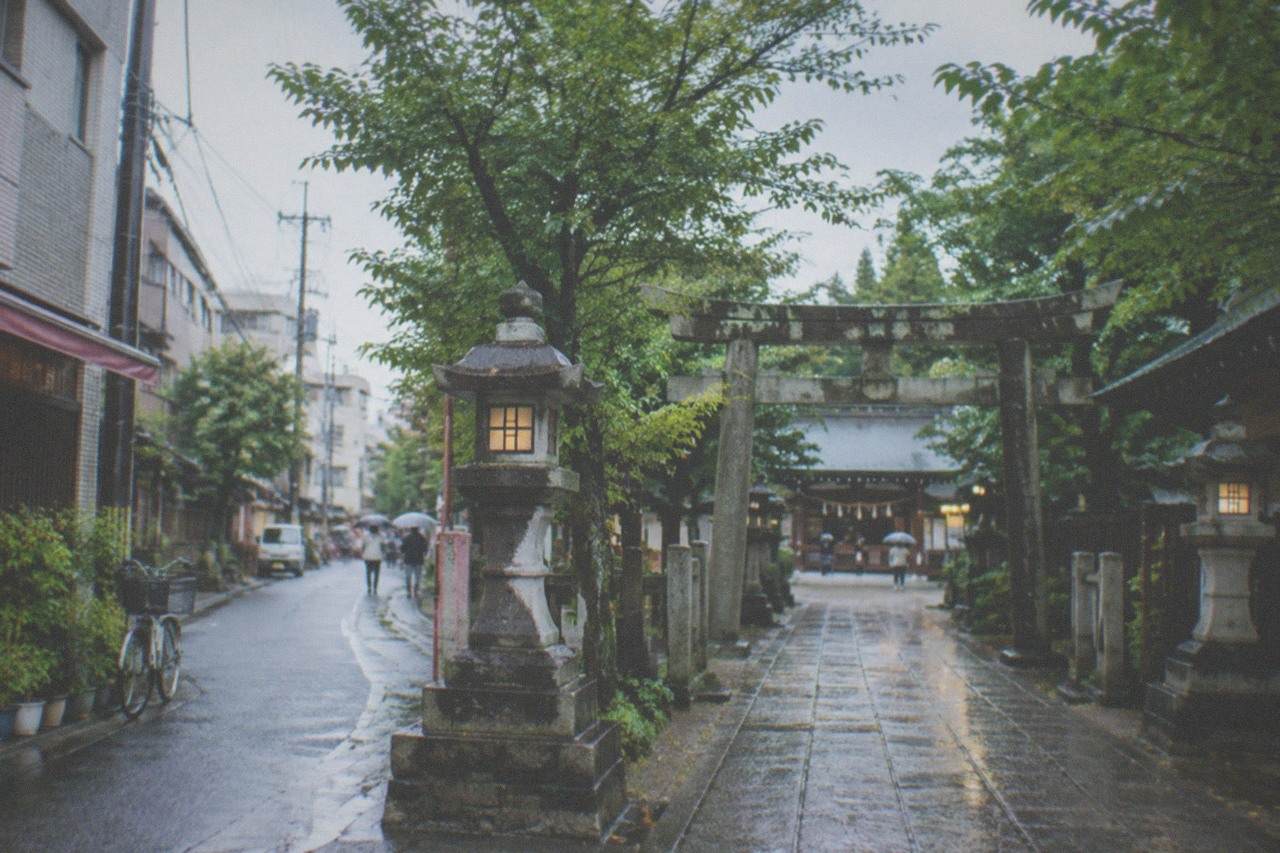
A private guide in Fukuoka turns a rainy day from a washout into a reroute: covered arcades, museum galleries and yatai-adjacent izakaya instead of a scrapped park plan. Private tours here run from short walking formats to full-day licensed-guide days, and the best ones are built around the city's real weather patterns.
Fukuoka gets 1,686.9 mm of rain a year. That single figure, from the Japan Meteorological Agency's 1991 to 2020 normals for the city's own weather station, explains why the question people actually ask about private tours here is not "is it worth the money" but "what happens when it pours". The honest answer is that a good private guide is the only planning tool you can buy that rewrites itself at 8 a.m. when the radar turns green.
This page lays out what a private guide genuinely changes, what the formats cost in structure and time, and how to pick between the licensed-guide day tours and the shorter local-host walks sold across the city. Where a figure matters, it comes from the city's own published data, and where something varies tour to tour, this guide says so instead of inventing a number.
What Does a Private Guide Change About a Rainy Day in Fukuoka?
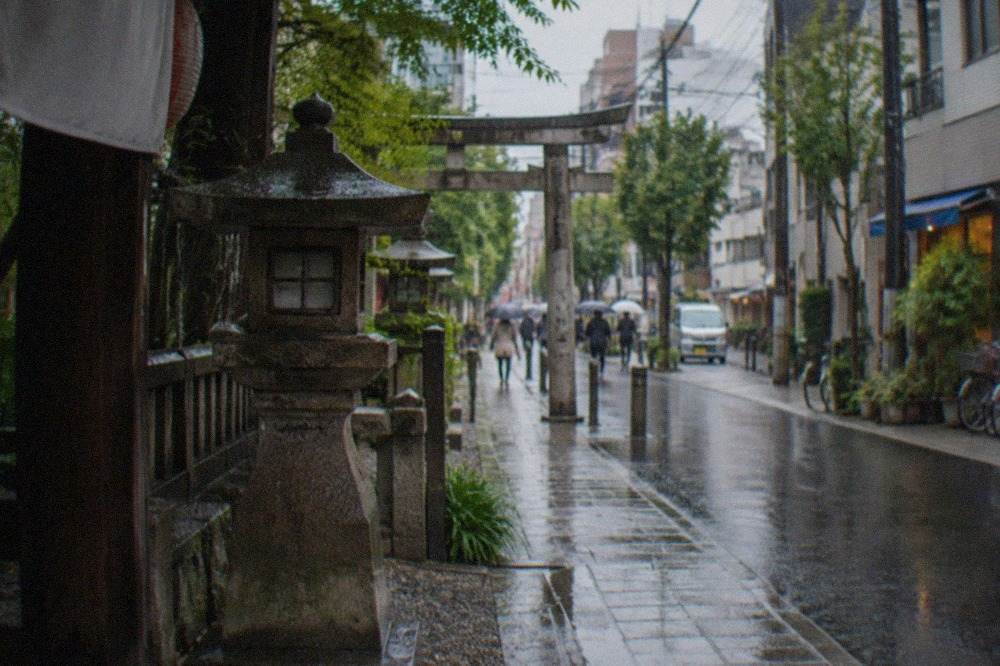
A private guide turns a rainy day from a cancelled plan into a rebuilt one. Instead of standing at Ohori Park in the drizzle wondering what went wrong, you get moved in minutes to the covered Kawabata Shopping Arcade, the Fukuoka Art Museum, or a motsunabe restaurant with a table already in mind. The guide carries the alternative plan; you carry an umbrella. That reroute, done well, is the single biggest thing a private booking buys in a city where July alone averages 299.1 mm of rain.
The counterintuitive fact about Fukuoka's weather is that July, not June, is the wettest month. The JMA normals for station 47807 put July at 299.1 mm against June's 249.6 mm, even though June is the tsuyu rainy season and July is when the city stages its biggest festival, Hakata Gion Yamakasa. August, by contrast, is hotter than July and drier than both, banking 200.9 sunshine hours. A guide who knows the city plans around this rhythm rather than around the folklore that June is the month to avoid.
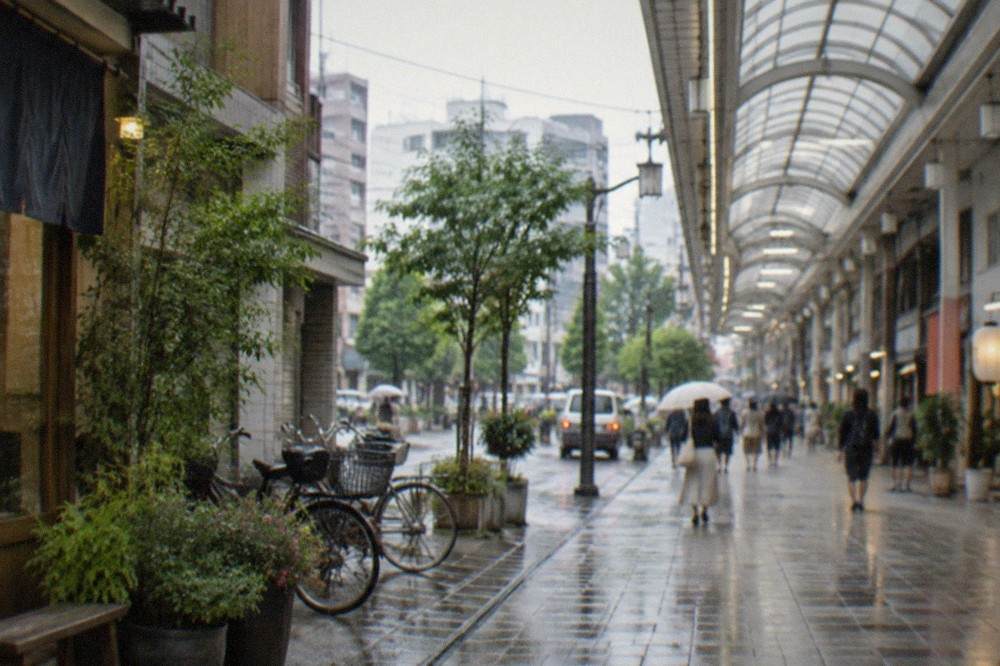
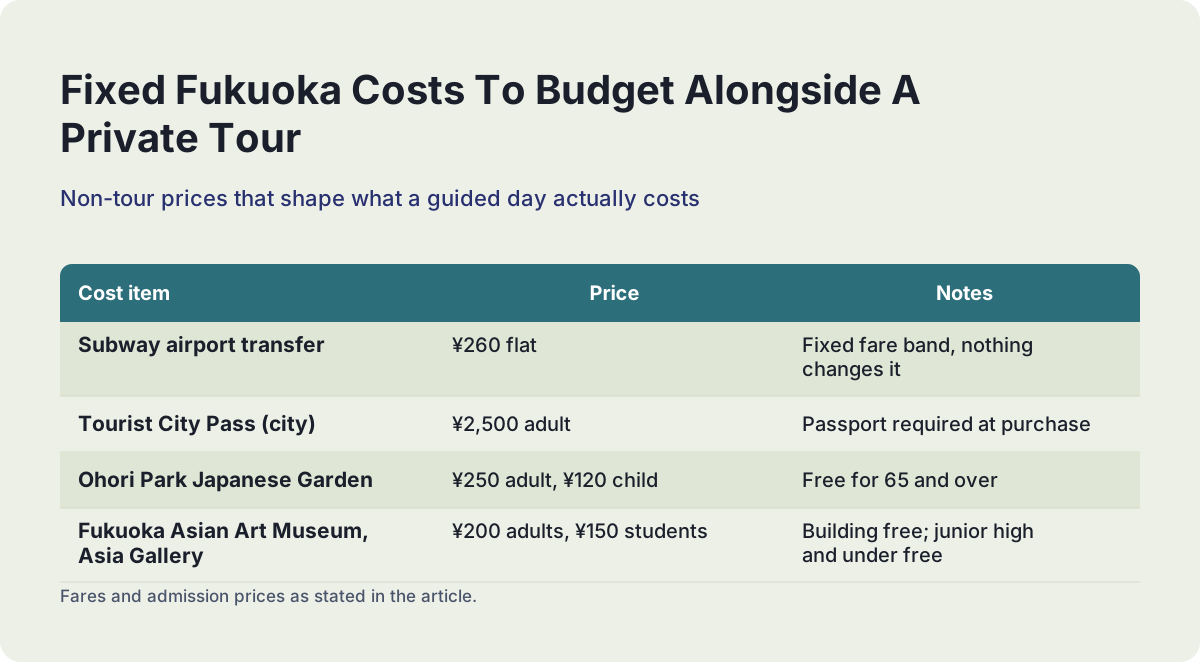
What that means practically is indoor depth. The Fukuoka Asian Art Museum's building is free to enter, and only the Asia Gallery charges, at ¥200 for adults and ¥150 for high school and university students, with junior high and under free. The Fukuoka Art Museum, run by the city, charges ¥200 and ¥150 on the same pattern. The Ohori Park Japanese Garden, which holds up beautifully under an umbrella, costs ¥250 for adults and ¥120 for children. A private guide strings these into a route with zero waiting in the wrong queue.
None of this is secret information. What a guidebook cannot do is apply it at speed, on the day, to your group. That is the product.
Timing matters as much as routing. Because July overlaps with both the wettest month of the year and Hakata Gion Yamakasa, a guide booking in that window is not hedging against rain so much as accepting it as a condition of the trip, and building the day so a downburst costs an hour rather than the afternoon. The same logic applies to the Fukuoka Castle Tenshudai closure running from 26 May 2026 to the end of December 2026: a guide who has checked the excavation dates swaps the castle out before you have traveled there, while a guidebook reader only finds out at the gate.
The pricing pattern above also works in a group's favor on a wet day. With the Fukuoka Asian Art Museum's building free to enter and junior high school students and under paying nothing at the Asia Gallery, a family can spend an hour indoors for very little, which makes it an easy first stop while the guide reworks the rest of the route around the rain.
What Can a Private Guide Do That a Guidebook Cannot?
A private guide does three things no guidebook manages: they read your reactions and adjust, they translate in real time at stalls and counters where English is thin, and they unlock routing decisions that depend on live local knowledge. Which yatai row is actually open tonight, which museum closes Mondays, which subway exit saves a ten-minute walk in the rain. The book prints the city; the guide navigates the version you are standing in.
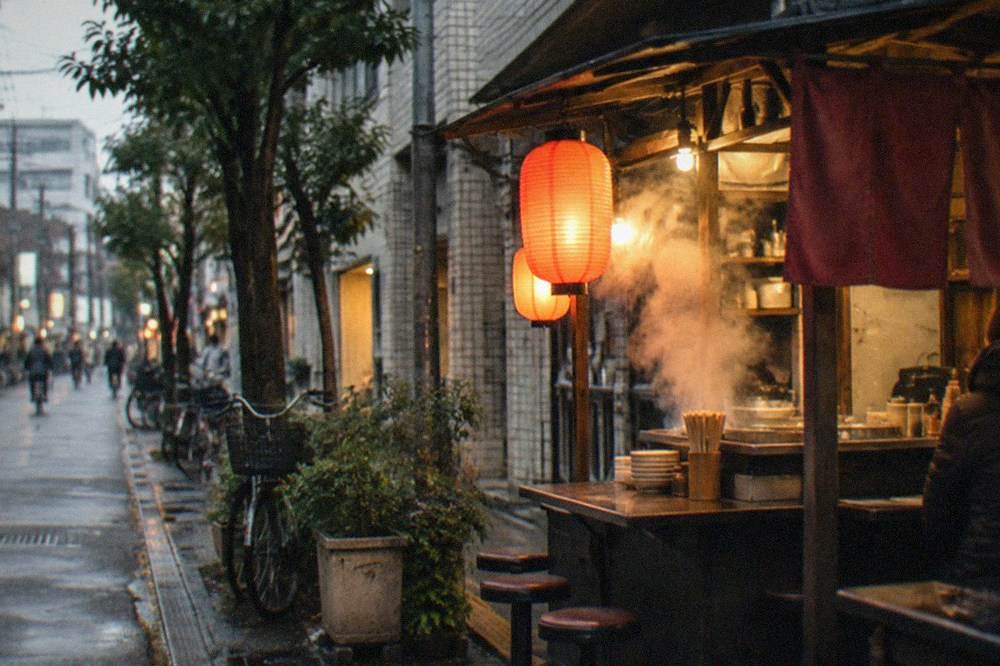
The translation point deserves more weight than it usually gets. Fukuoka's food culture runs through small counters: about 100 licensed yatai stalls across the city, plus izakaya and ramen shops where the menu is Japanese-only and the interaction is half the meal. The city's own yatai ordinance requires prices to be displayed where customers can easily see them, and bans vague "market price" pricing, which removes the fear of being overcharged. But posted prices do not explain what motsunabe is, or that kaedama is how you order a ramen noodle refill. A guide does.
The second thing is pace. Group tours run on a timetable because they must. A private guide can spend ninety minutes in Dazaifu Tenmangu's approach because you are enjoying it, or skip a listed stop because your feet hurt. On a short trip that flexibility is worth more than any single attraction. If you are still deciding how many days to allocate, the Fukuoka rainy day itinerary shows what a weather-proof plan looks like when nobody is guiding you, which is the honest baseline to measure a private day against.
The third thing is access to judgment. A licensed guide, and Japan licenses these through a national examination, has studied the history in depth. Ask why Hakata and Fukuoka are the same city, or why there is no JR Fukuoka Station, and a good guide gives you the merchant-town story rather than a shrug. Those two facts alone, which competitor guides routinely get wrong, change how you read every map in the city.
For readers who want the same flexibility in a food-first frame, the Fukuoka food tours guide breaks down the guided options by neighbourhood and cuisine, and the Fukuoka yatai guide covers the stalls themselves, which take walk-ins and never need a booking of their own.
Which Private Tour Format Fits Your Trip?
The licensed-guide full day suits first visits and cruise-length stays; the short customisable walk suits a half-day or an evening; the food-stall private tour suits anyone whose trip is really about eating. The formats differ in duration, in who leads them, and in how much of the route you control. Picking the wrong one wastes less money than picking the wrong day, but both mistakes are avoidable.
The full-day customised format, led by a nationally licensed guide, is the anchor product. You agree a route in advance, meet at your hotel or a station concourse, and spend roughly six hours on a mix of the classics and whatever you have asked for. The licensed-guide day is the one to pick when you want the history explained properly, not just pointed at.
Shorter formats trade depth for fit. A two-hour private walk can slot into an arrival afternoon, and an evening private tour can build a first night around the yatai and izakaya without the guesswork. The Fukuoka walking tours guide compares the guided walks, including the honest answer that there are no free walking tours in Fukuoka, which the free walking tour answer page sets out in full.
| Format | Typical length | Who leads it | Best for | Route control |
|---|---|---|---|---|
| Licensed-guide full day | About 6 hours | Nationally licensed guide | First visit, deep history | You set stops in advance |
| Customisable private walk | 2 to 6 hours | Local host | Half-days, layovers, evenings | Fully flexible on the day |
| Private food-stall tour | About 2 hours | Local food guide | Eating-focused trips | Set area, flexible stalls |
| Private day trip beyond the city | 9 to 13 hours | Driver-guide or licensed guide | Repeat visitors, cruise stops | Fixed destination, loose timing |
One structural note: Hakata and Fukuoka are the same city, and the main station is Hakata, not a "Fukuoka Station" on the JR network. Any meeting-point instruction that reads otherwise is a warning sign about the tour operator's local knowledge.
How Much Should You Expect to Pay for a Private Guide?
Private tours in Fukuoka are priced per person, not per group, and the spread is wide: short customisable walks sit at the accessible end, licensed-guide full days cost more because you are paying for a national qualification, and full-day private excursions to Nagasaki sit at the top because a vehicle and a full day of a guide's time are in the price. The exact figure for any specific tour shows on its live listing, and comparing three or four listings is the only reliable way to budget.
What drives the price is not mystery labour. It is duration, the guide's credential, and whether a vehicle is involved. A licensed guide has passed the national tourism examination, and their day rate reflects that. A local host on a two-hour walk is cheaper per hour because the format is lighter. A private transfer-plus-guide day to another prefecture prices in fuel, tolls and parking. The wider set of guides lives on Fukuoka Japan Travel Guide.
Two Fukuoka-specific costs are worth knowing because they are not tour costs at all. The subway fare from Fukuoka Airport to Hakata Station is ¥260, verified from the operator's official fare bands, and the airport is unusually close to the city centre, which is true and sourced even though the famous "five minutes" claim no official page confirms. And the Fukuoka Tourist City Pass, at ¥2,500 for the city version and ¥2,800 with Dazaifu included, covers a day of subway, bus, train and ferry rides, but only for overseas tourists on a short-stay visa, with a passport checked at the counter. Many guides will build a day that assumes you hold one.
| Cost item | Typical range | What changes it |
|---|---|---|
| Short private walk (2 hours) | Lowest per-person tier | Group size, meeting point |
| Licensed-guide full day | Mid tier | National licence, about 6 hours |
| Private day trip with vehicle | Highest tier | Distance, tolls, guide's full day |
| Subway airport transfer | ¥260 flat | Nothing, it is a fixed fare band |
| Tourist City Pass (city) | ¥2,500 adult | Passport required at purchase |
| Ohori Park Japanese Garden | ¥250 adult, ¥120 child | Free for 65 and over |
For a full budget frame, the Fukuoka trip cost guide works through accommodation, food and transport together, which is where the private tour decision belongs.
Can a Private Guide Take You Beyond the City?
Yes, and this is where the private format earns its premium. Fukuoka is the rail and road hub of northern Kyushu, with Dazaifu, Yanagawa and Itoshima reachable in under an hour and Nagasaki, Yufuin and Beppu as full-day destinations. A private excursion means one pickup, one narrative thread and no coach-load timing. The trade is cost: a private day trip prices a vehicle and a guide's full day, so it suits groups and cruise passengers more than solo travellers.
The geography is genuinely on your side. The day trips from Fukuoka guide maps the near options, and the Fukuoka day tours guide compares the shared-vehicle versions, which cost less per person and run to a fixed timetable. That comparison is the real decision: shared tours trade flexibility for price, private ones the reverse.
A private guide also handles the seasonal traps. Typhoon season runs roughly July through October, and the live western Pacific feed sometimes carries an active system; a guide monitoring that will reschedule a coastal day to an inland one before you have thought to ask. In late 2026 there is a concrete example: the Fukuoka Castle Tenshudai is closed from 26 May until the end of December for an archaeological excavation, prompted by a document found in December 2024 describing a keep that may never have existed. A guide who knows that does not walk you to a closed gate.
What Should You Ask a Private Guide Before Booking?
Ask five things before you pay: whether the route is fixed or flexible, what happens in heavy rain, whether food and transit are included, what the cancellation terms are, and whether the guide is nationally licensed or a local host. None of these are awkward questions, and the answers tell you more about the day you will get than any listing photograph. The rain question matters most in this city.
The rain question deserves its own sentence because Fukuoka's rainfall is not evenly spread: July's 299.1 mm makes a wet-day plan a probability, not a contingency. A guide who answers "we will move to the arcades and museums" is a guide who has done this before. A guide who answers "it rarely rains here" has not read the city's own weather record.
| Question to ask | What a good answer sounds like |
|---|---|
| Is the route fixed? | "We start with your list and adjust on the day." |
| What is the rain plan? | Named indoor stops, not "it rarely rains". |
| Are food and transit included? | A clear yes or no, with examples. |
| What are the cancellation terms? | A plain statement of the window and refund. |
| Licensed or local host? | A direct answer; both are fine, but know which. |
Etiquette is worth a minute of preparation too. The Fukuoka etiquette guide covers the basics, and the yatai etiquette guide is essential reading if your private evening ends at a stall, because stall seating is tight, cash is still king at many counters, and the posted-price ordinance means you can check the menu without asking.
Is a Private Tour Better Than a Group Tour in Fukuoka?
A private tour is better when your time is short, your interests are specific, or the weather is uncertain; a group tour is better when the budget is fixed and the destination is far. Fukuoka rewards the private format more than most Japanese cities because its best content is small, scattered and interactive: stalls, arcades, shrine approaches and counter restaurants. A group sees those; a private tour participates in them. Neither is universally correct.
The honest comparison is about where the value lands. A shared coach to Takachiho Gorge or Mount Aso delivers distance cheaply, and the roster's long-distance day tours do exactly that. A private guide delivers density: more stops per hour, more conversation per stop, and a route that reacts. If your trip is three days or fewer, density wins.
| Factor | Private tour | Group tour |
|---|---|---|
| Flexibility on the day | Full reroute possible | Fixed timetable |
| Cost per person | Higher | Lower |
| Translation at counters | One-to-one | Shared, sometimes absent |
| Best trip length | 1 to 3 days | 3 days and up |
| Weather response | Immediate | Rarely |
| Best use | City and near day trips | Long-distance sights |
Whatever you choose, book the format that matches your first night, not your last. A private evening walk early in the trip teaches you the city's geography, the subway lines and the yatai rows, and everything after that gets cheaper and easier. That is the quiet argument for the private format in Fukuoka: it is a map, a translator and a rain plan, bought once at the start.
Common Questions About Private Tours in Fukuoka
What Does A Private Guide Change About A Rainy Day In Fukuoka?
A private guide replaces a washed-out plan with a working one: covered arcades, the city's two art museums, the Ohori Park Japanese Garden under an umbrella, and counter restaurants instead of open-air viewpoints. With July averaging 299.1 mm of rain, the wettest month of the year, a guide who can reroute in minutes is the most useful thing you can book.
How much does a private tour in Fukuoka cost?
Private tours are priced per person and vary widely by format. Short customisable walks with a local host sit at the accessible end, licensed-guide full days cost more, and private vehicle excursions to destinations such as Nagasaki sit at the top because a full day of a guide's time plus a vehicle is in the price. The exact figure for any specific tour shows on its live listing.
Do I need to book a yatai stall in advance?
No. The yatai take walk-ins and cannot be reserved. Only guided yatai crawls are bookable products. The city's ordinance requires every stall to post its prices visibly, so you can read a menu before you sit down.
Is a licensed guide worth it over a local host?
If you want the history explained in depth, yes: licensed guides have passed Japan's national guiding examination. If you mainly want company, navigation and food recommendations, a local host walk delivers that at a lower tier. Both formats are sold across the city.
Can a private guide handle a typhoon-season trip?
Yes, and they are the best tool for one. Typhoon season runs roughly July through October, and a guide monitoring the live forecasts will move a coastal day inland or reschedule before you lose the day. Neither typhoon season nor the June tsuyu makes the city unvisitable.
Where do private tours in Fukuoka usually meet?
Most meet at your hotel, Hakata Station or a central landmark such as Kushida Shrine. Note that the main station is Hakata; there is no JR Fukuoka Station, and Hakata and Fukuoka are the same city, so a meeting point in either name is a meeting point in the same place.