Is the Japan Rail Pass Worth It from Fukuoka?
Most Japan Rail Pass advice is written for people landing in Tokyo and riding the shinkansen west. Starting from Fukuoka flips the maths completely, and for many travellers the honest answer is that the nationwide pass is the wrong tool for the job.
Short answer
For most Fukuoka-first trips, no. The nationwide Japan Rail Pass is priced for long-distance shinkansen running, and Kyushu's best day trips run on private railways, buses and ferries the pass does not cover. The pass only earns its cost if you leave Kyushu for Osaka, Kyoto or beyond, or ride the Kyushu shinkansen end to end.
Fukuoka breaks the standard Japan Rail Pass spreadsheet. Almost every calculator, forum thread and guide assumes you arrive in Tokyo, spend a week riding the shinkansen down to Hiroshima or Kyushu, and fly home. Start in Fukuoka instead and the geography inverts: the city sits at the western edge of the national rail network, the biggest destinations nearby are on private lines, and the long shinkansen runs the pass was priced around now lie in the wrong direction.
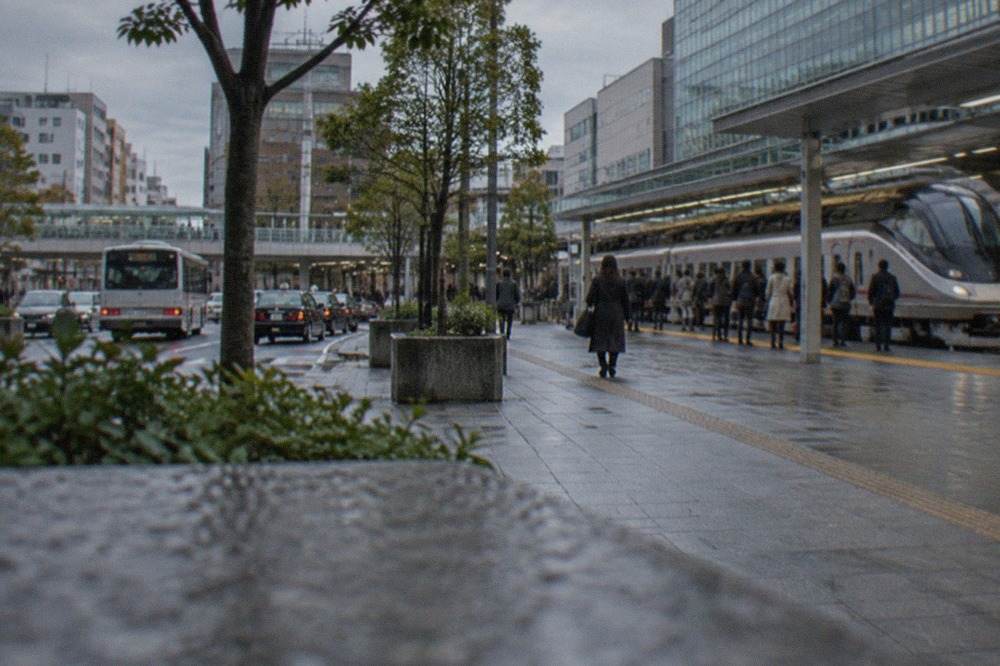
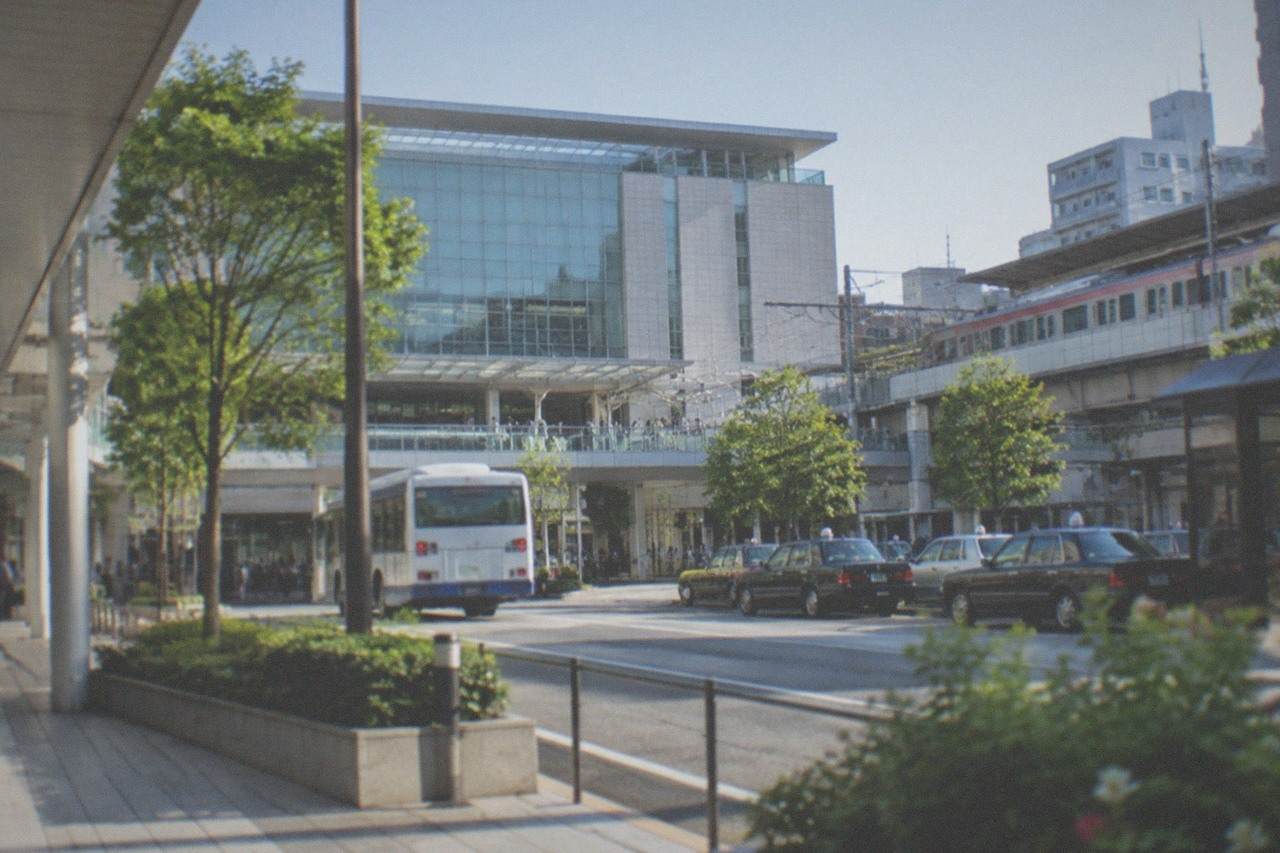
There is also a naming trap that catches a surprising number of visitors before any ticket is bought. There is no JR Fukuoka Station: the rail hub of Japan's fifth-largest city is Hakata Station, in the Hakata ward of Fukuoka. Hakata and Fukuoka are the same city, not two stops on a route, and the nationwide Japan Rail Pass, the regional JR Kyushu passes and every shinkansen in northern Kyushu all converge on that one station. This page, part of the Fukuoka Japan Travel Guide, works through the decision from a Fukuoka starting point: what the pass covers here, what it misses, and the trips where a different ticket wins outright.
How the Japan Rail Pass Works When You Start in Fukuoka
The nationwide Japan Rail Pass covers JR trains across the whole country for a fixed period, including the Kyushu shinkansen from Hakata, but it excludes every private railway in Fukuoka's backyard: Nishitetsu to Dazaifu and Yanagawa, the subway, the ferries and almost every bus you would actually use. From Fukuoka, the pass is a long-distance ticket, not a city-and-region ticket, and that single distinction drives the whole decision.
Practically, the pass is an exchange order you validate before your first JR ride. From Hakata Station it unlocks the Kyushu shinkansen toward Kumamoto and Kagoshima, JR limited expresses such as the Sonic to Kitakyushu and the Yufuin no Mori toward Yufuin and Beppu, and local JR lines around the prefecture. Those are genuinely good trains. The problem is what sits outside the pass boundary, because Fukuoka's most popular short trips do not run on JR metal at all.
Dazaifu, the single most-visited day trip from the city, is reached on the Nishitetsu railway from Tenjin, not on JR. Yanagawa, the canal town, is the same line. The subway that connects Hakata, Tenjin and the airport is a municipal railway. Nokonoshima and Shikanoshima involve ferries. Itoshima's coast is mostly reached by bus or rental car. A traveller who buys the nationwide pass expecting it to carry them around Fukuoka's neighbourhood will find that the pass stays in their pocket most of the time, and the pocket is where an expensive ticket goes to waste.
The Japan Rail Pass is also not sold with a published yen figure on this site, because its pricing is single-read only and moves with exchange rates and policy changes. Check the current price on the official operator's page before doing any maths, and treat any competitor guide quoting a firm figure without a source with suspicion. What can be said with confidence is the structural fact: the pass is priced around multiple long shinkansen sectors, and a Fukuoka start makes those sectors harder to accumulate.
Is the Japan Rail Pass Worth It When Starting from Fukuoka?
For a trip that stays inside Kyushu, the pass is usually not worth it: the region's headline destinations are either on private railways the pass ignores or close enough that individual fares stay low. The pass starts to pay only when Fukuoka is your departure point for the main island of Honshu, with Osaka, Kyoto, Tokyo or Hiroshima in the itinerary, and even then the arithmetic depends on how many long sectors you actually ride rather than how many days you are in Japan.
Start with the honest case against. A Fukuoka traveller spending four days in the city, a day in Dazaifu, a day at the coast and an evening at the yatai stalls will ride JR almost never. The subway handles the city, Nishitetsu handles Dazaifu, and the famous tonkotsu ramen row is a walk from Nakasu. For that profile, the pass is a pure loss, and the money is better spent on the local tickets covered further down this page.
The case for the pass is the long-haul case. Hakata is the western terminus of the Sanyo shinkansen, which means a pass holder can ride from Fukuoka to Hiroshima, Osaka, Kyoto and Tokyo without buying another ticket, and the sector from Hakata to Tokyo alone is one of the longest and most expensive rail journeys in the country. A route that starts in Fukuoka, sweeps east across Honshu and flies home from Tokyo is the shape of trip the pass was designed for, and starting in Fukuoka rather than Tokyo can even outperform the classic direction because the expensive sectors are stacked at the start rather than rationed at the end.
The middle case is where most people land, and it deserves a blunt verdict. If your trip is Kyushu plus one dash to Osaka or Hiroshima, compare the nationwide pass against a regional JR Kyushu pass for the Kyushu days plus a single reserved shinkansen fare for the dash. The regional option often wins, because you are not paying nationwide coverage for days spent inside a single prefecture. The dedicated JR Kyushu rail pass guide breaks that comparison down with the regional options side by side, and the Kyushu itinerary from Fukuoka shows how much of the island a rail-centred route can realistically cover.
What a Japan Rail Pass Actually Covers in Kyushu
Inside Kyushu the nationwide pass covers the Kyushu shinkansen from Hakata to Kagoshima, JR limited expresses including the Sonic, the Yufuin no Mori and the Hayatoki-style coastal runs, and all JR local lines, which is a generous network on paper. What it does not cover is the Nishitetsu railway to Dazaifu and Yanagawa, Fukuoka's municipal subway, city buses, the ferries to Nokonoshima and Shikanoshima, and the Dazaifu Tabito liner bus, which together account for more visitor-days in Fukuoka than JR does.
The coverage split matters because Fukuoka's tourism map and its rail map are different maps. The JR network from Hakata runs east and south: Kitakyushu and Mojiko on the Sonic, Yufuin and Beppu on the Yufuin no Mori, Kumamoto and Kagoshima on the shinkansen. That is a superb set of day trips, and a pass holder can ride all of them without touching a ticket machine. The wider Kyushu guide lays out what each of those corridors offers.
But the western and northern highlights are largely off-network. Nokonoshima Island Park, with its seasonal flower fields, sits across a short ferry from Meinohama and on no rail line at all, so no rail pass of any kind helps there. A guided option such as the Colors of Japan Nokonoshima and wagyu barbecue tour bundles the ferry, the park and lunch into one booking, which is exactly the kind of logistics a rail pass cannot solve.
Dazaifu Tenmangu is the clearest example of the gap. The shrine is the most famous day trip from Fukuoka, it is reached by Nishitetsu from Tenjin with a change at Futsukaichi, and the shrine's own visitor pages confirm there is no entrance fee at Dazaifu Tenmangu. The journey sits comfortably inside an afternoon, and the nationwide pass contributes nothing to any part of it. The same applies to Yanagawa's canal boats, to the Itoshima coast, and to the airport link: Fukuoka Airport connects to Hakata on the city subway's Kuko line for a verified ¥260, a fare derivable from the official fare table's 3 to 7 km band, and the airport's unusual closeness to the centre is one of the city's real advantages, though this site prints no journey time in minutes because no official page states one.
| Trip from Fukuoka | Operator | Covered by nationwide JR Pass? | Notes |
|---|---|---|---|
| Hakata to Kumamoto or Kagoshima | Kyushu shinkansen | Yes | The pass's strongest Kyushu asset |
| Hakata to Yufuin or Beppu | JR limited express | Yes | Yufuin no Mori requires a reservation |
| Hakata to Kokura, Mojiko, Kitakyushu | JR limited express and local | Yes | Sonic runs frequently |
| Tenjin to Dazaifu | Nishitetsu railway | No | The most popular day trip of all |
| Tenjin to Yanagawa | Nishitetsu railway | No | Canal boats sold separately |
| Fukuoka Airport to Hakata | City subway, Kuko line | No | ¥260 adult single fare |
| Meinohama to Nokonoshima | Ferry and island bus | No | No rail line on the island |
| City centre to Itoshima beaches | Nishitetsu train and bus | Partially at best | Coastal stops mostly bus-served |
One more boundary worth knowing: the Sanyo shinkansen east of Hakata, toward Hiroshima, Osaka and Tokyo, is JR West infrastructure, and nationwide pass holders can ride it, but that is precisely where the pass's value is earned rather than spent. A Kyushu-only traveller never touches it, which is why the regional-versus-national question exists at all.
Japan Rail Pass or JR Kyushu Rail Pass: Which Fits a Fukuoka Trip?
If every night of your trip is spent in Kyushu, the regional JR Kyushu pass is the better instrument: it covers the same JR trains inside the region, it exists in shorter durations that match a Fukuoka-centred trip, and it costs less than nationwide coverage you would never use. The nationwide pass wins only when Honshu destinations are genuinely in the plan, and the deciding question is whether you will ride the Sanyo shinkansen east of Hakata at all.
The regional logic is simple. JR Kyushu sells its own pass family covering all or part of the island, and this site's fact pack flags that its current prices are single-read only, so check the operator's official rail pass page for live figures rather than trusting a blog that quoted them once. What is stable is the structure: a Kyushu pass covers the shinkansen to Kagoshima, the limited expresses to Yufuin and Beppu, and the northern network around Hakata, which is everything a Kyushu-only itinerary needs.
The nationwide pass, by contrast, is a country-wide commitment. Its price is set high enough that a Kyushu-only user would need an aggressive schedule of long limited-express runs to break even, and most Fukuoka-first travellers do not ride that hard. A typical week here is two or three JR day trips plus city days on the subway, and the subway days earn the pass nothing.
There is also a hybrid worth considering: no pass at all. Individual JR fares in Kyushu are moderate by national standards, and a traveller doing one Yufuin day and one Kumamoto day may find two reserved round trips cheaper than any pass, regional included. The break-even question is the only question, and the answer changes with every added sector. Sit down with the live prices on the official pages and count your own planned rides before committing, because the pass-versus-tickets arithmetic is personal, not general.
| Itinerary shape | Best ticket | Why |
|---|---|---|
| Fukuoka city only, 3 to 4 days | Subway tickets or day pass | JR barely used; subway day pass is ¥640 |
| Fukuoka plus Dazaifu and Yanagawa | Nishitetsu tickets or day pass | Private line; no rail pass applies |
| Fukuoka plus 2 to 3 JR day trips in Kyushu | Individual JR fares or regional pass | Count sectors first; passes often lose narrowly |
| Full Kyushu loop, 7 to 10 days | JR Kyushu regional pass | Dense JR usage inside the region |
| Kyushu then Osaka, Kyoto or Tokyo | Nationwide Japan Rail Pass | Long Sanyo shinkansen sectors justify it |
| Fukuoka then Hiroshima and back | Compare pass vs return fares | Single sector may not clear the bar |
Day Trips from Fukuoka That No Rail Pass Covers
The trips Fukuoka locals rate highest are mostly outside the JR network: Dazaifu and Yanagawa on Nishitetsu, the Itoshima coast by bus, Nokonoshima by ferry, and the yatai stalls of Nagahama, Nakasu and Tenjin on foot. For these, the right tickets are Nishitetsu fares, the city subway's ¥640 day pass, or nothing at all, and a guided tour can replace the logistics a pass was never going to handle anyway.
Take Dazaifu first, because it is the one every visitor asks about. The route is Nishitetsu from Tenjin with a quick change at Futsukaichi, and the journey sits comfortably inside an afternoon. No JR pass touches any part of it. Nishitetsu also runs its own city day pass, verified at ¥1,200 for adults and ¥600 for children, which covers the company's buses and trains and carries attraction discounts; the operator's English-language pages detail the current coverage and the counter purchase process. It is the natural ticket for a Dazaifu or Yanagawa day.
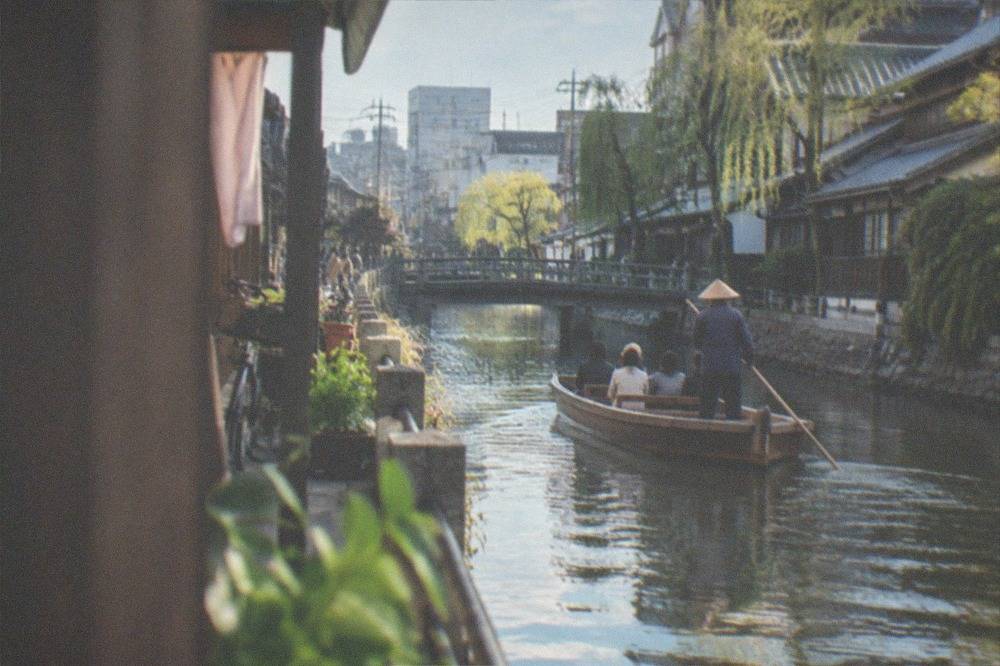
Yanagawa, the canal town south of the city, pairs well with the tea country around Yame, and that combination has become popular enough that a scheduled bus tour exists: the multi-departure YokaBus tea fields, Yame and Yanagawa river boat day runs from Fukuoka for 9 hours 30 minutes, is rated 4.9 from 29 reviews, and starts at $92 per person. For a traveller without a car, that tour does in one booking what a rail pass cannot do at any price, because neither the tea fields nor the boat dock are on JR lines.
The Itoshima coast is the same story with better beaches. The peninsula west of the city holds the swimming spots and sunset viewpoints that Fukuoka residents actually use, and reaching them means Nishitetsu trains part of the way and buses the rest. The Fukuoka beaches guide covers which coves are worth the transfer, and the honest transport advice is a rental car, a tour, or a relaxed day built around one reachable spot rather than a pass-driven circuit.
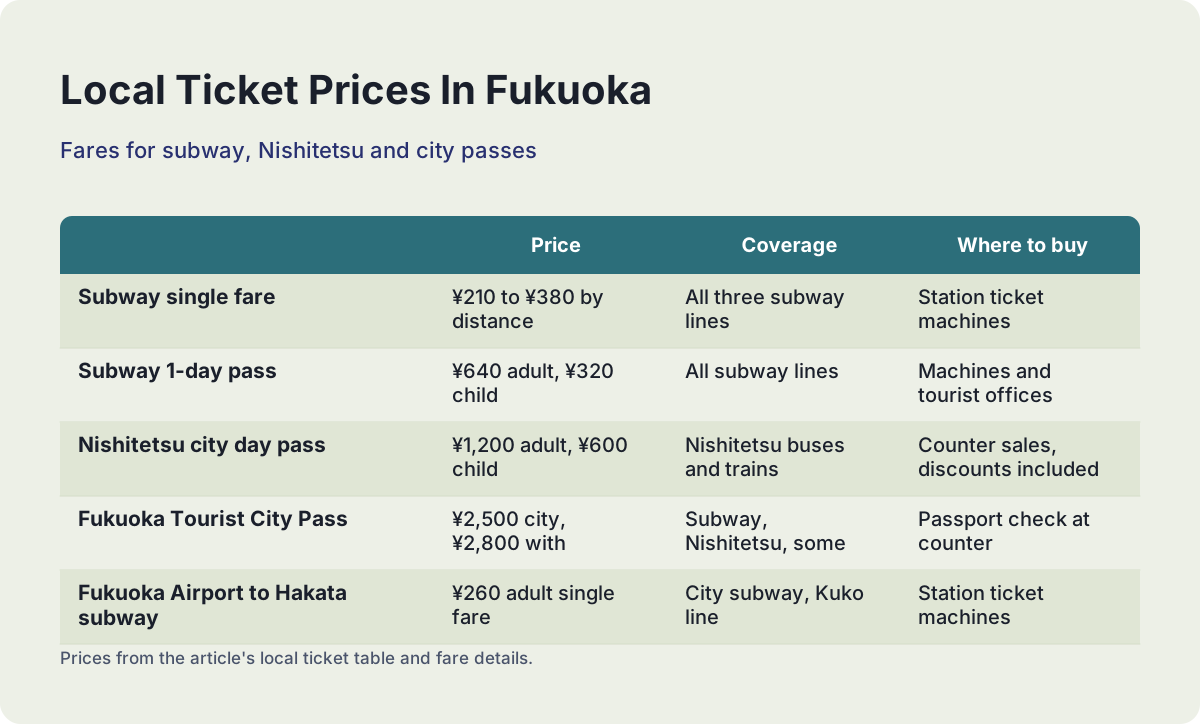
Inside the city, the pass question dissolves entirely. The subway's single fares run from ¥210 for up to 3 km to ¥380 beyond 19 km, per the official fare table, and the one-day pass is ¥640 for adults across all three lines, sold at station machines and the tourist information offices. Overseas visitors on short-stay visas have a better option still: the Fukuoka Tourist City Pass at ¥2,500, or ¥2,800 with the Dazaifu version, covers subway, Nishitetsu, some JR lines and ferries for a day, and it is bought with a passport check at the counter, a detail most competing guides still miss because they quote prices years out of date. The city's official tourism site lists the current figures and the eligible visa categories.
| Local ticket | Price | Coverage | Where to buy |
|---|---|---|---|
| Subway single fare | ¥210 to ¥380 by distance | All three subway lines | Station ticket machines |
| Subway 1-day pass | ¥640 adult, ¥320 child | All subway lines, first to last train | Machines and tourist offices |
| Nishitetsu city day pass | ¥1,200 adult, ¥600 child | Nishitetsu buses and trains in the city | Counter sales, discounts included |
| Fukuoka Tourist City Pass | ¥2,500 city, ¥2,800 with Dazaifu | Subway, Nishitetsu, some JR, ferries | Passport check at counter |
| Nationwide Japan Rail Pass | Check the operator's live page | JR nationwide | Exchange order validated at Hakata |
Where the Nationwide Pass Genuinely Pays Off from Fukuoka
The nationwide pass earns its keep in exactly one geometry: when Fukuoka is the start of a run east along the Sanyo and Tokaido shinkansen corridors, taking in Hiroshima, Osaka, Kyoto or Tokyo in one continuous itinerary. Each of those sectors is a long, expensive reserved-seat ride, and stacking several of them inside a pass window is the only pattern from a Fukuoka start that reliably beats individual fares.
Hiroshima is the nearest of them and the usual first test. A pass holder rides from Hakata without a separate ticket, visits the Peace Memorial Park, and returns the same day or continues east. Whether that single excursion clears the pass's break-even line depends on the live pass price, which this site deliberately does not print, but a Hiroshima-plus-Osaka or Hiroshima-plus-Kyoto combination changes the arithmetic sharply in the pass's favour, because the sectors multiply.
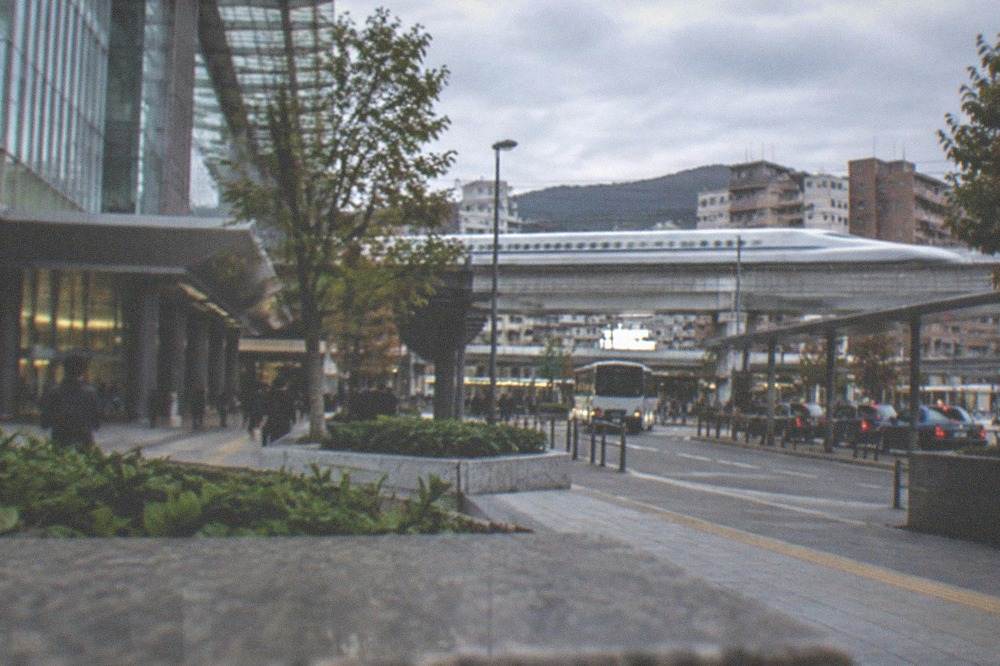
The classic Fukuoka-first grand tour runs Hakata to Hiroshima, Hiroshima to Osaka or Kyoto, and Kyoto to Tokyo, then flies home from Narita or Haneda. That is three or four premium sectors inside a week, and it is the shape of trip that made the pass famous. Reversing the usual direction costs nothing in coverage and often means quieter trains, since you are riding against the Tokyo-outbound flow.
What the pass does not do, even on that grand tour, is cover the in-city transport at either end. Fukuoka's subway, Osaka's metro, Kyoto's buses and Tokyo's everything are all outside the JR boundary, and a first-time visitor sometimes buys the pass imagining a week of friction-free movement anywhere. It is a trunk-line ticket. Budget separately for the local networks, and if Tokyo is the final destination rather than a waypoint, the is Fukuoka worth visiting page makes the case for why the western start is the better half of the trip.
When You Should Skip Every Pass and Buy a Tour Instead
For food-centred, night-centred and island-centred plans, no rail product is the right product: the yatai stalls, the Nakasu and Tenjin nightlife, the markets and the offshore islands all run on foot, subway, ferry or a guide's minibus, and a pass would be dead weight. In those cases a single well-chosen tour or private guide delivers more per yen than any ticket, because it buys access and context, not just movement.
The yatai are the clearest example. Fukuoka has about 100 licensed food stalls across Nakasu, Tenjin and Nagahama, more than any other Japanese city, and the city ordinance requires every stall to post its prices visibly, banning vague market-price menus, so a walk-in dinner is cheap and transparent without any intermediary at all. You cannot book a stall, and you do not need to. What is sellable is a guided crawl, where a local handles the introductions and the language at a handful of stalls in one evening.
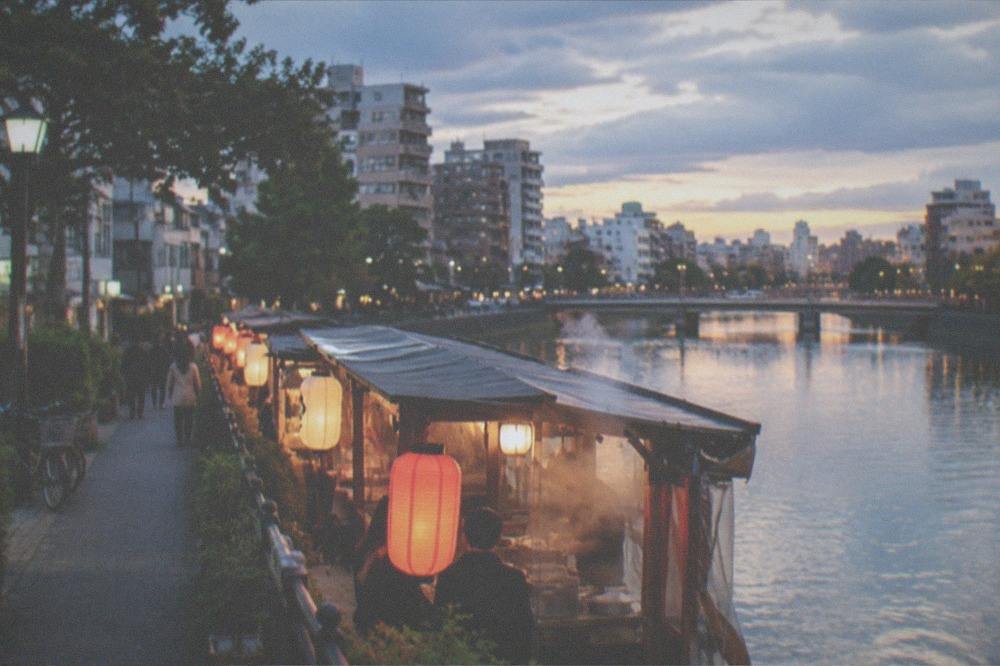
A private guide serves the same function across a whole day. The Fukuoka private tour with a local, covering highlights and hidden gems, runs 2 to 8 hours, is rated 4.9 from 164 reviews, and starts at $65 per person, and it is the instrument for the parts of the city that no pass maps: the back streets of Hakata's old town, the best stall rows, the viewpoints a guide knows and a rail line does not. For a traveller whose real interest is food, craft and neighbourhoods rather than long-distance mileage, this spend outperforms any rail pass by a wide margin.
The same logic applies to the coast and islands. A rail pass is irrelevant on a ferry deck, and the guided Itoshima and Nokonoshima options bundle transport, timing and food into a single decision. The general principle: buy movement only when movement is the bottleneck. In Fukuoka it rarely is, because the city is compact, the subway is cheap, and the airport sits on the same line as the main station.
Timing Your Pass Around Festivals, Typhoons and Closures
The calendar in Fukuoka can make or break a rail itinerary: July is the city's wettest month at 299.1 mm of rain and also Yamakasa festival month, typhoon season runs roughly July through October, and specific closures like Fukuoka Castle's Tenshudai excavation, which runs until the end of December 2026, and Fukuoka Tower's 28 to 29 June 2027 maintenance days, will quietly delete items from a pass-funded checklist.
The weather point is the one most guides get backwards. June is the tsuyu rainy season, so intuition says June is the wet month, but the Japan Meteorological Agency's 1991 to 2020 normals for the Fukuoka station put July at 299.1 mm against June's 249.6 mm. July is also when the Hakata Gion Yamakasa festival fills the streets from the 1st to the 15th, with the Oiyama race starting before dawn on the final day, and when typhoon season is at its height. None of that makes the city unvisitable, but a pass holder planning dense rail days should know which month carries the most weather risk, and the typhoon season guide explains how to plan around it without cancelling anything.
Closures are the quieter trap. A nationwide pass bought for a December 2026 trip will happily carry you to Maizuru Park, but the Fukuoka Castle Tenshudai, the main keep base, is closed to entry from 26 May 2026 until the end of December 2026 for an archaeological excavation, one prompted by a document discovered in December 2024 that describes a keep historians are no longer sure ever existed. The park itself stays free and open, but the pass-funded day out should not bank on climbing the keep base until the dig concludes. Fukuoka Tower's own annual closure lands on 28 and 29 June 2027, worth knowing for a Momochi-and-tower afternoon.
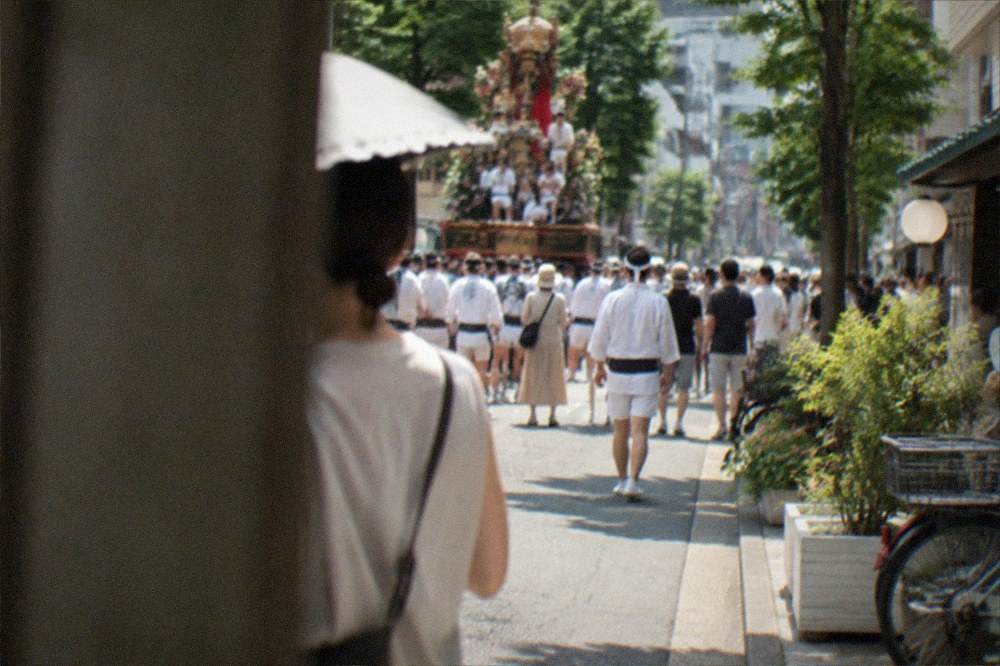
Festival crowds cut the other way and mostly in your favour. Hakata Dontaku fills the centre on 3 and 4 May, Yamakasa transforms Hakata in mid-July, and the Hojoya festival at Hakozakigu runs 12 to 18 September, all of them free to watch and none of them requiring a ticket. Trains around these dates are busy, and a pass holder has the advantage of unrestricted boarding on local JR services, though reserved limited expresses still need reservations, and festival weekends fill them early. Book seats the moment the booking window opens if your pass period overlaps a major festival, and consider the winter guide if you would rather have the cool, dry, quiet season instead.
How to Decide in Five Minutes
Answer three questions and the decision makes itself: will you ride the shinkansen east of Hakata, how many JR day trips inside Kyushu will you actually take, and how much of your trip is city, food and islands rather than rail mileage. Honshu in the plan points to the nationwide pass, a dense Kyushu loop points to the regional pass, and everything else points to local tickets, a day pass and possibly one guided day out.
Question one is the heavyweight. If Tokyo, Osaka, Kyoto or Hiroshima appear in your itinerary as destinations rather than flight connections, price the nationwide pass against the individual shinkansen fares and let the bigger number lose. Question two is arithmetic: list your Kyushu JR days, look up the live regional pass price on the operator's page, and compare against the sum of individual fares, remembering that reserved limited expresses like the Yufuin no Mori need seat reservations regardless of which pass you hold.
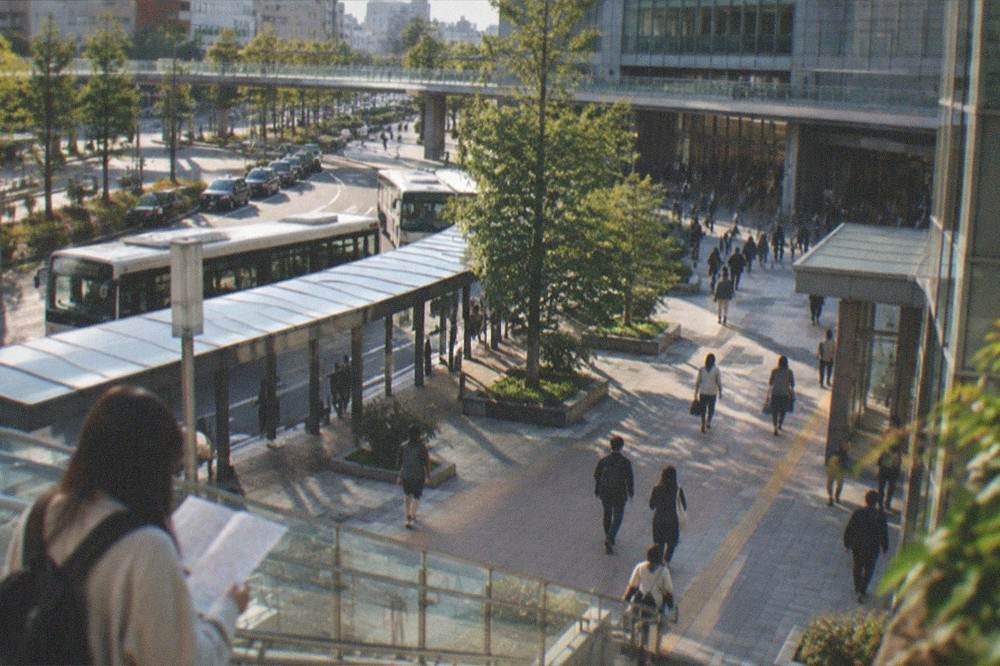
Question three is the one people forget. Fukuoka rewards slow, local days: a morning at Ohori Park, an afternoon on Nokonoshima, an evening walking stall to stall along the Naka River, with the whole day costing a few hundred yen in local fares and nothing in rail terms. A pass actively discourages that kind of day, because every non-rail hour feels like wasted money, and that psychological pull is a real cost. The travellers who enjoy Fukuoka most spend their yen on the water, the food and the islands, and buy train tickets only when the map demands it.
Whichever way the arithmetic lands, keep one principle in mind for the non-rail days. The three options gathered above all solve the problem a pass cannot: getting to the places Fukuoka is actually loved for, whether that is a flower-covered island, a tea town with a canal, or a back street a guide knows by name. If the pass covers your trunk lines, book it and use it hard; if it does not, let a single good day out do the work instead.
Common Questions About the Japan Rail Pass from Fukuoka
Is The Japan Rail Pass Worth It When Starting From Fukuoka?
Usually not, unless your itinerary leaves Kyushu. The pass is priced around long shinkansen sectors, and a Fukuoka start puts those sectors east of Hakata rather than within easy reach. Trips that stay in Fukuoka and its day-trip range run mostly on private railways, buses and ferries the pass does not cover, so local tickets or a regional pass serve better.
Does the Japan Rail Pass cover the train to Dazaifu?
No. Dazaifu is reached on the Nishitetsu railway from Tenjin with a change at Futsukaichi, and Nishitetsu is a private operator outside the JR system. The nationwide pass contributes nothing to that journey, and neither does a JR Kyushu pass. Nishitetsu fares or the company's own day pass are the right tickets.
Can I use the Japan Rail Pass from Fukuoka Airport?
Not for the airport link itself. Fukuoka Airport connects to Hakata on the city subway's Kuko line for a verified ¥260 adult fare, and the subway is a municipal railway outside the JR network. Once you reach Hakata Station, JR trains and any validated JR pass take over.
Is there a JR Fukuoka Station?
No. The city's main rail hub is Hakata Station, in the Hakata ward of Fukuoka. Hakata and Fukuoka are the same city, not two destinations, and every shinkansen and JR limited express in the region uses Hakata Station. Any timetable or pass validation mentioning Fukuoka means Hakata.
What is the best pass for staying inside Fukuoka and Kyushu?
For city days, the subway's ¥640 day pass or the Fukuoka Tourist City Pass at ¥2,500, or ¥2,800 with Dazaifu, bought with a passport check. For JR day trips inside Kyushu, compare the JR Kyushu regional passes against individual fares, since a modest number of trips is often cheaper without any pass.
When does the Japan Rail Pass beat a JR Kyushu pass from Fukuoka?
When you ride the Sanyo shinkansen east of Hakata. A Kyushu-only traveller never touches that corridor, so nationwide coverage buys nothing. An itinerary continuing to Hiroshima, Osaka, Kyoto or Tokyo stacks several premium sectors inside the pass window, and that is the pattern where the nationwide pass wins.