Fukuoka in Autumn
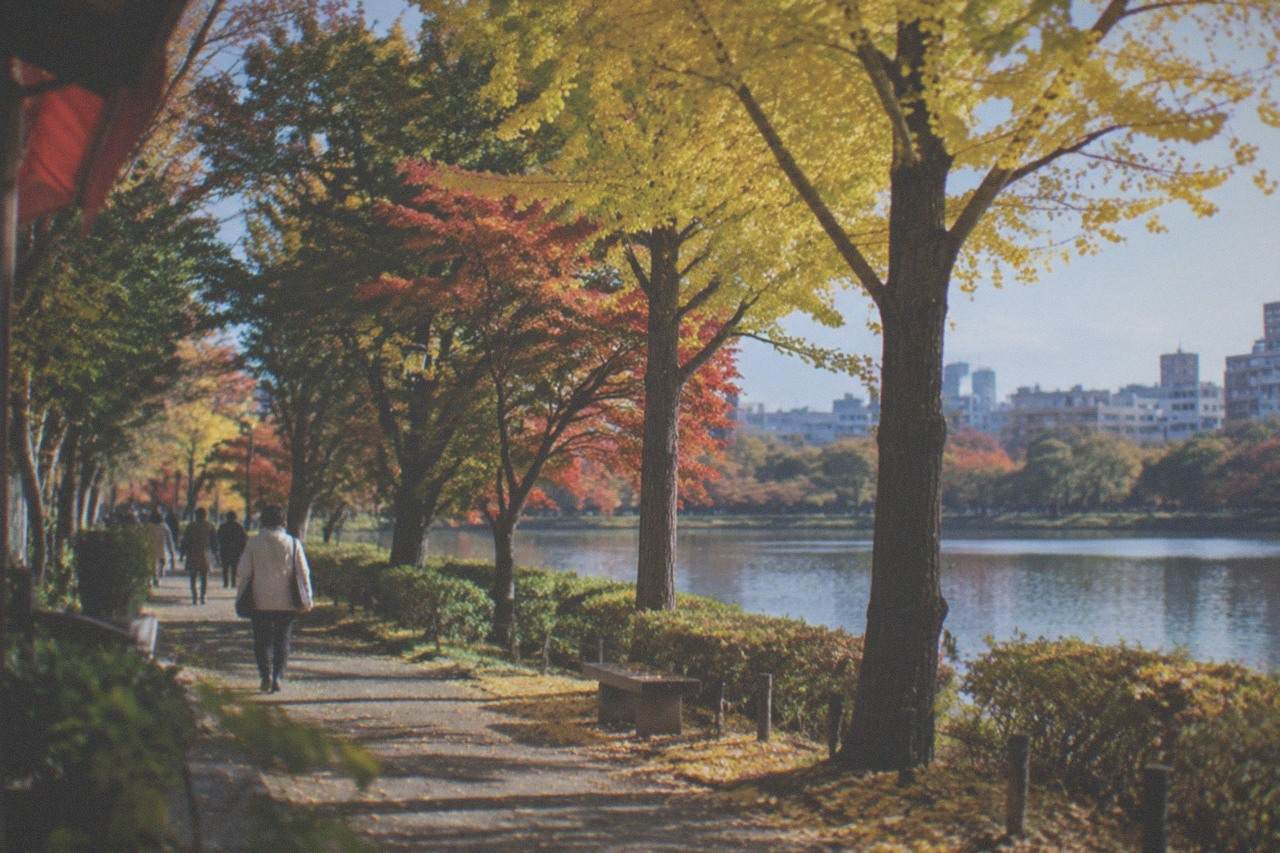
Autumn is arguably Fukuoka's most comfortable season: the August heat breaks, rainfall drops to its lowest levels since winter, and the city's parks and shrine approaches turn colour from mid-November.
Short answer
Autumn in Fukuoka runs warm into late September, with a September mean of 24.7 degrees Celsius falling to 14.2 in November. Rainfall drops from 175.1 mm in September to 91.4 mm in November, the driest stretch since winter. Autumn leaves peak mid-November to early December, and the November Kyushu Basho sumo tournament is the city's headline event.
Fukuoka's autumn is the season the city's climate tables were made for. The Japan Meteorological Agency's 1991 to 2020 normals for the Fukuoka station show September still averaging 24.7 degrees Celsius, but by November the mean has fallen to 14.2, and monthly rainfall drops from 175.1 mm in September to 94.5 mm in October and 91.4 mm in November. That November figure is the driest the city sees outside of midwinter. The typhoon season, which runs roughly July through October, is tapering off rather than peaking, the yatai stalls are back in full swing after the summer heat, and the November Kyushu Basho brings competitive sumo to the city for the only time all year. This guide lays out the numbers, the leaf-peeping windows, the seasonal food, and the practical planning details for an autumn visit, and it is part of the wider seasonal coverage on Fukuoka Japan Travel Guide.
How Pleasant Is Autumn Weather in Fukuoka?
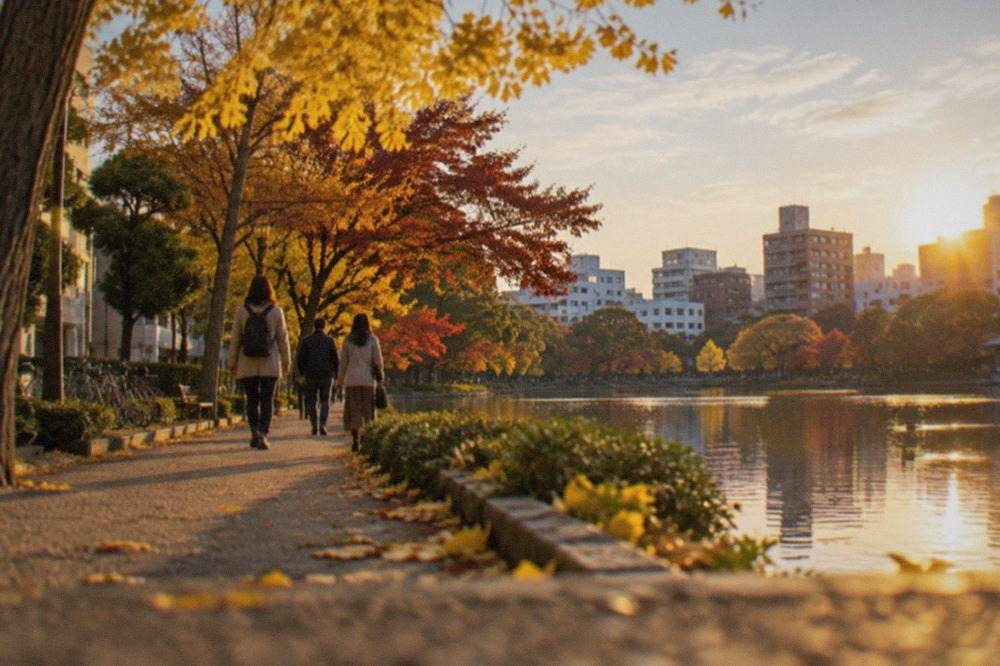
Autumn weather in Fukuoka is genuinely pleasant and measurably drier than summer. September averages 24.7 degrees Celsius with 175.1 mm of rain, October cools to a 19.6 degree mean with 94.5 mm, and November averages 14.2 degrees with 91.4 mm, the driest month between winter and the tsuyu rains of June. Daytime highs stay above 18 degrees through November, and sunshine remains generous at 175.9 hours in October.
Those figures come from the JMA's 1991 to 2020 normals for the Fukuoka observation station, and they describe a city that cools down faster than the Pacific coast side of Japan. Fukuoka sits on the Genkai Sea side of northern Kyushu, on Hakata Bay, and its climate is genuinely four-season, with a real winter that follows autumn. The table below gives the full picture for the three autumn months.
| Month | Mean °C | Daily max °C | Daily min °C | Rain mm | Sunshine hours |
|---|---|---|---|---|---|
| September | 24.7 | 28.6 | 21.6 | 175.1 | 164.7 |
| October | 19.6 | 23.7 | 16.0 | 94.5 | 175.9 |
| November | 14.2 | 18.2 | 10.6 | 91.4 | 137.3 |
| December (for comparison) | 9.1 | 12.6 | 5.8 | 67.5 | 112.2 |
The numbers are published by the Japan Meteorological Agency's normals table for the Fukuoka station, and they carry one detail most guides miss: September's 175.1 mm is still a wet month, because typhoon season runs roughly July through October and early September remains exposed. By October the risk falls sharply, and November is one of the most reliable months of the entire year. Neither the typhoon window nor the June tsuyu rains make the city unvisitable, but they are real planning factors, and October and November sit on the favourable side of both.
One counterintuitive fact worth knowing: July, not June, is Fukuoka's wettest month, at 299.1 mm against June's 249.6 mm, even though June is the tsuyu rainy season. That matters for autumn travellers comparing seasons, because it means the autumn months you are considering are drier than either summer month. If you are weighing autumn against other times of year, the best time to visit Fukuoka guide compares all four seasons against these same normals, and the broader Fukuoka weather guide explains the city's climate mechanics in more depth.
When Do the Autumn Leaves Peak in Fukuoka?
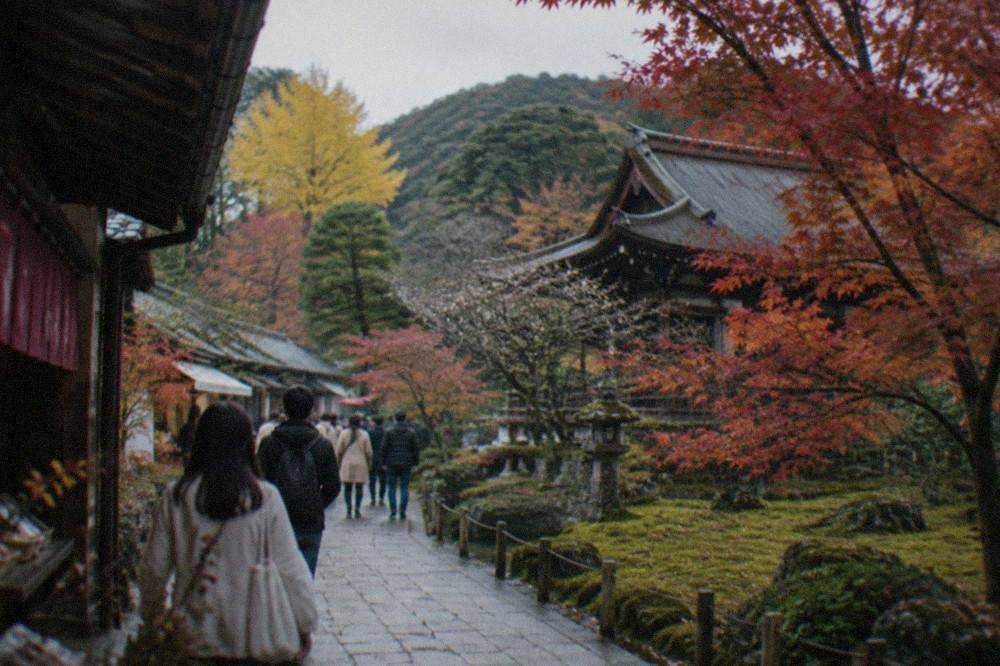
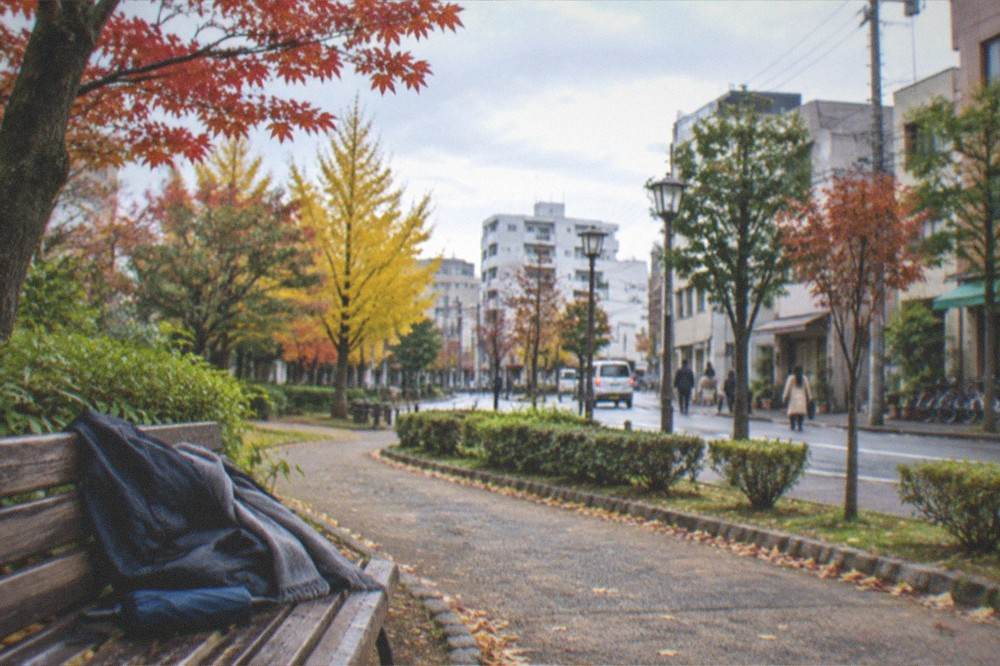
Autumn leaves in Fukuoka city typically peak from mid-to-late November into early December. The Dazaifu and Komyozenji area peaks in mid-to-late November, where the temple's moss garden framed by maples is the regional highlight. City parks such as Ohori Park and Maizuru Park often hold their colour longer, sometimes into the first week of December, which gives late visitors a second window.
The timing aligns neatly with the cooling shown in the climate table: the leaf colour turns once November nights start dropping toward the 10.6 degree minimum the normals record. Within the city, the best-known spots are Maizuru Park at the Fukuoka Castle ruins, which holds roughly 1,000 cherry trees that turn in autumn along with its ginkgo, Nishi Park on the hillside, and Tenjin Central Park. The castle site carries a caveat this season: the Tenshudai, the main keep base, is closed to entry from 26 May 2026 until the end of December 2026 for an archaeological excavation, prompted by a document found in December 2024 that describes a keep which may never have existed. The rest of the park remains free and open, and the closure notice is published on the castle ruins' official site.
| Spot | Where | Typical peak | What turns |
|---|---|---|---|
| Maizuru Park / Fukuoka Castle ruins | Chuo ward, city centre | Late Nov to early Dec | Ginkgo, cherry foliage, maples |
| Ohori Park | Chuo ward, beside the art museum | Late Nov to early Dec | Ginkgo avenue, maples around the pond |
| Nishi Park | Nishi ward, hillside | Mid-to-late Nov | Maples and ginkgo with bay views |
| Komyozenji, Dazaifu | 30 minutes from Tenjin by train | Mid-to-late Nov | Moss garden with maples |
| Kamado Shrine, Dazaifu | Near Dazaifu Tenmangu | Mid-to-late Nov | Maples and ginkgo, reliable colour |
For Dazaifu, the Nishitetsu line from Tenjin is the practical route, and the Dazaifu day trip guide covers it in full. The full regional picture, including Komyozenji's moss garden and where to stand for photographs, is in the Fukuoka autumn leaves guide. Note that interior access to Komyozenji's moss garden can vary, so the reliable fallback in the same town is Kamado Shrine, which holds its maples and ginkgo dependably.
What Should You Actually Do in Fukuoka in Autumn?
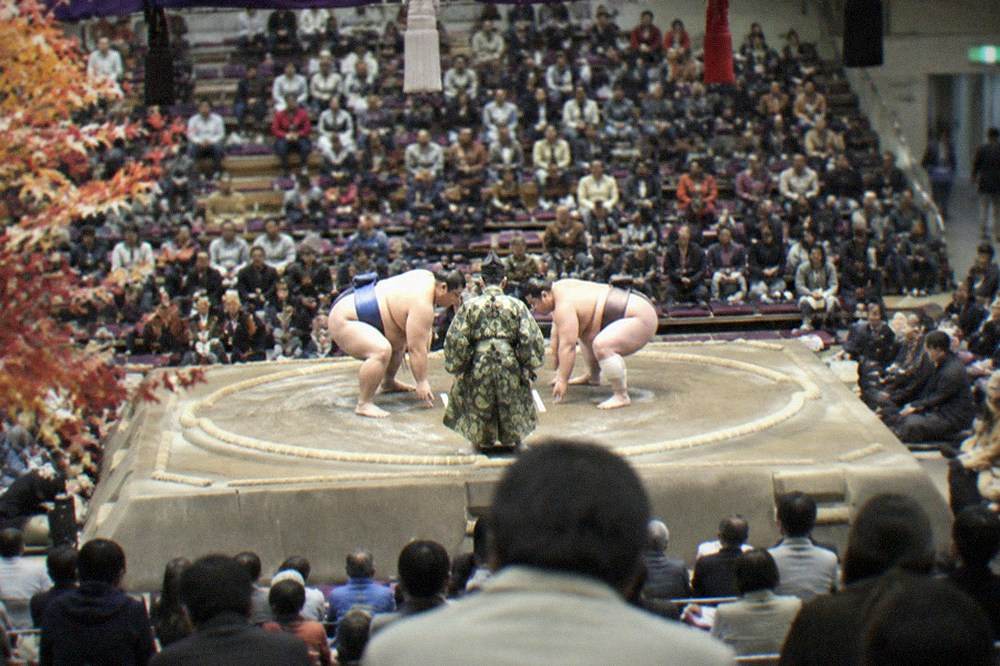
The autumn calendar belongs to Hojoya at Hakozakigu Shrine, held September 12 to 18 with hundreds of food and game stalls along the approach, followed by the November Kyushu Basho, the only competitive sumo tournament staged in Fukuoka all year. Between them sit Nakasu Jazz, Fukuoka Tower's seasonal illuminations, and the start of the city-wide Christmas Advent from early November.
Hojoya is one of Hakata's three major festivals, a seven-day event focused on cherishing life and giving thanks for the harvest, with taiko and kagura performances and the approach lined with stall after stall. It has just finished as of mid-September 2026, so a visitor reading this for the coming autumn should note it in the calendar for September 2027. The sumo tournament is the bigger draw for most travellers: the Kyushu Basho runs every November, and it is the only time sumo is competitively staged in the city. Morning practice visits operate at other times of year for visitors who want to see wrestlers train rather than compete.
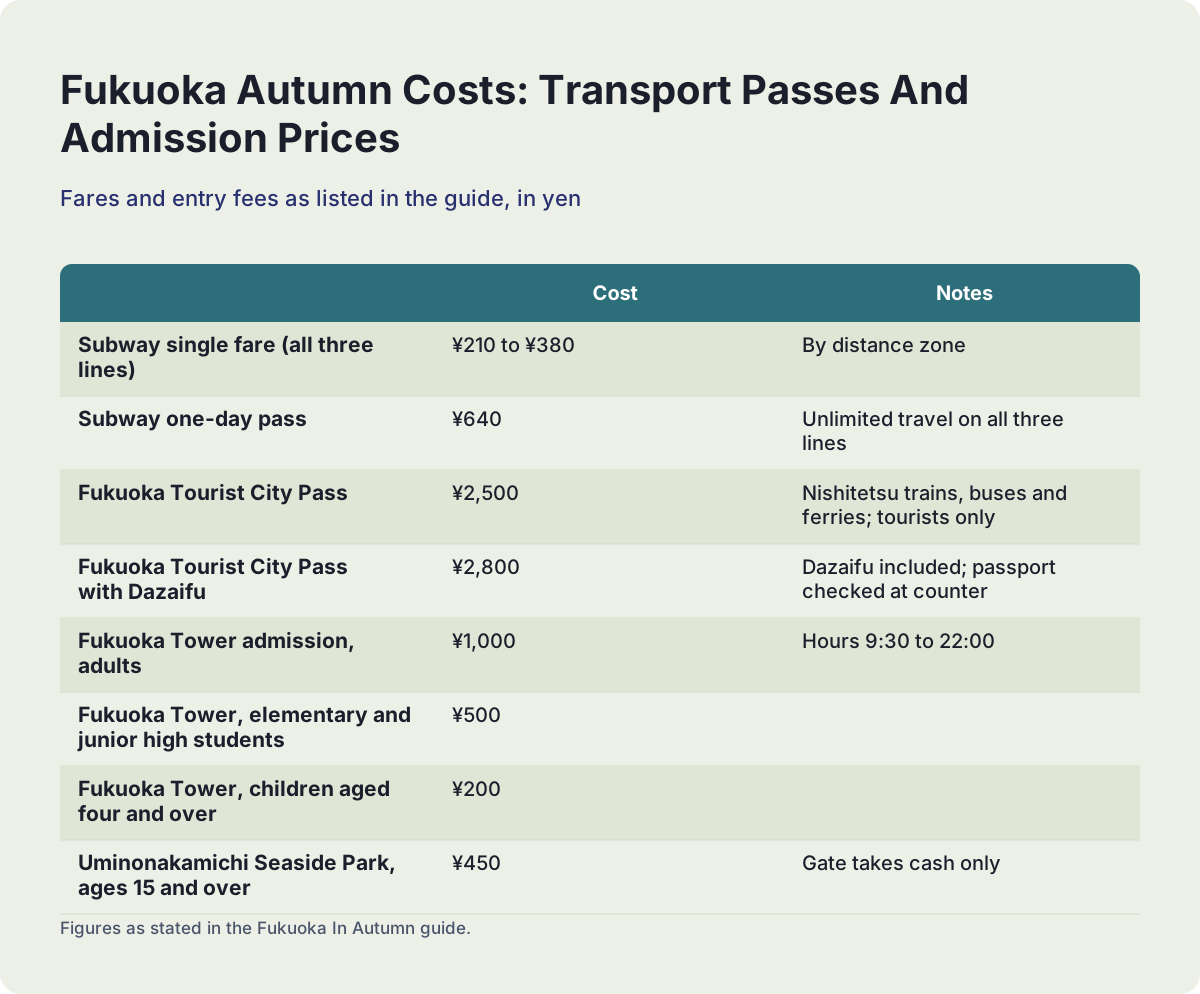
Fukuoka Tower runs seasonal illuminations on its exterior, with an autumn moon-viewing motif in September and a Christmas tree theme from early November into December, and the tower's observation decks sit 123 metres above Hakata Bay. Admission is ¥1,000 for adults, ¥500 for elementary and junior high students and ¥200 for children aged four and over, with hours 9:30 to 22:00, and the official pricing page also notes the annual closure on 28 and 29 June 2027. The tower admission ticket is also sold as an e-ticket through this site's roster, rated 5 from a single review, and the modest price makes it an easy add-on to an evening on the waterfront.
For a calmer afternoon, the Fukuoka viewpoints guide collects the city's best outlooks, several of which are at their best under autumn light. The Fukuoka with kids guide covers the family angle, including Uminonakamichi Seaside Park, where entry is ¥450 for those 15 and over and the park gate takes cash only, a detail almost nobody mentions. The two city art museums are also strong rainy-afternoon options: both charge ¥200 general admission and ¥150 for high school and university students, with free entry for junior high and under, and the Fukuoka Asian Art Museum's building is free to enter, with only the Asia Gallery charging.
How Do You Get Around the City in Autumn?
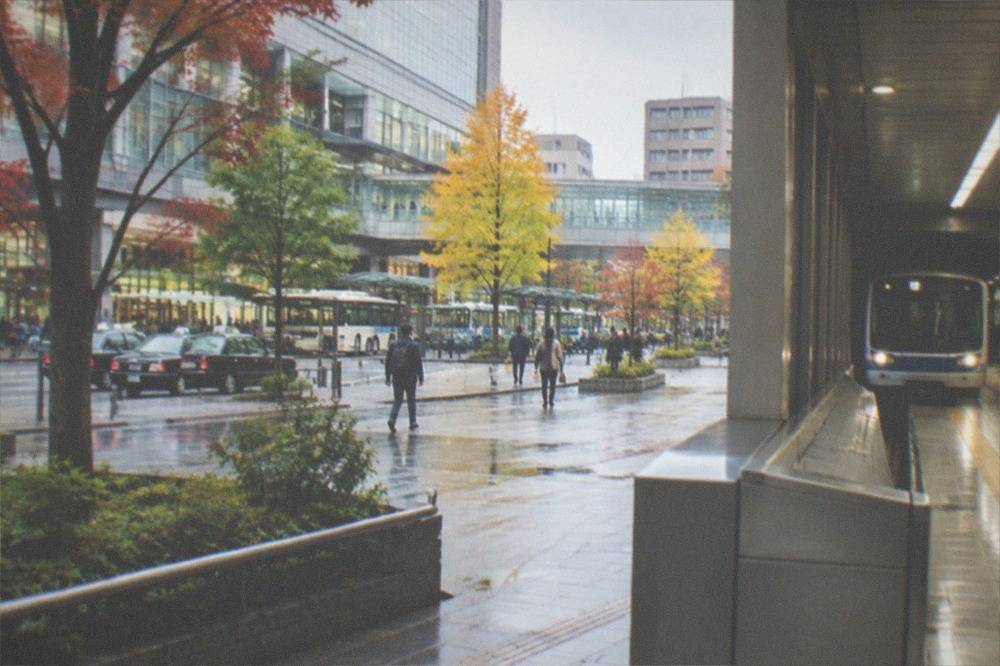
Fukuoka's subway covers the airport, Hakata, Tenjin and Ohori Park with single fares from ¥210 to ¥380 by distance zone, and a one-day pass costs ¥640 for unlimited travel on all three lines. The Fukuoka Tourist City Pass adds Nishitetsu trains and buses plus ferries for ¥2,500, or ¥2,800 with Dazaifu included, but only for overseas tourists on a short-stay visa, with a passport checked at the counter.
The subway's Airport Line is the spine of most visits: it runs from Meinohama through Ohori Park, Tenjin, Hakata and on to Fukuoka Airport, and the airport-to-Hakata fare is ¥260, which falls in the official 3 to 7 km fare band. The airport is unusually close to the city centre, which is one of Fukuoka's genuine advantages, though the widely repeated journey time in minutes is not verified on any official page, so this site does not print one. The full mechanics, including the Kuko, Hakozaki and Nanakuma lines, are covered in the Fukuoka subway guide and the wider getting around Fukuoka guide.
| Ticket | Price | What it covers | Who can buy it |
|---|---|---|---|
| Subway single fare | ¥210 to ¥380 | One adult ride, six distance zones | Anyone |
| Subway 1-day pass | ¥640 | All three subway lines, first to last train | Anyone |
| Fukuoka Tourist City Pass | ¥2,500 | Subway, Nishitetsu buses and trains, ferries, some JR lines, one day | Overseas tourists, short-stay visa, passport checked |
| Tourist City Pass + Dazaifu | ¥2,800 | As above, plus Nishitetsu coverage to Dazaifu | Same restriction; Tabito liner bus excluded |
The Tourist City Pass prices are the verified current figures from the city's official pass page, and most competing guides still quote a stale ¥820 or ¥1,340, so treat any other number you see elsewhere with suspicion. The pass is sold at the Nishitetsu Tenjin Expressway Bus Terminal, Hakata Bus Terminal, Fukuoka Airport, and the Tenjin and Hakata subway customer centres. The digital app version is restricted to visitors from South Korea, Taiwan and Thailand, so most international readers will be buying the paper version. The Fukuoka airport to city guide walks through the arrival options in detail, including the private airport transfer sold through this site's roster.
What Food Is in Season in Fukuoka in Autumn?
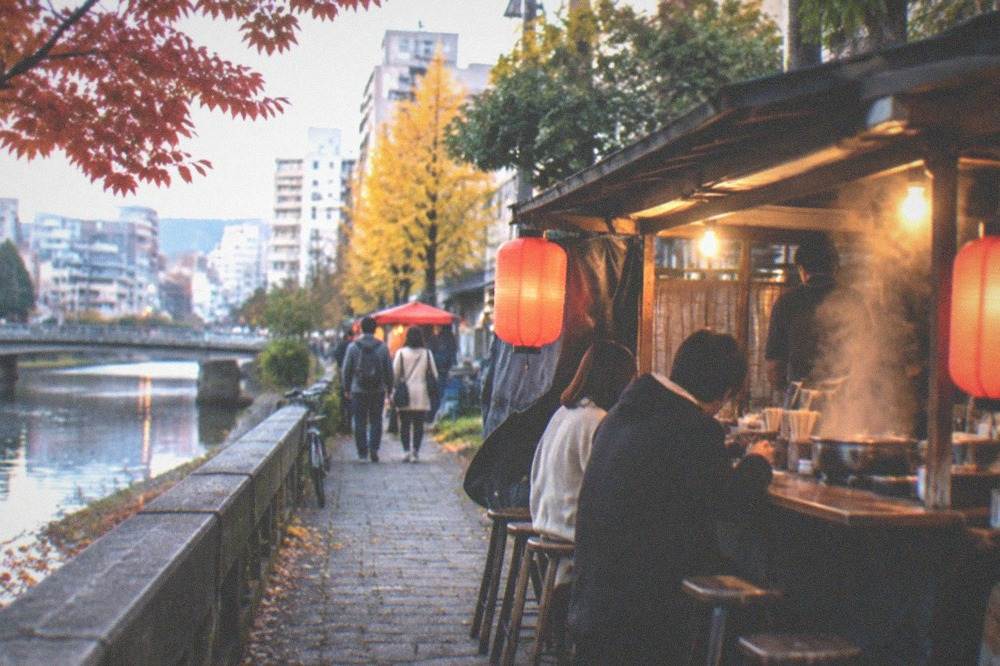
Autumn is when Fukuoka's heavier dishes come into their own: motsunabe, the beef offal hot pot the city is famous for, moves from a summer curiosity to the default dinner as nights cool, sanma and other autumn fish appear, and the yatai stalls, about 100 of them city-wide, do their busiest trade of the year. The city's ordinance requires every stall to post its prices visibly, so there is no mystery pricing at a yatai.
The yatai are the autumn headline. Fukuoka has more of them than any other Japanese city, roughly 100 stalls concentrated in Nakasu along the Naka River, Tenjin and Nagahama, and a cool evening is exactly what the format was built for: a handful of seats, a bowl of tonkotsu ramen or yakitori, and a conversation with whoever is next to you. The stalls set up from 17:00 and may operate until 4:00 under the city's road-occupancy rules, though most open around 18:00 to 18:30 and close in the small hours. There is no city-mandated closing day, and rain or strong wind closes many of them, so a wet night is the one thing to plan around. The Fukuoka yatai guide covers the three areas and how to choose between them.
| Dish | What it is | Why autumn suits it |
|---|---|---|
| Motsunabe | Beef offal hot pot with cabbage and garlic, cooked at the table | Built for cool evenings; the city's signature hot pot |
| Tonkotsu ramen | Pork-bone broth ramen, Hakata style, with kaedama noodle refills | The yatai standard once nights drop below 15 degrees |
| Sanma | Grilled Pacific saury, an autumn fish | In season from September, served grilled with grated daikon |
| Oden | Simmered daikon, eggs and fish cakes in broth | A cold-weather yatai staple |
| Mentaiko | Spicy pollock roe, served on rice or as a topping | Year-round, but a standard companion to autumn izakaya drinking |
A guided crawl is the efficient way to eat across several stalls in one evening, and the roster includes a private Nakasu food stall tour with tastings, from $94 per person and rated 4.7 from 70 reviews, which handles the language and the queueing for you. The wider Fukuoka food guide maps the full seasonal calendar, and the Fukuoka food tours page compares the guided options.
Which Day Trips Work Best in Autumn?
The best autumn day trips from Fukuoka are Dazaifu for the Komyozenji moss garden and Kamado Shrine maples, Yanagawa for canal boat rides under turning trees, and Itoshima for coastal scenery with autumn light. Farther afield, Yufuin and Beppu are full-day trips, and Takachiho Gorge is at its most photogenic before the winter bareness sets in.
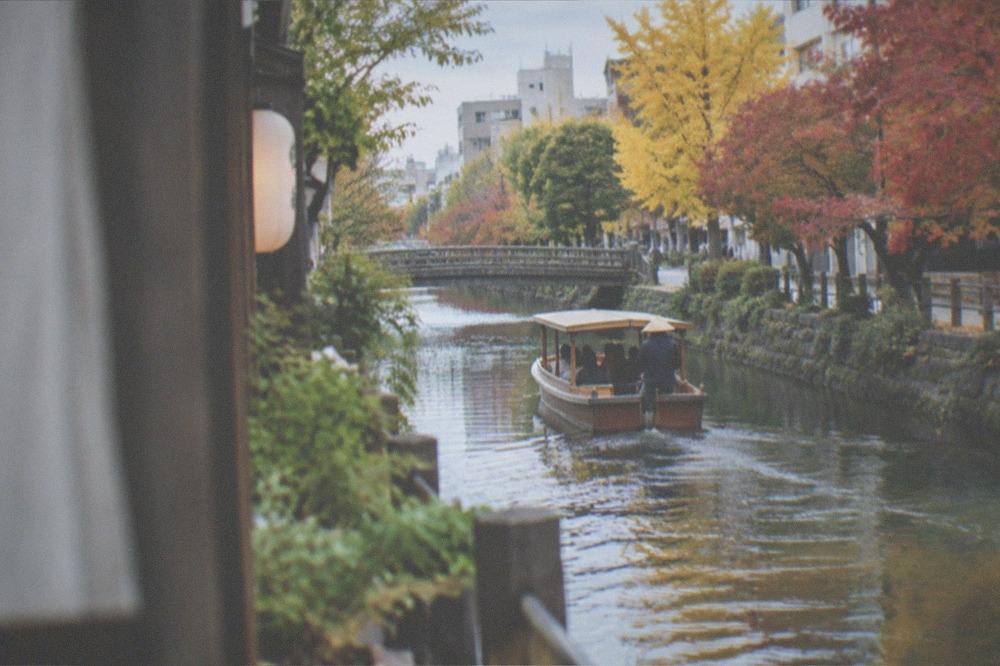
Dazaifu is the classic: about 30 minutes from Tenjin on the Nishitetsu line, with the leaf peak in mid-to-late November coinciding with comfortable walking weather along the shrine approach. Dazaifu Tenmangu itself charges no entrance fee and its grounds are the frame for the whole town, though this site does not state the current renovation status of the main hall, as sources disagree. Yanagawa, the canal town to the south, pairs a boat ride with an unhurried old-town walk, and the Yanagawa day trip guide covers the logistics. Itoshima, the peninsula to the west, is the coastal option, and the Itoshima day trip guide covers its beaches and viewpoints, which are quieter in autumn than in summer.
| Day trip | Travel time each way | Autumn draw | Trip length |
|---|---|---|---|
| Dazaifu | About 30 min from Tenjin by Nishitetsu | Komyozenji maples, Kamado Shrine, shrine approach | Half to full day |
| Yanagawa | About 50 min by Nishitetsu | Canal boats under turning trees, old town | Full day |
| Itoshima | About 60 to 90 min by train and bus | Coastal scenery, Sakurai Futamigaura, autumn light | Full day |
| Yufuin | About 2 hours by train or bus | Onsen town, Kinrin Lake, autumn colour | Full day |
| Takachiho Gorge | Long, tour-dependent | Gorge walls, optional boat ride | Full day, best by tour |
The full-day trips into Kyushu, including Yufuin, Beppu, Mount Aso and Takachiho, are long days and should not be planned as half-days; the day trips from Fukuoka guide sets out the realistic timings, and the Kyushu guide covers the island beyond. If your autumn visit is part of a longer rail journey, the Tokyo to Fukuoka and Osaka to Fukuoka guides cover the long-haul legs, and the Kyoto to Fukuoka guide handles the most common intermediate stop.
What Are Fukuoka's Autumn Evenings Like?
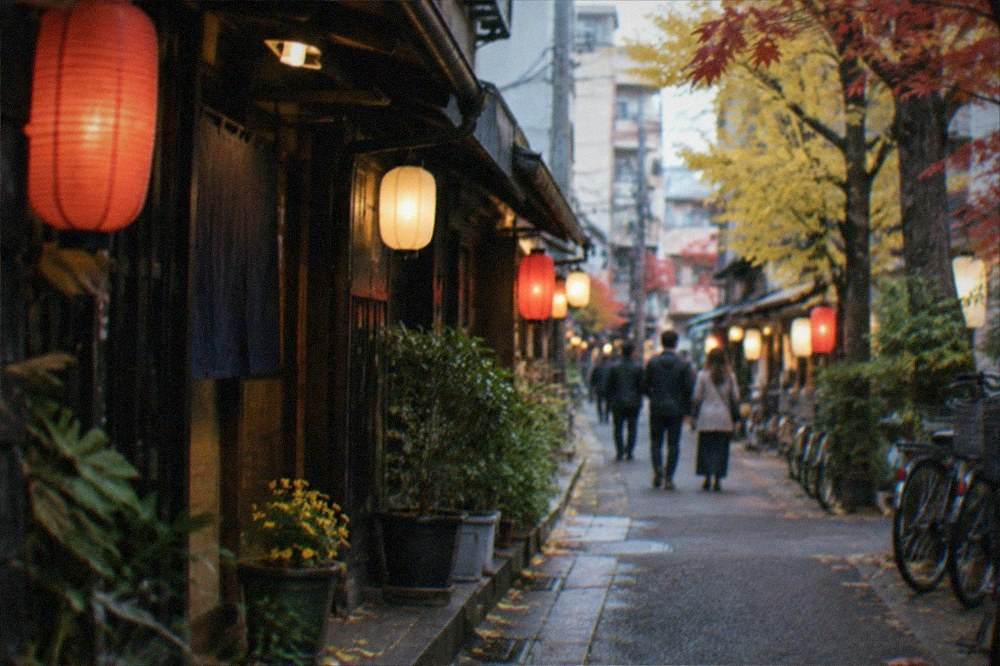
Fukuoka's autumn evenings are cool, dry and the city's best hours: October nights average a 16.0 degree minimum and November's drop to 10.6, which is yatai weather rather than air-conditioning weather. The Nakasu and Tenjin bar districts fill from early evening, the yatai light up along the Naka River, and the illuminations begin from early November, so the city's nightlife peaks exactly when the weather invites you to walk between venues.
The evening economy is a large part of why autumn suits Fukuoka so well. In summer, the heat pushes people indoors and the stalls suffer in the humidity; by October, sitting at a counter under a lantern with a bowl of ramen is the natural thing to do. The Fukuoka nightlife guide maps the districts, from Nakasu's riverside entertainment blocks to the smaller bars of Daimyo and Imaizumi. A guided evening is one way to compress several of these into a single night: the roster includes an evening tour covering yatai, izakaya and karaoke, from $99 per person and rated 5 from 29 reviews, which suits travellers who want the structure of a guide for the first night and the confidence to go solo afterwards.
For a view over the bay after dark, the tower ticket mentioned earlier is the simplest add-on: the decks stay open until 22:00 with last admission at 21:30, and the Christmas tree illuminations begin on the exterior from early November. Pairing the tower with a stroll along Momochi Seaside Park, then a subway ride back to Nakasu for a late bowl of ramen, is a classic autumn-evening circuit that needs no car and no booking beyond the tower's own e-ticket.
What Should You Pack for an Autumn Trip?
Pack layers for an autumn trip to Fukuoka: September still reaches a 28.6 degree daily maximum, while November nights fall to 10.6, so a light jacket for evenings and a rain layer for September are the essentials. An IC card or contactless credit card covers the subway, comfortable shoes cover the shrine approaches, and a coin purse matters because some park gates, including Uminonakamichi's, take cash only.
The spread between day and night is the packing problem. In September you can still be in shirtsleeves at lunchtime and want a jacket by the time the yatai open, and by November the same jacket is an all-day garment. Rain gear matters most in September, when 175.1 mm of monthly rainfall and the tail of typhoon season coincide; by November the umbrella is more insurance than necessity. If a typhoon does approach during your visit, the JMA's live typhoon feed is the authoritative source, and the typhoon season in Fukuoka guide explains how to read it and what a realistic disruption looks like.
| Item | Why | Which months |
|---|---|---|
| Light jacket | Evenings fall to 16 degrees in October, 10.6 in November | Oct, Nov |
| Rain layer or compact umbrella | 175.1 mm of September rain, tapering typhoon risk | Sep, early Oct |
| Comfortable walking shoes | Shrine approaches and park circuits are pedestrian | All |
| IC card or contactless credit card | Subway, buses and Nishitetsu trains | All |
| Cash | Some yatai and the Uminonakamichi park gate are cash-oriented | All |
For the practical arrival and departure logistics, the Fukuoka airport guide covers the terminals and connections, the Hakata station guide covers the main rail hub, and the Fukuoka luggage storage guide solves the last-day problem. Where you base yourself matters less in autumn than in summer, because everywhere is walkable at these temperatures, but the where to stay in Fukuoka guide compares Hakata, Tenjin and Nakasu for different travel styles.
Common Questions About Autumn in Fukuoka
How Pleasant Is Autumn Weather In Fukuoka?
Very pleasant, and measurably so. September averages 24.7 degrees Celsius with 175.1 mm of rain, October cools to a 19.6 degree mean with 94.5 mm, and November averages 14.2 degrees with 91.4 mm, the driest month outside winter. Daytime highs stay above 18 degrees through November, and sunshine remains generous at 175.9 hours in October.
When Do The Autumn Leaves Peak In Fukuoka?
Mid-to-late November into early December in the city, with Ohori Park and Maizuru Park often holding colour longest. Around Dazaifu and Komyozenji the peak is mid-to-late November, and Kamado Shrine is the reliable fallback in the same town.
Is Typhoon Season A Problem For An Autumn Visit?
Not for most of it. Typhoon season runs roughly July through October, so early September still carries exposure and the 175.1 mm of September rain reflects that. By October the risk falls sharply, and November is one of the most reliable months of the year.
What Is The Biggest Event In Fukuoka In Autumn?
The November Kyushu Basho, the only competitive sumo tournament staged in Fukuoka all year. Hojoya at Hakozakigu Shrine runs September 12 to 18 with hundreds of stalls, and the city-wide Christmas Advent illuminations begin in early November.
Is The Fukuoka Tourist City Pass Worth It In Autumn?
Often yes, if you are an overseas tourist on a short-stay visa. It costs ¥2,500 for the city version or ¥2,800 with Dazaifu included, covers subway, Nishitetsu trains and buses plus ferries for a day, and a passport is checked at the counter. The Dazaifu version excludes the Tabito liner bus.
Can You See Sumo In Fukuoka Outside November?
Not competitively. The November Kyushu Basho is the only tournament. At other times of year, morning practice visits at a sumo stable are the alternative, and the roster includes both a morning practice tour with Hakata old town and a sumo show with chanko hot pot.