Fukuoka Coffee and Cafes
Fukuoka drinks its coffee in two distinct dialects: the fashion-forward, third-wave scene packed into Daimyo's grid of boutiques, and the calmer, residential cafe culture spreading through Yakuin. This guide compares the two, names what to order, and lays out a one-day route that links them.
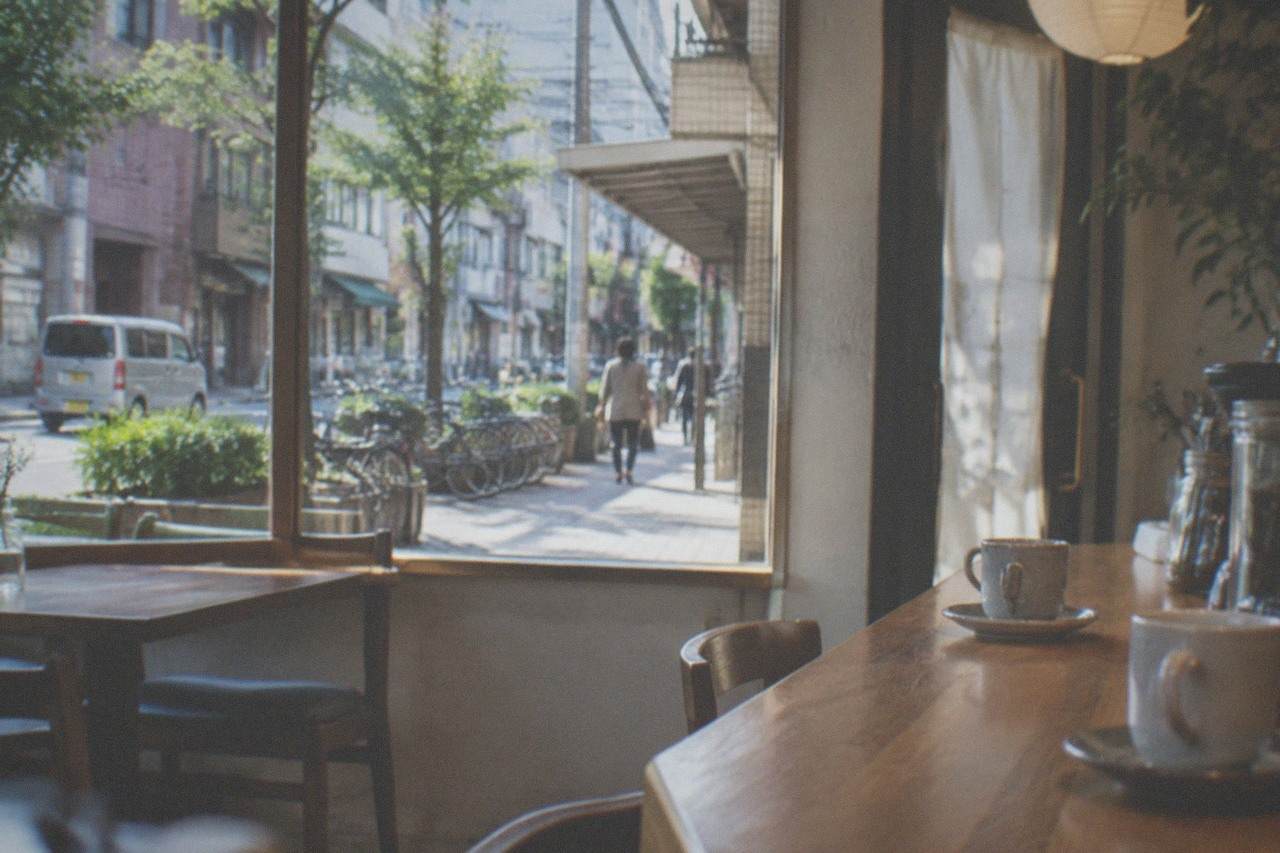
Short answer
Daimyo and Yakuin are Fukuoka's two main cafe districts. Daimyo, beside Tenjin, packs dozens of independent roasters and design-led coffee shops into a walkable grid of boutiques. Yakuin, one subway stop south, runs slower and more residential, with bigger seats, brunch menus and laptop-friendly corners. A subway ride between them costs ¥210 to ¥260.
Fukuoka has quietly become one of Japan's best cities for coffee. The scene concentrates in two neighbourhoods that sit barely a kilometre apart but feel like different cities: Daimyo, the old samurai quarter turned fashion district beside Tenjin, and Yakuin, the relaxed residential grid to the south that has filled up with spacious, brunch-leaning cafes over the past decade. Between them they hold the sort of density of independent coffee shops that most Japanese cities spread across the whole town.
The comparison matters for planning. Daimyo rewards a morning of short visits, hopping between roasters tucked down lanes behind boutiques, with the Daimyo area guide covering the shops and streets around them. Yakuin rewards the opposite approach: pick one cafe, order a set breakfast, and stay an hour. This guide explains the difference in detail, suggests what to order, and finishes with a one-day route that links both districts, plus a look at where else in the city the coffee is worth the detour.
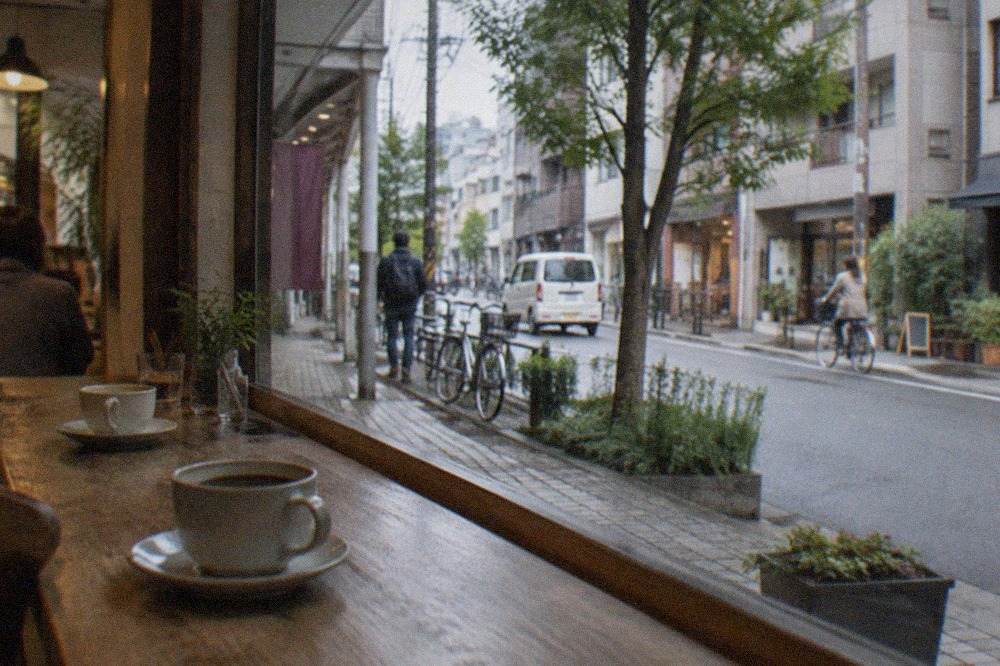
Where to Find Fukuoka's Best Coffee Neighbourhoods
Fukuoka's cafe culture lives in three clusters: Daimyo and Imaizumi beside Tenjin, Yakuin one subway stop south, and a thinner scatter of kissaten and modern shops around Hakata Station and the Hakata Old Town lanes. Daimyo and Imaizumi hold the largest concentration, Yakuin the largest seats, and Hakata the oldest style, the classic Japanese kissaten serving siphon coffee since long before third wave was a phrase.
Start with the geography, because it shapes everything else. Daimyo sits immediately west of Tenjin, Fukuoka's downtown core, and its street grid is narrow enough that cars take a while to cross it. That walkability is why the cafe density is so high: a single block can hold a coffee roaster, a select shop, a record store and a bakery. Imaizumi, immediately south of Daimyo, runs slightly more polished, with concrete-and-glass interiors and a clientele that dresses for the occasion.
Yakuin is different in kind, not just degree. The neighbourhood sits along the Nishitetsu and subway lines one stop from Tenjin, and its cafes occupy converted houses and former clinics rather than squeezed shopfronts. Gardens, parking and terrace seating appear, things Daimyo almost never offers. The Yakuin area guide maps the streets and the stations.
Hakata, the ward around the city's main station, holds the third cluster. Here the style tilts toward the kissaten, the old-school Japanese cafe with velvet seats, siphoned coffee and thick toast, often run by the same family for decades. The Hakata Old Town guide covers the lanes where several of them hide. For a first visit with limited time, Daimyo and Yakuin give the strongest contrast and the shortest travel between them.
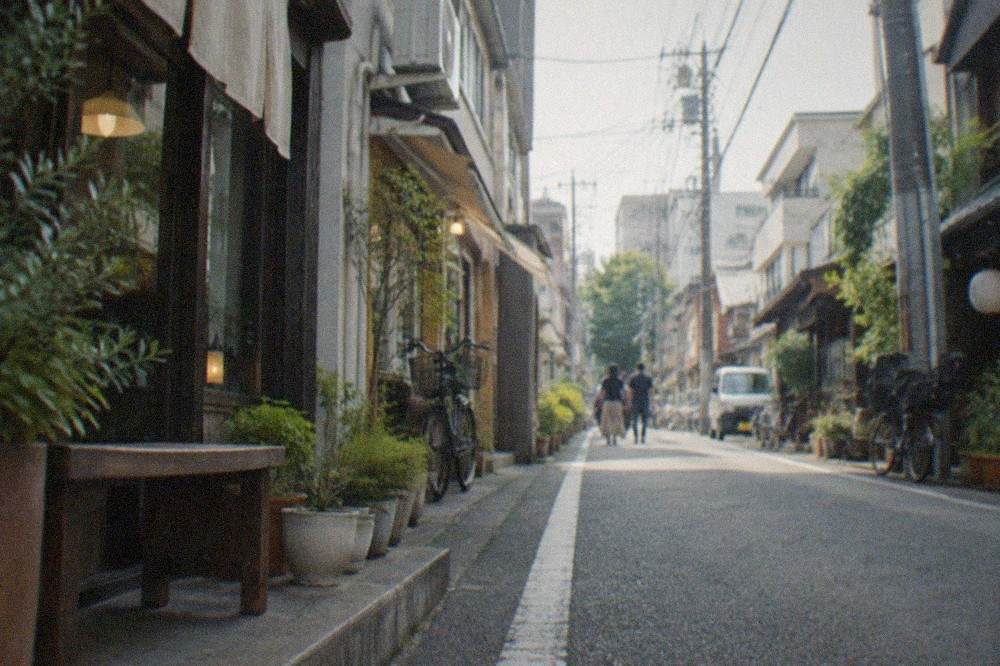
What Makes the Cafe Scene in Daimyo and Yakuin Different?
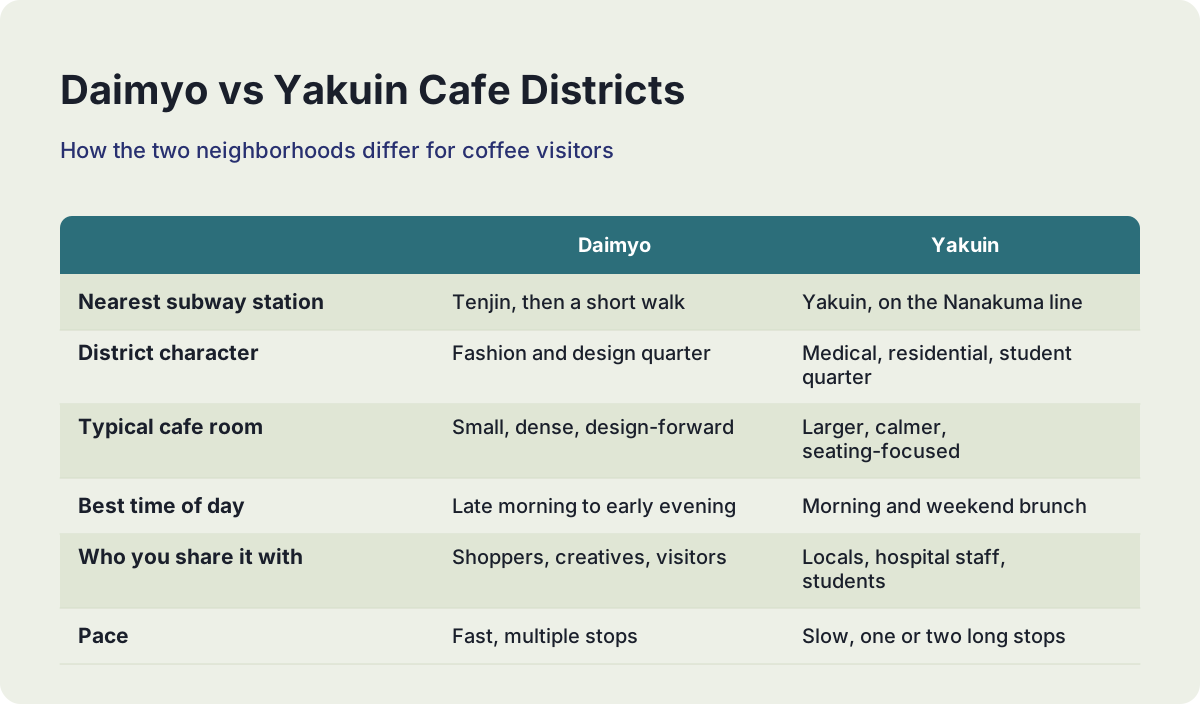
Daimyo is a fashion district that happens to serve excellent coffee, so its cafes are small, design-led and oriented around short visits and takeaway. Yakuin is a residential neighbourhood that cafes moved into, so its shops are larger, calmer and built for sitting: brunch sets, terrace seats and power outlets. Same city, same bean quality, two opposite experiences of time.
The Daimyo scene grew out of the neighbourhood's clothing trade. As the boutiques filled the grid and the district became the city's fashion address, the coffee shops that followed them had to look like they belonged next to designer labels, and they competed on interior design, equipment and single-origin beans. Counter seating dominates. A typical Daimyo shop seats eight to fifteen people, roasts or buys from small-lot roasters, and turns its espresso menu over seasonally. The customers skew younger, and many arrive between shopping stops, so the natural rhythm is one espresso standing or a quick pour-over, then onward.
Yakuin's growth came later and from a different impulse: space. As rents in Daimyo and Tenjin rose, cafe owners looked one station south and found whole houses available. The shops that opened there could seat thirty, forty or more, install kitchens capable of full brunch menus, and keep customers for hours. The area became known for pancake sets, morning plates and laptop-tolerant corners, and it draws families, remote workers and couples on weekend afternoons rather than shoppers.
| Feature | Daimyo / Imaizumi | Yakuin |
|---|---|---|
| Character | Fashion-district, design-led | Residential, relaxed |
| Typical size | Small, counter-focused | Large, converted houses |
| Signature order | Single-origin pour-over, espresso | Brunch set, pancakes, latte |
| Stay length | Short, 20 to 40 minutes | Long, an hour or more |
| Seating style | Counter and tiny tables | Sofas, terraces, gardens |
| Best time | Weekday mornings | Weekend late mornings |
| Crowd | Shoppers, students, visitors | Families, remote workers |
Neither is "better". A visitor with one morning and an interest in coffee as craft should spend it in Daimyo. A visitor who wants breakfast that happens to come with great coffee should take the subway one stop south and settle in. The two scenes even source from some of the same Kyushu roasters, which is worth knowing: the beans in a Yakuin latte and a Daimyo pour-over may come from the same bag.
How Do You Plan a Morning in Daimyo's Cafes?
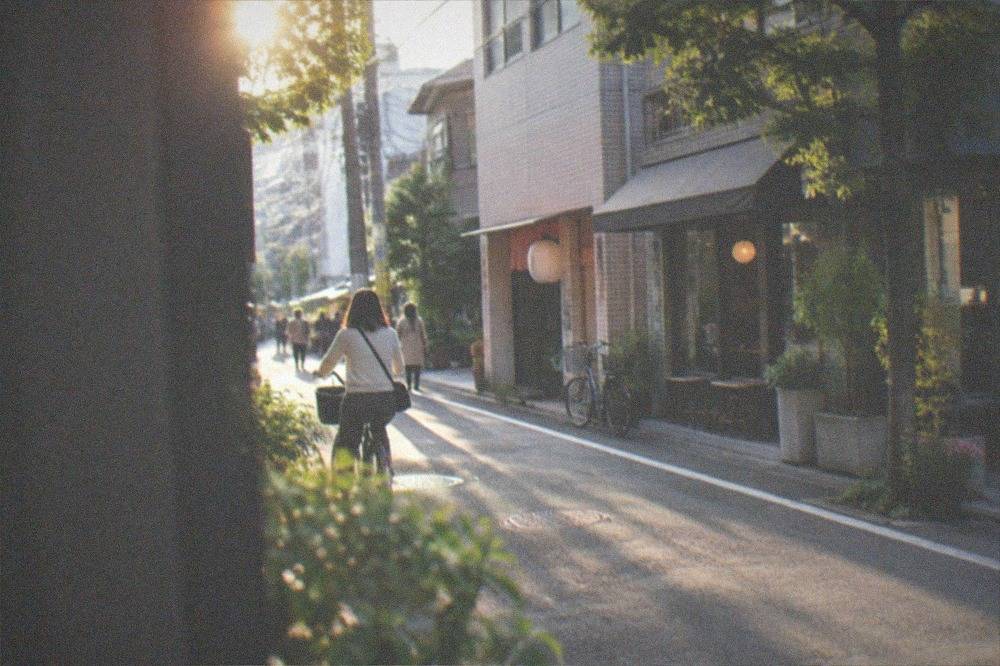
Plan a Daimyo coffee morning as three short stops rather than one long one: pick a roaster for a pour-over first, a bakery-cafe for something to eat second, and a design-led espresso bar to finish, all within a 10-minute walk. Start at opening time, around 9:00 to 10:00 for most shops, because the grid's narrow lanes fill up by lunch and the smallest cafes run out of counter seats.
The practical detail that decides a Daimyo morning is opening hours. Independent shops here open late by Japanese standards, often 9:00 or 10:00, and several close by early evening, so the window is genuinely a morning-and-early-afternoon one. Check the shop's own listing or a map before setting out, since hours shift with the season and the day of the week.
Walk the grid rather than the main roads. The best shops sit on lanes like Kego-dori's side streets and the blocks between Imaizumi and the Tenjin Nishi road, where foot traffic is light enough that a cafe can afford a quiet frontage. A useful pattern is to start at the northern edge near Tenjin and drift south, ending within walking distance of Imaizumi's restaurants when lunchtime arrives.
Two practical notes. First, Daimyo's cafes are popular enough on weekends that a party of four will struggle, so go before 10:00 or in ones and twos. Second, the neighbourhood sits inside the Nishitetsu bus flat-fare zone and two minutes from Tenjin's subway station, so arriving from anywhere central costs very little, and the getting around Fukuoka guide covers the ticket options.
Which Yakuin Cafes Suit a Slow Morning?
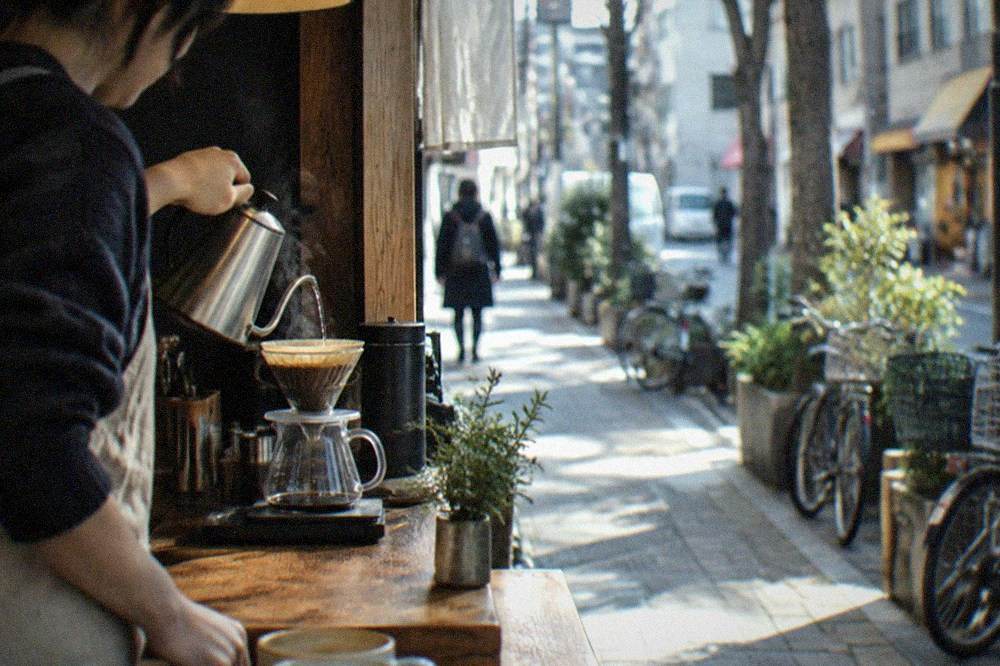
Yakuin suits a slow morning because its cafes are built for it: converted houses with gardens, kitchens serving full breakfast sets, and seating that expects you to stay. Pick one shop, order a morning set, and let the neighbourhood do the rest. Yakuin sits one subway stop or a 15-minute walk from Tenjin, so it fits after a Daimyo stop rather than instead of one.
The morning set, a Japanese cafe tradition worth knowing about, is the smart order here. Many Yakuin cafes run a morning menu where a drink comes with toast, a small salad, a boiled egg or soup for a modest addition, served until late morning. It is the same convention the city's kissaten have kept for decades, transplanted into bigger rooms with better beans. Arrive between 9:00 and 11:00 on a weekday and the room will be half full, calm and unhurried.
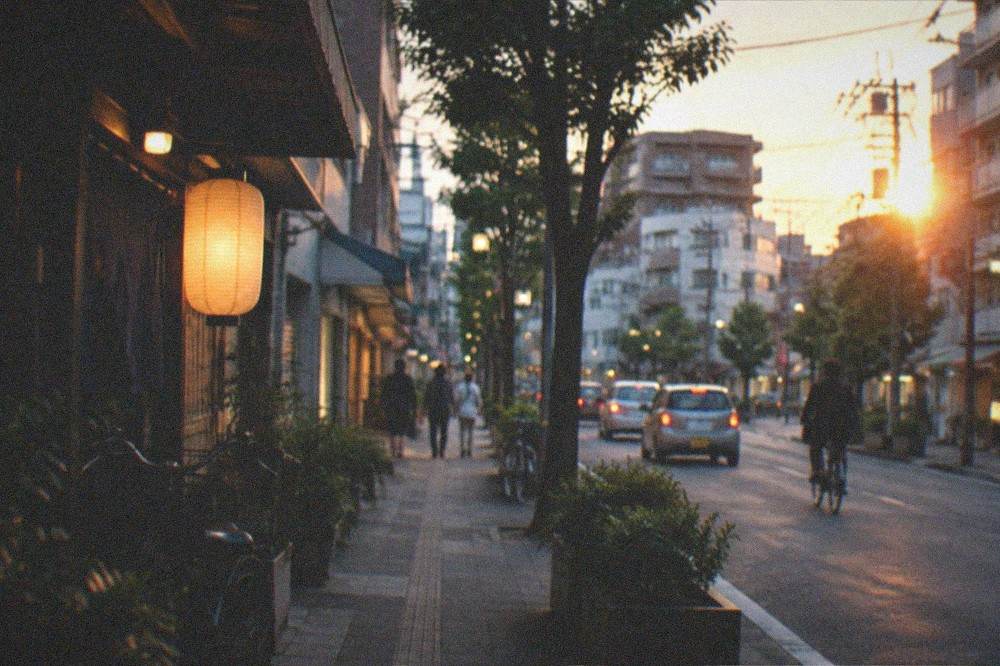
The streets themselves reward wandering. Yakuin's grid holds secondhand shops, small bakeries and a shrine tucked between houses, and the walk from Yakuin station north toward Kego and Daimyo passes through quieter residential blocks that show the ordinary side of the city most visitors never see. Families with strollers and dogs on terraces are the norm here, and nobody rushes a table.
For visitors pairing the two districts, the sequence that works is Daimyo first, Yakuin second. Daimyo's shops open earlier and reward the fresh legs, while Yakuin's brunch menus run later and absorb the post-noon slowdown. The subway fare between Tenjin and Yakuin falls in the cheapest band, ¥210 for an adult, and the Fukuoka subway guide explains the fare zones if you are connecting from further out.
Can You Do a Daimyo and Yakuin Coffee Crawl in One Day?
Yes, comfortably. The two districts sit within a 20-minute walk or one subway stop of each other, so a realistic crawl is three Daimyo stops in the morning, lunch in Imaizumi, and one long Yakuin cafe in the afternoon. Total transport cost is ¥210 to ¥260 in subway fares, or nothing at all if you walk, and the whole route fits between 9:00 and 16:00.
Here is a schedule that has worked for the geography rather than against it. Begin in Daimyo at opening, around 9:30, with a pour-over at a roaster near the Kego end of the grid. Walk south through the lanes, pausing at a bakery-cafe for a second coffee and something warm. Finish the Daimyo leg with an espresso within sight of Imaizumi, then have lunch in that neighbourhood, which holds some of the city's most reliable casual restaurants, covered in the Fukuoka food guide.
Afternoon is Yakuin's natural slot. Take the subway one stop from Tenjin, or walk the 15 minutes through Kego, and settle at a single large cafe with a terrace or garden seat. Order the afternoon plate, read, and let the day close itself. If energy remains, the walk back north along the river toward Tenjin passes several more shops worth noting for tomorrow.
| Time | Stop | What to order | Why it works |
|---|---|---|---|
| 9:30 | Daimyo roaster | Single-origin pour-over | Shops quiet at opening |
| 10:30 | Daimyo bakery-cafe | Coffee and a pastry | Second stop, small hunger |
| 11:30 | Imaizumi espresso bar | Espresso or cortado | Short stop before lunch |
| 12:30 | Imaizumi lunch | Any | Strongest casual dining block |
| 14:30 | Yakuin house cafe | Afternoon set | Long seats, terraces |
| 16:30 | Walk back via Kego | Nothing, or takeaway | River route into Tenjin |
Cycling shortens the day further. A bike turns the crawl into a loop that can add Ohori Park or the Hakata lanes without doubling the distance, and a guided ride exists for exactly this use case: the Hakata guided bike ride runs 3 hours 30 minutes from $73 per person, rated 4.7 from 22 reviews, and covers the city's districts with a local leading. For visitors who would rather not navigate the one-way lanes alone, it is the efficient version of this itinerary.
What Should You Order at a Fukuoka Cafe?
Order the thing the shop is actually built around: pour-over single origins in Daimyo, morning and afternoon sets in Yakuin, and siphon coffee with thick toast in a Hakata kissaten. Fukuoka's cafes also run on Kyushu-grown beans more than visitors expect, so asking what is local on the menu usually gets you the most interesting cup in the room.
The pour-over is Daimyo's signature order because the shops are built for it: scales, gooseneck kettles and rotating single-origin menus are standard equipment. Ask for the day's light roast rather than defaulting to a latte, since the milk drinks, though good, hide the bean the shop is proudest of. In Yakuin, the set menus are the point. A morning set with toast, egg and salad alongside the coffee costs little more than the coffee alone and turns a cafe visit into breakfast.
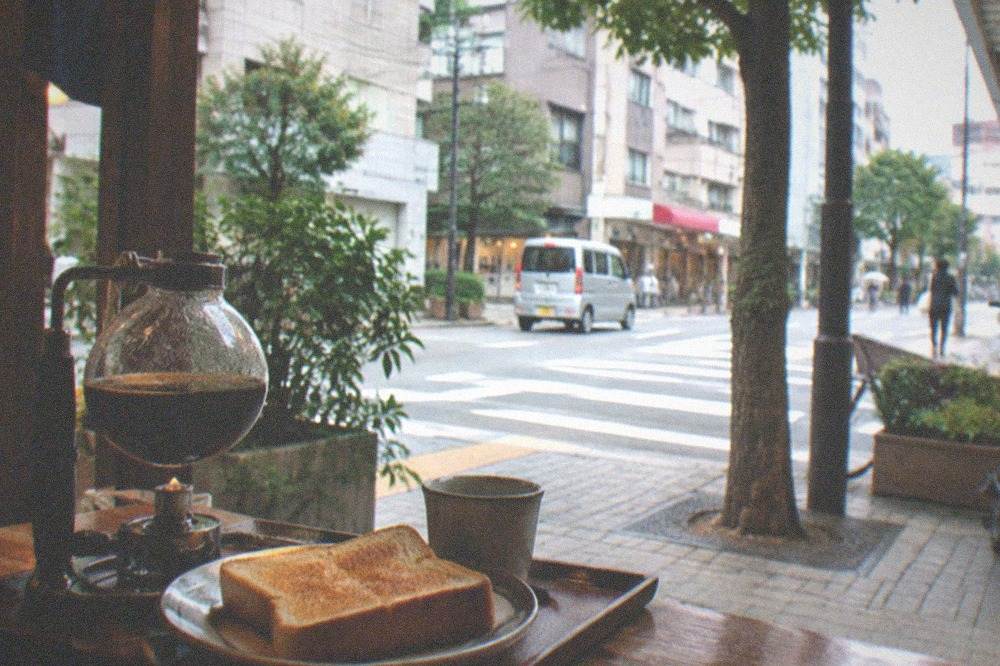
In Hakata's kissaten, order the classics. Siphon coffee, served from a glass flask at the table, is the old style, and it pairs with thick-cut jam toast or a pudding. These rooms preserve a mid-century cafe culture that has largely vanished elsewhere in Japan, and the ritual is the product as much as the drink.
| Cafe type | Signature order | Best district | Typical stay |
|---|---|---|---|
| Roaster / third wave | Single-origin pour-over | Daimyo, Imaizumi | 20 to 30 minutes |
| Bakery-cafe | Coffee and pastry | Daimyo | 30 minutes |
| Brunch house | Morning or afternoon set | Yakuin | 60 to 90 minutes |
| Kissaten | Siphon coffee and jam toast | Hakata | 40 to 60 minutes |
| Stand bar | Espresso, standing | Tenjin, Hakata | 10 minutes |
One Kyushu-specific note: the region grows its own tea and has a growing number of coffee roasters working with beans roasted in Fukuoka, Kurume and elsewhere in the prefecture. Menus often flag the origin. Asking the barista which cup uses the local roast is the single most reliable way to get a recommendation, and it works in both districts.
For travellers whose day is organised around food more broadly, the Fukuoka street food guide covers the yatai stalls and market snacks that fill the gaps between cafe stops.
When Is the Best Time of Year for Cafe Hopping?
Autumn and spring are the best seasons for a Fukuoka cafe crawl: mid-October to November brings 18-degree days and 94.5 mm of monthly rain, while late March to April pairs blossom season with mild temperatures. Summer works too, but the Japan Meteorological Agency's normals show July is the wettest month of the year at 299.1 mm, so plan indoor-heavy cafe days and check the forecast.
The climate data is unambiguous in a way most guides miss. The JMA's 1991 to 2020 normals for Fukuoka put July's rainfall at 299.1 mm against June's 249.6 mm, even though June carries the tsuyu rainy-season label. July is also Yamakasa month, when the city's biggest festival fills the streets around Kushida Shrine from July 1 to 15, and the combination of festival crowds and downpours makes it the one month where a cafe plan should stay flexible.
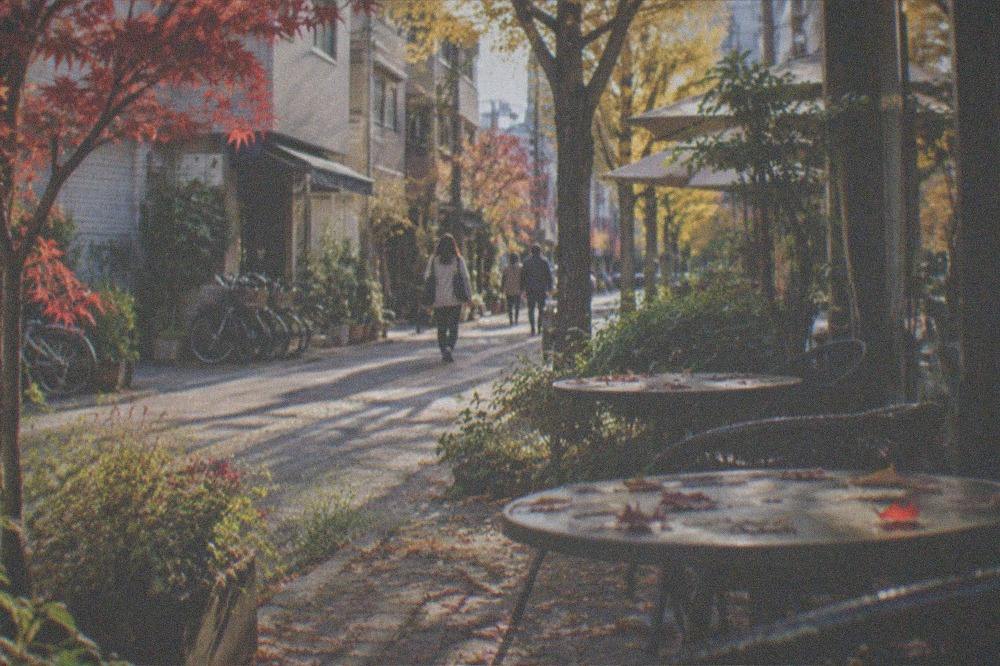
October is the quiet champion. Rainfall drops to 94.5 mm, daily highs sit around 23.7 degrees, and the sunshine hours rank among the year's best at 175.9. Terrace seating in Yakuin is at its most usable, and the walk between districts is comfortable all day. November keeps most of that while adding early autumn colour to the parks along the way, and the best time to visit Fukuoka guide breaks the whole year down month by month.
Winter deserves a better reputation than it gets. December, January and February average 67.5 mm, 74.4 mm and 69.8 mm of rain respectively, with daily highs of 10 to 13 degrees, which is to say: cold enough to want a hot drink, dry enough to walk between cafes without an umbrella. The kissaten of Hakata, all velvet and siphon steam, are at their most atmospheric in January. The Fukuoka weather guide carries the full month-by-month table.
Where Else in Fukuoka Has Great Cafes?
Beyond Daimyo and Yakuin, good coffee concentrates in three more places: the Ohori Park and Ohori-Akasaka strip west of the centre, the Hakata Old Town lanes around the temples, and the waterfront around Momochi and Bayside Place for sea-view seats. Each pairs with a different kind of sightseeing, so the cafe stop can be built into a day that was really about something else.
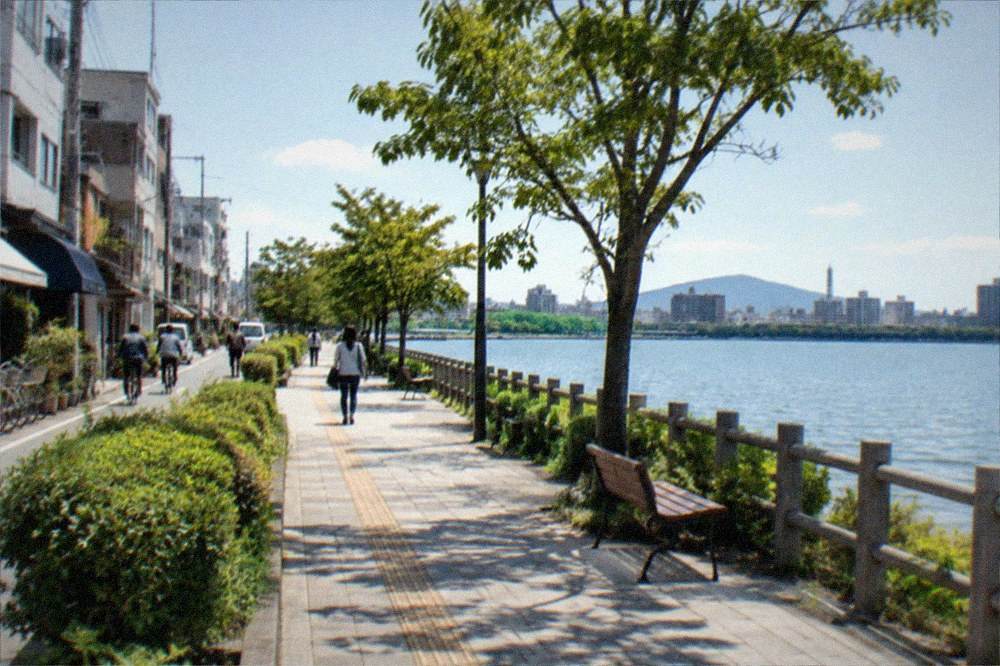
Ohori Park is the easiest add-on. The park's 2-kilometre lake path sits inside one of Japan's nicer urban parks, and the streets on its east side toward Ohori-Akasaka hold a string of calm cafes that residents treat as weekend defaults. A lap of the lake followed by coffee is a standard Fukuoka morning, and the Ohori Park guide covers the park itself, including the Japanese Garden, whose official site lists adult admission at ¥250 and child admission at ¥120.
Hakata Old Town is the history-plus-coffee combination. The lanes between Kushida Shrine, Shofukuji and Tochoji hold the old kissaten alongside newer shops, and the temples are free to enter, so a morning of temple visits breaks naturally into coffee stops. The shrines and temples of that quarter sit within a ten-minute walk of each other, which makes the pairing almost effortless.
The waterfront is the third option, thinner on quality but strong on setting. Momochi's seaside strip and the Bayside Place area near Hakata Port both have cafes with water views, and the port's ferry terminal connects to the bay islands for a coffee day with a boat ride attached. For evening, the scene shifts from coffee to bars, and the city's nightlife picks up where this page leaves off.
A cultural detour also fits the cafe day neatly. A calligraphy experience runs 2 hours from $32 per person, rated 5 from 7 reviews, and pairs naturally with a slow afternoon in either district, since it teaches the same brush-and-ink tradition the older kissaten interiors evoke.
Where Should You Stay to Be Near the Cafes?
Stay in Tenjin or Daimyo to be inside walking distance of the main cafe grid, stay in Yakuin for the quieter residential cafe scene at lower room rates, or stay near Hakata Station for the kissaten and the best transport links. Tenjin and Hakata are the two hubs that matter, and the subway between them costs ¥210 to ¥260, so no choice strands you.
The trade-off is straightforward. Tenjin and Daimyo put the largest concentration of shops, restaurants and cafes underfoot, at the price of the city's busiest nightlife district on the surrounding blocks. Yakuin trades a 10-minute commute to Tenjin for calmer nights and bigger rooms. Hakata Station's area wins on connections: the subway, the Shinkansen and the airport line all meet there, and the station's own mall and underground passages hold more cafes than a first-time visitor expects, as the Hakata Station guide details.
For a trip built around coffee specifically, Tenjin or Daimyo is the honest answer, and the where to stay in Fukuoka guide compares all the districts including the two cafe quarters. Arriving visitors should note that Fukuoka Airport sits unusually close to the city centre, with the subway fare to Hakata at ¥260, a figure derivable from the official subway fare table's 3 to 7 km band, and the Fukuoka Airport guide covers the transfer options including a private arrival transfer from $149 per person.
A first-timer's overview of the whole city, sights included, comes from the half-day city essentials tour, from $74 per person and rated 4.9 from 48 reviews, which covers the districts this guide discusses and gives a framework to hang the cafe stops on.
How Does Fukuoka's Cafe Scene Compare with the Rest of Japan?
Fukuoka's coffee culture is unusually concentrated and unusually local: two small districts hold a density of independent roasters that Tokyo spreads across whole wards, and the kissaten tradition survives here more visibly than in most large cities. The scene is also younger-feeling than Osaka's and cheaper to enjoy than Kyoto's, which makes it one of the better cafe cities in the country for a short trip.
The concentration is the measurable part. Daimyo's grid covers roughly a square kilometre, and a visitor can walk between a dozen serious coffee shops inside it without crossing a main road. That walkability, rather than any single famous shop, is what distinguishes the city. The honest summary of the Tokyo and Osaka comparisons is that Fukuoka gives a visitor less total choice and more of it within a 10-minute walk, and lower prices on average than either giant.
The kissaten layer matters too. Hakata's old cafes preserve a style of coffee service, siphon at the table, uniformed staff, toast sets, that has become a heritage item in much of Japan. Combined with the yatai food stalls, about 100 of them under the city's licensing system, the old and new drinking cultures sit closer together here than anywhere else in Kyushu, and the evening half of that pairing is where the city's food reputation really lives.
This page is part of Fukuoka Japan Travel Guide, and the wider Kyushu route connects Fukuoka to the tea fields of Yame, the onsen towns and the rest of the island's food trail, all reachable as day trips from the cafe districts.
Common Questions About Fukuoka Coffee and Cafes
What Makes The Cafe Scene In Daimyo And Yakuin Different?
Daimyo is a fashion district with small, design-led cafes built for short visits and single-origin pour-overs. Yakuin is a residential area where cafes occupy converted houses with big menus, brunch sets and long, comfortable stays. The bean quality is comparable, and the two districts sit within a 20-minute walk or one subway stop of each other.
Which neighbourhood is better for a first visit, Daimyo or Yakuin?
Daimyo suits a first visit better because it holds the largest concentration of shops and sits right beside Tenjin's transport, restaurants and shopping. Yakuin is the better choice for a slow breakfast or a rainy afternoon, when one large cafe with a set menu beats three small stops.
How much does a coffee cost in Fukuoka?
Prices vary by shop and menu, and no official figure exists, so treat any number as a planning range rather than a promise. Espresso drinks at independent shops generally cost less than a sit-down meal anywhere in the city, and the morning set convention, a drink plus toast or a small plate, is usually the best value on any menu. Check each shop's posted prices on the day.
Do Fukuoka cafes open early in the morning?
Mostly no. Independent shops in Daimyo and Yakuin typically open between 9:00 and 10:00, later than convenience stores or bakery chains, and some close by late afternoon. Hakata's older kissaten often open earlier. Plan the crawl for mid-morning onward rather than at sunrise.
Can you work or study in Fukuoka cafes?
Yakuin is the laptop-friendly district: converted houses, power outlets and long-stay seating make it the practical choice for remote work. Daimyo's shops are small and turnover-oriented, so a laptop there is awkward at busy times. Ask or observe before settling in, since policies vary shop to shop.
Is a coffee-focused day in Fukuoka worth it without a car?
Yes. The subway fare between Tenjin and Yakuin falls in the cheapest zone at ¥210 for an adult, and Daimyo, Imaizumi and Yakuin are all walkable or one stop apart. A full crawl of both districts needs no car, no taxi and at most a couple of short subway rides, and cycling the same route is also practical.