Sumiyoshi Shrine Fukuoka
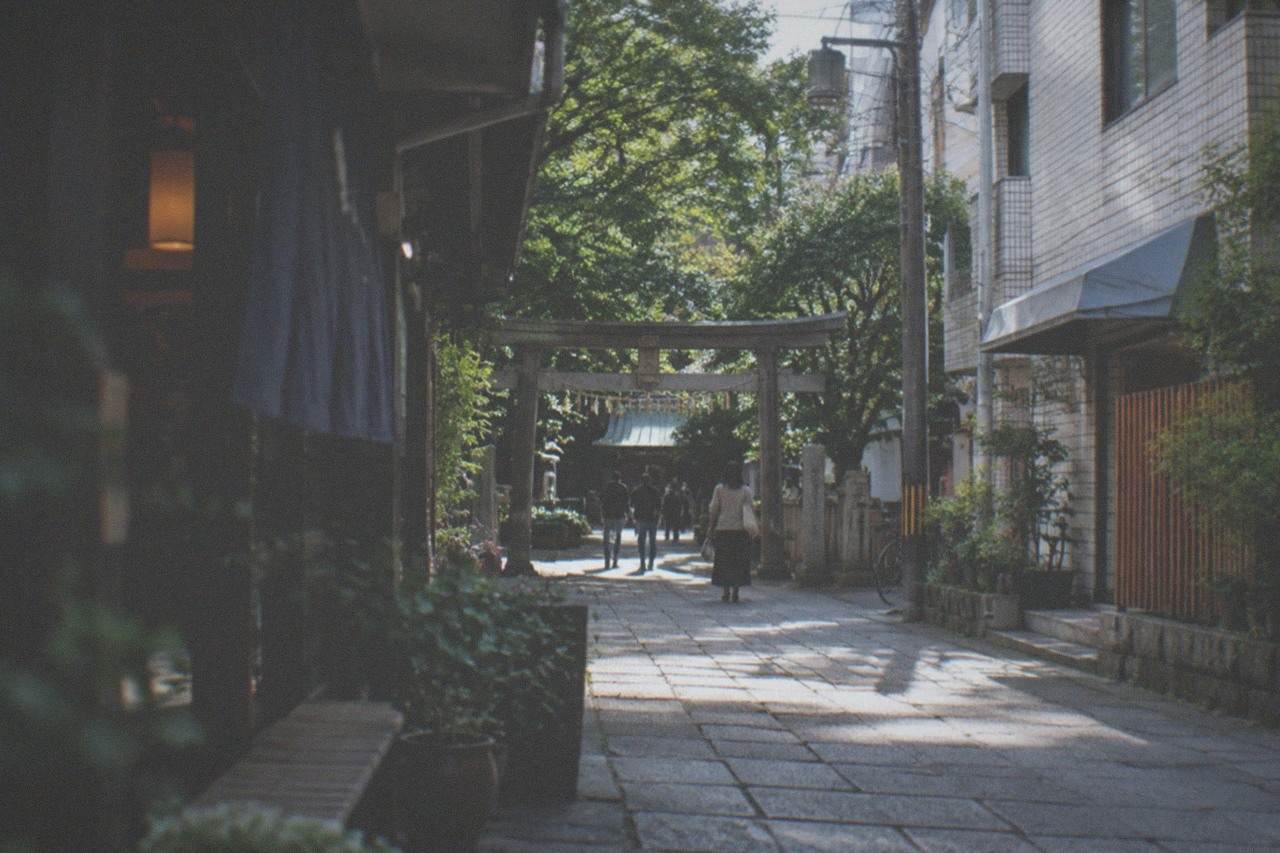
Sumiyoshi Shrine sits in the heart of Hakata, a few minutes from the station, and it is one of the oldest spiritual sites in a ward that already has plenty of them. It is free, quiet, and easy to fold into any city-centre walk.
Short answer
Sumiyoshi Shrine is worth visiting if you are already in Hakata: entry is free, the grounds are compact, and the shrine's connection to Fukuoka's sea-faring history gives it a character the bigger temples nearby do not have. It is a 30 to 60 minute stop, not a half-day destination, and it pairs naturally with Kushida Shrine and the Hakata old town.
Hakata packs a remarkable amount of history into a small area, and Sumiyoshi Shrine is part of the reason why. Tucked into the streets east of Hakata Station, this shrine is dedicated to the three Sumiyoshi deities, gods of the sea who were worshipped for centuries by the merchants, sailors and pilgrims who made Hakata one of medieval Japan's great trading ports. Where Kushida Shrine is the loud, festival-facing heart of the district, Sumiyoshi is the quieter, older-feeling counterpart, the kind of place you can have almost to yourself on a weekday morning. This guide covers what the shrine actually is, how to reach it, what to look for once you are through the gate, and how to decide whether it earns a slot in your itinerary.
What Kind of Shrine Is Sumiyoshi?
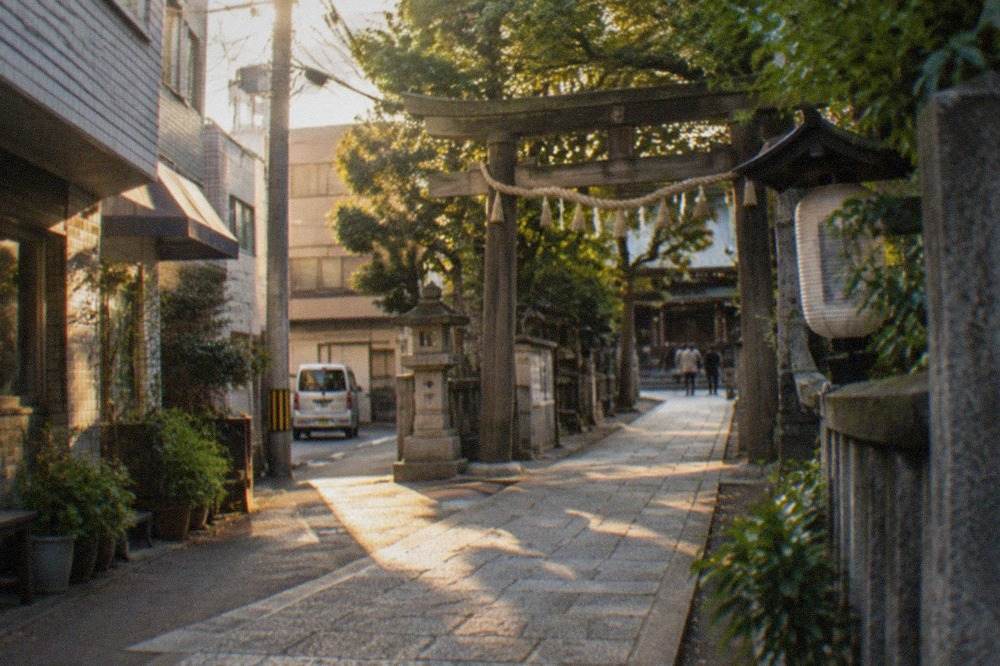
Sumiyoshi Shrine is a Shinto sanctuary dedicated to the three Sumiyoshi gods, the deities of the sea, safe voyage, and purification. It also belongs to a wider network of Sumiyoshi shrines that stretches across the whole of Japan, meaning visitors here are experiencing one branch of a much older and far-reaching tradition of maritime worship. Hakata's version matters historically because the port city grew rich on maritime trade, and the people who did that trading prayed here before and after their voyages. The grounds are compact: a main hall, an approach lined with trees and stone, and a handful of secondary shrines and monuments that reward a slow lap. You do not need any background in Shinto to enjoy it, you only need to slow down.
The Sumiyoshi cult is one of the oldest continuous strands of Japanese religion. Coastal communities from Kyushu to Osaka built shrines to these gods, and the grand head of the family sits in Osaka's Sumiyoshi district. Hakata's branch is special for a mundane reason: Hakata was for centuries the port through which trade with China and Korea flowed, and the merchants who ran that trade were the shrine's natural constituency. Walking the approach, you are tracing the spiritual footprint of a medieval merchant town that still exists, in street plan at least, a few hundred metres away.
That merchant past explains the shrine's character today. It is a working neighbourhood shrine rather than a tourist attraction. Locals drop in for quick prayers, families bring children for seasonal blessings, and the grounds feel lived-in rather than staged. There are no ticket gates, no set route and no pressure to move along. For a visitor, that intimacy is the whole appeal: this is the closest thing Hakata has to seeing the district's religious life as residents actually live it, rather than as a packaged sight.
Is Sumiyoshi Shrine Fukuoka Worth Visiting?
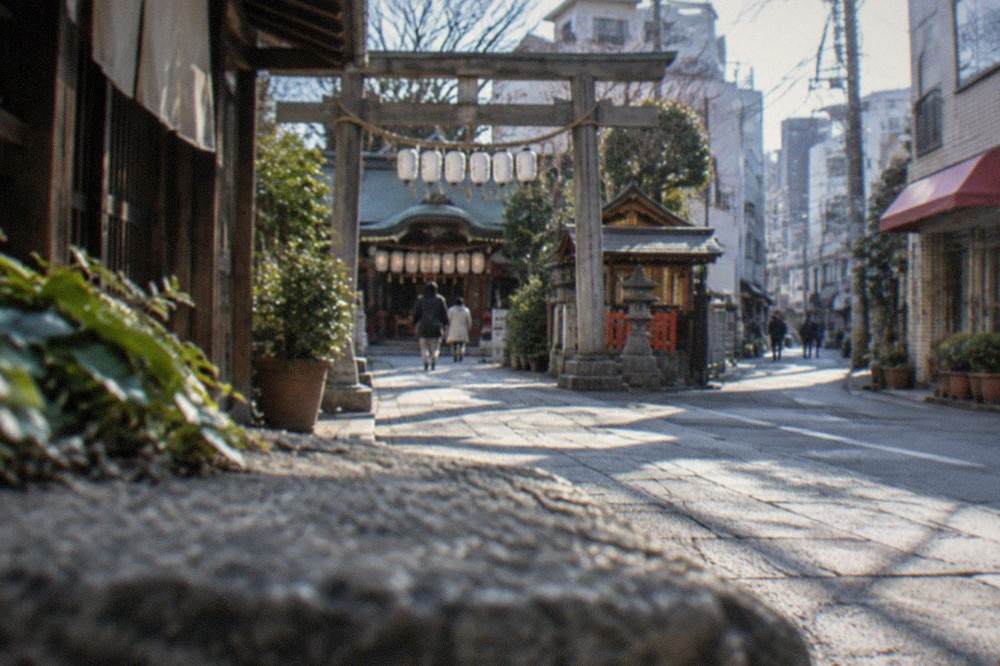
Yes, Sumiyoshi Shrine in Fukuoka is worth visiting if you enjoy shrines and you are already in the Hakata area, since it offers a genuine stop without requiring much extra travel. However, if you are short on time during your trip, or shrines and temples simply are not your thing, you can skip it without feeling like you missed something essential to your Fukuoka experience. Entry is free, the grounds take 30 to 60 minutes to see properly, and the shrine sits close enough to Kushida Shrine, Tochoji and the old town that combining all four into one walk costs you barely any extra time. What it does not offer is a big, dramatic single sight: there is no giant Buddha, no castle wall, no observation deck. Its value is atmosphere and history, and that value depends entirely on how much those two things matter to you and how much time your trip allows.
The honest comparison is with its neighbours. Tochoji Temple has one of Japan's largest seated Buddha statues and a five-storey pagoda, so it wins on spectacle. Shofukuji Temple is Japan's first Zen temple, founded in the twelfth century, and wins on gravitas. Sumiyoshi Shrine competes on neither of those fronts. What it offers instead is a genuinely old sea-god sanctuary in a district that owes its existence to the sea, plus grounds small enough that you never feel you have missed something. If your Hakata walk already includes two or three religious sites, adding Sumiyoshi rounds out the story rather than repeating it.
For first-time visitors the calculus is simple. If you have one day in Fukuoka, see Kushida Shrine, Tochoji and the yatai, and skip Sumiyoshi without guilt. If you have two days or more, or you are staying in Hakata and want a morning walk, it earns its place easily. It is also one of the better free things to do in the city for anyone travelling on a budget, since the entire experience costs nothing but the time it takes to get there.
If you would rather have a local interpret all of this for you, a guided walk is the efficient option.
The Mount Aso and Kurokawa Onsen tour in that selection is aimed at travellers who want to go deeper into Kyushu's shrine culture after seeing the city ones, while the private highlights tour covers Hakata's compact shrine-and-temple cluster on foot. The evening tour, meanwhile, is for the yatai side of the district, the part of Hakata that comes alive after the shrine gates close.
How Do You Get to Sumiyoshi Shrine?
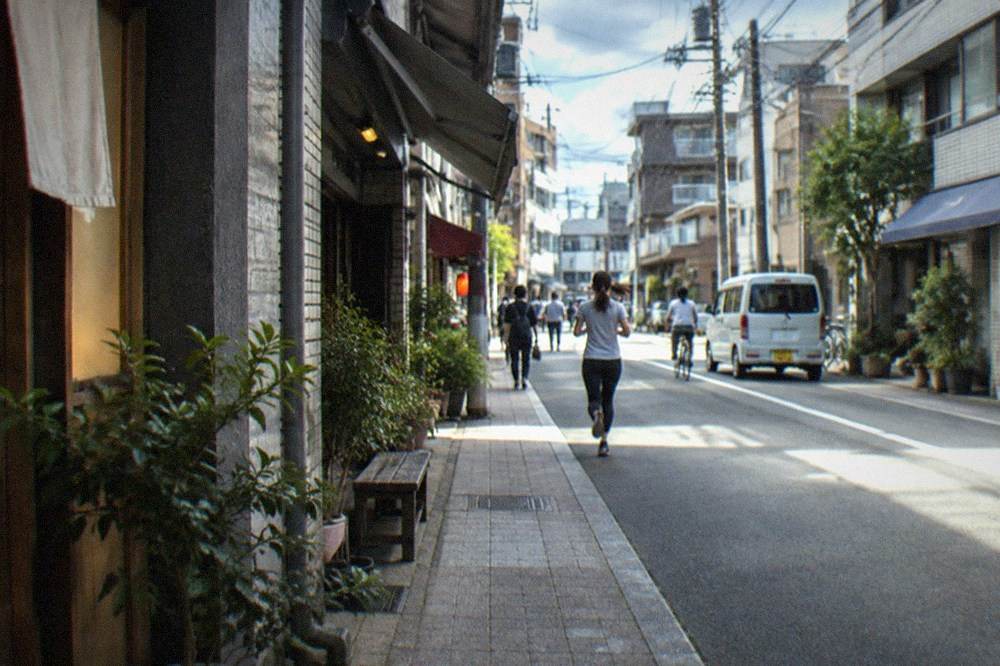
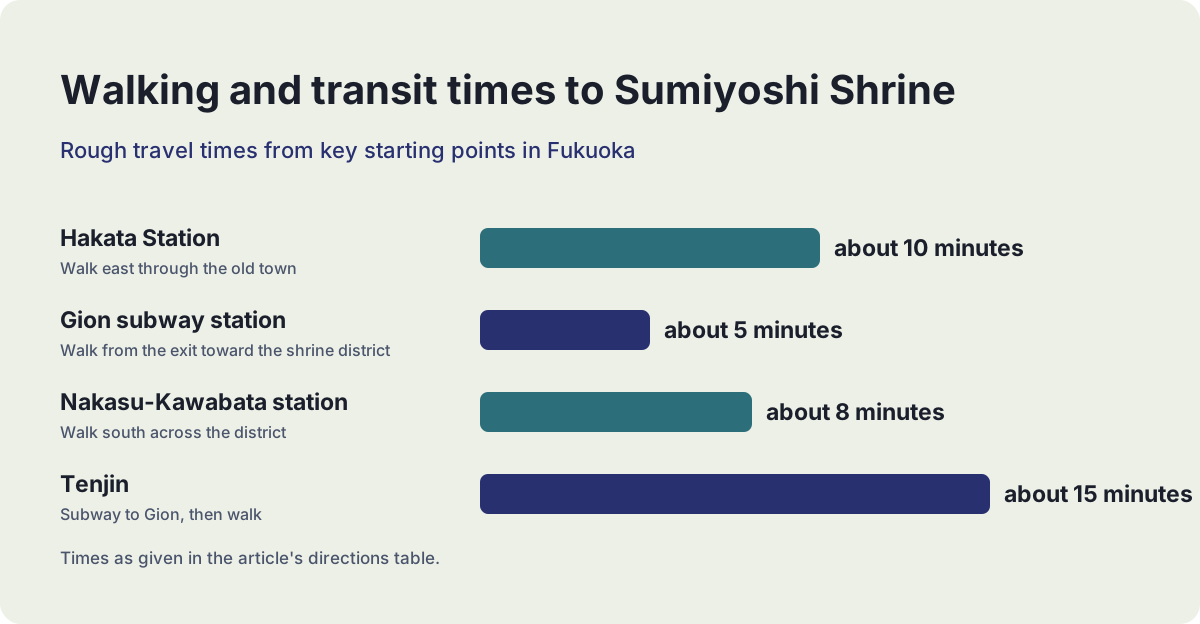
Sumiyoshi Shrine is in Hakata ward, a short walk from Hakata Station and the Gion district, and no transfer or fare is needed if you are already near the station: it is reachable on foot from most of central Hakata. From Hakata Station the walk is a matter of minutes, roughly ten, heading east through the older streets of the district. From Tenjin, take the subway one or two stops to Gion or Nakasu-Kawabata and walk from there; a single subway fare runs from ¥210 for the shortest hops up to ¥380 for the longest, per the city subway's official distance-banded fare table.
Hakata is a ward of Fukuoka, and the station is called Hakata Station, not Fukuoka Station; there is no JR Fukuoka Station, a point that catches out a remarkable number of first-time visitors. Once you understand that Hakata is the station-and-ward name inside the same city, the geography becomes simple: the shrine sits in the dense old quarter east of the station, the same quarter that holds Kushida Shrine, Jotenji Temple and the Hakata Machiya Folk Museum. Practically every visitor will pass within a few hundred metres of it at some point.
| From | Best route | Rough time on foot |
|---|---|---|
| Hakata Station | Walk east through the old town | about 10 minutes |
| Gion subway station | Walk from the exit toward the shrine district | about 5 minutes |
| Nakasu-Kawabata station | Walk south across the district | about 8 minutes |
| Tenjin | Subway to Gion, then walk | about 15 minutes total |
| Fukuoka Airport | Subway to Hakata, then walk | fare ¥260, then a short walk |
The airport row in that table deserves a note. Fukuoka Airport is unusually close to the city centre, which is genuinely one of the city's best features, and the subway fare from the airport to Hakata is ¥260, a figure that comes straight from the operator's official 3 to 7 km fare band. What you should not believe is the "five minutes" figure many guides print: no official page verifies a journey time, so treat the ride as short and leave it at that. If you are arriving with luggage, the storage options around Hakata Station are worth knowing about before you set off, though the shrine itself is a light, quick stop.
Because the shrine is free and always open to walk past, timing is flexible. There is no benefit to arriving at opening time and no penalty for a late-afternoon visit, though the light through the trees is at its best in the morning. If you are building the visit into a wider Hakata day, the natural sequence is Hakata Station, then the old-town streets, then Sumiyoshi, then Kushida Shrine, finishing at the yatai stalls along the Naka River in the evening. That is a full and satisfying day, and it never requires a vehicle.
For travellers who prefer a guide to handle the route and the storytelling, the private walking option is the closest fit.
The fully customisable version of that private tour, Fukuoka Your Way: 100% Customisable Private Tour with Local Guide, runs from $59 per person and is rated 4.9 from 106 reviews, and it lets you hand the guide a list that includes exactly this kind of small, story-rich stop. You can also Check availability if a custom Hakata walk appeals.
What Can You See on the Grounds?
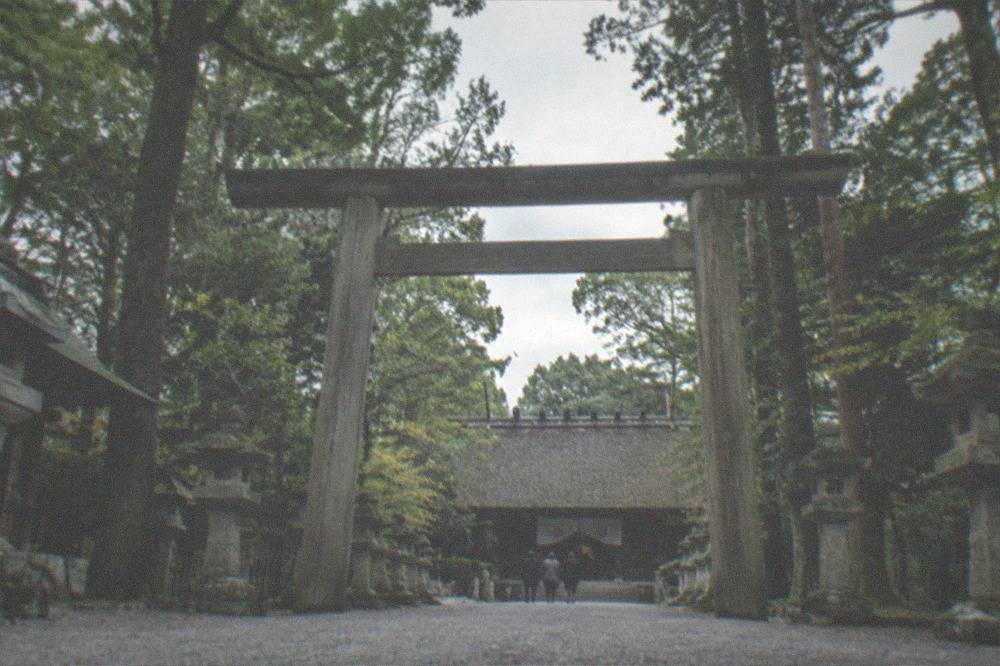
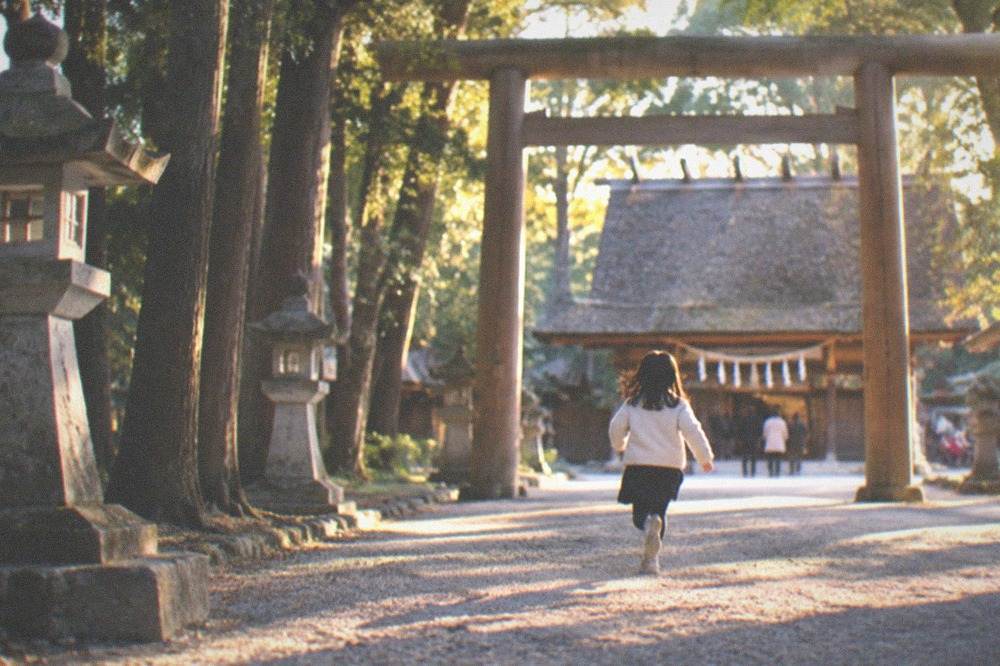
On the grounds you can see a main hall, an approach lined with stone lanterns and trees, several subsidiary shrines, and a scatter of historic stones and monuments. Together, these features make a slow circuit of the site genuinely worthwhile, since the historic markers and smaller shrine buildings reward visitors who take their time rather than rushing straight to the main hall. The main hall is the focal point, and it is worth pausing at the front to watch how locals approach it: a bow at the gate, a rinse at the water pavilion, a short prayer, a bow out. The subsidiary shrines each have their own small following, and the stone monuments, many donated by merchant families across the centuries, are the physical record of who funded this place and why it still stands in the middle of a modern business district.
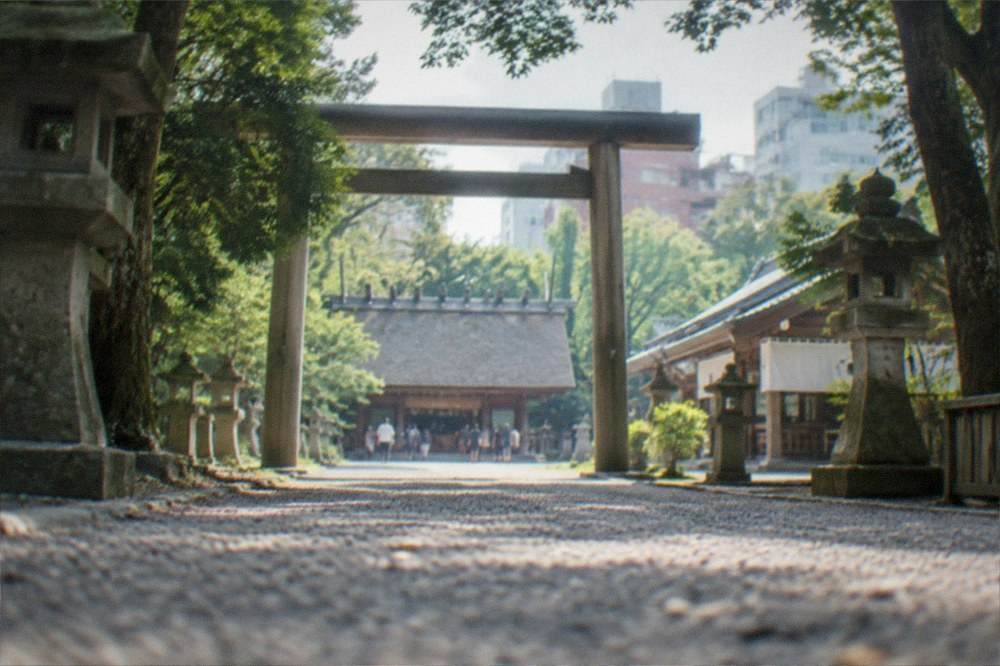
The approach is the part most visitors remember. Hakata is a dense, commercial district, and the moment you step off the street into the tree-lined path, the sound drops away. This contrast is the shrine's quiet trick: it is not large, but it is genuinely enclosed, and the enclosure feels older than the office blocks around it. Photographers tend to do well here in soft morning light, when the lanterns and gravel paths have the most texture. If shrine photography is your thing, the city's wider viewpoints and photo spots guide picks up where this page leaves off.
Look for the ema, the small wooden plaques on which worshippers write wishes. At a sea-god shrine the wishes skew toward safe travel, which gives the display board an unintended poignancy: row after row of people asking for protection on journeys, in a city that has been sending people out onto the Genkai Sea for a thousand years. It is a small thing, but it is the single detail that best explains what this shrine has meant to Hakata, and it costs nothing to stand and read a few.
| Feature | What it is | How long to spend |
|---|---|---|
| Main hall | The primary sanctuary, fronted by a gravel court | 5 to 10 minutes |
| Water pavilion | Ritual rinse point at the entrance | 1 minute |
| Approach and lanterns | Tree-lined stone path from the street | 5 minutes |
| Subsidiary shrines | Small side sanctuaries with their own followings | 5 to 10 minutes |
| Stone monuments | Donated markers recording merchant patronage | 5 minutes |
| Ema display | Wooden wish plaques, many for safe travel | a few minutes |
A circuit of everything in that table fits comfortably inside half an hour. The shrine does not have a museum, a garden or a cafe, so plan the rest of your morning around the neighbourhood rather than the grounds themselves. The old-town streets and the morning market nearby are the natural companions, and both are covered in their own pages on this site.
What Is the Shrine's Connection to Sumo?
Sumiyoshi Shrine is deeply tied to sumo through its role as a place where wrestlers, officials, and fans gather during Fukuoka's November tournament season, blending the sport's rituals with the shrine's religious life. The shrine honors deities connected to the sea and travel, yet it has become a favored site for sumo-related blessings and ceremonies, making it one of the clearest points in the city where Japan's national sport and everyday worship visibly meet. The connection matters to visitors because Fukuoka is a sumo town in a specific sense: the November Kyushu Basho is the one annual tournament staged here, and it is the only time competitive sumo happens in the city. Around that, and at other times of year, the stable culture that surrounds the sport is visible in places like this, where wrestlers come to pray before their bouts.
The shrine's sumo link is a natural fit with the rest of a sumo-themed day. Travellers who want the full experience can book a morning sumo practice visit in the old town, which runs year-round and includes a walk through Hakata's historic streets, and the tournament viewing tours run when the basho is on. The roster's tournament viewing tour is priced from $87 per person and rated 4.8 from 13 reviews, while the morning practice option runs from $77 and is rated 4.2 from 22 reviews. A third option, the sumo show with chanko hot pot, is a new listing with no rating published yet, which is worth knowing before you book. The wider set of guides lives on Fukuoka Japan Travel Guide.
That evening tour, priced from $99 per person and rated 5 from 29 reviews, is the bridge between the shrine side of Hakata and the food side: it moves through yatai stalls, izakaya and karaoke in one guided evening. It pairs well with a morning spent at the shrines, since the two halves of Hakata, sacred and convivial, are genuinely the same district a few hours apart. If sumo is your reason for visiting in November, plan the shrine visit for the same morning as a practice session and let the afternoon belong to the tournament.
What Else Is Near Sumiyoshi Shrine?
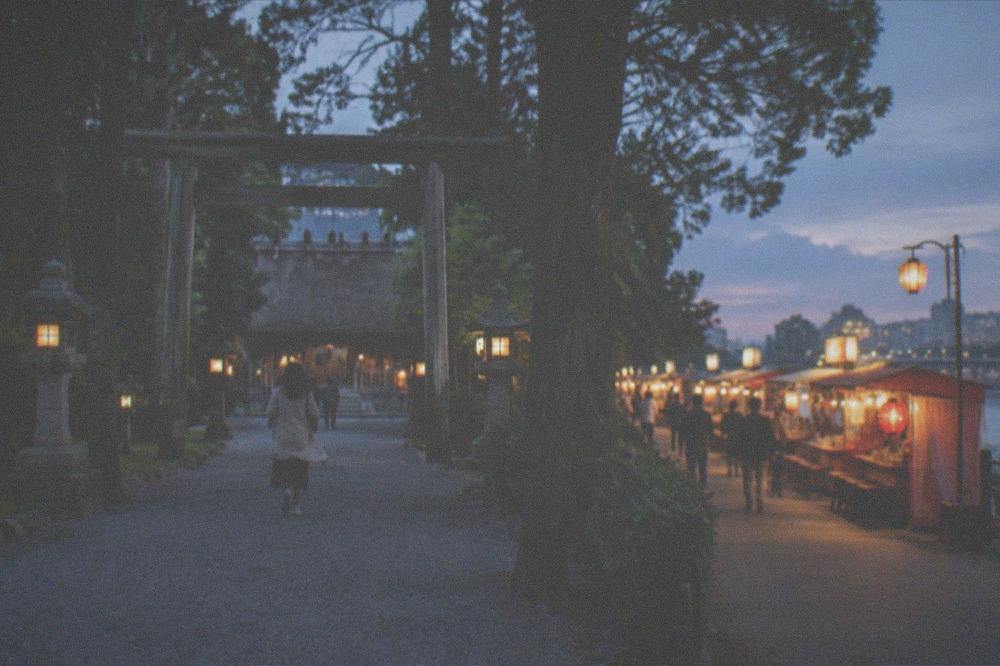
Kushida Shrine, Tochoji Temple, Shofukuji Temple, Jotenji Temple and the Hakata Machiya Folk Museum all sit within a short walk of Sumiyoshi Shrine, forming Hakata's densest sightseeing cluster. The station-area malls and canal-side Kawabata shopping arcade are also close by, so you can cover most of the neighborhood's main sights in a single afternoon on foot. This is the single best argument for visiting: the marginal cost of adding Sumiyoshi to a Hakata old-town walk is roughly ten minutes, and the walk itself is one of the most rewarding in the city. You can cover the whole cluster on foot in half a day without hurrying, and finish at the yatai when they open in the early evening, which makes for a complete Hakata day without a single ticket purchase.
The cluster works because Hakata's history is compressed into a few blocks. Shofukuji Temple is Japan's oldest Zen temple, founded by the monk Eisai after his return from China. Tochoji Temple holds the great seated Buddha. Kushida Shrine is the parish shrine of the whole district and the focus of the Hakata Gion Yamakasa festival each July. Sumiyoshi, the sea-god sanctuary, completes a set that tells the story of a medieval port town in a single afternoon: trade, prayer, discipline and celebration, each with its own building.
| Nearby site | Character | Distance from Sumiyoshi |
|---|---|---|
| Kushida Shrine | Festival heart of Hakata, Yamakasa base | a few minutes on foot |
| Tochoji | Great Buddha and pagoda | a few minutes on foot |
| Shofukuji | Japan's first Zen temple, quiet grounds | a short walk |
| Jotenji | Small Zen temple with Hakata origins | a short walk |
| Hakata Machiya Folk Museum | District history in a preserved machiya | a short walk |
| Nakasu yatai row | Evening food stalls on the Naka River | about 15 minutes on foot |
Beyond the old town, the wider city opens up quickly. Ohori Park and the Fukuoka Castle ruins sit a subway ride to the west, and the castle site has its own story this year: the Tenshudai, the main keep base, is closed from 26 May 2026 until the end of December 2026 for an archaeological excavation prompted by a document found in December 2024 that describes a keep which may never have existed. Whether the "phantom keep" was real is still an open question, which makes the castle grounds an unusual companion piece to a shrine visit: two places where Hakata's past is actively being argued over rather than simply displayed.
When Is the Best Time to Visit?
Any season works for visiting this small, free shrine, so timing matters less than at larger attractions, though spring and autumn deliver the best light and colour for photographs. Spring brings fresh blossoms and softer tones, while autumn adds warm hues to the grounds. Whatever the season, arrive in the early morning, when crowds are thinnest, the air is coolest, and the light falls most gently across the site, making it the best time of day to experience the shrine fully. Fukuoka's climate is mild by Japanese standards: the Japan Meteorological Agency's 1991 to 2020 normals put the January mean at 6.9°C and August at 28.4°C, with the wettest month being July, at 299.1 mm of rain, ahead of June's 249.6 mm despite June being the tsuyu rainy season month. That July figure surprises most visitors, and it matters here because July is also Yamakasa month, when the whole district is at its most crowded and energetic.
Typhoon season runs roughly July through October and is a genuine planning factor, though neither it nor the June rains make the city unvisitable. Autumn, from mid-to-late November into early December, is the connoisseur's window: the trees around the shrine grounds turn, the air is dry, and the old quarter photographs beautifully. Winter is quiet and cold but clear, and the city in winter has its own appeal for anyone who prefers empty grounds to full ones.
| Season | Conditions | Verdict for a shrine visit |
|---|---|---|
| Spring (Mar to May) | Mild, cherry blossom late March into early April | excellent, mornings especially |
| Summer (Jun to Aug) | Hot, humid, July wettest at 299.1 mm | visit early, expect some closures for rain |
| Autumn (Sep to Nov) | Cooling, dry, leaf colour from mid-November | the best window overall |
| Winter (Dec to Feb) | Cold but often clear, fewest visitors | quiet and atmospheric |
One seasonal note for the wider district: the Hakata Gion Yamakasa festival runs July 1 to 15 each year, centred on Kushida Shrine, and it transforms the streets around all of these religious sites. If you are in Hakata for the festival, expect crowds around the old town at all hours, including the very early morning around the July 15 finale. If you are not here for it, the shrine's own calendar is quieter, and a normal weekday morning delivers the calm the grounds are built for.
That Mount Aso day tour, from $58 per person and rated 4.6 from 101 reviews, is the natural next step for anyone whose interest in shrines outgrows the city: it carries you into the mountains of Kumamoto to Aso Shrine and the Kurokawa onsen town in one long day. It is worth checking the operator's live listing for departure points and seasonal availability, since mountain itineraries shift with the weather, and this is a region where the weather deserves respect.
How Does Sumiyoshi Fit Into a Longer Trip?
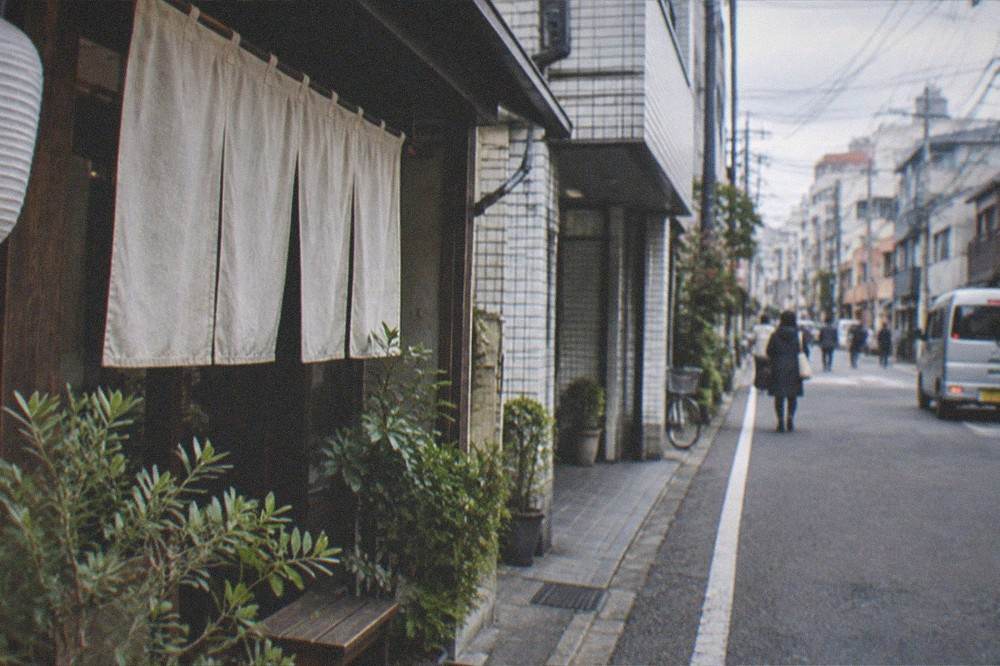
Treat Sumiyoshi Shrine as a 30-minute anchor inside a half-day Hakata old-town walk, pairing it with nearby Kushida Shrine and the riverbank in a single loop. If your itinerary already includes a Miyajaki or Dazaifu day, you can skip deeper shrine-hopping in Fukuoka without losing anything, but if you have a full free day, the shrine's riverside location makes it an easy first stop before lunch and shopping in the Gion district. Fukuoka rewards two kinds of travellers differently: the city-break visitor, who should keep everything within Hakata and Tenjin, and the Kyushu explorer, who should use the city as a base for day trips into the mountains, gorges and onsen towns that make this island distinct from Honshu. Sumiyoshi Shrine belongs firmly to the first category, but it plants the seed for the second, and many visitors find the second half of their trip reshaped by what they see in the first hour.
The shrine-to-mountain progression is a real one, and it is not just a marketing line. Hakata's sea gods were the spiritual infrastructure of a trading port; Aso's volcano deities and the mountain shrines of the interior are the spiritual infrastructure of an agricultural, volcanic landscape. Seeing both in one trip, a quiet Hakata morning followed by a day in the Aso caldera, gives you a sense of Kyushu's range that no single city visit can. The day trips from Fukuoka pages on this site cover the main options, from Yufuin's onsen town to the gorges and coastlines further out.
For the practical planner, the honest budget picture is generous. The shrine is free, the old-town walk is free, the subway fares that connect the district to the rest of the city cost a few hundred yen, and a bowl of tonkotsu ramen afterwards costs less than a coffee in most Western capitals. The paid layer, tours and day trips, is entirely optional and can be decided on the ground once you know what the city feels like. Start with the free morning, and see where the day takes you.
Common Questions About Sumiyoshi Shrine Fukuoka
Is Sumiyoshi Shrine Fukuoka Worth Visiting?
Yes, if you enjoy shrines and you are already in Hakata. Entry is free, the grounds take under an hour, and the shrine's sea-god history gives it a distinct character. If you have only one day in the city and temples do not interest you, skip it without regret.
Is Sumiyoshi Shrine free to enter?
Yes, the grounds are free to enter, like nearly all of Hakata's shrines and temples. There are no tickets, no set route and no closing gate to worry about, though the grounds are at their best and most atmospheric in the early morning.
How far is Sumiyoshi Shrine from Hakata Station?
The shrine sits in the old quarter east of Hakata Station, roughly a ten-minute walk through the district's historic streets. From Tenjin, take the subway to Gion or Nakasu-Kawabata and walk from there; the shortest subway fares start at ¥210.
What is Sumiyoshi Shrine dedicated to?
The shrine is dedicated to the three Sumiyoshi deities, gods of the sea, safe voyage and purification. It belongs to a Japan-wide network of Sumiyoshi shrines, and Hakata's branch reflects the port city's centuries of maritime trade with China and Korea.
Can you combine Sumiyoshi Shrine with other Hakata sights?
Easily. Kushida Shrine, Tochoji, Shofukuji, Jotenji and the Hakata Machiya Folk Museum all sit within a short walk of one another, and the whole cluster can be covered on foot in half a day, finishing at the yatai stalls in the evening.
When is the best time of year to visit?
Autumn, from mid-November into early December, offers the best combination of dry weather, leaf colour and soft light. Spring works well too. July is the wettest month of the year at 299.1 mm of rain, though it is also Yamakasa festival month, which some visitors will consider a fair trade.