Nishijin
Nishijin is the low-rise quarter squeezed between Ohori Park and the Fukuoka Castle ruins, home to two universities, a cluster of old temples and some of the city's most reliable neighbourhood coffee shops. Here is what the area actually offers a visitor, with verified prices and opening facts.
Short answer
Nishijin is known as Fukuoka's student and temple quarter west of Ohori Park, anchored by Ohori Park and the Fukuoka Castle ruins, the Fukuoka Art Museum, and streets of small cafes near Seinan Gakuin University. The Ohori Park Japanese Garden charges ¥250 for adults; the park, castle grounds and museum building entry are free.
What Is Nishijin Known For?
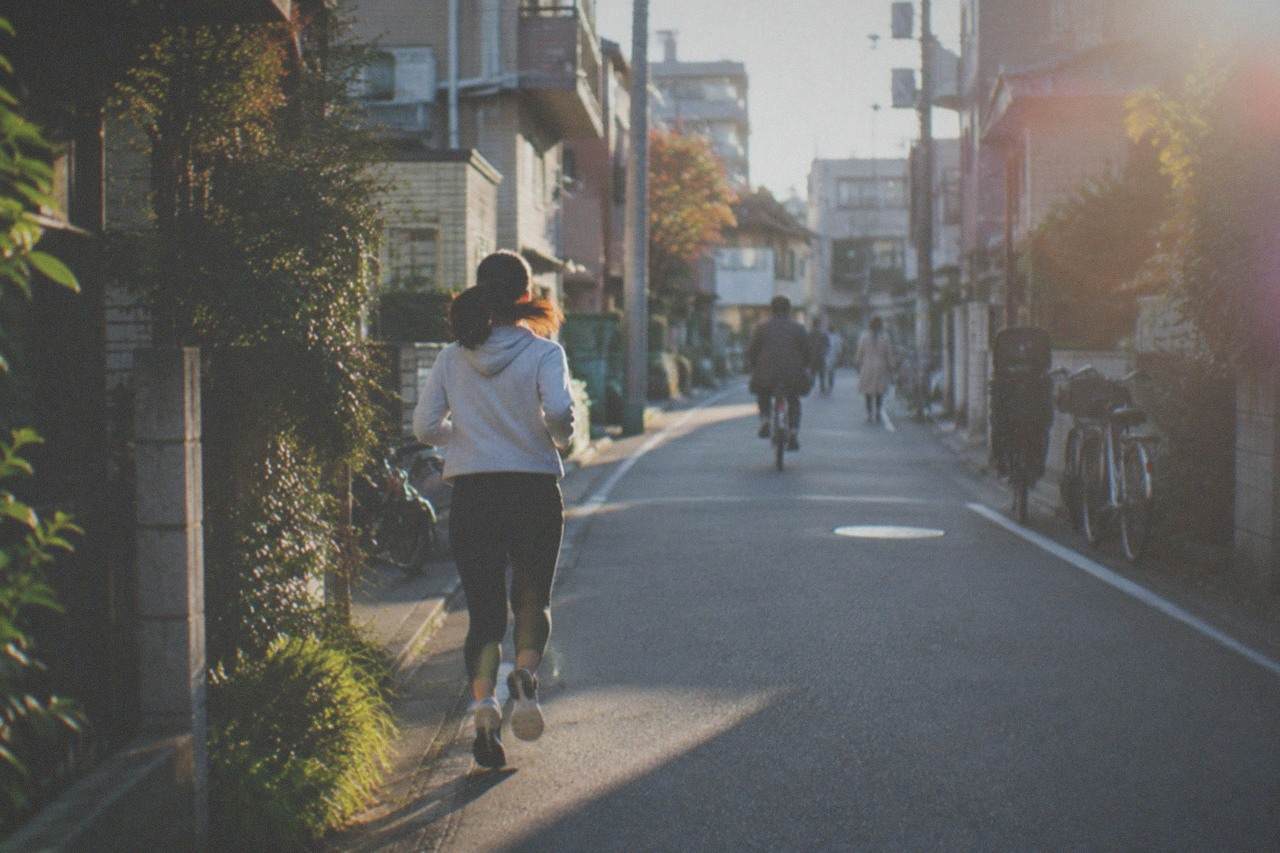
Nishijin is known as Fukuoka's student and temple quarter, the low-rise belt west of Ohori Park where Seinan Gakuin University and Fukuoka University sit among older houses, small temples and independent cafes. Its anchors are Ohori Park, the Fukuoka Castle ruins in Maizuru Park, and the Fukuoka Art Museum. It is the part of the city where the castle town's old street grid survives, and it is one of the few central districts that still feels like a neighbourhood rather than a commercial district.
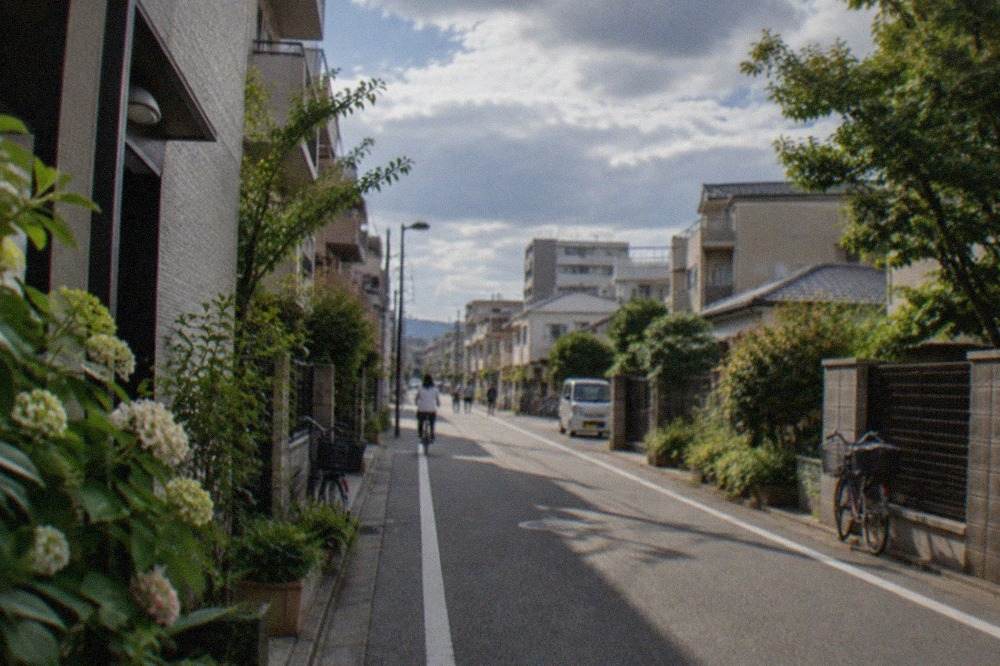
The name causes confusion, and it is worth clearing up immediately. Nishijin in Fukuoka has nothing to do with the famous Nishijin weaving district of Kyoto, though the shared characters led to a historical textile connection here too: the area took its name from weavers who settled on this "western position" ground. What the name means to a visitor today is simpler. This is the quiet side of the city centre, the part you walk through rather than the part you commute across.
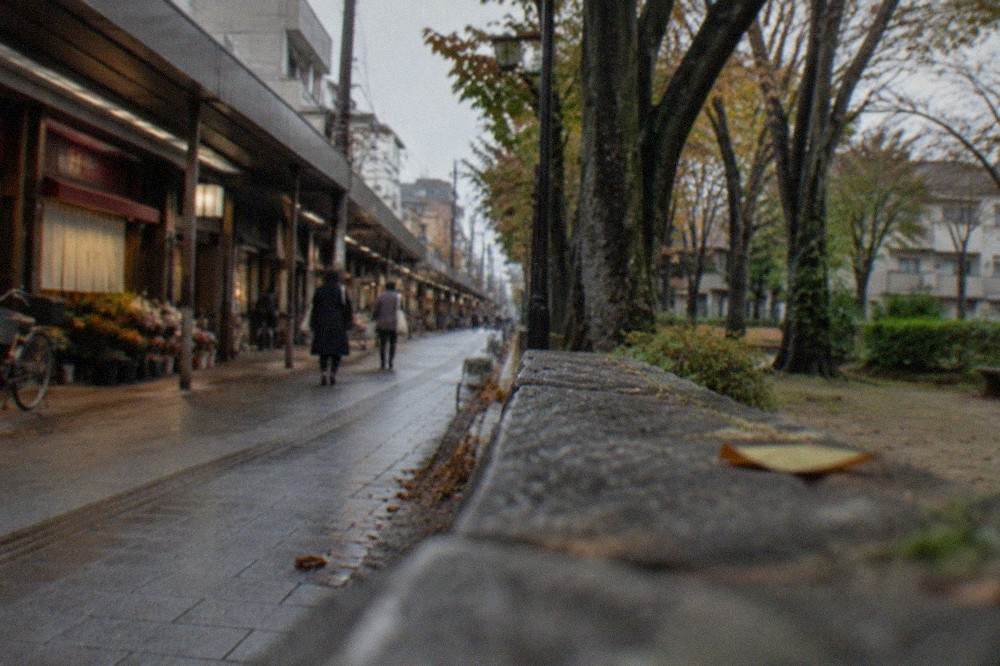
The area's character comes from its universities. Seinan Gakuin, with its distinctive red-brick quad, has been here for over a century, and the student population explains almost everything else on the streets: the cheap noodle shops, the used bookstores, the coffee places that open at noon and the bars that only get going after nine. On a weekday afternoon the streets mix students on bicycles, families heading to Ohori Park, and retired residents walking the castle walls.
For a visitor deciding whether to spend time here, the honest framing is this: Nishijin is not a sightseeing district with a ticket booth. It is a district with three of the city's best free sights on its doorstep and a streetscape worth an unhurried hour. The pages on Ohori Park and the Fukuoka Castle ruins cover those anchors in depth; this page covers the quarter around them.
Where Is Nishijin and How Do You Get There?
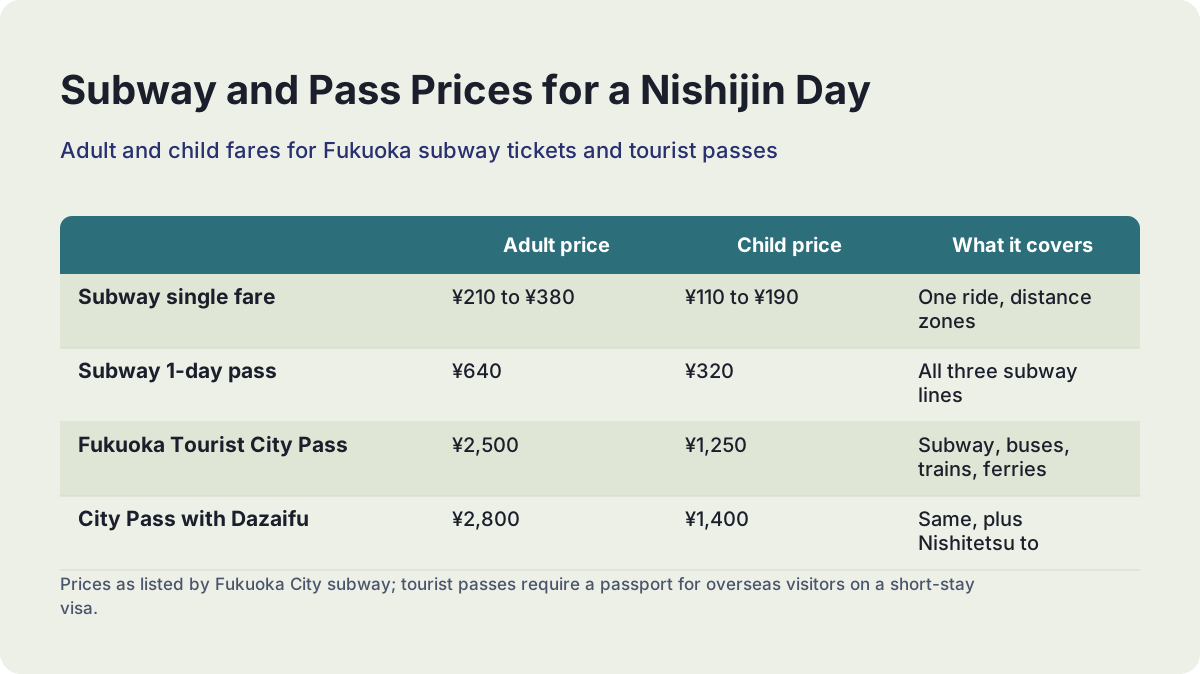
Nishijin sits immediately west of Ohori Park and Maizuru Park, roughly 2 km northwest of Tenjin, inside Chuo Ward of Fukuoka City. The subway's Nanakuma line runs under the district, and a single adult fare from the city centre costs between ¥210 and ¥300 depending on distance, with a one-day subway pass at ¥640. Hakata and Fukuoka are the same city, so there is no "Hakata to Fukuoka" journey to plan, only a short ride across town.
The geography is easy to hold in your head. Ohori Park is the area's eastern edge, the castle ruins sit just northeast of the pond, and the universities and their commercial strips spread west and south from there. Tenjin lies a straight walk or short subway ride to the east, and the Ohori and Akasaka district, with its own cafe scene, sits directly south. Nothing in Nishijin is more than about 20 minutes on foot from Ohori Park's shoreline.
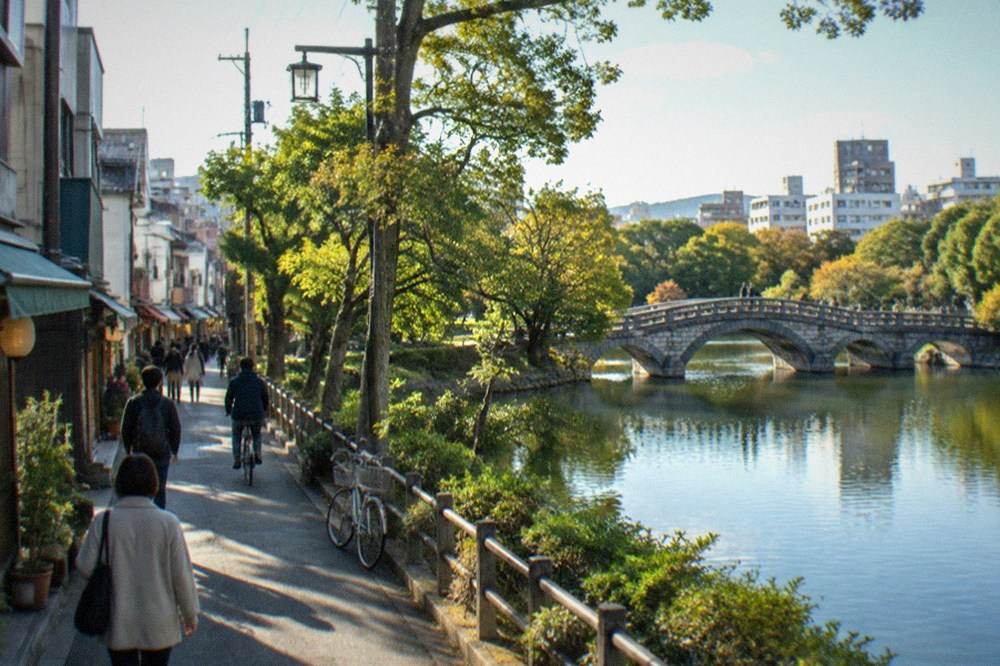
Getting in is straightforward. The city subway's fare table is distance-based, from ¥210 for rides up to 3 km up to ¥380 for the longest trips, and a child fare is roughly half. The ¥640 one-day pass covers all three lines and pays off if you plan more than two longer rides; it is sold at station machines and at the tourist information counters in Tenjin, at Hakata Station and at Fukuoka Airport. The airport itself is unusually close to the city centre, and the airport-to-Hakata subway fare is ¥260, verified against the official 3 to 7 km fare band.
| Ticket | Adult price | Child price | What it covers |
|---|---|---|---|
| Subway single fare | ¥210 to ¥380 | ¥110 to ¥190 | One ride, distance-based zones |
| Subway 1-day pass | ¥640 | ¥320 | All three subway lines, first to last train |
| Fukuoka Tourist City Pass | ¥2,500 | ¥1,250 | One day of subway, buses, trains and ferries in the city, passport required |
| City Pass with Dazaifu | ¥2,800 | ¥1,400 | The same, plus Nishitetsu coverage to Dazaifu |
One detail about the Tourist City Pass that most competing guides still get wrong: the old ¥820 and ¥1,340 prices are stale. The current pass costs ¥2,500 for the city version and ¥2,800 with Dazaifu, and it is restricted to overseas visitors on a short-stay visa, with a passport checked at the counter. If you do not have that status, the ordinary ¥640 subway pass is the practical choice for a Nishijin day.
What Are the Best Things to See in Nishijin?
The essential sights are Ohori Park's 2 km waterside walking loop, the Fukuoka Castle ruins in Maizuru Park, the Ohori Park Japanese Garden at ¥250 for adults, and the Fukuoka Art Museum, whose building entry is free with the collection at ¥200. Everything except the garden and museum collection is free, and all of it sits within a 15 minute walk. Add the Seinan Gakuin brick quad and the small temples along the old streets for a full day.
Start with the park, because it is the reason most visitors end up in this part of town at all. Ohori Park is free, open all day, and built around a large pond that was once the outer moat of Fukuoka Castle. The loop around the water is about 2 km, flat, and busy with joggers in the morning and families in the late afternoon. Two islands sit in the pond, one connected by bridge, and the view across the water toward the Fukuoka Tower side of the skyline is one of the standard photographs of the city.
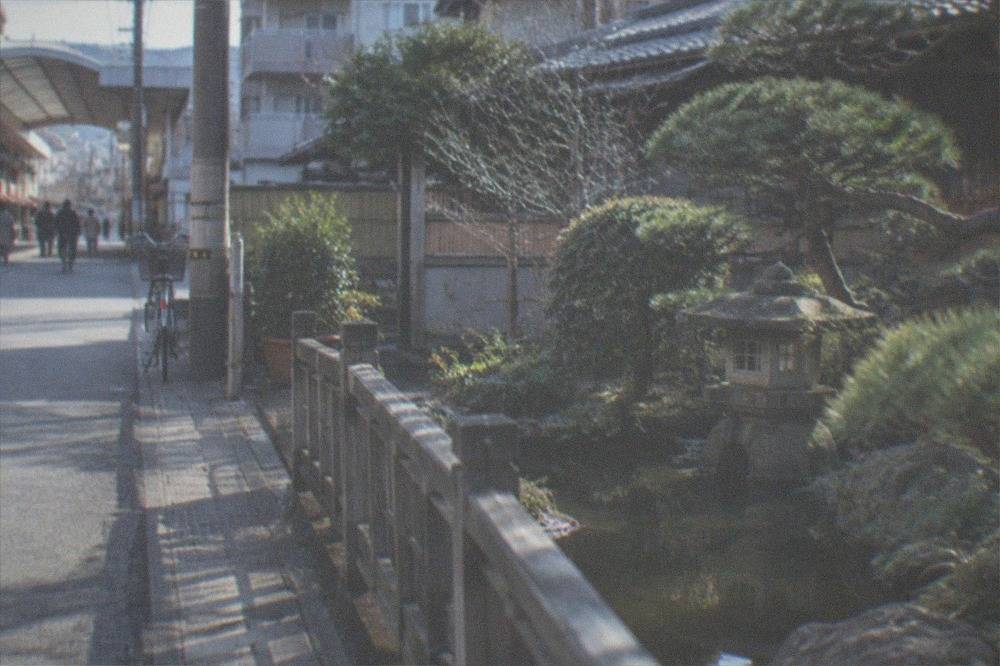
The Japanese Garden inside the park is the one paid stop, and it earns the ¥250. It is a Meiji-era garden of pines, iris beds and teahouses, small enough to see in half an hour, and free for visitors 65 and over and for children under 6. Last entry is 17:45 in the summer season and 16:45 in winter, and it closes Mondays plus the year-end holidays. The [Ohori Park Japanese Garden](/attractions/ohori-park/) has its own full page if the garden is your main reason for coming.
| Sight | Entry cost | Notes |
|---|---|---|
| Ohori Park | Free | Open grounds, about 2 km walking loop |
| Ohori Park Japanese Garden | ¥250 adult, ¥120 child | Free under 6 and for 65 and over; closed Mondays |
| Fukuoka Castle ruins, Maizuru Park | Free | Tenshudai base closed from 2026-05-26 to end of December 2026 |
| Fukuoka Art Museum building | Free | Collection exhibition ¥200 general, ¥150 student |
| Fukuoka Asian Art Museum building | Free | Asia Gallery ¥200 general, ¥150 student; closed Wednesdays |
| Seinan Gakuin University quad | Free to view | Red-brick campus, best photographed from the street |
The castle ruins deserve more of your time than their free entry suggests. The park holds stone walls from the Kuroda clan's original Fukuoka Castle, built on this hill in the early Edo period, and the walls, turrets and gates that survive are among the largest castle remains in Kyushu. The Tenshudai, the stone base where the main keep stood, is currently closed to entry: an excavation began on 2026-05-26 and runs until the end of December 2026, prompted by a document found in December 2024 that describes a keep historians thought might never have been built. The rest of the park, including the walls and viewpoints, remains open and free.
The Fukuoka Art Museum sits at the park's southern edge. Entry to the building is free, the collection exhibition costs ¥200 for adults and ¥150 for university and high school students, and junior high school pupils and younger enter free, as do residents of Fukuoka, Kitakyushu, Kumamoto or Kagoshima aged 65 and over with ID. The museum closes Mondays and the December 28 to January 4 window. Two stops east of the park, the Fukuoka Asian Art Museum in the Riverain Center building follows the same free-building, ¥200-gallery pattern and closes Wednesdays instead.
What Is the Nishijin Food and Coffee Scene Like?
Nishijin's food scene is a student-budget scene: long-running coffee shops that roast their own beans, cheap noodle and curry lunch spots around the university gates, and a scatter of small izakaya that fill after dark. It is not a destination-dining district like Nakasu or the Daimyo lanes, and that is the point: prices are low, seats are unbookable and the atmosphere is local. For a night out, most visitors walk or ride east to Daimyo or Nakasu.
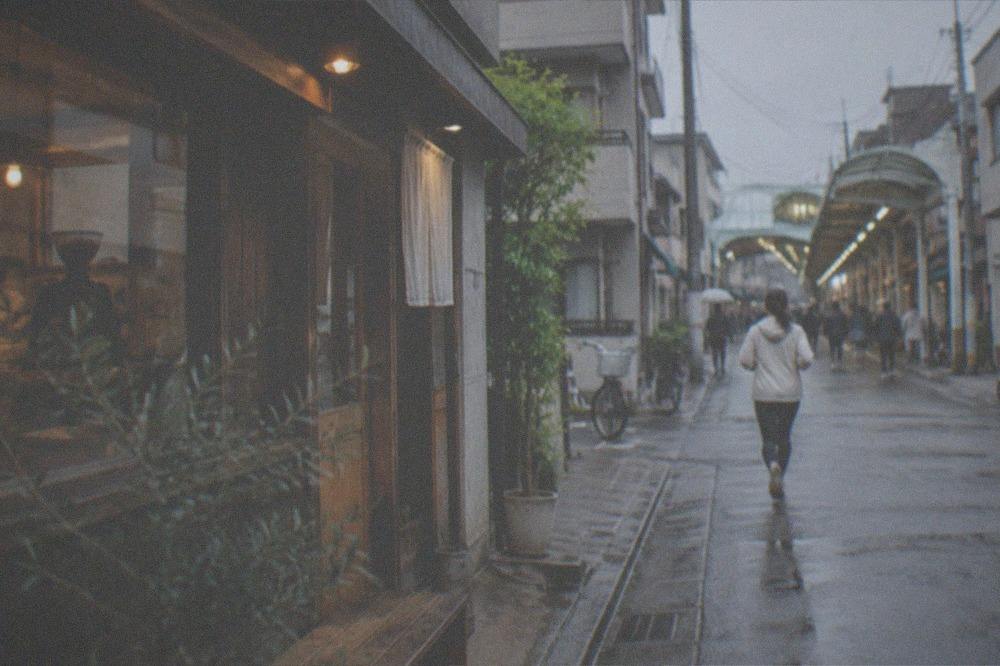
Coffee is the area's genuine specialty. The streets around the university have supported independent kissaten for decades, the kind of places with siphon brewers, thick toast sets and a master who has run the counter for a generation. Lunch hours bring set meals priced for students, and the evening trade shifts to standing bars and small izakaya tucked between houses. None of this needs a reservation, and none of it needs a tour, though a guided walk does help you find the doors, which are genuinely easy to walk past.
The Fukuoka Essentials half-day tour, from $74 per person and rated 4.9 from 48 reviews, runs 3 to 6 hours and covers the city's history and culture with a guide, including the Ohori Park side of town. It suits a first day, when you want the castle story and the neighbourhood layout explained rather than discovered by trial.
If you would rather eat your way through the city's famous food culture, the yatai stalls are the signature experience, and they sit east of here along the Naka River and in Tenjin and Nagahama, not in Nishijin. The city's own figures put the count at about 100 stalls, and a city ordinance requires every stall to display its prices where customers can see them, with no vague "market price" items permitted. The stalls take walk-ins, so there is nothing to book to eat at one; only guided yatai crawls are ticketed. The Nakasu yatai street and the Daimyo bar lanes are the natural evening continuation of a Nishijin afternoon.
How Does Nishijin Fit Into the Fukuoka Castle Story?
Nishijin is the surviving street grid of the castle town that grew west of Fukuoka Castle after the Kuroda clan built it in the early Edo period, when the castle's moats later became the pond at Ohori Park. The district's temples, its walls-adjacent location and its name all trace to that era, which makes it the best place in the city to read the castle's footprint on the modern map. The Tenshudai excavation, running to the end of December 2026, is the current chapter of that story.
The castle shaped everything here. Ohori Park's pond is the castle's outer moat, widened and landscaped when the site became a public park in the early twentieth century. Maizuru Park preserves the honmaru, the inner bailey, with its stone walls and gates. The streets west of the moat follow the grid laid out for the castle town's samurai and merchant quarters, which is why Nishijin's blocks feel older and narrower than the redeveloped land around Tenjin. The city's official castle site publishes the excavation details, including the Tenshudai closure, at fukuokajyo.com.
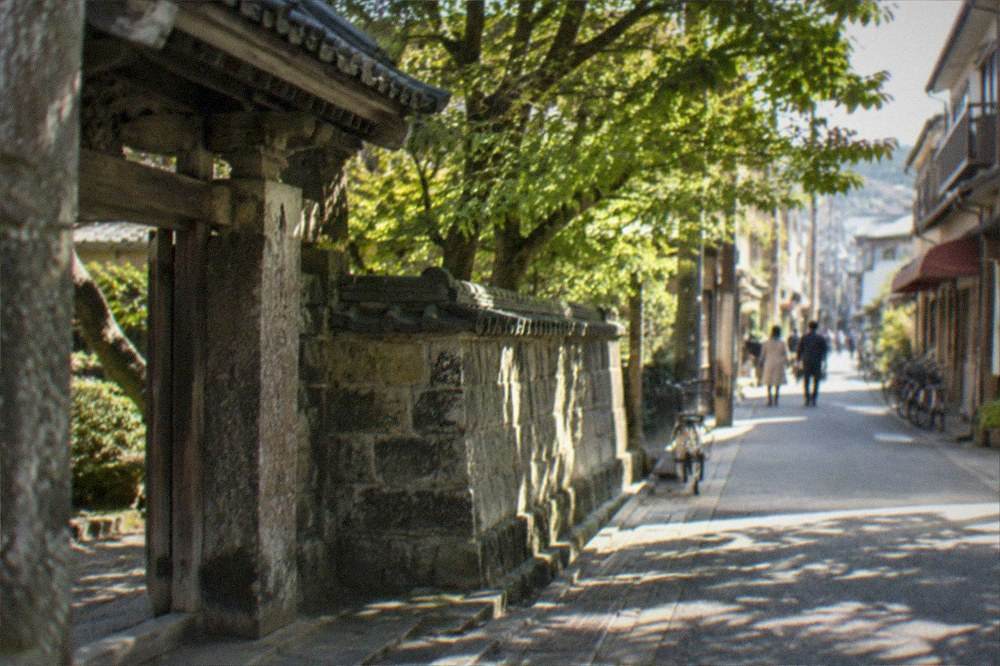
The temple scatter is part of the same inheritance. Castle towns were laid out with temple clusters on their perimeters, partly for spiritual reasons and partly because temple compounds with their walls and open grounds served as firebreaks and defensive buffers. Nishijin still carries several of these small temples along its back streets, low-walled compounds with cemeteries and camphor trees, none ticketed and none busy. They are worth a slow bicycle loop, and the quietest hours are weekday mornings.
When Is the Best Time to Visit Nishijin?
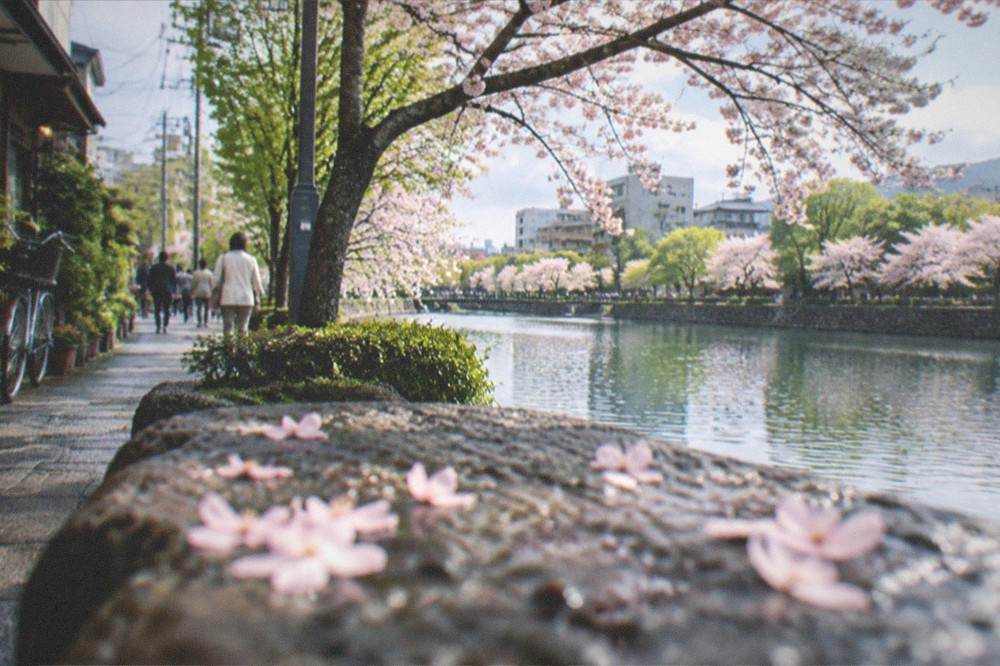
The best months for Nishijin are March to May and October to November, when temperatures sit between 10 and 20 degrees Celsius and the park and castle walls are at their best, with cherry blossoms from late March and autumn colour from mid-November. July and August are the hottest months, above 27 degrees on average, and July is the city's wettest month at 299.1 mm, wetter than the June rainy season.
The Japan Meteorological Agency's 1991 to 2020 normals for the Fukuoka station give the full picture, published at data.jma.go.jp. The counterintuitive detail is that July, festival month, out-rains June, the nominal rainy season: 299.1 mm against 249.6 mm. August is hotter still, averaging 28.4 degrees, but it is drier than July and banks 200.9 sunshine hours, the second sunniest month of the year after May's 204.1.
| Month | Mean temperature | Rainfall | Sunshine hours |
|---|---|---|---|
| March | 10.8 C | 103.7 mm | 161.2 h |
| April | 15.4 C | 118.2 mm | 188.1 h |
| May | 19.9 C | 133.7 mm | 204.1 h |
| July | 27.4 C | 299.1 mm | 172.2 h |
| October | 19.6 C | 94.5 mm | 175.9 h |
| November | 14.2 C | 91.4 mm | 137.3 h |
Spring is the peak, and the reason is the blossom. Maizuru Park holds roughly 1,000 cherry trees around the castle ruins, and the typical bloom window runs from late March into the first days of April, with the park running illuminations during the festival period. Nishijin's streets and the Ohori Park shoreline are among the easier places in the city to see the blossom without the crowds that pack the bigger name spots. Autumn brings the same advantage in reverse: mid to late November colour, fewer tour groups, and the castle walls at their most photogenic.
Typhoon season runs roughly July through October and is a genuine planning factor for Kyushu, though it rarely shuts the city down for long. If you are travelling in that window, keep a flexible indoor option in mind: both art museums, the teamLab Forest installation and the Tenjin underground mall all sit within a short ride. The city's rainy-day and seasonal pages cover those alternatives in detail.
How Much Does a Day in Nishijin Cost?
A day in Nishijin can run from almost nothing to about ¥2,000 per person before food: the park and castle ruins are free, the Japanese Garden is ¥250, the Fukuoka Art Museum collection is ¥200, and a subway day pass is ¥640. Coffee and a student-priced lunch are the main variable, and the area's pricing is set for undergraduates rather than tourists, which keeps it among the cheaper districts in the city.
| Item | Cost | Notes |
|---|---|---|
| Ohori Park walking loop | Free | Grounds open all day |
| Ohori Park Japanese Garden | ¥250 | Child ¥120, under 6 free |
| Fukuoka Art Museum collection | ¥200 | Student ¥150, junior high and under free |
| Fukuoka Castle ruins | Free | Tenshudai base closed to end of December 2026 |
| Subway day pass | ¥640 | All three lines, discounts at partner facilities |
| Coffee shop set | Varies by shop | Neighbourhood pricing, no posted averages |
The honest answer on food budgets is that no official average exists for this or any other Fukuoka district, and any guide printing a precise "expect ¥2,000 a head" figure for the yatai is inventing it. What can be said is structural: Nishijin's commercial strip prices for students, the city ordinance requires every yatai to display prices openly, and neither the garden nor the museums carries hidden extras. Budget your day around the three small admission fees and let lunch set its own pace.
For a wider budget picture, including hotel areas and how this district compares on price with Hakata and Tenjin, the Fukuoka trip cost guide and the where to stay guide carry the full breakdowns. Nishijin itself has limited hotel stock, so most visitors stay east and come here for the day.
Should You See Nishijin with a Guide?
A guide adds real value on a first visit, because Nishijin's story is spatial: the moat, the walls, the temple grid and the university quarter only make sense when someone connects them. The Fukuoka Essentials half-day tour from $74 per person, rated 4.9 from 48 reviews, is the natural fit; a two-hour private walking tour from $64 per person, rated 4.7 from 46 reviews, suits a shorter stop; and a guided bike ride from $73 per person, rated 4.7 from 22 reviews, covers more ground.
The private walking option, Fukuoka Private and Personalized Walking Tour with a Local, runs about 2 hours from $64 per person and is rated 4.7 from 46 reviews. It is a good pick if your time in the district is a single morning and you want the castle-to-park walk narrated rather than self-guided.
Cyclists get a different deal again. The Bike is Life guided ride, from $73 per person and rated 4.7 from 22 reviews, spends about three and a half hours on the city's streets, and the flat terrain around Ohori Park and the castle is where Fukuoka cycling is at its easiest. This site's Fukuoka cycling page covers self-guided options if a tour is not your style.
Beyond the city, the same departure points serve the big Kyushu day trips. The Yufuin and Beppu tour with the Sapporo Brewery and AoT Museum, from $55 per person and rated 4.7 from 51 reviews, and the Miyazaki and Takachiho Gorge day tour, from $94 per person and rated 4.6 from 78 reviews, both leave from central Fukuoka and suit a second or third day. The day trips from Fukuoka page maps the full range, and the 3 day itinerary slots Nishijin into a first-visit plan alongside them.
Planning a wider route through the city, including this district, is exactly what Fukuoka Japan Travel Guide is for: the itineraries, the transport pages and the sight guides are built to be read together.
Common Questions About Nishijin
What Is Nishijin Known For?
Nishijin is known as Fukuoka's student and temple quarter west of Ohori Park, anchored by Ohori Park, the Fukuoka Castle ruins, the Fukuoka Art Museum and the red-brick campus of Seinan Gakuin University. It is the part of the city centre where the old castle-town street grid survives.
Is Nishijin the same as the Kyoto Nishijin?
No. Kyoto's Nishijin is the famous weaving district. Fukuoka's Nishijin borrowed the name through a historical textile connection but is today a university and residential quarter beside Ohori Park.
How do I get to Nishijin from Hakata Station?
Hakata Station and Nishijin are both inside Fukuoka City, so this is a short cross-town ride rather than a journey between places. The subway's Nanakuma line serves the district, with single fares between ¥210 and ¥380 depending on distance. A one-day subway pass costs ¥640.
Is Ohori Park free?
Yes, the park and its walking loop are free. The Japanese Garden inside the park charges ¥250 for adults and ¥120 for children, with free entry for visitors under 6 and for those 65 and over.
Can you enter the Fukuoka Castle keep base?
Not at present. The Tenshudai stone base is closed from 2026-05-26 until the end of December 2026 for an archaeological excavation, prompted by a 2024 document find. The rest of Maizuru Park, including the walls and viewpoints, remains open and free.
Where should you eat in Nishijin?
Expect student-priced noodle and curry lunch spots near the university gates and long-running independent coffee shops. The area is not a destination-dining district; for a big night out, most visitors continue east to Daimyo or the Nakasu yatai stalls, which take walk-ins and require no booking.