Fukuoka vs Kyoto
Fukuoka and Kyoto sit at opposite ends of the Japan travel spectrum: one is a growing port city on Hakata Bay where the biggest costs are remarkably small, the other is the ancient capital where the sightseeing itself adds up. Here is what the verified numbers say.
Short answer
Fukuoka is generally the cheaper city to visit. The subway runs from ¥210 a ride with a ¥640 day pass, the Tourist City Pass is ¥2,500 with a passport check, and major sights cost between free and ¥1,000. Kyoto concentrates its spending on temples, kaiseki dining and pricier central hotels, so a comparable itinerary usually costs more there.
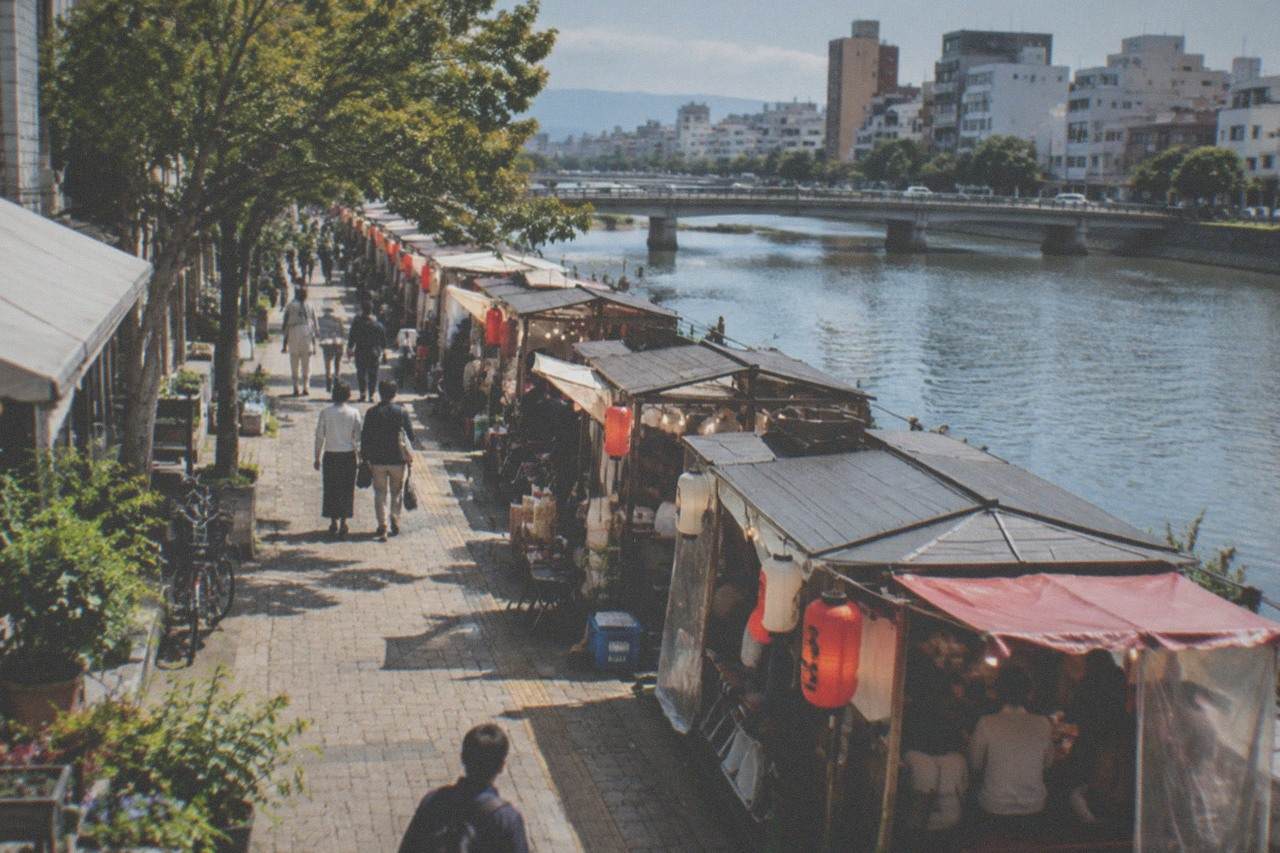
Two cities define the two halves of most Japan itineraries. Kyoto is the old capital, the one with seventeen World Heritage sites, geisha districts and temple gates that have been photographed for a century and a half. Fukuoka is the fast-growing port city on Hakata Bay, on the Genkai Sea side of northern Kyushu, where the ramen is tonkotsu, the food stalls line the river, and the city's population of 1,663,892 grew by 3.2 percent in the last census, the fastest rate of any designated city in Japan. They could hardly be more different, and so could their price tags. This comparison uses verified Fukuoka figures throughout, because a cost guide that invents numbers is worse than no guide at all.
One clarification before anything else, because it is the single most common error in guides to this part of Japan. Hakata and Fukuoka are the same city. Hakata is the ward and the station name, Fukuoka is the city, and nobody travels "from Hakata to Fukuoka". There is also no JR Fukuoka Station: the Shinkansen and JR hub is Hakata Station. If a guide tells you otherwise, treat everything else it says with suspicion. The question of which side of the country suits your wallet better is covered in detail at how to get from Kyoto to Fukuoka, and the wider budget picture lives in the Fukuoka trip cost breakdown.
How Do Costs Compare Between Fukuoka and Kyoto?
Fukuoka is the cheaper of the two for almost every line item a traveller actually pays: getting in from the airport, moving around, eating dinner and entering sights. A day of Fukuoka sightseeing can be done on subway fares of ¥210 to ¥380, free shrine grounds and attractions capped at about ¥1,000, with food stall dinners that carry no cover charge. Kyoto's costs cluster around temple entry fees of a few hundred yen each, kaiseki dining and higher central hotel rates, which together push a comparable day higher.
The honest way to run this comparison is to put verified Fukuoka numbers on the table and describe Kyoto's cost structure qualitatively, rather than quoting Kyoto prices from memory. So that is what this page does. Where a Fukuoka figure appears below, it comes from an official source: the city subway's own fare table, the tower's own charge page, the museums' own guides. Where Kyoto is described, it is described by structure, not by invented numbers.
| Cost category | Fukuoka (verified) | Kyoto (what to expect) |
|---|---|---|
| Airport to centre | ¥260 subway fare, unusually close airport | Longer and pricier transfer from Kansai's airports |
| City transit per ride | ¥210 to ¥380 by distance | Flat-fare bus system, per-ride fares comparable |
| One-day transit pass | ¥640 subway day pass | Day passes exist; check current rates on the operator's site |
| Biggest single sight ticket | Fukuoka Tower ¥1,000 adult | Multiple temple fees add up across a day |
| Museums | ¥200 general at both city art museums | Varies widely by temple and museum |
| Dinner for one, casual | Yatai stalls, posted prices, no cover charge | Casual dining cheap, kaiseki expensive |
| Tourist day pass | ¥2,500 with passport check | No equivalent city-wide visitor pass |
The pattern in that table holds across the board. Fukuoka's costs are low and flat: a handful of cheap rides, free shrine grounds, a couple of modest museum tickets. Kyoto's costs are individually small but cumulative: a temple here, a garden there, a special exhibition somewhere else, and by mid-afternoon the sightseeing budget has quietly doubled. Neither city is expensive by the standards of Tokyo or Osaka, but Fukuoka is the one where the wallet barely notices the itinerary.
Getting There and Getting Around
Getting to and around Fukuoka is cheaper than the equivalent in Kyoto. The subway fare from Fukuoka Airport to Hakata Station is ¥260, single rides within the city run ¥210 to ¥380 by distance, and a one-day subway pass costs ¥640. Kyoto's transit is workable and inexpensive, but the airport transfer is longer and the bus network is slower, so both money and time costs run higher.
Fukuoka Airport is unusually close to the city centre, which is a verified, sourced fact and one of the city's genuine structural advantages. The subway fare to Hakata Station is ¥260, derived from the official 3 to 7 km fare band on the city subway's own fare table. What you should not believe is the "five minutes to Hakata" claim that almost every competing guide prints: no official page verifies a journey time, so this site does not publish one either. The airport's proximity is real; the famous minute figure is not sourced. Full arrival logistics are covered in the Fukuoka Airport to city guide.
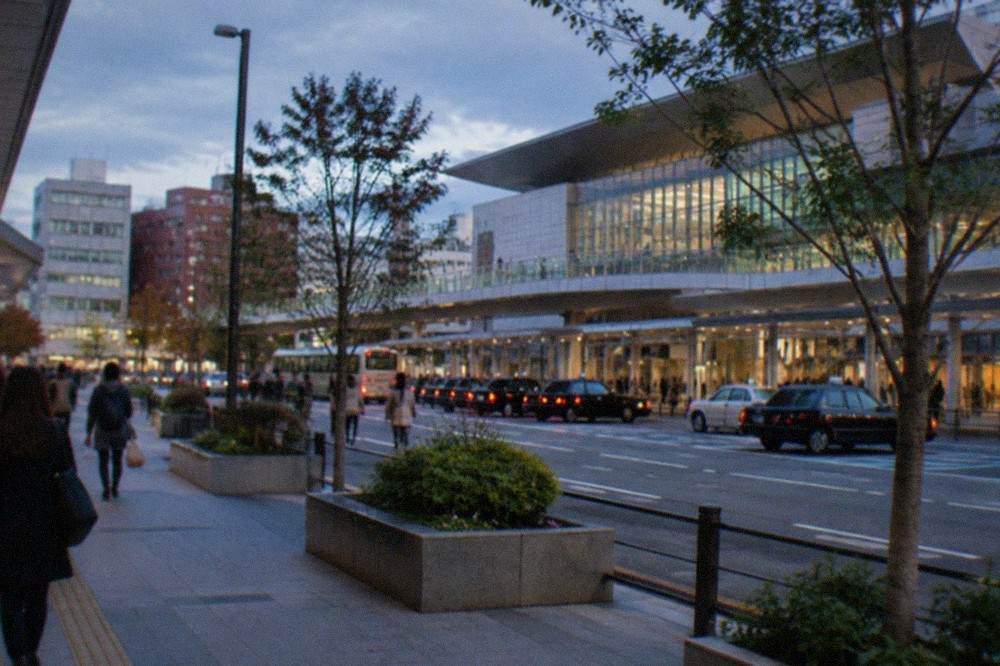
Inside the city, the subway charges by distance, from ¥210 for up to 3 km up to ¥380 beyond 19 km, with children at half fare. The one-day pass, the Chikamaru-kun, is ¥640 for adults and covers all three lines from first train to last. For overseas visitors on a short-stay visa, the Fukuoka Tourist City Pass is the standout: ¥2,500 for the city version and ¥2,800 including Dazaifu, covering subway, Nishitetsu trains and buses, some JR lines and ferries, with a passport checked at the counter. Most competing guides still quote a stale ¥820 or ¥1,340 for this pass, which is simply wrong; the official pass page states the current prices plainly.
Kyoto's transit works differently. The city leans on a flat-fare bus network plus two subway lines, and visitors typically buy a day pass or an IC card and tap through. The costs are modest, but the structure is slower: buses in the central sightseeing corridor are famously crowded in peak season, and the nearest major airport is a significant transfer away. Fukuoka's airport-to-centre leg is one subway fare and two stops. That difference compounds over a trip, both in yen and in hours.
For anyone who would rather not navigate an unfamiliar subway with luggage, a private arrival transfer from Fukuoka Airport to the city is a fixed, bookable cost rather than a gamble, and for families or late arrivals it often makes sense. Everyone else can ride the subway for ¥260 and be done with it.
Hotels and Neighbourhoods: Where the Big Money Goes
Accommodation is the largest single cost in either city, and Fukuoka is the cheaper of the two on average, especially outside peak periods. Fukuoka's hotel stock clusters around Hakata Station and Tenjin at rates that undercut Kyoto's central wards, and the city's rapid growth keeps new supply arriving. Kyoto's central hotels, particularly around the sightseeing core, price at a premium that grows steeply in cherry blossom and autumn foliage seasons.
Fukuoka's two main hotel districts split cleanly. The area around Hakata Station is the practical choice: Shinkansen access, the subway, airport proximity and a dense supply of business hotels. Tenjin, the shopping and nightlife heart, costs a little more and puts you closer to the food stalls and the evening action. The trade-offs between them are laid out in the where to stay in Fukuoka guide, and the underlying naming question, Hakata versus Fukuoka, is settled in Hakata or Fukuoka.
Kyoto's accommodation market is the mirror image. Demand concentrates in a small central area near the main temple corridors, ryokan inventory is limited and priced accordingly, and the seasonal peaks, late March to early April for cherry blossoms and mid to late November for autumn colour, multiply rates in a way Fukuoka's flatter tourist curve mostly avoids. A useful planning rule: in Fukuoka, season moves your hotel price by degrees; in Kyoto, in peak weeks, it moves it by multiples.
The budget lever in both cities is the same one: stay one transit stop out from the premium core. In Fukuoka that means looking beyond the station's immediate blocks; in Kyoto it has traditionally meant the southern or western edges of the city. The saving is real in both, but it buys more distance in Kyoto, where the transit is slower, than in Fukuoka, where two subway stops still put you minutes from everything.
Food Costs: Yatai Versus Kaiseki
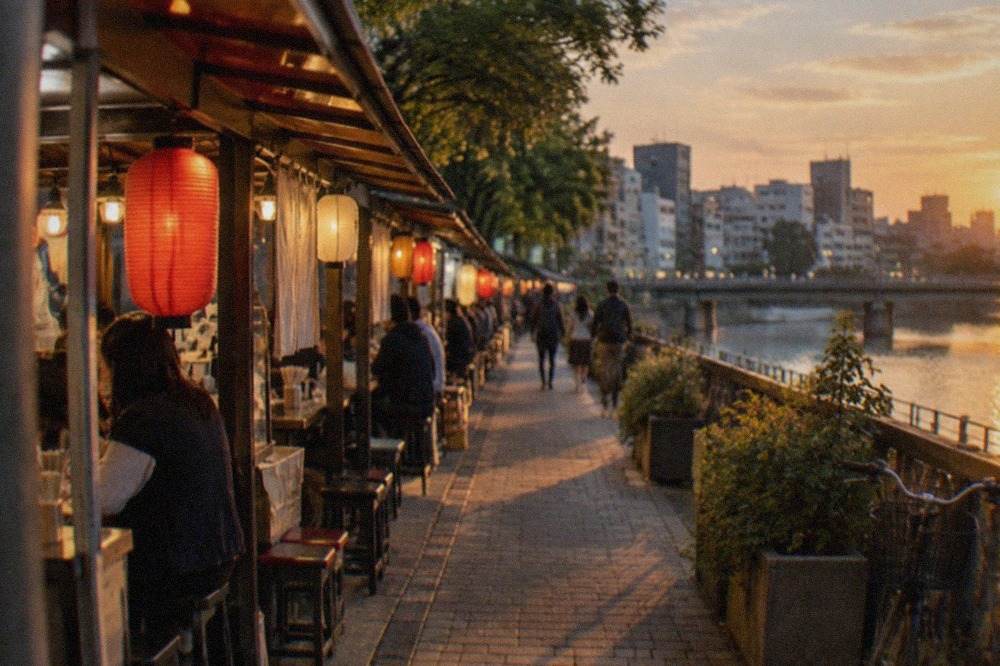
Eating is where the two cities diverge hardest, and Fukuoka wins it. Fukuoka's roughly 100 licensed yatai food stalls post their prices by law, charge no cover charge and serve full dinners at street-food prices, while everyday restaurants across Hakata and Tenjin stay cheap. Kyoto offers cheap everyday food too, but its celebrated dining, kaiseki courses and temple-town cafes, sits at the expensive end of the scale.
The yatai are Fukuoka's signature, and the cost structure around them is unusually transparent. The city's own yatai ordinance requires every stall to display its prices where customers can easily see them, and it bans 時彩, "market price", pricing: any dish priced on the day's market cost must show that day's actual figure. City inspectors check periodically. That is the honest answer to the question every visitor quietly has, "will I get ripped off at a yatai", and it is a better answer than any other guide gives, because it comes from the ordinance itself. The etiquette, the areas and the stall-by-stall reality are covered in the Fukuoka yatai guide.
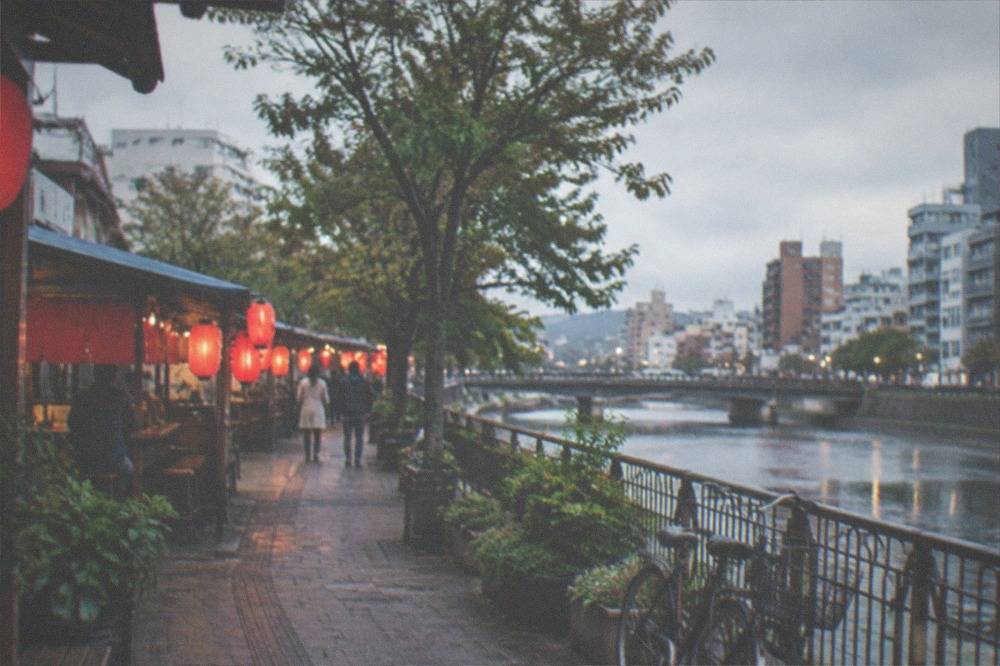
There is no official average yatai price, and this site will not invent one. What can be said is structural: no standard seating charge is indicated in any official material, the stalls take walk-ins and cannot be booked, and a stall dinner with drinks fits the general range of an affordable casual meal out. Rain and strong wind close many stalls, and there is no city-mandated closing night: each operator decides. Only guided yatai crawls are bookable, and there are three in the roster; the stalls themselves belong to whoever shows up.
Kyoto's food costs run the other way. The city's famous kaiseki tradition is one of the most expensive ways to eat in Japan, and even mid-range temple-town dining prices above Fukuoka's izakaya baseline. The fair comparison is not "Fukuoka yatai versus Kyoto kaiseki", because they are different products, but rather the everyday floor: a quick bowl in Hakata against a quick bowl in central Kyoto. On that floor the two are close, and Fukuoka's advantage is that its signature experience, the stall dinner, sits at the cheap end, while Kyoto's signature sits at the dear end.
The wider food landscape, from motsunabe to mentaiko to the izakaya scene, is mapped in the Fukuoka food guide, and the evening side of the city, Nakasu in particular, rounds out the picture after dark.
Sights and Attractions: What Entry Fees Look Like
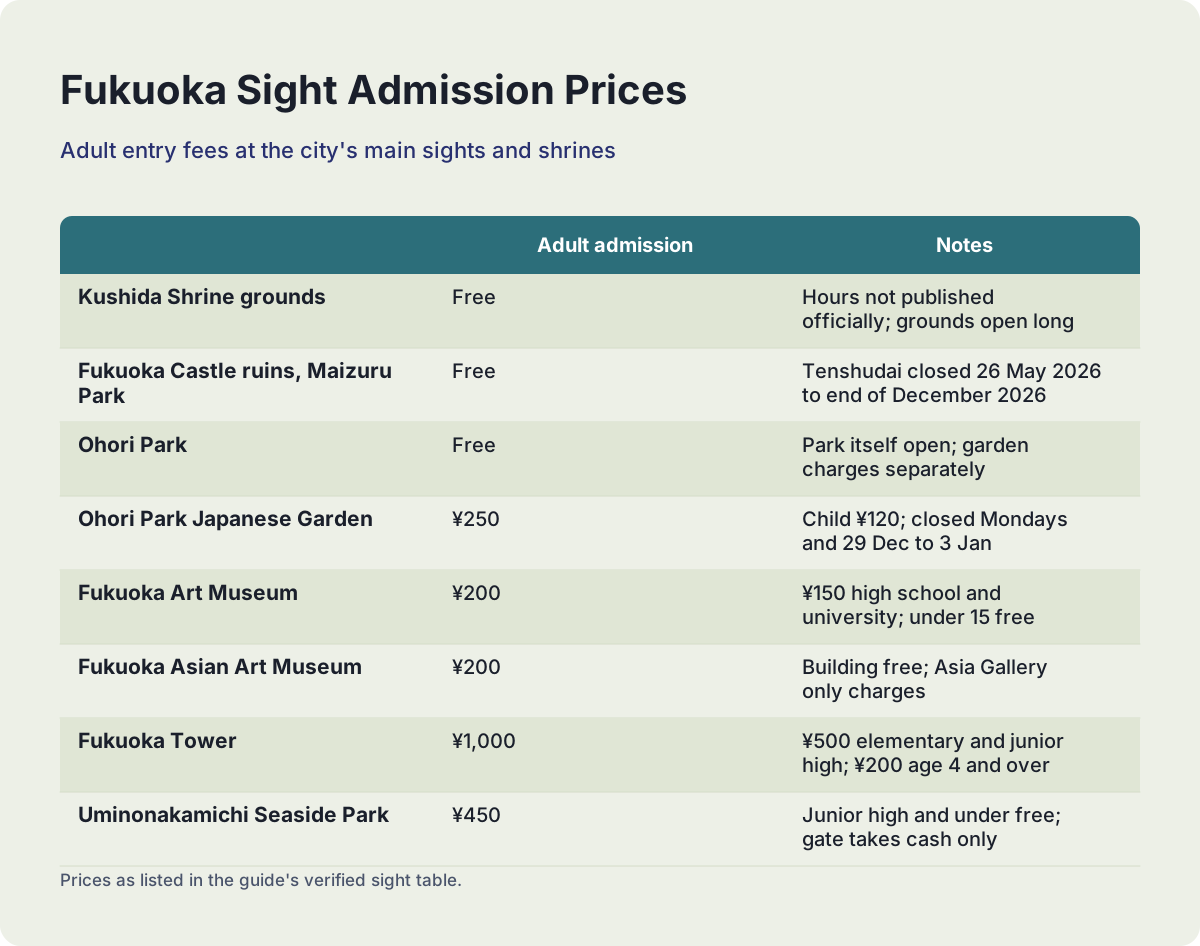
Fukuoka's sightseeing costs almost nothing at the floor and is capped at about ¥1,000 at the ceiling. Shrine and temple grounds across the city are free, both city art museums charge ¥200 general admission, the Ohori Park Japanese Garden is ¥250, and the most expensive single ticket in the centre is Fukuoka Tower at ¥1,000 for adults. Kyoto's sights are individually modest but cumulative, with temple after temple charging separately across a day.
The Fukuoka list is short and verified. Kushida Shrine, Tochoji, Shofukuji and the castle ruins at Maizuru Park are free to enter. The Fukuoka Art Museum charges ¥200 general and ¥150 for high school and university students, with junior high and under free, and the same pricing applies at the Fukuoka Asian Art Museum, where the building itself is free and only the Asia Gallery charges. Both museums admit residents over 65 free. The Ohori Park Japanese Garden is ¥250 for adults and ¥120 for children. Fukuoka Tower, the priciest ticket in the centre, is ¥1,000 for high school age and above, ¥500 for elementary and junior high, and ¥200 from age four, per the tower's own charge page.
| Fukuoka sight | Adult admission | Notes |
|---|---|---|
| Kushida Shrine grounds | Free | Hours not published officially; grounds open long hours |
| Fukuoka Castle ruins, Maizuru Park | Free | Tenshudai closed from 26 May 2026 to end of December 2026 for excavation |
| Ohori Park | Free | Park itself open; garden charges separately |
| Ohori Park Japanese Garden | ¥250 | Child ¥120; closed Mondays and 29 Dec to 3 Jan |
| Fukuoka Art Museum | ¥200 | ¥150 high school and university; under 15 free |
| Fukuoka Asian Art Museum | ¥200 | Building free; Asia Gallery only charges |
| Fukuoka Tower | ¥1,000 | ¥500 elementary and junior high, ¥200 age 4 and over; closed 28 to 29 June 2027 |
| Uminonakamichi Seaside Park | ¥450 | Junior high and under free; gate takes cash only |
Two details in that table are worth flagging because almost nobody else publishes them. Uminonakamichi Seaside Park's gate is cash only, which matters when the rest of the city has moved to IC cards and contactless payment. And the castle's Tenshudai, the main keep base, is closed from 26 May 2026 until the end of December 2026 for an archaeological excavation prompted by a document found in December 2024 that describes a keep which may never have existed. The park itself stays free and open throughout.
Kyoto's sightseeing ledger works differently. Its temples and gardens mostly charge a few hundred yen each, and the city's World Heritage density means a full day of visits stacks five or six of those fees. The per-visit cost is rarely painful; the daily total usually exceeds Fukuoka's, where a full sightseeing day can be built almost entirely on free grounds and one or two sub-¥1,000 tickets. The temple-and-shrine landscape of Fukuoka, modest but genuinely interesting, is covered in the Fukuoka temples and shrines guide.
Day Trips and the Cost of Leaving the City
Both cities reward day tripping, but Fukuoka's day trips are cheaper and closer. Dazaifu Tenmangu, the region's most famous shrine, is free to enter and a short Nishitetsu ride away, and organized Kyushu day tours from Fukuoka start from about $46 to $59 per person in the current roster. Kyoto's day trips, Nara, Osaka, Uji, are similarly close, but the organized tour floor sits higher and the signature destinations charge entry fees.
Fukuoka's day-trip portfolio is unusually deep for a city its size. Dazaifu, Yanagawa, Itoshima, Nokonoshima and Shikanoshima are easy half and full days; Yufuin, Beppu, Mount Aso, Takachiho, Kumamoto and Nagasaki work as full days. Dazaifu Tenmangu itself charges no entrance fee, stated explicitly by the shrine, which makes the region's most visited sightseeing destination also one of its cheapest. The comparison shopping between the two cities extends further in Fukuoka versus Osaka and Fukuoka versus Tokyo.
| Day tour from Fukuoka | From (per person) | Rating | Duration |
|---|---|---|---|
| Mt. Aso and Takachiho Gorge tour | $48 | 4.7 from 674 reviews | 10 hours to 1 day |
| Takachiho Gorge and Amaterasu Railway | $48 | 4.8 from 713 reviews | 11 hours |
| Mt. Aso volcano and Kusasenri day tour | $46 | 4.7 from 224 reviews | 1 day |
| Yufuin and Beppu with brewery and museum | $55 | 4.7 from 51 reviews | 9 hours 30 minutes |
| Itoshima hidden gems day tour | $69 | 4.6 from 31 reviews | 8 hours 30 minutes |
Those are strong prices for full-day guided touring, and the review pools behind the two Takachiho options are large enough to mean something. The same money in the Kansai region buys less: organized day tours out of Kyoto generally start higher, and the destinations themselves, Nara's great sights, Osaka's attractions, charge entry fees that Fukuoka's free shrine grounds do not.
For visitors who want a hands-on cultural experience rather than a bus day, Fukuoka also has a workshop layer that Kyoto matches only at higher prices. A Hakata doll painting session runs from $28 per person and is rated 4.9 from 45 reviews, a tea ceremony with a maiko from $18, a shisa amulet workshop from $18, and a calligraphy experience from $32. These are short, cheap, bookable sessions that fill a rainy afternoon, a category where Kyoto's equivalents sit well above them.
When to Go, and What the Weather Does to Your Budget
Fukuoka's cheapest pleasant months are late autumn and winter, and its most expensive complications are weather rather than price: July is the wettest month of the year at 299.1 mm, and typhoon season runs roughly July through October. Kyoto's budget calendar is dominated by cherry blossom and autumn foliage premiums, which multiply hotel rates in late March and mid November, so timing matters more to a Kyoto budget than a Fukuoka one.
The Fukuoka climate record has a genuinely surprising fact buried in it. July, not June, is the city's wettest month: 299.1 mm against June's 249.6 mm, per the Japan Meteorological Agency's 1991 to 2020 normals, even though June is the tsuyu rainy season and July is when the city stages its biggest festival, Hakata Gion Yamakasa. August, by contrast, is hotter than July, drier than both, and banks 200.9 sunshine hours, the second sunniest month of the year after May. The full picture is in the best time to visit Fukuoka and Fukuoka weather guides.
| Month | Mean temperature | Rainfall | Planning note |
|---|---|---|---|
| March | 10.8 °C | 103.7 mm | Late March: cherry blossoms begin |
| May | 19.9 °C | 133.7 mm | Sunniest month of the year |
| July | 27.4 °C | 299.1 mm | Wettest month; Yamakasa festival, 1 to 15 July |
| August | 28.4 °C | 210.0 mm | Hot, dry, 200.9 sunshine hours |
| November | 14.2 °C | 91.4 mm | Autumn colour, mid to late month |
| December | 9.1 °C | 67.5 mm | Cheap, quiet, illuminations |
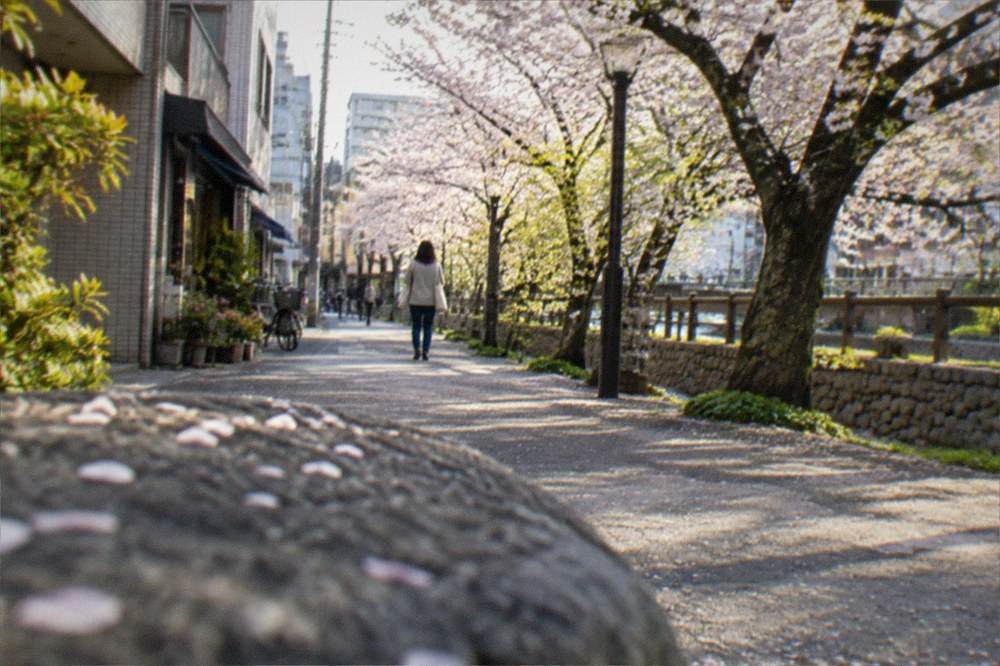
For Kyoto, the seasonal price story is the reverse. The city's two great visitor waves, cherry blossom season from late March into early April and autumn foliage from mid to late November, are precisely when hotel rates and crowd levels peak together. Fukuoka has both seasons too, and its cherry blossom spots, Maizuru Park's roughly 1,000 trees among them, are genuinely good, but the city's demand curve is flatter and its peak premiums smaller. A traveller flexible on dates saves more by avoiding Kyoto's peak weeks than by any other single decision in this comparison.
Typhoon season, roughly July through October, is a real planning factor for Kyushu, and it should be written as a factor, not a warning: the city is fully visitable through it, but September plans deserve refundable bookings. That is one more quiet argument for the free-cancellation habit on anything bookable.
So Which City Suits Your Budget?
Fukuoka is the better city for a cost-conscious trip: cheaper arrival, cheaper transit, cheaper signature food, cheaper attractions and cheaper organized day tours, with a flatter seasonal price curve on top. Kyoto is the better city when the budget is secondary to the sightseeing itself, since its World Heritage density has no equivalent in Kyushu. The strongest value play is not choosing between them but linking them: the Shinkansen connects the two in a single sitting.
If your trip is built around food, nightlife and a relaxed pace, Fukuoka delivers more of it per yen. The evening economy alone, the yatai rows, Nakasu, the izakaya depth of Daimyo and Imaizumi, is a full experience that costs less than a single kaiseki reservation in Kyoto. If your trip is built around temples, gardens and historical density, Kyoto is irreplaceable, and no price comparison should talk you out of it. A short Fukuoka stopover is easy to plan with the Fukuoka 2 day itinerary.
There is also a practical middle path that many travellers miss. The Sanyo Shinkansen links Hakata and Kyoto directly, so a Kansai-and-Kyushu itinerary can take in both cities without an internal flight, and Fukuoka works as the cheaper final base: the arrival costs are lower, the airport is closer to the centre, and the last two days of a trip, the expensive ones, when souvenirs and last dinners pile up, are cheaper here. This site, Fukuoka Japan Travel Guide, exists largely because that final-base role keeps catching on.
For arrivals into Fukuoka with luggage, timing constraints or a family in tow, a private airport transfer is the one bookable comfort that competes well against the ¥260 subway fare: it is not cheaper, but it is fixed, and it removes the last piece of guesswork from the cheapest city in this comparison.
Whichever way the comparison lands for you, the small pre-bookable costs are the ones worth settling before you fly. The tower ticket, a doll painting hour, a fixed transfer from the airport: none of them will make or break a budget, but each one removes a queue, a cash-only gate or a language negotiation from the day, and in a city this cheap those are the only frictions left.
Common Questions About Fukuoka Versus Kyoto
How Do Costs Compare Between Fukuoka And Kyoto?
Fukuoka is cheaper across nearly every category: a ¥260 subway fare from the airport, rides from ¥210, a ¥640 day pass, free shrine and temple grounds, museums at ¥200 and a maximum central attraction ticket of ¥1,000 at Fukuoka Tower. Kyoto's costs are individually small but cumulative, with temple entry fees stacking across a day and higher central hotel rates in peak seasons.
Is Fukuoka cheaper than Kyoto for food?
Yes, at the signature-experience level. Fukuoka's roughly 100 licensed yatai stalls post prices by law, charge no cover charge and take walk-ins, so the city's most famous dining sits at the cheap end. Kyoto's most famous dining, kaiseki, sits at the expensive end, though its everyday food is also affordable.
Do I need a tourist pass in Fukuoka?
Overseas visitors on a short-stay visa can buy the Fukuoka Tourist City Pass for ¥2,500, or ¥2,800 with Dazaifu included, covering subway, Nishitetsu trains and buses, some JR lines and ferries, with a passport checked at the counter. Everyone else can use the ¥640 subway day pass or pay ¥210 to ¥380 per ride.
Are attractions in Fukuoka free?
Many are. Kushida Shrine, Tochoji, Shofukuji, the castle ruins at Maizuru Park and Ohori Park are all free to enter, and Dazaifu Tenmangu charges no entrance fee. Paid sights are modest: ¥200 museums, a ¥250 Japanese garden and ¥1,000 for Fukuoka Tower, the most expensive central ticket.
Which city is better for day trips?
Fukuoka. Dazaifu, Yanagawa, Itoshima and the islands are cheap and close, and organized full-day Kyushu tours start from about $46 to $59 per person. Kyoto's day trips to Nara, Osaka and Uji are also close, but the organized tour floor is higher and the destinations charge entry fees.
When is each city most expensive?
Kyoto's prices peak in cherry blossom season, late March into early April, and autumn foliage season, mid to late November, when hotel rates multiply. Fukuoka's curve is flatter; its main seasonal complications are weather, with July the wettest month at 299.1 mm and typhoon season running roughly July through October.